Solutions to Child Poverty in Saint Lucia After COVID-19
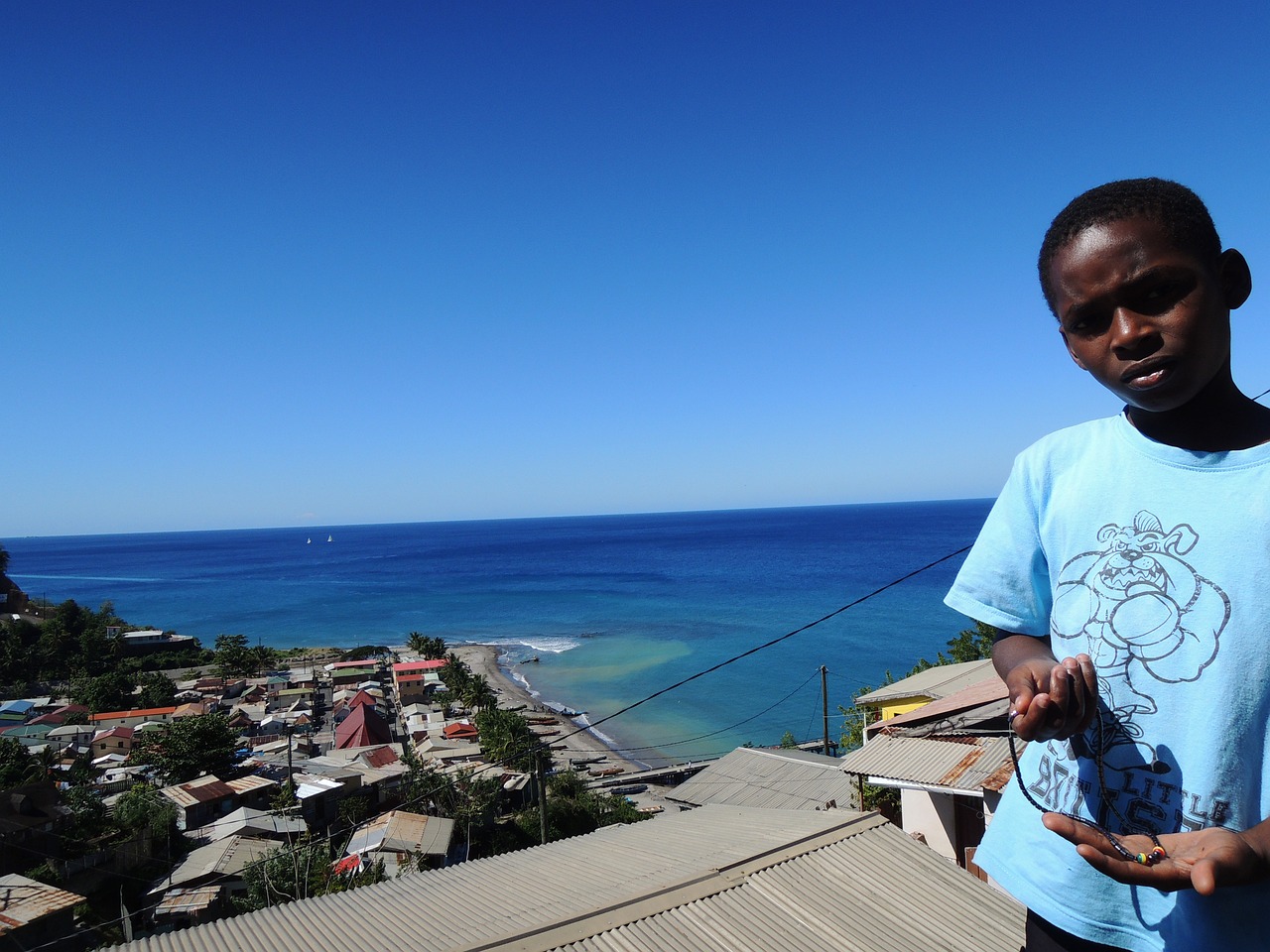
When the COVID-19 virus spread out into the world in 2020, it caused hardships for all countries. People feared contracting the virus but were also impacted by entire countries shutting down, putting citizens indefinitely out of work. Saint Lucia was one small Caribbean island whose children felt the burden of their parents’ lack of income. Child poverty in Saint Lucia, a country with a population of 180,000, rose to 34.5% in 2021.
In 2020, the economic and social impact on households was directly related to the closing of schools, businesses and the border itself. This led to a reduction in income due to job loss and restriction of hours. In addition, many citizens were unable to work due to their health. The biggest impact lies in the hotel and tourism sectors, with 33,000 people impacted by the shutting down of hotels, restaurants and retail stores, according to a United Nations presentation of the Saint Lucia Economic Stimulus, Recovery and Resilience Strategy. In a survey of citizens, “30% of households ran out of food once or more during the 30 days prior to the survey.” For poor households, “nearly 50% experience[ed] a time when they ran out of food.”
Effects of the COVID-19 Virus on Child Labor
The accumulation of this loss of income has increased child poverty in Saint Lucia. Many children had to take jobs such as street vending to provide for their families. However, it also led to more dangerous options, such as drug and sex trafficking. In 2020, the government began a revision of the Labor Act to address issues that did not meet the Labor Department’s mandates. It also approved the Counter-Trafficking Amendment Act, which protects victims of trafficking regardless of citizenship.
Saint Lucia took several other steps to eliminate child poverty and child labor. Its efforts included increased labor inspectors, updated standard operating procedures and a minimum age for work of 15. This allowed children to stay in school until legally able to work. It also passed a prohibition on forced labor and child trafficking. Labor enforcement funding has also risen from $392,313 in 2020 to $496,296 in 2021, according to the U.S. Department of Labor. St. Lucia also employed twice the number of inspectors in 2021 who were being trained before going out into the field and offered refresher courses for them.
Organizations Assisting Relief Efforts in Saint Lucia
On December 16, 2021, the Saint Lucia Ministry of Equity, UNICEF and the UN met for a development session on the impact and effects of the COVID-19 virus. They conferred together about the different measures that can be taken to learn from this pandemic. They also explored the extent of aid from social assistance responses. The World Food Programme (WFP) also stepped up in favor of the Income Support Program, which provided $1,500 each to more than 4,800 people unemployed due to the COVID-19 pandemic.
Additionally, UNICEF donated up to $400 from July to September 2020 to children in foster care and $300 to the Child Disability Grant. The Public Assistance Program was able to accommodate an additional 1,000 households from November 2020 to April 2021, thanks to funding from the World Food Programme ($229,610) and the India UN ($500,000).
However, citizens did not sit around waiting for assistance to find them. Despite the decrease in crucial tourist revenue, 16 hotels prepared and distributed meals to those impacted by the economic shutdown. In two months, they served 19,131 meals to those affected.
The COVID-19 pandemic affected all families, but work is occurring to pull children off this path and into a promising future. “The highest poverty reduction effect overall would be achieved by supporting a large number of households (bottom 40%), followed by a universal child grant,” said the United Nations. “Support to all children would also achieve the highest reduction in the child poverty rate.” A better future for children means a better future for their country.
– Jennifer Arias
Photo: Pixabay
