• Link to X
  • Link to Facebook
  • Link to Instagram
  • Link to TikTok
  • Link to Youtube
  • About
    • About Us
      • President
      • Board of Directors
      • Board of Advisors
      • Financials
      • Our Methodology
      • Success Tracker
      • Contact
  • Act Now
    • 30 Ways to Help
      • Email Congress
      • Call Congress
      • Volunteer
      • Courses & Certificates
      • Be a Donor
    • Internships
      • In-Office Internships
      • Remote Internships
    • Legislation
      • Politics 101
  • The Blog
  • The Podcast
  • Magazine
  • Donate
  • Click to open the search input field Click to open the search input field Search
  • Menu Menu

Archive for category: Children

Information and stories addressing children.

Child Poverty, Global Poverty

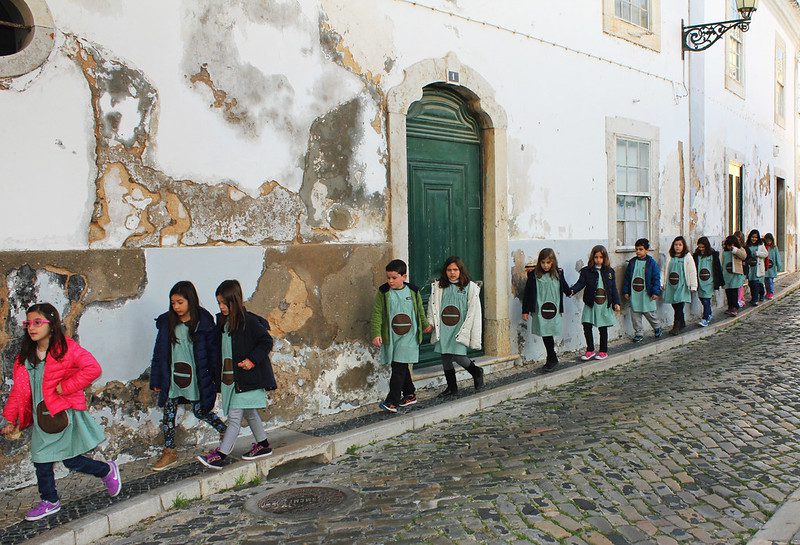
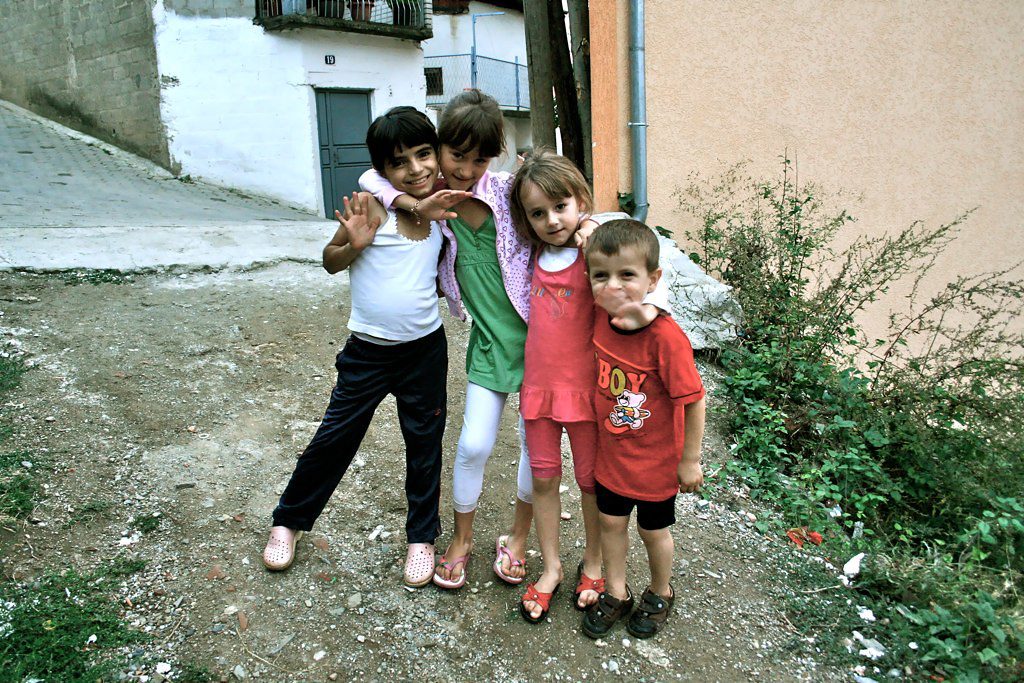
What You Need To Know About Child Poverty in Portugal

Child Poverty in PortugalNestled between stunning landscapes and steeped in history, Portugal’s charm is undeniable. As a popular tourist destination, visitors enjoy beautiful mountains in the north and lush terrain in the south. However, behind the charm of this attractive country lies a heartbreaking reality: over 20% of Portuguese children live in poverty. More specifically, almost a third of these children go to bed starving.
Why Is This an Issue?

Economically, Portugal is significantly weaker than its other European counterparts. A considerable number of Portuguese citizens earn notably less than other Europeans, attempting to make ends meet with the monthly minimum wage of €741. This amount is less than half of other countries like the U.K., where the monthly minimum wage is €1,600. The lack of sufficient income coupled with the expensive cost of living makes the lives of the citizenry very difficult. Families with children are in an even worse situation since more money is needed to feed every family member.

Child Labour

Despite laws against child labor, economic difficulties drive many children under 16 to beg. The financial crisis results in kids leaving school early to aid their families. This trend is especially seen in northern Portugal in industries like textiles, footwear and construction. These young workers earn less than one euro hourly, increasing the likelihood of school dropouts and skill deficiencies. 

Luckily, there is a brighter hope for these kids due to the work of entities such as the National Commission for the Promotion of the Rights and the Protection of Children and Young People–an organization founded in 2015 that aims to curb child poverty in Portugal by monitoring the actions taken by the public sector of Portugal regarding dealing with the human rights of children and other vulnerable populations. To date, the NCPRPC has safeguarded the rights of roughly 66,529 children in Portugal since 2021.

Education

In purely economic terms, due to the relatively low salaries of many families, private school fees ranging from €400 to €550 per month can pose a significant financial burden, making it difficult for them to afford these fees alongside their modest incomes. Furthermore, the prospect of a child leaving school to work and earn money is incredibly damaging and dangerous. Because proper education provides access to many opportunities to break the cycle of poverty, any threat to the quality of learning could only deepen and perpetuate the poor lifestyle of children into adulthood. Moreover, the lack of proper education also makes these children susceptible to falling into precarious situations and potential abuses, further exacerbated by their vulnerability due to economic circumstances.

Abuses Stemming From Child Poverty

Child exploitation and abuse is an unsettling reality that plagues Portugal. The numbers, which surpass 4,815 reported cases since 1950, paint a grim picture primarily affecting children between the ages of 10 and 14. This disheartening revelation sheds light on the stark contrast between perception and reality, calling into question prior notions. Legislative shortcomings have paved the way for the trafficking of particularly vulnerable girls, often hailing from impoverished backgrounds, magnifying the urgency of addressing these gaps. Moreover, the alarming practice of children trafficked from regions like Brazil, Eastern Europe and Africa into the heart of Portugal, where their lives are marred by unimaginable suffering, encompassing forced prostitution and a barrage of mistreatment, is unfortunately still rampant. 

Luckily, a resolution is underway. The Portuguese Victim Support Association (APAV), dedicated to aiding crime victims and combating sexual trafficking, partnered with The Body Shop’s impactful global campaign, receiving €44,300 for their anti-trafficking project and garnering seven million signatures for the petition ‘Stop Sex Trafficking of Children and Young People,’ thereby advancing awareness and support efforts.

Solutions

Fortunately, the Portuguese government has taken notice of the human rights violations that stem from child poverty in Portugal, and they took significant steps in 2021 to combat child poverty by participating in EU initiatives like the Child Guarantee National Action Plan. Their plan focuses on crucial aspects such as early education, accessible health care, mental health services, free school meals, housing support and strengthening care institutions. This concerted effort reflects Portugal’s commitment to improving the well-being of vulnerable children. So far, there has been a downward trend in children at risk of poverty since 2021, with childhood poverty decreasing by roughly 2%, reflecting a positive resolution to the issue of child poverty in Portugal.

While addressing child poverty in Portugal remains an urgent task, the government’s dedicated efforts and collective awareness are crucial, as aligning the nation’s inner compassion with its outward allure is imperative for a more harmonious future.

– Neha Yadavalli
Photo: Flickr

November 13, 2023
https://borgenproject.org/wp-content/uploads/borgen-project-logo.svg 0 0 Yuki https://borgenproject.org/wp-content/uploads/borgen-project-logo.svg Yuki2023-11-13 03:00:452024-05-30 22:32:37What You Need To Know About Child Poverty in Portugal
Child Soldiers, Global Poverty

Addressing the Issue of Child Soldiers in Nigeria 

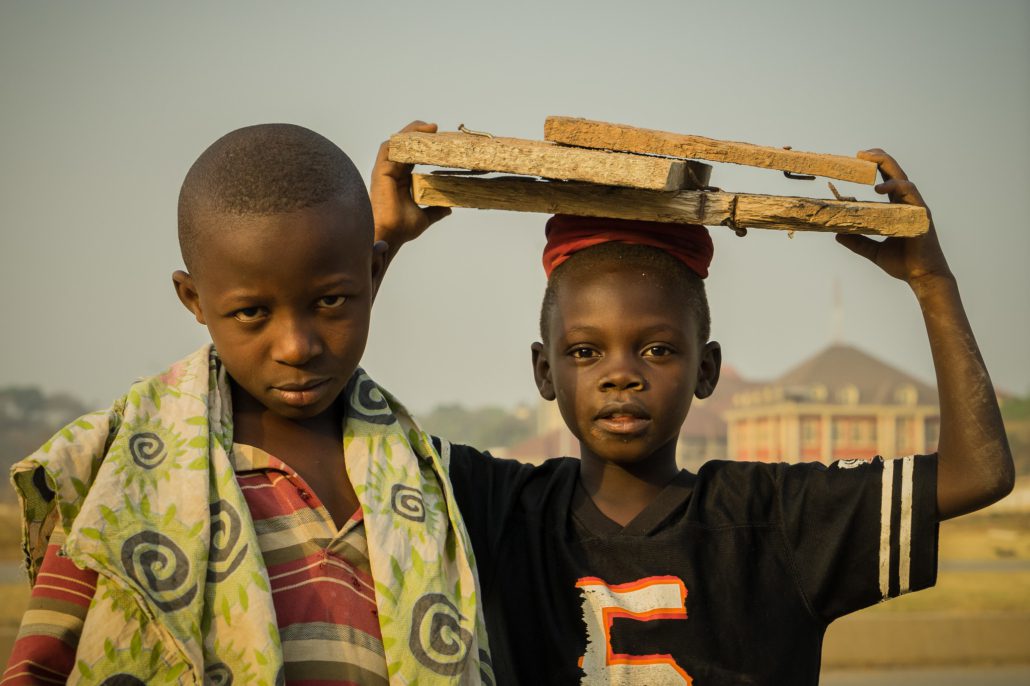
Child Soldiers in NigeriaSeveral people in Nigeria are facing displacement and vulnerability due to the issue of child soldiers. Armed groups recruit children under 18, classifying them as “child soldiers.” Despite international efforts, recruitment continues, underscoring the urgent need for comprehensive measures to protect these children. There are a number of factors driving this crisis, but on the bright side, international collaborations and educational initiatives play a significant role in bringing about positive change. These endeavors aim to safeguard Nigeria’s children from the horrors of armed conflicts, offering them a future free from fear and violence.
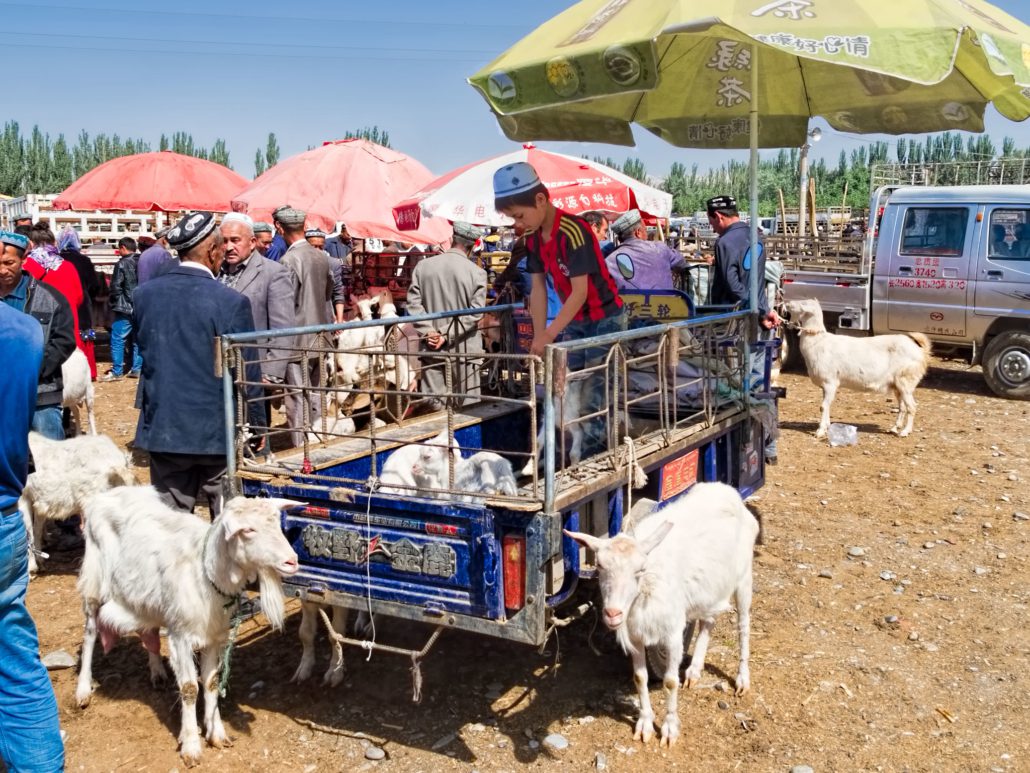
Globally, armed conflicts unfortunately involve children, with at least 105,000 child soldiers reported between 2005 and 2022. Armed groups compel these children into service through methods such as abduction, threats, poverty or the need for survival, all of which violate international law and child rights. Within these armed forces, these children endure violence, perilous tasks and deprivation, significantly affecting their physical and mental well-being.

In 2021, a United Nations (UN) report highlighted alarming rates of child soldiers in Nigeria and sexual violence against children in West and Central Africa. Within five years, government forces and armed groups recruited more than 21,000 children in the region. Furthermore, abductions affected more than 3,500 children, ranking the nation as the second-highest globally in abductions.

Humanitarian Crisis

Various security issues plague Nigeria, including the persistent Boko Haram insurgency in the North, prolonged unrest in the Niger Delta, escalating clashes between herders and farmers in the central and southern regions and the separatist movement in the South East known as Biafra agitation.

Boko Haram, an Islamist extremist group, has violently affected the Lake Chad Basin region in West Africa for more than 12 years, displacing at least 2 million people and causing a severe humanitarian crisis. The group’s goal has been to create an Islamic caliphate based in Nigeria. Additionally, this conflict has impacted neighboring countries such as Cameroon, Chad and Niger, leading to the displacement of millions of people across these regions. Armed groups abduct, kill and force children into becoming child soldiers and suicide bombers. They also attack villages, depriving residents of essential resources such as safe water and healthcare. The ongoing crisis has led to a sharp rise in child malnutrition rates.

Child Warfare 

Boko Haram is employing new strategies, notably involving children in warfare, to regain influence and global infamy.

In July 2020, the UN Special Representative for Children and Armed Conflict condemned Boko Haram’s grave violations against children in Nigeria’s northeast. Between January 2017 and December 2019, Boko Haram recruited 3,601 children, including 1,385 child soldiers through abduction, forced combat and sexual slavery.

Boko Haram has recruited child soldiers as young as 5 to 8 years old. Even more concerning is the group’s use of young girls as suicide bombers. Between April 2011 and June 2017, they deployed 434 bombers, with more than 50% being females. Shockingly, 81 of them were children and teenagers. This number exceeds the 44 child bombers used by the Tamil Tigers over a decade.

The Fight for the Future 

Armed groups in Nigeria recruit and use child soldiers due to various contributing factors. Cash incentives are attractive to countries with a large population living below the poverty line, which makes recruitment easier. Moreover, the Almajiri system in Northern Nigeria exposes out-of-school children to vulnerability, making them susceptible to armed groups. Despite efforts to address the problem, including heightened security measures in Northern Nigeria, the UN considers the situation “unacceptable and immoral.” The issue remains unresolved, even though the UN and the Nigerian government have worked together to combat it.

The UN Special Representative for Children and Armed Conflict is urging regional efforts to prevent children from joining armed groups by providing them with better opportunities such as education and meaningful activities. This approach involves establishing child protection agencies, reintegrating rescued children and prioritizing education to reduce vulnerability and the number of out-of-school children, thereby making them less susceptible to recruitment by non-state armed groups.

Urgent global attention and coordinated efforts from the international community, the UN and the Nigerian government appear to be vital in addressing the issue of child soldiers in Nigeria. The involvement of children, as young as 5 years old, vividly highlights the severity of the issue. Despite recent initiatives like enacting the Child Rights Act and endorsing the Safe Schools Declaration, the issue of child recruitment persists, underscoring the need for a comprehensive approach.

Both recent and ongoing trends regarding this problem emphasize the need for sustained commitment from all stakeholders to eradicate the use of child soldiers in Nigeria and provide a brighter future for the nation’s young generations.

– Ellen Jones
Photo: Flickr

November 12, 2023
https://borgenproject.org/wp-content/uploads/borgen-project-logo.svg 0 0 Jennifer Philipp https://borgenproject.org/wp-content/uploads/borgen-project-logo.svg Jennifer Philipp2023-11-12 01:30:082023-11-08 12:18:11Addressing the Issue of Child Soldiers in Nigeria 
Child Poverty, Global Poverty

5 Safety Risks That Child Poverty in Paraguay Causes

Child Poverty in Paraguay
The child population in Paraguay is 2.5 million, making it 35% of the total population. Paraguay has a population of 7.3 million, with nearly 63% living in urban areas and 37% living in rural areas. Child poverty in Paraguay creates an entry point of multiple issues that risk the safety and well-being of Paraguayan children. Here are five safety risks that child poverty in Paraguay causes.

1. Child Labor

According to the Encuesta Permanente de Hogares Continua (EPHC), in 2020, 53% of children living in rural areas worked as child laborers in farmlands. Children in Paraguay experience the worst forms of labor. According to the United States Department of Labor, in rural areas, children work as child laborers on farms against their will to produce corn, beans, manioc, peanuts, peppers, sesame, sugarcane, tomatoes, lettuce, melons, sweet potato, onions, carrots, cabbages and many more crops. 

On top of producing and picking crops, children raise cattle, poultry, hogs, sheep and goats and are responsible for milk production. Children also fish using hooks and harpoons and prepare bait, exposing themselves to multiple diseases and harsh weather. 

In rural areas, children work on construction sites, exposing them to hazardous materials without any protection and dangerous conditions. Employers order children to handle heavy loads of materials and equipment, even in producing bricks.

2. Street Children

In more populated areas like the capital city, Asunción, there is a different type of child labor in street children. Impoverished children tend not to complete their education because they must provide for their families. In 2021, 75% of children enrolled in primary school and 60% enrolled in middle school, according to UNICEF and the Ministry of Education. With only 54% of students enrolled in upper secondary school. 

The children who do not attend school are working on the streets as street vendors or street performers. Parents or family members exploit their children to make money. Other street work includes sanitation, shoe shinning, newspaper vendor and begging. 

3. Child Marriages

Children of Paraguay are often subject to child marriages, which the high levels of child poverty cause. In 2020, 4% of girls 15 or younger experienced marriage or a union, according to GirlsNotBrides. 

Marriage at such a young age has severe physical and mental health issues because children are unprepared for such a commitment. Paraguay has no national plan or security in place to prevent child marriages. The main drive of child marriages is gender inequality and wealth. About 37% of women living in poor households marry at a young age. 

4. Child Exploitation

The main reason children enter marriage is the sexual exploitation of girls. In 2021, UNICEF recorded about 1,500 cases of sexual abuse. Both boys and girls are victims of sex tourism and they are often sold or given away and exploited for sexual, domestic and commercial services. 

According to UNICEF, data from Fono Ayuda 147 calculated almost 7,400 calls for cases of sexual and physical abuse from children. The organization does not know if the calls are from exploited children. Child exploitation occurs mainly through traffickers’ use of social media to recruit victims who end up on boats where others exploit them for prostitution and child pornography. 

5. Children Trafficking

Paraguay is a big contributor to child trafficking in the continent. Paraguay is a transit and destination country in the Tri-Border Area, comprising Argentina, Brazil and Paraguay. Children from rural-impoverished areas are often trafficked to cities and other countries. 

The U.S. Department of State recorded 166 trafficked victims, in the 2022 Trafficking in Persons Report. The report found  72 women, 46 girls, nine men and 33 boys in the victim group. Of that number, 74 victims reported being trafficked for sexual purposes and another 86 reported others forcing them into labor. 

Solutions

Ultimately, it would seem that the safety of children in Paraguay is severely lacking. However, programs and legislation are being enforced to slow down and protect the children of Paraguay. The program, Dispositivo de Respuesta Inmediata, responds to tips from a hotline and provides support for children on the streets. The program employs social workers and authorities to call for sexual abuse, sexual exploitation and routes of street employment in children. 

The government also passed the National Plan for Childhood and Adolescence 2022-2024, which will foresee the protection of children’s rights and highlight child labor as a violation of those rights. Paraguay is a member of the Organization of American States. As a member, Paraguay is working to strengthen its response to sexual and physical violence and the obliteration of early marriage in children. This means there is support and answers to the security of children in Paraguay.

– Sebastian Llerena
Photo: Flickr

November 8, 2023
https://borgenproject.org/wp-content/uploads/borgen-project-logo.svg 0 0 Jennifer Philipp https://borgenproject.org/wp-content/uploads/borgen-project-logo.svg Jennifer Philipp2023-11-08 01:30:192023-11-06 08:14:205 Safety Risks That Child Poverty in Paraguay Causes
Child Marriage, Children, Global Poverty

The UN Initiative: Ending Child Marriages by 2030

Ending Child Marriages
Child marriage is any formal marriage or informal union involving a child under the age of 18. Child marriage, or any marriage without the full and free consent on both ends of the marriage, has received international recognition as a violation of children’s rights. Ending child marriages is essential to protect children from violence, death and other challenges.

The marriage of children occurs all over the world, and the reasons differ from culture to culture. It has roots in gender inequality and the belief that girls and women are inferior to boys and men. Child marriage highly affects girls. About one in every five women aged 20 to 24 get married before their 18th birthday, compared to one in every 30 men. A lack of education, poverty, harmful cultural social norms and practices and insecurity have made the problem worse. Luckily, the UN Initiative is working towards ending child marriages.

How Does Child Marriage Cause Harm?

Twelve million girls marry before the age of 18 every year. That averages out to 23 girls every minute. Girls involved in child marriages are more likely to suffer domestic violence, contract HIV/AIDS and have a higher death rate during pregnancy and childbirth. Child marriages also have negative economic impacts, which can lead to intergenerational cycles of poverty. 

Girls who are at the greatest risk of marrying early often experience isolation from their family, friends and communities. They are typically poor and live in rural areas. 

The UN Initiative and How it is Helping

The 17 Sustainable Development Goals (SDGs) set include global plans for 2030 that aim to protect the environment, tackle poverty and improve lives. UNICEF aims to protect millions of vulnerable girls around the world from child marriage, and hopefully put an end to child marriage by 2030. 

When child marriages do not persist, girls are more likely to reach their full potential. Putting a stop to this practice is vital to achieving gender equality, improving maternal and newborn health and improving economic development. 

According to UNICEF, tackling this issue requires recognizing factors like poverty and poor access to education and health care. Factors like these enable child marriages; however, the reasons for this practice vary from culture to culture. UNICEF’s plan focuses on 12 countries across Africa, Asia and the Middle East where child marriage rates are high. UNICEF reports that 45% of child brides live in South Asia, while 20% are in sub-Saharan Africa. 

The Initiative’s Objective

The initiative’s objective goal is to enlist families, communities, governments and young people to help prevent girls from marrying too young, by empowering girls who are at risk as well as supporting the girls who are already married. The program follows four proven strategies: 

  1. Increasing girls’ access to education 
  2. Educating communities and parents on the dangers of child marriages
  3. Increasing economic support for families
  4. Strengthening and enforcing laws that establish the minimum age of marriage as 18 years old

Over the last decade, there has been a global drop in the number of child marriages, showing that ending child marriages is possible. In 2006, one in four women aged 20 to 24 was married as a child, in contrast to today’s number, which has fallen to one in every five women. 

Ending child marriages around the world will not only save many young girls’ lives, but will also help the economy and promote gender equality. 

– Paige Falk
Photo: Flickr

November 5, 2023
https://borgenproject.org/wp-content/uploads/borgen-project-logo.svg 0 0 Lynsey Alexander https://borgenproject.org/wp-content/uploads/borgen-project-logo.svg Lynsey Alexander2023-11-05 03:00:232023-11-03 05:32:34The UN Initiative: Ending Child Marriages by 2030
Child Poverty, Global Poverty

Curbing Child Poverty in Kazakhstan

Child Poverty in KazakhstanChildren growing up in poverty face a range of challenges that affect their lives in significant ways. These challenges include problems like not having enough food, access to clean water, legal citizenship, chronic illnesses and exposure to violence. Although Kazakhstan, a relatively affluent country in Central Asia due to post-Soviet economic growth and social development, has made remarkable progress in reducing poverty from 47% in 2001 to just 2.7% in 2017, many underprivileged and displaced children still experience severe poverty.
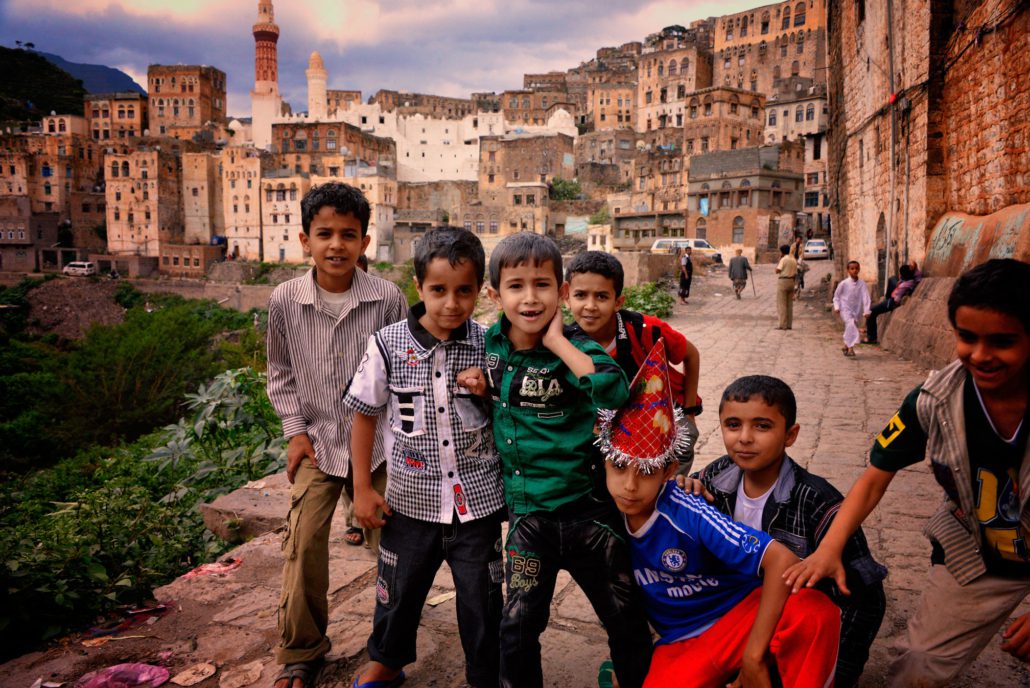
Despite making great efforts to tackle the issue of child poverty in Kazakhstan, as of 2021, 47.2% of those living in poverty were children. One of the reasons poverty persists, despite social and economic reform, is a consequence of the Russian-Ukrainian conflict, which brought Russian families and children escaping the draft announcements to Kazakhstan in 2022. Also, as Kazakhstan is still a developing country, many children live in rural areas. They are in low-income households without proper access to education, water or health care. A small percentage of children between 5 and 14 experience child labor. Many of them work 13 hours daily, harvesting tobacco for international export.

Child Poverty and Disability

Child poverty in Kazakhstan has significantly impacted children with disabilities. Many families have had to make the difficult decision to place their disabled children in institutions due to the lack of community resources and social support. Under Kazakh law, parents are required to relinquish their guardianship rights when a child is institutionalized. Former residents of these institutions have reported incidents of abuse, punitive measures and the denial of their rights.

In 2011, UNICEF and the Commissioner for Human Rights in the Republic of Kazakhstan revealed that 14,052 children were raised in 210 residential state institutions, including 1,586 infants. These organizations also found that children and staff reported cases of neglect, physical violence, hospitalization and sedation as punishment, as well as forcing older children to take care of younger children.

Efforts for Reform

To tackle the issue and decrease the number of children in state institutions, the government allocated funds monthly to support guardians and relatives in fostering children. National programs and charity events such as “Dobrota vo blago detyam” (“Goodness for the sake of children”) and “Kuan sabi” (“Cheer up baby”) were introduced to support children in orphanages and state institutions and to identify families who are willing to adopt children. These initiatives have enabled around 900 children from state institutions to enjoy summer and winter breaks with contributing families in Kazakhstan.

In 2011, the Ministry of Labor and Social Protection of Population wrote a letter on the report’s findings, promising to take legal action to protect the rights of children with disabilities who reside in state institutions. It also advised institutions to specifically train staff in the conduct and communication with children with disabilities.

The good news is that active reform is taking place in Kazakhstan, with the Human and Child Rights Commissioners and the Parliament taking massive strides together in UNICEF’s advocacy for reforms. These efforts specifically address children and focus on social protection, prevention of violence and childcare reform. Partnerships with other organizations to increase youth and volunteering programs helped achieve progress for children in gender equality, nutrition, health, safeguarding and protection and education.

Fighting for Safety

The #BeSafe volunteering program, in collaboration with UNICEF, helps tackle social safety in Kazakhstan, supporting girls’ leadership. Another collaboration is the drafting of a National Plan on Child Protection Against Violence, Suicide Prevention, Children’s Rights and Well-Being for 2023–2025, which encourages the promotion of gender equality, prevention of violence against children and women, family support services and positive parenting.

Child poverty in Kazakhstan has been decreasing. Despite being a developing nation, Kazakhstan’s collaboration with UNICEF and other organizations has resulted in significant improvements in child poverty statistics. This demonstrates that positive change is achievable, and the goal of eliminating poverty, particularly child poverty, is attainable.

– Hannah BZ
Photo: Flickr

November 5, 2023
https://borgenproject.org/wp-content/uploads/borgen-project-logo.svg 0 0 Kim Thelwell https://borgenproject.org/wp-content/uploads/borgen-project-logo.svg Kim Thelwell2023-11-05 01:30:402023-11-01 03:25:51Curbing Child Poverty in Kazakhstan
Children, Global Poverty

Child Malnutrition in Yemen: Hope Among the Conflict

Child Malnutrition in Yemen
The Middle Eastern nation of Yemen has been plagued by eight years of devastating conflict disproportionately affecting its children. The Yemeni conflict remains one of the largest humanitarian crises in the world, with more than 11 million children in need of humanitarian assistance. Child malnutrition in Yemen, alongside food insecurity and hunger, has reached alarming levels in the heart of this turmoil. Xavier Joubert, Save the Children’s Country Director for Yemen, underscores the harsh reality facing Yemeni children:

“Hunger in Yemen is an entirely human-made legacy of this war, and the increase in child malnutrition levels around conflict lines shows the impact of this brutal conflict on children.”

Despite the ongoing conflict, hope is emerging from the efforts of numerous organizations. This article sheds light on the dire challenges these children face daily while highlighting the unwavering dedication of organizations working to mitigate their suffering. 

The Impact

Amidst Yemen’s enduring conflict, the crisis affecting its children has reached catastrophic proportions. This nation is grappling with one of the world’s most significant humanitarian crises, where more than 11 million children are in dire need of humanitarian assistance. Child malnutrition in Yemen has surged to alarming levels, with nearly 2.2 million children under the age of five in Yemen acutely malnourished, and more than 500,000 facing severe malnutrition. 

The repercussions of this crisis on Yemen’s children are profound and enduring. Malnutrition not only jeopardizes their immediate well-being but also their long-term growth and cognitive abilities. The compounding effect of malnutrition and the ongoing conflict leaves so many children without access to essential health care, clean water and adequate sanitation. This is further exacerbated by the scarcity of essential food items and the destruction of critical infrastructure. Yemen’s children are carrying the heaviest burden amid the ongoing conflict, and the repercussions on their health and future are immeasurable.

Working for Change

Amidst the seemingly bleak landscape, various organizations have stepped forward to combat the malnutrition epidemic to alleviate the suffering occurring within this nation. The organization War Child is a prime example of the life-changing work occurring to improve these children’s lives. War Child has been tirelessly working to provide access to healthcare, clean water and nutritional support to children in need. UNICEF is also a notable organization instrumental in providing health care, education and nutrition support to the vulnerable young children in Yemen. Continued is their unwavering efforts to save young lives and build a better and sustainable future. 

Stories of Hope

Despite the immense challenges and continued conflict within Yemen, stories of hope and resilience are emerging. Children who have received critical support from these organizations are on their way to recovery. Their strength and the unwavering commitment of these organizations showcase the resilience of the human spirit, even in the face of the harshest circumstances. 

The World Health Organization (WHO) has played a crucial role in this effort. WHO has trained almost 400 health workers on managing medical complications in children suffering from severe acute malnutrition. To increase families’ awareness and knowledge of basic nutritional and preventive health requirements for children, as well as to promote the importance of the continuity of breastfeeding, WHO trained 1,277 community health and nutrition volunteers and midwives. These trained individuals communicate key health and nutrition messages to the most affected vulnerable communities in 28 districts. 

In addition to this, WHO has developed awareness messages for TV and radio, ensuring that these important messages reach a wider audience. It has also engaged communities through various platforms, including religious, youth and women’s groups. These comprehensive efforts are making a tangible difference in the lives of Yemen’s children — offering them hope and the prospect of a brighter and healthier future. 

Moving Forward

While child malnutrition in Yemen remains a pressing issue, and the ongoing conflict only exacerbates the situation, the dedicated efforts of organizations working in Yemen provide a glimmer of hope. With continued support and awareness, there exists a possibility for positive change in the lives of Yemen’s children. The world must remain engaged in addressing this crisis, as the future of Yemen’s children depends on it. Together, we can make a difference and bring hope to a nation facing immense challenges.

– Phoebe Abrahams
Photo: Flickr

November 4, 2023
https://borgenproject.org/wp-content/uploads/borgen-project-logo.svg 0 0 Yuki https://borgenproject.org/wp-content/uploads/borgen-project-logo.svg Yuki2023-11-04 03:00:442023-11-03 01:47:05Child Malnutrition in Yemen: Hope Among the Conflict
Children, Global Poverty

How Heart for Lebanon is Addressing the Economic Crisis in Lebanon

Economic Crisis in Lebanon
Since 2019, Lebanon has been in an ongoing struggle as a nation. What started as an economic crisis in Lebanon has now pushed more than 80% of the population into poverty. Of this population, poverty has most significantly impacted marginalized groups including migrant workers, children and the elderly. One of the many organizations fighting for the citizens living in poverty in Lebanon is Heart for Lebanon. Post-COVID-19, Heart for Lebanon continues to fight for its home country as its economic crisis continues. 

Heart for Lebanon

Following the elections of new government officials, when the prime minister could not agree on the cabinet mandate, this, in turn, led to obstruction. They continued to obstruct the domestic investigation into the Beirut blast in 2020, which took 220 lives and injured more than 7,000. This blast disrupted electricity and these issues have continued to spiral as the country dealt with the COVID-19 virus. 

The country is in a humanitarian crisis, deemed “the worst humanitarian crisis since World War II,” and organizations such as Heart for Lebanon have offered their aid. Heart for Lebanon’s new center is designed to lower these numbers of poverty, providing aid for families and children as well as Christian education. Located in the heart of Bekka Valley, their facility features a warehouse for packaging aid items, a chapel room, a clinic, a cafeteria and dormitories. 

Hope on Wheels

One thing it has provided to the community is its mobile ministry truck, called “Hope on Wheels.” The truck travels to different parts of Lebanon, spreading biblical messages in the form of skits, games, songs and puppets. Hundreds of children gather around every week to stay for a few hours and distract themselves from the everyday terrors they face in their current situation; it lets them enjoy being children again. The Hope Ministry is equipped to handle and educate more than 12,000 refugees each year, and as it continues its efforts, it is helping children working through the current poverty crisis in Lebanon. 

The H.O.P.E Program

The H.O.P.E program, Helping Overcome Poverty Through Education, provides a proper education to children in multiple communities in Lebanon struggling from poverty. Due to the poverty that has affected the majority of the population during the economic crisis in Lebanon, children have not had access to formal education, but the H.O.P.E program has offered informal education for children during this time. Children not only learn about biblical content, but the curriculum covers the essentials they need such as math, English, Arabic and art.

Looking Ahead

Though a few other reputable organizations are helping with the poverty crisis in Lebanon, Heart for Lebanon is actively helping to serve the vulnerable demographics of the population. From donations to offering educational material/lessons, it is helping many children across Lebanon to escape from the stress of their day-to-day lives. 

More than one in 10 families have had to send their children to work to help with the inflation that has taken place in Lebanon. Alongside this fact, 15% of families have had to halt their children’s education as many can no longer afford it. With these facts in mind, it can be difficult to see a child undergoing these huge life changes but having something to look forward to whether it be school or fun puppet shows, is one of the simple ways to care for the children of Lebanon. 

– Isabella Polo
Photo: Flickr

November 1, 2023
https://borgenproject.org/wp-content/uploads/borgen-project-logo.svg 0 0 Lynsey Alexander https://borgenproject.org/wp-content/uploads/borgen-project-logo.svg Lynsey Alexander2023-11-01 03:55:222024-05-30 22:32:36How Heart for Lebanon is Addressing the Economic Crisis in Lebanon
Child Poverty

Addressing Child Poverty in Bhutan

Child Poverty in BhutanIt is quite common when thinking about the countries in Asia to immediately think about the ones that are often in the news, such as China, India and Japan. Thus, some other countries and the challenges that they face are often overlooked, especially by people living on the other side of the world. The nation of Bhutan is an excellent example of this phenomenon. Bhutan is an incredibly small nation with a population of only 770,400 people. 

Part of the reason it is not a very well-known nation is because for much of its history, until the 1970s, outsiders were not allowed into the nation. The next few decades were a struggle for the nation due to unrest and corruption within the government. The nation is behind the curve in many areas, and as a result, citizens have faced severe challenges with unemployment and poverty. 

Child Poverty Statistics in Bhutan 

As is the case in many nations that face economic struggles, child poverty in Bhutan is a serious area of concern. The Multidimensional Poverty Peer Network released a report in 2022 that included some alarming statistics about the current situation in regard to poverty throughout the nation. The data in the report outlined that one of every five children lives in poverty in Bhutan and that number increases to one of every four if the child is between the ages 10 and 17. A large part of this issue is that the poverty rate in rural areas is much higher than in cities in Bhutan. More than half of the population of the nation lives in rural areas and have a difficult time accessing basic health and education services. 

How NGOs Are Tackling Child Poverty 

While these numbers are concerning, there is good news coming out of Bhutan. Nonprofit organizations are working to address child poverty in Bhutan. One of these organizations is called Save the Children. This group has been working in Bhutan for several decades and has made a massive impact in the region. As a result of their work, 141,000 people have been lifted from child poverty in Bhutan. They are working extremely hard to increase access to basic services and address the issues of health and education. 

Save the Children has realized that one of the largest obstacles keeping young people from getting out of poverty in Bhutan is a lack of access to education. It is common for people in Bhutan, especially women and girls, not to know how to read or write. The team at Save the Children has done an incredible service to the nation by establishing preschools and other programs that allow young children to learn to read and write at a young age. This is crucial to their development and has been shown to increase their likelihood of moving out of poverty later in life. As the nation continues to develop and organizations such as Save the Children continue to do incredible work, child poverty in Bhutan will continue to be less and less of an issue. 

– Dylan Lyons
Photo: Flickr

October 26, 2023
https://borgenproject.org/wp-content/uploads/borgen-project-logo.svg 0 0 Yuki https://borgenproject.org/wp-content/uploads/borgen-project-logo.svg Yuki2023-10-26 09:18:422023-10-27 06:37:28Addressing Child Poverty in Bhutan
Children, Global Poverty

The Invention Addressing Micronutrient Deficiencies

Micronutrient Deficiencies
More than 2 billion people worldwide suffer from micronutrient malnutrition due to their food lacking essential vitamins and minerals for development as their diets lack variation and they consume predominantly processed foods. The absence of vital nutrients like vitamin A, iron, iodine or folic acid in their diets means 2 billion people suffer from micronutrient deficiencies, which is the primary cause of intellectual disability in children due to iodine deficiency. Those suffering from micronutrient deficiencies are at an increased risk of blindness due to a lack of vitamin A and complications during childbirth and pregnancy due to iron and folic acid deficiency. Luckily, an invention called the Sanku Dossifier is addressing micronutrient deficiencies.

About Micronutrient Deficiencies

As micronutrient deficiencies impact brain development and immune systems, those affected are less likely to succeed in school and, therefore, less likely ever to escape the poverty cycle. According to The Micronutrient Initiative and the World Bank, the hardest-hit countries could see their Gross Domestic Product (GDP) per year decrease by as much as 2–3%, demonstrating how micronutrient malnutrition perpetuates the cycle of poverty.

More than 8,200 children under 5 die daily from micronutrient malnutrition, causing 3 million children to die yearly. These deaths are preventable if people can access the nutrients they need. Since the 1920s, food fortification has addressed micronutrient deficiencies as consumers gain a nutritional benefit without changing where they buy their products or what products they buy. Staple food products like flour, salt, sugar, rice and vegetable oil are fortified in developing nations so people will consume nutrient-rich food. Food fortification is one of the most cost-effective approaches to combat malnutrition. The World Health Organization (WHO) considers food fortification a powerful, evidence-based and cost-effective intervention to address vitamin and mineral deficiencies.

The Sanku Dossifier

The Sanku Dossifier received recognition as one of TIME Magazine’s 100 Best Inventions of 2019. It fortifies food, adding an exact amount of necessary nutrients, such as iron, B12, folic acid and zinc to flour. By distributing the Sanku Dossifier to small African flour mills, locals can purchase nutrient-rich food even in remote villages, improving their development and growth. Sanku – Project Healthy Children (SPHC) provides millers with a dossifier and an appropriate amount of premix at no extra cost by selling them empty flour bags for the same price they would have bought elsewhere.

Committed to ensuring their dossifiers effectively reduce micronutrient malnutrition, SPHC remotely monitors the dossifiers and will check on mills if they see the dossifier is not being used or needs repairing. It is a cost-effective method as providing fortified food for one person for an entire year costs only $1.32. So far, Sanku – Project Healthy Children has reached 55 million people and is on target to reach 100 million by 2025. 

SPHC is an innovative leader against malnutrition. Felix Brooks-Church, CEO of Sanku, was named a Laureate of Rolex Awards for Enterprise thanks to the Sanku Dossifier’s prospects to reinvent the future. Using the Rolex prize fund and the unrestricted MacKenzie Scott grant they received will allow them to improve the nutrition of 200,000 people in Tanzania while helping Sanku – Project Healthy Children achieve their greater goal of helping 100 million people. 

Moving Forward

In conclusion, the Sanku Dossifier innovation is a groundbreaking solution that is effectively addressing the pervasive issue of micronutrient deficiencies in developing countries. By fortifying staple foods with essential vitamins and minerals, this innovation is providing a sustainable and cost-effective approach to improving nutrition and reducing the prevalence of malnutrition-related illnesses.

 – Alice Isola
Photo: Flickr

October 26, 2023
https://borgenproject.org/wp-content/uploads/borgen-project-logo.svg 0 0 Yuki https://borgenproject.org/wp-content/uploads/borgen-project-logo.svg Yuki2023-10-26 09:13:042023-10-29 04:49:27The Invention Addressing Micronutrient Deficiencies
Children, Global Poverty

How Nickelodeon is Helping Children Globally

Nickelodeon is Helping Children
Throughout the history of the popular children’s network, Nickelodeon, it has made multiple attempts to assist children around the world with various initiatives. One of these is its community outreach program called The Big Help, which originated in 1994. In 1997 alone, The Big Help reached 28 million children all around the world with the message of the importance of community service, thanks to the help of Nickelodeon tie-ins such as daily service messages and telethons related to the TV channel itself. This is in addition to the endorsements of many public figures of the time, such as basketball star Shaquille O’Neal, actress Whoopi Goldberg, former president Bill Clinton and former general Colin Powell.

Another initiative the TV station took was with their international program, Together For Good, which began operation in 2015. Its mission was to inspire and empower young viewers of Nickelodeon to get active in their communities and create positive changes in the world. Furthermore, the network thought that children have a voice and can contribute to the improvement of their communities, the creation of a more inclusive society and the impact of their future. Additionally, the program has been in partnership with various nonprofit organizations such as the African Wildlife Foundation, Plan International, Citizens of the Great Barrier Reef and Kids’ Rights, tackling such issues as ocean and wildlife conservation and gender equity. Here are more specifics regarding how Nickelodeon is helping children globally.

Our World

Nickelodeon is helping children through its newest initiative, established in 2023, which is called the Our World program. It has the purpose of digitally connecting children, parents and caregivers internationally to developmentally appropriate activities, as well as partner organizations with extra resources. The program emphasizes healthy youth development as a critical component of a successful childhood. This program aims to effect systemic change so that every child grows up believing they have the potential to make a difference in the world. It also assists children in gaining skills to deal with the fast-changing environment around them and fosters youth agency, with the hope of turning them into a coalition of community-led social innovators.

More about Nickelodeon’s Our World Program

Starting on July 21, the Our World program began an international-only campaign with its initial campaign partner, Plan International, across Nickelodeon platforms in 150 countries and territories. Plan International is one of the world’s largest and most established children’s development organizations. It has performed extensive, long-term child-centered work in communities throughout the world to break the cycle of poverty for millions of children and their families.

Together for Good’s Collaboration

In 2021 and through to today, Nickelodeon is helping children through Together for Good, a collaboration with a prominent global nonprofit organization called OneSight. OneSight has committed itself to providing eye care to 1.1 billion individuals who do not have access to it. It launched the Framing the Future campaign to educate kids and families on the significance of eye health, worldwide access to vision care and clean vision through original short-form and digital content. 

The content aims to inspire action, empathy and advocacy by broadcasting in more than 67 million households in 69 areas across Australia, Brazil, the United Kingdom, South Africa, Latin America, New Zealand and Southeast Asia. Additionally, through the campaign’s digital hub, eyes.nickelodeon.tv, children can take a pledge to protect their eyes from the sun and take breaks from devices and can receive the title Junior Glasses Champion for their commitment to advocating for healthy eyes and excellent vision.

President and Executive Director of OneSight, K-T Overbey, commented that their organization encourages children to care for their eyes and teach them about the significance of routine eye exams, saying that children can learn up to twice as much when they wear the proper glasses as the children often do not know they have a vision impairment.

Conclusion

To this day, Nickelodeon continues to help children through its international ventures to help people around the world, with no sign of stopping in sight.

– Deon Roberts
Photo: Flickr

October 20, 2023
https://borgenproject.org/wp-content/uploads/borgen-project-logo.svg 0 0 Yuki https://borgenproject.org/wp-content/uploads/borgen-project-logo.svg Yuki2023-10-20 07:30:582023-10-17 07:36:28How Nickelodeon is Helping Children Globally
Page 17 of 137«‹1516171819›»

Get Smarter

  • Global Poverty 101
  • Global Poverty… The Good News
  • Global Poverty & U.S. Jobs
  • Global Poverty and National Security
  • Innovative Solutions to Poverty
  • Global Poverty & Aid FAQ’s
Search Search

Take Action

  • Call Congress
  • Email Congress
  • Donate
  • 30 Ways to Help
  • Volunteer Ops
  • Internships
  • Courses & Certificates
  • The Podcast
Borgen Project

“The Borgen Project is an incredible nonprofit organization that is addressing poverty and hunger and working towards ending them.”

-The Huffington Post

Inside The Borgen Project

  • Contact
  • About
  • Financials
  • President
  • Board of Directors
  • Board of Advisors

International Links

  • UK Email Parliament
  • UK Donate
  • Canada Email Parliament

Get Smarter

  • Global Poverty 101
  • Global Poverty… The Good News
  • Global Poverty & U.S. Jobs
  • Global Poverty and National Security
  • Innovative Solutions to Poverty
  • Global Poverty & Aid FAQ’s

Ways to Help

  • Call Congress
  • Email Congress
  • Donate
  • 30 Ways to Help
  • Volunteer Ops
  • Internships
  • Courses & Certificates
  • The Podcast
Scroll to top Scroll to top Scroll to top