• Link to X
  • Link to Facebook
  • Link to Instagram
  • Link to TikTok
  • Link to Youtube
  • About
    • About Us
      • President
      • Board of Directors
      • Board of Advisors
      • Financials
      • Our Methodology
      • Success Tracker
      • Contact
  • Act Now
    • 30 Ways to Help
      • Email Congress
      • Call Congress
      • Volunteer
      • Courses & Certificates
      • Be a Donor
    • Internships
      • In-Office Internships
      • Remote Internships
    • Legislation
      • Politics 101
  • The Blog
  • The Podcast
  • Magazine
  • Donate
  • Click to open the search input field Click to open the search input field Search
  • Menu Menu

Archive for category: Children

Information and stories addressing children.

Children, Global Poverty

Addressing Child Malnutrition in Nigeria

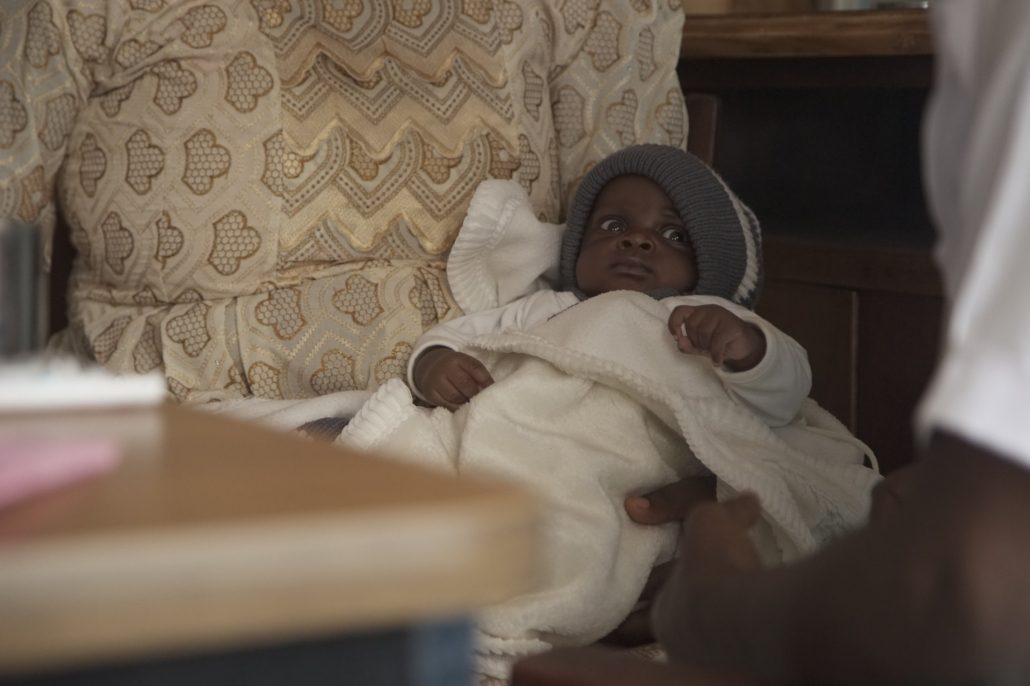
Child Malnutrition in NigeriaChild malnutrition in Nigeria and globally presents a significant problem that leads to the difficulties of stunted growth and a greater risk of diseases during a child’s most vulnerable years. A lack of the necessary nutrients can hamper a child’s physical and mental development, leading to long-term problems like an increased risk of illnesses owing to an underdeveloped immune system. Estimates have indicated that 216 million children in Africa suffer from malnutrition, and it is the second highest killer of children, just after malaria.

Child Malnutrition’s Economic Impact

These problems also go beyond the physical of the individual with long-lasting impacts on the social and economic state of their community. The Economist notes that some of the most significant impacts of childhood malnutrition on a country’s economy come from the reduction in adult salary linked to childhood malnutrition and the ensuing underdevelopment, which also slows the growth of that economy. Other significant problems like poverty are heavily affected by childhood malnutrition as countries with slowed economic growth find themselves in a cycle of poverty that child malnutrition perpetuates.

The problem this has on a country’s economy is severe, as worldwide undernutrition costs the global economy more than $3 trillion a year. Malnutrition is not just a problem that specific countries or humanitarian agencies should worry about. It is a worldwide problem that affects all of our economies and societies. The full nutritional development of children should be a standard that will allow us to propel the presence of other country’s economies into the global market.

Colourful Giggles

Colourful Giggles is a Nigerian company dedicated to providing the nutrients vital to babies during their development. Devoted to offsetting some of the problems encountered by local mothers looking for nutritional products and reducing child malnutrition in Nigeria, Colourful Giggles uses local flavors and ingredients that allow their products to be cheaper than the imported alternatives. With the use of local flavors like cashew nuts and pawpaw, the company intends to combat some of the problems mothers face when raising babies with imported nutritional foods, namely how it affects their taste buds.

Adepeju Jaiyoeba, the founder and CEO of the company, noted that amongst her own children, she could note how imported nutritional foods could turn a baby away from the flavor of other local foods and how such a change can financially impact families given that imported goods are more expensive. As such, Colourful Giggles tackles not only the problem of child malnutrition in Nigeria but also among the children in Africa, which remains at a figure of around 216 million, but does so in a way that promotes the local economy. The ingredients are 100% locally sourced and ensure that many more mothers can provide all the necessary nutrients to their children. Through Jaiyoeba’s diligence in researching and testing vitamins and food.

Humanitarian Aid and the Way Forward

However, these are not issues that are not receiving attention. UNICEF remains at the forefront of the global battle against child malnutrition as several programs, including national support in coordination of response, technical support and strengthening of already established national systems to tackle malnutrition where they can. A recent example of some of the scale of the work done includes the financial support from the EU Humanitarian Aid Department, which aided UNICEF in responding to the crisis in Haiti affecting children with a contribution of €2.5 million.

Despite the staggering figures of global child malnutrition, companies like Colourful Giggles and organizations like UNICEF remain steadfast in the amount of humanitarian aid they provide to reduce child malnutrition. It is a grand task that requires the larger scale movements of these companies previously mentioned and the donations of those who can look out for future generations. These children who suffer represent a large part of our global future and deserve protection and aid.

– Chinua Ebereonwu
Photo: Flickr

December 13, 2023
https://borgenproject.org/wp-content/uploads/borgen-project-logo.svg 0 0 Yuki https://borgenproject.org/wp-content/uploads/borgen-project-logo.svg Yuki2023-12-13 01:30:552023-12-11 07:18:09Addressing Child Malnutrition in Nigeria
Children, Developing Countries, Education, Global Poverty

Child Poverty in Uzbekistan

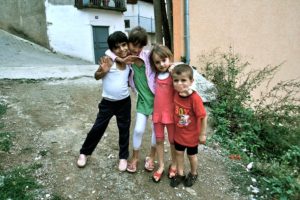
Child Poverty UzbekistanUzbekistan is a ‘young’ nation. Of its 35 million people, 33% are aged zero to 17, with the average age of Uzbekistan citizens being 29. For comparison, the average for the United Kingdom is 40; China’s is 38; Brazil’s is 33. 
Access to Education

Child poverty in Uzbekistan is tied to education. Lately, Uzbekistan has made progress, but statistics showing economic growth and reductions in poverty do not change Uzbekistan’s need for educational reform. The poorest members of Uzbek society are children, and the poorest households are those with the least education. Luckily, Uzbekistan’s government and its international partners recognize this, and plans are being made for the young country’s future. 

Since Uzbekistan’s current president, Shavkat Mirziyoyev, was elected in 2016, international observers have generally agreed that the country has liberalized its economy and curtailed human rights abuses, particularly slave labor. Although progress slowed with COVID-19, steady economic growth has been met with a reciprocal reduction in poverty. It fell to 14% in 2022 from 17% in 2021 and 21% in 2019. Uzbekistan commits over 20% of its budget to social welfare and education. To compare, China spent 11% of its budget on education in 2021, as did the United Kingdom; Brazil spent 12%. 

Child poverty in Uzbekistan comes, in part, from its past as a former colony of the Soviet Union. Like other Soviet colonies, low funding and the enforcement of Russian as the primary educational language crippled education in Uzbekistan. Wanting to reverse this legacy is understandable. However, significant spending has historically been followed by corruption, inequality and inefficiency. Money is not enough.

Current Poverty Levels

As of 2023, on average, Uzbeks earn around $350 a month, with many making far less. The minimum wage is currently $82 a month. In 2019, UNICEF reported that 30% of Uzbekistan lived on incomes less than the minimum wage. More relevantly, of households headed by someone without education, 62% made less than half the average wage Most uneducated households earn less than $175 a month or a little under $6 a day. If the average household includes five people, then the household earns $1.20 per person.

The more children an uneducated household has, the poorer it will be. The poorer the household, the more likely its children will have low educational attainment. Poverty, like elsewhere, forms a vicious cycle with education. Unsurprisingly, then, children are statistically the poorest part of Uzbek society. A study made in 2021 found that classes often have 40-45 students while being designed for 25. The strain of overcrowding on teaching staff has created a system of after-school courses intended to help students ‘catch up.’ The government does not fund these, costing around $3 per lesson. If some families live on $6 a day and others $12, $14, $100, it is evident enough which families can afford these lessons and which cannot.

This is a small part of a wider problem. Ending child poverty in Uzbekistan is tied to reforming its education. Education and childcare represent a burden families cannot afford, and this poverty, in turn, leads to poorer educational outcomes: a vicious cycle. 

Government Strategy

The government of Uzbekistan recognizes this connection. President Mirziyoyev introduced the ‘Development Strategy of the New Uzbekistan for 2022-2026’ in 2022, which aims to cut the country’s poverty in half. Education and social protection for families are recognized as critical hurdles to this. As such, the strategy allocated $100 million to create free training and business courses nationwide. It also introduced an online system to allow low-income families to receive their social benefits automatically. 

Access to pre-school is to be raised from 67% to 80%; access to higher education is to be raised to 50%.

The strategy works with international partners. USAID in October announced a $40 million investment in Uzbek education, particularly toward the goal of making 51% of schools inclusive to disabled students. It’s too early to say how successful this strategy will be. Either way, the problem is recognized. 

– Frederick Lake

Photo: Wikimedia Commons

December 5, 2023
https://borgenproject.org/wp-content/uploads/borgen-project-logo.svg 0 0 Yuki https://borgenproject.org/wp-content/uploads/borgen-project-logo.svg Yuki2023-12-05 15:00:082024-05-30 22:32:42Child Poverty in Uzbekistan
Children, Global Poverty, Hunger

Action Against Hunger in Sierra Leone

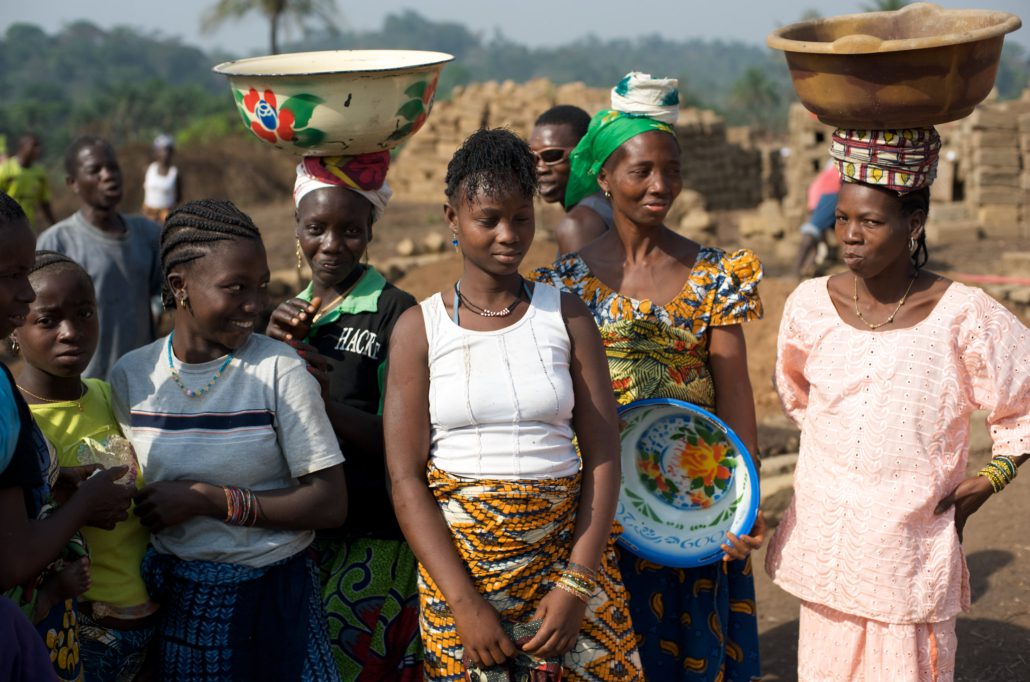
Action Against Hunger in Sierra LeoneSierra Leone, a country in West Africa, faces chronic food insecurity due to ongoing climate shocks and disease outbreaks, such as an Ebola outbreak in 2014 and the COVID-19 pandemic. While the country is currently peaceful, Sierra Leone is recovering from an 11-year civil war, which ultimately dismantled infrastructure within the country and destroyed essential social services. 

According to the World Food Programme (WFP), 57% of people in Sierra Leone are food insecure, 26.2% of children face impaired growth and development due to chronic malnutrition, and 43% of people live below the poverty line. A high poverty rate, coupled with limited access to education and health care, exacerbates the vulnerability of Sierra Leone’s population to hunger and malnutrition.

Action Against Hunger

Action Against Hunger, a global humanitarian organization, is committed to eradicating hunger worldwide. The organization states, “A world without hunger will never be achieved alone. We collaborate with communities, foundations, companies, governments, and humanitarian partners to achieve zero hunger.” 

Founded in 1979, the organization operates in more than 50 countries. It reaches approximately 28 million people a year by implementing a comprehensive approach focusing on advocacy, food security, nutrition, water sanitation, emergency responses and researching innovative solutions. Funded by various governments, institutional donors and private contributors, their approach focuses on providing sustainable solutions and achieving food security for all.

Action Against Hunger began its mission in Sierra Leone in 1991, at the beginning of the country’s civil war and during the subsequent humanitarian crisis. According to BlackPast, “The Sierra Leone Civil War was one of the bloodiest in Africa resulting in more than fifty thousand people dead and half a million displaced in a nation of four million people.” 

The initial goals of Action Against Hunger were to provide emergency relief, improve water and sanitation, and combat malnutrition. The organization’s early engagement laid the foundation for ongoing, comprehensive programs addressing the complex factors contributing to hunger.

Action Against Hunger in Sierra Leone

In recent years, Action Against Hunger in Sierra Leone has implemented various programs targeting malnutrition, food security, water and sanitation in Sierra Leone. The primary focus of Action Against Hunger in Sierra Leone is improving health systems and services to prevent and treat malnutrition of children. Action Against Hunger provides “pregnant women, mothers, caregivers, and young people with knowledge about healthy nutrition through training, awareness, and cooking sessions.” 

Implementing bottom-up approaches, such as empowering pregnant women, mothers, caregivers and young people through providing knowledge on healthy nutrition, signifies a proactive strategy that fosters community involvement and ensures sustained positive impact. 

Action Against Hunger has also implemented the PROSSAN project in Sierra Leone, which seeks to address the profound health challenges of vulnerable populations within the country, focusing on women, children under 5 and young people. PROSSAN is has support from the Agence Française de Développement (AFD) and works to provide quality care for women and young people adjusted for specific needs to reduce early pregnancies and the number of maternal and infant deaths. 

The program is founded on three key pillars: 

  1. Promoting good practices within the health system.
  2. Empowering communities and Civil Society Organizations to enhance behaviors benefitting health.
  3. Advocating for policy changes to improve the health of the targeted populations. 

The Future of Sierra Leone

Sierra Leone faces ongoing challenges, including changing weather patterns and health crises. Looking ahead, Action Against Hunger in Sierra Leone aims to expand its impact by scaling up successful interventions and collaborating with local partners. The United Nations has set a goal of ending hunger and ensuring access to food for all people in Sierra Leone by 2030. This broader goal includes ending malnutrition, doubling agricultural productivity, ensuring sustainable food production systems, diversifying farming, increasing investments in rural infrastructure and more. Organizations like Action Against Hunger contribute to achieving these broader goals by committing to evolving strategies in response to extreme hunger in Sierra Leone.

– Marisa Kole
Photo: Flickr

December 3, 2023
https://borgenproject.org/wp-content/uploads/borgen-project-logo.svg 0 0 Yuki https://borgenproject.org/wp-content/uploads/borgen-project-logo.svg Yuki2023-12-03 01:30:192023-11-30 10:35:44Action Against Hunger in Sierra Leone
Children, Education, Global Poverty

Early Education in Kosovo

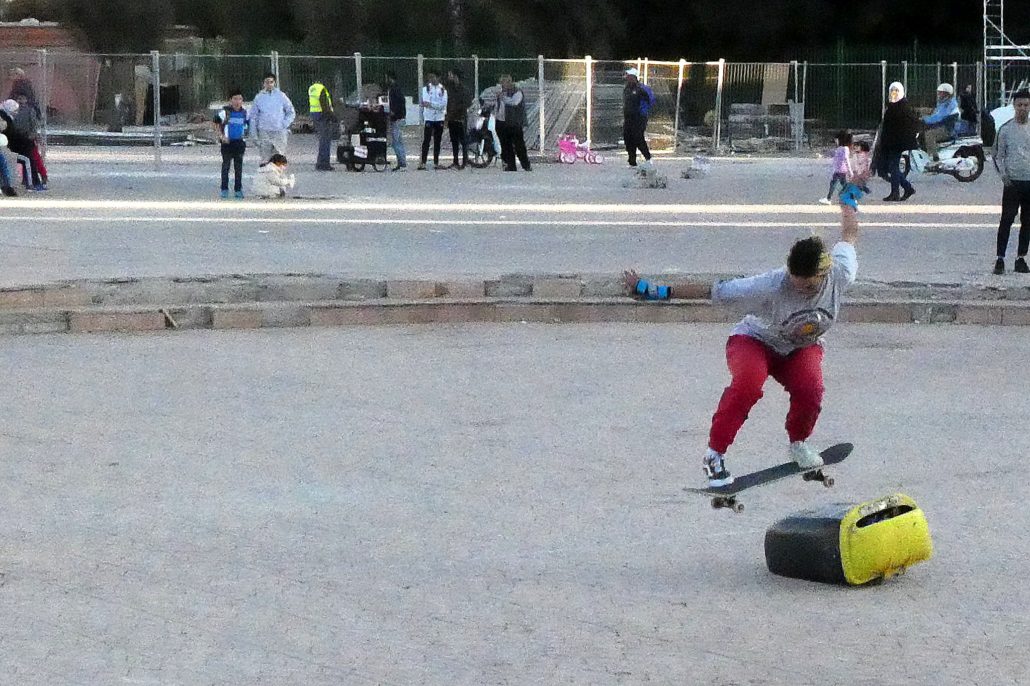
Early Education in KosovoWith Kosovo being a relatively new nation, having declared independence in 2008, it must now navigate complex issues such as poverty, health care and education for its citizens. For its younger population, education remains a key factor in the country’s development. Several issues impact the population’s ability to receive proper instruction, and many organizations are attempting to remedy these and provide instruction to the children in Kosovo. 
Impact on Children

The country has a population of about 1.8 million people, with the average age being approximately 30 years. In 2021, only 15% of children aged 3–4 years old gained an education. Among rural and minority communities, that number decreased to 10%. The United Nations Children’s Fund (UNICEF) plans on improving food availability in schools to incentivize parents to enroll their younger children. 

Rural communities are disproportionately affected by infrastructure issues and receive fewer options for health care and education. Minorities such as the Roma, Ashkali and Egyptians also require more assistance. As of 2021, 23% of Kosovar children live in poverty. Poverty plays an important role in whether or not young children attend primary school education. Children in richer households are twice as likely to attend lower secondary education and four times as likely to attend upper secondary school than their poorer counterparts. 

Access to health care also impacts access to education. Minority groups have more difficulty accessing health care and are unable to enroll their children in schools. In minority communities, the infant mortality rate is twice the national average and malnutrition plagues children throughout Kosovo. Even so, 84% of children attend pre-primary school programs, a 9% increase from 2014. As of 2021, 80% of 7–14-year-olds are literate and 88% can correctly identify numbers, however, under 50% retain skills past a Grade 2 level. 

Teacher Pay

Teachers in Kosovo went on strike twice in the past four years, seeking an increase in pay. In 2019, teachers demanded a pay increase of over 30%. This was prompted by a proposed law that would raise pay for government employees. In Kosovo, the average private sector salary is €370, with public sector salaries averaging €520. These strikes proved successful. In September 2022, teachers once again went on strike, demanding an additional €100 per month to support themselves and their families. 

Improvements

Kosovo’s National Development Strategy Plan aims to increase the number of children enrolled in early education. This plan seeks to provide young kids with basic skills to further their schooling and widen their future employment opportunities. Having children in class during the day allows their parents to join the workforce, generating money for their family and strengthening the economy. 

For the entire Kosovo population, a total of 130 institutions serve as early education centers. As of 2017, Kosovo has 42 public kindergartens. Four professors at the University of Prishtina in Kosovo emphasize the importance of integrating technology into early education. Majlinda Gjelaj, Kastriot Buza, Kyvete Shatri and Naser Zabeli conducted a 2020 study about incorporating new technology into the curriculum. This study suggests that the addition of new tech improves communication and development among preschoolers. Through the Kosovo Education Strategic Plan and the Kosovo Curriculum Framework, the government aims to create a functional digital economy. It believes that students acquiring technical knowledge alongside literacy may be the best way to achieve this outcome. 

To ensure that early education opportunities in Kosovo are equitable for the entire population, the World Bank has highlighted laws and other information that can be utilized. The Department of Social Welfare puts children into foster families that share their ethnicity and religion, as outlined in the Law for Social and Family Services. Families can receive funding under the Social Assistance Scheme. This welfare initiative stands out as the single government program that directly targets poverty in Kosovo. Over 28,000 families benefit from this, including over 55,000 children. With more reform, such as making school compulsory for ages 3-5, this program can provide for over 80,000 children in the country. 

Early Education in Kosovo continues to improve with the aid it receives from both the Kosovar government and international organizations. 

– Abigail Dudley
Photo: Flickr

November 28, 2023
https://borgenproject.org/wp-content/uploads/borgen-project-logo.svg 0 0 Yuki https://borgenproject.org/wp-content/uploads/borgen-project-logo.svg Yuki2023-11-28 03:00:492023-11-25 23:48:18Early Education in Kosovo
Children, Global Poverty

How a Skateboarding Nonprofit Is Empowering Morocco’s Youth

Morocco’s YouthThe Concrete Jungle Foundation (CJF) is an international nonprofit using the positive values of skateboarding to support youth around the world. Its mission statement describes their commitment to build and run skateparks and youth development programs to “promote health and well-being, access to education, community development, gender equality and economic growth.” Founded in 2018, the group has already expanded to more than eight countries worldwide and recently expanded to build a sustainable skatepark in Morocco with the goal of empowering Morocco’s youth. 

Why Skateboarding? 

Sports have long been recognized as an important vehicle for physical health but the benefits are often far greater. Studies from the U.S. Department of Health have repeatedly shown how positive values inherent to sports — such as team building, confidence and commitment — have fostered immense growth in children. 

In fact, UNICEF has recognized these studies and launched the Right to Play initiative — arguing that children, particularly those who have experienced trauma, deserve opportunities to play sports. By focusing on skateboarding, the CJF has created a sense of community, fostered a playful environment and helped children gain confidence. 

New Developments in Morocco 

The CJF built its skatepark in Morocco in 2022 after demonstrating success in Peru and Jamaica. The nonprofit built the Fiers et Forts skatepark on the grounds of a children’s home center currently housing more than 35 children. Although the park is on the grounds of the orphanage, the skatepark is open to the public. Children throughout the community are able to skate and attend their educational enrichment programs at no cost. 

Eduskate Classes

The CJF has developed a variety of programs within the last year to offer to local youth and children of the orphanage. The programs include eduskate classes, educational enrichment offerings and designated disability sessions. 

The eduskate classes are the primary concern of the nonprofit and their connection between skateboarding and positive values. These classes, for children aged 6–16, follow a specific structure and create an opportunity for children living at the orphanage to develop friendships with children in the broader community. 

After a brief lesson/demonstration and free skate time, participants end the class with a reflection circle to share their accomplishments and reflect on their growth. Additionally, the classes often follow a specific theme such as a positive mentality, creativity, courage and other values based on personal growth and community. As teachers focus classes on these themes, they create an opportunity to connect these values with the sport. 

Educational Enrichment Workshops

Educational enrichment opportunities are the second way children within the home and the broader community come together. Two days per week, children receive encouragement to attend workshops on various topics such as gardening, art and recycling in order to supplement their education and introduce the children to new subject matter. 

While the educational enrichment workshops aim to supplement school, they play an important role in creating accessible educational opportunities to children who may not currently attend school. According to a UNICEF 2022 report, Morocco has a 28% secondary school completion rate. 

The most recent development in CJF’s ongoing offerings is designated disability sessions at the skatepark. During these hours, the skatepark is closed to the general public while disabled children skate as a form of physical therapy. A 1:1 approach between teacher and student occurs to ensure participants have adequate support. 

CJF’s Success in Helping Morocco’s Youth

In less than two years, the CJF has reported: 

  • About 52 children attending their edu-skate classes. 
  • Thirty-nine percent female participation in edu-skate classes. 
  • About 1,200+ skatepark visits.
  • Approximately 180+ total attendance at educational enrichment sessions.
  • About 41% female participation in educational enrichment sessions. 
  • Thirty-one participants in disability sessions.

Access to these resources can change a kid’s life and play a crucial role in empowering Morocco’s youth. More than 40% of Morocco’s children fit within UNICEF’s description of “multidimensional poverty.” Symptoms of multidimensional poverty include a lack of consistent access to adequate housing and education. 

Within a short period, CJF has spearheaded initiatives that could address these symptoms of multidimensional poverty and combined the programs with efforts to uplift spirits and support mental health. CJF continues to adjust its programs based on community feedback and claims it will continue to expand operations. 

– Nikki Bayat
Photo: Flickr

November 28, 2023
https://borgenproject.org/wp-content/uploads/borgen-project-logo.svg 0 0 Yuki https://borgenproject.org/wp-content/uploads/borgen-project-logo.svg Yuki2023-11-28 01:30:322023-11-23 09:17:13How a Skateboarding Nonprofit Is Empowering Morocco’s Youth
Children, Global Poverty, Human Trafficking

Egypt’s Fight Against Child Labor

Egypt's Fight Against Child LaborEgypt’s fight against child labor achieved moderate advancement in 2022, leading to an optimistic view of the nation’s goal to eradicate child labor. Egypt began its campaign to fight against child labor in 2018 and the country’s Minister of Manpower, Mohamed Saafan, stated that Egypt’s goal is to eliminate child labor entirely by 2025. 

Children in Egypt are subject to the harshest forms of child labor, which include agriculture, the production industry and exploitation services.

Agriculture

According to the U.S. Department of Labor, about 10.4% of children are forced to work on farms. Children are mainly responsible for tending livestock like water buffalo, cattle, goats and sheep. Poultry production is a relatively new, government-promoted product that children now have to attend, alongside fishing.

Production Industry

Most children are put to work in the production industry, with about 82.4% working in factories. The factories that children work in mainly produce bricks and quarry limestone, which exposes them to hazardous chemicals and supplies. Aside from construction and the production of bricks, many children have to work in carpentry workshops.

Exploitation Services

The Department of Labor found that about 7.2% of children are put into exploitation services, including domestic work, repairing vehicles, street vending and collecting trash. Some children are even seen driving tuktuks, which are motorized taxis. Children are sexually exploited, trafficked and forced to traffic drugs and humans.

There are a few Egyptian laws and regulations that fight against child labor, including Articles 64 and 74 of the Child Law, which set the minimum age for employment at 15 years. Article 89 of the Egyptian Constitution states the prohibition of forced labor alongside the prohibition of child trafficking. 

Even though Egypt has a dedicated section in its Constitution to protect the well-being of children, it is difficult to enforce and document all instances of child endangerment. The country enforces these laws using agencies responsible for securing children’s safety.

The Ministry of Manpower

The Ministry of Manpower investigates child labor complaints and violations. The inspection division randomly targets any factory or labor institution in search of children being forced to work. If any violations are found, the agency reports to the authorities and the case is taken up by the Prosecutor General.

The Ministry of Interior

The Ministry of Interior tackles human, drug and sexual trafficking alongside the exploitation of children. The agency primarily operates using border patrol and attempts to catch anyone smuggling in and out of Egypt. Then, the Prosecutor General’s Office receives information about reported violations.

The Ministry of Justice, Prosecutor General’s Office (PGO)

The Ministry of Justice prosecutes violations of child labor and trafficking laws. In 2022, the agency investigated 107 crimes involving 237 individuals. This led to 171 prosecutions and 70 successful convictions.

In collaboration with the International Labour Organization (ILO) and United Nations Children’s Fund (UNICEF), Egypt introduced policies to continue the fight against child labor and exploitation. These include the National Action Plan Against the Worst Forms of Child Labor and Supporting Family, the National Strategy for Combating and Preventing Trafficking in Persons, and the National Strategy for Childhood and Motherhood.

The National Action Plan Against the Worst Forms of Child Labor and Supporting Family (2018-2025)

This policy aims to eliminate child labor by 2025 and establish a strategy that can identify which government agencies can assist child laborers. The policy seeks to expand the knowledge of child labor bases in order to prevent children from working in factories or farms. It also establishes agencies to provide social protection and support, while generating awareness of child labor in the country.

The National Strategy for Combating and Preventing Trafficking in Persons (2016-2021)

This policy’s goal is to prevent human trafficking by protecting vulnerable populations and prosecuting violations of the child labor laws. This includes empowering children through education. Child labor is a primary reason for low rates of school completion in Egypt, and this policy seeks to encourage families to keep their children in school.

The National Strategy for Childhood and Motherhood (2018-2030) 

This strategy aims to update the hazardous work list, expand educational and vocational training opportunities and build on established government agencies.

Eliminating child labor is a heavy order and can sometimes seem bleak. But advancements in Egypt’s fight against child exploitation in the past few years leave a hopeful outlook on this global issue. 

– Sebastian Llerena
Photo: Flickr

November 26, 2023
https://borgenproject.org/wp-content/uploads/borgen-project-logo.svg 0 0 Yuki https://borgenproject.org/wp-content/uploads/borgen-project-logo.svg Yuki2023-11-26 03:00:402023-11-25 02:22:12Egypt’s Fight Against Child Labor
Child Poverty, Global Poverty

Addressing Child Poverty in Portugal

Child Poverty in PortugalPortugal has a total GDP of $251.95 billion, with a GDP per capita of $22,112. Therefore, it is surprising to discover that 19.1% of children in Portugal live in poverty. This article seeks to analyze the causes, effects and solutions to child poverty in Portugal.

The Causes

The main causes of child poverty in Portugal are unemployment and in-work poverty. Portugal’s unemployment rate of 5.8% means that Portugal has a higher rate of unemployment than New Zealand and Kazakhstan, both similar-sized economies. Naturally, unemployment causes child poverty.

The ubiquity of in-work poverty is particularly damaging, as an unemployment rate of 0% would not eliminate child poverty in Portugal, due to low wages combined with labor market segmentation. 

The impact of low wages on child poverty is rather self-explanatory; if one does not receive a reasonable salary, then they will likely live in poverty, whereas labor market segmentation contributes to child poverty by limiting people’s employment opportunities. This is because some sectors of the Portuguese economy do not have transferrable skill sets to other sectors. As a result, people in work effectively become ‘trapped’ in their current sector, unable to leave if wages fail to keep up with the cost of living.

The Effects

Child labor is one of the unfortunate effects of child poverty in Portugal. Fortunately, the country is making great strides toward eliminating this by-product. However, this has not always been the case.

For example, in 1999, the Authority for Working Conditions (ACT) found that 49 minors were working as child laborers per 1,000 visits. These children were employed illegally in the construction, hospitality and retail sectors. This has reduced to seven as of 2010.  These children had to find employment due to their economic conditions.

Government Efforts

The Portuguese government realized this, resulting in policies that provide financial aid to families with children at risk of labor exploitation. Consequently, children no longer had to work to provide income for their families, as government financial support filled the financial gap that their labor would fill.

Additionally, education is now compulsory until 18 years old, which has taken children from the constriction site and into the classroom. 

Child poverty in Portugal also ensures that its victims reside in dangerous housing, with more than 25% of Portuguese children living in a house where the roof, walls, floors or doors are either permeable to water or rotten. Damp housing is very dangerous, as it can cause asthma attacks, while also developing into toxic mold, which can cause further respiratory illness.

However, the housing charity Habitat for Humanity, founded in 1976 by Millard and Linda Fuller, has been working to address this issue. This organization simultaneously builds new houses and renovates existing, dangerous properties, to ensure that child poverty in Portugal does not force children to reside in unsafe housing.

In 2016 alone, 35 families in Braga and Amarante were rehoused in newly built houses, which were free from the dangers of toxic mold. While this is only a seemingly small contribution when analyzed on a large scale, this contribution is anything but small for the families who no longer have to worry about the dangers of damp housing.

Solutions

While Habitat for Humanity and the Portuguese government have provided solutions to the effects of child labor in Portugal, solutions to the root cause have yet to be discussed.

The Portuguese government published the Child Guarantee National Action Plan in February 2023, which pledged to spend 5.1 billion Euros. This funding is to be targeted at policies that will reduce child poverty in the long term. For instance, all children will receive one free meal per day at school, which will ensure children eat a nutritious meal. This will improve their health.

Additionally, free preschool will be provided for every child, which ensures that children suffering from child poverty in Portugal are not disadvantaged compared to children whose parents can afford to send their children to a privately funded preschool. This policy will reduce inequality in educational attainment, which will break the cycle of child poverty in Portugal in the long run, as better grades improve people’s job prospects. 

A Short Summary

There are a variety of causes, effects and solutions to child poverty in Portugal. The Portuguese government has made successful interventions to eliminate child labor. Furthermore, Habitat for Humanity has rehoused families at risk of respiratory illness as a result of damp housing. 

It has taken a while, but thankfully the Portuguese government has begun to take serious steps to tackle child poverty in Portugal, with the Child Guarantee National Action Plan.

– Tom Eccles
Photo: Flickr

November 26, 2023
https://borgenproject.org/wp-content/uploads/borgen-project-logo.svg 0 0 Yuki https://borgenproject.org/wp-content/uploads/borgen-project-logo.svg Yuki2023-11-26 01:30:042023-11-21 13:40:48Addressing Child Poverty in Portugal
Children, Global Poverty, Health

Aid Groups Support Maternal and Child Health in Afghanistan

Child Health in AfghanistanWidespread poverty, changing weather patterns, economic crisis, restrictions to gender rights and a broken health care system have left Afghanistan in a dire humanitarian crisis. The region’s most vulnerable population — mothers and their children — are suffering the most. For example, in 2018, 4 out of 10 children died before their first birthday. Amidst this ongoing crisis, droves of humanitarian workers supported by several aid groups are rallying for maternal and child health Afghanistan. 

Three aid groups in particular, The United Nations International Children’s Emergency Fund (UNICEF), Medecins Sans Frontieres/Doctors Without Borders (MSF) and the World Health Organization (WHO), are taking action to keep mothers and children from suffering and dying from preventable causes.

Crisis for Child Health in Afghanistan 

UNICEF recognizes that Afghanistan is one of the most dangerous places in the world to be a baby, child or mother. Afghanistan has one of the highest infant mortality rates, and thousands of Afghani women die every year due to preventable pregnancy-related causes. According to the 2020 Human Development Report released by the United Nations Development Programme (UNDP), Afghanistan ranked 169 on the gender inequality index. 

Access to health care remains low for women. Between 2000 and 2015, only 59% of women received natal care from a skilled health care provider, and only 53% of births were protected against neonatal tetanus — a life-threatening, vaccine-preventable bacterial infection in newborns that is typically caused by non-sterile instruments and an unclean environment during the birth process. Of those babies that make it past the first critical months of development, less than half are fully vaccinated between the ages of 12 and 23 months.

Malnutrition is another critical risk factor for infants and young children. Only 16% of children between the ages of 6 and 23 months meet minimal dietary standards, contributing to high levels of malnutrition-related developmental issues. About 10% of young children suffer from childhood wasting, where the weight or height is less than two standard deviations from the median of the WHO Child Growth Standards. The percentage of underweight children is 41%, and child stunting, a condition where a child is too short for their age due to chronic and recurrent malnutrition, affects 41% of Afghani children.

UNICEF’s Work to Save Maternal and Child Health in Afghanistan

UNICEF is working with existing health care facilities to expand services and reach children and mothers in remote villages who could not otherwise afford to travel and receive the lifesaving health services they need. By providing training and essential equipment for newborn care, deploying mobile health care outreach teams to these rural and isolated communities, and supporting specialized maternity waiting homes and rooms, UNICEF hopes to empower existing health facilities to support Afghanistan’s most vulnerable and impoverished women and children.

UNICEF also works with the Ministry of Public Health, developing and rolling out standardized national guidelines for newborn care in an effort to reduce preventable illnesses and deaths in newborns. This includes providing zinc and rehydration solution co-packs for treatment of diarrhea, a widespread and preventable cause of illness and death in infants and children.

MSF’s Efforts

Since MSF began its work in Afghanistan in 1981, they have built seven health facilities and clinics in the region. MSF staff has assisted in more than 42,800 births, including more than 2,100 cesarean sections, and has admitted more than 9,100 children into their facilities for inpatient feeding programs in an effort to combat the effects of severe malnutrition. While these efforts have had an incredible impact on the lives of impoverished and malnourished Afghans, more work is necessary.

“Sometimes, mothers are so malnourished they can’t produce milk,” said a member of MSF’s medical staff in Herat Regional Hospital. “We see them putting tea in bottles to give to newborn babies—only seven or eight days old — which can be very dangerous.”

How WHO is Helping

In August 2023, WHO released an alert highlighting the importance of increased investment in Afghanistan’s severely under-resourced health care infrastructure. Recognizing the current health emergency in the region, WHO has targeted 7.5 million children and 3.1 million women for health assistance. 

Dr. Tedros Adhanom Ghebreyesus, WHO Director-General, stated: “The situation in Afghanistan is grave, and the lack of resources and funding to support health workers and facilities is putting countless lives at risk. Women and children are suffering the most.”

– Ann-Jinette Hess
Photo: Flickr

November 21, 2023
https://borgenproject.org/wp-content/uploads/borgen-project-logo.svg 0 0 Yuki https://borgenproject.org/wp-content/uploads/borgen-project-logo.svg Yuki2023-11-21 01:30:252023-11-16 18:40:19Aid Groups Support Maternal and Child Health in Afghanistan
Child Poverty, Global Poverty

Addressing Child Poverty in Kosovo

Child Poverty in KosovoSince its independence, the issue of child poverty has plagued Kosovo. Close to 23% of Kosovo’s youth experience poverty, and a mere 15% of children get early education, according to UNICEF. Despite this crisis, Kosovo spends only 8.5% of its GDP on social protection, 20% lower than the European Union (EU) average. This lack of social investment in the youth was compounded by the effects of the pandemic, as youth unemployment soared to 48%. Here is more information about child poverty in Kosovo.

How Kosovo Became Independent

Since the conclusion of the Yugoslavia civil war that split the nation in 2001, Kosovo represents the ethnic tension that remained unresolved from the 10-year conflict. During this war, Serbia brutally massacred the Albanians in Kosovo, leading to the United States Department of State investigating the “ethnic cleansing.” Even after investigating Serbia’s war crimes, Kosovo remained within Serbia after the war. The ethnic Albanians in Kosovo, who make up a staggering 92% of the population, were displeased with being part of Serbia. Their discontent was answered with the establishment of an independent entity in 2008, but Serbia to this day views Kosovo as a Province within Serbia, not an independent nation.

Challenges with Social Protection

Ambassador Tomáš Szunyog, the Head of the EU Office in Kosovo, said that lack of spending on social protection is not the sole issue, as “allocations to beneficiaries of different social protection schemes are not adequate and equitable, and create inequalities.” The World Bank reported that of the bottom 20% of earners in Kosovo, just around a fourth of them qualified for Social Assistance Scheme benefits, Kosovo’s social protection package. Szunyog added that it is the government’s responsibility to ensure their social programs are employed effectively.

Ways to Reduce Child Poverty in Kosovo

Despite this apparent peril for Kosovo’s youth, the World Bank outlined a list of alterations to lower child poverty in Kosovo. The two main components of Kosovo’s society that need to be adjusted are their health care and education. The aforementioned high mortality rate in the youth is due to increased health costs, thus by reforming their health care. 

Additionally, by investing in early education, Kosovo’s workforce will increase in skill, which, according to the World Bank, provides a 13% return on investment each year. Investing in the youth’s intellect and health will strengthen the workforce, boosting the economy and lowering child poverty in the nation.

To address the child poverty crisis, Kosovo’s president, Vjosa Osmani, introduced a national call to action in 2022, focusing on emphasizing the intellectual development of the nation’s youth. Osmani stated that Kosovo will ensure stable leadership and a strong vision for their early child development programs, and their funding in child development will increase. With child development at the forefront of the nation’s vision for improving the future, it has adjusted the social protection allocations to impact those in dire need and now look to cultivate a young generation of workers to stimulate the economy, putting an end to Kosovo’s child poverty crisis.

The Soskosovo Project

One organization that is supporting the children who this crisis is affecting is the Soskosovo project, which sends financial aid packages to families to support the health and educational needs in the poverty-stricken nation—additionally, the project aids in funding psychosocial aid for families, aiding the nation’s mental stability.

Putting an end to Kosovo’s child poverty will help children like Xhaka and Shaqiri will be able to prosper in the land they call home.

– Dimitri Lykidis
Photo: Flickr

November 19, 2023
https://borgenproject.org/wp-content/uploads/borgen-project-logo.svg 0 0 Yuki https://borgenproject.org/wp-content/uploads/borgen-project-logo.svg Yuki2023-11-19 07:30:172023-11-15 09:24:02Addressing Child Poverty in Kosovo
Children, Global Poverty, Health

How Air Pollution Affects the Impoverished

Air Pollution Affects the ImpoverishedAir pollution is a global problem, but it disproportionately impacts impoverished communities. According to the World Bank, approximately 10% of people living in poverty experience poor air quality. This affects at least 70 million individuals, who must contend with air pollution alongside other challenges associated with poverty.

Lower-income communities often face significant disadvantages due to their location and economic circumstances. This can result in a range of issues that may persist for generations. According to Professor Robert Shorten, there is a notable relationship between poverty and environmental pollution, where poverty can lead to increased pollution, and environmental pollution can, in turn, exacerbate poverty. Here is how air pollution affects the impoverished.

The Way Air Pollution Affects the Impoverished

When pollution affects an area, it often leads to a decrease in house prices. This happens because fewer people want to live in polluted areas, so the demand for homes there is lower. As a result, individuals with limited financial resources may find it easier to afford housing in these areas due to the reduced property costs compared to less polluted regions.

While industrial areas and factories contribute significantly to air pollution, households also play a role. In many developing countries, impoverished families use inexpensive but harmful energy sources that pollute the air. Fossil fuels, in particular, are often to blame due to the unhealthy levels of nitrogen oxide emissions they produce.

The switch to less harmful energy sources, such as renewable energy sources, is difficult for impoverished households. Renewable energy infrastructure involves costs that people in poverty simply cannot afford.

The Effects of Air Pollution

Air pollution significantly impacts human health as the harmful particles damage the lungs and puts people at risk of cancer, heart disease and stroke. For people in impoverished communities, quality health care is scarce, meaning people struggle to access medical services when they need to.

The lack of proper health care facilities leads to delays in people returning to work when they are sick, resulting in reduced income. Even worse, air pollution can lead to serious health issues and, in some cases, premature death.

According to the World Health Organization (WHO), approximately 7 million people, primarily in developing countries, die each year due to the effects of air pollution. Moreover, an alarming “nine in 10 people on the planet live with poor, even dangerous, air.”

Devastating Consequences

Children are the most vulnerable group in this situation. One study revealed that children from lower-income neighborhoods suffer from brain damage due to exposure to neurotoxic air pollutants. These pollutants negatively affect the development of their brains, hampering their cognitive growth. This is a significant issue because research indicates that children with impaired neurological development often face difficulties in school.

Children from lower-income backgrounds face educational disadvantages due to pollution, which can trap them in poverty. This situation can hinder their ability to complete their education or attend prestigious colleges, resulting in reduced income. Furthermore, neurotoxic air pollutants may also affect their offspring. Research from the Institute of Labor Economics supports this, which indicates that lower-income children living near industrial facilities releasing toxic chemicals experience, on average, 1.252 fewer years of education and a 13.9% reduced likelihood of graduating from high school. Additionally, forecasts suggest that about 9.3% of these children could develop cognitive disabilities as adults.

Ongoing Efforts

BreatheLife mobilizes communities to reduce the impact of air pollution on human health and the environment. In 2019, BreatheLife, a campaign by the Climate and Clean Air Coalition, WHO and the UN Environment, implemented initiatives in 55 cities and countries, positively impacting more than 153 million people. The campaign convinced 55,000 people to travel regularly via bike or on foot in order to reduce air pollution from vehicles. BreatheLife’s efforts continue to impact. The organization is active in 79 cities, regions and countries, reaching nearly 500 million people.

WHO has developed an entire guidebook on how countries can monitor their air quality. “The overall objective of the updated global guidelines is to offer quantitative health-based recommendations for air quality management, expressed as long or short-term concentrations for a number of key air pollutants.”

Hopes for the Future

While the fact that air pollution affects the impoverished is a concerning issue, there are ongoing efforts to address this problem. Initiatives like BreatheLife are making a positive impact by mobilizing communities to reduce air pollution’s effects on both human health and the environment. Additionally, WHO has provided guidance on how countries can monitor and manage air quality to protect their citizens. These efforts offer hope for a healthier and more equitable future, where the burden of air pollution on impoverished communities can be alleviated.

– Uzair Khan
Photo: Flickr

November 14, 2023
https://borgenproject.org/wp-content/uploads/borgen-project-logo.svg 0 0 Kim Thelwell https://borgenproject.org/wp-content/uploads/borgen-project-logo.svg Kim Thelwell2023-11-14 01:30:362024-12-13 18:03:02How Air Pollution Affects the Impoverished
Page 16 of 137«‹1415161718›»

Get Smarter

  • Global Poverty 101
  • Global Poverty… The Good News
  • Global Poverty & U.S. Jobs
  • Global Poverty and National Security
  • Innovative Solutions to Poverty
  • Global Poverty & Aid FAQ’s
Search Search

Take Action

  • Call Congress
  • Email Congress
  • Donate
  • 30 Ways to Help
  • Volunteer Ops
  • Internships
  • Courses & Certificates
  • The Podcast
Borgen Project

“The Borgen Project is an incredible nonprofit organization that is addressing poverty and hunger and working towards ending them.”

-The Huffington Post

Inside The Borgen Project

  • Contact
  • About
  • Financials
  • President
  • Board of Directors
  • Board of Advisors

International Links

  • UK Email Parliament
  • UK Donate
  • Canada Email Parliament

Get Smarter

  • Global Poverty 101
  • Global Poverty… The Good News
  • Global Poverty & U.S. Jobs
  • Global Poverty and National Security
  • Innovative Solutions to Poverty
  • Global Poverty & Aid FAQ’s

Ways to Help

  • Call Congress
  • Email Congress
  • Donate
  • 30 Ways to Help
  • Volunteer Ops
  • Internships
  • Courses & Certificates
  • The Podcast
Scroll to top Scroll to top Scroll to top