The Top 4 Facts About Child Poverty in Bhutan
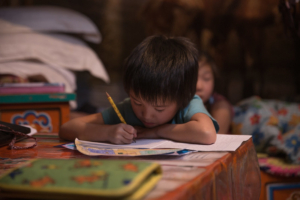 In Bhutan, 25% of children from the ages of 10 to 17, and 20.7% of children of all ages live in poverty. Though Bhutan has made great strides to help end poverty, 39.50% of the total population still lives on less than $5.50 a day. Children living in poverty often have large families, lack access to education and participate in child labor.
Top 4 Facts About Child Poverty in Bhutan
- Lack of Education – Bhutan had no formal schools until the 1960s. Despite the country’s education budget now accounting for one-fifth of its total expenditures, working towards creating adequate, free learning instruction, many Bhutanese children do not go to school. The greatest issue that keeps children from school in Bhutan is the financial burden that education creates on families. Many families cannot afford the cost of school supplies, and since school is not required for children in the country, many families send their children to work and provide for the family, instead of earning a thorough education, because it is their only option. Therefore, 17.9% of children do not complete their primary education.
- Child Labor – In rural areas in Bhutan, children ages 7–17 are twice as likely to work underage as their urban peers. As children enter their young adult life, many are expected to earn profits to support their families, and around 20% of all 17-year-olds work in Bhutan. The fields in which Bhutanese children work are agriculture, industry, services and forced labor, often facing sexual exploitation and compulsory domestic work. The primary issue regarding child labor in Bhutan is that their labor laws are not in compliance with global standards and permit children under the age of 14 to work.
- Inadequate Child Disability Protections – Disabilities in Bhutan are stigmatized, and children with them are effectively put at a disadvantage compared to their counterparts. Of disabled populations, 53% of children with a disability do not have access to schools, with girls being at a greater disparity than their male peers. Additionally, children within this population lack access to social services regarding their health and well-being.
- Discrimination – Socially, migrant children in Bhutan face the most scrutiny. In order to be considered of the Bhutanese nationality, a child’s parents must both be from Bhutan, which keeps many children from belonging to the Bhutanese state. Due to this, it is harder for non-nationals to gain rights to public services, including education and health care. These same social stigmas also apply to minority children in minority populations. With provisions against discrimination, but no laws regarding civil rights, it is hard for many migrants and mixed-ethnicity children to obtain their full legal rights in Bhutan.
How UNICEF Helps Children in Bhutan Living in Poverty
UNICEF has created Early Childhood Care and Development (ECCD) centers to help aid populations of children living in poverty. By implementing schools to focus on the development of children ages 3 to 5 in rural areas, UNICEF has raised the ECCD attendance rate by 22%. Furthermore, they have recognized the struggles of children living with disabilities, and have created programs to keep young girls with disabilities in school. Through creating 200 ECCD centers, and 16 centers to help children with disabilities, UNICEF has provided children living in the mountainous regions of the Himalayas access to education.
Final Thoughts
In conclusion, child poverty in Bhutan remains a significant challenge that requires urgent attention. Despite the country’s progress in reducing overall poverty rates, children continue to suffer from lack of access to basic necessities such as education, health care and proper nutrition. Addressing child poverty in Bhutan requires a multi-faceted approach that includes targeted government policies, increased investment in social programs and collaboration with international organizations. It is crucial to prioritize the well-being and future of Bhutan’s children, as they are the foundation of a prosperous and sustainable society. By addressing child poverty, Bhutan can ensure a brighter future for its youngest generation and contribute to the overall development and well-being of the nation.
– Nadia Soifer
Photo: Flickr
