• Link to X
  • Link to Facebook
  • Link to Instagram
  • Link to TikTok
  • Link to Youtube
  • About
    • About Us
      • President
      • Board of Directors
      • Board of Advisors
      • Financials
      • Our Methodology
      • Success Tracker
      • Contact
  • Act Now
    • 30 Ways to Help
      • Email Congress
      • Call Congress
      • Volunteer
      • Courses & Certificates
      • Be a Donor
    • Internships
      • In-Office Internships
      • Remote Internships
    • Legislation
      • Politics 101
  • The Blog
  • The Podcast
  • Magazine
  • Donate
  • Click to open the search input field Click to open the search input field Search
  • Menu Menu

Archive for category: Children

Information and stories addressing children.

Child Poverty, Global Poverty

The Support Program Reducing Child Poverty in Mongolia

Child poverty in Mongolia
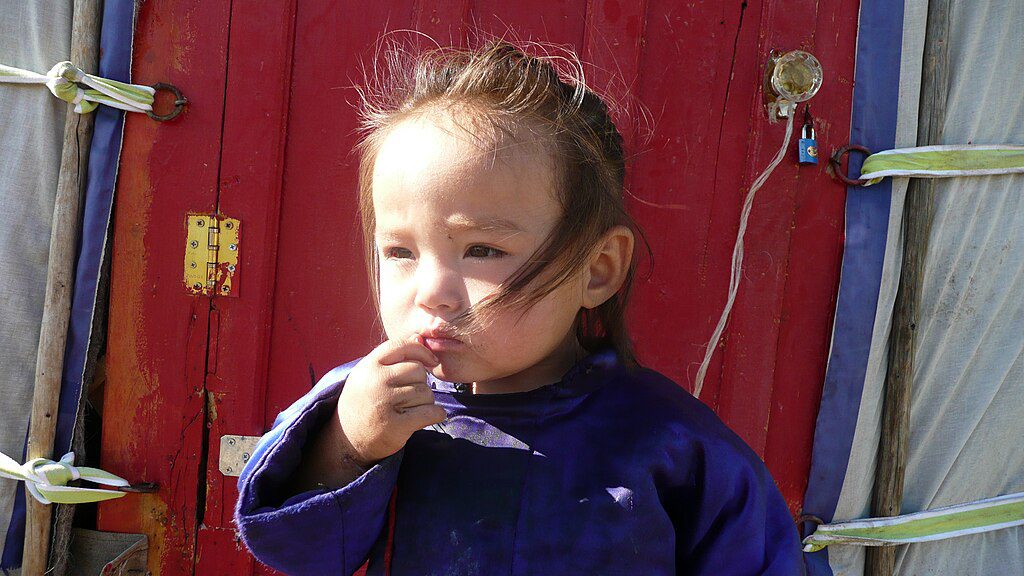
Mongolia is an Asian country known for its vast landscapes and dry climate and is one of the world’s highest countries in terms of elevation. However, the country also suffers from a high rate of child poverty. Poverty is concentrated heavily in rural regions, often hours away from the nearest city. However, child poverty does still exist in cities like the capital, Ulaanbaatar, too. Recent investments by the government of Mongolia, however, have increased support for children. Here is some information about child poverty in Mongolia and what some are doing to resolve it.

Child Poverty Statistics

In Mongolia, the percentage of children living in poverty is higher than the percentage of the total population living in poverty (38.5% compared to 29.6%, respectively). Although poverty levels in rural regions have slightly declined in recent years, it has increased in urban centers.

Much of the economic growth in Mongolia has centered around the mining sector, whereas many of those living at or below the poverty line are low-skilled wage workers with lower levels of education. 

Most poor children in Mongolia do not complete school through the secondary level and only 10% attend university, despite Mongolia having an overall high education attainment level in the region. This is because most of the children and young adults who receive high levels of education fall in the top 20% of income earners in the country. About half of individuals in this income level have obtained a university-level education.

Many poor people in Mongolia, specifically children, often lack basic services or needs such as clean water, heat and sanitation. In 2018, 70% of those living in poverty struggled to receive at least one of these basic services. 

Efforts to Reduce Child Poverty in Mongolia

Those working in the herding industry have seen huge reductions in poverty levels in recent years. What was once one of the most impoverished professions in the country, only about a third of herders live below the poverty line today. Market connectivity, government support and more employment opportunities have contributed to this improvement.

In 2020, in response to the COVID-19 pandemic, UNICEF recommended to the Mongolian government that the most effective way to reduce poverty levels, which the pandemic exacerbated, was to increase funding for the country’s Child Money Program. This program provides monetary support to children across the nation. In response, the government provided an additional $300 million via the program, which helped more than two-thirds of all households.

Overall, despite the grim statistics, the country’s government has shown that it is willing and able to take steps towards reducing child poverty in Mongolia. With this continued support, as well as that from organizations like UNICEF, more children can have a better opportunity to receive a full education.

– Tristan Weisenbach
Photo: Wikipedia Commons

September 16, 2023
https://borgenproject.org/wp-content/uploads/borgen-project-logo.svg 0 0 Lynsey Alexander https://borgenproject.org/wp-content/uploads/borgen-project-logo.svg Lynsey Alexander2023-09-16 07:30:562023-09-13 04:21:58The Support Program Reducing Child Poverty in Mongolia
Child Poverty, Global Poverty, Homelessness

The New Generation of Street Children Turned Surfers

Street ChildrenThe imagery of the breezy, laid-back Californian surfer has dominated the popular view of surfing over the years. Easygoing and happy-go-lucky, the figure of the surfer has come to symbolize the very notion of what it means to be young and free in a capitalist society. Yet, far beyond the shores of California to South Africa’s “Surf City,” the sport symbolizes much more than this. It plays an important role in helping vulnerable children who are growing up in post-apartheid South Africa to leave the street once and for all. 
Homelessness in Durban 

Located on the eastern coast of South Africa, Durban has a high population of youths — 38% of its population is under the age of 19.

However, the youth employment rate (the measurement of job seekers who are 15 to 24 years old) in South Africa is markedly low, at about 60%. Job losses are particularly high in industries such as food, textiles and clothing, making it difficult for young people to secure a living. 

But one of the most pressing problems facing South Africa is its street child phenomenon. According to the Consortium for Street Children, there are currently hundreds of thousands of street children in South Africa. 

Child homelessness is on the rise in Durban because of political violence, rapid urbanization and outbreaks of AIDS and HIV, resulting in many children losing members of their family. 

Difficulties at home and at school have also contributed to an increase in the number of children actively choosing to live on the streets. In many cases, children feel that street life offers an escape from the harsh conditions of everyday life, and the charity Street Children found that 29.1% of street children surveyed in 2011 did not wish to leave the streets at all. 

Even so, street life exposes children to a number of dangers, including sexual abuse and trafficking. These risks are further compounded by the lack of health and social services available to children in Durban. 

The local authorities, who view street children as a public nuisance, are eager to keep the street child phenomenon hidden so that tourists are not deterred from visiting Durban. However, this only stigmatizes and alienates street children further, rather than getting to the crux of the problem. 

Beach Apartheid 

Many of the social and economic problems present in Durban today are a consequence of the apartheid period, which lasted from 1948 to 1994. 

Apartheid was an institutionalized system that subjected Black people to racial segregation in every sphere of South African society. It was a system that even sought to marginalize Black people in the water.  

The Natal and South African Surf Riding Championships welcomed pro-surfers from all around the world, placing South Africa firmly on the map. Yet Black people were excluded from competing, contradicting the so-called “freedom” that the sport promised young people. 

That was until world-renowned surfers Tom Carroll, Tom Curren and Martin Potter boycotted the surfing competitions in 1985, forcing the industry to acknowledge the growing anti-apartheid movement. 

Surfers Not Street Children (SNSC)

Fast-forward to 1998, surfer and activist Tom Hewitt MBE set up the Durban Street Team to help homeless children. The organization was renamed Surfers Not Street Children (SNSC) in 2012 and has since helped 1,800 vulnerable children. 

While helping children to leave the streets was the organization’s main goal, many street children have also gone on to advocate further for their rights as a marginalized group. The organization operates in line with the U.N. Convention on the Rights of the Child to ensure that children are provided with the space to empower themselves without the fear of discrimination and shame. 

In 2000, SNSC prevented local authorities from forcibly removing children from the streets, which is recognized as one of its most important achievements to date.

According to the organization, “Many children empowered by Surfers Not Street Children have transformed their lives. Some have gone from ‘street children’ to becoming coffee baristas, lifesavers, surf shop staff, restaurateurs, surf coaches and even pro surfers.”

South Africa’s Changing Tides 

The organization is now expanding its influence to the shores of Mozambique, providing children with the life skills needed to tackle the social problems they face. SNSC has also gone on to set up an independent living program that is designed to provide financial and social aid to young people transitioning into adulthood once they have left the surfing program. Through invaluable mentoring sessions, SNSC is making sure that children are able to thrive as self-sustaining adults. 

In honor of his outstanding work helping children in South Africa, Tom Hewitt received the Nelson Mandela Change Changemaker Award in May this year at an exclusive event in California. Hewitt told Carve magazine, “I am so thrilled to receive this award, which recognizes 25 years of pioneering work developing surfing as a tool for bringing about positive change. Not only are we working in the toughest environments and saving lives, but our surfers are at the heart of an exciting transformation in African surfing underway across the continent.”

Surfers Not Street Children is actively carving out the space for street children to challenge the status quo, break the poverty cycle and debunk the myth that surfing is a white man’s sport. In the 21st century, it is clear that this new generation of surfing youth is changing the tides by shifting the boundaries of who can and cannot ride the wave.  

– Tatum Richards
Photo: Flickr

September 16, 2023
https://borgenproject.org/wp-content/uploads/borgen-project-logo.svg 0 0 Lynsey Alexander https://borgenproject.org/wp-content/uploads/borgen-project-logo.svg Lynsey Alexander2023-09-16 03:31:192024-05-30 22:32:21The New Generation of Street Children Turned Surfers
Children

Toys Relieve Children’s Distress After Turkey-Syria Earthquakes

Toys Relieve Children's Distress
On February 6, 2023, two 7.8 magnitude earthquakes struck Turkey and neighboring Syria, killing more than 50,000 people. The destruction of hundreds of thousands of homes and unthinkable death tolls dominated news coverage, with little mention of the mental ramifications for child victims of the disaster. Research undertaken by UNICEF places 5.6 million children at the scene of the tremors, living in affected provinces, when the earthquakes struck. Of these child victims, approximately 700,000 endured displacement from their homes, relying on tents and other temporary sites for refuge. Post-disaster, toys have played a critical role in easing the distress of children and providing comfort to traumatized young victims. Media outlet Al Jazeera highlights how toys relieve children’s distress after natural disasters and other traumatic events.

Stories from Child Survivors

Al Jazeera investigated the role of toys in alleviating children’s distress in the aftermath of the Turkey-Syria earthquakes. Al Jazeera interviewed 8-year-old Elif who resided in Gaziantep, Turkey, the epicenter of the earthquake that occurred on February 6. Like thousands of other children, the quake left Elif traumatized and in fear of aftershocks. But, she took comfort in a doll that she grabbed from her home the night her family fled the earthquake. “This doll helped me fall asleep while I was afraid of all the aftershocks that lasted for weeks,” Elif told Al Jazeera.

Similar to Elif, the earthquake in February 2023 displaced 8-year-old Eymen and his family and pushed them to live in a car for a number of days following the earthquake. His mother told Al Jazeera that he has carried a toy car around with him ever since — a remnant of the only place where he felt safe.

The stories of Elif and Eymen are more than anecdotes. The stories confirm that, while toys cannot fix such unprecedented trauma, they offer comfort to those with minds too young to cope with the mental and emotional stress of such atrocities.

The Psychology

Clinical psychologist and disaster trauma expert, Zeynep Bahadir, told Anadolu that toys can “work as therapy” for child victims of natural disasters. Likening toys to words, Bahadir recommended that child victims play with toys related to the disaster in order to “digest the situation.” Evidently, in need of stability and comfort, children like Elif and Eymen rely on playtime to manage the distress of an unexpected crisis.

Solidarity Through Sport

On February 27, 2023, Besiktas fans made a heartwarming contribution to relief efforts in their Turkish Super Lig fixture against Antalyaspor. As the stopwatch reached four minutes and 17 seconds, officials paused the match occurring in Istanbul so that fans could shower the pitch with thousands of stuffed toys for the children impacted by the Turkey-Syria earthquake that initially occurred at 04:17 a.m. on February 6. The gesture aimed to provide emotional and mental support to children impacted by the disaster via toys and moved millions of viewers watching from around the world.

Long-Term Implications

Six months after the initial shocks, survivors are still grappling with the aftermath. The British Red Cross has explained that “while the immediate physical danger has stopped, […] the road to recovery for the 17 million people affected is extremely long.”

This explanation is solidified by statistics. The World Health Organization reported in May 2023 that Turkey and Syria have faced more than 30,000 aftershocks since the initial earthquake in February 2023 and 1.6 million people remained displaced, living in temporary settlements, as of June 2023. Evidently, survivors are feeling the impact of the Turkey-Syria earthquakes far beyond the initial quake on February 6.

Looking Forward

With victims’ homes, families and access to schooling destroyed in an instant, the IFRC has described the situation as a “mental health ticking time bomb.” While toys relieve children’s distress, for many of the 6.2 million children affected by the Turkey-Syria earthquakes, mental health support is needed now more than ever if the psychological ramifications of the worst earthquake in modern history are to be rectified. UNICEF is committed to providing mental health support to displaced children and families but a great need still exists for further support in this regard.

– Imogen Townsend
Photo: Flickr

September 5, 2023
https://borgenproject.org/wp-content/uploads/borgen-project-logo.svg 0 0 Lynsey Alexander https://borgenproject.org/wp-content/uploads/borgen-project-logo.svg Lynsey Alexander2023-09-05 07:30:042024-12-13 18:02:57Toys Relieve Children’s Distress After Turkey-Syria Earthquakes
Child Poverty

5 Organizations Helping Children in Singapore

Organizations Helping Children in SingaporeAlthough Singapore is ranked as one of the most livable cities, there remains a wide poverty gap due to rising food prices and low household income. As Singapore does not recognize an official poverty line, disparities are measured through household income thresholds. According to research in 2020 by Irene Ng, 12% of households in Singapore are unable to meet “basic consumption needs,” resulting in children being unable to obtain a comprehensive education. Due to this disparity, it is imperative that Singaporean children receive continued support from organizations that assist with educational and enrichment programs, scholarships and counseling. The following organizations helping children in Singapore provide vital resources for the country’s most vulnerable. 

5 Organizations Helping Children in Singapore

  1. Singapore Children’s Society – Established in 1952, this organization has been operating for more than 70 years. According to a press release, they aim to “protect and nurture children and youth of all races and religions.” To accomplish this, the Singapore Children’s Society has implemented more than 10 different services that provide support for abuse victims, mental health and education. With $22 million in funds, this organization has assisted more than 20,000 people in need in 2022 alone. Through its youth programs KidzSHinE and Storm Riders, this organization provides children with educational, financial and psychological assistance. These programs build resilience in children at an early age and provide a healthy outlet for processing their emotions. Because of its widespread impact, the Singapore Children’s Society has received more than 10 different awards, highlighting its dedication to underprivileged youth through its charity, social impact and community excellence.
  2. MILK (Mainly I Love Kids) Fund – Established in the 1990s, this organization began to aid children with “chronic but treatable illnesses,” according to its website and has expanded over two decades to more broadly address their needs. Through its educational programs and ITE, Polytechnic and University scholarships, diligent students are afforded the opportunity to expand their education without worrying about the financial burden. These scholarships have positively aided more than 700 recipients so they can “realize their fullest potential and break out of their poverty cycle.” Along with these scholarships, MILK also provides students with monetary awards through its “MILK Community/School Bursaries” program.
  3. Children’s Wishing Well – Since 2002, this Singapore-based organization has aimed to provide successful futures for children from all walks of life through its education and assistance programs. This organization provides holistic education through its tailored programs for individual children’s needs. Through its Children Enrichment Programme, Children’s Wishing Well prioritizes children’s educational needs by providing academic support, tutoring, electives, counseling, weekly reading sessions and skills to navigate life effectively. According to an analysis of this program, it was found that “the social Impact of Return (sROI) was 3 times (300%) of the monetary value spent on the children.” Along with this program, Children’s Wishing Well also offers FRESH (Fresh gRoceries for Every Student’s Home), which provides children with skills in budgeting, shopping and nutritional eating.
  4. Beyond Social Services – Beyond Social Services is a Voluntary Welfare Organization (VWO) that operates with a community-based approach by providing programs for children that aid education and development. These programs operate within communities to strengthen the bonds between members and offer support. Its Healthy Start Child Development Centre (HSCDC) offers full-time daycare to more than 50 children and infants under the age of 6, involving both community and family members. Another community-based program called Youth United promotes safe and beneficial environments that bond community members, children and teachers. With these intentional programs, Beyond Social Services says they prioritize “building futures through friendships,” creating opportunities for youth and adults to connect and “cooperate toward a common good.”
  5. Club Rainbow – This charity organization uses a holistic approach to provide children with chronic illnesses support and compassion. Since 1990, this organization has aided impoverished children in Singapore by providing services, programs and funds to connect children with their families. To do this, Club Rainbow provides children with a social worker, counseling services, educational support, arts programs and opportunities to strengthen their life skills. Along with these core services, Club Rainbow also provides a Youth Programme to build the confidence of young teens through workshops and discussions. Club Rainbow also provides grants to talented youth through its Talent Development Fund, which has aided more than 500 children to continue pursuing their dreams.

Looking Ahead

While Singapore has been ranked highly in human capital development, there still remains a need to aid those who lack funding and support. These organizations provide children with resources, ambition and courage to grow. Through the 2022 Children Enrichment Programme by Children’s Wishing Well, for example, roughly 80% of children involved became highly motivated to escape the poverty cycle and curate their futures. With the continued efforts of organizations that aid impoverished children in Singapore, these children will grow academically and mentally, given the care and support that allow them to succeed. 

– Kristina Gaffney
Photo: Flickr

August 30, 2023
https://borgenproject.org/wp-content/uploads/borgen-project-logo.svg 0 0 Lynsey Alexander https://borgenproject.org/wp-content/uploads/borgen-project-logo.svg Lynsey Alexander2023-08-30 23:39:372024-05-30 22:32:205 Organizations Helping Children in Singapore
Children, Global Poverty

Toy Drives and Libraries Enhance Child Development in Ghana

Child Development in Ghana
In the coastal West African nation of Ghana, poverty poses significant challenges for many children. This issue extends beyond monetary constraints; it frequently revolves around inadequate access to education, both within and beyond the classroom. However, recent initiatives have made strides in enhancing child development in Ghana, specifically by facilitating children’s access to essential learning materials.

Child Poverty in Ghana: Background

To comprehend the challenges facing child development in Ghana, it’s essential to delve into the multifaceted aspects of child poverty in the country. The National Development Planning Commission (NDPC) of Ghana’s 2019 report outlines nine dimensions that signify child poverty in the nation, and they include nutrition, health, child development, education, child protection, water, sanitation, housing, and information.

According to this study, a significant 73.4% of children in Ghana, aged 0 to 17, experience multidimensional poverty, characterized by deprivation in at least three dimensions.

The Struggle for Learning and Development

Poor quality of education is another roadblock to child development in Ghana. A 2022 report by the United Nations Educational, Scientific and Cultural Organization (UNESCO) shows that nearly 80% of Ghanaians do not achieve basic literacy and numeracy skills by the end of their primary school education.

There are also many instances of slow starts to child development in Ghana. The 2019 study by Ghana’s NDPC indicates that more than half of Ghanaian children aged 0-4 years (52.6%) lack access to books and toys, early childhood education and interactions with adults within the household.

Ghana Zetas Christmas Toy Drive

Charitable efforts have been undertaken to support child development in Ghana. In 2019, the Graduate Chapter of the Zeta Phi Beta Sorority initiated a Christmas toy drive in Oyarifa, Ghana, benefiting more than 50 children. The sorority members, along with contributions from the Phi Beta Sigma Fraternity and donors from the U.S., provided books, toys, clothing and monetary donations. This initiative was detailed in an article on the sorority’s website.

Toy Library Ghana

A more recent example illustrates how children in Ghana are gaining continuous access to learning materials. Toy Library Ghana, located in the capital city of Accra, functions as a literal toy library. With a collection of more than 200 books and 300 educational toys, this facility aims to provide children with hands-on learning resources.

Parents can borrow learning materials for their children through Toy Library Ghana. For a nominal fee of 25Ghc ($2.21) per month, the staff assists children in selecting a toy or book to rent each week. Furthermore, the library offers additional programs, including mobile clinics, supervised play dates and storytelling sessions, to enhance the learning experience.

Educational Toy Drive

In 2022, another toy drive for Ghanaian children occurred during the holiday season. A 2022 news article by the Carrollton Leader, a local publication in Dallas, Texas, highlights the work of a Ghanaian philanthropist living in Texas.

Philanthropist Hannarich Asiedu collected educational toys such as board games and puzzles as well as children’s clothing to donate to underprivileged children in her native Ghana. According to the Carrollton Leader, this drive was business as usual for Asiedu, who coordinates educational toy drives throughout the year. 

Enhancing Child Development in Ghana

In a country where more than half of children aged 4 and younger lack the resources for intellectual development, these programs provide hope that quality child development in Ghana can become the rule, not the exception.

– Noel Teter
Photo: Flickr

August 25, 2023
https://borgenproject.org/wp-content/uploads/borgen-project-logo.svg 0 0 Lynsey 2 https://borgenproject.org/wp-content/uploads/borgen-project-logo.svg Lynsey 22023-08-25 03:00:312024-12-13 18:02:56Toy Drives and Libraries Enhance Child Development in Ghana
Child Poverty, Global Poverty

Eliminating Child Poverty in Namibia

Child Poverty in Namibia
The Republic of Namibia, situated in southern Africa, was established in 1990. It shares borders with Angola and Zambia to the north, Botswana and South Africa to the south and the South Atlantic Ocean to the west. Namibia, a middle-income parliamentary democracy, is famous for its political stability and rich cultural diversity. Its economy revolves around industries such as mining, agriculture, tourism and fishing, with significant industrial hubs around the capital, Windhoek.

Namibia exhibits substantial ethnic diversity, encompassing more than 10 regional languages and cultures. After decades of being ruled by apartheid-era South Africa as South West Africa, the nation grapples with socioeconomic underdevelopment and widespread poverty, particularly among its rural population. Here is an overview of child poverty in Namibia.

Improved Conditions Coexist with Extreme Poverty

Though Namibia has made rapid progress in curbing poverty, falling from 37.7% in 2003 to 17.4% by 2015, disadvantaged demographics, such as children, often experience higher rates of poverty than the general population. 

Child poverty in Namibia generally remains at more than 30%, with substantial concentration among agricultural and rural families. Overall deprivation or multi-dimensional poverty, which includes the inability to afford certain goods and services, such as transportation, refrigerators and stoves, are the results of long-standing poverty and remain widespread in some of these rural regions, which accentuates the impact of limited income. 

Poverty varies among children and within their families widely, with children from families with only one income and families with more than four children especially prone to extreme poverty. 

Concentrated primarily in families facing structural challenges, this heightened level of poverty often involves limited access to necessities like water, crucial for farming. Approximately 80.7% of impoverished children lack improved water access, while more than 65.3% lack various utility services. Although extreme poverty is relatively low by African standards, it remains significant among these younger children, with 24% experiencing malnutrition under five years of age and 13% being underweight.

Improvements Point to Future Progress

Despite these adversities, Namibia has continued to outpace other African nations in reducing poverty, especially for those in positions of extreme deprivation despite ongoing challenges in addressing less severe poverty. Following independence, Namibia introduced a series of social grants oriented toward reducing the effects of extreme poverty, including those targeted explicitly at child poverty. Though such grants benefit households without children in impoverished conditions, government assistance is more prevalent among households facing child poverty. 

Grants offered to families based on social conditions include those for foster care and child maintenance, disability grants and pensions for those more than 60 years of age. Many such government aid schemes, such as pensions, though not directly oriented toward impoverished children, have collectively reduced child poverty measurably. According to an analysis conducted by the Namibian Statistics Agency in 2010, child poverty would increase from 38.9% to 61.1% without social grants. 

Specialized International Charities Facilitate Advancement 

International charity and development organizations have also contributed to efforts to improve opportunity and welfare among children in Namibia. One such organization, Project HOPE Namibia, also known as the People Health Foundation invests in improving health care access, quality and patient care in select nations. In Namibia, the charity focuses on providing medical care to vulnerable populations, including children. This care includes vaccination, financial literacy training and material required for continued education. These programs have, with assistance from the United Nations (U.N.) and aid programs operated by the United States (U.S.), vaccinated 24,000 orphans and vulnerable children against the coronavirus. 

The continued interest of the Namibian Government, in particular in expanding the child grant system and in resolving the very high level of income inequality, a product of the legacy of stifled opportunity for most of the population during the apartheid era, is a positive indication for continued efforts in countering child poverty. A stable political infrastructure bolsters cooperation with various U.N. organizations such World Food Programme (WFP), UNICEF and UNESCO. However, continued investments are forecast as required to maintain progress, with economic growth and the country’s high literacy and school attendance growing income likely insufficient to lower poverty among children, and other vulnerable demographics, to the low levels sought. 

In sum, though child poverty remains a concern for the international community which merits continued investment and analysis, Namibia offers potential in its capacity to meet goals in eradicating such deprivation among children and other vulnerable demographics. 

– Cormac Sullivan
Photo: Wikipedia Commons

August 24, 2023
https://borgenproject.org/wp-content/uploads/borgen-project-logo.svg 0 0 Lynsey 2 https://borgenproject.org/wp-content/uploads/borgen-project-logo.svg Lynsey 22023-08-24 01:30:342024-05-30 22:32:15Eliminating Child Poverty in Namibia
Child Poverty, Global Poverty

Singakwenza: Early Childhood Development in South Africa

Early Childhood Development in South AfricaSingakwenza, derived from the isiZulu for “We can do it,” is a truly inspiring organization that has been making a significant impact on early childhood development in South Africa since its establishment in 2010. By training parents, educators and caregivers, Singakwenza is empowering the lives of underserved children and fostering hope for a brighter future. 

In the first five years of life, the human brain develops over a million neural connections each second, more than at any other phase. These crucial early years lay the foundation for essential learning skills that shape a child’s success in school and beyond. This is why UNICEF calls early childhood development “one of the most powerful and cost-effective equalizers we have at our disposal.”

Background

Tragically, an estimated two-thirds of the 1.2 million South African children between zero and 5 years old live in poverty. Of these, less than a quarter are enrolled in a meaningful early learning program. Even among those enrolled, only 44.7% will meet the necessary emotional, physical and mental development markers by the age of 5. In the province of Kwa-Zulu Natal, where Singakwenza operates, this number is below 30%, the worst rate in South Africa.

Despite the urgent need for resources and curriculum development, early learning programs make up only 1-2% of the South African government’s education budget. Recognizing this gap, Singakwenza’s founders started the organization with a mission to change these disheartening statistics and improve early childhood development in South Africa.

Shaping the Future With Training and Mentorship 

Singakwenza’s Training and Mentorship Program teaches practitioners in underserved communities a play-based philosophy of early childhood development. As of 2023, Singakwenza is mentoring 22 preschools and 61 caregivers, impacting over 700 students annually. By training dozens of teachers, each responsible for several hundred students throughout their careers, Singakwenza significantly multiplies its positive influence. 

An offshoot of the Training and Mentorship Program, the Basic Bookkeeping Program equips preschool owners with the tools to develop sustainable businesses. By providing a coach to work closely with owners for several weeks, Singakwenza assists them in managing their expenses, income, invoicing and other essential tasks. This ensures that practitioners mentored by Singakwenza will remain a crucial part of Kwa-Zulu Natal’s education network.

Waste 2 Toys Making for Sustainable Play

The inability to access expensive toys creates obstacles to early childhood education in underserved areas. That’s why Singakwenza’s Waste 2 Toys program teaches practitioners and donors how to make developmentally appropriate toys from recycled materials. In their 511 workshops, Singakwenza has trained almost 12,000 people to make toys. It estimates that over 200,000 children have benefitted from this training.

Not only is making toys from recycled materials environmentally sustainable, but it is also economically viable for South Africa’s poor families. If a toy gets lost or broken in play, parents and teachers can replace it for free, making Singakwenza’s program far more impactful than a one-off toy donation. 

Singakwenza provides hope for early childhood development in South Africa. In doing so, it contributes to breaking the cycle of poverty and invests in the country’s future leaders.

– Faye Crawford
Photo: Unsplash

August 23, 2023
https://borgenproject.org/wp-content/uploads/borgen-project-logo.svg 0 0 Lynsey Alexander https://borgenproject.org/wp-content/uploads/borgen-project-logo.svg Lynsey Alexander2023-08-23 01:30:152023-08-21 02:48:29Singakwenza: Early Childhood Development in South Africa
Children, Education, Global Poverty

How Poverty Shapes Schooling in Zimbabwe

Schooling in Zimbabwe
Poverty shapes schooling in Zimbabwe, determining aspects ranging from the quality of education to the duration of study. In essence, students with greater wealth are more likely to attain secondary education and experience transformative outcomes compared to their less affluent peers.

Wealth Inequality Between Urban and Rural Children

Urban Zimbabwean households typically possess more wealth than their rural counterparts. In 2021, according to the World Bank, 55.5% of rural Zimbabweans lived below the national food poverty line in contrast to only 15.5% of urban Zimbabweans. This stark 40% contrast underscores significant wealth inequality, a gap evident in the disparity between urban and rural education.

How Wealth Inequality Affects Schooling in Zimbabwe

Poor communities do not have the infrastructure, staff or resources to maintain quality learning facilities. Families within these communities grapple with daily hardships stemming from living below the poverty line, rendering tasks like funding teacher salaries, constructing safe schools and providing essential amenities such as water and electricity difficult. Put simply, the quality of rural Zimbabwe’s education pales in comparison to its urban counterpart due to the extreme poverty prevalent in rural areas.

Educational Inequalities

Given that rural regions hold the highest poverty rates, rural Zimbabweans disproportionately bear the brunt of educational disadvantages.

For instance, urban children are more likely to successfully complete all educational levels compared to their rural counterparts. In Zimbabwe, urban children achieve a primary school completion rate of 97% whereas rural children achieve a rate of only 86%, falling below the national average, according to UNICEF’s MICS-EAGLE (Education Analysis for Global Learning and Equity) Zimbabwe Fact Sheet of 2021.

Throughout secondary school, rural students consistently lag nearly 10% or more behind the national average in terms of completion rates while urban students consistently surpass the national average.

Completion rates for each individual school level remain consistently low for rural students. Of all students failing to complete a specific educational level, two-thirds are from rural backgrounds, the 2021 MICS-EAGLE Zimbabwe Education Fact Sheet notes.

According to Teach for Zimbabwe, unfortunately, even the rural children who do complete school typically achieve lower academic results compared to children in urban areas. More than two-thirds of Zimbabwean children lack access to quality and comprehensive education, and as a result, there are “tens of thousands of students who cannot even read, write, or speak English after seven years of primary education,” Teach for Zimbabwe says on its website. A lack of trained educators, unideal learning environments and insufficient resources and funding impact the quality of education.

Teach for Zimbabwe’s Role in Schooling in Zimbabwe

Founded in 2018, Teach for Zimbabwe is a branch of the global nonprofit, Teach for All, that focuses on bringing diverse, innovative education to disadvantaged children in Zimbabwe. The organization accomplishes this mission through educators: qualified teachers from diverse backgrounds are trained, compensated and stationed in needy local districts. These educators commit to a two-year term at the school, a period during which both teachers and students become better equipped to navigate Zimbabwe’s education system.

Given that many rural, impoverished regions lack the means to hire and sustain teachers, numerous rural school districts lack educators in general or lack qualified educators. In June 2022, Zimbabwe faced a shortage of more than 25,000 teachers. Having highly qualified teachers in rural schools will elevate the quality of education for rural students, potentially impacting their academic outcomes and education completion rates.

Looking Ahead

The educational inequalities stemming from poverty significantly influence Zimbabwe’s schooling landscape. Two students who both complete primary school may experience vastly different outcomes as a result of the urban-rural divide. Organizations like Teach for Zimbabwe are paving the way for transformative change in rural Zimbabwean schools to allow for quality education that will enable students to reach their highest academic potential.

– Suzanne Ackley
Photo: Flickr

August 16, 2023
https://borgenproject.org/wp-content/uploads/borgen-project-logo.svg 0 0 Kim Thelwell https://borgenproject.org/wp-content/uploads/borgen-project-logo.svg Kim Thelwell2023-08-16 05:56:332024-12-13 18:02:56How Poverty Shapes Schooling in Zimbabwe
Child Soldiers, Global Poverty

Child Soldiers in Iran

Child Soldiers in IranAn anonymous former Iranian soldier shared with an Iranwire reporter the profound impact the Iraq-Iran War had on his life. At just 14 years old, he was sent to the frontlines, robbed of the joys of adolescence, such as going to school and experiencing love. This practice of using child soldiers in Iran commenced during the Iraq-Iran War in 1980 and has persisted, with reports of its employment as recently as 2022. Notably, Iranian government officials specifically target children from impoverished families, enticing them with promises of financial rewards and martyrdom.

Martyrdom

After the 680 CE Battle of Karbala, the glorification of martyrs within the Shiite religion (the official religion of Iran) started. The Sunni Caliph Yazid killed Hussain ibn Ali, the third Shiite Imam and grandson of Muhammad, along with his fellow fighters (including children) during this battle. Due to the praise that martyrs receive, the Iranian government commonly recruits child soldiers by promising them martyrdom.

In 1979, Iranian ayatollahs (Shiite religious leaders) introduced child martyrdom into school curricula throughout Iran. They promised children as young as 9 years old that dying as martyrs against the Iraqi enemy would lead them straight to heaven. This teaching continues to be part of the curriculum, as a 2021-22 interim update report on Iran’s radical education revealed that authorities teach students to seek suicide or death in battle even when not required.

Common Duties for Child Soldiers in Iran

Clearing minefields is one of the common duties assigned to child soldiers in Iran. Former New York Times foreign correspondent, Terrence Smith, brought attention to the mine-clearing process that young boys were involved in during the Iraq-Iran war. Many boys between the ages of 12 and 17 would wear red headbands with inscriptions like “Sar Allah” or “Warrior of God” and carry small metal keys around their necks, symbolizing their “keys to heaven” as they prepared for battle.

Military authorities took measures to prevent desertion by binding the child soldiers with ropes. Despite facing withering machine gun fire, these brave children fearlessly hurled themselves on barbed wire or marched into Iraqi minefields to clear the way for Iranian tanks. Their courage and sacrifice in performing such dangerous tasks highlight the unfortunate reality of child soldiers in Iran.

Iran’s authorities exploit child soldiers as propaganda tools, showcasing them in pro-regime media with placards that glorify Iran’s involvement in various wars. Additionally, there are repeated mentions of children in speeches at parades commemorating the 1979 Islamic Revolution. Sadly, this practice of involving children in warfare only exacerbates the poverty Iran confronts.

Connection to Poverty

Approximately 60% of Iranians are grappling with poverty and among them, 20 to 30 million are living in absolute poverty. The use of child soldiers in Iran contributes to this distressing cycle. In their quest to join the war efforts, many child soldiers fall for incentives that particularly appeal to impoverished families.

In 2022, the Iranian government employed young boys to suppress anti-government street protests. Disturbing images of children and young men donning military uniforms and holding batons circulated on social media. Reports from more than 500 supporters of the Imam Ali Society, a local charity in Iran, indicated that authorities recruit these children from impoverished families, offering them a meager exchange of “a few bags of food.”

Moreover, poor families exploit their children’s “martyr status” for benefits. They receive monetary compensation per child involved in conflicts and a martyr card granting them access to food and other privileges. This exploitation of children as both tools of suppression and sources of financial gain further exacerbates the challenges of poverty faced by many Iranian families.

Solutions

The use of children as soldiers has long been a concern of the United Nations (U.N), but there are currently no reported Iran-specific initiatives to prevent this troubling practice. A governmental pattern of recruiting child soldiers persisted as recently as March 2022.

However, UNICEF has been diligently working to support children in Iran for nearly seven decades. Its efforts include providing essential services such as health care, immunization, proper nutrition, access to education and protection. Additionally, UNICEF maintains regular communication with Iranian authorities to safeguard children’s rights.

Globally, UNICEF has taken action to end the use of children as soldiers through its impactful 2014 Children, Not Soldiers campaign. This initiative, in collaboration with the Special Representative of the Secretary-General for Children and Armed Conflict, aimed to garner international support to halt the recruitment of children in conflicts. The campaign focused on countries like Afghanistan, Chad, the Democratic Republic of the Congo, Myanmar, Somalia, South Sudan, Sudan and Yemen. Member states, the U.N., NGO partners, regional partners and the general public promptly rallied behind this vital cause, culminating in the campaign’s success in 2016.

Regrettably, Iran persists in using children as tools of war. But sustaining awareness about this critical issue and receiving support from organizations like UNICEF could play a pivotal role in ultimately ending the use of child soldiers in Iran, once and for all.

– Taylor Barbadora
Photo: Flickr

August 9, 2023
https://borgenproject.org/wp-content/uploads/borgen-project-logo.svg 0 0 Kim Thelwell https://borgenproject.org/wp-content/uploads/borgen-project-logo.svg Kim Thelwell2023-08-09 07:30:002023-08-08 00:47:08Child Soldiers in Iran
Child Soldiers, Global Poverty

Child Soldiers in Scotland

Child Soldiers in ScotlandScotland, as part of the U.K., allows children aged 16 and 17 to enlist in the armed forces. The U.K. is the only country in Europe for which the enlistment of minors is legal, and it is one of 20 countries in the world to allow child soldiers at the age of 16. Furthermore, the Scottish National Party (SNP) does not support the existence of child soldiers in Scotland. Despite representing the majority in the Scottish Parliament, the SNP does not have jurisdiction to overturn the existing law regarding child soldiers because it is a federal matter.  

Legality 

There are currently four main rules in place for child soldiers in Scotland: 

  1. They must obtain parental consent before they enlist. 
  2. Upon entering, they have up to six months to legally withdraw from the army. 
  3. If they do not withdraw after six months, they are required to continue until age 22 unless discharged by a commanding officer. 
  4. Minors do not have permission to enter the front lines until they turn 18, at which point they become legal adults. 

Activists argue the first six months of service are often only enough to include training and preparation and therefore, do not provide the young recruits with sufficient experience to determine whether they want to continue. Furthermore, requiring child soldiers to remain in the army until they are 22 means that they are required to stay in the armed forces for five and sometimes six years — significantly longer than the requirement for adult recruits. 

Negative Effects 

Child soldiers in Scotland face several associated negative risks both during and after their service. For example, MP Carol Monaghan of the SNP has expressed concern over the increased risk of sexual assault for females under 18 in the military. Approximately one out of every 75 females under the age of 18 has reported sexual assault, and experts believe there are many more unreported cases of sexual assault for female soldiers under the age of 18. 

Besides the increased risk of sexual assault, one of the major problems of child soldiers is that those who enlist as minors are much more likely to experience mental health problems after they have finished service, including an increased risk of suicide. 

Additionally, child recruitment overwhelmingly targets children from low-income families in Scottish society. Military briefs in 2018-2019 revealed that children from families with an average income of £10,000 were the main targets of child military recruitment in the UK, which is well below the national average of £32,000. 

Education levels are one way that the effects of targeted recruitment of kids from low-income families reveal themselves. For instance, the U.K. Ministry of Defense found that around half of recruits possessed a reading level less than or equal to an 11-year-old. This is particularly troublesome as it raises questions about new recruits’ awareness of the terms and conditions of their enlistment. This is illustrated by the fact that the Enlistment Paper, which outlines the terms of service for child soldiers, is quite technical, and therefore, makes it difficult for child recruits with below-average reading skills to fully grasp the terms and conditions of their enlistment. In fact, data reveals that most child soldiers are unaware of their enlistment requirements when they enlist. 

Good News

Although the enlistment of child soldiers in Scotland remains legal, hope is emerging that it will soon be a thing of the past. First, as noted previously, the SNP, which holds a majority in the Scottish Parliament, does not support the legalization of child soldiers and therefore may be able to use its majority position in Westminster to express support for raising the minimum age of recruitment to 18 and, if Scotland gains independence from the U.K., Scotland could eliminate the use of child soldiers. 

Furthermore, multiple international organizations, such as Amnesty International U.K. and the U.N. Committee on the Rights of Child, have actively recommended that the U.K. government raise the minimum age of recruitment to 18. Such continued public pressure by well-known and respected international organizations could go a long way in helping convince members of the U.K. parliament to limit and eventually eliminate the use of child soldiers in Scotland and the U.K. 

Looking Ahead

The enlistment of child soldiers in Scotland and the wider U.K. remains a problem, especially for children of low-income families. However, with the SNP taking a greater role in advocating for the termination of child soldiers and mounting pressure from human rights groups putting more pressure on the U.K. to raise the minimum age enlistment age to 18, there is some hope for the elimination of child soldiers in Scotland. 

– Athan Yanos 
Photo: Flickr

August 8, 2023
https://borgenproject.org/wp-content/uploads/borgen-project-logo.svg 0 0 Lynsey Alexander https://borgenproject.org/wp-content/uploads/borgen-project-logo.svg Lynsey Alexander2023-08-08 01:30:542023-08-07 01:47:10Child Soldiers in Scotland
Page 19 of 137«‹1718192021›»

Get Smarter

  • Global Poverty 101
  • Global Poverty… The Good News
  • Global Poverty & U.S. Jobs
  • Global Poverty and National Security
  • Innovative Solutions to Poverty
  • Global Poverty & Aid FAQ’s
Search Search

Take Action

  • Call Congress
  • Email Congress
  • Donate
  • 30 Ways to Help
  • Volunteer Ops
  • Internships
  • Courses & Certificates
  • The Podcast
Borgen Project

“The Borgen Project is an incredible nonprofit organization that is addressing poverty and hunger and working towards ending them.”

-The Huffington Post

Inside The Borgen Project

  • Contact
  • About
  • Financials
  • President
  • Board of Directors
  • Board of Advisors

International Links

  • UK Email Parliament
  • UK Donate
  • Canada Email Parliament

Get Smarter

  • Global Poverty 101
  • Global Poverty… The Good News
  • Global Poverty & U.S. Jobs
  • Global Poverty and National Security
  • Innovative Solutions to Poverty
  • Global Poverty & Aid FAQ’s

Ways to Help

  • Call Congress
  • Email Congress
  • Donate
  • 30 Ways to Help
  • Volunteer Ops
  • Internships
  • Courses & Certificates
  • The Podcast
Scroll to top Scroll to top Scroll to top