• Link to X
  • Link to Facebook
  • Link to Instagram
  • Link to TikTok
  • Link to Youtube
  • About
    • About Us
      • President
      • Board of Directors
      • Board of Advisors
      • Financials
      • Our Methodology
      • Success Tracker
      • Contact
  • Act Now
    • 30 Ways to Help
      • Email Congress
      • Call Congress
      • Volunteer
      • Courses & Certificates
      • Be a Donor
    • Internships
      • In-Office Internships
      • Remote Internships
    • Legislation
      • Politics 101
  • The Blog
  • The Podcast
  • Magazine
  • Donate
  • Click to open the search input field Click to open the search input field Search
  • Menu Menu

Archive for category: Children

Information and stories addressing children.

Child Poverty, Global Poverty

Tackling Poverty in the Netherlands Is Urgent

Tackling Poverty in the NetherlandsOn June 9, 2023, Dutch opposition parties took urgent action to address poverty in the Netherlands, demanding significant changes before the summer. The leader of the Socialist Party, Lilian Marijnissen, emphasized that hundreds of thousands of people in the country are living in poverty, with an increasing number relying on food banks. The cabinet also expressed its commitment to reducing poverty. Finance Minister Sigrid Kaag clarified that they are carefully considering all aspects related to tackling poverty in the Netherlands. In March, the Bureau for Economic Policy Analysis warned that projections indicated a rise in poverty from 4.7% in 2023 to 5.8% of the population in 2024.
Statistics Show Poverty Remains an Issue

Poverty affects nearly a million citizens in the Netherlands (6% of the population), with children, migrants and the elderly being the most vulnerable groups. To combat this issue, the government plans to reduce poverty through measures like high-income taxes, which could potentially decrease poverty by 60%. Increasing the minimum income support is also likely to be a significant step toward alleviating poverty.

At the end of 2022, the at-risk-of-poverty rate in the Netherlands stood at 14.5%, as reported by EUROSTAT. A 2022 European Commission report highlighted the Netherlands as the only EU state with a social safety net that prevents people from falling into poverty; the country’s minimum income ensures citizens are not left in destitution.

According to CBS, the Netherlands has made progress in reducing the percentage of the poor. However, not all statistics indicate success, as wages have increased, but those at the bottom of the income ladder have become poorer.

Children Living in Poverty in the Netherlands

According to data from 2022, 6.6% of Dutch children live in low-income households. The Netherlands is one of the world’s richest countries; however, 10% of the population lives below the poverty line, which makes education and health care financially unreachable for children growing up in poorer families.

Another issue in the Netherlands is the punishment of children physically at home and school. Violence against children is still an existing problem in the culture. Many of the refugees are held in centers for a longer period, and children seeking asylum do have uninsured rights.

Advancements Toward Battling Poverty in the Netherlands

The National Plan concerning policy on child poverty has declared that every child has access to health care, and local authorities have the accountability to make sure children can get health services since 2022.

Child homelessness is almost nonexistent in the Netherlands, but exact information on children living on the streets is not available. The country does not have a program that focuses on supporting homeless children. They sometimes end up living in child-friendly women’s shelters for a maximum of three months.

The number of children at risk of poverty in the long term has shrunk every year since 2015. The National Plan shares the same view with the government to tackle child poverty. The cabinet is planning on establishing the improvement of the process.

Ongoing Efforts

The Dutch government is working to help those living in extreme poverty who were affected by the COVID-19 pandemic and the war in Ukraine by cooperating with organizations aiming to create food security. The Protestant Church in the Netherlands (PKN) initiated action against poverty this year. It plans to collect products for the food bank to stop poverty from expanding. This year the Dutch government decided to cut 3.4 billion euros from the budget for development cooperation and humanitarian assistance in the next few years as it intends to turn those funds inward and provide housing for asylum seekers within the country’s borders.

An association of more than 100 Dutch development organizations considers it ill-advised that the Dutch government cut back on tackling the root causes of conflict, climate change, poverty and humanitarian assistance. The Netherlands received €413 million from the European Social Fund in 2022 to resist growing poverty. The country became the first that used money from the EU to ensure people have enough to survive. This means that almost €16 million has been rearranged for essential support, food, books for children and hygienic products for girls. The funding for the European Social Fund runs up to 2027.

What is Next?

The Netherlands employs various methods to combat poverty, boasting one of the lowest at-risk-of-poverty rates at 5.4%, in contrast to the EU average of 21.7%. Marjolijn van Gerven, the National Sustainable Development Goals coordinator, highlighted the diverse approaches for addressing poverty in the country and emphasized the importance of scientific and methodological access in this endeavor. The efforts to tackle and prevent the spread of poverty are underway, as evident in Finance Minister Sigrid Kaag’s statement: “The government really wants to prevent more people from falling into poverty. But we weigh everything, and we do that in August.”

– Klaudia Laura Sebestyen
Photo: Flickr

July 21, 2023
https://borgenproject.org/wp-content/uploads/borgen-project-logo.svg 0 0 Lynsey Alexander https://borgenproject.org/wp-content/uploads/borgen-project-logo.svg Lynsey Alexander2023-07-21 07:30:172023-07-19 02:36:33Tackling Poverty in the Netherlands Is Urgent
Children, Global Poverty

Addressing Child Trauma in the Caribbean

Child Trauma in the Caribbean
Grenada is a picturesque island nation at the tip of the Windward Islands region of the West Indies with a population of just under 125,000. Currently, the rate of poverty hovers around 38%, estimated by a Food for the Poor report. As a result of the high poverty rate and the legacy of colonial dehumanization, abuse is common in Grenada with 30% of women reporting mistreatment. In 2019, authorities charged a man with raping a 9-year-old girl, an instance in the 30% increase in sexual crimes against children that year.

The National Bureau of Economic Research found that poverty is a significant risk factor for neglect and physical abuse. Poverty can compromise parents’ emotional health, causing absences from home and a willingness to exploit to survive. Child abuse is a global problem, but one NGO is doing something about it. Here is how Reach Within is addressing child trauma in the Caribbean and Grenada.

Reach Within

Reach Within, a program by the Windward Islands Research and Education Foundation, combats child trauma in Grenada. It works within the Grenadine community ecosystem: teachers, politicians, health care workers and clergy enact its programs. Community members learn through Reach Within programs how to provide trauma-informed care. Trauma-informed practices bring hope to homes for children, foster homes and to kids on the street. Reach Within’s “philosophical underpinnings” are the cycle of rebirth following a loss. In the words of a volunteer, the organization holds that “every child, no matter their history, can learn to access their inner resources.” Reach Within has developed three, high-impact, low-cost programs that give abused children a future of safety and healing.

Self-Regulation Program

This program works beyond traditional “talk therapy.” Some children do not respond well to talking about trauma, as memories of pain can be retraumatizing. Instead, the Self-Regulation Program involves movement therapy such as tapping, drumming, yoga and breathing. According to the “Science Behind PTSD” published by the Boston Clinical Trials, trauma hits the brain stem first, which is underdeveloped in children, leading to intense anxiety that higher brain regions cannot rationalize. Reach Within uses rhythmic movement to heal this trauma. Rhythmic, repetitive music and movement help mature the brain stem and reach the child’s inner resilience.

Caregiver Certification Program

Caregivers provide the stable human attachment necessary to repattern traumatized brains. Trained in the best methods of treating child trauma, caregivers learn the brain regions affected by trauma and how to reframe traumatic events to help regulate emotional experiences. Healthy attachment can be the result of therapeutic play and eye gazing that form a sympathetic, caring human bond. This bond is imperative to successfully overcoming adversity. Self-care is also central to Reach Within’s caregiver program and caregivers are “provided with support groups and retreats” to foster growth and sustainability in all members of the community.

Transitional Living Program

This Reach Within program targets youth who are phased out of living in residential programs. It provides young adults with educational opportunities, housing and emotional support to prevent abandonment and the furthering of the cycle of abuse. These youths become mentors to the community’s children, “informing their behavior in school, work, and the world at large.”

Increasing Its Impact Addressing Child Trauma in the Caribbean

Reach Within’s practices break cycles of abuse by using science-backed soothing techniques and continuing care into adulthood. This program is built into the community’s strengths and values so that healing children’s psychological wounds can be sustainable. Despite the hurdles of poverty and a government with few policies to limit child abuse, Reach Within has dug deep roots over the past decade in Grenada’s communities with a lasting legacy. It is looking to spread its practices to address child trauma in other islands in the Caribbean. And the results so far suggest that other countries could emulate Reach Within’s philosophy and neurodevelopment-informed programs to free children from the cycle of abuse.

– Caroline Crider
Photo: Flickr

July 10, 2023
https://borgenproject.org/wp-content/uploads/borgen-project-logo.svg 0 0 Lynsey Alexander https://borgenproject.org/wp-content/uploads/borgen-project-logo.svg Lynsey Alexander2023-07-10 07:30:182023-07-07 02:05:48Addressing Child Trauma in the Caribbean
Children, Global Poverty

Improvements in Neonatal Health Care

Improvements in Neonatal Health Care
Neonatal mortality is a pressing global epidemic that claims the lives of approximately 6,400 infants under one-month-old every day worldwide. Reducing the number of global neonatal deaths is possible through improvements in neonatal health care.

The prominence of neonatal mortality closely aligns with fiscal poverty and access to adequate health care. In 2019, BMC Pregnancy Childbirth published a study by Yousra A. Mohamoud and others revealing that in high-poverty nations, children are 38% more likely to die during their first month of life. Underfunded hospital systems in developing nations often lack the necessary personnel and resources to provide quality neonatal and maternal care. This leads to a higher number of home births without proper sanitation in low-income areas, along with difficulty acquiring crucial vaccinations for newborns.

Improvements in Neonatal Health Care: Chlorhexidine Gel

Few physicians could have anticipated that an ingredient in mouthwash would be a key player in improving neonatal health care, but oftentimes solutions present themselves in unexpected ways. Over the past decade, chlorhexidine, an antiseptic used in store-bought mouthwashes, has become a revolutionary agent in newborn health care.

In developed nations, it is typical to cut a baby’s umbilical cord and allow the stump to fall off without any special treatment. However, in developing nations, where birth conditions often lack proper sanitation, bacteria including Staphylococcus aureus and Escherichia coli can enter the stump and cause fatal infections.

In 2012, the United Nations released a report encouraging the use of chlorhexidine to clean newborns’ umbilical cords, claiming it could save nearly half a million children’s lives within 5 years. It sounded like a cut-and-dry solution to umbilical infections, yet, there was a catch; liquid chlorhexidine was not widely available in impoverished areas.

Responding to this challenge, scientists at GSK Pharmaceuticals formulated a chlorhexidine gel that could be easily applied and transported. The gel was designed to withstand the high temperatures of sub-Saharan Africa and South Asia and it has reached more than 30,000 newborns so far. A study that occurred in Nepal, Bangladesh and Pakistan suggests that the use of chlorhexidine gel reduces neonatal mortality by an impressive 23%.

The Brilliance Lamp

Another common health threat that infants face is untreated jaundice. Every year, 6 million newborns suffer from jaundice, which is a build-up of bilirubin in the bloodstream, without receiving sufficient treatment.

Typically, jaundice is treated with specially-engineered phototherapy lamps, but in low-income areas, hospitals rely on expensive, inefficient and difficult-to-replace fluorescent lightbulbs. About 95% of global phototherapy technology in low-income health care systems fails to meet basic performance standards.

D-Rev, a California nonprofit focusing on medical innovation, noticed this gap in health care technology and began to formulate a solution called the Brilliance Jaundice Lamp.

The Brilliance Jaundice Lamp is a phototherapy machine that replaces traditional light bulbs with long-lasting LEDs. While a typical bulb can treat 50 babies, an LED bulb can treat 1,000, making it a cost-effective and low-maintenance model for health care systems.

As of 2020, health care workers have used the Brilliance Lamp to treat more than 500,000 babies and the lamp has saved 7,500 lives. D-Rev has distributed the lamp to developing countries and rural hospital systems worldwide and is currently dominating the Indian neonatal health market.

PeriGen AI Software

Low-income hospitals often struggle with low nurse-to-patient ratios, making it nearly impossible to continuously monitor infants for health issues. However, with PeriGen AI, overworked nurses have one less task on their plate.

PeriGen’s fetal monitoring technology scans infants’ vitals without interruption, transmitting data to PeriGen’s Houston, Texas headquarters for assessment and sending data back instantly, notifying doctors if there is any change in regularity. This allows a single remote command center to monitor multiple facilities in rural or understaffed hospitals.

Dziwenji Makombe, head nurse matron at the Area 25 Hospital in Malawi, shared, “Adopting the use of artificial intelligence to inform health care providers about the fetal condition has proven to be the best quality improvement strategy in preventing birth asphyxia and stillbirths in this setting.”

PeriGen’s groundbreaking use of artificial intelligence has allowed for detailed neonatal monitoring and timely treatment, saving countless lives. Thousands of health professionals across the world currently use it.

Improvements in Neonatal Health Care Through Scientific Ingenuity

From 1990 to 2020, the number of neonatal deaths across the globe decreased from 5 million to 2.4 million, with scientific innovation playing a massive role. Using chlorhexidine as a post-birth treatment, the Brilliance lamp and PeriGen’s AI are just a slim sampling of the creativity and dedication to change that is transforming the neonatal health care field.

– Elena Unger
Photo: Flickr

July 7, 2023
https://borgenproject.org/wp-content/uploads/borgen-project-logo.svg 0 0 Kim Thelwell https://borgenproject.org/wp-content/uploads/borgen-project-logo.svg Kim Thelwell2023-07-07 07:30:532023-08-17 07:57:52Improvements in Neonatal Health Care
Children, Education, Global Poverty

How Morocco is Ending Learning Poverty  

Learning Poverty
Within the past decade, the Moroccan government has begun working to improve the nation’s education system. Its goal is to minimize learning poverty by 2030. This looks to be a challenging feat, as Morocco consistently ranks among the worst countries for education.

In 2019, a World Bank study found that 66% of Moroccan 10-year-olds have trouble with simple reading comprehension. This is partially due to ineffective schooling methods. In 10 years of schooling, Moroccan students only complete approximately six years of effective learning. COVID-19 has pushed Morocco’s learning poverty to the edge, with educational progress decreasing to only five years.

Learning poverty leads children into a cycle of intergenerational poverty. Children with poor reading skills are more likely to fall behind in education and eventually drop out. This results in poverty, limited job opportunities and emotional strain.

In 2019, Morocco passed the Education Act to pursue education reforms to address the primary causes of the learning crisis. With the help of the United States Agency for International Development (USAID) and the World Bank, Morocco comes a step closer to achieving its goal by 2030.

USAID’s Work with the Moroccan Ministry of Education

USAID is an organization leading “the U.S. Government’s international development and disaster assistance through partnerships and investments that save lives, reduce poverty, strengthen democratic governance and help people emerge from humanitarian crises and progress beyond assistance.”

As early as 2015, USAID worked with the Moroccan Ministry of Education (MOE) to incorporate ways to improve reading instruction and language teaching in a national teaching preparation program. Together, the two organizations launched a five-year Higher Education Partnership to improve pre-service training for teachers in hopes of sustaining a large supply of well-qualified, highly-trained educators. The Reading for Success program develops and tests effective methods to increase students’ reading and comprehension skills.

In addition, USAID signed a memorandum of understanding that lays the groundwork to formally recognize Moroccan Sign Language as a real language. This aims to strengthen Deaf education in primary schools in order to make education even more accessible and inclusive.

The World Bank’s Moroccan Education Support Program

In 2019, the World Bank created the Moroccan Education Support Program by loaning $500 million to the nation’s 2015-2030 Educational Sector Vision initiative. The program’s goal is to better support Morocco’s efforts in improving the lives of children.

The first component of the plan is to create an environment for quality pre-primary education. This means providing educators with the necessary training, set standards and incentivizing early childhood education both regionally and provincially. Secondly, the initiative aims to enhance teacher training by upgrading teachers’ training and creating solid career paths to ensure that they are well-equipped to teach children positively. And lastly, it aims to have a better system set up to deal with educational and operational issues by strengthening sector professionals’ capabilities in leadership and management at the financial and human resource levels.

Looking Forward

So far, with the World Bank, the quality of early childhood education has seen some improvements. Also, the support for the primary and secondary teaching workforce has grown and schools have maintained higher operational capacity. In March 2023, the World Bank allocated an additional $250 million to the Program, which is to aid in alleviating pandemic-induced burdens as well as to achieve more ambitious results.

With these programs ongoing, the resulting achievements in the educational system could be of great benefit to Moroccan children and the future of Morocco. Overall, putting an end to learning poverty carries the potential to end the cycle of intergenerational poverty affecting many people in the country.

– Kenzie Nguyen
Photo: Flickr

July 7, 2023
https://borgenproject.org/wp-content/uploads/borgen-project-logo.svg 0 0 Jennifer Philipp https://borgenproject.org/wp-content/uploads/borgen-project-logo.svg Jennifer Philipp2023-07-07 07:30:482023-07-04 02:23:49How Morocco is Ending Learning Poverty  
Child Soldiers, Global Poverty

The Use of Child Soldiers in Palestine

Child Soldiers in Palestine
According to the Defense for Children International Palestine (DCIP), between 2011 and 2020, both Israeli and Palestinian armed groups recruited Palestinian children for use in combat. Israeli forces allegedly recruited Palestinian children, defined as anyone under the age of 18, as informants using torture and other forms of coercion. Israeli troops jailed Palestinian youngsters in Israel and the Occupied Palestinian Territories under military regulations that did not adhere to international norms for treating detainees and juvenile justice. According to reports, the Palestinian Authority hired minors to work in its security forces on non-combat missions. Palestinian armed organizations used children in combat and suicide bombings. Here is some additional information about child soldiers in Palestine.

Recruited Child Soldiers in Palestine

Though there was no proof that Palestinian armed factions who openly opposed using minors in warfare routinely recruited youngsters, many under the age of 18 receive military training. Multiple children become messengers and couriers. Children occasionally deploy suicide bombs and fight in attacks against Israeli soldiers and civilians. Moreover, all major political parties, including Fatah, Hamas, Islamic Jihad and the Popular Front for the Liberation of Palestine, involve youngsters in this way. Between October 2000 and March 2004, at least nine children sacrificed themselves in suicide bombings in Israel and the Occupied Territories. According to Palestinian non-governmental organizations, from September 2000 to March 2004, 30 youngsters actively participating in organized military activity died. Most of the fatalities happened as a consequence of explosive mishaps or during violent encounters with Israeli soldiers.

Youths from the most challenging socioeconomic backgrounds testified that they were freely recruited and often the readiest to participate. It was alleged that children were occasionally used unintentionally or under coercion in attacks. Reports state that armed groups distributed explosives to children. In January 2004, improvised bombs were used in Gaza, where at least three children died and four more became injured.

Jihad and its Influence on Palestinian Children

On numerous instances, Fatah denounced the use of kids in suicide missions. However, its military wing, the al-Aqsa Martyrs’ Brigades, had links to at least four of these operations, involving four young men aged 16-17. Additionally, three 13-15-year-old boys allegedly attempted to attack an Israeli village in March 2004 with the help of Al-Aqsa and Islamic Jihad. Islamic Jihad stated that it opposed the use of children in combat. In April 2002, it said, “We refuse any encouragement given to young people that might drive them to act alone or be pushed by others into action. They are not ready and not able to do so.” Nonetheless, Islamic Jihad was responsible for at least three suicide bombs by 17-year-olds between 2002 and 2004.

Hamas has repeatedly demanded an end to the use of youngsters in violent attacks and suicide missions. In April 2002, Hamas urged schools “to address this issue without sacrificing the enthusiasm or spirit of [the] martyrdom of our youth” and imams “to mention this issue in their sermons.” The Popular Front for the Liberation of Palestine claimed only one child died committing himself to their cause.

The Palestinian Economy Suffers in Poverty

The Palestinian economy faces significant challenges as a result of Israeli limitations on the free flow of people and goods. The unemployment rate in 2012 was 27%, and the latest data indicates that 26% of Palestinians live in poverty. Just one in two teenagers in Gaza, the country’s most impoverished region, had the opportunity to work.

The negative effects of poverty on children’s lives are numerous. For example, because kids frequently drop out of school at a young age to work and support their families, they are usually unable to finish their education. Poverty fuels teenage criminality and early marriages of young girls aged 15-19. In addition, reports of Israeli soldiers killing children have caused rising fear, especially in war-torn places like the Gaza Strip.

Optional Protocol

The Optional Protocol, also known as the Gaza-Israel ceasefire agreements, refers to a series of agreements between the State of Israel and the Palestinian organizations that control the Gaza Strip, including Hamas and Islamic Jihad. These agreements aim to reduce hostilities and end violence between the two sides. The Optional Protocol includes several key elements, including a cessation of rocket attacks from Gaza into Israel and a halt to Israeli airstrikes and ground operations in Gaza. It also endorses the reopening of border crossings. The Palestinian Authority favored the Optional Protocol during the U.N. Special Session on Children in May 2002. It repeated in 2004 that it denounced the exploitation of minors and the targeting of civilians and children by all parties. “Our children should have hope and a future and should not be suicide bombers,” said Palestinian Minister Saeb Erekat. “We want them to be doctors and engineers.”

Looking Ahead

Israeli occupation forces allegedly use Palestinian youths as informants under torture and other types of coercion. Israeli soldiers imprisoned Palestinian children in Israel and the Occupied Palestinian Territories under military rule. The soldiers did not follow standards set forth by the international community for the treatment of detainees and juvenile justice. Through the use of Islamic Jihad, recruiters can compel children to fight for their cause.

A global initiative called PCS Week aims to stop the exploitation of Palestinian children as child soldiers. It is inclusive, political and nonpartisan. The movement seeks to compel and humiliate the guilty groups into stopping their crimes. Causes such as PCS are available to end the use of child soldiers in Palestine, raising awareness of the issue.

– Dalia Hasan
Photo: Flickr

July 6, 2023
https://borgenproject.org/wp-content/uploads/borgen-project-logo.svg 0 0 Jennifer Philipp https://borgenproject.org/wp-content/uploads/borgen-project-logo.svg Jennifer Philipp2023-07-06 01:30:332023-07-03 03:36:00The Use of Child Soldiers in Palestine
Children, Disease, Global Poverty

Schistosomiasis Treatment Bringing Hope for the Future

Schistosomiasis Treatment
Schistosomiasis is a chronic parasitic disease that is particularly threatening to young children. Infection occurs when people come in contact with water infested with parasitic larvae that penetrate the skin. Once inside the body, the larvae develop into adult worms that nest in human blood vessels. The female parasites lay eggs, some of which become trapped in human tissues, causing inflammation and damage to vital organs. Others exit the body in feces and urine. Symptoms of schistosomiasis include diarrhea and abdominal pain. In children, it can result in anemia, stunted growth and reduced cognitive development. Luckily, child-safe schistosomiasis treatment is emerging to help eliminate the disease.

About Schistosomiasis

Alarmingly, the disease can spread through water sources contaminated with infected human excrement, leading to ongoing cycles of infection. Currently, the drug praziquantel is the only available treatment. The World Health Organization (WHO) recommends large-scale administration of praziquantel to both treat the disease and prevent its spread. According to a study published in 2021, periodic administration of praziquantel to school-aged children between 5 years and 14 years old has reduced schistosomiasis prevalence among this group by about 60% over the past two decades.

However, until recently, there has been no safe and effective treatment for preschool-aged children. Furthermore, continued reliance on a single drug could cause parasites to develop drug resistance. Fortunately, a new pediatric medication, arpraziquantel, has been formulated to treat and prevent schistosomiasis in 3-month- to 6-year-old children. Here is why it is promising for mitigating the disease’s spread among this vulnerable group and achieving the World Health Assembly goal of eliminating schistosomiasis as a public health concern by 2030.

Vulnerability

Globally, an estimated 240 million people suffer from schistosomiasis, most of them living in tropical and subtropical regions. Because the disease spreads through contaminated water, feces and urine, it poses a great risk to communities that lack access to safe water and basic sanitation services. Furthermore, people whose occupations involve contact with water, including fishermen and irrigation workers, are highly vulnerable to the disease, as are women and girls, who risk contracting female genital schistosomiasis while collecting water or carrying out domestic chores. Overall, more than 700 million people live in at-risk areas where transmission is moderate-to-high. Schistosomiasis is especially prevalent in Africa, which is home to an estimated 90% or more of those in need of treatment.

Current Prevention and Treatment

Praziquantel is administered in 500-600 mg oral tablets. It is low-cost and, in large doses, has proven effective in protecting against adult parasites. However, it is less effective against larvae and juvenile parasites, requiring repeated doses to provide protection. In addition to heightening the possibility of drug resistance, this increases expense, the risk of reinfection and the likelihood of continued transmission in low-income countries where medication supplies and people’s access to them are lacking.

In addition to partnering with the pharmaceutical company Merck to supply more than 1.4 billion praziquantel doses to those in need, WHO has therefore emphasized further measures for controlling the spread of the disease. These include improving sanitation and water supplies, controlling the snail populations in which parasites reside, educating endemic communities and administering “large-scale treatment using the pediatric praziquantel formulation.”

A Child-Safe Treatment Brings Hope for the Future

In November 2021, the Pediatric Praziquantel Consortium, an EU-funded international partnership, successfully completed clinical trials on arpraziquantel, a new child-safe, oral treatment for schistosomiasis. According to the Merck-led consortium, clinical trials on infected Kenyan children showed that a single dose of arpraziquantel had a cure rate of about 90%. The medication is a praziquantel derivative, yet, in comparison to the large 500-600 mg tablets, it comes in small 150 mg doses that are safe and effective for preschool-aged children. The tablets are orally-dissolvable to prevent choking and flavored to appeal to children. Additionally, the drug can withstand hot environments, making it suitable for tropical and sub-tropical climates.

The Future Ahead

In 2022, the European Medicines Agency accepted arpraziquantel for review. Pending approval, Merck, working in partnership with stakeholders including WHO and UNICEF, hopes to begin distributing the medication in sub-Saharan Africa in 2024. The ultimate goal is to ensure sustainable, affordable access to medication for all 50 million preschool-aged children in need. Coupled with ongoing efforts to develop other new single-dose treatments, arpraziquantel brings hope that a schistosomiasis-free future is within sight.

– Isla Wright
Photo: Flickr

June 28, 2023
https://borgenproject.org/wp-content/uploads/borgen-project-logo.svg 0 0 Jennifer Philipp https://borgenproject.org/wp-content/uploads/borgen-project-logo.svg Jennifer Philipp2023-06-28 07:30:132023-06-26 02:17:42Schistosomiasis Treatment Bringing Hope for the Future
Children, COVID-19, Global Poverty

“The Big Catch-up” to Immunity for Children

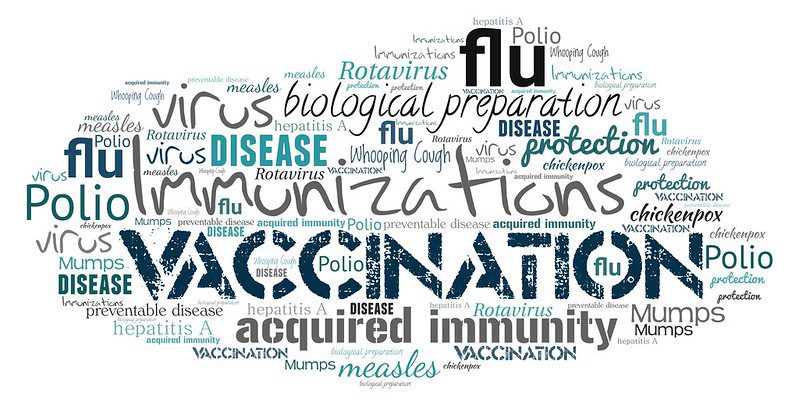
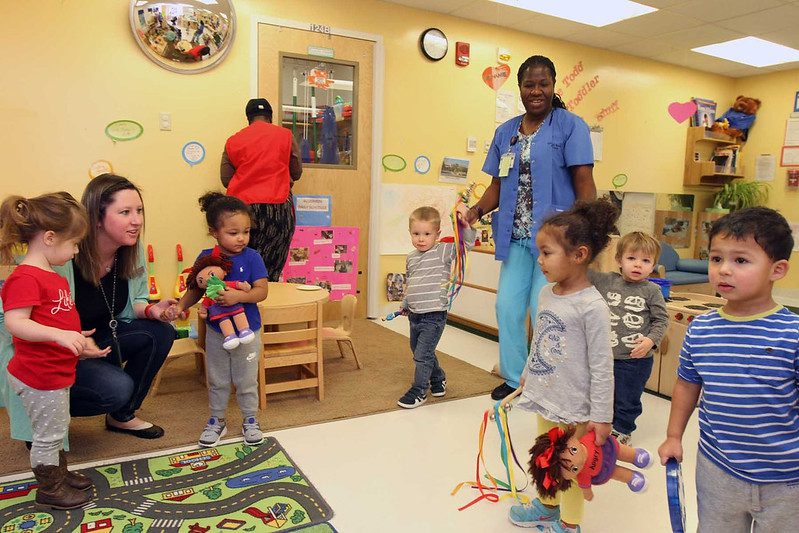
"The Big Catch-up" to Immunity for ChildrenCOVID-19 has impacted the world in several dire ways, but one that calls for immediate attention is the impact of immunization vaccinations. In light of this, “The Big Catch-Up” to immunity for children is making efforts through initiatives to inspire change.
The Importance of Vaccines

The development of vaccines is, what the president of Global Development at the Bill and Melinda Gates Foundation, Dr. Chris Elias, describes, as “a public health triumph.” Due to vaccines, the world has near eradicated once-fatal diseases such as poliovirus, measles, diphtheria and yellow fever. For instance, poliovirus in particular has seen a 99% decrease in cases since 1988, dropping from 350,000 a year to a record 30. The World Health Organization (WHO) has forecasted that by the year 2030, vaccines could save 50 million lives.

Beyond immunity and personal health, the importance of vaccines extends to communal and financial benefits. There is a domino effect when children who do not receive vaccines become ill. These children miss out on education, while the caregivers experience a loss of income and productivity as they stay home to provide care. A recent study that examined 94 low to middle-income countries reported a $20 return on every $1 “invested in immunization between 2021 and 2030,” according to the U.N. Foundation. That profit is the result of good health enhancing productivity, education and ability.

The Impact of COVID-19

Before COVID-19, the rate of children receiving immunization vaccinations across the globe was at 86%. According to the U.N. Foundation, this percentage dropped to 81% in 2021, representing approximately 67 million children in more than 100 countries with vulnerability to preventable fatal diseases, with reports of increasing outbreaks. In Africa alone, 8.4 million children go without essential vaccines in 2021.

The reasons for this setback all link to COVID-19. Overburdened health workers, decreased access to clinics, diverted resources, attention and supplies, reduced travel, school closures and increased vaccine misinformation all contributed to the lag in immunization vaccinations across the globe. Fortunately, several health organizations are banding together to catch up to the initial progress in immunity.

The Big Catch-Up Plan

Organizations including WHO, UNICEF and the Bill and Melinda Gates Foundation formed “The Big Catch-up,” in response to COVID-19’s impact on immunization vaccinations. Its mission is to, quite literally, catch up to the immunity progress made pre-pandemic and continue to push beyond that. In addition, there are efforts to introduce the HPV vaccine in low to middle-income countries where the risk is highest, according to the WHO.

The plan particularly focuses on providing vaccines to the 20 countries that saw the most decrease in immunity vaccines for children. These countries include Afghanistan, Angola, Brazil, Cameroon, Chad, DPRK, DRC, Ethiopia, India, Indonesia, Nigeria, Pakistan, Philippines, Somalia, Madagascar, Mexico, Mozambique, Myanmar, Tanzania and Vietnam.

“The Big Catch-up” aims to restore immunization levels by:

  • Improving health care workforce
  • Projecting accurate information and enhancing trust around vaccines
  • Strengthening health service delivery
  • Addressing obstacles and gaps to restoring immunization

“Catching up is a top priority. No child should die of a vaccine-preventable disease.” – WHO Director-General Dr. Tedros Adhanom Ghebreyesus.

Doing Important Work

“The Big Catch-up” to immunity for children is crucial to avoiding another pandemic – this time vaccine-preventable diseases that the world had almost eradicated completely. In fact, measles outbreaks are already being reported across the globe, and just a “small pocket…can be enough to fuel pandemics,” according to News Medical. Part of The Big Catch-up’s plan includes integrating immunization into primary health care, so the disruptions to vaccines experienced during the COVID-19 pandemic are never seen again.

“The longer we wait to reach and vaccinate these children, the more vulnerable they become and the greater the risk of more deadly disease outbreaks. Countries, global partners and local communities must come together to strengthen services, build trust and save lives,” said UNICEF Executive Director Catherine Russell.

– Jenny Boxall
Photo: Flickr

June 10, 2023
https://borgenproject.org/wp-content/uploads/borgen-project-logo.svg 0 0 Jennifer Philipp https://borgenproject.org/wp-content/uploads/borgen-project-logo.svg Jennifer Philipp2023-06-10 07:30:132023-06-11 15:25:17“The Big Catch-up” to Immunity for Children
Child Poverty, Children, Global Poverty, Women & Children

Why Providing Accessible Childcare Services Is the Smart Thing to Do

Accessible childcareAccessible childcare is a global challenge, with nearly 350 million children below primary school age lacking the necessary support. This represents over 40% of children in this age group worldwide, highlighting the urgent need for investment in childcare.

Research and Initiatives

The United States Agency for International Development (USAID), in cooperation with the World Bank, launched an initiative Invest in Childcare. USAID alone pledged $50 million to support the initiative. This childcare incentive fund works with governments to provide support in creating childcare programs and improving policies. Subsequently, the initiative seeks to gather more accurate data on childcare development and its effects on economic growth.

The World Bank has already supported many countries, including Senegal, Liberia, Burkina Faso and Mongolia, through the development of country-specific programs. These encompass the creation of mobile preschools for rural areas in Mongolia which have already benefited more than 8,500 of the country’s most remote children, the enrollment of thousands of children in preschools in Senegal and the financing of early childhood schools’ construction in Liberia.

Whether government-sponsored, NGO-supported or community-grown, initiatives developing and liberalizing early childcare are a necessity. Throughout the world, NGOs of diverse sizes and recognition seek to improve childcare. The most prominent include UNICEF and Save the Children, but many other organizations on the ground make efforts to provide help specifically tailored to their community. The Self-Employed Women’s Association (SEWA) in India, for example, has created childcare cooperatives in an attempt to support women working in agriculture or independently in local cooperatives.

These organizations are often informal and face challenges in obtaining funding and accessing training and professional development. This struggle highlights a need for formalization, which could enable the affected organizations to unlock more investments and growth.

Childcare Closely Affects Gender Equality

Though a lack of accessible childcare hinders an entire society, data shows that women are the first to be affected and quit the labor force. World Bank data for Indonesia in 2021 revealed that 40% of women quit employment after childbirth and marriage. Another 2022 report showed that 73% of low-income respondents partaking in a survey in Bangladesh stayed at home to care for their children instead of working, and in 2018, a study “found that having a child under five years of age reduced a Sri Lankan woman’s participation in the labor force by 7.4%.” In poorer countries, when mothers cannot provide care for these children, an older sibling usually assumes responsibility. And more often than not, this older sibling is a girl. She may consequently neglect or forgo her chance at an education, which builds up stark gender inequalities for the next generation.

Improving the Economy and Children’s Health

On the other hand, the Eurasia Group has found that providing accessible childcare for women could add $3 trillion to the $45.8 trillion currently generated by women in the global economy each year. According to the Gates Foundation, this would be achieved through the creation of 43 million jobs globally. This would broaden opportunities for women, boosting economic growth and giving countries an opportunity to reclaim a productive segment of their labor force.

World Bank data has also shown that accessible childcare improved women’s financial outcomes and positively affected their families. When compared to men, women usually spend more money on their children’s education, health and nutrition. Moreover, childcare keeps children safe, with reduced mortality due to lack of supervision. For example, Bangladesh saw the mitigation of drowning risk and malnutrition reduced in Guatemala, where childcare provides up to 70% of children’s recommended energy intake.

Fostering a Foundation and a Future

The Research and Information System for Developing Countries and UNICEF have created a panel on ‘Investing in children: Investing in future’, demonstrating that early childhood care is a wise long-term investment. World Bank data shows that by prioritizing early childhood development, it is possible to pave the way for a brighter future, where children entering the labor market 15 years to 20 years later receive the abilities necessary for higher-paying, stable and innovative jobs. This positively impacts their learning, health, behavior and life opportunities. Investing in high-quality childcare not only has profound implications for individual children but also yields significant social and economic benefits. Providing children with a strong foundation in their early years can foster a generation of productive, skilled individuals. This leads to improved learning outcomes, reduced social inequalities, enhanced workforce participation and overall economic growth.

– Hanna Bernard
Photo: Flickr

June 9, 2023
https://borgenproject.org/wp-content/uploads/borgen-project-logo.svg 0 0 Naida Jahic https://borgenproject.org/wp-content/uploads/borgen-project-logo.svg Naida Jahic2023-06-09 07:30:412023-06-05 15:06:18Why Providing Accessible Childcare Services Is the Smart Thing to Do
Children, Education, Global Poverty

Improving Children’s Learning in Ghana

Children's Learning in Ghana
In 1970, Ghana’s educational system was among the most highly developed in Africa. The Ministry of Education (MOE) predicted that all untrained teachers would be removed from the educational system by 1975. Gross enrollment ratios increased significantly, as 60% of primary school teachers received training. However, the country’s economy declined dramatically in the late 1970s, leading to a near collapse of the educational system. The following is an overview of children’s learning in Ghana.

Education in Ghana

The quality of education in Ghana faces significant challenges that impact children’s learning. Almost 80% of children lack basic literacy and numeracy skills. A particularly negative issue is the poor delivery of education across the nation, impacting mostly public schools in rural areas. New research urges immediate action to increase access for all children and improve the reading, writing and math skills of primary school pupils.

Solutions for Improving Children’s Learning

In October 2020, the MOE launched a report that offered an in-depth analysis of fundamental learning in Ghana’s primary education. The report, titled “Spotlight on Basic Education Completion and Foundational Learning: Ghana,” is one of five reports and a continental report in Africa. It was produced in collaboration with the Global Education Monitoring Report of UNESCO and the Association for the Development of Education in Africa. This project offers an analysis of the current state of fundamental education and identifies important solutions for improving children’s learning in Ghana, including:

  1. Improving School and Teacher Training: Introduce organized resources and assistance for professional development sessions, emphasizing phonics and teaching at the appropriate level. All basic education schools should receive structured leadership training, and basic-level school teachers should have a diploma.
  2. Investing in Textbooks: Provide children with textbooks and materials in school.
  3. Decentralization of Education: Increase and promote a more responsive approach to educational needs. Education management, administration policy and finance can transfer some duties to schools, parents, districts and communities to give them authority over how schools are run. It is expected to assist all children in Ghana with a baseline of high-quality education.
  4. Infrastructure Expansion: Expand infrastructure by building new schools and developing STEM and Arts facilities across the country.
  5. Removing Levies: Stop levying schools for extracurricular activities to fund sports, culture and mock exams. Doing so would reduce the amount of funding needed for school improvement and assist low-income families who cannot afford the extracurricular charges.

Looking Ahead

The report has made significant progress in providing accessible and high-quality education in Ghana. Estimates show that 77% of children now complete primary school. The country implemented ambitious reforms, such as making senior high school free for all students. It also introduced the “One Teacher, One Laptop” initiative, where school staff received laptops from the government. In 2003, more than $500 million of donor funding went to Ghana’s educational system. From 1986 to 1994, the World Bank helped fund school infrastructure and the provision of textbooks. It also provided additional funding to cover expenses for head teachers’ housing. Despite the challenges that Ghanaian students face in their education, the Ministry of Education commits to prioritizing the aforementioned five main policy areas to improve children’s learning in Ghana.

– Lilit Natalia Manoukian
Photo: Flickr

May 20, 2023
https://borgenproject.org/wp-content/uploads/borgen-project-logo.svg 0 0 Jennifer Philipp https://borgenproject.org/wp-content/uploads/borgen-project-logo.svg Jennifer Philipp2023-05-20 09:40:172023-06-02 15:40:19Improving Children’s Learning in Ghana
Child Poverty

Save the Children South Africa

Save the Children South AfricaSave the Children is a humanitarian organization working around the world to help children living in poverty. One of its outlets in Africa, Save the Children South Africa, specifically aims to accomplish three goals in the country by 2030: end any preventable deaths of children under 5 years old, ensure access to quality education and stop all violence against children. While the nonprofit organization’s tireless work is extensive, here are four main ways it is working toward achieving its goals.

  1. Bridging the Gap: Save the Children South Africa is pursuing Goal 4 of the United Nations’ Sustainable Development Goals, which aims to “ensure inclusive and equitable quality education and promote lifelong learning opportunities for all.” To achieve this, it is updating local curriculums with education on 21st-century skills. Recently, the organization partnered with Webhelp South Africa, Think Human Foundation and Share Think Human to create a three-year program at Zwelihle Secondary School in Umlazi. The program facilitates the acquisition of digital literacy skills and also provides networking opportunities along the way for successful employment upon graduation. Teachers also receive training to teach skills like digital literacy, CV writing and interviewing.
  2. Child Protection Program: Save the Children South Africa considers education on positive discipline techniques as a fundamental component of its mission. The organization’s Vikela Nwana program connected approximately 3,400 children and 13,500 parents and caregivers with anti-violence resources. The program offered workshops and webinars that focused on positive discipline, a model that encourages children to practice effective communication and patience rather than violence. More than 200 educators from 10 local schools received training from 12 partner organizations in 2021. These schools are now able to lead workshops in their communities, providing protection to children who need it.
  3. Health and Nutrition: In South Africa, acute malnutrition is responsible for a third of child in-hospital deaths. As part of its mission to end all preventable deaths of children younger than 5 years old, Save the Children South Africa frequently hosts events that focus on alleviating malnutrition and other health concerns. In 2020, the nonprofit organization hosted Child Health Awareness Day (CHAD) in the Free State village of Makwane. The organization has had a partnership with pharmaceutical company GSK in this region for years, providing service to the community. The event provided vaccinations, Vitamin A supplements and oral hygiene services to hundreds of children. Adults who attended had access to HIV testing and family planning consultations. Save the Children regularly hosts CHAD events, offering community members the opportunity to receive free life-saving services and education.
  4. Early Childhood Care and Development: In the KwaZulu-Natal province, Save the Children South Africa consistently collaborates with local Education, Health and Social Development departments. These partnerships direct funds and resources to over 100 Early Childhood Development (ECD) centers and schools. Aside from supporting the centers, educators, community leaders and parents also receive access to excellent childcare instruction. Children impacted by Save the Children’s work are guaranteed a safer environment from a young age.

Hope for South African Children

According to Statistics South Africa in 2020, an estimated 62.7% of South African children live in multidimensional poverty. Fortunately, Save the Children’s educational programs and resources in South Africa are providing children with the opportunity to regain their childhood by accessing education and experiencing safety.

– Rachel Smith
Photo: Pixabay

April 27, 2023
https://borgenproject.org/wp-content/uploads/borgen-project-logo.svg 0 0 Naida Jahic https://borgenproject.org/wp-content/uploads/borgen-project-logo.svg Naida Jahic2023-04-27 01:30:292023-04-26 15:44:07Save the Children South Africa
Page 20 of 137«‹1819202122›»

Get Smarter

  • Global Poverty 101
  • Global Poverty… The Good News
  • Global Poverty & U.S. Jobs
  • Global Poverty and National Security
  • Innovative Solutions to Poverty
  • Global Poverty & Aid FAQ’s
Search Search

Take Action

  • Call Congress
  • Email Congress
  • Donate
  • 30 Ways to Help
  • Volunteer Ops
  • Internships
  • Courses & Certificates
  • The Podcast
Borgen Project

“The Borgen Project is an incredible nonprofit organization that is addressing poverty and hunger and working towards ending them.”

-The Huffington Post

Inside The Borgen Project

  • Contact
  • About
  • Financials
  • President
  • Board of Directors
  • Board of Advisors

International Links

  • UK Email Parliament
  • UK Donate
  • Canada Email Parliament

Get Smarter

  • Global Poverty 101
  • Global Poverty… The Good News
  • Global Poverty & U.S. Jobs
  • Global Poverty and National Security
  • Innovative Solutions to Poverty
  • Global Poverty & Aid FAQ’s

Ways to Help

  • Call Congress
  • Email Congress
  • Donate
  • 30 Ways to Help
  • Volunteer Ops
  • Internships
  • Courses & Certificates
  • The Podcast
Scroll to top Scroll to top Scroll to top