• Link to X
  • Link to Facebook
  • Link to Instagram
  • Link to TikTok
  • Link to Youtube
  • About
    • About Us
      • President
      • Board of Directors
      • Board of Advisors
      • Financials
      • Our Methodology
      • Success Tracker
      • Contact
  • Act Now
    • 30 Ways to Help
      • Email Congress
      • Call Congress
      • Volunteer
      • Courses & Certificates
      • Be a Donor
    • Internships
      • In-Office Internships
      • Remote Internships
    • Legislation
      • Politics 101
  • The Blog
  • The Podcast
  • Magazine
  • Donate
  • Click to open the search input field Click to open the search input field Search
  • Menu Menu

Archive for category: Child Marriage

Child Marriage

Child Marriage in Zambia

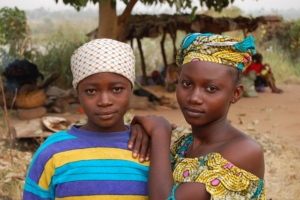
Child Marriage in ZambiaChild marriage, a formal or informal union involving a person below the age of 18, is an infringement upon internationally agreed human rights, diminishing young people’s ability to realize their rights to education, health, quality of life, safety and dignity. Child marriage rates in Zambia are some of the highest globally, but increasing action from the Zambian government and international organizations is leading to improvements in legal protection and changes in beliefs around child marriage.

Child marriage exposes girls to a range of challenges, including an increased risk of HIV transmission, domestic violence and maternal and infant mortality. Furthermore, early marriages can prevent girls from finishing their education, limiting their ability to reach their potential in the future. For these reasons, Sustainable Development Goal 5.3 aims to end child marriage by 2030.
The rates of child marriage in Zambia are among the highest in the world, predominantly affecting young girls. Although rates have fallen somewhat, in 2018, 44.4% of women in Zambia aged 20 to 29 were married as children.

Child Marriage in Zambia Falls Under Three Categories:

  1. Marriages between two adolescents, usually between the ages of 11 and 14.
  2. Intergenerational marriages in which an adolescent girl marries an older man, often twice her age.
  3. A tactical child marriage which is made in an attempt to avoid disgracing the family due to situations such as teenage pregnancy.

Poverty and Child Marriage

One of the biggest driving forces behind the high rates of child marriage in Zambia is poverty, a challenge that affects 60% of the population. Families marrying their daughters off in Zambia receive a lobola payment or a ‘bride price’. Consequently, a marriage can provide a family with vital income and the means to support other children through education. In this way, poverty and child marriage form a vicious cycle.
As aforementioned, the economic gain from child marriage can often push impoverished families into child marriages. However, the deprivation of education and employment opportunities created by child marriages perpetuates poverty. A UNICEF study from 2015 identified a clear link between higher child marriage rates and the lack of access to education and employment opportunities. These processes create an intergenerational cycle of poverty and young marriages.

Legal Discrepancies

Zambia’s legal system does not currently function in a way that can support ending child marriages. The country adheres to both statutory and customary laws, creating discrepancies and uncertainty around legal protections. According to statutory law, the 1964 Marriage Act states that marriage is only legal for those over the age of 21, although a person below this age may marry with parental consent. Statutory protection is insufficient to prevent child marriage, however, as the law does not specify a lower threshold at which parental consent cannot allow a marriage to take place. Furthermore, statutory law enables a high-court judge to grant consent for a child under the age of 16 to marry.
Customary laws determine the legality of marriage by the time at which a child reaches puberty, rather than a specific age. Statutory law states that nothing in the official Marriage Act impacts the validity of a marriage carried out in accordance with customary law. As a result of these vague and contradictory laws, there is insufficient legal protection for girls who reach puberty. Instead, girls who begin menstruation, usually around the age of nine to 13, often undergo an initiation ceremony where they receive education about marriage, caring for a husband and looking after a home.

Ending Child Marriage in Zambia

UNICEF and the United Nations Population Fund (UNFPA) joined forces in 2016 to launch the Global Program to End Child Marriage, focusing on the 12 countries with the highest rates of child marriage. Zambia has been the focus of much of UNICEF and the UNFPA’s work. A 2017 report from the UNFPA recommended an approach to efforts to end child marriage in Zambia.
Firstly, efforts need to respect and incorporate different community values and systems across Zambia. This is particularly important when addressing customary law, as this is a key part of many communities’ histories. The UNFPA suggested efforts should start by aligning customary laws to an amended Constitution based on a clearer definition of marriage that states it as an act only lawful between two consenting adults. It suggests that customs and traditions around marriage may change over time through education campaigns focused on the impact that early marriages can have on children. Secondly, efforts must prioritize the safety of and care for adolescent girls, primarily through efforts to keep young girls in education. Some of the main reasons that young girls leave education and end up married are poverty, social vulnerability and teenage pregnancy.
According to the report, the creation of financial incentives for poor families to keep their daughters in school could overcome issues presented by poverty. Education campaigns, as well as the creation of ‘safe spaces’ for girls both in schools and in communities, could lower social vulnerability. Finally, lowering rates of teenage pregnancy requires long-term planning to improve sex education and reproductive health services across Zambia.

A Zambian Community Case Study

The UNFPA-UNICEF Global Program to End Child Marriage has supported the Zambian government-led Community Welfare Assistance Committee (CWAC) in the Zambian regions of Katete and Senanga. This approach focuses on the two points raised above: sensitivity to varying community values and safety for young girls.
Based on a USAID approach used to engage Zambian communities in HIV/AIDS prevention, this project to minimize child marriage uses community-based workers who understand the community and already have their trust. This allows the CWAC approach to be appropriate and targeted. Community workers with the CWAC look for signs of vulnerability and identify risk factors for young girls. Once they have identified those in need of help, workers bring in a network of community members to support the family and engage in discussions around their child’s wellbeing.
In 2020, there were 140 trained CWAC workers across Katete and Senanga. In this same year, the project helped 49 girls across the two regions avoid premature marriage. Although there is currently limited data to assess the impact of this project fully, CWAC workers have already had a positive influence on the communities they have been working in, as evidenced by the number of girls saved from child marriages.

Caring for Survivors of Child Marriage in Zambia

According to suggestions, preventative measures addressing child marriage must coincide with efforts to support survivors to overcome the barriers that they face. World Vision International followed the story of Tichoke, a girl from Zambia who married when she was only 14. Tichoke’s older husband mistreated her and she struggled to provide for her new family. Amid her struggle and facing little support from her parents, Tichoke reached out to some local counselors, supported by World Vision Zambia. With their help, Tichoke escaped her marriage and went back to school. As of 2019, Tichoke was in grade 9 and was hoping to work as a nurse when she graduated.
For child brides like Tichoke, their families’ decisions needn’t be the end of their goals and aspirations.
As part of the 2020 U.N. Women program, the Zambian government established a scheme of giving scholarships to survivors of child marriage in an attempt to encourage them back into education. Not only would this sort of scheme benefit the victims of child marriage, but it could lead to a significant increase in the country’s productivity and output. A 2017 World Bank study estimated that Zambia could increase its GDP by USD 68.2 million by ending the practice of child marriage.

The Future of Child Marriage in Zambia

Zambia continues to have some of the highest rates of child marriages in the world. However, international efforts such as the UNFPA-UNICEF program and increasing action from the Zambian government suggest that the country is heading in the right direction. Alongside general poverty alleviation support, a focus on mitigating factors and caring for survivors spark hope in the fight against child marriage in Zambia.

– Polly Walton
Photo: Flickr

May 16, 2023
https://borgenproject.org/wp-content/uploads/borgen-project-logo.svg 0 0 Jennifer Philipp https://borgenproject.org/wp-content/uploads/borgen-project-logo.svg Jennifer Philipp2023-05-16 01:30:082023-05-15 03:44:37Child Marriage in Zambia
Child Marriage

Child Marriage in Egypt: A Harmful Practice

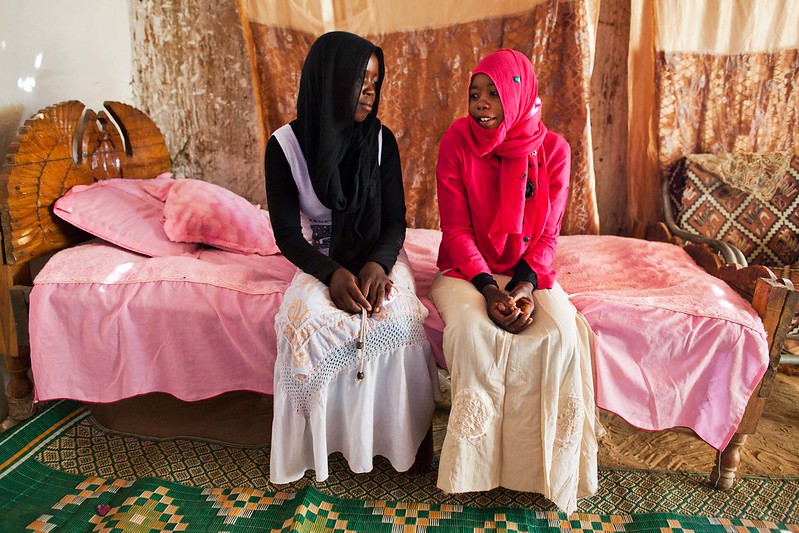
Child Marriage in EgyptEgypt currently faces a significant child marriage issue. The United Nations International Children’s Emergency Fund (UNICEF) reports indicate that nearly 17% of girls marry before turning 18. Child marriage in Egypt pervades the country, infringing on young girls’ rights and adversely affecting their health, education and future opportunities.
Child Protection Law in Egypt and Loopholes in the Legal Age of Marriage

The Persons and Family Law No. 126 of 2008 mandates a legal marriage age of at least 18 years old for both men and women. Unfortunately, since there are no criminal penalties for families conducting child marriages through religious ceremonies, girls in rural areas become three times more likely to marry before 18.

Some religious and cultural traditions support early marriage, legally registering the marriage only when the bride turns 18. Underage girls may also enter unofficial customary marriages called “urfi.”

Risks and Consequences of Child Marriage

World Bank statistics show that 46 of every 1,000 girls aged 15 to 19 gave birth in Egypt in 2020. Early marriage often leads to girls dropping out of school, which limits their future opportunities and increases their vulnerability to poverty. Furthermore, they are more likely to experience complications during pregnancy and childbirth.

Government Efforts to Ban Child Marriage in Egypt

The Egyptian government has committed to eliminating child marriage in Egypt by 2030, aligning with the Sustainable Development Goal target 5.3. Various actions are in progress, including the establishment of Equal Opportunities Units within ministries, the launch of initiatives to increase women’s participation in the economy and partnerships with the United Nations (U.N.) agencies for women’s empowerment.

The Egyptian government has launched a comprehensive National Strategy for the Empowerment of Women 2030 aimed at empowering women across various spheres of life, focusing on six key pillars. In addition to this, the government has also endorsed Egypt’s National Strategy for the Prevention of Early Marriage 2015-2020, demonstrating its commitment to promoting the rights of women in the country. Since 2019, the Egyptian government has been making recommendations to prevent child marriage in Egypt and intensify awareness-raising campaigns.

Local and International Non-Governmental Organizations Efforts

Organizations such as the Tadwein Center for Gender Studies and Plan International work to address the root causes of child marriage, like poverty and lack of access to education. The Tadwein Center for Gender Studies, established in 2014, promotes gender awareness, empowers women and fights against violence against women and girls in Egypt. The center initiated the #HerDreamIsMoreImportant social media campaign in 2020, addressing child marriage consequences. The campaign started during the global event Sixteen Days of Activism Against Gender-Based Violence.

Plan International, working in Egypt since 1981, aims to improve children’s lives through education and gender equity. Its program offers psychosocial support to over 4,000 vulnerable Syrian refugee and Egyptian children, providing safe spaces and fostering resilience. This approach empowers girls to resist early marriage and raises community awareness about gender equality and children’s rights.

Declining Rates of Child Marriage in Egypt

UNICEF statistics show a decline in child marriage rates, as the percentage of women marrying before the age of 15 dropped from 3.9% in 2000 to 2.0% in 2014. Various factors contribute to this positive trend, including government partnerships with the National Council for Women and U.N. Women Egypt Country Office and prioritizing the 2030 National Women’s Empowerment Strategy.

Consequently, women’s unemployment rate dropped from 21.7% in 2019 to 17.7% in 2020. Furthermore, educated girls with improved societal status marry later, contributing to inclusive economic development.

In the Works for Egypt

The Association of the Egyptian Female Lawyers launched a campaign called #1000جمعية#, or #1000Associations#, to urge President Abd El Fattah El Sisi and parliamentarians to criminalize child marriage in Egypt. While the Egyptian government has achieved progress in fighting child marriage, implementing further action to strengthen enforcement and tackle the root causes of this harmful practice could deliver more desired results. With the continued commitment of the Egyptian government, NGOs and international partners, there is hope for a future that is free of child marriage.

– Tanya Hamad
Photo: Flickr

May 12, 2023
https://borgenproject.org/wp-content/uploads/borgen-project-logo.svg 0 0 Jennifer Philipp https://borgenproject.org/wp-content/uploads/borgen-project-logo.svg Jennifer Philipp2023-05-12 07:30:002024-05-30 22:29:49Child Marriage in Egypt: A Harmful Practice
Child Marriage

Child Marriage in the Central African Republic

Child Marriage in the Central African Republic

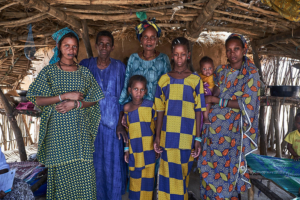
Child marriage rates in the Central African Republic are the second-highest globally. According to Girls Not Brides, among girls in the Central African Republic, 61% marry before their 18th birthday and 26% marry before they turn 15 years of age. As for young men or boys, 28% marry before the age of 18. There are several factors that contribute to this problem, and below is a look into some of them.

Factors Contributing to Child Marriage in the Central African Republic

  1. Education Gaps, Poverty and Cultural Standards: Child Marriage In the Central African Republic is prevalent primarily because of poverty, social norms prioritizing male education over female education and a general lack of education. In a country where most people live in poverty and lack access to education, families often see marriage as a way to provide their daughters with economic opportunities and ensure their safety. According to Monique Nali, the former director for gender promotion at the Ministry of social affairs, girls in the Central African Republic go into marriage before adulthood due to social norms that prioritize early marriage for girls. In this society, a common belief is that marriage and motherhood are the only roles for women. Unfortunately, such beliefs contribute to the perpetuation of female oppression.
  2. Polygamy: In a polygamous relationship, the law sanctions the practice as long as the spouses acknowledge and agree to the arrangement before marriage. In many cultures, having multiple wives and children is considered a symbol of wealth and pride and it can also increase the labor force. Additionally, polygamy can provide continuity for family lines.
  3. Female Genital Mutilation and Cutting (FGM/C): Female Genital Mutilation and Cutting (FGM/C) is a significant contributing factor to the prevalence of child marriage in the Central African Republic. According to statistics from Orchid Project and 28 Too Many (2022), 17.3% of girls between the ages of 15 and 19 underwent FGM/C from 2018 to 2019. In this region, FGM/C is a core part of the culture and girls undergo the painful procedure as a rite of passage. Unfortunately, girls who have undergone FGM/C are more likely to become victims of child marriage.

Measures To Prevent Child Marriage

In the Central African Republic, children under the age of 18 have no legal permission to marry due to the 1992 Convention on the Rights of the Child. The government is responsible for ensuring that every person has the right to freely consent to marriage. The Central African Republic has also implemented additional laws to prevent early and forced marriages.

The Convention on the Elimination of All Forms of Discrimination Against Women (CEDAW), an international agreement that prohibits discrimination against women, was signed in 1991 and requires all states to ensure free and full consent to marriage. This convention has established a legal framework for the protection of children’s rights in the Central African Republic, particularly in regard to marriage. Furthermore, CEDAW has aided in eradicating all types of discrimination against women in the country.

While the Central African Republic has committed to achieving Goal 5 of the Sustainable Development Goals, which calls for eliminating child marriage, forced marriage and female genital mutilation by 2030, High-level political forums are yet to provide updates on progress.

Conclusion

The Central African Republic’s ability to enforce laws protecting children appears to be weak due to a lack of resources, inadequate funding for initiatives and unstable economic conditions, leaving women and girls vulnerable to violence. Addressing gender inequality and harmful practices, such as child marriage, can be challenging in cultures where such practices are traditional.

It is much easier for girls who are married as children to become victims of physical and sexual violence from their partners because their lack of rights and power over their lives makes them more vulnerable to such violence. This vulnerability may lead to long-term psychological and physical effects. Hence, public awareness campaigns and education could play a major role in creating real and lasting change in the fight against child marriage in the Central African Republic.

– Simran Raghav
Photo: Flickr

May 11, 2023
https://borgenproject.org/wp-content/uploads/borgen-project-logo.svg 0 0 Jennifer Philipp https://borgenproject.org/wp-content/uploads/borgen-project-logo.svg Jennifer Philipp2023-05-11 07:30:452024-05-30 22:31:00Child Marriage in the Central African Republic
Child Labor, Child Marriage

Tackling Child Labor And Early Marriage In Yemen

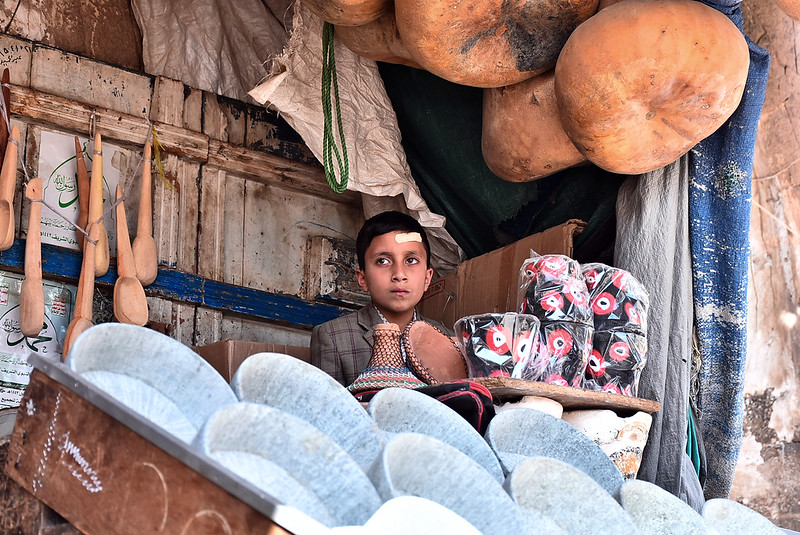
Child Protection in YemenThe United Nations International Children’s Emergency Fund (UNICEF) has released a statement on child protection in Yemen. It highlights child labor and early marriage as pervasive issues in the country. A study indicates that, out of Yemen’s 7.7 million children aged 5 to 17, 17% are subject to child labor, with the majority of them working without pay. As of 2019, 4 million child brides reside in Yemen, with families marrying off 1.4 million of them before they reach the age of 15.

The Government’s Unfulfilled Commitment

In 2021, Yemen achieved little progress in fighting child labor despite a training initiative by the International Labor Organization. The government struggled to enforce regulations, with state forces recruiting child soldiers and marginalized children facing increased vulnerability due to school discrimination.

The divided Yemeni government, with Northern Yemen resisting child protection and gender-based violence projects, poses challenges to combating gender-based violence in schools and fully realizing the Global Program’s objectives. In July 2014, the Yemeni government signed a charter at the London Girl Summit, committing to end child marriage by 2020. Despite this commitment, there is still no minimum age requirement for marriage in the country. And with the government’s focus on other humanitarian crises and the ongoing war, child marriage remains a pressing concern.

Impacts on Children

Poverty-stricken families struggle to survive in a country where necessities like food, water and health care are scarce. In the face of such adversity, many parents feel they have no choice but to send their children to work, often in dangerous and exploitative conditions. The Bureau of International Labor Affairs released a report indicating that approximately 13.6% of the working population are children from the ages 5 to 13.

Additionally, child marriage serves as a coping strategy for parents seeking relief from caregiving costs or better protection for their daughters. Amid the conflict, women and girls face worsening conditions, with broken social institutions and 1.83 million children, including 830,000 girls, losing school access. Lacking education and support, child brides suffer increased vulnerability.

UNICEF’s Initiatives to Address Child Labor and Early Marriage in Yemen

UNICEF strengthens child protection systems by supporting community-based committees and case management systems for addressing child protection in Yemen. It contributes to data collection and analysis to guide policy decisions and employs communication strategies to encourage positive social norms and behavior change regarding child marriage.

UNICEF regularly publishes monthly reports to track its humanitarian response in Yemen. The latest report, released on Dec. 31, 2022, shows that UNICEF’s Yemen Humanitarian Action for Children (HAC) aligned with the 2021 Yemen Humanitarian Response Plan (YHRP). The organization reported that it requires $484.4 million to deliver aid in Yemen in 2023. Factors such as the COVID-19 pandemic, economic instability, rising oil prices and global logistical costs have contributed to increased operational expenses in the country.

UNICEF persistently educates 5.5 million children and community members about the dangers of mines, unexploded ordnances and explosive remnants of war. Furthermore, it has provided psychosocial support to over 410,000 children and caregivers in conflict-affected regions and has helped 4.1 million children and women benefit from gender-based violence risk reduction, prevention or response measures. UNICEF and UNFPA jointly tackle child marriage in Yemen through the Global Program, focusing on key drivers and empowering girls with education and life skills.

The Global Program has provided education support to vulnerable girls in conflict-affected regions. Through the Global Partnership for Education, 1,220 vulnerable girls benefitted from enrollment or reintegration into formal education systems. UNICEF also advocates for legal frameworks and policies to protect children from early marriage.

Funding Challenges and International Support

According to the U.N. Office for the Coordination of Humanitarian Affairs (OCHA), most international donations to Yemen are directed towards food security. In fact, the Financial Tracking Service report revealed that 43.7% of the $2.77 billion from other countries to Yemen was allocated for food security. However, child protection receives only $5.55 million and education gets $44.31 million, leaving issues like child labor and early marriage underfunded.

Nonetheless, UNICEF actively promotes support from other countries to aid Yemen. Kuwait, for example, recently signed a $2 million agreement with the United Nations High Commissioner for Refugees (UNHCR) to support internally displaced people in Yemen.

Additionally, 53 international organizations (IOs) and non-governmental organizations (NGOs) are working to help the country. Among these organizations are Save the Children, Islamic Relief and the Yemeni League for Development Foundation (YLDF).

Looking Ahead

In the face of immense challenges, UNICEF is actively working to address child labor and early marriage in Yemen. Its initiatives include strengthening child protection systems, providing education and psychosocial support to children and caregivers and advocating for legal frameworks to protect children. While funding for child protection remains a challenge, UNICEF continues to advocate for international support and collaboration with other organizations to improve the situation in Yemen. Despite the obstacles, ongoing efforts offer hope for a future that is free of child labor and early marriage in Yemen.

– Tanya Hamad
Photo: Flickr

May 9, 2023
https://borgenproject.org/wp-content/uploads/borgen-project-logo.svg 0 0 Jennifer Philipp https://borgenproject.org/wp-content/uploads/borgen-project-logo.svg Jennifer Philipp2023-05-09 08:49:482023-05-30 17:16:20Tackling Child Labor And Early Marriage In Yemen
Child Marriage, Global Poverty

How the Arsenal Football Club is Fighting Poverty

Football Club is Fighting Poverty
Arsenal Football Club is currently top of the Premier League, leading English football in points and the number of wins. Perhaps a more important way Arsenal is leading the Premier League is through its contribution to children’s livelihoods in developing nations through Arsenal Foundations’ partnership with Save the Children. Here is how the Arsenal Football Club is fighting poverty.

How The Arsenal Foundation is Fighting Poverty with Save the Children

Despite having a modest budget compared to other football clubs’ charities, Arsenal spends most of its budget working in developing nations. Specifically, the Arsenal Foundation and Save the Children, a U.K based charity, formed a global partnership in 2011 and have raised more than 3.7 million pounds for Save the Children. The Arsenal Foundation gives year-round support to Save the Children through their shared mission of fighting child poverty, keeping children safe and providing children with a future. This includes providing funding for programs that provide education, food and medicine to children.

Responding to Local and Global Needs

The Arsenal Foundation is efficient and effective at responding to global crises and supporting the global community via Save the Children’s emergency work. Examples are donating in the immediate aftermath of the Ebola Outbreak, the Philippines Typhoon, the Nepal Earthquake, the East Africa Food crisis and the Turkey-Syria Earthquake.

The Arsenal Foundation also engages its north London community, through its support of sports, social and educational programs for young people. The Foundation provides money, time and hard work from the Foundation supporting the local community every day.

Coaching for Life Program

In partnership with Save the Children, in 2018, the Foundation developed the “Coaching for Life Program” a football education program for boys and girls based in the Za’atari refugee camp in Jordan and poor children in Jakarta, Indonesia. The program aims to improve children’s mental well-being by teaching innovative coaching techniques to help them build courage and inner strength in some of the most difficult circumstances on the planet.

The Jakarta program has been particularly successful in addressing gender issues in Indonesia, as footballer Leah Williamson’s visit in 2022 highlighted. Poor, young women in Indonesia have to work to support families and are also at a high risk of child marriage. Too many girls in Indonesia miss out on a proper education. Girls from the wealthiest backgrounds in Indonesia are five times more likely to finish secondary school than the poorest, limiting their future potential. The Coaching for Life Program is providing the opportunity to change that outcome.

The Jordan program is particularly unique among international football coaching schemes because it is based in the Za’atari refugee camp near the northern border with Syria. Za’atari opened in 2012 shortly after the outbreak of the Syrian civil war and is the largest camp for Syrian refugees. The U.N. estimated in 2018 that there were nearly eighty thousand refugees in the camp, with nearly 20% of the population under five. The program helps refugee children by giving them a sense of purpose and belief in a community where only 20% of the adult population gains work from the Jordanian government. Prospects for these children are limited, so Coaching for Life uses football to build a sense of belonging and fun to improve their emotional, physical and mental well-being. The interviews and stories from on the ground show how the Arsenal Football Club is fighting poverty.

– John Cordner
Photo: Flickr

April 7, 2023
https://borgenproject.org/wp-content/uploads/borgen-project-logo.svg 0 0 Kim Thelwell https://borgenproject.org/wp-content/uploads/borgen-project-logo.svg Kim Thelwell2023-04-07 01:30:182023-04-04 15:52:06How the Arsenal Football Club is Fighting Poverty
Child Marriage, Global Poverty

Child Marriage in Thailand

Child Marriage in Thailand
Girls Not Brides has published concerning statistics regarding child marriage in Thailand. About 23% of girls in Thailand enter marriages before the age of 18 and 4% marry before turning 15. On the male side, 10% of boys enter marriages before turning 18. Overall, Thailand has the 11th highest rate of child marriages among boys worldwide.

The Causes of Early Marriage

Child marriage prevents many youths from having the opportunity to grow and reach their full potential. Child marriage and poverty have connections as high child marriage rates link to areas struggling with economic development.

The 2015-16 Multiple Indicator Cluster Surveys show that “30% of women in Thailand’s poorest households were married before 18, compared to 10% from the richest households. Many young girls are married off so families can collect the bride price and to ease a perceived financial burden on families,” Girls Not Brides highlights. Sometimes parents pressure their daughters into early marriage to protect them from experiencing the same hardships of poverty that they faced.

Plan International explains the factors causing child marriage to remain so prominent: “a combination of factors including poverty, lack of education and job opportunities, society’s views on girls’ roles, weak legal frameworks and their enforcement, insecurity in the face of conflict and the effect of harmful customs and tradition.” Plan International also projects that by 2020, about 800 million females across the world may face the repercussions of child marriages.

Time to Act!

According to Plan International, “Louder than Words” is “a collection of testimonies reflecting girls’ and boys’ activism in collaboration with Plan International in tackling and challenging root causes of [Child, Early and Forced Marriage] to prevent this harmful practice and achieve girls’ empowerment and equality, promotes, celebrates and highlights the regional efforts to prevent and end [child marriage] that has evolved into a regional initiative called Time to Act!”

The initiative, Time To Act!, is working throughout Thailand to educate the youth on sex and reduce child marriage in Thailand. The staff members discuss often taboo subjects, such as early pregnancy, marrying young and safe sex, with Thailand’s youth.

Plan International Thailand’s Teen Power for Better Life project holds training sessions that discuss these topics. The mission aims to teach girls “to discover the links between early marriage, adolescence pregnancies, and gender discrimination” and encourage them to take hold of their lives.

Thailand ranks 12th in the Asia-Pacific region for the prevalence of child marriage; therefore, it is essential that initiatives such as Time to Act reach the country.

Testimonies from “Louder Than Words”

The testimonies in “Louder Than Words” attempt to unmask the negative repercussions of this practice. Quotes from Teen Power for Better Life project participants, such as Orn, demonstrate the initiative’s effectiveness: “After the training, I realized that If I married early, I might not be able to follow my dream to be a businesswoman. I want to study and obtain a degree, not to be someone’s wife only.”

At just 16 years old, Orn has become increasingly involved in the program and even began to teach other teenagers after the program changed her own life. She spoke on the critical information she learned from the training: “I was empowered with the learning that as girls, we can make our own choices and no one has the right to force us to do anything we do not like.”

Many girls throughout Orn’s village feel pressure to conform to child marriage because of the economic strains they feel in their families. Child marriage and poverty are often consequences of each other in disadvantaged homes throughout Thailand. Orn continues to work as a youth leader for Teen Power for a Better life.

Supporting initiatives like Time to Act!, which deconstruct cultural norms encouraging child marriages, is vital in saving the next generation from the constrictions of early marriage. These initiatives work against child marriage and poverty by empowering young women with the skills and knowledge to achieve independence and economic stability without having to rely on the potential economic benefits of marriage. Girls throughout Thailand deserve the same opportunities to pursue education and jobs without the binds of forced wedding bands.

– Brooklynn Rich
Photo: Flickr

March 1, 2023
https://borgenproject.org/wp-content/uploads/borgen-project-logo.svg 0 0 Kim Thelwell https://borgenproject.org/wp-content/uploads/borgen-project-logo.svg Kim Thelwell2023-03-01 01:30:392023-02-27 13:34:04Child Marriage in Thailand
Child Marriage, Global Poverty

Child Marriage in Bangladesh

Child Marriage in Bangladesh
UNICEF defines child marriage as the marriage or “informal union” of a girl or boy younger than the age of 18. According to a UNICEF report, Bangladesh currently holds the fourth-highest rate of child marriage worldwide and the highest prevalence in the Asian region. Though child marriage rates are on the decline in South Asia, with an 18% drop from 1985 to 2010, it is still common for young females aged 15-18 to enter into unions. However, with the help of programs that the UNICEF headed, child marriage in Bangladesh is declining.

Child Marriage in Bangladesh

A 2016 brief by the World Bank has approximated that, in Bangladesh, six in 10 women still marry “early.” To be precise, 59.4% of women currently aged 18-22 entered into unions before reaching their 18th birthday. According to the brief, on average, these women were just 15.8 years old at the time of marriage. Moreover, 0.5% of these women married before the age of 12.

Such high rates of child marriage in Bangladesh are the result of a combination of economic and social practices; in communities where marrying young is most prevalent, girls and young women are treated as subordinate to their male counterparts. Infringing on a child’s “right to free and full consent,” as a result of religious and/or cultural practices, or even in exchange for a social or economic imperative, brings about severe consequences.

Marriage at a young age increases a child’s “risk for physical, sexual, psychological and economic abuse.” Not only is child marriage a humanitarian issue but it also contributes to delayed economic development. Child marriage often arises as a consequence of poverty — impoverished families seeking economic relief by marrying off their daughters. Child marriage consequently also contributes to poverty rates by eliminating working potential.

Approximately 38 million child brides live in Bangladesh, according to a 2020 UNICEF report, and the World Bank estimates that national poverty rates in Bangladesh reached nearly 40 million in 2016, showing a clear correlation between child marriage and poverty.

With child brides not having access to educational opportunities and their own “decision-making power,” Bangladesh is eliminating a potential working class.

Action to Reduce Child Marriage

With the intervention of actionable programs, like UNICEF’s Global Programme to Accelerate Action to End Child Marriage, which responds to the complexities of child marriage practices, rates are on the decline.

In 2016, UNICEF and the UNFPA launched the Global Programme to Accelerate Action to End Child Marriage to address the issue in the countries with the highest rates of child marriage, including Bangladesh.

The program “promotes the rights of adolescent girls to avert marriage and pregnancy and enables them to achieve their aspirations through education and alternative pathways,” the UNICEF website explains. On a  household level, the program works to change attitudes about child marriage and the status of girls in society. On a broader, legislative level, the program advocates for legislation and policies that uphold the human rights of girls and encourages data-informed approaches to the development of such policies.

In 2021, 480 child journalists in Bangladesh, with girls accounting for 50% of this team, received skills training and tools from UNICEF to create videos to raise awareness on “child marriage, gender equality and girls’ empowerment.” The country’s “first-ever children’s online news platform” broadcasted the video content.

A Child Helpline and Conditional Cash Transfers

One way UNICEF’s program intervenes in the issue of child marriage in Bangladesh is through a toll-free national helpline, which it established with the Bangladesh government in 2015. In April 2020, the child helpline received 450 calls related to cases of child marriages.

The helpline saved Yesmin, a child bride, on the day of her marriage. After facing harassment from an “older man,” her family arranged her marriage as a means of protecting her. Upon receiving an anonymous tip of her arranged union through the helpline, police came to the scene, negotiating with her father to call off the marriage. In a UNICEF report, Yesmin shared, “I was so happy when I realized it wasn’t going ahead after all.”

UNICEF also offers conditional cash transfers to households that are at high risk of pushing their children into child marriages. UNICEF provides the grants on the condition that girls stay in school, do not marry and do not engage in child labor. Parents must also attend UNICEF educational sessions focusing on the negative impacts of child marriage.

In treating and supporting young girls equitably, the program boosts girls’ decision-making power and independence — qualities child marriage deprives young brides of.

By focusing on educating community members on the consequences of child marriages, supporting those betrothed as children and addressing gender discrimination, Bangladesh is on the way to effectively ending child marriage. With the work of UNICEF, a world of opportunities is opening for the youth that would otherwise come to an abrupt end as a result of child marriage.

– Micaella Balderrama
Photo: Flickr

February 6, 2023
https://borgenproject.org/wp-content/uploads/borgen-project-logo.svg 0 0 Kim Thelwell https://borgenproject.org/wp-content/uploads/borgen-project-logo.svg Kim Thelwell2023-02-06 07:30:592024-05-30 22:30:41Child Marriage in Bangladesh
Child Marriage, Global Poverty

Child Marriage in Liberia

Child Marriage in LiberiaChild marriage in Liberia is not uncommon. According to Girls Not Brides, 36% of girls in Liberia enter into marriage before reaching their 18th birthday and Liberia ranks 20th in the world for the highest rates of child marriage.

UNICEF defines child marriage as “any formal marriage or informal union between a child under the age of 18 and an adult or another child” and warns that the effects extend not only to the girl’s health and future prospects but also to the economy through economic detriment on a national level. A 2017 study by the World Bank and the International Center for Research on Women (ICRW) projects that the prevalence of child marriage “could cost developing countries trillions of dollars by 2030 – the year by which the U.N., through its Sustainable Development Goals (SDGs), calls for the elimination of the practice.”

Child brides are more likely to face domestic violence and early pregnancy before their bodies have even fully developed. Child marriage also increases the risk of HIV among young girls.

The prevalence of child marriage in Liberia will continue to hinder progress toward gender equality in Liberia unless the government introduces legislation and improvements in policy. For as long as child marriage exists, Liberia will not see significant strides in education or the economy.

Reasons for Child Marriage in Liberia

Plan International describes the generalized reasons for child marriage prevalence in countries as systemic gender inequality, poverty and societal customs/traditions, among other reasons. In terms of poverty, according to the World Bank, 34.6% of the population in Liberia lives under the international extreme poverty line ($2.15 per person per day in 2017 PPP). Due to entrenched gender discrimination and inequalities, impoverished families often view daughters as economic burdens. Parents push young daughters into marriage to ease the household’s financial burden and bring in finances in the form of the “bride price.”

Regarding customs, Plan International details that some families push their daughters into child marriage to safeguard family honor by ensuring that sexual relations outside of marriage do not occur. Child marriage in Liberia persists despite domestic legislation setting the legal age of marriage for girls as 18. Humanium explains that “the lack of consistency of customary and statutory laws” and engagement with traditional leaders means people routinely break these laws and forced marriage practices persist.

It is also important to note that while 36% of girls younger than 18 enter into marriage, this figure stands at 5% for boys in Liberia, highlighting obvious gender inequality and disparities that need to be addressed. Gender-based violence and inequality in Liberia extend to female genital mutilation (FGM). According to Equality Now, Liberia is one of the three remaining West African countries that have not legislated FGM as a criminal offense.

Organizations and NGOs Striving to Reduce Child Marriage in Liberia

BIRD-Liberia (Brighter Initiatives for Revitalization and Development) was founded by Sammenie O. Sydney in 2014. The organization’s latest efforts include working with youth activists to eliminate child marriage. BIRD-Liberia began the Power to Girls campaign, in collaboration with Girls Not Brides, to raise awareness of child marriage.

“The activists will go around the country to speak to students and school administrators,” Emmanuel Quiqui, BIRD’s Office Administrator, said to Girls Not Brides. “They’ll go to radio stations around Liberia and meet with the national legislature to spread the campaign message.” Bird-Liberia has trained 10 activists to educate fellow Liberians on the detriment of child marriage with the aim of ending the practice entirely.

Though child marriage persists, activists and organizations on the ground are showing their commitment to ending the practice and safeguarding children’s rights.

– Priya Maiti
Photo: Flickr

December 30, 2022
https://borgenproject.org/wp-content/uploads/borgen-project-logo.svg 0 0 Naida Jahic https://borgenproject.org/wp-content/uploads/borgen-project-logo.svg Naida Jahic2022-12-30 01:30:282024-05-30 22:30:38Child Marriage in Liberia
Child Marriage, Global Poverty

Reducing Child Marriage in Zimbabwe

Child Marriage in Zimbabwe
According to a 2022 press release by UNICEF, in Zimbabwe, one out of three young girls enters into marriage before reaching their 18th birthday. Child marriage often results from gender disparities in developing countries. Girls Not Brides explains that “child marriage is rooted in gender inequality” and “poverty, lack of education, harmful social norms and practices and insecurity” exacerbate it. Child marriage in Zimbabwe limits future possibilities for women and perpetuates cycles of poverty.

Child Marriage in Zimbabwe: Contributing Factors

By June 2021, the number of individuals living in extreme poverty in Zimbabwe rose to almost 8 million. The Guardian reported that “child marriage in Zimbabwe is often driven by poverty.” Families living in poverty often push their young daughters into marriage because the “bride price” the family receives will reduce the household’s financial burden.

Aside from economic reasons, there is a cultural and religious ideology that condones marrying off young girls. Specifically, indigenous apostolic religious groups have a higher number of child marriages. The doctrine of the Apostolic Christian Council of Zimbabwe directs that girls must wed between the ages of 12 and 16 in order to prevent premarital sexual relations. Furthermore, many indigenous apostolic churches in Zimbabwe prohibit girls from returning to school once married.

Whereas 33% of girls in Zimbabwe entered into marriage before the age of 18, for boys, this rate is just 2%. The lack of education among women further pushes them into oppression, limiting job prospects and forcing women to rely on their husbands economically. According to a UNICEF statistic, as of 2021, only 14% of females in Zimbabwe attain an upper secondary education.

Human Rights Watch highlights the implications of child marriage: “Child marriage in Africa often ends a girl’s education, exposes her to domestic violence and grave health risks from early childbearing and HIV and traps her in poverty.”

The Women Advocacy Project (WAP) Zimbabwe

In efforts to decrease child marriage in Zimbabwe, the Women Advocacy Project Zimbabwe, a partner of U.S.-based The Advocacy Project, provides the support young girls need to thrive. The specific child marriage program looks to raise $5,000 via the GlobalGiving platform to train five local Zimbabwean girls to become community leaders. As leaders, these girls will be able to action community-wide change to bring an end to child marriage in Zimbabwe. These girl leaders will educate others about women’s rights, the far-reaching implications of child marriage, the benefits of obtaining an education and how to safeguard oneself from abuse.

The leaders will also “identify 25 girls in each of their communities who are at risk of marrying early and assist them in choosing better options,” the project page says. Each leader will form a “Give Us Books, Not Husbands” club in their local communities. The club aims to change beliefs and attitudes regarding child marriage.

WAP expects the project to reduce rates of child marriage in Zimbabwe and increase school attendance and completion rates among girls.

The Good News

The advocacy work of organizations has created lasting impacts. On May 27, 2022, the President of Zimbabwe signed into law the Marriages Act, legally prohibiting the marriage of individuals younger than 18. This means that child marriage is now a criminal offense.

The piece of legislation brings hope to the fight against child marriage, however, implementation and enforcement will play a critical role in actioning change.

– Micaela Carrillo
Photo: Wikimedia Commons

December 23, 2022
https://borgenproject.org/wp-content/uploads/borgen-project-logo.svg 0 0 Kim Thelwell https://borgenproject.org/wp-content/uploads/borgen-project-logo.svg Kim Thelwell2022-12-23 01:30:572022-12-16 06:32:23Reducing Child Marriage in Zimbabwe
Child Marriage, Global Poverty

Child Marriage in the Ivory Coast

Child Marriage in the Ivory Coast
Child marriage in the Ivory Coast remains a prevalent issue. The Marriage Act of 1983 states that the legal age for marriage is 18 for women and 21 for men. However, 27% of women marry before the legal age of 18 and 7% marry before the age of 15. The numbers are less extreme on the male side where 4% marry before the age of 18.

Driving Factors

There are a few factors that lead to child marriage in the Ivory Coast. According to Girls Not Brides, poverty and education drive child marriage. Child marriage is often a survival mechanism to escape poverty especially when parents cannot afford to pay for education. Education is limited in the Ivory Coast. Secondary schools are scarce and oftentimes girls must board or find temporary living situations to attend them. As a result, they end up without parental or guardian supervision and are vulnerable to sexual violence and child marriage.

The third factor that can lead to child marriage in the Ivory Coast is adolescent pregnancy. In fact, according to Girls Not Brides, one in four women have their first child before the age of 18 and after pregnancy, many end up in a forced marriage. This attitude towards marriage ties into traditional religious beliefs that many leaders in the Ivory Coast have promoted. Many communities still abide by traditional beliefs regarding child marriage instead of the actual law.

Early Progress

In the early years of combatting child marriage in the Ivory Coast, there was steep progress. The government funded the development of more than 9,000 preschools and primary schools between 2011 and 2013 along with 38 secondary schools. In addition, in 2013, it also passed a law to allow students without birth certificates to attend primary school. In 2017, there was an initiative following the law to allow students in primary schools to acquire birth certificates through their school directors.

Between 2013 and 2015, the national government tried to enforce a plan to engage the community and religious leaders to address the child marriage issue. The President endorsed the plan. However, it fell through due to a lack of resources and budget.

Current Progress

The Ivory Coast government does not have a current plan or strategy to tackle the child marriage issue. However, there are organizations that focus on improving education, especially for girls which could have a direct impact on the child marriage rates. One such organization is Girls Not Brides. Girls Not Brides has a national partnership with the Ivory Coast which includes 17 member organizations working together to end child marriage.

Réseau Ivoirien pour la Défense des Droits de L’Enfant et de la Femme (RIDDEF) is a local non-governmental organization that originated in 2013. It has committed itself to women’s and children’s rights in the Ivory Coast. In partnership with the Embassy to Canada in the Ivory Coast, RIDDEF conducted a project addressing child marriage. RIDDEF brought sexual education campaigns to more than 20 schools and reached more than 6,000 students.

In addition, RIDDEF started a program where older women are partnered with younger girls to talk through sensitive conversations. The project also mobilized community leaders in both religious and education sectors to speak out against child marriage.

Ending child marriage means granting human rights to young people and especially young girls. When progress on the governmental level is slow, tackling issues that have direct impacts on the child marriage rates such as increasing education and shifting traditional attitudes are crucial.

In addition to improving human rights, ending child marriage could lead to more economic and social opportunities. Therefore, there is great potential for both social and economic growth in communities within developing nations such as the Ivory Coast.

– Jordan Oh
Photo: Flickr

July 21, 2022
https://borgenproject.org/wp-content/uploads/borgen-project-logo.svg 0 0 Jennifer Philipp https://borgenproject.org/wp-content/uploads/borgen-project-logo.svg Jennifer Philipp2022-07-21 07:30:482022-07-18 12:13:55Child Marriage in the Ivory Coast
Page 6 of 13«‹45678›»

Get Smarter

  • Global Poverty 101
  • Global Poverty… The Good News
  • Global Poverty & U.S. Jobs
  • Global Poverty and National Security
  • Innovative Solutions to Poverty
  • Global Poverty & Aid FAQ’s
Search Search

Take Action

  • Call Congress
  • Email Congress
  • Donate
  • 30 Ways to Help
  • Volunteer Ops
  • Internships
  • Courses & Certificates
  • The Podcast
Borgen Project

“The Borgen Project is an incredible nonprofit organization that is addressing poverty and hunger and working towards ending them.”

-The Huffington Post

Inside The Borgen Project

  • Contact
  • About
  • Financials
  • President
  • Board of Directors
  • Board of Advisors

International Links

  • UK Email Parliament
  • UK Donate
  • Canada Email Parliament

Get Smarter

  • Global Poverty 101
  • Global Poverty… The Good News
  • Global Poverty & U.S. Jobs
  • Global Poverty and National Security
  • Innovative Solutions to Poverty
  • Global Poverty & Aid FAQ’s

Ways to Help

  • Call Congress
  • Email Congress
  • Donate
  • 30 Ways to Help
  • Volunteer Ops
  • Internships
  • Courses & Certificates
  • The Podcast
Scroll to top Scroll to top Scroll to top