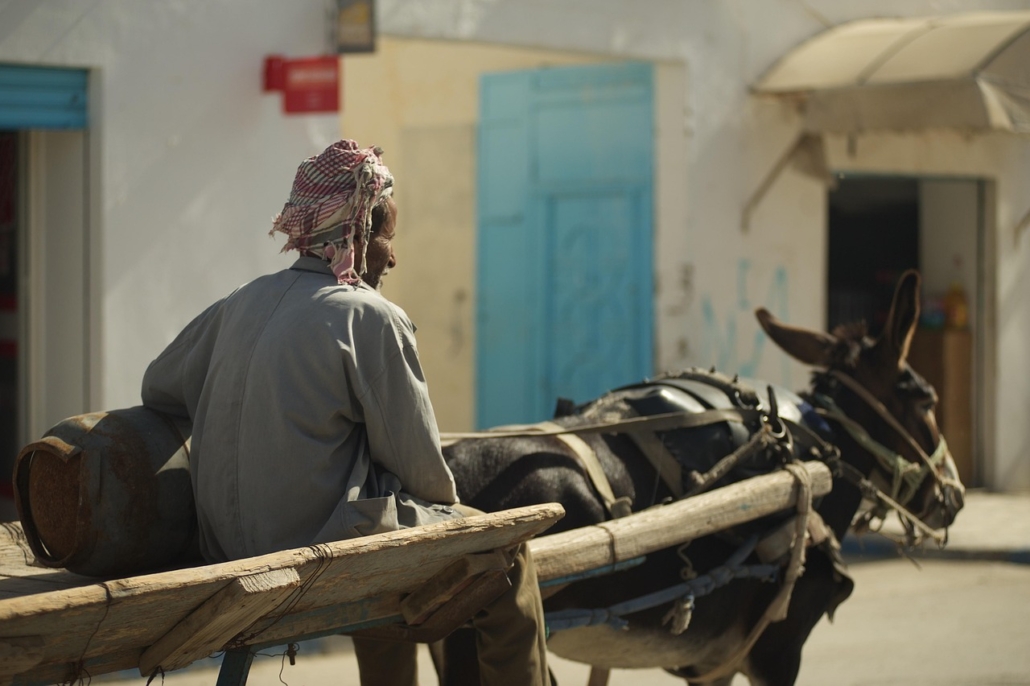
Charities Operating in TunisiaFollowing the Arab Spring, Tunisia entered a period of political and social transition that brought both progress and great challenges. High unemployment, rising living costs and persistent regional inequality continue to affect large parts of the population. Around 16.6% of Tunisians (approx. 1.9 million people) live below the national poverty line. Food insecurity has worsened due to inflation and economic instability, while access to health care and social services remains uneven, particularly in rural communities. In this context, charities operating in Tunisia play a vital role in supporting vulnerable groups and filling gaps in public services.  Below are five charities operating in Tunisia addressing these needs.

5 Charities Operating in Tunisia

  1. Tunisian Red Crescent: Founded in 1956, the Tunisian Red Crescent is one of the country’s most prominent humanitarian organizations. It provides emergency assistance, health services and social support to vulnerable communities. With rising migration flows and increasing food insecurity, many families struggle to meet basic needs. The organization responds through disaster relief, food distribution and efforts to improve access to healthcare, especially for migrants, refugees and low-income households.  In 2024 alone, it distributed food and humanitarian assistance to more than 7,000 stranded migrants in Sfax in partnership with the International Organization for Migration (IOM), helping prevent hunger and ensure essential care.
  2. Islamic Relief Worldwide: Islamic Relief Worldwide focuses on poverty alleviation focuses on poverty alleviation and social welfare in Tunisia. Economic stagnation and high youth unemployment have left many families reliant on charitable support, especially during periods of financial strain. The organization provides food assistance, livelihood support and seasonal aid. Since 2011, it has supported nearly 1.5 million people in Tunisia and continues to assist almost 600 orphaned children by helping meet basic needs and supporting access to education, reducing long-term vulnerability.
  3. UNICEF: UNICEF works across Tunisia to support children’s health, education and social protection systems, especially in disadvantaged communities. Although progress has been made, disparities remain between urban and rural regions. In 2024, more than 430,000 children aged 6-18 from low-income households received monthly benefits, through supported social protection programs. Additionally, around 159,000 children gained access to improved water, sanitation and hygiene services in schools and health centers. In addition, UNICEF’s youth programs promote “social innovation” and “entrepreneurial skills,” helping young people build pathways to future employment. Among charities operating in Tunisia, UNICEF plays a key role in strengthening long-term institutional support for children.
  4. Oxfam: Oxfam has been operating in Tunisia since 2012, supporting the country’s democratic transition following the 2011 revolution. Despite the political reforms, socio-economic inequalities have continued to increase, particularly for women, youth and marginalized communities. Oxfam views these groups as “main actors of change” and focuses on gender justice, economic justice and citizen participation, working to strengthen civil society organizations and promote accountability. By empowering communities to advocate for their rights and access economic opportunities, Oxfam addresses the structural causes of poverty and inequality.
  5. Care for 24: Care for 24 is a nonprofit focused on empowering Tunisia’s youth by improving access to education, nutrition, health services and personal development opportunities. Youth unemployment in Tunisia remains among the highest in the region, contributing to economic frustration and social instability. One of its key initiatives, the “Meals for 24” program, seeks to provide nutritious meals to around 1,200 young people, 50 from each of Tunisia’s 24 regions, who are at risk due to economic hardship. The organization also promotes digital literacy and English language skills to expand employment prospects and encourage entrepreneurship. By investing in the next generation, Care for 24 contributes to long-term social and economic resilience.

Looking Ahead

While Tunisia has made significant improvements since 2011, economic instability, food insecurity and social inequality continue to affect millions. The charities operating in Tunisia remain essential in addressing urgent humanitarian needs while promoting sustainable development and social inclusion. As the country navigates ongoing political and economic challenges, the continued work of these organizations will be critical in building a more equitable and resilient future. 

– Ines Wargui

Ines is based in Oxford, UK and focuses on Technology and Solutions and Politics for The Borgen Project.

Photo: Pixabay
Sarawakian OrganizationsOn February 1, 2026, the Dato Tan Guek Kee and Datin Lee Siew Ling Charity Foundation invested in multiple Sarawakian organizations, ranging from nonprofit groups to school boards, totaling 1.29 million Malaysian ringgits (RM). The foundation also provided aid to 19 undergraduate students, both local and overseas, amounting to RM194,080 to support their academic and career pursuits. Sarawak ranks as the third poorest state in Malaysia based on long-standing assessments. Following the 2022 election, Sarawak has generated renewed interest and discussion regarding the assessment of its school systems and the reclamation of state autonomy.

Despite promises of greater autonomy, federal intervention has continued to limit self-governance due to centralized power and limited resistance from state leaders. According to the United Nations Children’s Fund (UNICEF), as of February 2026, education stakeholders in Sarawak have strengthened their capacity in educational planning and implementation. Promoting adolescents’ ability to make informed decisions can contribute to improved living conditions and social development.

Background of the Charity Foundation

Dato Tan Guek Lee, founder of the Lee Onn Group, a Sarawakian company focused on housing development, established the Dato Tan Guek Kee and Datin Lee Siew Ling Charity Foundation in 2013. Since then, the foundation has hosted annual charity events and invested more than RM15 million in Sarawakian organizations. It has also provided educational and development opportunities to both organizations and individuals.

In 2026, the foundation awarded grants to 30 organizations, including the Kuching Autistic Association, Kuching Life Care Society, Chung Hua Middle School Education Foundation and the Federation of Kuching Division Community Associations. During its 2025 annual event, the foundation donated RM1,429,000 to 31 charity organizations, nonprofit groups and educational and religious institutions. It also provided aid to 25 students from local and overseas universities and institutions.

Community Identity and Development Priorities

The organization frequently uses the phrases “Sarawak First” and “Jaga Sarawak Baik-Baik,” or “Take Very Good Care of Sarawak,” in its public communications. “Sarawak First” represents the movement toward greater autonomy and development within Malaysia.

Sarawak, like many regions globally, has faced economic challenges related to the COVID-19 pandemic, global economic slowdown and geopolitical tensions. Residents have emphasized resilience in overcoming these pressures to improve economic conditions. “Sarawak First” promotes the goal of an inclusive, prosperous and harmonious society.

“Jaga Sarawak Baik-Baik,” a phrase associated with Tok Nan, reflects the inclusive nature of Sarawak’s diverse communities and reinforces unity and social cohesion.

While the foundation does not explicitly state these values beyond public messaging, it reflects these principles through its commitment to local development and philanthropy in Sarawak, including encouraging other entrepreneurs to contribute.

Looking Ahead

Deputy Premier Datuk Amar Dr. Sim Kui Hian described the foundation’s investments in Sarawakian organizations as a meaningful contribution to human capital, social well-being and the future of society. He expressed hope that the foundation’s support would strengthen these organizations and empower vulnerable communities and youth to improve their society.

– Cindy Nguyen

Cindy is based in Albuquerque, NM, USA and focuses on Good News and Global Health for The Borgen Project.

Photo: Unsplash

Energizing the EnvironmentRed Bull humbly began in the ‘80s in Thailand as an uncarbonated beverage that utilized natural caffeine remedies. Today, the company has a strong international presence and dominates the energy drink market. Red Bull makes it clear that its marketing success is not based on having the best-tasting energy drink.

Instead, it focuses on offering a product that fuels the energy and excitement consumers associate with once-in-a-lifetime experiences. In other words, Red Bull primarily targets athletes, especially those involved in extreme sports. However, this does not mean that only professional competitors can benefit from the brand’s offerings.

Red Bull is also widely known for creating once-in-a-lifetime experiences through its international charitable initiatives and sponsored events.

Giving Life to the Night

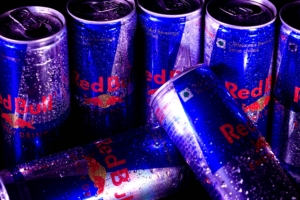
Ho Chi Minh City is working to revitalize urban spaces and create community recreational centers. However, the budget is small, so community spaces are dimly lit and look unapproachable. Red Bull is helping revive the community by repurposing its aluminum cans to create illuminating, solar-powered billboards.

Each billboard is made of 2,475 Red Bull cans. The project, which is called “Giving Life to the Night,” utilizes solar energy explicitly, which naturally converts into electricity. Indeed, the project may seem small and subtle; however, the reliable energy is bringing communities together.

The project has had its greatest impact on young people. Red Bull has consistently worked to engage youth by providing recreational and sports activities, health check-ups and employment opportunities. As a result, Ho Chi Minh City has become a city full of life and energy, with Red Bull’s initiatives helping create job opportunities for more than 70,000 young adults.

Energizing the Environment

The company that owns Red Bull is called TCP Group. The group is constantly organizing events and collaborations that will enhance the global community. For example, TCP Group is reducing its carbon footprint and practicing water sustainability.

Red Bull has set a goal to use 100% recycled packaging in the next few years. Currently, 70% of packaging is recyclable aluminum. Commonly misunderstood, TCP is not just interested in growing the Red Bull brand; one of its core principles is “Energizing the Environment.” As part of this commitment, TCP Group has reduced its water usage by more than 20%.

The company has made significant progress in improving water efficiency and is now setting an example for other Thai companies by encouraging greater water resilience amid growing scarcity. Currently, the company is supporting Thailand’s River Basin Project, which focuses on replenishing water in the Bang Pakong, Yom and Mekong rivers. As the initiative continues, it has achieved net water–positive status, reinforcing TCP’s role in promoting long-term environmental sustainability.

Furthermore, TCP has also been contributing to the WEnergy world campaign, a global initiative to reuse resources and reduce gas emissions. In 2024, the company got creative and organized a running event in which every participant had to donate recyclable cans or packaging.

The Red Bull U-Project

The Red Bull U-Project is a volunteer-based initiative that mobilizes undergraduate students interested in public service. Launched in Thailand in 2013, the program aims to promote social development by supporting projects in key areas, including agriculture, education, health care and technology. Notable initiatives include the Ambulance for Children with Care project and the Herbs for Healthy Life and Self-Sufficiency Economy project, both of which reflect the program’s focus on community well-being and sustainable impact.

Final Remarks

Red Bull’s U-Project and Energizing the Environment initiative, among others, have ensured philanthropic and civic engagement across Asia continues to support community-driven initiatives that address local development challenges and strengthen social infrastructure.

– Mireya Aguilar

Mireya is based in Layton, UT, USA and focuses on Good News and Celebs for The Borgen Project.

Photo: Pexels

Charities Operating in MaltaMalta is a southern European island country located in the Mediterranean Sea. It has a small population of just less than 575,000. However, the country is seeing relatively fast rates of population growth. In 2024, the total net migration into Malta was 6,323, and in total, the population grew by almost 2% that year. 

It has relatively low levels of unemployment, malnutrition and food insecurity. However, more work is necessary for the country to meet the Sustainable Development Goals for 2030, which outline the need to work towards achieving zero hunger and poverty.

Luckily, everyone in Malta has access to safe drinking water and sanitation services. However, 3% of the population suffers from malnourishment, and the prevalence of severe food insecurity is 2.1%. As of 2021, 16.7% of the population lived below the national poverty line. 

Data from November 2025 shows that the country has a low unemployment rate of just 3.1%, with most of this attributed to youth unemployment, which sits at 11.3%. Malta also has educational participation rates 0.7% lower than the EU27 average, with less than half of those aged 18-69 in any kind of formal or informal training. 

These five charities operating in Malta aim to improve living conditions for citizens and help towards reaching the Sustainable Development Goals (SDGs). 

1. Foodbank Lifeline Foundation

Reverend Kim Hurst started Foodbank Lifeline Foundation in 2015. It was the first foodbank in Malta, located in its capital, Valletta. Originally, the foodbank operated from the basement of St Andrew’s Scots Church, where the founder was Minister and gave food directly to those in need. 

As demand grew, so did Foodbank. In 2018, it became a Foundation, and in 2019, it was registered as a voluntary organization. Now, the Foodbank has multiple distribution points across the island as well as a driver who can collect donations and deliver them to the distribution points. The charity states that in its time in operation, it has provided an average of 16,000 food packs per year, helping feed more than 300 homes.

The Foodbank Lifeline Foundation does great work helping to eradicate the remaining food insecurity and malnourishment in Malta. 

2. Fondazzjoni Sebħ

Fondazzjoni Sebħ focuses on the welfare of children and families. It does this by providing residential services to children as well as female survivors of violence and their children. It also provides community services to individuals and families. 

The charity has been operating since 1956 (although under different names), but became an officially registered NGO in 2018, becoming Fondazzjoni Sebħ in 2019. Originally, the organization was focused on Children’s Homes, but later started to include survivors of domestic violence in its work. Il-Milja is one of their second-stage shelters for survivors of domestic abuse. 

The organization currently houses 12 families, Il-Milja, and 42 children across seven apartments. It is also supporting 75 individuals via their Community Family Service, which focuses on early intervention, support, and preservation of families.

3. The St Jeanne Antide Foundation

The St Jeanne Antide Foundation is a nonprofit organization that focuses on social care. It provides professional support services to vulnerable individuals and families. Since 2007, it has been carrying out street outreach to bring care as close to where families are already located as possible. The services offered by the foundation are:

  • A Charity Shop: The volunteer-run shop helps to raise funds for services and acts as a pick-up point for families facing financial hardship.
  • SOAR: SOAR is a survivor-led service to help people rebuild their lives after facing violence in an intimate relationship. It prioritizes inclusion, peer support, appreciation for lived experience and social justice.
  • LWIEN: This service provides support for family members caring for someone suffering from a mental illness or dementia. It provides individual and family consultations, social work support, self-help literature and access to the St Jeanne Antide Foundation emotional freedom service.

The St Jeanne Antide Foundation has helped as many as 5,253 families and 9,641 individuals since commencing its work in 2007. It now has as many as 79 active volunteers who continue to provide compassionate support to vulnerable people.

4. The Migrant Women Association Malta

The Migrant Women Association is one of the charities operating in Malta that aims to help refugees, migrants and asylum seekers integrate into society in Malta. The charity began work in April 2015. It supports, advises, promotes, collaborates with, listens to and defends the women it works with.

The World Health Organization (WHO) states that “Social cohesion does not happen instantly and is not a one-sided effort. Adapting to a new culture, language, system, climate, and environment is only one aspect of it. Local communities play an important role in integrating refugees and migrants, which is essential for achieving health equity.” Given the high rate of population growth in the country and the WHO’s statement, it is clear that this charity has an important task.

Currently, the organization is working with Women Without Borders and has its own projects that aim to teach women skills and help to provide them with employment opportunities. Its projects include:

  • SAĦĦA Community Kitchen Project: This aims to empower migrant women via a catering project in which cuisine from the different cultures of those involved will be served to those in Malta.
  • IT Literacy Skills for Job Compliance Project: This project aims to provide participants with digital and technological literacy skills, such as computer literacy and IT security, opening up more job opportunities for these women.
  • Emergency Response Support Project: This responded to the needs of migrant women who found themselves particularly vulnerable to health crises caused by COVID-19.

5. FIDEM Foundation

The FIDEM Foundation is another of these five charities operating in Malta that provide services relating to education. But, unlike the Migrant Women Association, it is the main focus of this charity.

The FIDEM Foundation aims to improve the rate of educational participation among adults in Malta. It started providing education, well-being guidance and access to arts and culture in 2018. It aims to provide support and empowerment, and promote wellbeing and fulfilment.

Its Educate to Empower Programme provides vocational assistance to vulnerable women and funds educational courses and materials. If required, it also provides psychological support services alongside emotional support. 

Skill Up is another of the Foundation’s projects; this is a year-long course that aims to bridge the gender education gap in Malta. It covers English Literacy, computer literacy, and emotional literacy workshops. The course is free and provides participants with an official certificate once it is completed.

The Bigger Picture

These five charities operating in Malta work to help reduce educational gaps and reduce rates of malnourishment, unemployment and poverty. They have all had a positive impact on vulnerable people in Malta, helping improve their social standing. Their continued work will help Malta reach the Sustainable Development Goals (SDGs).  

– Ryan Cowen

Ryan is based in Brighton, UK and focuses on Good News and Politics for The Borgen Project.

Photo: Flickr

Creations for CharityLEGO bricks have long sparked the imaginations of people of all ages. Ole Kirk Kristiansen founded the LEGO Group in 1932, with its name being an abbreviation of the Danish words “leg godt,” meaning “play well,” emphasizing the power of play. Today, LEGOs serve as building blocks of hope, learning and opportunity for underprivileged children.

This is the mission of Creations For Charity (CFC), a nonprofit organization dedicated to brightening children’s holidays with LEGO bricks by uniting fans from around the world. Nannan Zhang is an adult fan who has been active in the online community for eight years. Initially, a college student with a lot of free time dedicated to LEGO sets, he wanted to see fellow builders in the community use their extensive building skills to give to others.

As such, Zhang founded the CFC in 2009 with the intent of showcasing the talents of fellow LEGO fans and giving to needy youths.

How It Works

The CFC is entirely volunteer-run and hosts an annual fundraiser. The nonprofit prides itself on its unique fundraising strategy, which involves selling one-of-a-kind creations donated by volunteers from around the world from October 15 to November 30. Coordinators then use the funds to purchase new LEGO sets for underprivileged children.

In hopes of brightening children’s holidays with LEGO bricks, the CFC’s coordinators travel around the world and use these funds to purchase brand-new LEGO sets, donating them to local organizations of their choice that serve underprivileged children. Such organizations include shelters, orphanages, hospitals and impoverished schools. People can also make monetary donations through the organization’s website.

Zhang has acknowledged the high prices of the creations displayed in the CFC’s store. He explained that those who have put in immense effort into their creations deserved recognition. Near the end of the sale, discounts are made for remaining items.

The CFC has collaborated with popular LEGO event organizers, including Brick Convention and Beyond the Brick. Brick Convention is a long-running event that features numerous LEGO attractions, including massive creation displays, retired LEGO sets and life-size models. A portion of the money raised during the convention goes to the CFC, supporting its goal of brightening children’s holidays with LEGO.

Beyond the Brick’s YouTube channel, hosted by Joshua Hanlon, houses the CFC’s annual 24-hour livestreams. Hanlon founded Beyond the Brick in November 2011, initially as an audio-only podcast. It is usually held on the day after Thanksgiving.

Many LEGO fans from around the world have participated in the livestream since 2014. In 2025, Beyond the Brick delivered sets to Transformation Ministries, an organization that provides food and other necessities to underprivileged children.

Successes and Contributions

The Creations for Charity has traveled to both developed and developing countries in support of its cause. For example, the team has traveled to Hungary, Kenya, Brazil, Chile and Japan. Since 2009, CFC has raised approximately $17,000 annually, which it used to donate more than 1,100 new LEGO sets to organizations such as Make-A-Wish and children’s hospitals.

In 2024, CFC donated 150 LEGO kits to refugee children in Nairobi, Kenya, where more than 800,000 refugees sought shelter from war, famine and natural disasters. In 2025, the CFC raised $25,906, with $4,500 from the sale of custom creations and $7,000 from the live stream. The rest came from donations from the Brick Convention, Brickworld and the Great Palia Charity Hunt.

LEGO builders and event organizers alike have collaborated for the sake of brightening children’s holidays with LEGO sets. As of now, the CFC plans to travel to 17 locations around the world, which have yet to be fully disclosed.

The Impact of LEGOs

It may seem surprising how the Creations for Charity’s mission focuses on brightening children’s holidays with LEGOs. However, the truth is that the language of play is universal. As freshman computer science major Jenna Curtis put it: “That’s why they’re so relevant, because you don’t have to change the formula. You can just rearrange what pieces you use and create something different.”

Not only do LEGO bricks encourage creativity, but they also help to hone fine motor skills, vocabulary, cooperation and problem-solving abilities. Approximately 90% of brain growth occurs before the age of 5. LEGO kits facilitate learning through imagination and independent play. A 2022 study found that LEGO sets have been used for developmental art therapy for children.

These building blocks are versatile and can enhance social and behavioral skills in children, which are crucial to a child’s future.

Conclusion

Through his simple love for LEGO bricks, Zhang has built the Creations for Charity into a foundation for fostering creativity and brightening children’s holidays with LEGO bricks. When children play with LEGO blocks, they aren’t just building for fun. They’re also building their futures with one brick at a time.

– Cindy Nguyen

Cindy is based in Albuquerque, NM, USA and focuses on Good News and Global Health for The Borgen Project.

Photo: Flickr

Charities Operating in KosovoMany youths in Kosovo believe that limited access to power and social influence are restricting them. Kosovo is a partially recognized country in Southeast Europe that has faced many political challenges since the 1990s. It is also one of Europe’s poorest countries due to its limited resources, with 28% of its population comprising those younger than 15-years-old.

As of 2016, Kosovo’s unemployment rate is a high 34.8%. By 2022, the World Bank estimated 25.4%-30% of the 1.8 million people in Kosovo to be living in poverty and earning incomes below the poverty line. Many issues, including women’s rights and freedom of expression, plague the country, leaving many feeling powerless. However, Kosovo’s poverty rates declined by 2022 and the World Bank expects them to decline even further. From child welfare to employment opportunities, many Kosovars and volunteers have united to fight for a brighter future. Since the political atmosphere of the 1990s, humanitarian organizations have helped vulnerable Kosovars by providing the resources they need to build their economy. While many nonprofit organizations are making a difference, five charities operating in Kosovo are making notable strides in combating poverty and improving the quality of life.

5 Charities Operating in Kosovo

  1. Action for Mothers and Children/Akcioni per Nena dhe Femiji (AMC) – Since 2013, AMC has helped mothers have healthy pregnancies and save children’s lives. It has provided home services to improve children’s lives and strengthen family medicine. As one of the charities operating in Kosovo, AMC uses education to strengthen the trust between health care workers and families through training programs and engaging activities. Since Jan. 2014, AMC’s Women’s Health Information Center program has supported more than 10,000 pregnant women and their partners. On Nov. 2, 2016, many guests, including Valerie Rockefeller Wayne and Dua Lipa, supported a fundraiser that raised $44,360 to help lower child and maternal mortality rates in Kosovo.
  2. Caritas Kosova – In 1992, Caritas Kosova’s founders believed that the cultivation of solidarity and social entrepreneurship would increase economic independence, well-being and employment opportunities. It has empowered the youth and women with training, practical work, interpersonal skill development and grants. It has also improved rural agriculture through connecting farmers, exchanging knowledge and providing subsidies. By Oct. 2025, the YourJob program had provided 6,571 youths with career counseling. As stated by Don Viktor Sopi, director general of the charity, “young people are the most secure force of the future. We must continue to support young people in their aspirations.” Through charities operating in Kosovo, youths took advantage of opportunities to integrate into the labor market, build careers and shape their futures and communities.
  3. The Ideas Partnership (TIP) – TIP is a charity that has operated in Kosovo since 2009 and has worked to improve education, lobby the government, help youths enroll in school, mediate between families and schools and distribute clothes and supplies. It focused on bursaries, led micro-finance projects such as soap-making and recycling and helped families improve their homes. TIP has used funds and grants to empower people and preserve cultural heritage while protecting the environment. As with many other charities operating in Kosovo, it has always stood alongside children and adults. On May 14th, 2025, TIP celebrated its 16th anniversary by growing with teachers, social workers and professionals from the Roma, Ashkali and Egyptian communities. Through commitment, they have offered long-term support rooted in empowerment and community solidarity.
  4. The Kosovar Organization for Talent and Education (TOKA) – TOKA has operated in Kosovo since 2015, focusing on education and development for disadvantaged children. It has aimed to unlock the youths’ full potential through innovative teaching methods and long-term volunteering opportunities. More than 20,000 participants have tested their programs and more than 30,000 children have benefited from them. Educational gaps between primary schoolchildren and peers in high-income countries continue to prevent youths from reaching their full potential. TOKA’s continuous efforts to improve life trajectories, bridge the gap and strengthen partnerships with the government and global allies have helped youth gain the skills, confidence and opportunities they need, ultimately contributing to improved living conditions in Kosovo.
  5. PL4Y International – In 1999, founders established PL4Y as Sport without Borders. While operating in Kosovo, the charity’s leaders promoted inclusive education, gender equality, inter-ethnic reconciliation and youth empowerment. Collaborating with youth networks, educational authorities and civil society, the programs of charities operating in Kosovo like PL4Y strengthen life skills, psychosocial tools and academic knowledge. For example, Mirela Hysenaj, a teacher at Dardania Primary School, shared how fun activities within the Playdagogy training program fostered an empathetic classroom environment. More than 80,000 children have participated in these programs, including more than 4,000 disabled children. PL4Y has expanded from classroom programs to community fields, using the universal language of play as a tool for learning and development.

The Bigger Picture

While seemingly unrelated to tackling the broader issue of poverty, these five charities operating in Kosovo have helped struggling people access resources to improve their social standing. Education, health care and social support can create long-term benefits, including economic growth and stronger global stability. Through continued efforts by charities like these, Kosovars can strengthen their ability to build a more secure and hopeful future.

– Cindy Nguyen

Cindy is based in Albuquerque, NM, USA and focuses on Good News and Global Health for The Borgen Project.

Photo: Unsplash

Charities Operating in TaiwanAccording to the Bertelsmann Stiftung Country Report (2022), 7.36% of the Taiwanese population is relatively impoverished. In other words, the poverty rate in Taiwan is relatively low. The low rate may be due to Taiwan’s strict definition of poverty. However, there is a cultural significance that expresses the value of well-being in humanity. For example, many members of Taiwanese society follow Confucianism, a set of philosophies that honors community and compassion for those in suffering and facing difficult times. Culture could explain why there are many organized and well-funded charities operating in Taiwan.  

Hondao Senior Citizen’s Welfare Foundation

The first of the charities operating in Taiwan is the Hondao Senior Citizen’s Welfare Foundation, which prioritizes the senior citizen community that is either living alone or experiencing the mental and physical challenges that come with aging. As of 2025, 20% of the Taiwanese population is age 65 or older, making Taiwan a “super-aged society.” Hondao is a key charity operating in Taiwan, prioritizing the growing elderly population dilemma by providing an accessible support network and services to the numerous aging individuals. Since Hondao’s development in 1995, it has developed 40 programs for older people. Every year, the organization impacts the lives of at least 10,000 senior citizens. In 2021, the organization provided disability assistance and daycare to 265,587 elders.

Homeless Taiwan Association

The Homeless Taiwan Association began in 2011 with a group of social workers from multiple eastern Asian countries. This charity operating in Taiwan strives to change the way poverty and homelessness are addressed. The Homeless Taiwan Association primarily fights for policies that will provide housing for people experiencing homelessness. Currently, the organization has 21 bed housing in four locations. Every year, the association is able to make a lasting impact on 30 to 50 individuals experiencing homelessness.  

The nonprofit understands that receiving public homeless housing is a challenging task, which is why the Homeless Taiwan Association runs the Hidden Taipei program to change the stigma surrounding the homeless population. Hidden Taipei offers guided tours by people who have experienced homelessness or are currently homeless. It’s a win-win for the tour guide and tourist. Guides earn 60% of the tour’s cost and change lives by sharing their life stories, while tourists listen, reflect and take in the cityscapes.

The Ark Association

The Ark Association’s mission is to bring love and care to every corner of Taiwan. Founder (and current Chairperson) Winny Wen began her journey in service work and volunteerism by dedicating her time to long-term care facilities. In 2014, the Ark Association originated. Today, the Ark Association truly touches lives in every corner of Taiwan by assisting multiple vulnerable groups. It mobilizes youth volunteers to help marginalized families, people without housing, older adults and rural areas. 

Specifically, the Ark Association is developing bathing centers that offer hygiene education for the homeless and delivering hot meals to individuals with unstable housing. Furthermore, the Ark Association is expanding outside of Taiwan by taking on school building projects in Nangquien, Qinghai and Cambodia.

Taipei Women’s Rescue Foundation

In 1987, Taipei Women’s Rescue Foundation (TWRF) originated. Its original purpose was to protect and support women who were victims of prostitution to Japanese soldiers during WWII. Today, the organization continues to help those victims through legal counseling and therapy options. Now, TWRF has broadened its support to domestic violence victims and to human trafficking victims. 

In 2005, 600,000 to 800,000 people in Taiwan were trafficking victims, and of that number, 50% were minors. From that point onward, TWRF began training volunteers to rescue underage sex trafficked victims. Continuing, TWRF also advocated for victims by contributing to lobbying. The TWRF has accomplished developing the “Children’s Welfare Act” and the “Youth’s Sexual Transaction Prevention Act” in order to protect these victims. Today, Taiwan’s trafficking in Persons Report reveals that the trafficking victims has significantly lowered to 279, thanks to organizations such as TWRF.

The Taiwan Love and Hope International Charity

The Taiwan Love and Hope International Charity is dedicated to giving care to children with disabilities or special needs. The nonprofit offers a variety of resources for children with disadvantages to be raised in a safe, encouraging environment. According to the Taiwan Health and Welfare Report of 2023, 51,043 individuals between the ages of 0 – 17 have disability certificates. 

The Taiwan Love and Hope International Charity has a childcare development center that teaches music classes, gym activities, parent-child bonding activities and parent education lessons. Currently, the charity operates two group homes, a childcare center with therapy options and an emergency shelter that offers 24-hour access.

Looking Ahead

Charities operating in Taiwan are enriching lives one person at a time. These examples of charities demonstrate how Taiwanese culture is rooted in compassion. 

– Mireya Aguilar

Mireya is based in Layton, UT, USA and focuses on Good News for The Borgen Project.

Photo: Pexels

Christmas Shopping Is Relieving PovertyChristmas is famously known as the time for giving and generosity, with more than 40% of people admitting they are more likely to donate to charity at Christmas time. The season is also the busiest time of year for shopping, with Christmas supermarket sales hitting a record $17.36 billion in December 2024.

This correlation provides opportunities for charitable organizations to partner with supermarkets and popular outlets of Christmas spending. Here are a few examples of how Christmas shopping is relieving poverty:

One for One Schemes

These schemes, whereby an organization also does charitable work for every Christmas shopping item purchased, are highly effective at relieving poverty. This incentive encourages people to buy from these companies, especially during gift-giving seasons. The IKEA Foundation has run a particularly successful initiative called Soft Toys for Education throughout the Christmas period since 2003. It partners with UNICEF and Save the Children, two of the largest global organizations supporting children in poverty.

In this scheme, for every soft toy or children’s book purchased from the participating IKEA stores, the company donates $1.34 to education programs run by the partnered organizations. This is an excellent example of how Christmas shopping relieves poverty. This collaboration makes use of the spike in sales IKEA sees over Christmas.

It provides an additional incentive to buy typical Christmas presents like books and toys. Since starting this program, the IKEA Foundation has donated more than $50 million, which has helped support more than 11 million children.

Second-Hand Shopping

Due to factors such as rising cost-of-living, sustainability and environmental care, second-hand shopping is on the rise. Charity shops, such as OXFAM’s, see increased sales around Christmas, rising more than 40% the week before Christmas in 2022. These organizations rely on money spent in their shops to finance overseas programs and humanitarian work. Their shops sell ideal gifts or household items for Christmas, such as clothes, books, toys, decorations and furniture, for a fraction of the price they’d be sold for as new.

This makes second-hand shops an ideal and accessible option for Christmas shopping. The money raised from these will be spent on providing lifesaving emergency aid, supporting long-term projects to improve the quality of life and campaigning to address inequality. This means there is a significant moral incentive to buy second-hand materials.

Lush’s Charitable Efforts

Lush, a company well known for its charitable efforts and advocacy for human rights and environmental care, is one of the most ethical businesses demonstrating how Christmas shopping relieves poverty. Its sales rose significantly during this period, reaching more $40 million in December 2022.

One of the many charitable schemes Lush runs is called Charity Pot, the name of a moisturizing product that raises money for charity with every sale. All proceeds from Charity Pot products go to the Charity Pot Fund, which is then distributed as grants to nonprofit organizations. The Charity Pot has been sold in 42 countries, raising more than $65 million, which has been allocated to a wide range of causes.

These include more than 150 peace-building and anti-war initiatives, more than 800 campaigns supporting migrants and refugees and more than 250 projects supporting Indigenous peoples. These grants prioritize causes that aim to create sustainable and long-term systemic change.

The participating organizations are spread across the globe and are predominantly run by volunteers, making these grants incredibly impactful for their causes.

Checkout Donations

One of the easiest ways millions of people can help combat poverty during Christmas is by using the charity donation option at tills. Many shops reinforce this option or allocate the proceeds to specific charities over the holidays. It’s a convenient choice for most consumers, as the donation amount is usually just a few cents to round the total to the nearest dollar, often preventing unwanted change.

This method has proven to be an incredibly effective way of raising money for charity. For example, customers of The Body Shop have raised more than $460,000 for the United Nations High Commissioner for Refugees (UNHCR) through donations at both online and in-store checkouts. These donations have supported the organization’s mission to save lives and build better futures for millions forced to flee their homes.

Final Remarks

There are many ways in which partnerships between charities and retailers are helping people in need, most of which involve schemes for donations. These rise around Christmas time due to the massive number of people participating in shopping and the emotional elements of Christmas that make people likely to feel generous. There is a large market for charity at this time of year, one that helps people immensely globally.

– Abigail Gadsden

Abigail is based in Kent, UK and focuses on Good News and Celebs for The Borgen Project.

Photo: Unsplash

Auctions Are Relieving PovertyAuctions, known for their high value and unique items, raise enormous amounts of money for charity. Their interesting items and celebrity involvement often attract attention, so more people are bidding and donating. Auctions are a successful way of raising money and relieving poverty, something many organizations get involved with.

Bonhams Books for Oxfam

Many auctions have been held by or for Oxfam, the most notable being the Bonhams book auction in Chelmsford in 2025. Here, donations of rare and old books were auctioned to raise more than 140,000. Several highly valued books contributed significantly: a rare Chinese bible was sold for more than $75,000, a first edition of Charles Dickens’ “A Christmas Carol” raised more than $21,000 and a 17th-century manuscript prayer book raised above $13,000.

These items had originally been donated to various Oxfam shops across the U.K., many initially valued at only a few hundred dollars. With such extraordinary sums of money going toward the charity, this auction has significantly helped to relieve poverty. Oxfam works to provide clean water, sanitation and shelter in disaster zones. The organization has reached more than 10 million people across the world.

It operates in places such as Yemen, Syria, Lebanon, Bangladesh and Sudan, with prospects to help those suffering from poverty. At any given time, the organization responds to more than 30 emergencies, meaning the humanitarian aid it provides is essential and lifesaving for those in dire situations.

Auctions for Madonna’s Raising Malawi

In 2016, Madonna presented an event titled “An Evening of Music, Art, Mischief and Performance” to raise money for her nonprofit organization, Raising Malawi. The event featured a live performance from her and other celebrities and a live art auction hosted by James Corden. The event occurred in Miami Beach and raised more than $7 million.

The items auctioned include Madonna’s iconic flapper dress designed by Jeremy Scott, a weeklong stay at Leonardo DiCaprio’s home in Palm Springs, a chair Madonna had performed with and various artworks. Celebrities also paid thousands to attend, collaborating to raise the impressive total.

This money was spent on the organization’s goal of building Malawi’s first paediatric surgery and intensive care unit. The unit was opened in 2017 and was named the Mercy James Institute of Paediatric Surgery and Intensive Care. As the country’s only paediatric surgery center, it has saved countless lives by providing free, accessible care for children. The institute also trains medical staff, strengthening Malawi’s health care system. Raising Malawi partners with organizations to ensure more than 1,000 orphans receive care.

The charity works to provide education and internships to equip children with training and tools for success and give them access to sports. This is an excellent example of how auctions relieve poverty, as we can see their direct impact on such a large scale. Madonna, one of the most well-known singers in the world, is the face of this project, which is a huge reason why the project is so successful. This shows the real impact celebrities can have when they use their influence for good.

Contemporary Art Auction for Temwa

This auction was held by a Bristol artist collective in 2021. More than 70 art pieces were auctioned, including two limited edition prints of Banksy’s work, donated by Massive Attack. These auctions raised more than $140,000 for the organizations that are relieving poverty. All funds raised went to the charities Temwa and Aid Box Community.

Temwa works to build self-reliant communities in northern Malawi through breaking poverty cycles. It aims to create sustainable and lasting change for vulnerable communities. The organization supplies the East African country with food, education and health security. Since its founding in 2003, Temwa has helped more than 13,000 people access clean water in their homes, planted more than 1.6 million trees and helped thousands of children with literacy skills.

The humanitarian organization Aid Box focuses on supporting asylum seekers and refugees. It provides a free shop where people can choose their clothes, toys and other personal items, which is funded by donations from the public. Aid Box’s mission emphasises that asylum seekers and refugees should be treated with dignity and respect, which is central to its work. It also provides trips and runs activity groups to encourage community and friendships. The large sums raised from this auction are helping the charities to relieve poverty.

Goodbids Auction for Save the Children

Save the Children has collaborated with Goodbids, a new fundraising platform, to auction exclusive prizes. In this auction, every bid is a donation, where the last bidder wins. This method tends to be more effective in raising money as people’s bids are still donated regardless of whether they win.

Prizes for the auction include Taylor Swift concert tickets with a trip to Amsterdam and a limited-edition “Mission Impossible” movie jacket signed by the infamous Guy Kawasaki. Goodbids has raised more than $70,000 across 14 auctions, supporting various charities.

Save the Children fights to protect children’s rights worldwide through political involvement, providing food security, education and improving children’s access to health care. This organization was the first global movement created for children and children’s rights.

These are just a few examples of how auctions are relieving poverty. Auctions provide excellent incentives that encourage both celebrities and regular people to bid. They are also a fundraising technique that can be done on any scale, from car washes to luxury holidays; any experience can be auctioned and help relieve poverty.

– Abigail Gadsden

Abigail is based in Kent, UK and focuses on Good News and Celebs for The Borgen Project.

Photo: Unsplash

Nigeria is one of the fastest-growing African countries with a rising population of more than 220 million people. It also has one of the world’s largest young populations. Nigeria has a large Catholic population of more than 35 million people.

Nigeria is a country that is rich with natural resources such as crude petroleum, natural gas, gold and fertilizers. However, while it may be the largest growing African nation, more than half of the population lives in poverty. The rural parts of Nigeria are the most affected.

More than 31 million people are affected by food insecurity in Nigeria. Diseases such as malaria and HIV/AIDS have been widespread in the country. Nigeria is ranked fourth in the world for the highest cases of HIV/AIDS, with more than two million cases. The country has more than 68 million cases of malaria.

Catholic organizations such as Catholic Relief Services (CRS) and the Catholic Caritas Foundations of Nigeria (CCFN) work alongside the Catholic Church of Nigeria and international organizations to quell poverty. They continue adding resources to improve the livelihood of Nigerians and bring down cases of HIV/AIDS and malaria.

Nigeria’s Impoverished Population

Nigeria faces a longstanding issue with poverty. The widespread poverty problems derive from government corruption, food insecurity, lack of education, poor access to health care, displacement, homicides, economic instability and job insecurity. The World Bank reported that, “more than half of Nigerians (52.5%) are estimated to live in poverty in 2025.”

The youngest population, ranging from 14 to 65 years old, makes up more than 70% of Nigerians experiencing poverty. Many Nigerians are living below the poverty line on $2.15. In Nigeria and abroad, nonprofit organizations, religious groups and advocacy groups work to support Nigerians experiencing poverty and other socioeconomic issues.

Catholic Relief Services

CRS is a global humanitarian agency of the Catholic Church in the U.S., assisting vulnerable people worldwide. Throughout Africa, CRS focuses on three important areas: disaster relief, health and agriculture. Since 1960, the Catholic organization has worked alongside local Nigerian advocacy groups, faith-based communities and institutions to reduce poverty, viral diseases and instability in almost all 36 states.

CRS has been active in helping to provide stability and improve living conditions for Nigerians in rural regions. CRS created the Stabilization and Reconciliation in the Lake Chad Region (STaR) Project. The project aims to improve access to basic human resources such as water, health, markets, education and other important needs for more than 59,000 Nigerians throughout 90 communities.

The project would create economic opportunities and expand the people’s livelihood within the region. This program, funded by the KFW Development Bank, was created to help ” recover and build the resilience of vulnerable populations,” impacted by the Lake Chad Basin’s climate issues and living conditions. Vulnerable Nigerians, such as women, children and refugees, will receive the most aid from this project.

CRS continues to strengthen Nigeria’s health system by supporting programs such as the Global Fund Malaria Grant. This global public–private partnership works to reduce HIV/AIDS, malaria and tuberculosis (TB) worldwide. In Nigeria, the Catholic organization distributed “[more than] 75 million long-lasting insecticidal nets” to keep families, children and pregnant women secure and prevent contamination from mosquitoes with malaria. CRS has long supported malaria prevention methods and ways to reduce the disease in Nigeria’s households, communities, hospitals and clinics.

Catholic Caritas Foundation of Nigeria

CCFN is a specialized agency formed by the Catholic Bishops’ Conference of Nigeria (CBCN) in September 2010. Its role is to assist with humanitarian aid and development in rural regions of Nigeria. CCFN collaborates with more than 300 faith-based organizations around Nigeria. This Catholic organization partners alongside CRS, working toward the same goals and projects to assist Nigerians in meeting their basic needs. The CCFN is part of the branch of Caritas Africa, which has branches throughout the continent.

CCFN started a program called the Management Information Project in March 2025. This project is funded by the Nigerian Humanitarian Fund and the United Nations Office for the Coordination of Humanitarian Affairs (UNOCHA). The project aims to gather information on management services to support rural areas that need aid in the Nigerian states of Borno, Yobe and Adamawa. The project targets food insecurity, water, sanitation, hygiene (WASH) and nutrition services.

– Gene A. Lambey, Jr.

Gene is based in Washington, DC, USA and focuses on Good News and Global Health for The Borgen Project.

Photo: Pixabay