• Link to X
  • Link to Facebook
  • Link to Instagram
  • Link to TikTok
  • Link to Youtube
  • About
    • About Us
      • President
      • Board of Directors
      • Board of Advisors
      • Financials
      • Our Methodology
      • Success Tracker
      • Contact
  • Act Now
    • 30 Ways to Help
      • Email Congress
      • Call Congress
      • Volunteer
      • Courses & Certificates
      • Be a Donor
    • Internships
      • In-Office Internships
      • Remote Internships
    • Legislation
      • Politics 101
  • The Blog
  • The Podcast
  • Magazine
  • Donate
  • Click to open the search input field Click to open the search input field Search
  • Menu Menu

Archive for category: Charity

Charity, Global Poverty, Sports

Instituto Charles do Bronx: Giving Back to the Favelas

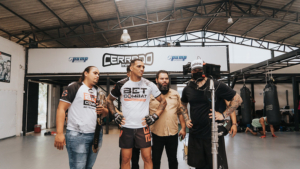
Instituto Charles do BronxDays before UFC 274, Charles Oliveira da Silva, known to millions as “Do Bronx,” stepped on the scale ahead of his highly anticipated bout against Justin Gaethje. He needed to make the 155-pound limit for the lightweight division, a challenge that had plagued him throughout his career. Oliveira missed weight by half a pound, costing him his title.

The fight went ahead, but only Gaethje was eligible to claim the belt. The setback proved temporary. In Phoenix, Arizona, after being rocked early, Oliveira locked Gaethje in a chokehold to reclaim the championship. The crowd erupted, but the biggest reaction came from his home Protégées commentary team when Gaethje finally tapped out.

Growing Up in the Favelas

UFC 274 wasn’t the only pause in Do Bronx’s journey, which is marked by highs and lows. Growing up in the favelas of Brazil, Oliveira has become a symbol of resilience and a hometown hero. He earned his nickname, “Do Bronx,” from the area where he grew up in São Paulo, Brazil.

Oliveira also faced a major setback at age 7, when he was diagnosed with rheumatic fever and a heart murmur—conditions that doctors warned could leave him paraplegic. But with the support of his family, who sold snacks and cardboard to fund his training, Oliveira defied the odds. He started practicing Brazilian jiu-jitsu (BJJ) at age 12. Da Silva would turn to BJJ to escape the violence and for a sense of community at home.

“That was my mother’s concern,” Oliveira said. “I lost friends to crime—unfortunately, some died, others are in prison. I still know people who live that life; they chose it. But thanks to my mother, I chose the right path. We chose the right side, all my family, my brothers.”

Even against doctors’ advice, Oliveira kept participating in activities despite his medical condition. In an interview with ESPN, Oliveira described continuing his BJJ journey despite his medical conditions: “If it is God’s will for me to die, then I will die,” he stated.

Oliveira continued to pursue what he loved, becoming an inspiration to the people of Brazil, the same community he would give back to at the peak of his career. He has become a catalyst for supporting communities and helping people in need around the world.

The Rise of Do Bronx

Oliveira’s UFC career began in 2010. Over the next decade, he would become one of the most decorated fighters in the sport, with 16 submission wins, 20 finishes and 20 performance bonuses. Oliveira’s early UFC career was far from smooth. Multiple losses and ongoing weight-cut issues stalled his progress. But then, everything clicked. Starting in 2018, he went on an 11-fight winning streak until 2022. The highlight of this streak came in 2021, when he claimed the vacant lightweight title with a victory over Michael Chandler.

Oliveira earned the nickname “Do Bronx” after his hometown in Brazil. The name translates to “from the Bronx” and is a mark of honor for someone who grew up in the Brazilian favelas. For him, “Do Bronx” became more than a nickname; it was a calling, a symbol of pride and a way to represent his community. “A kid who came from nothing, from the bottom, from the favelas, disparaged,” said Oliveira. “That’s what ‘Do Bronx’ means to me. A kid who came from the favela to win.”

Instituto Charles do Bronx

Despite global fame, Oliveira never forgot his roots. In 2012, he founded the Instituto Charles do Bronx in his hometown. The institute offers free jiu-jitsu classes, education and mentorship to underprivileged youth, many of whom face the same challenges he once did.

The institute has served more than 150 young people and continues to grow. In 2023, Oliveira expanded the facility to include sign language classes and academic tutoring. His efforts earned him the 2025 UFC Forrest Griffin Community Award, personally selected by UFC CEO Dana White.

“[Oliveira] is not only a great athlete, he’s an amazing role model who enjoys giving back to the community,” White said. “It’s an honor to present him with his award.” This isn’t the only way da Silva has given back to his community. A heartwarming moment unfolded in his hometown shortly after his UFC 256 victory. Da Silva returned to his hometown to distribute meal kits to residents, many of whom had been severely impacted by the COVID-19 pandemic.

“During this pandemic, y’all know several families struggled,” Oliveira tweeted. “Today, I had the opportunity of donating food to the Prainha community. If you can, please help those who need help. Small efforts can generate huge impacts. Give it a try.”

The Champ Will Forever Have a Name

Oliveira’s impact goes beyond charity and the Instituto Charles do Bronx. He’s currently the subject of a biopic in development by 405 Films, which will chronicle his rise from the favelas to UFC glory. In April 2025, he was inducted into the UFC Hall of Fame for his fighting prowess and humanitarian work.

Now at 35 years old, coming off a knockout loss for the lightweight belt, Oliveira is preparing for another comeback fight at UFC Rio against Rafael Fiziev, a homecoming in a way for the only “Do Bronx.” Whether or not he reclaims the lightweight title before his career ends, Oliveira has already won something far greater: the hearts of his people and a legacy in giving back that will inspire generations.

– Dylan Fly

Dylan is based in Detroit, MI, USA and focuses on Good News and Celebs for The Borgen Project.

Photo: Flickr

October 6, 2025
https://borgenproject.org/wp-content/uploads/borgen-project-logo.svg 0 0 Lynsey 2 https://borgenproject.org/wp-content/uploads/borgen-project-logo.svg Lynsey 22025-10-06 01:30:072025-11-09 04:05:31Instituto Charles do Bronx: Giving Back to the Favelas
Aid, Charity, Global Poverty

5 Charities Operating in Namibia

Charities Operating in NamibiaNamibia, a country on the southwest coast of Africa that is known for its vast deserts and diverse wildlife, is also a nation working hard to overcome its socioeconomic challenges. Struggling with a high income inequality rate and limited access to health care and education services, these obstacles remain significant. A growing number of charities operating in Namibia are dedicated to implementing positive change: improving health care, supporting education and empowering vulnerable families.

Here are five charities operating in Namibia whose efforts address urgent needs and build a stronger foundation for a future defined by inclusion and opportunity.

Ombetja Yehinga Organization

HIV/AIDS is a viral disease that is particularly prevalent in southern Africa. In 2017, Namibia had approximately 185,000 people living with HIV, 9,000 of whom were children. In 2023, 3,300 Namibians aged 15 and above died of HIV. Ombetja Yehinga Organization (OYO) is an organization that uses both visual and performing arts to spread awareness among young people of the HIV/AIDS pandemic and other social problems.

These include domestic violence, rape and the abuse of drugs and alcohol. OYO communicates in a language that resonates with teenagers. The OYO Dance Troupe travels to schools and communities where the group performs and interacts with students. It also creates a safe space to answer questions and provides a specially trained youth councillor to handle particularly sensitive cases. By providing access to information, OYO empowers young people to make informed choices.

After School Program for Orphans and Vulnerable Children 

After School Program for Orphans and Vulnerable Children (ASPOVC) was founded in 2007 and focuses on providing structured and supervised support to enhance the physical, psychological and social well-being of vulnerable children. In 2021, the number of orphans and vulnerable children in the Ohangwena region of Namibia was recorded at 24,594. ASPOVC’s most recent project began in 2023 and aims to ensure better education for orphaned girls, many of whom are often deterred from full academic participation due to a lack of financial, material or psycho-social means.

So far, ASPOVC has provided 200 vulnerable young girls with hygiene products to minimize barriers to school attendance. It has further provided another 150 children with stationery and school uniforms.

Autism Association Namibia

Global misconceptions of autism can lead to stigma, social exclusion and late diagnosis or lack of diagnosis entirely. Autism Association Namibia (ANN) is an organization formed by parents, individuals on the autism spectrum and professionals dedicated to enhancing the well-being of persons with autism spectrum disorders (ASD) across Namibia. ANN’s core mission is advocacy and awareness: it sensitizes both the public and governmental bodies about the rights, needs and support systems essential for people with ASD.

It also trains parents and professionals in detecting ASD and effective assessment methods. Further, it aims to support infrastructure: the development of offices, resource centers and library services to support autism-related education and training. Filling critical gaps in awareness, services and support opens doors to acceptance, inclusion and respect for neurodiverse individuals.

Children’s Home Namibia

Children’s Home Namibia deeply believes that children are never responsible for the political or social conditions that can lead to adverse living conditions. Primarily based in the Katutura Township, this charity aims to help disadvantaged and abused children obtain a school education, a job and the opportunity to pursue higher education.

Many Namibian children face poverty, neglect or instability due to socioeconomic hardship and thus miss educational opportunities. By covering school fees, uniforms and related expenses, Children’s Home Namibia helps break the poverty cycle in Katutura and set young people on a path toward self-reliance and opportunity.

Men on the Side of the Road

As of 2024, 19.1% of Namibia’s total workforce was unemployed. Many of Namibia’s unemployed population did not have access to higher education and thus do not possess computer literacy. Men on the Side of the Road (MSR) aims to equip members of the organization to find employment by preparing and connecting them to opportunities. Though the percentage of individuals using the internet in Namibia has increased rapidly since 2016 (which was recorded at 31%), only 64% have access as of 2023.

As the current employment market has been digital (postings, applications and CVS are now all conducted online), MSR’s latest priority is offering unemployed Namibians access to digital literacy skills. The organization provides computers and internet access, allowing people to look for and apply to jobs they otherwise wouldn’t have access to. The long-term goal of MSR is to get Namibians into employment and thus help them rise out of poverty.

These five charities operating in Namibia exemplify how collective action can transform lives. These organizations foster long-term resilience and opportunity by filling critical education, health care and social support gaps. As these efforts continue to grow, they offer a reminder that meaningful change often begins at the grassroots and that with the right support, their work supports the vision of a more inclusive and equitable Namibia.

– Elysha Din

Elysha is based in Guildford, Surrey, UK and focuses on Good News and Politics for The Borgen Project.

Photo: Flickr

October 2, 2025
https://borgenproject.org/wp-content/uploads/borgen-project-logo.svg 0 0 Lynsey 2 https://borgenproject.org/wp-content/uploads/borgen-project-logo.svg Lynsey 22025-10-02 03:00:292025-10-01 22:59:365 Charities Operating in Namibia
Charity, Global Poverty, Women

IRFF UK: Combating Period Poverty in Africa

Period Poverty in AfricaPeriod poverty is a global issue affecting an estimated 500 million people worldwide. It is defined as when girls and women do not have access to menstrual products, water and basic sanitation, or have not been educated on menstrual health and hygiene. When denied these necessities, they are more likely to miss school and work, trapping them in a vicious cycle of inequality and poverty.

However, many organizations are committed to ending this issue, such as International Relief Friendship Foundation (IRFF) U.K., a charity focused on combating period poverty in Africa.

Period Poverty in Africa

Although period poverty affects girls and women around the world, it is particularly prevalent in Africa. One in 10 African girls misses school due to their periods and 10% of families are unable to afford safe and hygienic menstrual products. However, affordability is not the only cause of period poverty.

According to the U.N. Women, stigma and the subsequent lack of education around menstrual health are also significant drivers of period poverty. This is not only because, in some countries, the stigma around periods is so severe that those who are menstruating are restricted from certain places and isolated. It is also because many girls are unprepared and uneducated about menstruation. For example, in Egypt, 66% of girls had not been informed of menstruation before they got their first period.

IRFF UK

IRFF U.K., a charity established in 1980 to provide “education, relief and improved health support to disadvantaged people,” is now more firmly focused on improving education and combating period poverty in Africa. The charity works by providing assistance and funding to programs already working in Africa to eradicate period poverty and improve access to education for its 1,600 beneficiaries.

Since IRFF U.K. shifted its focus to period poverty in 2023, it has started supporting and establishing projects in three African countries: Ghana, Uganda and South Africa.

  • Ghana. IRFF U.K. built upon previous programs and established the production and distribution of inexpensive reusable pads. It distributed these pads to 570 girls, which has been crucial in keeping them in school, as without them they were missing up to five days each month.
  • South Africa. IRFF U.K. has supported the Walmer Angels’ program in consistently distributing pads to 170 schoolgirls. This, combined with menstrual health and hygiene education, has been crucial in lifting them out of period poverty.
  • Uganda. IRFF U.K. has focused on period poverty and education by building Destiny School in 2009. IRFF U.K. then worked with the head teacher to identify 180 girls from Destiny School and a neighboring school who would benefit from regular pad distribution and menstrual health education provided by trained medical professionals.

Looking Forward

IRFF U.K. has developed a sustainable and effective model for combating period poverty in Africa, allowing more girls to stay in school, breaking the cycle of inequality and poverty.

– Victoria Adrados

Victoria is based in London and focuses on Technology and Global Health for The Borgen Project.

Photo: Flickr

September 7, 2025
https://borgenproject.org/wp-content/uploads/borgen-project-logo.svg 0 0 Lynsey 2 https://borgenproject.org/wp-content/uploads/borgen-project-logo.svg Lynsey 22025-09-07 07:30:222025-09-07 01:40:40IRFF UK: Combating Period Poverty in Africa
Charity, Global Poverty, Migration

Casa Cornelia Law Center: Legal Representation to US Immigrants

Casa Cornelia Law CenterOver the past year, many U.S. immigrants have sought legal representation in response to the current federal administration’s immigration policies. Individuals with attorney representation have a far greater chance of securing legal relief than those without. For this reason, having an attorney to provide case assessment and legal support is crucial.

However, many people cannot afford private attorney fees. For instance, a deportation defense can cost anywhere from $2,000 to $15,000. This creates a problematic situation for vulnerable individuals and their families, as many immigrants do not have the economic means to pay for needed legal services and are forced to forego the opportunity to have an attorney defend them.

Casa Cornelia Law Center helps mitigate this challenge by providing legal support free of charge. The Borgen Project spoke with Casa Cornelia Communications Manager Pedro Anaya to gain further insight into the organization’s work.

Casa Cornelia’s Story

Located in San Diego, Casa Cornelia Law Center was founded in 1993 by Sister Ann M. Durst, a member of the Society of the Holy Child Jesus. Durst envisioned providing free legal services to victims of human and civil rights violations. Over time, the law center grew into an established nonprofit public interest law firm serving Southern California.

Casa Cornelia Law Center believes “justice with compassion is a human right—not a privilege.” Too often, justice becomes a privilege because of the high cost of legal representation. Casa Cornelia bridges this justice gap by providing all its services at no cost to clients.

The organization sustains its free services through donations from individuals and institutional grants. To further its impact, in addition to its dedicated staff, Casa Cornelia recruits, trains and mentors volunteer attorneys from the private bar and volunteer interpreters and translators from the community to expand its mission reach and maximize its limited resources.

Services and Impact

Casa Cornelia offers its services to help unaccompanied children, asylum seekers and victims of serious crimes. As an extension of its services and to further support its clients, the organization coordinates access through referrals to needed social services, such as psychological and medical resources, via a network of trusted agency connections.

In 2024, Casa Cornelia responded to nearly 3,000 diverse cases, helping people from 79 countries and in 55 languages. Around 48% of the cases were asylum seekers, 35% were unaccompanied children and 17% were survivors of violent crimes. It also has the support of 500 volunteers.

The center also supports volunteer training, trauma-informed aid for clients and the maintenance of legal staff.

Looking Ahead

Casa Cornelia Law Center has helped the indigent immigrant community in Southern California for more than 30 years. Through a free legal process, the charity makes justice more accessible for those who do not have the means to hire private counsel. As the needs increase, the law center will continue to pivot to meet the needs in the community.

– Andrea Roji

Andrea is based in San Diego, CA, USA and focuses on Good News for The Borgen Project.

Photo: Flickr

September 6, 2025
https://borgenproject.org/wp-content/uploads/borgen-project-logo.svg 0 0 Lynsey 2 https://borgenproject.org/wp-content/uploads/borgen-project-logo.svg Lynsey 22025-09-06 07:30:182025-09-05 15:28:00Casa Cornelia Law Center: Legal Representation to US Immigrants
Charity, Child Poverty, Global Poverty

Wear the Change: Thrifting to End Child Poverty

Thrifting to end child povertyThrifting might seem like a local choice, but its ripple effects can stretch across continents. The fashion trend of wearing vintage and secondhand clothes has caused thrifting to emerge as a style preference and a quiet revolution. Thrifting to end child poverty is done by reducing waste to create opportunities, promoting sustainability and supporting charitable models. The choice to wear secondhand clothes goes beyond the racks of good finds; it can be a powerful tool in the fight against poverty in underdeveloped countries.

Fashion can be more than self-expression; it can serve as a tool for social responsibility. Across continents, organizations are using donated clothes to fund programs that support children who lack essentials. These programs range from providing meals and school supplies to building shelters, health care and financing initiatives. When you choose to thrift, you’re saving money and investing in a better future for someone else.

From Closet to Community

Donating or purchasing clothing from thrift stores impacts people beyond your local community. In many underdeveloped countries, donated or unused clothes from thrift companies like Goodwill and America’s Thrift Stores are shipped overseas. These items are sold in local markets, offering affordable clothing options and supporting small businesses and entrepreneurs. Furthermore, this creates a cycle of economic empowerment that benefits entire communities.

Revenue from donated goods often supports medical centers and clinics as well. For example, America’s Thrift Stores partners with charities to support pediatric care and hospital services in countries with limited access to health care. Thrifting to end child poverty is a goal that can be reached by supporting the right organizations, those that frequently fund housing, disaster relief and educational programs.

These efforts help provide temporary shelters, housing assistance and resources for children affected by natural disasters or economic hardship.

Challenges and Opportunities

The secondhand clothing trade is not without its challenges. Indeed, some underdeveloped countries have raised concerns about the quality of imported clothes and their cultural impact. In East Africa, leaders have even considered banning imports due to fears that local textile industries could be undermined.

However, many organizations have listened and are working to address these concerns. Improvements in sanitation, sorting and distribution are helping ensure that donated clothes meet local needs and standards. Partnering with these communities fosters better communication and collaboration, ensuring that secondhand goods are supported and not replaced by local industries. Additionally, many thrift-based charities invest in education, helping children thrive long after wearing clothes.

Why It Matters

At the heart of this movement is a simple truth: every child deserves a chance. Whether it’s a warm coat, a roof over their head or a book in their hand, these essentials should be within reach. Thrifting is helping bridge a gap that recycles hope, not just clothes.

Thrifting to end child poverty is a movement that can be supported simply by shopping at the right store, helping children in underdeveloped countries get the support they deserve.

– Marissa Schoth

Marissa is based in Benton, LA, USA and focuses on Business and Good News for The Borgen Project.

Photo: Flickr

September 3, 2025
https://borgenproject.org/wp-content/uploads/borgen-project-logo.svg 0 0 Lynsey 2 https://borgenproject.org/wp-content/uploads/borgen-project-logo.svg Lynsey 22025-09-03 01:30:322025-09-02 13:40:26Wear the Change: Thrifting to End Child Poverty
Charity, Global Poverty

Oxfam Vietnam: Assisting Rural Communities

Oxfam in VietnamVietnam has become one of the most significant developing countries in Southeast Asia. After decades of destructive war, the nation slowly started to recover economically. Between 1993 and 2014, 40 million individuals escaped poverty, with the poverty rate dropping from 60% to 14%. Despite a dramatic decrease in poverty levels, living in rural areas has not changed a lot.  The poverty threshold has also increased, from 700,000 VND to 1.5 million VND in rural areas and 900,000 VND to 2 million VND in urban areas.

Organizations recognize Vietnam’s discrepancy in the quality of life for rural versus urban communities. As such, many poverty alleviation initiatives focus on increasing rural welfare. Oxfam, the international non-governmental organization that works on combating poverty, has invested significantly in rural communities by securing better infrastructure, employment and social programming. As Oxfam’s mission is to create equitable societies across the globe, action taken not only addresses short term crises, but builds long term improvements.

Oxfam in Vietnam

The Secured Livelihoods and Resilient Communities Goal initiative seeks to provide greater income for minority and women’s groups, which often face discrimination. Additionally, Oxfam aims to provide infrastructure and enhance agricultural production. As agriculture is the core industry in rural communities, bolstering production capabilities not only improves economic output but also mitigates the potential effects of natural disasters.

Furthermore, to meet these goals, Oxfam acts as a bridge between the government, the private sector and rural communities. As an influential international organization, Oxfam looks out for the interests of rural communities by holding the government and the private sector accountable when developing policy and partnerships.

Oxfam proposed policies that benefit rural communities by focusing on inclusivity, accountability, and sustainability, all of which are currently lacking. These policies are implemented through plans such as the Nationally Determined Contributions, National Adaptation Plan and feminist perspectives. The policies facilitate economic growth and prevent labor from being taken advantage of. In addition, the introduction of feminist ideology as well as training women to take on leadership roles, bridges the gender gap.

Tran Nam Clean Tea Cooperative

So far, Oxfam Vietnam has delivered tangible results for the rural communities. With the help of Oxfam, the Tran Nam Clean Tea Cooperative transitioned from firewood and gas to utilizing green energy. Not only was production cleaner, but working conditions for laborers along with an increase in revenue.

On a smaller scale, Oxfam has also served as a launchpad for individuals in rural communities. Mai Thi Cam, who lived below the poverty line, faced significant challenges in caring for her family during the pandemic. Through Oxfam’s Resilience program in collaboration with New Zealand and the Red Cross, she started a livestock farm and learned to manage it through educational courses.

The Future

If poverty trends remain consistent, Vietnam’s living conditions could improve significantly, with greater financial security and more individuals moving up to the middle class. Organizations such as Oxfam play a critical role in ensuring development and welfare are accessible to all, especially rural communities. The continued service and investments from Oxfam and other NGOs need continued support from governments and organizations, foreign and domestic.

– Owen Wu

Owen is based in Westborough, MA, USA and focuses on Business and Good News for The Borgen Project.

Photo: Flickr

August 22, 2025
https://borgenproject.org/wp-content/uploads/borgen-project-logo.svg 0 0 Naida Jahic https://borgenproject.org/wp-content/uploads/borgen-project-logo.svg Naida Jahic2025-08-22 01:30:012025-08-21 16:50:39Oxfam Vietnam: Assisting Rural Communities
Charity, Global Poverty

Kodak Black’s Philanthropy Prints a Brighter Future

Kodak Black's philanthropyKodak Black, an American rapper, might be best known for his rapping career, but when the mic is turned off, he’s on a mission to uplift those who come from the same struggles he did. Black’s impact reaches far beyond the music charts, from the streets of Pompano Beach where he was raised to the villages of Haiti where his roots run deep. Kodak Black’s philanthropy of donations and initiatives are leaving a legacy of giving far greater than his fame could.

From Struggle to Spotlight

Born and raised in the Florida Pompano Beach projects, Kodak Black faced poverty, crime and violence at an early age. Growing up, Black’s life was marked by instability and frequent run-ins with the law. However, Black turned to music to escape, express himself and earn an income. His first hit, “No Flockin,” dropped in 2014 and got his foot in the industry door, launching a career that would take him from local to global.

As the spotlight shone bright on him, he never lost sight of where he came from. The harsh realities of his upbringing shaped him and instilled a yearning to give back. Indeed, for Black, philanthropy isn’t a headline; it is a mission to help those in a place he once occupied.

Hydrating Haitians

Black’s parents are Haitian immigrants and his heritage has influenced his desire to help this community. Indeed, the struggles of the Haitian people are similar to those Black faced as a child. This connection influences him to help and his platform enables him.

In 2022, Black spent $50,000 to help hydrate Haiti, providing 35,000 bottles of clean water. Each bottle was labeled “last.” According to Black’s lawyer, Bradford Cohen, the label symbolized Kodak’s intention: “Kodak wants this to be the last time anyone in Haiti goes without water.”

The Mission Keeps Growing

Black’s impact doesn’t stop there, as he supports orphanages and food banks in Haiti. He even joined other artists for a benefit concert after the devastating earthquake that hit the country in 2021. His actions show he’s thinking globally, focused on helping people in places where poverty is extreme and resources are limited.

Black’s philanthropy stands out because of how direct and heartfelt it is. He doesn’t rely on big organizations or flashy campaigns. He sees a need and he steps in. This kind of hands-on giving shows that he’s not doing it for attention but because he truly cares.

A Legacy of Hope

Kodak Black’s philanthropy is building a legacy that goes far beyond music. Indeed, he’s showing that even someone who has faced pain and controversy can rise and become a force for good. His efforts in Haiti are just the beginning of what could become a powerful movement to fight poverty in struggling countries worldwide.

For Black, giving back isn’t just a project; it’s a way for him to help others the way he once needed to be helped. His impact on the people of Haiti shows his character and vow not to forget where he came from. Furthermore, Black’s help is more than just water or supplies. His efforts show that someone sees them, cares about them and is willing to fight for a better future.

– Marissa Schoth

Marissa is based in Benton, LA, USA and focuses on Celebs for The Borgen Project.

Photo: Wikimedia Commons

August 18, 2025
https://borgenproject.org/wp-content/uploads/borgen-project-logo.svg 0 0 Lynsey 2 https://borgenproject.org/wp-content/uploads/borgen-project-logo.svg Lynsey 22025-08-18 07:30:552025-08-17 13:05:38Kodak Black’s Philanthropy Prints a Brighter Future
Charity, Education, Global Poverty

Angela Stress Ministries: Fighting Poverty Through Faith

Angela Stress MinistriesMission trips have long been a grassroots tool for addressing global poverty. While often rooted in faith, these trips go beyond preaching — they deliver food, health care, educational materials and emotional support to communities in need. According to GoEco, individuals or groups take mission trips, often organized by religious institutions, to do charitable work. Trips can vary in duration and involve groups participating in different activities in hopes of serving communities. Groups of volunteers, including Anita Davis from Chattaroy, West Virginia, affiliated with Angela Stress Ministries, often travel to Uganda for mission trips.

According to a GoFundMe page organized by Stress, which previously took donations to fund a mission trip to Uganda, she has organized multiple mission trips to Uganda, with at least three previous trips described as “very successful.” The page notes that her prior efforts have helped facilitate feeding efforts, shoe donations and spiritual outreach across orphanages and local churches, expanding on fighting poverty through faith in Uganda. The fundraiser emphasized the goal to empower orphaned children and children in need in Uganda through a Christ-centered environment that addresses both physical and spiritual needs.

According to the World Bank, as of 2019, the national poverty line was 20.3%, as estimated by the Uganda National Household Survey. The Borgen Project spoke with Davis, who said their mission was to raise money to buy food, supplies and school essentials in the area.

Pursuant Junior School in Bosawa

According to Davis, many children do not get to go to school and must pay for education. The ministry saw a need for education and started a Christian school for children to attend and help fight poverty through faith in Uganda. As of 2021, according to the World Bank, 9% of primary school-aged children in Uganda were not enrolled in school. Additionally, the cost per child for primary schooling was $104 in 2021, while 41% of people in Uganda lived on less than $2 per day, according to Opportunity International.

“Our biggest impact is the Pursuant School for the children,” Davis said. Through Angela Stress’ missionary donations, members built Pursuant Junior School in Bosawa and another school is under construction in Uganda.

According to a recent Facebook post, Pursuant Junior School Bosawa is now operational, with students referred to as “our babies” by Angela Stress. The post highlights ongoing classroom activities and the joy visible among young learners, showing tangible progress in a region previously lacking educational infrastructure. “Through the generosity of our donors, these young minds are empowered with education and surrounded by love, allowing them to see themselves as capable and deserving of bright futures,” Stress said in a Facebook post.

Building the Future

Davis mentioned that the new Pursuant Junior School in Uganda is under construction. According to Angela Stress’ Facebook Page, the founder of Angela Stress Ministries, efforts are underway to build a school in a region where children live in poverty. “We are creating a place where these children will be given more than just books and lessons,” Stress said in a Facebook post. “They will be given dignity, identity and a future.”

Stress said in a Facebook post that the building of this school will allow children who did not have access to education a safe space where they are “loved, taught and inspired to dream again.” She is currently taking donations for the construction of this school. According to Stress’s Facebook post, all donations go toward the needs of children in Uganda. “Together, we can transform lives one child, one classroom, one miracle at a time,” Stress said in a Facebook post.

Combating Hunger in Agricultural Communities

In many Ugandan households, according to the World Bank, the main source of income is agricultural income. Many residents depend on agriculture. According to Opportunity International, 76% of the Ugandan population resides in rural areas, where 73% are employed in agriculture. The World Bank reported that food inflation threatened food insecurity and impacted poverty in early 2025.

Emotional Support and Spiritual Growth

While the practical resources brought on mission trips, such as food and school supplies, help ease physical burdens, emotional care and presence also contribute to community well-being. “Mission trips are one of the biggest ways that we can help fight poverty,” Davis said. “It is a small step toward the future,” Davis said that despite challenging living conditions in Uganda, she hopes the ministries’ support will help instill love in children’s lives as they grow up and raise families. “We hope that giving these children love helps them realize people care about them,” Davis said..

Long-Term Vision and Faith-Driven Change

The impact of Angela Stress Ministries and other mission-led groups goes beyond short-term aid. By focusing on structural change, such as building schools and providing support, they aim to create a legacy that can outlast any single trip. For donors and volunteers, mission work can be a way to connect personal faith with tangible change.

– Clarissa Dean

Clarissa is based in Bowling Green, KY, USA and focuses on Good News and Celebs for The Borgen Project.

Photo: Pixabay

August 15, 2025
https://borgenproject.org/wp-content/uploads/borgen-project-logo.svg 0 0 Precious Sheidu https://borgenproject.org/wp-content/uploads/borgen-project-logo.svg Precious Sheidu2025-08-15 03:00:162025-08-14 07:34:16Angela Stress Ministries: Fighting Poverty Through Faith
Charity, Global Poverty, Health

Colton Dixon Uses Music To Fight Poverty and Inequality

Colton DixonDove Award-winning music artist Colton Dixon is using his voice and platform to spread hope and alleviate poverty. He’s partnering with organizations like Mercy Ships and Compassion International, making a difference, one step at a time.

Partnering With Mercy Ships To Bring Healing

In Dixon’s song “Build a Boat,” he partners with Mercy Ships to create the music video that shows the lives of two twins being changed and the boat Global Mercy being built. Dixon hopes to open more people’s minds to the idea that they are capable of doing anything.

Mercy Ships is a nonprofit organization that builds and operates hospital ships to deliver medical care to those without access. The charity addresses poverty by providing health care essentials and care services to some of the world’s most underserved communities. Operating in countries with limited health care infrastructure, Mercy Ships offers free surgical care and dental services, as well as medical training to local professionals in developing nations.

By delivering health care to impoverished communities and training local professionals, Mercy Ships helps alleviate suffering, improve health outcomes and enhance host countries’ capacity to provide medical care.

Championing Child Sponsorship With Compassion International

Dixon has also supported Compassion International through multiple tours and by spreading the word with his music. Compassion International is a Christian humanitarian organization dedicated to releasing children from poverty through child sponsorship and holistic care. During his “Build a Boat” tour, Dixon partnered with Compassion International and celebrated 1,000 sponsored children.

Compassion International combats poverty by partnering with local churches to deliver holistic child-centered support that spans nutrition education, health care, emotional care and spiritual guidance. Rooted in a Christ-centered mission, its model reaches more than 2.3 million children in 29 countries, helping them build resilience and fostering long-term community impact. By equipping children with resources and mentorship, the charity not only improves individual lives but also creates ripple effects of change as graduates return to uplift their communities.

Dixon has also made an impact in the fight against poverty by partnering with Compassion International through various tours, including “A Night with Colton Dixon,” set for this spring. His 2023 Love and Light tour also gave children in need the opportunity to be sponsored. These events not only featured inspiring music and personal stories but also encouraged the audience to give. This resulted in hundreds of lives being transformed. By combining entertainment with support for poverty, Dixon continues to use his platform to raise awareness.

Conclusion

Through heartfelt music, powerful partnerships and a commitment to uplifting those in need, Dixon proves that advocacy doesn’t require grand gestures. It starts with using your platform to inspire action by joining forces with organizations like Mercy Ships and Compassion International. He not only changes lives but empowers others to do the same. His journey reminds us that hope, compassion and purpose-driven art can truly shape a better world.

– Karisma Polly

Karisma is based in Sunrise, FL, USA and focuses on Global Health, Celebs for The Borgen Project.

Photo: Flickr

August 11, 2025
https://borgenproject.org/wp-content/uploads/borgen-project-logo.svg 0 0 Lynsey 2 https://borgenproject.org/wp-content/uploads/borgen-project-logo.svg Lynsey 22025-08-11 01:30:252025-08-10 10:32:56Colton Dixon Uses Music To Fight Poverty and Inequality
Charity, Global Poverty, Nonprofit Organizations and NGOs

5 Charities Operating in New Zealand

Charities Operating in New ZealandAcross New Zealand, communities are creating charities to help individuals and families living in challenging situations get by. New Zealand families are no strangers to hardship, as about 18% of children live in homes with very low incomes, specifically less than half of the typical income. From preserving food, medical kits, clothing, water and shelter to building better education programs, these charities operating in New Zealand have substantially grown in the path to ridding poverty.

Visionwest

Visionwest is one of many faith-led charities in New Zealand that address poverty and homelessness, support the elderly and ensure the young have hope for the future. It helps the nation by creating community housing, which includes long-term and transitional housing. The organization also contributes to the government‑backed Housing First Initiative. This program provides immediate housing and long-term support to tackle homelessness in Auckland and Canterbury.

The charity also fights food insecurity by providing services like the Pātaka Kai food bank and the Manaaki Kai social supermarket. Through these efforts, Visionwest has made a substantial impact:

  • 13,585 food parcels distributed
  • 7,312 clients are now living independently
  • 4,102 Well-being Center sessions
  • 1,709 financial mentoring sessions
  • 584 households with safe, affordable housing
  • 451 young people to achieve education and empowerment goals

Childfund

ChildFund New Zealand works in communities where political instability, conflict and violence impact the daily lives of children, youth and their families. This is one of the many essential child-centered charities operating in New Zealand. It uses a holistic approach by working alongside communities to deliver development programs that emphasize the outlook of children and youth. ChildFund has fought rising poverty by creating community water access points and providing hygiene training to keep families healthy.

In 2024 alone, the organization made an impact by reaching:

  • 263,026 people through development activities
  • 114 emergency food kits distributed
  • 89 meal kits provided
  • 55 education bundles delivered
  • 35 water purification units distributed

Auckland City Mission

Auckland City Mission is a charity that recognizes the cost-of-living crisis that has impacted many communities. With many only earning enough money to pay essential bills, there is often not much left for food. Auckland City Mission is among the charities operating in New Zealand that focus on bringing communities together, creating meaningful change and rising out of poverty. People in the community experience living in cars, inappropriate housing, mental health issues and struggling to feed their families.

Auckland City Mission has created HomeGround, its nine-story purpose-built facility that houses 80 apartments, health services and addiction recovery support. It has provided immediate housing relief and long-term support to those in hardship. Thanks to its efforts, the charity was able to provide:

  • 39,407 food parcels to families and individuals facing severe need
  • 19,826 health consultations to support community well-being
  • 484 admissions into its social detox program for individuals battling substance dependence

Kindness Collective

Kindness Collective is a charity that provides practical, community-led support through five nationwide programs. Since this is a community-driven organization, its work is varied and its approach is to go where the need and help matter most. Kindness Collective work includes packing pajamas, food boxes and planting potatoes weekly. The charity works like a match-making agency, linking those in need to people with more to give.

Donations have included food, bedding, clothing, baby items and toys. As a result of these contributions and ongoing efforts, the impact has been significant:

  • 69,534 people provided with essential items
  • 20,200 meals delivered through community events
  • 183,988 toiletries distributed

KiwiHarvest

KiwiHarvest is one of the many food-centered charities operating in New Zealand. Its mission is based on helping the population become food secure, ensuring everyone has access to enough nutritious food every day. More than 27% of New Zealand children live in households where food tends to run out. Each year, New Zealand wastes enough food to feed the entire Dunedin population, approximately 150 thousand people.

To fight these statistics, KiwiHarvest works with food businesses to rescue the good food that goes unsold. It also redistributes excess food to those who need it, while protecting the environment. Through all this hard work, KiwiHarvest saves 250,000 kilograms of food each month and redistributes it to those facing hunger.

Through its dedication, KiwiHarvest has created a transformative impact:

  • $18 million worth of food saved in 2024
  • 16.2 million kilograms of food rescued
  • 43,031,285 kilograms of CO₂-equivalent emissions prevented from entering the atmosphere

From rescuing food to distributing essential supplies and providing health support, these organizations drive real, measurable change. Their combined efforts meet urgent needs and build stronger, more resilient communities across New Zealand.

– Emily Herlehy

Emily Herlehy is based in Denton, Texas, USA and focuses on Good News for The Borgen Project.

Photo: Flickr

August 4, 2025
https://borgenproject.org/wp-content/uploads/borgen-project-logo.svg 0 0 Lynsey 2 https://borgenproject.org/wp-content/uploads/borgen-project-logo.svg Lynsey 22025-08-04 01:30:202025-08-03 10:46:475 Charities Operating in New Zealand
Page 3 of 42‹12345›»

Get Smarter

  • Global Poverty 101
  • Global Poverty… The Good News
  • Global Poverty & U.S. Jobs
  • Global Poverty and National Security
  • Innovative Solutions to Poverty
  • Global Poverty & Aid FAQ’s
Search Search

Take Action

  • Call Congress
  • Email Congress
  • Donate
  • 30 Ways to Help
  • Volunteer Ops
  • Internships
  • Courses & Certificates
  • The Podcast
Borgen Project

“The Borgen Project is an incredible nonprofit organization that is addressing poverty and hunger and working towards ending them.”

-The Huffington Post

Inside The Borgen Project

  • Contact
  • About
  • Financials
  • President
  • Board of Directors
  • Board of Advisors

International Links

  • UK Email Parliament
  • UK Donate
  • Canada Email Parliament

Get Smarter

  • Global Poverty 101
  • Global Poverty… The Good News
  • Global Poverty & U.S. Jobs
  • Global Poverty and National Security
  • Innovative Solutions to Poverty
  • Global Poverty & Aid FAQ’s

Ways to Help

  • Call Congress
  • Email Congress
  • Donate
  • 30 Ways to Help
  • Volunteer Ops
  • Internships
  • Courses & Certificates
  • The Podcast
Scroll to top Scroll to top Scroll to top