Urgent Need: Access to Education for Refugee Children
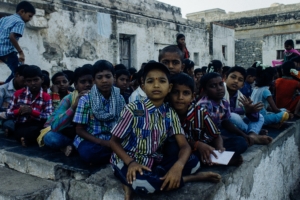 As conflicts continue to run rampant, people are forced to flee and abandon their homes. In a new world of uncertainty, children’s fundamental right to education is being denied. Seven million refugee children are currently out of school, about half of all refugee children. Without sufficient learning, many of these children will face further difficulties and challenges.
The Growing Issue of Refugee Children
According to UNICEF estimates, by the end of 2022, an unprecedented 43.3 million children were residing in forced displacement, with a significant portion enduring this difficulty throughout their entire childhood. This is double what was recorded in the last decade. Some of these children may never have the opportunity to receive an education throughout their lives.
Nearly 2 million children were born into refugee status. This indicates a generational poverty cycle, where generations struggle with basic access to education, health care and financial support. This puts millions of refugee children at an even greater disadvantage. Some children have even been separated from their families and are now alone.
The Importance of Education
Education is a fundamental right for children across the world, no matter the circumstance. It equips every child with the tools to enhance their future, and it provides them with the knowledge and skills to empower themselves to take control over their life/future.
The enrollment rates for refugees, on average, are 38% for pre-primary education, 65% for primary education, 41% for secondary education and merely 6% for tertiary education.
Education protects these vulnerable children from recruitment and exploitation, while also improving community strength. Refugee children are often targeted for unlawful and immoral purposes, especially those who have become separated and are alone. Education and knowledge are key to preventing these occurrences via an understanding of their rights and well-being.
UNESCO research finds that limited access to education for refugee children and significant educational disparities contribute to an increased likelihood of violence and conflict, which leads to a destructive cycle of missed educational opportunities, conflict and displacement. Over 21 years, areas with exceptionally low average education had a 50% probability of conflict. Education is an investment in long-term stability, where educated individuals can build better lives and contribute to their communities.
Finally, amid the chaos of losing your home, education brings a sense of routine and structure to young children’s lives. It provides comfort, safety and a caring environment for these children to thrive in. This also contributes to the overall mental health of these children, as stress and anxiety can become prevalent through their tough experiences.
Challenges and Solutions
The biggest challenge in education for refugee children is access. Many of these children do not have adequate access to education due to financial barriers, displacement and sometimes due to lack of infrastructure. A majority of these camps lack educational facilities, materials and qualified teachers.
To enhance access, coordinated efforts are required. Through governmental agencies and NGOs, access can be brought to every refugee child. Financial support is key, as many kids cannot afford education. Governments should also ensure the enforcement of education for every child under the 1951 Refugee Convention. Investments are also needed to improve infrastructure, improve the quality of teaching and provide school equipment.
Trauma and psychological distress are also issues that stop refugee children from attending school. Many refugee children experience trauma, loss, violence and sudden change. All of these negatively affect a child’s ability to learn and concentrate and camps don’t tend to have access to mental health help or counseling.
To help children who are suffering mentally, counseling and more awareness surrounding mental health are required. Counseling will provide a safe space and environment where issues can be identified and thus be resolved. Mental health awareness will also teach kids emotional intelligence and how to deal with problems that may arise.
Financial power is a prominent issue for refugee families. Because of economic pressure, children become victims of child labor. Where financial earnings are considered more important than education and school.
Scholarships and financial support are pivotal in boosting school enrollment among refugee children. By alleviating financial burdens, families can prioritize their children’s education and break the cycle of poverty.
Remarkably, the U.N. Foundation reports that “less than 2% of humanitarian aid goes towards education.” Education for displaced children is severely underfunded. Initiatives like Education Cannot Wait, a new fund that supports education for children during situations of crises and prolonged emergencies, are working to rectify this situation. The urgent need for access to education for refugee children demands immediate attention, collaboration and resource allocation to secure a brighter future for these vulnerable young lives.
– Lewis Butcher
Photo: Pexels
