Maternal Mortality in Burundi
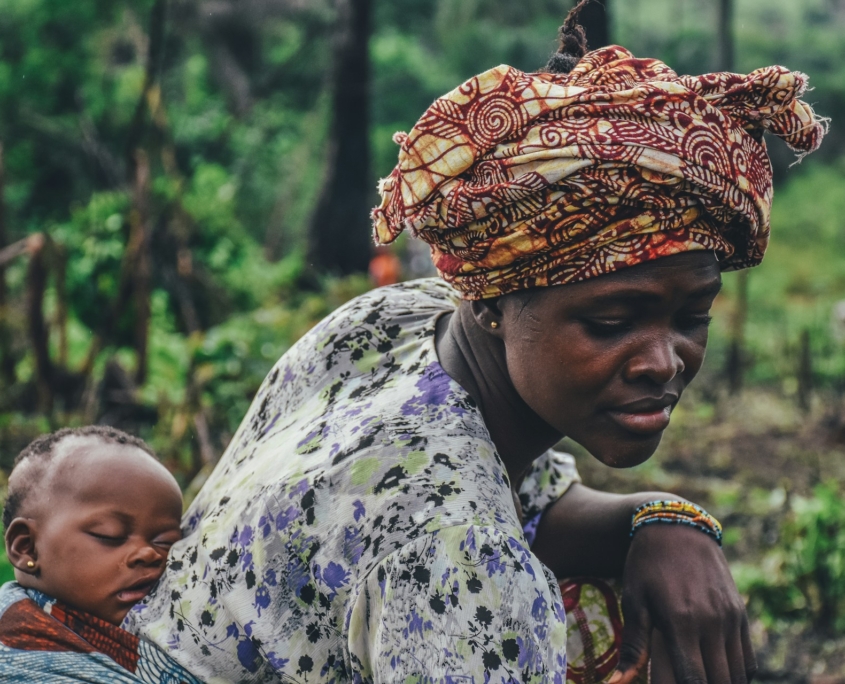 Burundi is an Eastern African country that is home to 13,477,247 people. In 2000, the rate of maternal mortality in Burundi was 874 deaths per 100,000 births. However, in 2020, that number dropped to 494 deaths per 100,000 births. Hence, this article explores why it is dangerous for women to give birth in Burundi and changes made to help decrease the deaths by 45%.
Maternal Mortality in Burundi: Risks and Barriers
Out of 1,000 girls ages 15-19, only 54 of those girls gave birth in Burundi in 2021. Girls who give birth between 15-19 are at a much greater risk for postpartum hemorrhaging, poor fetal growth, eclampsia, severe preeclampsia and fetal distress. Moreover, some reasons girls get pregnant young are because of poor communities, adolescent illiteracy, early marriage and lack of knowledge of any contraceptive methods. Unfortunately, the high number of girls ages 15-19 giving birth in Burundi contributes to the high number of maternal deaths.
Furthermore, pregnant women who are infected with HIV are at an increased risk for stillbirths, preterm labor, bacterial pneumonia, abortion, low birth weight babies and urinary tract infections, all of which can lead to a high rate of maternal mortality in Burundi. Moreover, women do not have access to adequate birth and health centers, here are three main reasons why mothers lack access:
- Cost. Many mothers do not have the funds to be able to afford proper care. Oftentimes, if a mother does go to a clinic, she will walk away with a bill that she cannot pay. This leads to her having to sell a portion of her crops, land, or livestock. In some instances, mothers may be imprisoned, making it difficult to care for their bodies or their children.
- Travel Difficulties. Many women do not have birth or health centers close by. This leads to them having to travel and in case of an emergency, they may not get there in time.
- Trained Health Care Workers. Many health centers do not have trained health care workers. This leads to inexperience and a lack of knowledge.
In addition, it can be very hard for mothers to get the care they need if they cannot afford it, cannot travel to it, or if health centers do not have trained health care workers. This leads to a higher maternal mortality rate in the nation.
3 Organizations Reducing Maternal Mortality in Burundi
- The United Nations International Children’s Emergency Fund (UNICEF). UNICEF focuses on improving maternal mortality in Burundi. In addition, the organization provides services such as health system strengthening, immunization, malaria prevention and treatment. Additionally, they provide training of health workers, emergency neonatal and obstetrical care, community-level pregnancy follow-up and referral, prevention of mother-to-child transmission of HIV and iCCM that bring care close to populations in need.
- Concern Worldwide USA. This organization is working to improve access to quality health care in Burundi. Moreover, pregnant girls and women in Burundi need access to the proper care while they are pregnant and also after they give birth. Concern Worldwide USA is striving to give Burundi women proper care.
- Pathfinder. Pathfinder aims to strengthen the health system. This is achieved by improving health system resilience to shocks and stressors, providing essential interventions and home-based care for malaria, diarrhea and pneumonia.
Looking Forward
Burundi is making strides toward improving maternal health, thanks to the concerted efforts of organizations like UNICEF, Concern Worldwide USA and Pathfinder. Moreover, these groups are not only enhancing access to quality health care but are also empowering communities with the knowledge and resources to tackle maternal mortality head-on. Above all, as these initiatives continue to expand and evolve, there is a growing sense of optimism that Burundi can further reduce maternal mortality rates, paving the way for healthier futures for mothers and their children.
– Abby Trussell
Photo: Unsplash
