• Link to X
  • Link to Facebook
  • Link to Instagram
  • Link to TikTok
  • Link to Youtube
  • About
    • About Us
      • President
      • Board of Directors
      • Board of Advisors
      • Financials
      • Our Methodology
      • Success Tracker
      • Contact
  • Act Now
    • 30 Ways to Help
      • Email Congress
      • Call Congress
      • Volunteer
      • Courses & Certificates
      • Be a Donor
    • Internships
      • In-Office Internships
      • Remote Internships
    • Legislation
      • Politics 101
  • The Blog
  • The Podcast
  • Magazine
  • Donate
  • Click to open the search input field Click to open the search input field Search
  • Menu Menu

Archive for category: Agriculture

Agriculture, Developing Countries, Global Poverty

Nuclear Solutions to Angola’s Rural Poverty

Angola’s Rural PovertyAngola, a West African nation on the Atlantic coast, has a significant poverty issue in its southwestern rural provinces of Namibe, Huìla and Cunene, with 53% of the population earning $2.15 per day or less. According to the World Bank, this indicates that more than half of the region’s inhabitants live below the international poverty line.

Rural Reliance on Subsistence Agriculture

In this region, families primarily earn their income from informal work in an unregulated agricultural sector. Although the unemployment rate stood at 15% in 2022, 80% of the labor force is self-employed. Agricultural productivity frequently suffers due to the high instability of crops and the fact that families own about 80% of all cattle in southwestern Angola.

These figures of low income and limited opportunities reflect an overreliance on subsistence agriculture to sustain impoverished families. Essentially, the nutrition of these Angolan families depends entirely on the success of seasonal harvests, with virtually no social safety nets in place for farmers facing poor yields. Additionally, the war in Ukraine has led to skyrocketing prices for basic imported foodstuffs, further limiting access to alternative food sources.

Multi-Year Drought Affects Livestock

According to the Red Cross, over the last four harvest seasons, this region of Angola has experienced its most severe drought since the 1980s. This drought has worsened the region’s semi-arid conditions, already challenging livestock pasture grazing and crop harvesting. Increasing desertification due to lack of rainfall has caused agricultural production to falter. By the end of 2023, Huìla’s water reserves were completely depleted. Farmers can no longer feed their cattle as green pastures have turned arid and unusable. Consequently, harvest success is declining because oxen, which plow the crop fields, are also dying off. To find viable grazing areas, farmers often have to travel long distances with the remaining members of their herds.

IAEA Partnerships

In June 2021, the International Atomic Energy Agency (IAEA) initiated its ‘Nuclear Saves’ partnerships series, aimed at enhancing the prosperity of disadvantaged communities amid severe climate change. Employing nuclear energy as a solution also bolsters public confidence in this technology. Specifically, the Animal Production and Health Subprogram of these partnerships focuses on improving the nutritional value of indigenous pasture grasses and other feed to ensure food security for local populations.

Nuclear Solution to Angola’s Rural Poverty

The Angolan government has partnered with the IAEA to reduce rural hunger and poverty in its southwestern communities. This partnership aims to estimate cattle pasture intake and identify sustainable, weather-resistant pasture grasses. Angola is setting up a nutrition laboratory to pinpoint nutritious grasses for widespread use, replacing current cattle feed. The technical operation adopts a nuclear solution, using stable isotopes to analyze key nutrients in cattle feed and excrement. These nonradioactive isotopes are commonly used to measure nutrient concentrations. Victor Tsuma, project leader at the Joint FAO/IAEA Centre of Nuclear Techniques in Food and Agriculture, asserts that this solution will help “design a balanced diet for cattle with a mix of natural pastures and feed supplements.” This strategy aims to enhance animal production accordingly.

Fending Off Future Droughts

This initiative also aligns with ecological goals. By isolating and producing more nutrient-dense feeds, it can reduce greenhouse gas emissions from cattle in the region, which helps mitigate the irregular climate conditions that cause events like droughts in southwestern Angola. This approach not only prioritizes climate by aiming to lower carbon emissions through the feed that cattle consume but also enhances cattle productivity, which is linked to the health of pastures. Additionally, as the risk of overgrazing diminishes, it further protects the environment, improving the quality of grazing for farmers’ herds.

Looking Ahead

The partnership between Angola and the IAEA aims to alleviate Angola’s rural poverty and hunger by improving cattle nutrition through nuclear techniques. By identifying sustainable and nutritious pasture grasses, this initiative seeks to enhance livestock productivity and food security. Additionally, it addresses ecological concerns by reducing greenhouse gas emissions and protecting the environment from overgrazing, offering a comprehensive solution to the challenges faced by Angola’s southwestern rural provinces.

– Ramiro Ruiz Martinez

Ramiro is based in Edinburgh, Scotland and focuses on Technology and Solutions for The Borgen Project.

Photo: Flickr

July 12, 2024
https://borgenproject.org/wp-content/uploads/borgen-project-logo.svg 0 0 Precious Sheidu https://borgenproject.org/wp-content/uploads/borgen-project-logo.svg Precious Sheidu2024-07-12 07:30:572024-07-11 02:40:31Nuclear Solutions to Angola’s Rural Poverty
Agriculture, Development, Global Poverty

How Green Finance is Reducing Poverty in Southeast Asia

Poverty in Southeast AsiaGreen finance involves financial investments into sustainable development projects, such as renewable energy initiatives and eco-friendly infrastructure developments that aim to minimize environmental risks, promote sustainability and also help to reduce poverty in Southeast Asia. In Southeast Asia, sustainable development is reflected through various national and regional initiatives, including the ASEAN Catalytic Green Finance Facility (ACGF) and the Asian Development Bank (ADB).

Renewable Energy Initiatives

Renewable energy projects are a major part of green finance in Southeast Asia. These projects create long-term energy from renewable sources. They reduce carbon emissions, create jobs and promote energy security, such as expanding solar farms in the Philippines. The country has used its abundance of sunlight to develop large-scale solar farms. These projects are supported by green finance mechanisms that attract investments from both public and private sectors.

Sustainable Agriculture

Sustainable agriculture is another area where green finance is making an impact. Projects that promote eco-friendly farming practices and support small-scale farmers help improve food security and livelihoods but also reduce environmental degradation and climate change. In countries like Vietnam and Thailand, green finance initiatives have included organic farming, agroforestry and sustainable technologies.

Solar Farms in the Philippines

The Philippines has become a leading influence in solar energy development in Southeast Asia. The country’s solar farms, such as the Cadiz Solar Power Plant, are great examples of successful green projects. The Cadiz Solar Power Plant, one of the largest in Southeast Asia, has a capacity of 132.5 megawatts and provides clean energy to more than 167,000 households. By providing reliable and affordable energy, these projects were able to improve the quality of life in rural areas, where access to electricity was limited. Additionally, with the amount of construction and maintenance of solar farms, numerous jobs were created, contributing to local economic development.

Eco-Friendly Infrastructure in Indonesia

Indonesia has also made strides in green finance for sustainable infrastructure development. Its focus is creating an eco-friendly environment with projects like the Green Bond Initiative, which finances green buildings, waste management systems and sustainable transport solutions. The Greater Jakarta Light Rail Transit (LRT), one of the projects, is the development of eco-friendly public transportation systems in Jakarta. The goal is to reduce traffic congestion and lower carbon emissions. The Green Bond Initiative in Indonesia has not only attracted investments but also generated employment opportunities and improved urban living conditions, reducing poverty in Southeast Asia. 

Sustainable Fisheries in Brunei

Brunei has implemented initiatives aimed at conserving marine biodiversity while trying to protect fishing communities. By promoting responsible fishing practices and investing in sustainable technologies, these projects ensure the long-term availability of marine resources. Financial support from green finance initiatives enables small-scale fishers to adopt sustainable methods, securing their livelihoods and improving food security. The ASEAN Catalytic Green Finance Facility (ACGF) supports such initiatives, providing funding and technical assistance to these projects. 

Project Selection Criteria

The selection of these projects is based on their potential environmental and socio-economic benefits. Renewable energy projects, such as solar farms, are chosen to provide clean energy, reduce greenhouse gas emissions and create jobs. Sustainable agriculture projects are selected for their capacity to enhance food security, promote sustainable farming practices and improve people’s livelihoods.

Implementation and Impact

The implementation of green finance projects in Southeast Asia involves project planning, financing and monitoring. Financial institutions, such as the ADB and the World Bank, provide technical assistance and funding to support the execution of these projects. The involvement of local communities is also crucial for varying reasons from gaining support to extra financing. 

Green finance is becoming a crucial part of poverty reduction in Southeast Asia by creating jobs, improving access to essential services and improving the economy. Investments in renewable energy, sustainable agriculture and eco-friendly infrastructure are providing numerous employment opportunities, increasing incomes and reducing the cost of living. As Southeast Asia continues to develop sustainably, its future potentially looks greener.

– Danica Lourdu Nelson

Danica is based in Parker, CO, USA and focuses on Technology and Solutions for The Borgen Project.

Photo: Flickr

July 11, 2024
https://borgenproject.org/wp-content/uploads/borgen-project-logo.svg 0 0 Precious Sheidu https://borgenproject.org/wp-content/uploads/borgen-project-logo.svg Precious Sheidu2024-07-11 03:00:112024-07-11 01:28:45How Green Finance is Reducing Poverty in Southeast Asia
Agriculture, Food Security, Global Poverty

The Svalbard Global Seed Vault: Protecting Crop Diversity

The Svalbard Global Seed Vault: Protecting Crop DiversityIn Svalbard, Norway, deep within a mountain at 150 meters, lies a significant refrigerated vault holding more than a million crop seeds from around the globe. Regional seed banks worldwide contribute duplicates of their seeds to this repository, ensuring their secure storage. Supported by the Norwegian government, this initiative aims to safeguard biodiversity and provide a safety net against potential global crises that could threaten the food supply.

The Importance of Seed Banks

Crop diversification plays a crucial role in sustaining healthy ecosystems and enhancing agricultural resilience. It mitigates soil erosion, enriches soil health and fortifies crops against pests and diseases. By planting a variety of crops, farmers can potentially shield their livelihoods from extreme weather and other adversities, ensuring that if one crop falters, others may thrive to offset the loss. However, crop diversity has sharply declined over the last 50 years. TIME Magazine reports that merely about 30 crops now supply 95% of the nutritional needs of humans. The Food and Agriculture Organization of the United Nations (FAO) adds that since 1900, there has been a staggering 95% loss in plant genetic diversity globally.

Natural disasters are the primary threat to crop diversity in developing countries. Flooding, drought, excessive heat and other unpredictable weather patterns, can wipe out entire fields of crops. The Svalbard Global Seed Vault protects crop diversity and prevents hunger by ensuring that crop species do not go extinct. The vault stores seeds and their duplicates, ensuring that agriculture can reintroduce them following catastrophic events, thus protecting global food security.

Marie Haga, executive director of the Crop Trust, an organization that operates the Svalbard Seed Vault in collaboration with the Norwegian government, emphasizes that crop diversity is essential to global livelihood: “Not too many think about crop diversity as being so fundamentally important, but it is. It is almost as important as water and air. Seeds generally as the basis for everything. Not only what we eat, but what we wear, nature all about us.” 

Seed Banks Around the World

The Svalbard Global Seed Vault collaborates with more than a thousand regional seed banks worldwide. These banks collect, freeze and store seeds from various crop species. They send duplicates of these seeds to the Svalbard vault for secure, long-term storage. Operating much like an insurance policy, the organization protects these seeds against potential regional threats such as severe weather or conflict. Svalbard safely stores the duplicates should a regional seed bank’s supplies be compromised.

The Svalbard facility’s operations are important in war-ridden regions. In 2012, the International Center for Agricultural Research in the Dry Areas (ICARDA) had to move from its location just outside of Aleppo, Syria, in 2012 when the civil war threatened the facility’s security. In Afghanistan and Iran, violent conflict destroyed seed banks, compromising seeds that had not yet been sent to Svalbard.

Svalbard’s location in Northern Norway is optimal for the global seed vault due to its cold climate, which is essential for preserving seeds at -18° Celsius. The vault’s placement of 150 meters inside a mountain offers added protection against severe weather events, including extreme cold and avalanches. Apart from these natural conditions, Svalbard’s remoteness plays a crucial role in its security, making it unlikely to be affected by international conflicts. This combination of factors effectively safeguards the seeds, providing a critical backup for global agriculture.

Looking Forward

The Svalbard Global Seed Vault plays a pivotal role in preserving global crop diversity, acting as a vital insurance policy against environmental and man-made disasters. Securing more than a million seed samples from various regions ensures the continued availability of essential crops for future generations. The Svalbard Global Seed Vault continues to expand its collection and it can hold about 4.5 million seeds. This initiative can potentially maintain agricultural resilience and secure food supplies worldwide.

– Maren Fossum-Wernick

Maren is based in St. Paul, MN, USA and focuses on Global Health and Politics for The Borgen Project.

Photo: Flickr

July 10, 2024
https://borgenproject.org/wp-content/uploads/borgen-project-logo.svg 0 0 Precious Sheidu https://borgenproject.org/wp-content/uploads/borgen-project-logo.svg Precious Sheidu2024-07-10 07:30:042024-07-10 05:11:54The Svalbard Global Seed Vault: Protecting Crop Diversity
Agriculture, Developing Countries, Global Poverty

How Yaks Are Addressing Poverty in Nepal

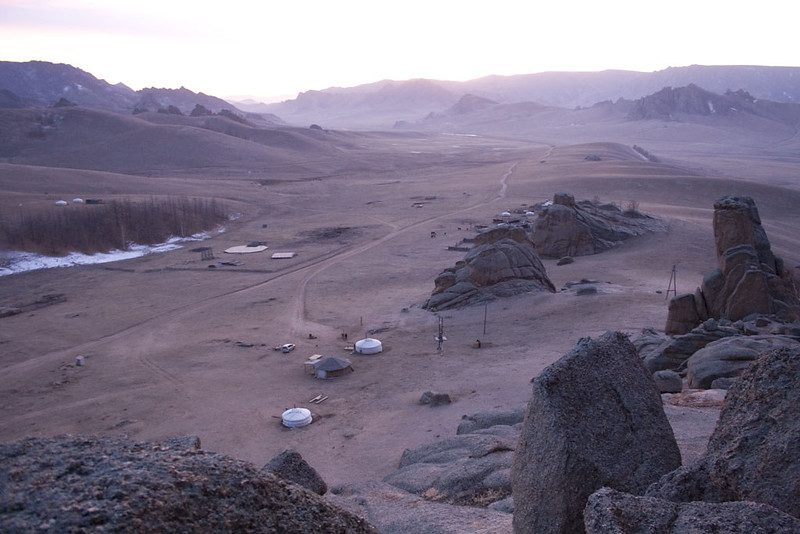
Addressing Poverty in NepalNepal, recognized as the poorest country in South Asia, had about 20.3% of its population living below the poverty line in 2022, with unemployment projected to reach 19.72% by 2024. An often-overlooked element in the country’s economic landscape is the yak, an animal integral to the economic, religious and cultural fabric of Nepalese society. The yak’s role offers valuable insights into strategies for addressing poverty in Nepal.

The Vital Role of Yaks in Nepal

Yaks play a vital role in supporting life in Nepal, particularly in the harsh, mountainous regions. They provide nutrient-dense milk, butter, cream and cheese, crucial components of the Nepalese diet. Beyond dairy products, yaks supply wool and meat, serve as labor for agriculture and have significant cultural and religious symbolism, particularly among Buddhist communities. In Nepal’s extreme climatic conditions, locals rely on yak dung as a critical fuel source for sustaining life during the winter months.

Economic Contributions of Yak Farming

According to a report by the Food and Agriculture Organization (FAO), yaks meet almost all the needs of herdsmen and their families, either directly or through the sale of yak products for income. This highlights the significant role yaks play in Nepal’s economic development. The sale of products derived from yaks, such as dried meat and dairy items, generates essential revenue for agricultural families. Notably, a specific type of Swiss cheese produced in Nepal caters to market demand, providing critical economic support to some of the country’s impoverished communities.

Conservation Efforts and Cultural Importance

Despite their importance, yaks have not always been protected and recent modernization coupled with the abandonment of traditional farming practices has made them increasingly vulnerable. However, conservation efforts in recent years have begun to turn the tide. The previously endangered Wild Yak species has seen some recovery due to various initiatives. For instance, the Himalayan Wolves Project played a crucial role in this recovery by rediscovering the species in 2014 in Limi Valley, Humla district. Furthermore, Joshi Purushotam’s article underscores the crucial role of yak farming in supporting Nepal’s culture, biodiversity and socioeconomic development, emphasizing the need for its preservation.

Looking Ahead

Yaks remain essential to Nepal’s economic and cultural landscape, particularly for agricultural communities in mountainous regions. These animals provide vital resources such as milk, meat, wool and fuel, directly supporting the livelihoods of many Nepalese families. Recent conservation efforts have helped protect the yak population, ensuring its continued contribution to the nation’s development. A sustained focus on yak farming and conservation could be vital for addressing poverty and promoting sustainable economic growth in Nepal.

– Grace Pasqualucci Sammartini

Grace is based in Italy and focuses on Good News and Global Health for The Borgen Project.

Photo: Flickr
July 10, 2024
https://borgenproject.org/wp-content/uploads/borgen-project-logo.svg 0 0 Precious Sheidu https://borgenproject.org/wp-content/uploads/borgen-project-logo.svg Precious Sheidu2024-07-10 01:30:132024-07-09 05:40:50How Yaks Are Addressing Poverty in Nepal
Agriculture, Global Poverty, Innovations

Fighting Poverty with Dirt: Soil Mapping

Soil MappingTechnology is always growing, always changing and always evolving. Now, some scientists are using new soil mapping methods to improve one of the most ebbing professions: farming.

The Basics of Soil Mapping

Soil maps catalog features and soil types in an area. Early on,soil mapping was done using field and lab observation. With the advent of more advanced technology, soil mapping is now done digitally while still using data. This data can be collected in multiple ways. It can be as simple as a special drill called a bucket auger and a single aerial photo of the land or as complex as using special geospatial software.

Once collected, the map is created in a grid layout, with each cell representing a different location. Soil mapping often tests the amount of nutrients in soil, allowing for more efficient farming and more effective use of products like fertilizer.

The Upsides of Soil Mapping

  1. Improving farming profit: Creating better soil produces more crops. Many farmers in developing countries use their crops as a form of survival and use what little is left over as products to sell. This is known as subsistence farming. By optimizing the use of fertilizers and other products with soil mapping, more crops are available to market while still feeding producers. The estimated increased yield is about 4-9%.
  2. Creating sturdier crops: Temperature changes and natural disasters can quickly tank a harvest. By using soil mapping, crops become more resilient and more able to survive harsh or fluctuating conditions.
  3. Improving soil health: Continents like Africa struggle with inconsistent soil health and high fertilizer prices due to inflation. Preventing resource waste is critical when costs are so high. Creating detailed soil maps provides important information that can help restore soil and reduce waste. Restoring soil health means more crops can grow, which means more profit for the people who need it most.
  4. Improving nutrition: More nutrients in the soil mean more nutrients in the food that the soil produces. Nutritious food is crucial for preventing malnutrition and health problems in low-and middle-income countries.
  5. Long-lasting solution: Soil maps are a local solution to food insecurity. They are more sustainable than direct aid because they allow for more output year after year. Providing more than just food, the extra crops taken to market can provide other critical needs.

The Global Soil Partnership

Soil mapping supports improvised communities globally, especially through government-run programs. The biggest program of this type is the Global Soil Partnership. The program uses 500 experts from 52 countries to create soil maps and databases to combat problems like food insecurity. These mapping programs are especially helpful in Africa and South America, where the climate can be volatile and many people are malnourished.

What’s Ahead?

Soil mapping demonstrates that technology and progress can also help end poverty. Large problems require innovative and scalable solutions and soil mapping qualifies. It is not necessary to only use traditional human labor to assist those who need help. Technology can assist grassroots and nonprofit groups in providing lasting solutions. The results show the power of human advancement.

– Meredith Wyrick

Meredith is based in Magnolia, TX, USA and focuses on Good News and Global Health for The Borgen Project.

Photo: Flickr

July 3, 2024
https://borgenproject.org/wp-content/uploads/borgen-project-logo.svg 0 0 Lynsey 2 https://borgenproject.org/wp-content/uploads/borgen-project-logo.svg Lynsey 22024-07-03 07:30:072024-07-03 01:20:22Fighting Poverty with Dirt: Soil Mapping
Agriculture, Education, Global Poverty

How AVANTI’s Initiatives Lifted an Ecuadorian Town from Poverty

AVANTI's InitiativesNestled in the Andes mountains of Ecuador, the small rural town of Pistishi-Tolte or the Devil’s Nose, was once plagued by extreme poverty, with nearly all of its residents living in dire conditions. Deemed one of the poorest parts of Ecuador, most residents relied solely on agriculture to make a living, working day and night in the fields to scrape by. After witnessing these unfortunate circumstances, a local nonprofit organization, AVANTI, came up with a plan to lift the town out of poverty. AVANTI’s initiatives in education, agricultural innovation and community empowerment have significantly improved Pistishi-Tolte’s economic and social conditions. Through its efforts, the town has begun its journey to economic recovery.

AVANTI’s Education Initiatives

AVANTI saw how the lack of education structure impacted the community’s ability to find and hold down higher-paying jobs. It tackled this problem in three ways:

  1. It built the infrastructure to house educational opportunities, starting with a library and multiple schools.
  2. It worked on restoring and acquiring the proper educational equipment in the town. The nonprofit set up a computer laboratory in the library and provided educational materials for schools and nurseries.
  3. It organized and finalized educational programs, such as computer classes at the library and English and reading courses at the school and completed the special education programs.

This groundwork to improve education and literacy was set in place to improve employment rates due to better education and higher-paying skills.

AVANTI’s Agricultural Innovation

The NGO improved the overall farming experience for the existing agriculture system in Pistishi-Tolte. It also accomplished this goal in three ways:

  1. Its new school system implemented an agricultural training program. This program allowed for more effective and efficient training on technology and sustainable agriculture practices both in person on the field and in the classroom.
  2. It created and implemented an organic uvilla program. This technique was used to introduce crop rotation and organic farming to grow golden berries. By educating the farmers on organic farming methods rather than chemical-heavy traditional methods, the farmers gained confidence and saw results in better crops.
  3. It created a community to pool resources and share knowledge since farmers came from all over the town to receive education in these new methods.

These AVANTI’s initiatives increased food security and reduced poverty due to higher incomes from better crop yields.

Prioritizing Health in Community

One of the ways AVANTI empowered the community was by emphasizing health in the town. It focused on achieving this goal in two ways:

  1. Providing spaces to seek medical treatment or for health education. It built a primary care health center to give instant medical attention to critical cases and oversee medical brigades. In addition, by constructing the library and other community spaces, the community was able to acquire education on health and wellness to improve their lives.
  2. Providing access to aid: Bringing aid to families. It was able to transport life-saving health care items to homes, such as water filters, first aid kits and fire extinguishers.

These efforts set in place a system to improve the livelihood of all residents of Pistishi-Tolte.

Conclusion

AVANTI turned a town suffering from extreme poverty and being one of the poorest places in Ecuador into a thriving city out of poverty’s grasp. The nonprofit used infrastructure and systems in education, agriculture and community empowerment through health to achieve its goal. AVANTI provided safe places for the people to learn to improve their job pay, farm with sustainable practices to improve crop yields and get access to health care to improve their quality of life.

– Rachel Venable

Rachel is based in Berkeley, CA, USA and focuses on Good News and Global Health for The Borgen Project.

Photo: Pixabay

July 1, 2024
https://borgenproject.org/wp-content/uploads/borgen-project-logo.svg 0 0 Lynsey 2 https://borgenproject.org/wp-content/uploads/borgen-project-logo.svg Lynsey 22024-07-01 03:00:082024-06-30 10:42:49How AVANTI’s Initiatives Lifted an Ecuadorian Town from Poverty
Agriculture, Global Poverty, Technology

Supporting Cambodian Farmers With Drone Technology

Cambodian FarmersCambodia, famed for its ancient temples, rich history and vibrant culture, offers unique natural beauty and historical importance. Located in Southeast Asia, its landscape spans the Mekong Delta, which has been an important source of vitality for its surrounding countries for centuries. The lower Mekong basin runs through the East of Cambodia, providing a livelihood for Cambodian farmers. More than 90% of total production in Cambodia along the Mekong basin is attributed to paddy production.

Furthermore, more than 50% of total agricultural production in Cambodia is attributed to rice production. Due to its proportion of national production, the development of this sector can bring great returns to Cambodians. The agricultural sector needs reforming to support the crop’s commercialization in the region, a process encouraged due to its export value. If the government’s aim to make the country a “rice basket” (a major rice exporter) is to be fulfilled, using new technology can aid this endeavor.

The Economic Situation

Cambodia is both one of the most impoverished countries and one of the fastest-growing economies in Southeast Asia. The genocide from 1975 to 1979, which saw the killing of almost one-quarter of the population, has undoubtedly left its mark on the people of Cambodia and the economic health of the country. About 16.6% of Cambodians are multidimensionally poor, meaning they suffer from multiple aspects of poverty beyond monetary means.

One legacy of the genocide is seen in the poverty rate of areas near where the atrocities took place. Villages nearer mass grave sites suffered an increased 4% poverty rate in a study done in 2023. Agriculture is a huge proportion of Cambodia’s production. It is an area where the country can focus on improving to compete further in the export market. Its status as a less-developed nation in the region makes it an attractive prospect for investors, especially investment in the agricultural industry. This makes Cambodia’s agriculture industry a prime sector for increasing overall wealth and reducing poverty.

Cambodia’s Paddy Problems

Paddy production increased by 2.9 million tons from 2012 to 2020, sitting at 10.9 million tons in 2020. Cambodia’s capacity for paddy production is clear. However, it is vulnerable to climatic conditions and the export market is strict about the type of rice seed it accepts.

Varying climatic conditions threaten to lower rice yields as both flooding and shortages of water can reduce the total rice yield for the year depending on the type of rice seed. To make Cambodia’s paddy production sustainable, investing in new technologies can aid the commercialization of the crop and its climate-resistant capabilities.

Drones Can Be a Solution

Drone usage is an example of a technological innovation that can help the government and individual farmers achieve greater efficiency in paddy production. Particular drones can be used for aerial fertilization, saving time during a typically time-consuming part of the production and increasing the safety of administering pesticides and insecticides.

The Cambodian Agriculture and Research Institute (CARDI) has partnered with Queensland University to develop the technology and to deliver training to Cambodian farmers and government officials on how these drones can be used.  A woman in Battambang province has been providing spraying services to farmers in her province for two years already, proving to be a profitable and reliable business venture. She is among a group of women who have invested in drone technology to provide this service, which is guaranteed to use less water than traditional methods.

Another type of drone has been used in the Siem Reap province to sow rice. The community in Siem Reap has successfully used drones to sow the Neang Ang rice seed, covering 70 hectares of rice per day. This is a huge proportion of ground covered, improving the livelihood of Cambodian farmers and providing food security to the community.

Looking Ahead

The successful case of drone usage and the current partnership between CARDI and Queensland University spell optimism for the development of Cambodia’s rice seed systems. The greater efficiency provided by drones can be used to produce greater yields of climate-resistant rice suited to the export market.

This innovative technology can simultaneously improve farmers’ livelihoods and make Cambodia’s export market more sustainable in the face of adverse climatic conditions. Innovation and investment in agricultural technology can be the key to achieving sustainable growth and subsequently reducing poverty in Cambodia. 

– Lauren Alkhalil

Lauren is based in London, UK and focuses on Technology and Solutions for The Borgen Project.

Photo: Unsplash

June 29, 2024
https://borgenproject.org/wp-content/uploads/borgen-project-logo.svg 0 0 Lynsey 2 https://borgenproject.org/wp-content/uploads/borgen-project-logo.svg Lynsey 22024-06-29 07:30:582024-06-28 09:44:37Supporting Cambodian Farmers With Drone Technology
Agriculture, Food Security, Global Poverty

Cultivating Growth in Bangladesh with Floating Gardens

Cultivating Growth in Bangladesh with Floating GardensHeavy monsoon rains douse Bangladesh for eight months each year, submerging nearly one-third of the country. Severe flooding jeopardizes food security and threatens the livelihoods of almost half of the population directly employed by agriculture. Farmers are taking matters into their own hands, transforming waterlogged fields into hydroponic floating gardens. This method boosts crop yields and provides a more diverse, robust bounty.

The transition from predominantly growing rice to cultivating more nutrient-dense foods like pumpkins, tomatoes, papayas and beans will be instrumental in promoting health and well-being across Bangladesh, a country with one of the highest malnutrition rates. Development charities like Practical Action and humanitarian organizations like Care International have helped bring an ancient farming practice to the country’s most at-risk areas, namely rural and impoverished communities.  

Agricultural Progress and Environmental Setbacks

In the past few decades, Bangladesh has made significant strides toward reducing poverty and averting famine with incremental improvements in farming technologies. According to the World Bank, productive agricultural strategies facilitated a tripling of food grain production between 1972 and 2014, helping meet the needs of a rapidly expanding population. Still, salt intrusion, drought and flood threaten to hamper progress, which demands continued adaptability and innovation in the agricultural sector. 

Revival of Ancient Agricultural Practices

Farmers in south-central Bangladesh, are turning to a historical gardening practice: floating vegetable gardens. These gardens, constructed on artificial islands in swampy wetlands and rivers, provide a lifeline during monsoon seasons. They also serve as shelters for livestock and double as fishing spots. The simplicity of this method makes it a viable alternative to traditional farming during periods of intense flooding. Farmers tend to their plants by paddling across the water in rafts fashioned from natural materials like water hyacinth. As the floating gardens rise and fall with rain patterns, farmers reap the rewards of their labor and nourish local villages. 

Hydroponic Innovations to Resource-Poor Regions

While hydroponic gardening has shown promise in some parts of Bangladesh, it’s crucial not to overlook the areas with fewer resources. These regions, often in urgent need of intervention, could greatly benefit from the tools and support to convert their fields into floating gardens. The work of groups like Practical Action, which have set up floating gardens in the northern part of the country, enables and empowers farmers to grow food year-round, regardless of weather conditions. 

Looking Ahead

Bangladesh’s adaptation of hydroponic floating gardens promises a resilient agricultural future, especially for regions perennially affected by flooding. As more communities embrace this innovative farming technique, it could significantly enhance food security and reduce malnutrition nationwide. Continued support from development charities and local innovation will be key to expanding these ongoing sustainable practices to ensure all regions can thrive despite environmental challenges.

– Natalie Kaufman

Natalie is based in Orlando, FL, USA and focuses on Technology and Global Health for The Borgen Project.

Photo: Flickr

June 14, 2024
https://borgenproject.org/wp-content/uploads/borgen-project-logo.svg 0 0 Precious Sheidu https://borgenproject.org/wp-content/uploads/borgen-project-logo.svg Precious Sheidu2024-06-14 07:30:342024-06-13 13:36:08Cultivating Growth in Bangladesh with Floating Gardens
Agriculture, Food Insecurity, Global Poverty

Poverty and Permaculture Design in Rwanda

Permaculture Design and Poverty in Rwanda In Rwanda, permaculture design is gaining traction as a tool to combat poverty and enhance environmental sustainability. This method combines biodiversity conservation with community empowerment, offering a robust framework for tackling socioeconomic and ecological challenges. Permaculture design fosters strategies that simultaneously alleviate poverty through regenerative agriculture, community gardening and ecosystem restoration projects by focusing on sustainable practices, biodiversity conservation and community empowerment.

Core Principles of Permaculture Design

In essence, permaculture is permanent agriculture or permanent culture. It encompasses principles and practices aimed at creating sustainable and self-reliant systems modeled after natural ecosystems. At the heart of permaculture design are three ethical principles: earth care, people care and fair sharing, which involves the sharing of surplus. These ethics underpin the application of various principles, which include:

  • Observe and Interact. Research and make use of the natural patterns and processes of the landscape and, in the process, build a closer relationship between humans and their ecology. 
  • Designing from Patterns to Details. Study existing patterns in nature as a source of information to develop an integrated and harmonious system.
  • Integration of Functions. Ensure a multi-functional design that maximizes the benefit of every element in a system for efficiency and resilience.
  • Renewable Resources. Increase the usage of renewable resources and decrease the use of nonrenewable inputs that decrease the ecological footprint and make the project sustainable.
  • Small-Scale Intensive Systems. Even on a small scale, much is done for intensive agricultural systems to optimize yields while trying to minimize input in resources and labor use and reduce environmental impacts.

Permaculture’s Role in Poverty Alleviation

In Rwanda, a large proportion of the population faces poverty and permaculture design principles are proving effective in addressing these ongoing challenges and fostering sustainable development. Regenerative agriculture practices, such as agroforestry and soil conservation techniques, show great potential for restoring degraded lands, enhancing soil fertility and boosting productivity. Recent statistics from the Rwanda Agriculture and Animal Resources Development Board (RAB) indicate that smallholder farmers adopting permaculture techniques have seen crop yields increase by 30%, significantly improving food security and income generation.

Community Impact

Community gardening initiatives in Rwanda, driven by permaculture principles, are making strides in alleviating poverty and enhancing social cohesion. These ongoing initiatives enable communities to cultivate nutritious food while fostering collective decision-making, knowledge-sharing and skill-building. According to a report from the Rwanda Agriculture Board, food insecurity has decreased by 25% among households involved in these projects and dietary diversity has increased by 15%. This data underscores the effectiveness of permaculture-based interventions in boosting household resilience and well-being.

Employment Opportunities

Permaculture design creates employment opportunities for marginalized populations in Rwanda by focusing on environmental conservation and ecosystem restoration. Projects that rehabilitate degraded landscapes through tree planting, water harvesting and biodiversity conservation enhance ecosystem services such as water filtration, carbon sequestration and pollination. These services are vital for agricultural productivity and human livelihoods. According to Rwanda’s Environment Management Authority, permaculture-based initiatives have rehabilitated more than 500 hectares of degraded land, involving more than 10,000 rural households and reducing soil erosion by 40% in targeted areas.

The Future of Permaculture in Rwanda

Rwanda’s commitment to permaculture continues to promise sustainable development and poverty reduction. As more communities engage in these ecological and agricultural practices, the potential for improved livelihoods and environmental health grows. The future holds great promise for expanding permaculture’s impact, enhancing both the economy and the ecosystem in Rwanda.

– Honorine Lanka Perera

Honorine is based in Highland, NY, USA and focuses on Good News and Technology for The Borgen Project.

Photo: Flickr

June 6, 2024
https://borgenproject.org/wp-content/uploads/borgen-project-logo.svg 0 0 Precious Sheidu https://borgenproject.org/wp-content/uploads/borgen-project-logo.svg Precious Sheidu2024-06-06 01:30:372024-06-05 05:13:12Poverty and Permaculture Design in Rwanda
Agriculture, Global Poverty, Government

Food Self-Sufficiency and Food Insecurity in Japan

Food Insecurity in JapanJapan is known for its rapid development and hosts one of the world’s largest economies. Over the last century, the nation has made tremendous strides across many domains like technology, education and infrastructure. However, food insecurity remains one significant shortcoming in Japan’s development. 

Japan’s Low Food Self-Sufficiency Rate

Food self-sufficiency means a country produces enough food to feed its entire population without needing to import food from abroad. Japan’s food self-sufficiency rate stands at only 38% on a calorie basis, indicating that less than half of the calories needed to feed the entire Japanese population are produced within the country. In contrast, Canada boasts a calorie-based self-sufficiency rate of more than 200%, while the United States (U.S.) and Australia have rates exceeding 100%, highlighting Japan’s shortcoming in this area.

Impact of Natural Disasters

Several factors contribute to Japan’s lack of food self-sufficiency. One of the most significant is the series of natural disasters that have struck the country in recent years, including crop failures and droughts. These events have led to a steady decline in overall self-sufficiency rates.

Economic Competition

Japan has long imported staples like wheat and soybeans, primarily from the U.S. and China. As the conflict between Russia and Ukraine continues, countries that previously relied on Ukraine and Russia for wheat are seeking alternative sources. Meanwhile, other Asia-Pacific nations, including China, are expanding their economies. This competition for resources could lead Japan to be outbid, potentially increasing food insecurity if these trends persist.

Food Security vs. Nutritional Adequacy

Currently, Japan maintains one of the highest food security rates globally, with only 3.4% of its population experiencing food insecurity. However, Japan’s poverty rate is relatively high compared to other developed countries, standing at 15.7%. A significant portion of this demographic includes elderly Japanese citizens.

Although Japan imports sufficient food, the nutritional value often does not meet requirements, leaving many, particularly those in marginalized communities, without adequate nutrition. Vulnerable populations in Japan, who lack access to supermarkets and imported fruits and vegetables, are more susceptible to inadequate food supplies.

Government Initiatives to Boost Food Self-Sufficiency

In 2022, the government introduced a new framework aimed at boosting domestic production of key food products like wheat and soybeans. Additionally, the Japanese government has distributed food guides in schools to educate young people about nutrition and the benefits of eating seasonally. Emphasizing seasonality ensures that the Japanese diet relies primarily on locally produced foods. This approach increases the proportion of calories consumed in Japan that come from domestic sources.

Future Directions in Food Security

Japan’s commitment to enhancing its domestic agricultural production is a promising step toward greater food self-sufficiency. By investing in local farming, prioritizing seasonal eating and educating the public about nutrition, Japan can reduce its reliance on imported goods and strengthen its food security. These efforts are crucial not only for economic stability but also for ensuring the nutritional well-being of all its citizens.

– Adrita Quabili

Adrita is based in Atlanta, GA, USA and focuses on Celebs and Politics for The Borgen Project.

Photo: Flickr

May 6, 2024
https://borgenproject.org/wp-content/uploads/borgen-project-logo.svg 0 0 Precious Sheidu https://borgenproject.org/wp-content/uploads/borgen-project-logo.svg Precious Sheidu2024-05-06 01:30:242024-05-08 13:27:13Food Self-Sufficiency and Food Insecurity in Japan
Page 17 of 19«‹1516171819›»

Get Smarter

  • Global Poverty 101
  • Global Poverty… The Good News
  • Global Poverty & U.S. Jobs
  • Global Poverty and National Security
  • Innovative Solutions to Poverty
  • Global Poverty & Aid FAQ’s
Search Search

Take Action

  • Call Congress
  • Email Congress
  • Donate
  • 30 Ways to Help
  • Volunteer Ops
  • Internships
  • Courses & Certificates
  • The Podcast
Borgen Project

“The Borgen Project is an incredible nonprofit organization that is addressing poverty and hunger and working towards ending them.”

-The Huffington Post

Inside The Borgen Project

  • Contact
  • About
  • Financials
  • President
  • Board of Directors
  • Board of Advisors

International Links

  • UK Email Parliament
  • UK Donate
  • Canada Email Parliament

Get Smarter

  • Global Poverty 101
  • Global Poverty… The Good News
  • Global Poverty & U.S. Jobs
  • Global Poverty and National Security
  • Innovative Solutions to Poverty
  • Global Poverty & Aid FAQ’s

Ways to Help

  • Call Congress
  • Email Congress
  • Donate
  • 30 Ways to Help
  • Volunteer Ops
  • Internships
  • Courses & Certificates
  • The Podcast
Scroll to top Scroll to top Scroll to top