• Link to X
  • Link to Facebook
  • Link to Instagram
  • Link to TikTok
  • Link to Youtube
  • About
    • About Us
      • President
      • Board of Directors
      • Board of Advisors
      • Financials
      • Our Methodology
      • Success Tracker
      • Contact
  • Act Now
    • 30 Ways to Help
      • Email Congress
      • Call Congress
      • Volunteer
      • Courses & Certificates
      • Be a Donor
    • Internships
      • In-Office Internships
      • Remote Internships
    • Legislation
      • Politics 101
  • The Blog
  • The Podcast
  • Magazine
  • Donate
  • Click to open the search input field Click to open the search input field Search
  • Menu Menu

Archive for category: Agriculture

Agriculture, Aid, Global Poverty

IFAD Projects in Peru

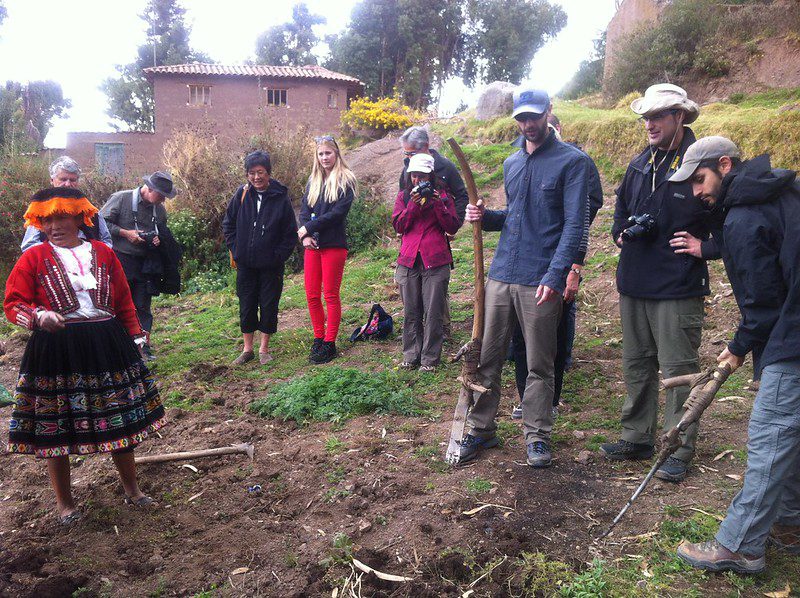
IFAD Projects in Peru The International Fund for Agricultural Development (IFAD) is a global organization that seeks to reach the most remote locations and transform agriculture, rural economies and food systems. Rural farmers face many challenges that prevent them from escaping poverty, including limited education, limited influence on policies and environmental degradation. The IFAD recognizes these obstacles and its mission statement has solutions and goals for rectifying them. Providing training in modern farming techniques, supporting farmer’s organizations and promoting sustainable land practices are just some of the things that the IFAD is trying to further develop in rural areas.

Peru is one of the countries that is struggling with poverty and poor living conditions in its rural areas, specifically the southern highlands. Since 1980, the IFAD has provided Peru with nine separate loans totaling $144 million. Additionally, it has initiated several public competitions in Peru to encourage innovation in exchange for a monetary prize. Recently, IFAD has concentrated on three projects in Peru aimed at reducing rural poverty.

Strengthening Local Development Project

Running between 2013 and 2019, this IFAD project worked with a $20 million loan to increase the overall well-being of the rural population by encouraging farmers to form producer associations (PA): groups that work together to leverage resources and tackle common challenges. Researchers found that households joining a PA increased their income, asset ownership and social involvement throughout this project. More financial resources, as well as increased opportunities for collaboration, directly benefited 15,900 households.

Project for Markets and Rural Development

Focusing primarily on women and young people, this IFAD project closely worked with 20,000 rural households and offered support to lift them out of poverty. Preserving cultural heritage is connected to lower rates of poverty because there is stronger community cohesion, which means that there are collaborative, more successful efforts to address local economic challenges. This project recognized this correlation and found ways to preserve culture in the Northern Highlands region of Peru. By contracting technical assistance, the IFAD taught artisans better techniques for making traditional crafts, which ensured that the crafts were high quality and profitable while still maintaining their cultural importance. Similarly, by promoting savings and micro-insurance, the IFAD made sure that rural people were economically secure, allowing them to spend time on cultural practices and pass them on to younger generations.

Livelihood Diversification in the Highlands Project

The Quechua and Aymara families are native groups of Peru and a majority of them are living below the poverty line. The IFAD loaned $34.5 million to this project which directly benefited 15,000 poor, native households. This IFAD project was different from others funded by the same organization, as it had the unique feature of directly transferring funds to communities. This strategy allowed smaller farmers to contract technical assistance and obtain property rights to land. Therefore, farmers would have modern techniques to ensure quality products and have the opportunity to manage their savings. In addition, the project worked with local authorities from this region to create maps and models that would represent the natural resources. Detailed maps helped communities efficiently use resources like water, soil and minerals, which promoted sustainable farming while still increasing agricultural productivity.

Looking Ahead

IFAD’s initiatives in Peru illustrate the organization’s commitment to addressing rural poverty through targeted projects that empower local communities. By focusing on forming producer associations, preserving cultural heritage and promoting sustainable farming practices, IFAD has made significant strides in improving the livelihoods of rural households. These ongoing efforts have not only increased income and asset ownership but also strengthened community cohesion and resource management in Peru’s highlands.

– Sophia Manole

Sophia is based in Bellevue, WA, USA and focuses on Good News for The Borgen Project.

Photo: Flickr
August 24, 2024
https://borgenproject.org/wp-content/uploads/borgen-project-logo.svg 0 0 Precious Sheidu https://borgenproject.org/wp-content/uploads/borgen-project-logo.svg Precious Sheidu2024-08-24 03:00:152024-08-23 06:30:19IFAD Projects in Peru
Agriculture, Aid, Global Poverty

Aquaponics: Sustainable Farming for Urban Slums

Aquaponics: Sustainable Farming for Urban Slums in South AmericaAquaponics is a sustainable solution to food insecurity and economic instability in urban slums. It combines aquaculture (raising fish) and hydroponics (growing plants in water), creating a closed-loop system where fish waste provides nutrients for plants and plants help filter and clean the water for the fish. In South America, countries like Brazil and Peru are implementing more aquaponics, improving their economy and reducing poverty.

Urban Slums

Urban slums in South America encounter significant challenges, such as food insecurity, unemployment and poor nutrition. A report by the United Nations (U.N.) reveals that nearly 20%, which is more than 130 million people, live in slums across Latin America, where they struggle with limited access to basic services and job opportunities. Many face financial instability, with little to no savings or access to credit. The impact of poverty and food insecurity leads to widespread malnutrition and health issues, especially among children, due to a lack of access to proper sanitation or even clean water. Additionally, the lack of job opportunities perpetuates the cycle of poverty, making it difficult for residents to improve their living conditions.

Aquaponics

Aquaponics is a highly efficient and sustainable solution, using up to 90% less water than traditional agriculture and requiring minimal land space – a perfect fit for densely populated urban areas. It enables year-round food production, reduces reliance on external food sources and creates local employment opportunities. The most common type of fish used is tilapia and the most common plants are leafy greens. With its controlled environment, crops thrive, resulting in better quality and higher yield. A study by SpringerLink found that in aquaponics, more than 50% dedicate less than 10 square meters, with some using larger areas. Notably, more than half of respondents did not receive technical advice, relying instead on web pages, books and acquaintances for information. This goes to reveal how easy and accessible this practice is. 

Brazil

In São Paulo, Brazil, the NGO Cidades Sem Fome has undertaken aquaponics projects in multiple urban slums. These initiatives have proven to be highly successful in addressing food insecurity by providing local communities with sustainable access to fresh produce and fish. In addition to significantly contributing to improved nutrition, these projects have also played a crucial role in improving the lives of residents. Through training programs and the creation of employment opportunities, the projects have also fostered the development of valuable skills.

Peru

In Lima, the Peruvian government, along with local NGOs like Cooperar Peru, has initiated aquaponics projects to enhance food security in urban slums. INMED Andes has also set up an aquaponics system in the indigenous community of Yarinacocha to provide a consistent food supply for the local school students and surrounding households. These initiatives have proven successful, offering a reliable source of nutrition, generating employment opportunities and safeguarding often overlooked Indigenous communities. These projects have had a significant positive impact on the community’s health and economy, revealing the potential of aquaponics as a sustainable solution to urban poverty.

Government and Private Sector

Government policies are crucial in promoting aquaponics. In Brazil, for example, government grants and subsidies, such as the Inovagro program, have helped establish aquaponics systems in urban slums. Private sector investment in aquaponics projects has also contributed to their success by providing capital and expertise. While aquaponics systems are cheaper and easier to maintain, they do require a high initial capital investment. 

Various programs and initiatives in South America, such as the “Huertos Urbanos” program in Peru, aim to establish urban gardens using aquaponics in slum areas. These programs have facilitated collaboration between different stakeholders, ensuring the sustainability and scalability of aquaponics projects.

Looking Ahead

Aquaponics provides an effective strategy to combat poverty and improve food security in urban slums across South America. Its benefits include sustainable food production, water conservation and economic opportunities. Successful initiatives in Brazil and Peru demonstrate its positive impact on local populations. With continuous support, aquaponics has the potential to significantly reduce poverty, boost nutrition and empower communities in urban slums, making it an essential part of a more sustainable South America.

– Danica Lourdu Nelson

Danica is based in Parker, CO, USA and focuses on Business and New Markets, Technology and Solutions for The Borgen Project.

Photo: Flickr

August 23, 2024
https://borgenproject.org/wp-content/uploads/borgen-project-logo.svg 0 0 Precious Sheidu https://borgenproject.org/wp-content/uploads/borgen-project-logo.svg Precious Sheidu2024-08-23 01:30:052024-08-22 13:12:24Aquaponics: Sustainable Farming for Urban Slums
Africa, Agriculture, Global Poverty

Cocoa Disease in Ghana Threatens Agriculture and Economy

Cocoa Disease in Ghana While known for its forestry and animal life, cocoa is a major part of Ghana’s economy. With a multidimensional poverty rate of 24.6%, around 850,000 farms in the region participate in harvesting and producing cocoa. The crop brings about $2 billion in foreign exchange and has become a staple in many items like chocolate. Unfortunately, cocoa disease in Ghana is infecting rural areas and is shifting inflation and production values. Inconsistent rates are affecting the primary source of income for farmers, raising concerns about a potential increase in rural poverty.

Cocoa Stats and Disease Updates

Cocoa Swollen Shoot Disease (CSSVD) was first detected in the east of Ghana in 1936 and has remained a problem while spreading to the west. The disease has affected the Ghanaian region for years and has circulated in countries like Togo and Nigeria. The disease is passed through insects, known as mealybugs, and harms the development of cocoa trees within two to three years of infection, indefinitely killing the development of healthy cocoa.

According to the African Development Bank (AfDB) 2018 annual report, the bank supported private sector projects like helping the Ghana Cocoa Board (COCOBOD). CSSVD has remained an issue in rural areas, where the cocoa industry employs around 800,000 families, as the board introduced loans and rehabilitation in 2018. Investing around $600 million in Ghana’s Cocoa Board intended to transform the value chain of cocoa.

In 2018/ 2019, the drop in production fell to 811,250 tonnes due to CSSVD. With the help of AfDB, COCOBOD launched Productivity Enhancement Programmes to help fight the disease outburst and control production. In 2023, COCOBOD announced that PEPs would continue to address production drop.

Despite ongoing efforts to defeat cocoa disease in Ghana, it remains a crucial problem for Ghanaian farmers. A 2024 report from the International Cocoa Organization (ICCO) revealed that around 81% of Ghana’s cocoa-producing area has become affected. The region covers about 410,229 hectares, with 330,456 hectares infected.

Economic Impact

Higher chocolate prices have caused inflation to rise, challenging Ghana’s economy. Not only is this spike harmful, but the rise of illegal mining and smuggling plays a crucial role in a lower economy.

Illegal mining, known as galamsey, has been an ongoing issue in Ghana and continues to affect the cocoa industry. According to COCOBOD, in April 2022, illegal mining had caused significant problems for cocoa farms, as Peter Mac Manu (chairman of COCOBOD) urged action to maintain the problem. COCOBOD and the Minerals Commission discussed the need to collaborate to find solutions. To address this, the Minerals Commission had started a Community Mining Scheme to control mining activities. As of 2023 and 2024, galamsey is still an ongoing issue. COCOBOD is working on new laws to protect rural farmers and their livelihoods.

Cocoa prices have fluctuated in Ghana as product production has caused prices to rise and fall. A 2024 ICCO report showed that the market had tight supplies and shifting prices due to the delay of delivery by Ghana and their poor crop production. Because of the shortage of cocoa, the price rose.

Disease Management

Though CSSVD is not curable, the Ghana government is working to advance agriculture and strengthen the economy. According to the World Bank, in 2023, the Ghanaian Government received $200 million from the World Bank’s International Development Association (IDA). The money has been allocated to support the Ghana Tree Crop Diversification Project. The goal is to modernize farming and increase the production of crops like cocoa. To ensure the project runs efficiently, the Ghana Cocoa Board and the Tree Crops Development Authority will oversee the work.

In COCOBOD’s recent press announcement from July 2024, the board announced it had secured $100 million from the World Bank to help control cocoa and rehabilitate older farms –using the “cutting-out approach” to remove infected dead trees. The cutting-out approach is a common disease management tactic used over the years to minimize disease spreading to newly planted trees.

Closing Remarks

Due to price fluctuations and ongoing tree death rates, cocoa disease in Ghana remains a constant problem, affecting income rates for farmers. There is, however, hope for better crop production thanks to rehabilitation and ongoing efforts advocating for better farming methods.

– Savannah Garza

Savannah is based in New York, NY, USA and focuses on Business and Technology for The Borgen Project.

Photo: Flickr

August 21, 2024
https://borgenproject.org/wp-content/uploads/borgen-project-logo.svg 0 0 Naida Jahic https://borgenproject.org/wp-content/uploads/borgen-project-logo.svg Naida Jahic2024-08-21 07:30:562024-08-21 05:10:35Cocoa Disease in Ghana Threatens Agriculture and Economy
Agriculture, Aid, Global Poverty

Food Insecurity in Ghana: Challenges and Progress

Food Insecurity in Ghana: Challenges and Progress Ghana, located in West Africa and home to more than 30 million people, is known for its traditional rain-fed agriculture. The country features both rural and urban areas stretching from the north to the south, where farmers, including those on the world’s second-largest cocoa farms, produce a variety of products. Unfortunately, food insecurity is rising again as farmers contend with inflation and an unstable climate. While Ghana has made significant progress in reducing malnutrition and hunger over the past 20 years, famine and inflation continue to pose ongoing challenges.

Advancements and Obstacles

Recovery from COVID-19 and its economic impacts continues, as the pandemic significantly stalled growth in Ghana. The country has set a goal to restore stability after experiencing fluctuations in economic development due to inflation and hunger. In 2023, inflation rates notably decreased from 53.4% in Jan. to 23.2% in Dec. However, consistent progress slowed at the beginning of 2024 as inflation began to rise again. This resurgence has led to higher prices for imported goods and a sharp decline in crop production in rural areas.

Information about food security in Ghana became public when several organizations, including the Cadre Harmonisé, conducted assessments and released important findings. In 2023, they estimated that 1.45 million people struggled with hunger and malnutrition from March to May. Analysts initially expected this number to decrease to around 1.3 million from June to Aug. 2023. Contrary to these expectations, the most recent estimates indicate that about 2.2 million people will remain food insecure from June to Aug. 2024.

A report from the World Food Program Country Brief, released in March 2024, estimated that more than one million people in Ghana could face food insecurity between June and Aug. Although these figures represent a decrease from the 2.2 million reported in Nov. 2023, the situation continues to burden farmers who depend heavily on agriculture for their livelihood. Despite improvements in growth and development, food insecurity persists, especially among families in rural areas. Organizations like the World Food Programme (WFP) are working to create a world free from famine.

The World Food Programme

Focused on “saving lives, changing lives,” the World Food Programme (WFP) operates in more than 120 countries, including Ghana, with the goal of achieving “a world with zero hunger.” WFP has assisted many individuals in need and is the largest provider of cash assistance in the humanitarian community. The organization collaborates with partners who share the same goals of increasing food availability and ensuring fair prices for all, such as the Ministry of Food and Agriculture.

Since 1963, the WFP has collaborated with the Ghanaian government to focus on food security, particularly through advocacy for effective food standards via Ghana’s School Feeding Programme. In 2023, WFP helped more than 36,000 people by providing direct cash assistance to address challenges like high food prices. Additionally, WFP works with the government and private sectors to enhance school facilities and has established approximately 150 savings groups to teach digital financial skills. In collaboration with USAID, WFP also supported 17,000 farmers with $5 million in mobile money.

The WFP plays a crucial role in assisting those in need and advocating for a stronger foundation in food security in Ghana. Additionally, the organization disseminates reports and national briefs to keep the public informed about ongoing developments and the success of various efforts.

Moving Forward

The WFP continues its efforts to improve conditions for families in Ghana. According to the WFP Ghana Country Strategic Plan for 2024 to 2028, the organization aims to eradicate poverty by 2028. WFP outlines this goal by detailing key outcomes such as improving nutrition and establishing stable food systems for all. Although food insecurity levels fluctuate, ongoing support plays a crucial role in combating hunger in Ghana.

– Savannah Garza

Savannah is based in New York, NY and focuses on Good News and Global Health for The Borgen Project.

Photo: Flickr

August 16, 2024
https://borgenproject.org/wp-content/uploads/borgen-project-logo.svg 0 0 Precious Sheidu https://borgenproject.org/wp-content/uploads/borgen-project-logo.svg Precious Sheidu2024-08-16 03:00:232024-08-16 01:52:03Food Insecurity in Ghana: Challenges and Progress
Agriculture, Development, Global Poverty

Public-Private Innovation: Agricultural Markets in Cambodia

Agricultural Markets in Cambodia Market access remains a concern for Cambodian farmers. Many small-scale farmers report facing debt due to unsold crops. Agricultural development is a priority of the government, but the market connection in the supply chain requires improvements. To tackle this, public and private institutions are enhancing crop production value, information, and market opportunities via education, administrative and technological initiatives.

Poverty and Agriculture in Cambodia

Agriculture employs more than 49% of the Khmer population and makes up 22% of the nation’s GDP. The government also seeks to continue to develop the industry to drive growth and reduce the country’s poverty rate of 17.8% under the national poverty line. However, efforts to enhance the productive capacity of farmers via infrastructure and financing can become stagnant without appropriately matched markets.

CamboJA News, an independent journalist’s alliance in Cambodia, illustrated farmers’ struggles. Many farmers report unsold produce, which has led to additional debt for following harvest seasons and migration from Cambodia. Microfinance institutions have issued $1.34 billion in debt for agricultural purposes, and farmers whose crops do not sell are forced to keep borrowing.

Farmers claim their difficulties arise from low prices, driven downward by import competition. Local authorities have discouraged farmers’ attempts to vocalize these issues online, though the government claims they have tried to reduce market frictions, according to CamboJA News.

Innovations in Access to Agricultural Markets in Cambodia

In May 2023, the World Food Programme (WFP) and Cambodian Agriculture Cooperative Corporation (CACC) announced their collaboration in a $3 million initiative to improve agricultural markets in Cambodia. The CACC is a private partner that also purchases food crops from cooperatives, which pool skills, knowledge and production scale. The goal of the initiative is to reach 1,200 families in northeastern Cambodia and provide them with education and help them create valuable organic food products, which compared to the farming staple of rice offer higher prices and profits. The project also emphasizes sustainable farming practices, gender equality and nutrition.

In November 2020, the Asian Development Bank (ADB) approved the Agricultural Value Chain Competitiveness and Safety Enhancement Project, targeting 27,000 households. The ADB is focusing on transport infrastructure, building roads of which only 5% in rural areas are paved. They are also supporting agricultural businesses and cooperatives with credit and market ties.

Grocerdel is a grocery delivery app that provides consumers with fresh food from local farmers in zero-plastic packaging. With its technology, farmers are more closely connected with market demand. In addition to food, the platform also offers local-brands and wholesale goods. They work with more than 300 smallholder farmers and service the capital Phnom Penh, facilitating urban-rural connectivity. Originally catered towards expats, the platform is reporting increasing local users.

These multidimensional initiatives strengthen value chains and market access for smallholder farms, providing them with greater opportunities for profit outside of international, large-scale agribusiness.

– Imme Koolenbrander

Imme is based in Beijing, China and focuses on Business and Technology for The Borgen Project.

Photo: Flickr

August 16, 2024
https://borgenproject.org/wp-content/uploads/borgen-project-logo.svg 0 0 Naida Jahic https://borgenproject.org/wp-content/uploads/borgen-project-logo.svg Naida Jahic2024-08-16 03:00:192024-08-16 02:00:44Public-Private Innovation: Agricultural Markets in Cambodia
Africa, Agriculture, Global Poverty

Smallholder Farmers in Kenya and Their Challenges

Smallholder Farmers in KenyaProlonged drought, rising global temperatures and economic challenges have caused food insecurity to increase in Kenya. Food insecurity affects large urban cities like Nairobi and arid and semi-arid lands (ASAL) in the country’s northernmost region as impoverished Kenyans face rising food prices, making affordability hard for families in extreme poverty. Agriculture production makes up much of Kenya’s gross domestic product (GDP) and is essential to feeding domestic consumers. Large farms are an important part of the nation’s agriculture sector. However, smallholder farms produce more than 70% of the food used domestically and exported globally. Without efficient production by smallholder farms, Kenya’s protracted food insecurity will continue to take hold of the country. However, smallholder farmers in Kenya face several challenges.

Lack of Access

Lack of access to various services and resources is one of the biggest problems for smallholder farmers and a main reason for stagnant economic growth. Small farms are usually located in rural areas, isolated from wholesale markets, forcing farmers to sell goods via brokers, leaving many needy farms vulnerable to fluctuating prices. Due to land grabbing by larger companies, access to fertile land is limited, making the jobs of small farmers much harder.

Without access to better markets, smallholder farmers in Kenya will continue to fall victim to multinational corporations selling products at low prices to rack in massive profits. Through methods like land grabbing and enacting repressive policies, small farmers have become dependent on larger companies for agricultural inputs needed to produce fresh crops.

Due to traditional lending institutional practices, credit remains one of the most difficult resources for smallholder farmers to access. Demand for high collateral, high interest rates and a shortage of credit lending educational services make it hard for small farm owners to gain credit.

A Need for Quality Infrastructure

Mobile communication devices are becoming essential tools for smallholder farmers, making accessing and exchanging agricultural information easier. Challenges in infrastructure have been exposed due to rural farmers’ limitations when using mobile devices. The availability of reliable power has become a concern among multiple rural counties, as well as internet connectivity issues and high prices for data packages.

Water scarcity has also become a problem that affects not only smallholder farmers but small-scale irrigation systems as well. ASAL areas depend on artificial water applications for farming. However, growing urbanization, rising water consumption and various water uses have led to dwindling water distribution throughout the nation, greatly affecting farms in rural areas.

Multinational Competition

Government-enacted laws and policies focus more on controlling large money producers, leaving small farmers at the mercy of Chief Executive Officers (CEOs) looking to make a profit. To develop, promote and regulate a modern and competitive seed industry, the Kenyan government gave larger agricultural corporations control over processes like seed certification, making it harder for impoverished farmers to afford certification and obtain seeds for planting.

Seed sharing was a system of exchange that helped domestic farmers for generations. However, as a way to keep producing money, the government criminalized seed sharing, affecting the livelihoods of smallholder farmers who depend on the cost-effective method that many would consider a timeless tradition.

Outside Assistance

Nongovernment organizations like Nuru are working to provide education and assistance to agribusinesses in low-income communities facing food insecurity. Through the introduction of various cultivation methods, farmers are better equipped with the resources to self-sustain and improve food productivity in the area. Since 2008, Nuru has reached more than 320,000 people in five African countries, including Kenya. Nuru farmers in Kenya have seen more than 200% of their crop yields from baseline.

Additionally, the Grameen Foundation, a nonprofit dedicated to ending global hunger, has launched a five-farmer-to-farmer program in Kenya that will connect smallholder farmers to financial volunteers whose focus will be to train farmers in business planning, financial management and financial literacy and establish alternative credit scoring methods. Farmers will receive better chances at obtaining loans, making affording seeds, equipment and other resources easier.

Final Remark

Smallholder farmers in Kenya are the key to unlocking the nation’s full agricultural potential. They make up almost 70% of agricultural production without full government assistance or access to credit markets. As a way to not only put an end to food shortages nationwide, investments in smallholder farmers need to increase to provide economic improvements across Kenya.

– Immanuel Wiggins

Immanuel is based in Jackson, USA and focuses on Global Health for The Borgen Project.

Photo: Flickr

August 13, 2024
https://borgenproject.org/wp-content/uploads/borgen-project-logo.svg 0 0 Lynsey 2 https://borgenproject.org/wp-content/uploads/borgen-project-logo.svg Lynsey 22024-08-13 07:30:412024-08-12 13:01:52Smallholder Farmers in Kenya and Their Challenges
Africa, Agriculture, Global Poverty

Soilless Farming: Nigerian Entrepreneur Fights Food Insecurity

Soilless FarmingNigeria is renowned for its agricultural richness and significant role in the economy; 70.8 million hectares are used for growing crops, yet many challenges and factors inhibit the growth of the farming industry and stifle the sector, contributing to the country’s gross domestic product (GDP). Some of these factors include soil degradation, global warming, and micro-irrigation. The others are lack of up-to-date technology, low redistribution and high-cost production, and financial deficit. Nigerians face a staggering food insecurity problem, with a predicted 26.5 million people expected to experience acute hunger this year, a substantial increase from 18.6 million people last year.

Enterprise for Youth in Agriculture

Enterprise for Youth in Agriculture (EIYA), under the company Soilless Farm Lab, engages Nigerian youth and women in modern farming techniques to sustainably stabilize food production. Its main objective is to tackle poverty and hunger by making food affordable, growing it consistently, and ensuring it is accessible to everyone.

Soilless farming is a technique used for plants to absorb nutrients through irrigation without using soil. Soilless farming brings forth many benefits, such as reduced food loss, low pesticide utilization, consuming only 10% of the water needed in traditional farming, and saving land space.

Three Benefits of the EIYA Project

Soilless Lab Farm believes in the importance of apprentices knowing how to construct the foundation for hydroponic farming – which involves the growth of plants without soil. This allows the interns in prospects to have the skill of setting their soilless farms. However, the primary goal is to teach them how crucial it is to build a solid foundational structure for plants to thrive. Apprentices explore various adaptive plant-rearing techniques, such as yield mapping and predictive analytics, to gain insights into how plants respond to different environments and conditions. This comprehensive approach not only provides practical skills but also deepens their understanding of plant growth dynamics in controlled settings.

Many Nigerian farmers lack knowledge of the business aspects of farming. As of 2020, a staggering number of Nigerian farmers are considered smallholder farmers (SHFs), with 80% of farmers and 90% of agricultural produce deriving from SHFs. Therefore, the EIYA project presents a significant opportunity for aspiring female farmers to gain expertise in crucial areas such as customer care, market viability assessment, and profitability expansion.

Another benefit of the EIYA project is that it sponsors up to 4,000 apprentices each year and provides them with set-up kits. Each group of 50 participants has access to three hydroponics plots. During the three-month training, participants receive stipends and free accommodation. While women are the primary focus, all youth aged 18-29 are welcome to join. Once the first crop is produced, apprentices are connected to off-takers to sell their produce. EIYA has created 14,534 job opportunities, established 120 start-up companies, and skilled 13,265 Nigerian youth in hydroponics to date.

Final Remark

The EIYA Project is not only a place to learn and expand Nigeria’s agriculture industry but also to tackle food insecurity among citizens living below the poverty line. As Ogbole, the food wizard, aptly puts it, “Food production should not be seasonal because hunger is not.”

– Lydie Udofia

Lydie is based in London, UK and focuses on Technology and Solutions for The Borgen Project.

Photo: Flickr

August 7, 2024
https://borgenproject.org/wp-content/uploads/borgen-project-logo.svg 0 0 Lynsey 2 https://borgenproject.org/wp-content/uploads/borgen-project-logo.svg Lynsey 22024-08-07 03:00:592024-08-07 00:43:50Soilless Farming: Nigerian Entrepreneur Fights Food Insecurity
Agriculture, Developing Countries, Global Poverty, Poverty Reduction

Poverty and Diversifying Production in India

Diversifying Production in IndiaDiversification of production implies a shift from crop farming to nonfarming activities. Diversifying production in India has employed millions of small and marginal farmers. It has helped them navigate sustainable ways of making a livelihood. Nonfarming activities, including but not limited to animal husbandry, fisheries and horticulture farming, have been sustaining farmers in India throughout the years by serving as alternative sources of income.

Animal Husbandry

Animal Husbandry, also known as livestock farming, refers to the rearing of animals for meat, hide, milk and other products. India has one of the largest livestock populations in the world, serving as an alternative source of sustenance for a large number of farmers throughout the country. More than 20 million workers in India are engaged in livestock farming and 87.7% of livestock is owned by “farmers of marginal, small and semi-medium operational holdings.”

Under the Government of India, the Department of Animal Husbandry and Dairying incentivizes subsidies to farmers to set up their own livestock farms and gain more income. Since a large portion of India’s farming population is multidimensionally poor, it is advantageous for them to indulge in livestock farming because livestock can be reared by extremely low-income families as well.

The only risks involved in animal husbandry are the chances of livestock diseases. Though many diseases affecting livestock are curable, the focus of treatment is mostly on larger livestock and smaller livestock is often ignored. However, steps are being taken by the government and other charitable organizations to immunize livestock by employing women to nurse them back to good health without farmers having to incur any extra costs.

Fisheries

Fishing is a large-scale activity in India and employs more than 28 million people nationwide, “especially [those from] marginalized and vulnerable communities.” As of 2024, under the administration of the Department of Fisheries, more than 26,000 fishing facilities, 6,498 replacement boats, 586 cold storages and 720 Fish Farmers Producers Organizations (FFPOs), among others, have been approved by the Pradhan Mantri Matsya Sampada Yojana (PMMSY).

The PMMSY was established in 2020 to regulate the functioning of the fisheries sector in India. The Department of Fisheries has also approved more than 59,000 fisher families to get “livelihood and nutritional support during fishing ban/lean period.” Alongside this, the Department also supports farmers during circumstances of loss of fish stock due to natural calamities.

Horticulture

Approximately 43% of India’s population is employed in the agricultural sector. Horticulture is a type of agriculture that encompasses the farming of fruits, vegetables and ornamental plants. The horticulture sector in India “provides alternate rural employment opportunities, diversification in farm activities and enhanced income to farmers.” Transitioning from agriculture to horticulture is, however, a difficult task for farmers because horticulture happens to be labor-intensive and therefore entails more capital requirements.

Government schemes like the Operations Greens help farmers overcome this burden by assuring Minimum Support Price (MSP) for their produce, which would thereby “help to a great extent in shielding farmers from external variables.” The focus is placed on increasing farmers’ incomes by guiding the gains of their horticultural produce.

Additional Remarks

In 2018-19, the Government of India extended credit facilities to fish farmers and animal husbandry farmers, enabling them to meet their working capital requirements. Such efforts by the government and other organizations have helped uplift farmers from a bare minimum to a more comfortable flow of income. Diversifying production in India through the three sectors mentioned above significantly contributes to the growth of the Indian economy. It simultaneously serves as an additional means of rural employment.

– Adya Umesh

Adya is based in Bangalore, Karnataka, India and focuses on Good News and Global Health for The Borgen Project.

Photo: Wikimedia Commons

August 7, 2024
https://borgenproject.org/wp-content/uploads/borgen-project-logo.svg 0 0 Lynsey 2 https://borgenproject.org/wp-content/uploads/borgen-project-logo.svg Lynsey 22024-08-07 01:30:262024-08-07 00:39:39Poverty and Diversifying Production in India
Africa, Agriculture, Global Poverty

Seaweed Farming in Zanzibar: Lifting Farmers Out of Poverty

Seaweed Farming in ZanzibarZanzibar, an archipelago in the Indian Ocean, is an autonomous part of the United Republic of Tanzania. Tanzania is one of the most populous countries in Africa and one of the fastest-growing economies on the continent. Key to its economic growth is the local seaweed industry. Seaweed farming in Zanzibar is one of the region’s largest sources of income, is women-run and has immense environmental benefits.

Warming sea temperatures due to adverse weather have recently disowned the industry’s future and farmers’ livelihoods. However, a joint operation between The Nature Conservancy, The C-Weed Corporation, Cargill and the Zanzibar government stepped in to train the farmers on more sustainable practices.

The Seaweed Boom

Only trailing behind tourism and clove production, seaweed farming in Zanzibar is the archipelago’s third-largest industry. An overwhelming majority of the seaweed is used to produce carrageenan. This thickening agent appears worldwide in ice cream, toothpaste and cosmetic products. According to a United Nations (U.N.) report in 2018, farmers produced 15,000 metric tons of seaweed, accounting for 90% of Zanzibar’s marine exports and bringing in $8 million a year.

Additionally, seaweed farming requires no fresh water, feed or land and creates no carbon emissions. “It’s incredible from an ecological standpoint,” said Robert Jones, director of The Nature Conservancy. Seaweed also acts like a sponge, removing excess waste from the sea, improving water quality and providing new habitats for fish and other aquatic life. Around 25,000 people are employed and 80% of these farmers are women. Wading out into the ocean every morning, the women farmers of Zanzibar plant cultivate their yield in shallow waters along the coast. Doing so has brought them an essential source of income, as a quarter of the Zanzibari population lives in poverty.

Excluded from fishing and tourism jobs because of their gender, Zanzibari women turned to seaweed farming, which required no need for a boat or knowledge of how to swim. “Seaweed farming gave us our independence. I want the same for the next generation,” said Mwanaishia, a seaweed farmer in Paje, a village in the southern Island of Unguja. “I can say that seaweed farming lifted us up as women in Paje.” She can earn up to $85 a month in a good year. From her income, Mwanaisha became a landowner and built a second house that she rented out.

A Helping Hand

In 2020, seaweed farming in Zanzibar took a heavy hit. Warming waters, coastal degradation and international competition threatened the livelihoods of the Zanzibari women. “When I would check the harvest, I found that a lot of it was rotten. That’s when I realized that the environment was no good,” said Sada Hemed Suleiman, a local seaweed farmer. In response, The Nature Conservancy, one of the largest environmental nonprofits in the world, along with Cargill, a global food giant and the largest privately held corporation in the United States (U.S.), partnered with the Zanzibari Government and a local seaweed corporation known as C-Weed to revitalize the industry.

They trained farmers in sustainable practices to protect the environment and boost productivity. Mondy Muhando, a seaweed farming trainer for The Nature Conservancy, explained that the training “taught farmers on better sight selections for their farms, as well as introduced a farming technique that increases production two to three times more.” Additionally, Cargill introduced red seaweed, a new and more resilient species to Zanzibar that performs better on the international market. In total, the initiative improved the management of 528 coastal areas. The Zanzibari government then started replicating the training in more villages.

A Bright Future

This year, the state-owned Zanzibar Seaweed Company (ZASCO), in cooperation with Tanzania’s NMB Bank, announced a $3 million project to build a new production facility. According to ZASCO director Dr. Masoud Rashid Mohomed, “this will become not only the largest seaweed processing plant in Tanzania but also across the entire African continent.” As a result, Zanzibar’s seaweed farmers will be better positioned to compete internationally, with the future of seaweed farming in Zanzibar poised for growth. The hard-working women farming in the shallow coastlines will earn more money, pull themselves out of poverty and increase their voices within their communities.

– Mason Borden

Mason is based in New York, NY, USA and focuses on Technology and Solutions for The Borgen Project.

Photo: Wikimedia Commons

August 5, 2024
https://borgenproject.org/wp-content/uploads/borgen-project-logo.svg 0 0 Lynsey 2 https://borgenproject.org/wp-content/uploads/borgen-project-logo.svg Lynsey 22024-08-05 03:00:312024-08-05 01:34:03Seaweed Farming in Zanzibar: Lifting Farmers Out of Poverty
Agriculture, Global Poverty

3 Agricultural Organizations in Ethiopia

agricultural organizations in EthiopiaAgriculture plays a crucial role in community health and wellness in the developing world. This is particularly evident in Ethiopia, where 20.1 million people require food assistance and 7.4 million women and children suffer from malnutrition. This figure includes internally displaced persons (IDPs) who have sought refuge in safer areas to escape conflict and droughts. The significant food productivity and security challenges in the country highlight the critical role of agricultural organizations in Ethiopia to address these issues.

Nuru Ethiopia

One innovative agricultural organization in Ethiopia is Nuru Ethiopia. This organization was founded in 2012 and follows a community-based model entirely led and designed by local people. It aims to create lasting, positive change. The work of Nuru Ethiopia moves local populations from subsistence farming toward “thriving farmer-owned and farmer-led agribusinesses.” This work creates stronger communities that become resilient to issues that Ethiopians face such as adverse weather conditions, conflict and poverty. 

Nuru Ethiopia is distinctive in its approach, which incorporates unions into its model, enabling farmers to access international markets and achieve higher profit margins. This strategy supports the upliftment of communities from extreme poverty and food insecurity. It also establishes Nuru Ethiopia as a notable player among the significant agricultural organizations in the country.

Agri Service Ethiopia

Another organization that works to improve agriculture in Ethiopia is Agri Service Ethiopia (ASE), founded in 1969. This organization was the first national nongovernmental organization (NGO) established in Ethiopia. It has worked with remote populations and smallholder farms since its inception. ASE works in three regions across Ethiopia with projects in various Woredas or districts.

ASE aims to educate rural populations on modern farming techniques to make small household farms more productive. ASE’s programs focus on training farmers to use household items to increase food productivity and their homes. Education and training are essential to overcoming unproductivity, so ASE is one of many important agricultural organizations in Ethiopia.

Farm Africa

Farm Africa is a larger organization operating in five African countries, including Ethiopia. The organization finds that most Ethiopians live on less than $1 a day and that 35% of the country suffers from food insecurity despite 67% of the population being involved in agriculture. Farm Africa began its work in Ethiopia in 1988 and it remains the largest project due to the unique challenges that the country faces. Ethiopia is landlocked, drought-prone and experiences extreme effects of changing climatic conditions. For this reason, Farm Africa has tailored its programs in Ethiopia to fit the country’s specific needs.

Farm Africa recognized the need to address unsustainable farming practices, so it focuses on holistic approaches to forest conservation and climate resilience. Given Ethiopia’s significant role in coffee production, Farm Africa has also worked to enhance the sustainability and profitability of these farms for local communities.

The organization has completed 11 projects nationwide and is working on eight more. These initiatives tackle challenges such as sustainable forestry, livestock livelihoods, spice production and marketing, ecosystem preservation in Bale and supporting female farmers in combating adverse weather. The wide array and success of each program of Farm Africa Ethiopia adds to the importance of agricultural organizations in Ethiopia.

Agricultural Organizations in Ethiopia

Despite ongoing food insecurity and malnutrition throughout Ethiopia, organizations like Farm Africa, Nuru Ethiopia and ASE improve the situation daily. Major improvements have drastically decreased the numbers of those affected by extreme poverty. Agricultural organizations in Ethiopia create positive and lasting change locally and nationally and their importance cannot be overstated.

– Carlie Duggan

Carlie is based in Newtown, PA, USA and focuses on Global Health for The Borgen Project.

Photo: Pixabay

August 3, 2024
https://borgenproject.org/wp-content/uploads/borgen-project-logo.svg 0 0 Lynsey 2 https://borgenproject.org/wp-content/uploads/borgen-project-logo.svg Lynsey 22024-08-03 07:30:482024-08-03 04:56:483 Agricultural Organizations in Ethiopia
Page 15 of 19«‹1314151617›»

Get Smarter

  • Global Poverty 101
  • Global Poverty… The Good News
  • Global Poverty & U.S. Jobs
  • Global Poverty and National Security
  • Innovative Solutions to Poverty
  • Global Poverty & Aid FAQ’s
Search Search

Take Action

  • Call Congress
  • Email Congress
  • Donate
  • 30 Ways to Help
  • Volunteer Ops
  • Internships
  • Courses & Certificates
  • The Podcast
Borgen Project

“The Borgen Project is an incredible nonprofit organization that is addressing poverty and hunger and working towards ending them.”

-The Huffington Post

Inside The Borgen Project

  • Contact
  • About
  • Financials
  • President
  • Board of Directors
  • Board of Advisors

International Links

  • UK Email Parliament
  • UK Donate
  • Canada Email Parliament

Get Smarter

  • Global Poverty 101
  • Global Poverty… The Good News
  • Global Poverty & U.S. Jobs
  • Global Poverty and National Security
  • Innovative Solutions to Poverty
  • Global Poverty & Aid FAQ’s

Ways to Help

  • Call Congress
  • Email Congress
  • Donate
  • 30 Ways to Help
  • Volunteer Ops
  • Internships
  • Courses & Certificates
  • The Podcast
Scroll to top Scroll to top Scroll to top