How LFAM in Sierra Leone is Reducing Maternal Mortality
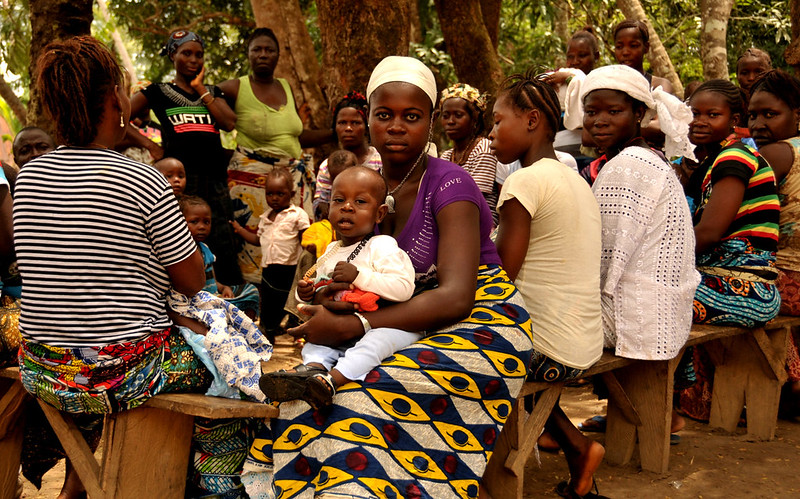 Sierra Leone has one of the highest global rates of maternal mortality and an overwhelming number of these maternal deaths are due to preventable factors. In 2020, the maternal mortality ratio was 443 women’s deaths per 100,000 live births. Although this is incredibly lower than the rate in 2000, where 1,682 women died per 100,000 live births, there is still a way to go in reducing this number.
The Life for African Mothers Charity (LFAM) has been actively working on reducing the maternal mortality rate in Sub-Saharan Africa since 2005. LFAM is helping Sierra Leone through its essential programs and projects to lower the maternal mortality ratio.
What LFAM Does
In 2020, nearly 800 preventable maternal deaths occurred daily worldwide. A maternal death took place every two minutes; a further 95% of these deaths took place in low and lower-middle-income countries. LFAM provides tailored training to midwives in Sub-Saharan Africa through various means, such as skill-sharing workshops and medication distribution. The nonprofit has trained around 1,000 midwives and shipped five million tablets to date, contributing to the approximately one million women saved by the organization.
LFAM’s 15-Year Journey in Sierra Leone
In 2008, LFAM was called by the United Nations Population Fund to assist Sierra Leone and Liberia in reducing their Maternal Mortality Ratio. The U.N. had designated Sierra Leone as one of the most dangerous places on earth to have a baby. In 2009, LFAM started helping; medications to treat and prevent hemorrhages were sent to Sierra Leone and U.K.-based midwives traveled to share their skills and complete training programs.
LFAM is helping in Sierra Leone through its contribution to the resilience of the communities by empowering midwives and preventing post-partum hemorrhage. The initiative is positively impacting the country’s maternal health care.
LFAM’s Recent Workshop in Sierra Leone
In Sierra Leone, less than half of pregnant women receive care from experienced birth attendants. In response, the program has been helping the nation through several methods, including midwifery workshops. LFAM held a two-day event in January 2024, for midwives to attend. The event occurred at Kailahun District Hospital and 20 midwives and nurses participated in the workshop. This intense training event covered postpartum hemorrhage management, resuscitation scenarios and labor care guidance. The focus of these workshops is empowering individual midwives to save lives in low-resource settings.
Enhancing Service Reach
LFAM is helping Sierra Leoneans by distributing life-saving medications such as Misoprostol. However, this has been challenging. The nonprofit encountered challenges when ensuring these medications’ timely and safe delivery. Additionally, transporting supplies from the airport to the hospital and distributing them across the country posed logistical hurdles for several reasons, such as the state of the roads.
In a positive turn of events in January 2024, the organization received a contribution from a U.K. foundation for a new vehicle. This donation has allowed LFAM to revolutionize the way it transports medication and midwives as distribution efforts are simplified and accessibility is increased. This donation will hopefully lead to a further reduction in Sierra Leone’s maternal mortality rate as the effectiveness of LFAM’s work continually increases.
– Arabella Wood-Collins
Photo: Flickr
