• Link to X
  • Link to Facebook
  • Link to Instagram
  • Link to TikTok
  • Link to Youtube
  • About
    • About Us
      • President
      • Board of Directors
      • Board of Advisors
      • Financials
      • Our Methodology
      • Success Tracker
      • Contact
  • Act Now
    • 30 Ways to Help
      • Email Congress
      • Call Congress
      • Volunteer
      • Courses & Certificates
      • Be a Donor
    • Internships
      • In-Office Internships
      • Remote Internships
    • Legislation
      • Politics 101
  • The Blog
  • The Podcast
  • Magazine
  • Donate
  • Click to open the search input field Click to open the search input field Search
  • Menu Menu

Archive for category: Advocacy

Information and news on advocacy.

Advocacy, Global Poverty

How the World Bank is Changing the Way We Measure Poverty

World_Bank
Currently, poverty is considered apparent when someone lives on less than $1.25 a day, but some question the reliability of this simplistic measurement. Therefore, the World Bank has announced that a new commission will propose revisions to the International Poverty Line to account for the many components of poverty in every country.

It turns out that the way we have been thinking about poverty is in over-generalized terms. When the United Nations announced its post-2015 Sustainable Development Goals, first on the list was the eradication of poverty “in all forms.” The notion that global poverty is multi-faceted is becoming universally accepted, and is acknowledged by the Bank’s chief economist, Kaushik Basu, who said, “The Global Commission will advise us on other dimensions of poverty that the Bank should collect data on, track, analyze and make available to policymakers for evidence-based decisions.”

A more data-driven reason for revising the way we measure poverty comes from a 2011 price survey from the International Comparison Program, which analyzes economic activity and poverty in almost every country. But evaluating the data gets complicated; depending on how the data is used, the results vary greatly, showing either a dramatic decrease in poverty or little decrease. Prices and exchange rates are changing, so the $1.25 a day standard must account for this.

Another problem with the current International Poverty Line occurs when a country’s poverty level decreases; it can be dropped from the list of countries averaged to set the IPL, resulting in a skewed measurement of progress. In addition, economic comparisons among countries include the exchange of all goods, while assessing only some goods is significant for impoverished communities.

The commission advising the Bank will consist of 24 leading international economists, and the report will be finished by April 2016. The World Bank hopes that a revised IPL will increase the possibility of attaining its two goals; the first goal is to bring the number of impoverished people to less than 3 percent of the global population by 2030, and the second is to increase per capita income of the poorest 40 percent of each country’s population.

Alterations in the International Poverty Line will change the way we define poverty in the first place, impacting philanthropy everywhere. Basu said, “We expect the Commission report to be influential not only for our own work on poverty but also in shaping global research and policymaking on this most important challenge of our times.”

– Jordan Reabold

Sources: Devpolicy, World Bank 1, World Bank 2
Photo: Give A Billion
July 21, 2015
https://borgenproject.org/wp-content/uploads/borgen-project-logo.svg 0 0 Borgen Project https://borgenproject.org/wp-content/uploads/borgen-project-logo.svg Borgen Project2015-07-21 13:08:452020-07-08 16:09:45How the World Bank is Changing the Way We Measure Poverty
Activism, Advocacy, Global Poverty

Baseball Road Trip Raises Awareness for Global Poverty

Baseball Road Trip Raises Awareness for Global Poverty -TBP
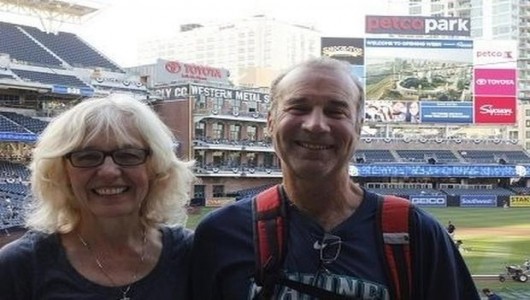
Baseball is America’s favorite pastime, and paying a visit to all 30 Major League Baseball parks in the country is surely on the bucket list of any fan of the game. Jodi and Jack Petrinovich of Washington state began their baseball road trip in April and plan to return home at the end of July, after visiting every park in the country.

What appears to be an all-American road trip at first glance, is actually much more. The Petrinovichs set out on their journey with an honorable mission: to raise awareness and spread the word about Unbound, a nonprofit organization that provides aid to people around the world living in poverty.

In 20 countries, Unbound provides the opportunity for people to become sponsors for children, young adults or elders. That sponsorship supplies families with the tools they need to become self-sufficient. By empowering others to succeed, Unbound lifts people out of poverty.

Ideally, the Petrinovichs would like to find a person at each baseball park who will sponsor a child. They themselves began sponsoring a young girl from Mexico several years ago, providing her with donations and two pen pals.

As natives of the Evergreen State, the couple generally represents the Seattle Mariners at each ballpark across the country. When the Mariners are not playing, this tends to spark conversation, providing the perfect gateway for the pair to inform others about Unbound and their admirable mission to get more people involved.

As their baseball journey reaches its final stages, the Petrinovichs have inspired 10 people to become sponsors for a child in need. The couple is lending a voice to the voiceless, hitting a major homerun in the eradication of poverty.

– Sarah Sheppard

Sources: Unbound, The News Tribune
Photo: The News Tribune

July 21, 2015
https://borgenproject.org/wp-content/uploads/borgen-project-logo.svg 0 0 Borgen Project https://borgenproject.org/wp-content/uploads/borgen-project-logo.svg Borgen Project2015-07-21 11:38:052024-12-13 17:51:50Baseball Road Trip Raises Awareness for Global Poverty
Advocacy, Global Poverty, Human Trafficking

Break the Chains Raises Awareness of Human Trafficking

break_the_chains
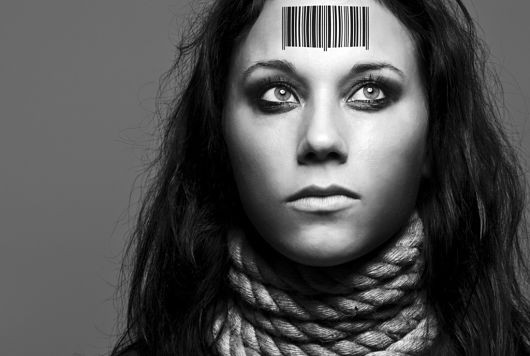
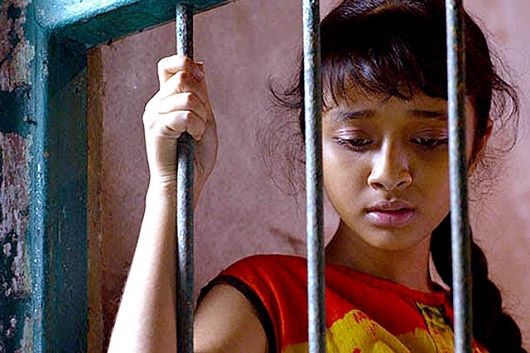
Fear dominates the lives of young girls who live in brothels. They are silenced and commanded by an oppressor who beats, rapes and threatens them. They are sold and minimized to property. With this lifestyle, how can they hope for freedom, or even hope?

On July 2, 2015, Mike Rutter and George Cook completed a 3,000-mile bike ride across the United States. Their reason for the 40-day ride? To raise awareness of human trafficking victims and extreme poverty.

The pair began their endeavor in Santa Monica, California on May 24. The cycling tour, Break the Chains, was a mission to raise money and attention for victims of poverty and violence.

According to the U.S. Department of State, 600,000 to 800,000 people are trafficked across international borders each year.

George Cook says he first realized this was such a problem when he was 13 and noticed shackles hanging in a money manager’s office. The manager told him, “Oh, those are for a slave.” Cook says he was dumbfounded, thinking “Lincoln freed the slaves,” so where were they now? The manager responded, “Well it’s going on all over the world with people being bought and sold and held in captivity.”

Like Cook, Rutter also learned about human trafficking and poverty firsthand. Remembering his first trip to India, he says, “[A child] begged me for his survival. He was surrounded by other children just like him—a generation plagued by the cycle of poverty, something most of us can’t understand.”

Rutter said, “We are simply riding a bike, but through that simple act, we have the opportunity to change a life.”

Working with Bright Hope, an organization that strives to offer opportunity and hope to those who live on less than one dollar a day, the pair provides voices for the victims who are unable to speak for themselves.

On their 40-day bike ride, the pair was followed by a 24-foot RV that was painted with the Break the Chains logo. At every stop, the men received questions and interest.

When asked how they powered through 90 miles each day in varying weather elements, Rutter said, “The girls we are trying to do this for, they don’t have a choice what’s happening to them that day so we’re going to plow ahead.”

To help motivate them further, they ride with pictures of the girls with their stories written on the back. Rutter said it was a reminder that although they may be going through a bit of pain, “it’s nothing compared to the pain that these victims go through on a daily basis.”

Throughout their tour, Cook and Rutter hoped to raise $1 million. With these donations, they plan to train more police officers to bring brothel owners to justice, as well as establish rehabilitation centers for the children that they rescue.

Cook recognizes the correlation between poverty and human trafficking. He says, “Where there is poverty, people do not have the money to pay for a detective or prosecutor. They don’t have money and can barely survive so they get taken advantage of.”

In addition to working with Bright Hope, the pair works closely with the International Justice Mission (IJM), which rescues and assists victims of violence.

On July 2, Cook and Rutter completed the 3,000 miles in Sandy Point State Park in Maryland. They raised $256,592 dollars.

To learn more or donate to the cause, visit BrightHope.org.

– Kelsey Parrotte

Sources: Facebook, International Justice Mission, Youtube, The Emporia Gazette, Wish TV
Photo: Cops

July 21, 2015
https://borgenproject.org/wp-content/uploads/borgen-project-logo.svg 0 0 Borgen Project https://borgenproject.org/wp-content/uploads/borgen-project-logo.svg Borgen Project2015-07-21 11:03:252024-12-13 17:51:50Break the Chains Raises Awareness of Human Trafficking
Advocacy, Charity, Global Poverty

How Sevenly Raises Awareness and Funds Through Art and Design

Sevenly’s Socially Conscious Brands-TBP
Sevenly has become an outlet to create awareness about different causes around the world and collect funding.

They team up with different charities and organizations to create purchasable art. Every purchase that a person makes results in a donation to charity. People can buy shirts, prints, special edition products and many other things in the Sevenly Finds collection.

Every week, Sevenly chooses a certain charity and organization and gives $7 of each purchase to that charity.

The apparel company was founded in 2011 and, according to an article published by Mashable, Sevenly sold 864 shirts in their first week, raising $6,125 for charity. Sevenly’s mantra is “People Matter,” and they focus on promoting the causes of the charities they work with by creating videos that explain the mission of each one.

According to an article published by the Los Angeles Times, Sevenly makes donations to seven causes—anti-slavery, clean water, hunger relief, medical help, disaster relief, miscellaneous aid and anti-poverty.

Every week that Sevenly chooses a charity, their designers create typography and images that they can put on their t-shirts, bags, hoodies and different products. These products are sold for seven days to raise money for the cause that they are supporting that specific week.

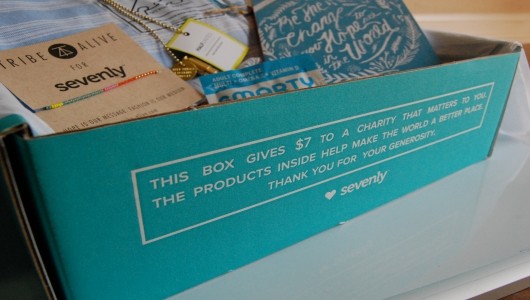
Sevenly also created a project in which each subscribed customer receives a box of different goodies worth $150 of Sevenly’s socially conscious brands. Seven percent of each CAUSEBOX purchased is donated to various charities and world-changing causes.

According to Sevenly’s CAUSEBOX website, the CAUSEBOX is a way to provide meals, education, jobs, water and many other necessities to people around the world that are in need.

A PRWeb’s article mentions that Sevenly’s CAUSEBOX products are specifically created for this box. Each subscriber will have this box delivered every three months and there are two options for subscriptions. Customers can subscribe in a quarterly subscription of $54.95 per box or in an annual subscription of $199.80 that includes 4 boxes a year for $49.95.

Another part of the CAUSEBOX by Sevenly is that subscribers can choose the charity to which their donation goes.

Fans and CAUSEBOX subscribers are able to share their thoughts and love for the causes that this box supports by joining the community with #CAUSEBOXLOVE in social media.

This apparel company has the purpose to support good causes around the world by generating awareness by the products they sell. From shirts and hoodies to jewelry and prints, Sevenly approaches these causes with the use of art and design and raises $7 for each bought product.

CAUSEBOX by Sevenly is a different approach that the company uses to spread awareness and donate to good causes around the world. It is more interactive in that, while subscribers obtain a box worth $150 of Sevenly’s socially conscious brands, they also get to select the cause to which they wish to donate.

– Diana Fernanda Leon

Sources: Mashable, Sevenly 1, Los Angeles Times , Sevenly 2 , PR Web
Photo: Blog

July 16, 2015
https://borgenproject.org/wp-content/uploads/borgen-project-logo.svg 0 0 Borgen Project https://borgenproject.org/wp-content/uploads/borgen-project-logo.svg Borgen Project2015-07-16 07:52:302024-06-05 03:46:37How Sevenly Raises Awareness and Funds Through Art and Design
Advocacy, Global Poverty

7 Songs in Spanish about Poverty

Songs-in-Spanish-About-Poverty

There are plenty of Latin songs from different countries such as Mexico, Puerto Rico, Cuba and Colombia that address the poverty and hunger situations that the countries are going through.

Many of these songs, more than only addressing a situation of poverty, address political disadvantages and the corruption that some of the Spanish speaking countries face.

These songs vary from sad ballads to rhythmic rap songs. Depending on the topic, some of these songs can have rude language to express frustration in regards to poverty and/or government corruption. Here are some more examples of songs in Spanish about poverty.

7 Songs in Spanish about Poverty

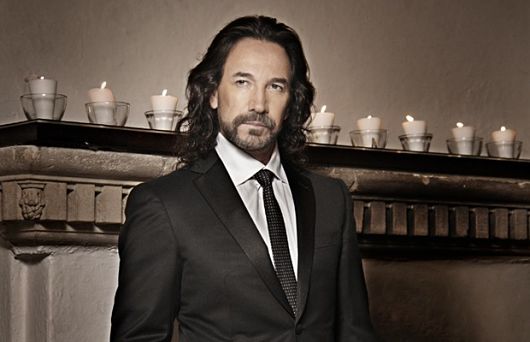
1. “Casas De Cartón” by Marco Antonio Solís

Que triste se oye la lluvia

en los techos de carton

que triste vive mi gente

en las casas de carton


Viene bajando el obrero

casi arrastrando sus pasos

por el peso del sufrir

mira que es mucho sufrir

mira que pesa el sufrir 

The lyrics of this song portray the situation of poverty that many people live under. Phrases like “que triste vive mi gente en las casas de carton” (how sad my people live in cardboard houses) and “viene bajando el obrero casi arrastrando sus pasos por el peso del sufrir” (the laborer is coming down dragging his feet because of the weight of his suffering) give a strong meaning to this song.

2. “La Carencia” by Panteón Rococó

Por la avenida va circulando

el alma obrera de mi ciudad

gente que siempre esta trabajando

y su descanso lo ocupa pá soñar

This is a ska song by a Mexican band that talks about the working class and how hard it is to make a living with a minimum wage and long hours of work. “Gente que siempre esta trabajando y su descanso lo ocupa pá soñar” (People that is always working and use their free time to dream) is a reference to the working class and their condition.

3. “Baile De Los Pobres” by Calle 13

Tú eres clase alta, yo clase baja

Tú vistes de seda, y yo de paja

Nos complementamos como novios

Tú tomas agua destilada, yo agua con microbios

Tú la vives fácil, y yo me fajo

Tú sudas perfume, yo sudo trabajo

Tú tienes chofer, yo camino a patas

Tus comes filete, y yo carne de lata

In this song, Calle 13 compares both upper and mid-upper classes to poor and working class people. “Tú sudas perfume, y yo sudo trabajo” (you sweat perfume and I sweat work) is one of the references that the song makes to mark the differences among the social classes. He puts himself in the shoes of a working class man to find the differences with upper classes.

4. “El Pobre” by Attaque 77

Y andas perdido entre las marcas de tus manos

miras tu ropa y la que usan los demás

miras la chica que nunca podrás tener

y el chico que aspira el tren mientras viaja en Poxiran.

Tal vez pueda ser, lo que te rodea lo que quieras lo escuchas

Un poco de suerte para el pobre

“El Pobre” (The Poor) is a song from the perspective of the poor. “Miras tu ropa y la que usan los demás” (you see your clothes and the one that the others wear) gives the listeners an insight to what “El Pobre” is wearing and how his clothes are different from those of the middle class.

5. “Gimme Tha Power” by Molotov

Que nos guachan los puestos del gobierno

Hay personas que se están enriqueciendo

Gente que vive en la pobreza

Nadie hace nada

Porque a nadie le interesa

This is mainly a protest song by the Mexican band Molotov against the government corruption and the situation of poverty. “Gente que vive en la pobreza, nadie hace nada por que a nadie le interesa” (People that live in poverty, no one makes anything because nobody cares) protests the conditions in which poor people are living and how the government is doing little to resolve this problem.

6. Que Canten Los Niños” by Jose Luis Perales

Que canten los niños que viven en paz

y aquellos que sufren dolor

que canten por esos que no cantaran

porque han apagado su voz.

This is a song of hope that references children singing about hope and gives a voice to those who cannot speak. “Que canten por esos que no cantaran porque han apagado su voz” (May they sing for those who won’t sing because they have silence their voice) is a way for the song to express the desire to give a voice to those who are silenced.

7. “El Baile De Los Que Sobran” by Los Prisioneros

Bajo los zapatos

Barro más cemento

El futuro no es ninguno

De los prometidos en los 12 juegos

A otros le enseñaron

Secretos que a ti no

A otros dieron de verdad esa cosa llamada educación

Ellos pedían esfuerzo ellos pedían dedicación

Y para qué

Para terminar bailando y pateando piedras

This song has a political meaning and references social inequality topics in Chile. “A otros dieron de verdad esa cosa llamada educación” (They really gave to others that thing called education) is a phrase of the song that marks the difference of social classes and social inequality by portraying the opportunities that some people have over others.

– Diana Fernanda Leon

Sources: SinEmbargo, 5 Canciones Sobre, 20 Minutos, Proyecto 100 Canciones
Photo: Domingo

July 15, 2015
https://borgenproject.org/wp-content/uploads/borgen-project-logo.svg 0 0 Borgen Project https://borgenproject.org/wp-content/uploads/borgen-project-logo.svg Borgen Project2015-07-15 10:35:382020-07-03 10:34:287 Songs in Spanish about Poverty
Activism, Advocacy, Education, Global Poverty

Should I Sign the Up for School Petition?

Up_for_School_Petition
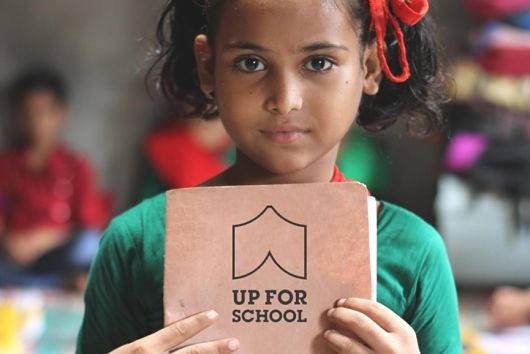
At the time of this posting, eight million people and counting have signed the Up for School Petition. These people want to make sure that children all over the world get an education — a good one. One that will help end the cycle of poverty.

This includes children displaced due to natural disasters or wars. This includes children living in poverty so bad that their parents cannot afford to send them to school, and the children themselves are forced to work. This includes girls who are married off as children or who are unmarried but get pregnant while still of primary or secondary school age or who have their period but no appropriate way to take care of the blood.

Up for School, a petition sponsored by A World at School, demands government leaders to fulfill their promise made at the U.N. in 2000, which guarantees all out-of-school children will be in school before the end of 2015. As Hellen Griberg, A World at School Global Youth Ambassador, reminded world leaders of the Up for School Petition at the Oslo Summit for Education Development on July 7, 2015, “We know that nothing changes without pressure. Therefore, we have been building support in every corner of the world.”

In 2000, 102 million primary school children were out of school. By 2011, the number dropped to 57 million. Progress was being made in developing countries. Primary school enrollment reached 90 percent. Literacy rates were on the rise and gender gaps were narrowing. In 2012, however, the number started rising again to 58 million children out of school. The number is still rising and has now reached 59 million.

Along with this increase in numbers is a decrease in funding. International aid to basic education started falling in 2011 for the first time since 2002. In 2014, only one percent of overall humanitarian aid went to education. Now progress is stalling, placing the 2015 target at great risk.

Yet education is crucial to overcoming poverty. The United Nations Children’s Fund considers education to be critical in achieving all the Millennium Development Goals. Education provides future generations with the tools to fight poverty, disease and gender disparity — all issues that need work in order for the world to improve the environment, the economy and our security. From the midst of today’s primary school children, our future leaders will emerge — our educators, doctors, scientists, economists, heads of state and all the others who will be needed to support a developed world. We may not know them by name now, but one day they will be making decisions about our world.

“Sometimes we wait for others and think that a Martin Luther [sic] should raise [sic] among us, a Nelson Mandela should raise [sic] among us and speak up for us. But we never realize that there are normal humans like us, and if we step forward, we can also bring change just like them,” asserted the Nobel laureate, Malala Yousafzai, on the June 18, 2015 airing of The Daily Show. Yousafzai is the survivor of the Taliban’s assassination attempt in 2012 for openly supporting girls’ right to education.

Why should I sign the Up for School Petition? I cannot think of a reason why anyone should not — or cannot. Most of us may not have had a voice at the Oslo Summit for Education Development on July 6-7, 2015 or at the International Conference on Financing for Development in Ethiopia on July 13-16, 2015. We also will not have the opportunity to speak at the U.N. Summit to adopt the post-2015 development agenda on September 25-27, 2015. What we can do, though, is visit the Up For School Petition website to sign the petition now. I just did. It took three minutes.

– Janet Quinn

Sources: United Nations 1, United Nations 2 UNICEF, UpWorthy, A World at School 1, A World at School 2
Photo: A World at School

July 15, 2015
https://borgenproject.org/wp-content/uploads/borgen-project-logo.svg 0 0 Borgen Project https://borgenproject.org/wp-content/uploads/borgen-project-logo.svg Borgen Project2015-07-15 10:28:532024-06-04 03:53:06Should I Sign the Up for School Petition?
Advocacy, Global Poverty, Human Rights

Newly Formed “Sports & Rights Alliance” Advocacy Group

Newly Formed "Sports & Rights Alliance" Advocacy Group-TBP
The Sports & Rights Alliance (SRA) is a newly formed coalition of NGO’s focused around preserving human rights in relation to global sporting events. The list of issues the SRA advocates for includes, but is not limited to: ending citizen displacement from sport infrastructure, imprisoning protesters, exploitation of workers, unethical bidding practices and environmental destruction.

The SRA is composed of various international NGO’s such as Amnesty International, FIFPro – World Players’ Union, Football Supporters Europe, Human Rights Watch, the International Trade Union Confederation, Supporters Direct Europe, Greenpeace, Transparency International Germany and Terre des Hommes.

This past February, the SRA penned a letter to the President of the International Olympic Committee (IOC) stressing an adherence to the principles regarding the 2020 and 2024 games. The approved standards mandated by the International Labor Organization was a point of emphasis in addition to increased oversight and inspections for human rights conditions. For the bidding process, the letter requested robust efforts to maintain and enforce ethical business and anti-corruption in choosing a host city.

The IOC met this past February in Brazil to discuss “Agenda 2020,” the strategic outline for the future of the Olympics, which was passed by the committee in December of 2014. The closing of bid registration for the 2024 Olympic games is set for September of 2015 so the timing is most appropriate.

Many recent international games have come under intense scrutiny for similar violations. Free speech issues and poor treatment of their LGBT community has cast many questions and doubts regarding Russia’s selection as 2018 World Cup host. The 2008 Beijing Olympics and the 2014 Sochi Winter Olympics were tarnished due exploitation of workers, suppression of free speech and corruption. The SRA cites these as examples of a divergence from what international sport and competition should stand for and symbolize.

Additionally, the inaugural European Games are currently being held in Baku, Azerbaijan causing concern and objection throughout the continent. The country has a questionable human rights record and in recent months, government protesters, human rights advocates and international journalists have been detained and imprisoned on inflated charges. This causes great concern for the international community and for Europe in particular.

Another letter written to the President of the European Olympic Committee stressed the immediate and unconditional release of all current activists and journalists who are imprisoned. Furthermore, the letter called for an end to ongoing intimidations, detainments and persecutions of the aforementioned individuals.

FIFA’s selection of Qatar as the 2022 World Cup host has also been met with serious concern and criticism. In lieu of a pre-existing Football infrastructure, the country has relied upon migrant laborers to build multiple stadiums to host the Cup. This arrangement of labor is common throughout the Arabic Peninsula and known as the “kafala” system and is likened to modern day slavery.

FIFA has been inconsistent in their actions to condemn working conditions. The organization has stated their concern for the workers welfare, but also deny responsibility for their treatment. Referring to the government contractors, FIFA President Sepp Blatter, is quoted as saying “they are responsible for their workers.”

Before the FIFA Presidency election, the SRA wrote to President Sepp Blatter and his three opponents citing their grave concern for the condition of the workers. The letter included a questionnaire about their views on the current state of human rights in their sport. It also called for the victor in the election to take action to rectify any violations in the first 100 days of their presidency.

The SRA has proven to quickly become a powerful voice in international sports relations and gathered a following through their advocate efforts. Regarding the allegiance to human rights principles, the SRA have consistently ended their letters by saying, “All these standards should not be based on goodwill, but must be non-negotiable and absolutely binding for all stakeholders.”

– The Borgen Project

Sources: The Globe And Mail, Human Rights Watch 1, Human Rights Watch 2, The Guardian
Photo: The Guardian

July 13, 2015
https://borgenproject.org/wp-content/uploads/borgen-project-logo.svg 0 0 Borgen Project https://borgenproject.org/wp-content/uploads/borgen-project-logo.svg Borgen Project2015-07-13 14:01:082022-01-19 00:41:48Newly Formed “Sports & Rights Alliance” Advocacy Group
Activism, Advocacy

The Movement to End Child Trafficking in India

Bachpan-Bachao-Andolan-End-Child-Trafficking

Bachpan Bachao Andolan, one of the largest organizations in India that fights child labor and trafficking, filed a complaint on June 24, claiming that there is child labor occurring in south Delhi.

The district task force and a team of police carried out a raid and rescue operation in various south Delhi restaurants, clothing stores and jewelry stores. 24 children were rescued; 16 were between the ages of 10-14, and the rest were no older than 18.

According to the BBA website, in the last month the organization has rescued 124 trafficked children “working as bonded labors across occupations and processes like Zari units, jeans and garment outlets, shoes and slipper units, eating joints and bindi-making units.” These children worked long hours, often between 12 to 14 hours, without any wages.

“Child laborers continue to work across the capital despite various laws and directions of the court,” said BBA chairperson R.S. Chaurasia. “Thousands of children are still working in the small eating joints and hotels. More painful is the fact that adults working in thousands of shops and factories are not getting the prescribed minimum wage, making them send the children to such places.”

Children are often trafficked from vulnerable countries when they face desperation, a lack of basic resources and the promise of a better future. A 15-year-old boy from Nepal was convinced by a distant relative (who ended up being a trafficker) to leave his hometown and come to Delhi for employment and money that could help the family back home in Nepal. “After the earthquake in Nepal, conditions in my hometown were very difficult,” said the boy. “Me and my family were left with no work, no money and food.”

This boy (whose name has been withheld for anonymity) worked at a small hotel in Delhi under very inhumane conditions. His hands were severely wounded after long hours of cutting vegetables and cleaning pots and pans in the kitchen, but his “employers” failed to provide him with medical services. His cuts were crudely and cheaply stitched together at a local place.

According to the BBA website, “Hundreds of millions of children throughout the world are engaged in work that deprives them of adequate education, health, leisure and basic freedoms, violating their rights. Of these children, more than half are exposed to the worst forms of child labor, such as work in hazardous environments, slavery or other forms of forced labor, illicit activities such as drug trafficking and prostitution, as well as involvement in armed conflict.” Child trafficking in India is a dire issue, especially today.

Bachpan Bachao Andolan is India’s largest grassroots movement to end the trafficking of children in India and to provide children with their basic human rights. Since October 2014, BBA has rescued over 83,500 trafficked children, enslaved children and children oppressed under child labor. BBA also helps these children assimilate into society after they are freed, helping them regain trust.

BBA was established by Kailash Satyarthi in 1980, when child labor was not recognized as a problem by the Indian government, media and public discourse. Since the organization’s beginnings, it has focused its efforts largely on the rescue operations of children in various dangerous environments such as brick kilns, stone quarries and carpet factories. It also runs rehabilitation centers for these rescued children.

BBA has demanded policy changes in government legislation to address child labor and anti-trafficking laws. The Supreme Court of India first addressed child labor and trafficking when an appeal was submitted in April 2011 by BBA. Since then, the Indian government has ratified the Palermo Protocol, and laws have been incorporated into the Criminal Law Amendment Ordinance.

– Margaret Anderson

Sources: BBA 1, BBA 2, IB Times
Photo: The National

July 8, 2015
https://borgenproject.org/wp-content/uploads/borgen-project-logo.svg 0 0 Borgen Project https://borgenproject.org/wp-content/uploads/borgen-project-logo.svg Borgen Project2015-07-08 17:45:232024-05-27 09:25:44The Movement to End Child Trafficking in India
Advocacy, Global Poverty, Nonprofit Organizations and NGOs, Philanthropy

Jobs in Corporate Philanthropy and How to Get Them

corporate_philanthropy
There is overwhelming kindness in this world despite the cynics who doubt its existence. Kindness admires charitable work, but many people are unaware of the job opportunities afforded to them for pursuing that line of work. There is a strong drive for schools to support charitable organizations and give students a taste for it through volunteering.

Volunteering through schools is a wonderful way for students to network. More often than not, they learn a great deal about themselves by doing so. Maybe this is the kind of work that those great minds will want.

But, in order to get those kinds of jobs after volunteering, one must be adaptable. Change is the only way to make a positive difference, and to be open to change is to be open to new ideas. The job will always be a learning experience.

Also, reading and writing, no doubt, are very important skills. There are reasons why these are taught at such an early age. Those who write well and practice their writing often will be able to successfully compose reports and evaluations and better communicate with donors, grantees and colleagues. Also, analyzing proposals and interpreting data will have to be done in order to better communicate results. Communication skills as well as research skills are a must. Those who are best able to communicate their positions as well as stay informed in their field have a significant advantage.

Another qualification, of course, is the ability to comply with the law. There are laws that govern philanthropic associations specifically at all levels. The California Nonprofit Act of 2004, for example, states “Charitable corporations with assets of $2 million or more must prepare annual financial statements audited by an independent certified public accountant (CPA). The statements must use generally accepted accounting principles. The independent CPA must follow generally accepted auditing standards.” While, this particular kind of law might not be needed for every philanthropic position, it is useful to know that there are existing regulations.

There are many corporate philanthropy jobs, and people with all different skillsets are qualified for them. Here is a list of jobs that one can expect to find as an advocate for, and prospective employee of, a philanthropic association:

Grants Management: Director of Grants Management, Grant Manager

Charitable organizations receive grants as donations and give grants in return for advocacy, and it is up to these people to manage that money and keep it in check. Directors are generally more concerned with long-term planning and strategies for the future. The managers monitor grants and maintains grant reports.

Research Director, Associate, Librarian

They are in charge of researching and preparing reports pertinent to the organization that they represent. They assist all other employees in being fully informed of changes that occur within their concerns.

Director of Donor Services, Advancement Officer, Gift Planning

Donors, especially those who routinely give large sums, ideally wish for returns on their investments. Those returns can be in the form of tangible gifts or maybe a detailed report on where their money is going. This is yet another department that manages the foundation’s assets.

Human Resources: Receptionist, Office Manager, Recruitment Official, Computer Professionals, Director of Informational Services

These positions can be found in most large corporations, even nonprofits! These administrators manage the day-to-day life of the company or organization ensuring that information is distributed to other employees, donors, volunteers — anyone involved.

Communications/Public Relations

These are the people in charge of distributing information to the public regarding their cause/foundation whether they are snail-mail flyers or brochures in a hotel.

Program Director, Program Officer, Program Associate

Similar to the Grants Management personnel, they are in charge of analyzing grant proposals and managing grant making programs. They also conduct background research and help to organize and manage events put on by the foundation.

Finance

They manage assets and accounting, work with the treasurer and deal with all financial statements. So, when the foundations want to give a grant in exchange for advocacy, they go through this department.

Senior Management and Foundations Board

They oversee the inner-workings of the entire association. They have the uppermost abilities to make strategic decisions. A first-time jobseeker might not pursue this kind of position, however it is important for them to understand exactly what their position is in relation to other employees.

– Anna Brailow

Sources: California Registry of Charitable Trusts, Law Crossing, Philanthropy Network
Photo: VolunteerHub

July 8, 2015
https://borgenproject.org/wp-content/uploads/borgen-project-logo.svg 0 0 Borgen Project https://borgenproject.org/wp-content/uploads/borgen-project-logo.svg Borgen Project2015-07-08 08:07:522024-06-05 03:46:36Jobs in Corporate Philanthropy and How to Get Them
Activism, Advocacy, Philanthropy

7 Traits of Philanthropic People Who See Success

traits_of_philanthropic_people

Philanthropic people strive to promote the welfare of others through the donation of money, property or services. They come from all sorts of socioeconomic backgrounds, but there are several common character traits of philanthropic people who have seen success in their pursuits:

1. They are altruistic.
Philanthropic people show selfless concern for the welfare of others and venture to alleviate the struggles of others without seeking anything for their own personal benefit. Truly philanthropic acts are done without expectation of compensation or recognition of one’s efforts.

2. They are empathetic.
Philanthropists tend to be empathetic toward the struggles of others. They feel an obligation to do what is in their power to combat these struggles because they view the problems and the hurt that comes with them as their own.

3. They have heightened social awareness.
Philanthropic people tend to have great awareness of their surroundings. Not only are they open to opposing views and new ideas, but they also seek to understand the motivations and obstacles of others in order to better understand their needs and how they can best best be satisfied.

4. They are far-sighted.
People who want to make positive change in the world tend to look far into the future. They want to make a lasting impact on society rather than temporarily fixing a problem, and recognize that they must direct their efforts accordingly. They realize that in order to make significant societal change, it is crucial to address underlying structural issues by investing in long-term solutions.

5. They are politically involved.
In order to make structural changes in society, it is also necessary for philanthropists to advocate for political change. That is why many successful philanthropists are known to be advocates. They tend to recognize that while it is important to invest in programs that are shown to produce tangible results, advocacy is also important because it allows progress on a broader scale.

6. They are issue-oriented.
Successful philanthropists seek specific causes to support rather than organizations. They first identify something they would like to see happen in the world and then they go out to look for organizations that can best make this vision a reality. They recognize that specific organizations may be able to tackle one aspect of the problem best and then look for other groups to work on other aspects of the issue. They maintain a holistic view of the issue and use many tools to catalyze these changes.

7. They are business-minded.
Many philanthropic people look at their contributions as investments in society and the economy. They want their money and resources to be used efficiently and in an organized-manner in order to promote self-sustaining change. Accordingly, successful philanthropists look at issues through a business-lens, treating their philanthropic work with the same work ethic as they would their business. Just as they would to promote a business goal, successful philanthropists also capitalize on their resources, drawn upon their networks and use their position in society to promote a cause. This broad view pushes them not to focus solely on contributing to nonprofit organizations, but also to expand their support to for-profit business and legislative initiatives that will propel the cause forward.

– Arin Kerstein

Sources: Academic Impressions, Forbes, Long Beach Business Journal, PC World
Photo: Smarter Finance Journal

July 7, 2015
https://borgenproject.org/wp-content/uploads/borgen-project-logo.svg 0 0 Borgen Project https://borgenproject.org/wp-content/uploads/borgen-project-logo.svg Borgen Project2015-07-07 10:03:562024-06-05 03:46:357 Traits of Philanthropic People Who See Success
Page 45 of 77«‹4344454647›»

Get Smarter

  • Global Poverty 101
  • Global Poverty… The Good News
  • Global Poverty & U.S. Jobs
  • Global Poverty and National Security
  • Innovative Solutions to Poverty
  • Global Poverty & Aid FAQ’s
Search Search

Take Action

  • Call Congress
  • Email Congress
  • Donate
  • 30 Ways to Help
  • Volunteer Ops
  • Internships
  • Courses & Certificates
  • The Podcast
Borgen Project

“The Borgen Project is an incredible nonprofit organization that is addressing poverty and hunger and working towards ending them.”

-The Huffington Post

Inside The Borgen Project

  • Contact
  • About
  • Financials
  • President
  • Board of Directors
  • Board of Advisors

International Links

  • UK Email Parliament
  • UK Donate
  • Canada Email Parliament

Get Smarter

  • Global Poverty 101
  • Global Poverty… The Good News
  • Global Poverty & U.S. Jobs
  • Global Poverty and National Security
  • Innovative Solutions to Poverty
  • Global Poverty & Aid FAQ’s

Ways to Help

  • Call Congress
  • Email Congress
  • Donate
  • 30 Ways to Help
  • Volunteer Ops
  • Internships
  • Courses & Certificates
  • The Podcast
Scroll to top Scroll to top Scroll to top