• Link to X
  • Link to Facebook
  • Link to Instagram
  • Link to TikTok
  • Link to Youtube
  • About
    • About Us
      • President
      • Board of Directors
      • Board of Advisors
      • Financials
      • Our Methodology
      • Success Tracker
      • Contact
  • Act Now
    • 30 Ways to Help
      • Email Congress
      • Call Congress
      • Volunteer
      • Courses & Certificates
      • Be a Donor
    • Internships
      • In-Office Internships
      • Remote Internships
    • Legislation
      • Politics 101
  • The Blog
  • The Podcast
  • Magazine
  • Donate
  • Click to open the search input field Click to open the search input field Search
  • Menu Menu

Archive for category: Advocacy

Information and news on advocacy.

Global Health, Global Poverty, Technology

Using AI to Support Maternal Health in Pakistan

How A Scientist Is Using AI to Support Maternal Health in Pakistan Pakistan has one of the highest maternal mortality rates in South Asia. Despite being a signatory to Agenda 2030, the country still lags considerably behind in achieving the Sustainable Development Goals (SDGs). Approximately 20% of the deaths that occur among women of childbearing age are related to maternal complications.

Dr. Maryam Mustafa, assistant professor of computer science at Lahore University of Management Sciences and co-founder of Awaaz-e-Sehat (“Voice of Health”), is harnessing speech-based artificial intelligence to revolutionize maternal health in Pakistan. Funded by the Gates Foundation’s Grand Challenges, her AI app enables under-resourced frontline maternal health workers to record and assess patient information by talking into a smartphone.

Maternal Health Challenges in Rural Pakistan

Maternal health in Pakistan faces serious obstacles, especially in rural areas where women lack access to skilled care. Pakistan Maternal Mortality Survey 2019, conducted by the National Institute of Population Studies and funded by the United States Agency for International Development (USAID), reveals considerable demographic differences between rural and urban areas of Pakistan.

The maternal mortality ratio (MMR) is nearly 26% higher in rural areas than in urban areas due to a major difference in health care services provided to people living in urban areas as compared to those living in distant regions. In addition, delays in medical care during obstetric complications are another factor that leads to maternal deaths. Every year, thousands of women die from causes like bleeding, infections and high blood pressure during pregnancy. In Pakistan, an estimated 154 women die per 100,000 live births. Globally, maternal mortality has decreased by approximately 40% since 2000; however, this progress has slowed.

How Awaaz-e-Sehat Works

In many clinics, doctors and nurses only have a few minutes to spend with each patient. Symptoms, like swelling, headaches or blurred vision, can go unnoticed. Awaaz-e-Sehat helps by guiding health workers through structured questions in Urdu or other local languages before digitally saving each response. The app also analyzes responses for warning signs, such as high blood pressure or anemia and sends automatic alerts if a patient is at risk. The tool was tested at Shalamar Hospital in Lahore, where it supported care for 500 pregnant women in its early phase.

Helping Women at Home

Not all women in Pakistan can regularly travel to clinics for checkups. To help bridge this gap, Awaaz-e-Sehat also works through WhatsApp. Pregnant women can respond to voice messages from home, answering simple health questions. Artificial Intelligence (AI) reviews their responses and if something seems wrong, a health worker receives a prompt to follow up.

Making a Difference

After several months of use, the Awaaz-e-Sehat team saw a clear improvement in early risk detection. The tool helped identify health concerns in about 40% of patients, compared to only 7% in traditional short visits, highlighting a notable step forward in maternal health in Pakistan.

What Comes Next

Dr. Mustafa and her team plan to expand Awaaz-e-Sehat across more clinics and provinces. By collaborating with hospitals, health organizations and the government, they aim to provide AI-powered support to a broader range of health workers and expectant mothers. Their goal is to help Pakistan reach the United Nation’s (U.N.) target of fewer than 70 maternal deaths per 100,000 live births by 2030. 

– Anna Chiaradonna

Anna is based in Philadelphia, PA, USA and focuses on Good News and Politics for The Borgen Project.

Photo: Flickr

July 17, 2025
https://borgenproject.org/wp-content/uploads/borgen-project-logo.svg 0 0 Precious Sheidu https://borgenproject.org/wp-content/uploads/borgen-project-logo.svg Precious Sheidu2025-07-17 01:30:382025-07-16 13:52:23Using AI to Support Maternal Health in Pakistan
Global Health, Global Poverty, Health

Expanding Health Care Access for Myanmar Refugees

Health Care Access for Myanmar Refugees Refugees from Myanmar face staggering levels of trauma, stress, and mental and physical health challenges, made worse by living conditions in refugee camps across Southeast Asia. The toll on health is especially severe, but telehealth offers hope by expanding health care access for Myanmar refugees.

The Crisis in Myanmar

Since 2017, nearly 1.5 million people have fled Myanmar amid the country’s humanitarian crisis, and 3.5 million are considered internally displaced. Most of these refugees are Rohingya Muslims from Rakhine State, who have lived without citizenship and faced persecution since 1962. Following the military coup in 2021, the military forced additional ethnic groups — including the Shan, Karen, and Kachin, among others —to flee their homes. Around 70% of the refugees are women and children. Many now live in overcrowded camps in neighboring Bangladesh.

The twin forces of violence and displacement have stripped Myanmar’s refugees of their homes, livelihoods, social support networks and health care, leaving them deeply impoverished. UNDP reported that as of 2024, nearly half the population in Myanmar lived below the poverty line, while 76% lived at or close to subsistence level, numbers which surged just in the three years since 2021.

As is common in conflict situations, access to health care is a luxury. This is due not only to cost and shortages of trained medical personnel, but also to the challenge of delivering proper care in temporary and scattered refugee camps.

In Cox’s Bazar refugee camp in Bangladesh, where most refugees have relocated, communicable and waterborne diseases run rampant, and mental health is severely impaired.

Telehealth as a Lifeline

Telehealth expands health care access for Myanmar refugees by connecting them with the care they need. The digital delivery of services simplifies the diagnosis, treatment, monitoring and follow-up for many physical and mental health conditions. Patients also do not have to travel as far — Cox’s Bazar is more than an hour by foot from the nearest health center, and clinics within the camp are understaffed and not always open 24 hours a day.

Within a few months of the military coup, the Ministry of Health of the National Unity Government launched its “Telekyanmar” initiative to provide telehealth services to people in Myanmar. The program’s telehealth clinics grew rapidly; by month three, almost all of Myanmar’s 330 townships had a telehealth clinic. As of May 2024, more than 71,000 people have registered with Telekyanmar, with over 178,000 consultations provided by both general practitioners and specialists.

The World Health Initiative, a U.S.-based nonprofit, also runs a program within Cox’s Bazar and at HOPE Field Hospital inside the camp since 2018. It provides a “specialized medical care that would otherwise not be available,”  drawing on the expertise of volunteer physicians across a range of clinical disciplines, as well as virtual care devices donated by Teladoc Health.

One such device, the wheeled and collapsible Teladoc Health Lite, includes a touchscreen interface, audio system, port panel and a storage compartment for peripherals like stethoscopes and privacy headsets — all enabling clear and seamless video and communication between doctor and patient. Even with subpar Internet connectivity, doctors from anywhere in the world can beam in from their own remote devices, according to the World Telehealth Initiative.

The Global Case for Telehealth

The benefits of telehealth cannot be overstated. Essential health care services remain out of reach for half of the world’s population because they are “inaccessible, unavailable, unaffordable or of poor quality.” Every year, millions die from conditions that would be entirely preventable in high-income countries.

The poor suffer the most from this lack of access to critical health care, and telehealth offers a way to address this by enhancing and simplifying access to specialty providers.

Telehealth brings numerous other benefits:

  • Lower costs for patients and health systems
  • Increased flexibility in scheduling and delivery
  • Elimination of geographic distance
  • Facilitation of mental health support
  • Promotion of health equity
  • Decreased transmission of infectious diseases

The Future

Despite the advantages, challenges remain. Telehealth requires reliable Internet access, appropriate devices, and training for patients on device use and for providers on how to deliver care effectively. Language differences and cultural barriers can also complicate care delivery, and privacy worries are a reality for displaced persons who have not had the best relationship with authorities.

However, these obstacles are not insurmountable, given the ongoing, demonstrable improvements in the technology. Telehealth represents a promising approach with significant potential to expand health care access, improve health outcomes and help chart a pathway out of poverty for one of the world’s most vulnerable populations.

– Amanda Sablan

Amanda is based in Kensington, MD, USA and focuses on Technology and Global Health for The Borgen Project.

Photo: Flickr

July 16, 2025
https://borgenproject.org/wp-content/uploads/borgen-project-logo.svg 0 0 Naida Jahic https://borgenproject.org/wp-content/uploads/borgen-project-logo.svg Naida Jahic2025-07-16 03:00:102025-07-15 13:37:16Expanding Health Care Access for Myanmar Refugees
Africa, Disease, Global Health, Global Poverty

Malaria Vaccine in Burundi

Malaria vaccine in BurundiBurundi boasts of two capital cities, Gitega in Burundi’s center serving as the political capital, with Bujumbura to the southwest as the economic capital. Burundi is the second poorest country in the world as of 2025, with more than 80% of the population facing the risk of contracting malaria.

Background

Malaria is an infection that mosquitoes spread to humans, and is most commonly found in sub-Saharan Africa and other regions such as South America and Southeast Asia. While a healthy person can survive the infection, the people who face the most risk are children, the elderly, people with no prior immunity to the disease, and pregnant women. Malaria can spread from mother to unborn child, causing the child to contract the disease through birth. This can result in premature births, low birth weights, stillbirths, and miscarriages. Malaria is an epidemic disease in Burundi and the leading cause of death throughout the country, but thanks to a recent vaccine initiative, life in Burundi is taking a turn for the better.

Malaria in Burundi

According to a recent study on Burundi people accepting the malaria vaccine, nearly 55% of people surveyed expressed worry about side effects from the vaccine. People being wary of the malaria vaccine in Burundi is not surprising when considering the lack of available information about the vaccine. These fears, together with an unawareness of the vaccine at all, are the reason that the vaccine was not more readily available in Burundi.

The malaria vaccine is becoming much more available in Burundi thanks to the new Vaccine Independence Initiative. Throughout an information and exchange workshop in Bujumbura, Burundimany global health organizations sent representatives to “mobilize national decision-makers around the Vaccine Independence Initiative and to develop concrete recommendations for integrating the initiative into the country’s strategic and operational plans.” With this new initiative, the malaria vaccine will become the standard vaccination for children and adults, ensuring that everyone receives protection against the disease.

The Future

The introduction of the malaria vaccine to Burundi’s standard vaccine regimen could help to lessen malaria hospitalizations and reduce symptoms of infection. The vaccine itself is only the first step, and together with other methods of malaria prevention, it helps lessen rates of infection even more drastically.  For the people of Burundi, coupling the vaccine with mosquito nets can show a much lower rate of infection and severity of symptoms. Using the vaccine with mosquito nets and anti-mosquito spray has shown to lessen rates of infection even more.

Adding the malaria vaccine to the standard regimen that children receive has shown a 13% drop in child deaths. These statistics show that the war on malaria in Burundi is beginning to slow, and the people are on the winning side.

– Zoe Felder

Zoe is based in Charlotte, NC, USA and focuses on Good News and Global Health for The Borgen Project.

Photo: Flickr

July 15, 2025
https://borgenproject.org/wp-content/uploads/borgen-project-logo.svg 0 0 Naida Jahic https://borgenproject.org/wp-content/uploads/borgen-project-logo.svg Naida Jahic2025-07-15 03:00:082025-07-15 02:26:23Malaria Vaccine in Burundi
Disease, Global Health, Global Poverty

Expanding Somalia’s Vaccination Program

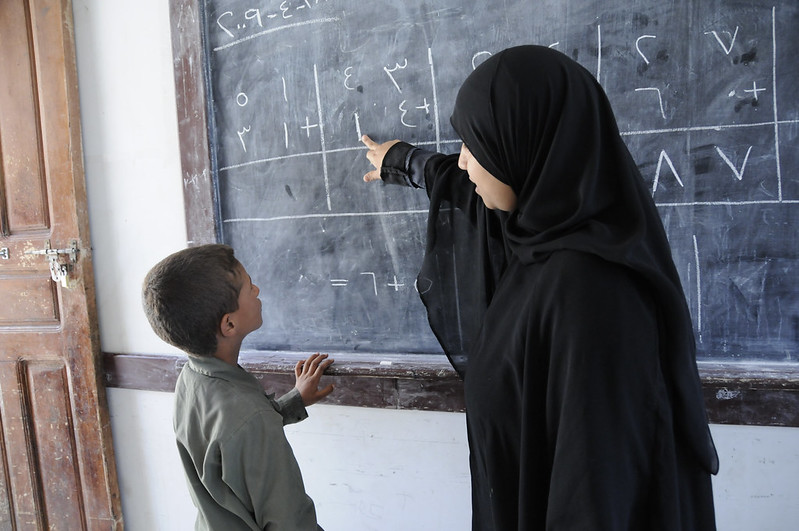
Somalia's Vaccination ProgramLack of health care accessibility has left Somalia with extremely low vaccination rates and high levels of child mortality. To combat this, the Somali administration has implemented national programs to amplify the routine vaccination of children against polio and measles. Recently, two vaccines are now also a part of the initiative’s coverage; rotavirus and the pneumococcal conjugate vaccine (PCV).
On the Ground

In Somalia, there is about a 10% chance that a baby of one month will not make it to the age of 5. This is largely due to low immunization rates, which are especially important for children, as they are more vulnerable to disease. High child mortality rates correlate with slow economic development, poor education and lack of government healthcare funding.

Historically, Somalia has had some of the lowest vaccination rates across the world; however, since its election in 2022, the Somali government is proving its commitment to lowering under-5 mortality rates by investing in nationwide immunization programs.

Somalia’s Vaccination Program

In 2022, the Somali government joined the U.N. and WHO to create the “Big Catch-Up” vaccination plan targeting polio and measles. The campaign achieved the vaccination of 3.2 million children under five against polio, and another 3.5 million against measles. More recently, in 2024, the Somali government implemented the Immunization and Polio Eradication Task Force (SIPE), a multi-agency initiative between the government, WHO and U.N. It also launched the Child Survival Forum to prioritize “zero dose” children, monitor progress and design action plans. An example of its success includes the nation-wide implementation of an electronic immunization registry to efficiently trace individuals’ vaccination records.

In April 2025, SIPE introduced two new vaccines to its agenda; the rotavirus vaccine and PCV. Rotavirus is deadly due to diarrheal effects which can severely dehydrate the child and cause malnutrition. Meanwhile, pneumococcal bacteria can lead to illnesses including pneumonia and meningitis, which are infections of the lungs and infections of the spinal cord and brain tissue, respectively. Together, vomiting, pneumonia and measles account for 43% of child deaths in Somalia.

Looking to the Future

Projections from 2023 suggest that by 2030, Somalia’s child mortality rate could see a decrease from 104 out of 1,000 newborns dying to approximately 91 out of 1,000. Additionally, Lives Saved Tool (LiST) projections show that accounting for both rotavirus and pneumococcal related illnesses, an estimated 28,974 lives could be saved and 1,309,326 cases could be averted between 2024 and 2030.

Government prioritization and financial investment in a robust national immunization initiative are already seeing success. Expansion since implementation, and partnerships with institutions including WHO, U.N. and Vaccine Alliance, prove Somalia’s commitment to a strong, lasting vaccination program for children. Ultimately, slow progress is better than no progress, and the impact of efforts to combat major social obstacles is best observed on a broader scale of time.

– Emily Galán

Emily is based in Edmonton, Canada and focuses on Global Health and Politics for The Borgen Project.

Photo: Flickr

July 13, 2025
https://borgenproject.org/wp-content/uploads/borgen-project-logo.svg 0 0 Naida Jahic https://borgenproject.org/wp-content/uploads/borgen-project-logo.svg Naida Jahic2025-07-13 03:00:272025-07-13 01:31:51Expanding Somalia’s Vaccination Program
Global Health, Global Poverty

LoCHAid and the Future of Hearing Aids in Developing Countries

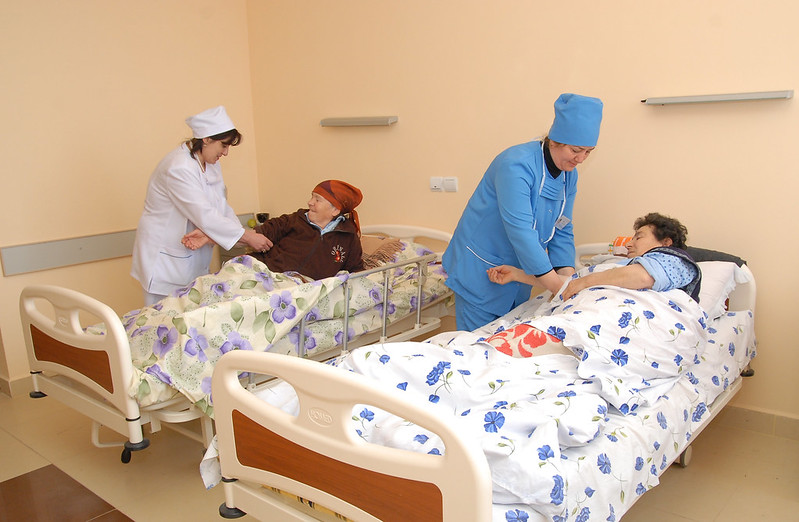
Hearing Aids in Developing CountriesAccording to the World Health Organization (WHO), one-fifth of the world suffers from some degree of hearing loss. Hearing impairment is especially prevalent in underprivileged regions, yet few have access to hearing aids in developing countries. The consequences of hearing loss can be extreme, including hindering communication, possibly involuntarily isolating an individual from their peers, creating higher risk for mental health issues, diminishing opportunities for education or employment and $980 billion spent on “health sector costs (excluding the cost of hearing devices), costs of educational support, loss of productivity and societal costs,” according to WHO.
Age-Related Hearing Loss (ARHL)

In particular, age-related hearing loss (ARHL) is a prominent problem globally, affecting 226 million elderly people. According to experts from Georgia Tech and Lamar University, ARHL is five times as common in many developing nations throughout Asia and Africa than in wealthier countries. Although no “cure” exists for ARHL to date, hearing aids often help alleviate its effects.

WHO estimates that only 3% of those who need it have adopted hearing aids in developing countries compared to 20% in higher-income countries. The number one barrier for not having hearing aids is its unaffordability.

LoCHAid’s Low-Cost Solution

LoCHAid has created hearing aids that cost less than $1 in components per hearing aid. However, this price fails to include assembly, which raises the price to $2.40 if bought from MacroFab, according to PLoS One article. Yet these numbers are still notable, especially in comparison with other products on the market and their several-thousand-dollar price tags. LoCHAid hearing aids can even be customized to every individual with 3D-printable features, and their target is specifically elderly patients with ARHL. Also increasing its accessibility is the fact that LoCHAid is sold over-the-counter instead of requiring a specialist, which is crucial for those who may not have such a resource available to them.

LoCHAid is unique in how well it treats ARHL acoustically. LoCHAid uses innovative open-source technology instead of requiring parts that are impossible to acquire. Plus, it uses inexpensive materials that still manage to be durable and effective.

Other Hopeful Solutions

Besides the recent invention of LoCHAid seeking to address the affordability of hearing loss technology, there are fortunately many organizations fighting for this cause.

The Global Foundation for Children with Hearing Loss (GFCHL) focuses on minimizing the impact of hearing loss in children around the world. With initiatives in Kenya, Bhutan, Vietnam, Mongolia, Nepal, and Ecuador, the Global Foundation for Children with Hearing Loss trains educators and families in early intervention for children suffering from hearing loss, helping them adapt with technology and communication lessons.

Nonprofits Hear the World Foundation and World Wide Hearing teamed up to screen 85,000 Peruvian kids and give 2,000 the hearing aids they needed.

Addressing Needs of Those in Poverty

As hearing loss is such a prevalent global poverty and exacerbated by lack of accessible resources in many developing countries, these affordable hearing aids in developing countries will transform lives for millions of hard-of-hearing people. By addressing their hearing impairment, these people will have new opportunities–from social to employment–open to them. This is especially important for those in poverty, providing a light at the end of the tunnel.

– Klara Jones

Klara is based in Los Angeles, CA, USA and focuses on Good News and Technology for The Borgen Project.

Photo: Flickr

July 12, 2025
https://borgenproject.org/wp-content/uploads/borgen-project-logo.svg 0 0 Naida Jahic https://borgenproject.org/wp-content/uploads/borgen-project-logo.svg Naida Jahic2025-07-12 07:30:262025-07-11 13:04:16LoCHAid and the Future of Hearing Aids in Developing Countries
Disease, Global Health, Global Poverty

New Center for Nuclear Medicine in Uzbekistan to be Established

Nuclear Medicine in UzbekistanCancer occurs in roughly 108 people per 100,000 people in Uzbekistan. Compared to the rest of the world, this rate is relatively low. However, Uzbekistan’s cancer mortality rate sits at around 67%, an alarmingly high number. Breast, stomach, and cervical cancers are the most common diagnoses. Luckily, Uzbekistan is working to change this.

New Nuclear Medicine Center in Uzbekistan

The Uzatom Agency, the Uzbek executive authority responsible for implementing state policy for atomic energy use, and the S. Berezin Medical Institute (MIBS) have formed a partnership to open a new medical center to introduce modernized nuclear medicine in Uzbekistan. This project was announced at the St. Petersburg International Economic Forum and will be supported by the Ministry of Health of the Republic of Uzbekistan.

Founded in 2003, the S. Berezin Medical Institute established networks of diagnostic centers and providing new diagnostic technology and treatment methods. MIBS operates more than 80 centers across 60 cities in the Commonwealth of Independent States (CIS). Annually, MIBS provides more than 1.5 million MRI and CT scans, as well as 4,000 examinations every day.

Focusing on Nuclear Medicine in Uzbekistan

The agreement between the Uzatom agency and MIBS aims to focus on implementing nuclear medicine in Uzbekistan as an integral part of improving and modernizing the country’s healthcare system, specifically its oncology care system.

The center will have new, state-of-the-art equipment for numerous procedures and services. It could have technology capable of performing positron emission tomography combined with computed tomography (PET/CT), magnetic resonance imaging (MRI), computed tomography (CT), and high-precision radiosurgery systems, like Gamma Knife and CyberKnife. There are also plans to equip the center with a laboratory for the production of radiopharmaceuticals, radioactive drugs used for diagnostic imaging and treatment. Additionally, the center will provide radionuclide therapy and perform isotopic-based diagnostic research.

This new nuclear medicine center will improve upon Uzbekistan’s health care system by providing doctors with the technology to detect cancer earlier than previously possible, track metastases, and treat a patient’s tumors and complex diseases rather than defaulting to surgery and painful operations.

Improving Uzbekistan’s Health Care System

This project is part of Uzbekistan’s goal to modernize its health care system and to start rolling out reforms by 2026.

A series of reforms have already been established in the Syrdarya region of the country. As of September 2023, some achievements of these reforms include the establishment of a state health insurance fund, a more structured primary health care (PHC) system, new provider payments and contracts with health facilities, and advanced e-health information systems for pharmacies.

A report by the World Health Organization (WHO) specifically emphasizes the successes of the PHC reform in Syrdarya. It holds the following accomplishments in high regard: expanded roles and increased autonomy for nurses, greater capacity for family doctors to spend more time on complex cases, evidence-informed clinical guidelines and protocols, and stronger connections between PHC teams and community health organizations.

More Efficient and Organized

The successful execution of these reforms has laid a foundation for a more efficient and organized health care system beyond Syrdarya and across Uzbekistan. With the introduction of centers for nuclear medicine in Uzbekistan and other healthcare reforms in the works, the country is making great progress towards its goal of modernizing its health care system and creating a healthier country.

– Hannah Fruehstorfer

Hannah is based in Pittsburgh, PA, USA and focuses on Good News and Global Health for The Borgen Project.

Photo: Flickr

July 5, 2025
https://borgenproject.org/wp-content/uploads/borgen-project-logo.svg 0 0 Naida Jahic https://borgenproject.org/wp-content/uploads/borgen-project-logo.svg Naida Jahic2025-07-05 01:30:432025-07-04 12:16:33New Center for Nuclear Medicine in Uzbekistan to be Established
Advocacy, Global Poverty, Indigenous Women

Women in Peru: The Fight for Indigenous Rights

women peruPeru’s flourishing mining industry has spurred economic development, but this has exacted a heavy toll on Indigenous communities, especially women. Indigenous women in Peru face heightened challenges due to extraction projects, including land loss, environmental degradation and gender-based violence. Nevertheless, their resilience and advocacy leadership have facilitated significant advancements for women’s rights in the country. Through legal actions and grassroots initiatives, Indigenous women are proactively safeguarding their lands and shaping policies. This article highlights their adversities and triumphs in conflicts such as the Conga Mine, Tía María, and oil spills in Loreto, while emphasizing the ongoing quest for justice.
Conga Mine: Máxima Acuña’s Stand for Land and Water

The Conga Mine, a gold and copper project in Cajamarca, posed a significant threat to four lakes that are essential for local water supplies. Máxima Acuña, a Quechua subsistence farmer, emerged as a symbol of resistance after she refused to cede her land to Newmont Mining. Despite facing violent eviction attempts, criminalization, and harassment, Acuña achieved a landmark court ruling in 2014 that halted the mine’s expansion. Her courage earned her the Goldman Environmental Prize and inspired a documentary.

Although the project remains on hold, her success underscores the potential for Indigenous women’s rights in Peru to prevail against corporate power. Grassroots organizations like GRUFIDES continue to back similar legal efforts, illustrating that local activism can have a global impact.

Loreto’s Oil Spills: Women Rise from Crisis to Leadership

In the Amazon, persistent oil spills from the state-owned Petroperú have contaminated rivers and severely impacted the Kukama Indigenous communities. Leaders like Flor de María Paraná have emerged as powerful advocates, establishing organizations to demand clean water, health care and remediation for the spills, ultimately securing a 2021 court order that mandated government action.

Their advocacy has transformed community leadership, with groups such as ONAMIAP pushing for policies that prioritize Indigenous women in environmental and health issues. These accomplishments illustrate how crises can catalyze progress in women’s rights in Peru.

A Path Forward for Women in Peru

In Peru, Indigenous women are transforming challenges into powerful advocacy, proving that grassroots initiatives can effectively address deep-rooted injustices. Despite persistent threats such as inadequate enforcement of prior consultations, gender-based violence, and demands for corporate accountability, their achievements serve as a model for meaningful change. As Peru strives to balance economic development with human rights, the leadership of Indigenous women is essential. Their struggle extends beyond issues of land and water; it envisions a future in which women’s rights in Peru are unequivocally upheld.

– Emilia Bartle

Emilia is based in Watford, UK and focuses on Good News and Politics for The Borgen Project.

Photo: Flickr

June 24, 2025
https://borgenproject.org/wp-content/uploads/borgen-project-logo.svg 0 0 Naida Jahic https://borgenproject.org/wp-content/uploads/borgen-project-logo.svg Naida Jahic2025-06-24 07:30:332025-06-23 10:44:05Women in Peru: The Fight for Indigenous Rights
Children, Global Health, Global Poverty

Spain Leads Infant Health Breakthrough Against RSV Infections

rsv infectionsSpain has emerged as a global leader in protecting infants from respiratory syncytial virus (RSV), launching a successful immunization campaign that dramatically reduced hospitalizations and intensive care admissions. According to Salut, the campaign cut ICU admissions by 90% and hospitalizations by 87%, while the overall number of RSV infections dropped by 68.9%.

In 2022, the European Union (EU) authorized the use of nirsevimab, the first monoclonal antibody (mAb) designed to prevent lower respiratory tract infections caused by RSV in newborns and infants during their first exposure to the virus. Carlos Rodrigo, clinical director of pediatrics at Germans Trias I Pujol Hospital in Badalona, praised the campaign’s acceptance rate. “The population’s acceptance rate was very high, as shown by the 87.7% coverage in Catalonia,” Rodrigo said. “If not surpassed, the expectations have been completely fulfilled.” Children under 6 months of age carry the highest risk and economic burden from RSV infections in Spain, making early prevention efforts especially critical.

Understanding RSV and Its Global Impact

RSV stands as one of the most common childhood infections and ranks as a leading cause of hospitalization in children under 5. Most children contract the virus by the age of 2. For infants and toddlers, RSV can cause serious symptoms, including breathing difficulties, low oxygen levels and dehydration. The virus plays a major role in global morbidity and mortality among children by driving epidemics of acute lower respiratory tract infections (RTIs). Recognizing this impact, Spain introduced its monoclonal antibody as a proactive measure to prevent severe RSV infections in infants and reduce strain on health care systems.

How Spain’s Monoclonal Antibody Strategy Works

Unlike vaccines that train the immune system over time, monoclonal antibodies like nirsevimab deliver immediate protection. This quality makes them especially useful during an infant’s first RSV season, when timely immunity matters most. Rodrigo emphasized the breakthrough: “The success of the measure is so evident that this year many other countries—such as the United States (U.S.), the United Kingdom (U.K.), Germany and Italy—will surely adopt it. The antibody is very well tolerated and the results are among the most spectacular ever seen in medicine.” He likened Spain’s RSV antibody rollout to historic breakthroughs such as penicillin or the polio vaccine. “It’s a huge, spectacular success,” he added, “a saving of suffering for parents and babies and of very high costs for the health care system.”

Building a Blueprint for Global Infant Health

Spain’s RSV prevention campaign offers valuable lessons for health policymakers worldwide. To replicate its success, health systems may need to plan proactively, ensure supply chains and implement targeted infant immunization strategies. Monoclonal antibodies may become key tools for protecting vulnerable populations, not only in Spain but worldwide. By prioritizing infant health and embracing innovative tools, Spain has made a significant leap forward in health care. Its model shows that with foresight and coordination, countries could reduce hospitalizations, protect children and ease the financial strain on health care systems.

– Abirame Shanthakumar

Abirame is based in Ontario, Canada and focuses on Global Health for The Borgen Project.

Photo: Unsplash

June 9, 2025
https://borgenproject.org/wp-content/uploads/borgen-project-logo.svg 0 0 Precious Sheidu https://borgenproject.org/wp-content/uploads/borgen-project-logo.svg Precious Sheidu2025-06-09 01:30:322025-06-07 14:04:06Spain Leads Infant Health Breakthrough Against RSV Infections
Disease, Global Health, Global Poverty

TB in India: Fighting a Poverty-Driven Epidemic

TB Resilience in India: Fighting a Poverty-Driven EpidemicRecently, India’s Tuberculosis (TB) control program has treated more than 19 million patients, yet the country still reports one of the highest TB burdens in the world. Tuberculosis remains the leading infectious disease in India and the growing threat of drug-resistant strains has intensified the challenge. Roughly 300 million Indians continue to live in extreme poverty, facing conditions that heighten their risk of infection, such as undernutrition, overcrowded housing and limited access to timely medical care. Despite these hurdles, a unified effort from the Indian government and global health partners is making measurable progress in reducing TB incidence and strengthening community resilience.

How Poverty Fuels Tuberculosis

India’s long-standing struggle with TB is closely tied to socioeconomic conditions. Families living in poverty often lack access to education, health services and basic sanitation. These ongoing challenges heighten the risk of infection and limit recovery. In recent decades, diseases such as malaria, HIV/AIDS and COVID-19 have similarly exposed how poverty worsens public health outcomes. Although conditions have not improved overnight, recent data shows progress. Between 2017 and 2022, India’s life expectancy and public health infrastructure improved steadily. The government and international partners have worked to strengthen the country’s TB response through increased funding and better community outreach.

Building Resilience Through Partnerships

Multiple global and domestic organizations have joined India’s fight against TB. These include the National TB Elimination Program (NTEP), the United States (U.S.) Centers for Disease Control and Prevention (CDC), the U.S. Agency for International Development (USAID) and SHARE INDIA. Together, they launched targeted programs such as TB Mukt Bharat (TB-Free India) to improve diagnosis, prevention and treatment. The CDC’s Expand ELEVATE  (E2) Project, for example, trained more than 3,000 data analysts in India. These professionals help health authorities track TB outbreaks and respond quickly. The project’s reach now includes more than 600 million people and plays a vital role in India’s health system resilience.

Innovation Driving Change

India has adopted new technologies to diagnose TB faster and monitor cases more effectively. These improvements allow health care workers to detect infections earlier, especially among HIV-positive patients, who face a higher risk and deliver treatment before complications arise. At the 2018 End TB Summit in Delhi, Prime Minister Narendra Modi committed to eliminating TB in India by 2025, five years ahead of the global goal at the time. Since then, the Indian government has increased investments in health care infrastructure and accelerated the rollout of new medical technologies.

Looking Forward

India’s TB response now serves as a model for other countries. The World Health Organization’s Global Tuberculosis Report predicts a 90–95% drop in TB mortality by 2035. Ongoing efforts to test, treat and prevent TB continue to save lives and reduce economic strain on vulnerable communities. By aligning policy, technology and community outreach, India shows that ending TB is within reach. With continued support from both national and international partners, the country moves closer to its goal of a TB-free future—one where poverty no longer determines health outcomes.

– Melody Aminian

Melody is based in Irvine, CA, USA and focuses on Global Health for The Borgen Project.

Photo: Flickr

June 6, 2025
https://borgenproject.org/wp-content/uploads/borgen-project-logo.svg 0 0 Precious Sheidu https://borgenproject.org/wp-content/uploads/borgen-project-logo.svg Precious Sheidu2025-06-06 01:30:272025-06-05 09:22:17TB in India: Fighting a Poverty-Driven Epidemic
Global Health, Global Poverty

A Clearer Future: Papua New Guinea Eradicated Trachoma

papua new guinea trachomaTrachoma is an infectious disease causing in-turning of the eyelids, visual impairment and often irreversible blindness. The disease is associated with crowded households and inadequate hygiene, access to water, and access to and use of sanitation, primarily affecting women and children within poor and rural regions. According to 2024 data, 103 million people worldwide live in trachoma endemic areas and are at risk of irreversible blindness. However, light is emerging from the dark. Following a 13-year-long struggle against the infectious disease, Papua New Guinea eradicated trachoma as a public health concern, as announced at the 78th World Health Assembly in Geneva.

About Trachoma

Trachoma is one of many neglected tropical diseases (NTDs) ― complex conditions prevalent among impoverished tropical areas and often transmitted through vectors, making them major public health concerns. Almost absent from the global health agenda, NTDs do not get enough resources and attention, perpetuating cycles of poverty, stigma and social exclusion within neglected populations

Trachoma is the leading infectious cause of blindness worldwide and is responsible for the visual impairment or blindness of more than 1.9 million people, according to the World Health Organization (WHO). The bacterium Chlamydia trachomatis spreads through personal contact, such as sharing beds, clothing, and surfaces, and by flies that have come into contact with discharge from the eyes or nose of an infected individual. The average immune system can overcome a single episode of infection but in endemic communities, infection re-occurs frequently, often leading to years of constant infection. If untreated, the infection can cause the eyelid to turn inward, resulting in pain, light intolerance, and eventually irreversible visual impairment or blindness.

Trachoma’s impact is especially harsh in remote and impoverished areas where access to care is limited. Prevalence rates are especially high among pre-school-aged children (as high as 60-90%), and due to greater contact with infected children, women experience trachoma blindness four times as often as men, WHO reports. Blindness and visual impairment cause significantly reduced productivity, the economic cost of which is estimated to be $8 billion per year

Global Elimination Strategies

As of October 21st 2024, 21 countries worldwide have successfully eradicated trachoma as a public health problem, including Cambodia, Ghana and Pakistan. These previously endemic countries implemented the WHO-recommended SAFE strategy, which encompasses:

  1. Surgery to treat trachomatous trichiasis (the blinding stage of the disease)
  2. Antibiotics to clear the infection (specifically mass administration of azithromycin)
  3. Facial cleanliness
  4. Environmental improvement (especially enhancing access to sanitation and clean water)

Papua New Guinea Elimination Strategy

Foundational efforts to eliminate trachoma in Papua New Guinea began in 2012, with organizations including Collaborative Vision, The Brian Holden Vision Institute and The Global Trachoma Mapping Project contributing towards the effort. However, surveys in Papua New Guinea revealed that despite signs of active trachoma in children, there were very low levels of Chlamydia trachomatis and negligible levels of trachomatous trichiasis, suggesting that children were not progressing to severe stages of the disease.

As a result, Papua New Guinea’s National Department of Health organized a series of further assessments, surveys and investigations, building a comprehensive understanding of trachoma’s status in the country. This confirmed that community-wide interventions such as mass antibiotic distribution and large-scale surgery were not necessary. Unlike other countries where trachoma elimination required vast surgery campaigns, mass antibiotic administration and targeted improvements in access to water, hygiene and sanitation, Papua New Guinea’s success was fueled by vigorous disease surveillance.

This is a powerful testament to the country’s ability to adjust its health strategies to the realities of local communities, ensuring the safety of its population whilst reducing unnecessary resource use. Dr Ana Campa, Trachoma Coordinator of the Fred Hollows Foundation New Zealand, stated that “Trachoma in Papua New Guinea is complex and presents atypically. Additional research and ancillary surveys … [were] crucial in understanding the picture of trachoma in the country and ultimately moving the country into drafting its dossier.”

A Clearer Future

To date, 56 countries globally have eliminated at least one NTD, including 22 that have eliminated trachoma as a public health issue. Papua New Guinea eradicated trachoma not only as a medical milestone, but as a demonstration of how context-specific strategies can achieve lasting health improvements. With the list of countries eliminating NTDs rapidly growing, we are gaining considerable momentum towards a world where NTDs are no longer a significant threat to vulnerable populations.

WHO and its partners remain dedicated to helping countries like Papua New Guinea protect their progress against trachoma and move closer to eradicating more NTDs, protecting the world’s poor.

While WHO’s SAFE strategy remains vital to tackling trachoma, Papua New Guinea’s success in eradicating the fatal disease provides a clear example of how innovative strategies rooted in distinct local realities can lead to sustainable health victories.

– Holly McArthur

Holly is based in Somerset, UK and focuses on Good News and Global Health for The Borgen Project.

Photo: Flickr

June 2, 2025
https://borgenproject.org/wp-content/uploads/borgen-project-logo.svg 0 0 Naida Jahic https://borgenproject.org/wp-content/uploads/borgen-project-logo.svg Naida Jahic2025-06-02 07:30:122025-06-02 00:39:53A Clearer Future: Papua New Guinea Eradicated Trachoma
Page 3 of 77‹12345›»

Get Smarter

  • Global Poverty 101
  • Global Poverty… The Good News
  • Global Poverty & U.S. Jobs
  • Global Poverty and National Security
  • Innovative Solutions to Poverty
  • Global Poverty & Aid FAQ’s
Search Search

Take Action

  • Call Congress
  • Email Congress
  • Donate
  • 30 Ways to Help
  • Volunteer Ops
  • Internships
  • Courses & Certificates
  • The Podcast
Borgen Project

“The Borgen Project is an incredible nonprofit organization that is addressing poverty and hunger and working towards ending them.”

-The Huffington Post

Inside The Borgen Project

  • Contact
  • About
  • Financials
  • President
  • Board of Directors
  • Board of Advisors

International Links

  • UK Email Parliament
  • UK Donate
  • Canada Email Parliament

Get Smarter

  • Global Poverty 101
  • Global Poverty… The Good News
  • Global Poverty & U.S. Jobs
  • Global Poverty and National Security
  • Innovative Solutions to Poverty
  • Global Poverty & Aid FAQ’s

Ways to Help

  • Call Congress
  • Email Congress
  • Donate
  • 30 Ways to Help
  • Volunteer Ops
  • Internships
  • Courses & Certificates
  • The Podcast
Scroll to top Scroll to top Scroll to top