• Link to X
  • Link to Facebook
  • Link to Instagram
  • Link to TikTok
  • Link to Youtube
  • About
    • About Us
      • President
      • Board of Directors
      • Board of Advisors
      • Financials
      • Our Methodology
      • Success Tracker
      • Contact
  • Act Now
    • 30 Ways to Help
      • Email Congress
      • Call Congress
      • Volunteer
      • Courses & Certificates
      • Be a Donor
    • Internships
      • In-Office Internships
      • Remote Internships
    • Legislation
      • Politics 101
  • The Blog
  • The Podcast
  • Magazine
  • Donate
  • Click to open the search input field Click to open the search input field Search
  • Menu Menu

Archive for category: Advocacy

Information and news on advocacy.

Disease, Global Health, Global Poverty

Innovative Ways CEPI is Fighting Lassa Fever

CEPILassa Fever is spread primarily through rodents, specifically Mastomys rats. The viral illness affects up to half a million people a year, with thousands of deaths reported each year. Despite its destructive impact on West Africa, there is still no licensed vaccine. To fight this, the Coalition for Epidemic Preparedness Innovations (CEPI) is driving forward an ambitious strategy that combines science, partnerships and capacity building. CEPI is fighting Lassa Fever, offering a blueprint for how the world can prepare for other epidemic threats.

Accelerating Clinical Trials in West Africa

A key step toward eliminating Lassa Fever lies within vaccine development and CEPI is helping to fast-track clinical trials directly in the communities that have been most affected. In 2022, CEPI supported Phase 1 trials in Liberia, marking the first test of an experimental Lassa vaccine in West Africa. This has now been followed up with Phase 2 studies across Ghana, Nigeria and Liberia, which have enrolled more than 600 participants as of 2024.

The Lassa Fever Vaccine Efficacy and Prevention for West Africa (LEAP4WA) consortium, funded by both CEPI and the European and Developing Countries Clinical Trial Partnerships (EDCTP), is now preparing for a phase 2b efficacy trial in Liberia, Nigeria and Sierra Leone. CEPI’s April 2025 LEAP4WA newsletter confirms that this trial, evaluating the ‘rVSVΔG-LASV-GPC’ vaccine candidate, will begin in 2026 with extensive preparations already underway.

Dr. Richard Hatchett, CEO of CEPI, stressed the urgency of the development of a vaccine: “Lassa Fever has been neglected far too long; through supporting trials in endemic regions, we can help those in need.” This focus on West African communities reflects one of the most important ways CEPI is fighting Lassa Fever, ensuring that science serves the people who need it most.

Understanding the Disease Through Epidemiology

Developing a vaccine is only half the challenge; understanding the virus itself is equally vital. That is why CEPI has created its ENABLE program, the largest study of its kind for Lassa Fever, which has enrolled up to 23,000 participants across Benin, Guinea, Nigeria and Sierra Leone. This ground-breaking study aims to map transmissions, symptoms and risk factors. These findings are vital for guiding future vaccination campaigns.

To ensure global data consistency, CEPI’s Enabling Science initiative, in collaboration with the World Health Organization, has developed international standards and assays for Lassa Fever. This ensures laboratories worldwide can reliably evaluate vaccines and diagnostics.

Gabrielle Breugelmans, CEPI’s Director of Epidemiology, stated, “ENABLE 1.5, running in Nigeria, Liberia, and Sierra Leone, is giving a clearer picture. Its findings will guide vaccine trial locations and help identify priority groups for vaccination.” Supporting this, CEPI’s Centralized Laboratory Network (CLN) has become the world’s largest vaccine testing network, processing more than 120,000 samples and aiding more than 60 developers. In 2025, it expanded with new members, including the Democratic Republic of Congo, which has strengthened Africa’s outbreak readiness. 

In accordance with this, CEPI’s Biospecimen Sourcing Initiative aims to reduce the time needed to collect survivor samples from months to weeks, accelerating the diagnostic process and vaccine development. Together, these innovations demonstrate the way CEPI is fighting Lassa Fever, linking local epidemiology and global lab capacity.

Strengthening Regional Partnerships and Governance

Scientific progress alone cannot subdue Lassa Fever. Strong governance and collaboration are essential to ensure vaccines are delivered fairly and effectively. CEPI has worked with the West African Health Organization (WAHO) to launch the Lassa Fever coalition. This collaboration brings together ministries of health, NGOs and civil society organizations to coordinate strategies across borders.

Oyeronke Oyebanji, the head of CEPI’s Lassa Engagement, proclaimed, “The coalition reflects growing solidarity across West Africa, strengthening health security for Lassa and other epidemic threats.” 

In parallel, CEPI supports the RegECs Project, which has harmonized regulatory and ethical approval processes across West Africa through collaboration with the African Regulatory Forum (AVAREF). This innovation has reduced delays in starting trials whilst upholding the international safety standards. Such cross-border cooperation is yet another example of how the CEPI is fighting Lassa Fever, ensuring that progress doesn’t stop at the laboratory but extends into policy and practice.

Building Clinical Trial Infrastructure

One of CEPI’s most forward-thinking strategies is investment in local infrastructure. Through the Research Preparedness Program West Africa (RPPWA), CEPI is helping establish new laboratories, train researchers and prepare trial sites capable of hosting large-scale studies. These investments are designed to outlast any single project. By strengthening scientific capacity across the region, CEPI is building resilience that will help West African countries respond not only to Lassa fever but also to future outbreaks such as Ebola or unknown diseases like “Disease X.” This commitment to sustainability is another practical way CEPI is fighting Lassa fever, leaving behind a legacy of stronger, self-reliant health systems.

A Blueprint for Future Epidemics

CEPI’s fight against Lassa fever illustrates how epidemic preparedness must go beyond developing a vaccine. Indeed, it requires embedding research with affected communities, building networks of trust and investing in long-term infrastructure. Its work shows that when science, governance and regional leadership align, neglected diseases can be confronted head-on.

Through accelerated clinical trials, pioneering epidemiological studies, regional governance initiatives and infrastructure development, CEPI is reshaping how the world approaches epidemic threats. These strategies are among the most impactful ways CEPI is fighting Lassa fever while also providing a model for addressing other emerging infectious diseases. In a region where outbreaks have too often devastated communities, CEPI’s approach offers hope not just of a vaccine but of a safer, more resilient future.

– Charlie Wood

Charlie is based in Liversedge, West Yorkshire and focuses on Global Health for The Borgen Project.

Photo: Unsplash

September 30, 2025
https://borgenproject.org/wp-content/uploads/borgen-project-logo.svg 0 0 Precious Sheidu https://borgenproject.org/wp-content/uploads/borgen-project-logo.svg Precious Sheidu2025-09-30 01:30:562025-09-30 01:35:39Innovative Ways CEPI is Fighting Lassa Fever
Advocacy, Developing Countries, Development, Foreign Aid, Global Poverty, Poverty Reduction, UNICEF

A Recent History of British Development Aid in Sierra Leone

British Development Aid in Sierra LeoneThe British government plans to cut its Official Development Aid (ODA) budget from 0.5% of the country’s GDP to 0.3% by 2027. This follows cuts in 2021, when the government reduced ODA spending from 0.7% of GDP, a figure once considered the standard for G7 countries. British development aid has had a significant impact in many parts of the world, including sub-Saharan Africa, South Asia and Eastern Europe.

Currently, the only regions the British government has confirmed will continue to receive aid are those affected by current humanitarian crises: Ukraine, Gaza and Sudan. This means it is unclear whether countries like Sierra Leone, whose health care, water provision and education access have benefited enormously from British development aid, will continue to receive sufficient support. The following explores some of the most notable successes of British development aid in Sierra Leone.

Sierra Leone in Context

Sierra Leone is a small country in West Africa. It is one of the least developed countries in the world, ranking 185th out of 193 nations on the Human Development Index. About 25% of its 8.8 million people live in extreme poverty and its GDP per capita is $874.

A British colony until 1961, Sierra Leone’s recent history has been defined by crises. A civil war gripped the country between 1991 and 2002, killing between 50,000 and 200,000 people and precipitating long-term consequences such as dysfunctional infrastructure and generational trauma. The country was at the centre of the 2014 Ebola outbreak and in 2017, mudslides killed hundreds. 

Despite the shocking statistics, many outcomes in Sierra Leone have been improving significantly. In the last decade, life expectancy has increased by 7 years, while the death rate of children under 5 has fallen by roughly a quarter.

British Development Aid in Sierra Leone

  • The Freetown WASH Consortium. Established in 2009, the Water, Sanitation and Hygiene programme channelled British aid into constructing water storage facilities and public latrines, improving drainage systems and training health care workers in Sierra Leone’s capital, Freetown. By 2013, more than 144,000 people had gained access to improved water supplies and at least 33,000 had access to better sanitation facilities. The program also helped reduce the spread of cholera and malaria.
  • Secondary Education Improvement Program. Known in the local Krio language as “Leh Wi Lan”, the Secondary Education Improvement Programme took off in May 2016 with an investment of £62.5 million to improve the learning conditions and attendance of secondary schools. By the programme’s closure in 2023, the number of girls and boys attending secondary school had more than doubled.
  • Rehabilitation of Freetown’s Water Supply System. 2016 was an important year for British development aid in Sierra Leone, coming two years after the initial West African Ebola outbreak had brought the country to a standstill. June saw the investment of £38 million into rehabilitating Freetown’s water supply system, creating new pipe networks and reducing leakage to support 120,000 people’s access to clean water.
  • Saving Lives in Sierra Leone. Perhaps the most wide-reaching and well-documented example of British development aid in Sierra Leone, the £170 million Saving Lives in Sierra Leone programme improved the accessibility, availability and quality of child and maternal health services across the country. Administered in conjunction with Sierra Leone’s Ministry of Health, United Nations Children’s Fund (UNICEF) and the World Health Organisation (WHO), Saving Lives provided family planning for more than 670,000 women, as well as widespread access to free contraceptives and health care drugs. Health care facilities improved, staff received training and essential medicines became more readily available. Between 2016 and 2019, these measures helped save the lives of almost 25,000 children and more than 3,000 mothers. The Saving Lives program also contributed to the substantial decline in Sierra Leone’s maternal mortality rate, which decreased by 74% between 2000 and 2020.

Emergency Aid for Mudslide Victims 

Following the devastating mudslides of 2017, the British government delivered a £5 million humanitarian response package that enabled UNICEF to provide essential medicines and clean water for 5,000 people and an Oxfam-led group of nongovernmental organizations (NGOs) to provide clean water and sanitation for 3,000 people. The U.K.-based charity Street Child provided bedding and clothing for an additional 3,000 children. The package also included supplies for Sierra Leone’s government, such as generators and tents.

Looking Ahead

The benefits of British development aid in Sierra Leone have been widespread, felt in the country’s education, health care and water services. As Sierra Leone continues to recover from past crises and build toward long-term development, sustained international support could help ensure that the country does not lose this progress and that future generations can thrive.

– Joseph Webb

Joseph is based in Norwich, UK and focuses on Politics for The Borgen Project.

Photo: Flickr

September 17, 2025
https://borgenproject.org/wp-content/uploads/borgen-project-logo.svg 0 0 Precious Sheidu https://borgenproject.org/wp-content/uploads/borgen-project-logo.svg Precious Sheidu2025-09-17 03:00:082025-09-17 01:15:58A Recent History of British Development Aid in Sierra Leone
Advocacy, Global Poverty, Nonprofit Organizations and NGOs

How Partners of the Americas is Fighting Global Poverty

How Partners of the Americas is Fighting Global Poverty Partners of the Americas is bridging gaps in opportunity and access across borders and cultures. This organization has dedicated decades to empowering communities in countries like Bolivia and Mexico through education, economic development and public health initiatives. The organization’s people-to-people partnerships have developed sustainable change for individuals in developing countries. It continues to connect volunteers, experts and funding to fight and promote equality, with various local leaders serving as the driving force behind it all.

About Partners of the Americas

Partners of the Americas is a nonprofit, nonpartisan organization made up of volunteers and development officials committed to serving people in developing countries. It was founded in 1964, inspired by the Alliance for Progress initiative launched by the United States (U.S.) President John F. Kennedy. The organization’s reason behind forming partnerships is to “create opportunity, foster understanding and solve real-life problems” for those in need. It has established international offices across the globe to achieve those results, with offices opening in regions like the Caribbean and Central America.

Partners of the Americas Projects

Partners of the Americas performs several initiatives across the globe to help empower communities in developing countries. These initiatives focused on strengthening agricultural productivity and sustainability, empowering people and institutions to create sustainable solutions to meet local needs, promoting education in developing countries and strengthening labor rights abroad to ensure fair competition for workers and businesses.

These initiatives have proved effective, each with success stories in countries across the globe. Examples include the Empowering Women in the Mexican Workplace project, which seeks to improve labor conditions for women in Mexico and the 100,000 Strong in the Americas Innovation Fund, which aims to expand opportunities for higher education institutions to launch innovative student exchange and training programs.

The organization also conducts lobbying initiatives, aiming to educate the Members of Congress and the executive branch on its work and impact across the Americas. Partners of the Americas worked with Bridge Consulting in 2024 to achieve this feat and properly educate the Members of Congress and the executive branch.

The Impact

Partners of the Americas has made a notable impact in empowering communities across the globe for nearly six decades. Its wide-reaching programs have supported thousands of individuals in gaining access to education, food security, economic opportunity and fair labor practices, all while centering the voices and leadership of local partners. The organization continues to make an impact worldwide through its 60 chapters established in more than 30 countries. It brings together communities, individuals, organizations and volunteers across borders to serve people in developing countries. 

Getting Involved

Partners of the Americas is actively creating ways for individuals to become involved in its organization. The organization has volunteer opportunities for those who want to get involved, hosting events to engage with their members and stakeholders and even has internship positions for those wanting to make a change in the Americas. With a legacy rooted in service and collaboration, Partners of the Americas remains a beacon of hope for communities striving toward a better future. Its work continues to prove that lasting impact begins with people coming together across borders to create meaningful change.

– Jaden Hartfield

Jaden is based in Charlotte, NC, USA and focuses on Good News for The Borgen Project.

Photo: Flickr

September 11, 2025
https://borgenproject.org/wp-content/uploads/borgen-project-logo.svg 0 0 Precious Sheidu https://borgenproject.org/wp-content/uploads/borgen-project-logo.svg Precious Sheidu2025-09-11 03:00:302025-09-11 01:05:45How Partners of the Americas is Fighting Global Poverty
Global Health, Global Poverty, Nonprofit Organizations and NGOs

Stop TB Partnership Takes Action With RESPECT

 Stop TB Partnership Takes Action With RESPECT Tuberculosis (TB) is an infectious disease caused by bacteria that mostly affects the lungs. It spreads through the air when people with TB cough, sneeze or spit. TB is a preventable and curable disease. Only about a quarter of the world’s population is estimated to have TB bacteria. About 5% to 10% of people infected with TB will eventually get symptoms and contract TB disease. People who have the bacteria but are free of the disease cannot transmit it. Treatment usually involves the use of TB antibiotics, without which TB can be fatal.

Overview of Project RESPECT

The Stop TB Partnership, in collaboration with Unitaid, is leading the Reshaping People-Centric Empowered Community-led DR-TB Treatment (RESPECT). DR-TB refers to drug-resistant tuberculosis. The project focuses on mobilizing and strengthening the role of TB-affected communities and civil society to increase the demand for and uptake of DR-TB services and tools.

Community Engagement and Target Regions

RESPECT plans to use the Stop TB Partnership’s Challenge Facility for Civil Society (CFCS) to boost community engagement and demand for DR-TB services and tools in Cameroon, the Democratic Republic of the Congo, India, Moldova and Pakistan. The project also supports national networks in advocating for budgets and policies, promoting literacy and stigma reduction initiatives and conducting community-led monitoring to enhance accountability. Other consortium partners will join the Stop TB Partnership’s efforts to advance this work at the country level.

Funding and Treatment Shift

The Stop TB Partnership will implement RESPECT alongside other programs as part of a $15.3 million investment from Unitaid to strengthen DR-TB action in 16 countries. The initiative aims to empower those most affected and increase demand for, address barriers to and improve access to new World Health Organization (WHO) treatment regimens for DR-TB. These new regimens replace older treatments that could last up to two years and required painful injections.

Goals and Impact

Project RESPECT seeks to have a transformative impact on DR-TB care by identifying and removing barriers to life-saving diagnosis and treatment. According to Dr. Philippe Duneton, Executive Director of Unitaid, “Too often, the latest innovations in drug-resistant TB testing and treatment do not reach populations that need them. Community networks can help us to reach beyond the health care system and drive demand, reduce stigma and ensure equitable access to the latest tools.” The project also aims to raise awareness and build the capacity of communities through community-led monitoring, training, advocacy and communication tools. These resources will ensure the creation of literacy and communication materials tailored for affected communities and local governments.

Looking Ahead

TB has a reputation as a contagious but curable disease. The Stop TB Partnership is working to reinforce this globally through RESPECT and other initiatives. DR-TB poses a serious public health threat in low- and middle-income countries (LMICs) and recent developments in DR-TB treatments have led to World Health Organization (WHO)-recommended regimens that can cut treatment time and costs in half. However, adoption of these new treatment regimens has been slow in many LMICs. Through RESPECT, Unitaid will implement mechanisms that drive demand and create solutions tailored to community needs. The project will also develop and share tools and resources to strengthen community engagement and improve the overall response to DR-TB. This approach aims to improve health outcomes and reduce TB-related stigma and discrimination and will be complemented by the Stop TB Partnership’s work in other countries.

– Abirame Shanthakumar

Abirame is based in Ontario, Canada and focuses on Global Health for The Borgen Project.

Photo: Flickr
August 18, 2025
https://borgenproject.org/wp-content/uploads/borgen-project-logo.svg 0 0 Precious Sheidu https://borgenproject.org/wp-content/uploads/borgen-project-logo.svg Precious Sheidu2025-08-18 03:00:232025-08-17 12:51:35Stop TB Partnership Takes Action With RESPECT
Disease, Global Health, Global Health

Health Care Crisis: 4 Diseases Impacting Kenya

Diseases Impacting KenyaKenya’s health care system has profoundly suffered as problems like corruption, lack of adequate resources, systemic malpractice, suboptimal policy-making, and Kenya’s ever-increasing poverty rates, amongst other severe issues, pervade Kenya’s fragile health care sector. The current climate crisis has also ignited further issues regarding Kenya’s health care system, as the rate of Neglected Tropical Diseases (NTDs) has drastically increased in recent years. Here are four diseases impacting Kenya.

Malaria

In 2022, Kenya reported around 5 million cases of malaria, with more than 12,000 Kenyans dying as a result of the outbreak. Lack of rainfall and high temperatures have exacerbated the already dire risk of Malaria contamination, as Kenya’s lack of rainfall has created environmental conditions that are highly conducive to Malaria exposure.

Extreme changes in Kenya’s weather patterns have attracted a breed of mosquito, Anopheles Stephensi, which serves as an avid transmitter of malaria. Studies have concluded that the resurgence of the Anopheles Stephensi population in Kenya could potentially expose around 126 million Kenyans to Malaria.

HIV/AIDS

Kenya currently has the seventh largest percentage of people infected with AIDS/HIV globally. Due to the erroneous distribution of health care facilities across Kenya, faulty educational policies and cultural/systemic gender norms, AIDS/HIV reigns as one of the leading causes of death in Kenya. The HIV/AIDS epidemic disproportionately affects women, especially young women (15-24), as women and young girls make up two-thirds of the current percentage of Kenyans living with AIDS/HIV. The current U.S. foreign aid freeze has only exacerbated this issue, as foreign aid has historically accounted for 40% of Kenya’s HIV/AID preventative resource supply.

Cholera

Kenya has historically been a hotspot for frequent Cholera outbreaks and has continued to affect the Kenyan population due to poor sanitation infrastructure and lack of access to clean water. Heavily populated areas like refugee camps, informal settlements, and other highly populated and poorly regulated areas have especially served as hotspots for Cholera contamination.

While efforts like nationwide vaccine distribution, an increase in research towards Cholera prevention/preparedness, and an increase in policy highlighting health care reform in Kenya have helped mitigate outbreaks in recent years, Kenya has had a Cholera outbreak almost every single year since its first outbreak in 1971.

Tuberculosis

In 2016, Tuberculosis was the fourth-leading cause of death in Kenya, and the reported cases of TB contamination have increased sixfold in the last 15 years.  The COVID-19 pandemic only exacerbated these rates, as the percentage of Kenyans who contracted Tuberculosis increased from 49% in 2019 to 61% in 2020. While the spike in Tuberculosis rates has since decreased as the turbulence of the pandemic has decreased, the 2020 Tuberculosis outbreak represents the severe fragility of Kenyan’s health care sector, as statistics have repeatedly shown that the slightest economic, political, health care, or societal issue can seriously exacerbate an already extremely vulnerable healthcare system.

The Future

Though many issues continue to fray the fabric of the health care sector in Kenya, there is hope for the welfare of Kenyan citizens. In 2024, President William Ruto implemented the Social Health Insurance Fund, mandating health care coverage for citizens nationwide.

NGOs like UNICEF and the World Health Organization (WHO) continue to implement immunization programs to reduce diseases impacting Kenya.  Though much work is still necessary when it comes to health care reform in Kenya, the shift in political attention towards healthcare reform, coupled with the persistence of NGO efforts to supply Kenya with the proper resources to combat disease outbreaks, establish that hope for the improvement of Kenya’s fractured healthcare system remains steadfast.

– Ava Lachini

Ava is based in Los Angeles, CA, USA and focuses on Global Health for The Borgen Project.

Photo: Flickr

August 2, 2025
https://borgenproject.org/wp-content/uploads/borgen-project-logo.svg 0 0 Naida Jahic https://borgenproject.org/wp-content/uploads/borgen-project-logo.svg Naida Jahic2025-08-02 03:00:452025-08-01 14:12:16Health Care Crisis: 4 Diseases Impacting Kenya
Disease, Global Health, Global Poverty

Combating Mold and Poor Air in Informal Settlements

Invisible Threat: Combating Mold and Poor Air in Informal Settlements to Boost HealthInformal settlements, often characterized by dense populations, inadequate infrastructure and precarious living conditions, house millions of people worldwide. While visible challenges like the lack of sanitation and access to clean water are widely recognized, a serious and often overlooked threat exists within the very structures these communities rely on: mold and poor air quality. This ongoing issue significantly affects public health, contributing to chronic illnesses and undermining the overall well-being of residents.

The built environment in informal settlements worsens the problem. Residents often construct dwellings from salvaged or low-cost materials that provide minimal insulation and poor ventilation.

Overcrowding is common, further limiting air circulation and increasing humidity. Additionally, many residents rely on open fires or rudimentary stoves for cooking and heating and this releases harmful pollutants into the already confined spaces. The combination of moisture, poor ventilation and indoor pollution creates ideal conditions for mold growth and contributes to dangerously poor air quality in informal settlements.

Health Impacts of Mold and Poor Air

Exposure to mold and poor air in informal settlements has far-reaching health consequences, particularly for vulnerable populations like children, the elderly and individuals with preexisting respiratory conditions.

  • Respiratory Illnesses. Mold spores, when inhaled, can trigger allergic reactions, asthma attacks and other respiratory problems. Chronic exposure to indoor air pollutants, including particulate matter and volatile organic compounds from cooking fires, significantly increases the risk of acute respiratory infections, chronic obstructive pulmonary disease (COPD) and even lung cancer. Children, whose respiratory systems are still developing, are particularly susceptible to these adverse effects.
  • Allergic Reactions and Skin Conditions. Beyond respiratory issues, mold can cause a range of allergic reactions, including skin rashes, itchy eyes and nasal congestion. The damp and unhygienic conditions often associated with informal settlements can also exacerbate existing skin conditions and contribute to new ones.
  • Cognitive and Developmental Impacts. Studies have begun to link exposure to poor indoor air quality, particularly in early childhood, with negative impacts on cognitive development and academic performance. This creates an unfortunate cycle where environmental factors undermine educational opportunities, perpetuating poverty.
  • Mental Health. The constant presence of dampness, mold and poor air in informal settlements can also contribute to stress, anxiety and depression among residents. The feeling of living in an unhealthy and unsafe environment can take a significant toll on mental well-being.

Potential Solutions and Ongoing Efforts

Addressing mold and poor air quality in informal settlements requires a multi-faceted approach that considers the unique challenges of these communities.

  • Improving Housing Design and Materials. Simple design modifications, such as strategically placed windows and vents, can significantly improve airflow and reduce humidity. Educating residents on preventing water intrusion and managing leaks could also play a crucial role. Implementing affordable and moisture-resistant building materials can also help. Organizations like Habitat for Humanity often focus on improving housing conditions, including better ventilation and moisture control. Exploring the use of locally sourced, sustainable materials that offer better insulation and breathability can potentially provide long-term solutions.
  • Enhancing Indoor Air Quality Practices. Promoting access to and adoption of cleaner cooking technologies, such as improved cookstoves or alternative fuels, can significantly reduce indoor air pollution. The Global Alliance for Clean Cookstoves promotes the use of these solutions. Educating residents on simple practices like opening windows when cooking, drying clothes outdoors and maintaining regular cleaning can make a significant difference. Proper waste disposal reduces the presence of damp organic matter that can contribute to mold growth.
  • Community Engagement and Education. Informing residents about the health risks associated with mold and poor air and empowering them with practical solutions is paramount. Supporting local initiatives that focus on improving housing conditions and environmental health can lead to sustainable change. Organizations like Slum Dwellers International (SDI) often work with communities to identify and address their housing and infrastructure needs. Establishing community-based health monitoring programs can help track the prevalence of respiratory illnesses and other health issues linked to indoor air quality, allowing for targeted interventions.
  • Policy and Urban Planning Interventions. Granting secure land tenure to residents of informal settlements can incentivize them to invest in improving their homes and living conditions, knowing they won’t be evicted. Investing in basic infrastructure like drainage systems, piped water and electricity can reduce dampness and the reliance on polluting energy sources.
  • Integrated Urban Planning. Incorporating health considerations into urban planning for informal settlements, with a focus on ventilation, open spaces and access to services, is crucial for long-term public health. UN-Habitat supports inclusive and sustainable urbanization.

A Healthier Future for Informal Settlements

Addressing mold and poor air in informal settlements appears to go beyond improving housing; it also involves safeguarding public health, strengthening resilience and reducing poverty linked to environmental conditions. Implementing strategies that combine improved housing, cleaner practices, community engagement and supportive policies can help mitigate these risks and improve outcomes for affected communities.

– Anoushka Rai

Anoushka is based in Frisco, TX, USA and focuses on Technology and Global Health for The Borgen Project.

Photo: Flickr

August 1, 2025
https://borgenproject.org/wp-content/uploads/borgen-project-logo.svg 0 0 Precious Sheidu https://borgenproject.org/wp-content/uploads/borgen-project-logo.svg Precious Sheidu2025-08-01 03:00:272025-08-01 04:49:16Combating Mold and Poor Air in Informal Settlements
Global Health, Global Poverty, Technology

Virtual Reality Surgical Training in Low-Resource Countries

5 Ways Virtual Reality Surgical Training Transforms Low-Resource CountriesIn many low-resource countries, surgical training faces limitations due to a lack of equipment, mentors and opportunities for hands-on practice. Virtual reality (VR) technology has emerged as an affordable and scalable solution to bridge these gaps. Here are five ways VR is transforming surgical education in these regions.

5 Ways VR Surgical Training Transforms Countries

  1. Teaching Without Cadavers or Overseas Travel. Virtual reality surgical training allows surgeons to practice complex procedures without cadavers or international fellowships. In a joint session between Bahir Dar, Ethiopia and the United Kingdom (U.K.), 13 Ethiopian and 30 U.K. participants viewed 360° VR-recorded orthopedic operations with live commentary; nearly all delegates reported that VR training enhanced learning value, aided surgical performance and surpassed conventional resources. In a separate randomized controlled trial involving surgical residents, immersive VR significantly boosted self-confidence compared to traditional instruction. These results demonstrate that VR training yields measurable confidence gains in settings where cadaver access remains scarce.
  2. Training Surgeons in Nepal for Emergency Procedures. Oxford Medical Simulation (OMS) has partnered with global health educators to deliver VR-based emergency medical training scenarios in low-resource hospitals, including settings like Patan Hospital in Nepal. These applications let users practice decision‑making under pressure for emergencies such as trauma and obstetric crises. A pilot study showing that VR simulation is at least as effective as traditional simulation in acute care scenarios referenced Oxford’s platform and underscored its decision‑making training capabilities. At least 150 students showed that self-assessed competence was significantly higher in VR-based courses compared to e-learning alone, though similar to tutor-led sessions. Course suitability ratings favored tutor-led training, with VR ranked in the middle. Researchers concluded that while VR enhances the learning experience, the number of sutures performed during practice remains the strongest predictor of skill.
  3. Reducing Training Costs Dramatically. Traditional cadaver labs cost schools up to $10,000 per cadaver and limit how many students can train at once. Synthetic cadavers like SynDaver’s models cost around $70,000 but avoid tissue decay and pay for themselves within a few years. Virtual reality surgical training is even more affordable. VictoryXR’s virtual cadaver labs cost about $15,000 and let multiple students study photorealistic anatomy simultaneously. Though haptic feedback remains limited, VR reduces costs and expands access to advanced surgical training for schools with fewer resources.
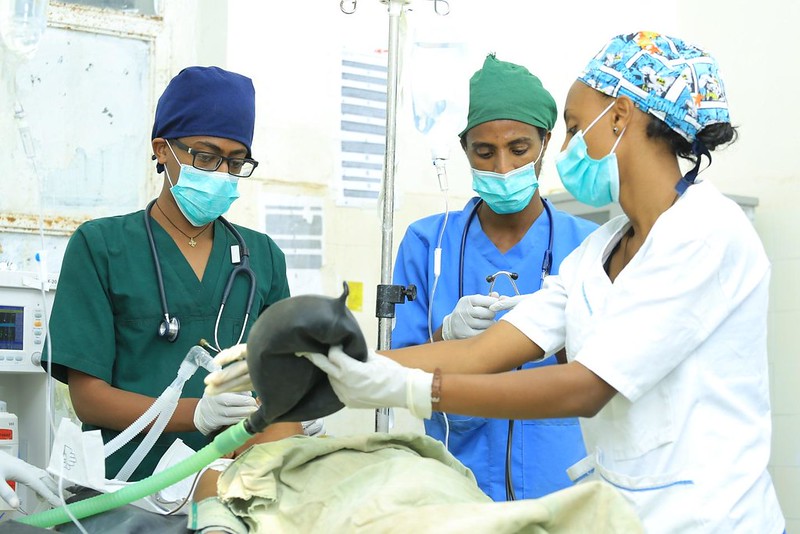
  4. Enhancing Cataract Surgery Skills in Ethiopia. Orbis International teamed with FundamentalVR in 2025 to deliver virtual reality surgical training for cataract surgery to ophthalmologists across Ethiopia. The new tool uses affordable gaming hardware and focuses on manual small-incision cataract surgery, the technique most commonly performed in low-resource countries. It enables independent learning through automated performance monitoring and feedback, helping residents build skills in a realistic simulation before entering the operating room. The VR platform integrates with Orbis’s telemedicine and e-learning platform, Cybersight and is already in use at partner hospitals in Ethiopia, Bangladesh, China, Mongolia and India. By targeting local surgical methods and offering affordable, portable training, this program aims to grow the number of skilled cataract surgeons and improve patient outcomes in underserved communities.
  5. Improving Competency for Laparoscopic Surgeries. OMS launched VR training for laparoscopic cholecystectomy in partnership with local medical universities in countries like Nepal and Ethiopia. Trainees practiced precision skills such as bead placement, bead transfer, balloon cutting and intracorporeal suturing. Post-training assessments showed significant improvements, with task completion times reduced by up to 137.8 seconds for suturing exercises. The mean workshop score increased from 8.15 to 9.3, reflecting greater surgical proficiency and confidence. Sentiment analysis also found that 88% of participants reported an increased interest in pursuing surgery as a career.

Strengthening Surgical Training Systems

Virtual reality surgical training is revolutionizing how surgeons gain critical skills in low-resource nations. By eliminating reliance on cadavers, costly labs and overseas fellowships, these programs empower countries to build strong surgical workforces locally. Early results show marked gains in surgeon competency, speed and confidence. As this technology continues to expand, it holds the potential to transform patient outcomes and strengthen health systems where surgical care has long been out of reach.

– Hayden Chedid

Hayden is based in Parker,CO, USA and focuses on Technology and Global Health for The Borgen Project.

Photo: Flickr

July 31, 2025
https://borgenproject.org/wp-content/uploads/borgen-project-logo.svg 0 0 Precious Sheidu https://borgenproject.org/wp-content/uploads/borgen-project-logo.svg Precious Sheidu2025-07-31 03:00:072025-07-31 02:03:30Virtual Reality Surgical Training in Low-Resource Countries
Global Health, Global Poverty, Mental Health

Recent Innovations in Mental Health Care in Africa

Mental Health Care in Africa According to the World Health Organization (WHO), Africa has the highest suicide rate in the world. The continent’s suicide rate stands at 11 people per every 100,000, which is higher than the global average of nine people per every 100,000. Approximately 29 million Africans suffer from depression.

Despite these staggering statistics, Africa spent less than $1 per capita on mental health. The continent also has an average of one mental health worker per 100,000 people compared to the global average of nine.

Within the last few years, the need for mental health services in Africa has risen. Luckily, organizations and platforms around the world have begun to recognize this demand. Here are three recent innovations to improve mental health care in Africa.

Supporting Mental Health Care in Africa

At its inaugural Digital Well-Being Summit, social media giant TikTok discussed plans for improving in-app support for users struggling with mental health, with a focus on sub-Saharan African users. The summit in Johannesburg brought together policymakers, industry leaders and mental health experts from South Africa, Nigeria, Kenya, Ghana, Zimbabwe and beyond. The event acted as a platform to discuss enhancing online safety tools, providing users with reliable information, and expanding user access to experts on the app.

TikTok announced that its $2.3 million global Mental Health Education fund will now be expanded to encompass sub-Saharan African organizations for the first time since its establishment. The selected organizations include the South African Depression and Anxiety Group, Mentally Aware Nigeria Initiative, and Kenya’s Mental360. They will be provided with funding and support from TikTok to create relevant, evidence-based content that discusses mental health in African communities.

TikTok has committed to expanding its in-app mental health helplines to the continent. African users will now be able to easily access helplines that will connect them with expert support and mental health resources such as counselling and psychological support. It will also be easier for African users to report harmful content related to bullying, hate, self-harm, and other topics that violate TikTok’s community guidelines.

The summit also introduced TikTok’s new Mental Health Ambassadors. In a partnership with the WHO, TikTok’s Mental Health Ambassadors will use their platforms to give guidance and advice to users. The inaugural group of verified healthcare professionals from the WHO Fides Network includes Sanam Naran and Dr. Siya from South Africa, Dr. Claire Kinuthia from Kenya, and Dr. Wales from Nigeria.

“Weaving Lives Together” Helps Communities Recover

The Weaving Lives Together project in Northern Nigeria aims to provide support to violence victims. It introduces creative interventions to fill the gaps left by other mental health resources. Its goal is to bring together mental well-being and economic opportunities to support both psychological recovery and socio-economic livelihoods.

Weaving Lives Together is the result of a partnership with the Neem Foundation, Creative Women in Lagos, and fashion house Ituen Basi. People, especially women, are given a creative outlet to turn their artistic expression in fashion and textile arts into opportunities for economic independence.

The initiative received funding through the One King’s Impact Fund at the School of Global Affairs at King’s College of London, a fund to support interdisciplinary solutions to global challenges. They are committed to fighting for whole-life health, peace and justice, and gender equality worldwide.

Digital Innovations in Mental Health Care in Africa

King’s College of London is also sponsoring and funding a new digital platform for depression intervention in African countries. This initiative expands upon the success of Zimbabwe’s Friendship Bench project, a model that has provided Zimbabweans with therapy for common disorders such as anxiety and depression by trained health workers.

Led by Dr. Gabrielle Samuel of the Department of Global Health and Social Medicine, the new platform will make mental health support more accessible, especially to those in underserved communities. People will be able to access self-guided therapy via their mobile phones, which will expand the reach of health workers and reduce wait times for those seeking help.

Mental health care in Africa has long needed improvement, with suicide and depression rates higher than global averages, especially in males. These three new innovations are only part of the efforts to bring better mental health counselling, resources, and education to the continent.

– Hannah Fruehstorfer

Hannah is based in Pittsburgh, PA, USA and focuses on Good News and Global Health for The Borgen Project.

Photo: Flickr

July 25, 2025
https://borgenproject.org/wp-content/uploads/borgen-project-logo.svg 0 0 Naida Jahic https://borgenproject.org/wp-content/uploads/borgen-project-logo.svg Naida Jahic2025-07-25 03:00:212025-07-25 03:10:03Recent Innovations in Mental Health Care in Africa
Disease, Global Health, Global Poverty

Fighting Poverty by Preparing for the Next Pandemic

Preparing for the Next Pandemic After the COVID-19 pandemic, the World Health Organization (WHO) and the international community are trying to prepare for the next outbreak. Epidemiologists label this future pandemic as “Disease X,” likely from one of the 25 known virus families; they estimate that it could be significantly deadlier than previous pandemics. Fighting global poverty has been central to how the international community fights against disease.

Preparing for the next pandemic supports people in low- and middle-income countries in two key ways. First, addressing systemic challenges such as pollution, deforestation and limited access to sustainable health care can reduce the likelihood and impact of future outbreaks. Second, the effects of disease tend to be more severe for populations living in poverty. The international community can help by funding existing health initiatives—particularly in tropical regions of the Americas, Africa and Asia—and by supporting efforts like the Coalition for Epidemic Preparedness Innovations’ (CEPI) 100 Day Mission, which aims to accelerate vaccine development and save lives. 

Challenges in Pandemic Planning

Experts suggest that one of the most difficult parts of improving global public health is preparing for the next pandemic before it happens. The major challenge is getting governments to invest ahead of time, despite not knowing exactly when, where or how the next major disease will strike. Caroline Buckee, professor of epidemiology and associate director of the Center for Communicable Disease Dynamics (CCDD), noted,  

“One of the confirmatory lessons for me—it’s not a new lesson—was that governments and people are reactive. And it’s very hard to get significant investment in preparedness. When it comes to pandemics, or epidemics in general, one of the hardest things about preparedness is that if you’re doing it really well, no outbreak—or only a small outbreak—occurs. Proving that you have averted an epidemic is difficult, so politically, how do you justify the investment required? It’s a really hard problem.”

One of the ways epidemiologists prepare for something that is both unpredictable and inevitable is by ranking the likeliest outbreaks to become a major issue, including “another possible Disease X, a term used to describe a currently unknown pathogen with pandemic potential.” 

Tracking Zoonotic Threats

One of the ways health experts accurately prepare is through pathogen rankings like the Priority Zoonotic Disease Lists and the Research and Development Blueprint. The Coalition for Epidemic Preparedness Innovations, in partnership with the University of California, Davis, has developed a new analytical tool called SpillOver to help predict the most likely risks.

SpillOver evaluates the likelihood of animal-to-human spillover among viruses, like the zoonotic transfer that occurred with the 2020 coronavirus pandemic. So far, the project has isolated 12 separate zoonotic diseases that are most likely to infect, ranging from Simian foamy virus to Lassa virus. SpillOver 2.0 will incorporate more data in order to more holistically analyze which diseases we need to prepare for. 

The Impact on Global Poverty

This massive effort of analyzing and preparing for the next pandemic is critical to fighting global poverty for two major reasons. First, pandemics disproportionately harm the global poor. Analysis from The Lancet found that if a pandemic of similar proportions to the 1918 influenza epidemic were to occur in 2025, there would be 62 million fatalities, 96% of which would be in lower-income countries. By contrast, investing in poverty relief helps combat disease spread through improved health systems, increased health education and more effective sanitation. 

Secondly, the fight against poverty and the effort to control pandemics are linked. The wider systemic issues that cause global poverty also increase the risk of a disease outbreak and that same outbreak developing into a full-blown pandemic. The WHO has warned that this next pandemic, labeled Disease X, “could be 20 times more lethal than COVID-19, with very high costs, possibly no vaccines and enormous social and economic impacts.” 

The most likely risk is a zoonotic disease from a tropical region, all places suffering from high poverty rates, climate change and deforestation. These three main factors increase the likelihood of a tropical animal-to-human outbreak turning into the next COVID-19. While deforestation increases the possibility of spillover, combating deforestation not only helps prevent outbreak but also can reduce poverty as well. 

Rapid Response and Vaccine Development

As daunting as this may be for the global poor, the international community and health experts are learning from the last pandemic. CEPI is leading efforts to ensure that life-saving vaccines can be made available across the developing world in as little as 100 days, compared to the traditional five-year timeline. 

Started in 2014 to help combat Ebola, CEPI also played a critical role in reducing the COVID-19 vaccine development timeline to 12 to 18 months. By focusing on increased research, development and mass production, “…CEPI has simultaneously advanced the development of 11 rapid response platforms to deploy against unknown threats, or Disease X.” Being able to predict which diseases may emerge from and affect the developing world is critical to fast-tracking vaccines, which have historically saved an estimated 154 million lives worldwide. 

Looking Ahead: A Shared Global Strategy

While preparing for the next pandemic is difficult and full of uncertainties, expert opinions suggest that focusing efforts will be critical to combating global poverty. By identifying the most likely pathogens as potential future “Disease X” threats, the international scientific community has helped concentrate resources that can be used effectively in the developing world. Hence, fighting global poverty and protecting global health appear to be essential parts of the same strategy.

– Joseph Laughon

Joseph is based in Sacramento, CA, USA and focuses on Technology and Global Health for The Borgen Project.

Photo: Flickr

July 20, 2025
https://borgenproject.org/wp-content/uploads/borgen-project-logo.svg 0 0 Precious Sheidu https://borgenproject.org/wp-content/uploads/borgen-project-logo.svg Precious Sheidu2025-07-20 07:30:192025-07-19 11:09:42Fighting Poverty by Preparing for the Next Pandemic
Advocacy, Global Poverty, Human Rights

Greta Thunberg’s Advocacy: The Fight for Global Equality

Greta Thunberg's AdvocacyGreta Thunberg’s steadfast advocacy at only 22 years old revolutionizes the new generation with her impact, inspiring the youth to speak up. Her influence fosters a sense of shared power while encouraging collective action among individuals with similar political beliefs by highlighting aspects of her identity that resonate with diverse groups and drawing broader public focus to urgent global issues.

The Greta Effect

Thunberg has earned recognition as an environmental activist, but her rise to global prominence through the Fridays for Future movement, sparked by a solitary school strike amplified by social media, has significantly influenced policymaking, public discourse and behavior. This resulted in the tag “Greta effect.” As one of the first political icons shaped entirely by the dynamics of social media, Thunberg engages a younger, digital-savvy audience and communicates across multiple platforms.

Her impact challenges traditional frameworks of environmental communication and digital activism, as she also embodies aspects of celebrity culture, garnering both widespread support and sharp criticism. Thus, this duality has fueled opposition, contributing to broader backlash against climate activism and raising concerns about increasing polarization, misinformation and conspiracy theories.

Political Activism

Thunberg’s outreach through public speeches and protests, including the lack of action on climate change, highlights the effectiveness of reshaping policy agendas.

Her involvement included the United Nations Climate Action Summit in 2019, where she spoke about the climate change crisis with sustainable development goals to transition the world into a healthier, livable ecosystem for all by limiting global warming. She used her public platform and voice to emphasize this vital matter to political leaders by challenging them to speak up regarding global temperatures and emissions rising. 

Thus, Thunberg’s political involvement expanded beyond environmental issues, but also toward human rights activism. In recent events, with the ongoing genocide in Gaza, Thunberg and 11 activists sailed to Gaza with the intent to safely open the humanitarian corridor. As Gaza faces more than three months of Israeli blockade, nearly 2.1 million of the population is facing food shortages, creating one of the world’s worst hunger crises.

The Madleen ship, boarded by the 12 activists carrying aid, was seized by Israel and this led to the deportation of Thunberg. However, by confronting political leaders and leveraging platforms such as social media, television and conferences, Thunberg has compelled global attention to this issue, even prompting criticism from President Donald Trump. Ironically, such criticism has amplified her message, drawing millions to her activism and inspiring others to adopt similar strategies.

What’s Next?

Greta Thunberg’s advocacy, speeches and social media outreach have generated widespread media attention and heightened awareness of global equality overall. Through what many call the Greta effect, her activism has pressured politicians to respond to the growing movement she represents. It has helped shift environmental activism into the digital space, inspired millions to take action through social media and school strikes, making climate change a central issue in global politics and public discourse, especially among the youth.

The extensive coverage of her efforts has helped shape policy agendas, influenced political leaders to take action and demonstrated how individual voices can drive meaningful change in public opinion and political decision-making.

– Hibah Iqbal

Hibah is based in Houston, TX, USA and focuses on Global Health for The Borgen Project.

Photo: Flickr

July 17, 2025
https://borgenproject.org/wp-content/uploads/borgen-project-logo.svg 0 0 Precious Sheidu https://borgenproject.org/wp-content/uploads/borgen-project-logo.svg Precious Sheidu2025-07-17 03:00:362025-07-17 00:58:53Greta Thunberg’s Advocacy: The Fight for Global Equality
Page 2 of 77‹1234›»

Get Smarter

  • Global Poverty 101
  • Global Poverty… The Good News
  • Global Poverty & U.S. Jobs
  • Global Poverty and National Security
  • Innovative Solutions to Poverty
  • Global Poverty & Aid FAQ’s
Search Search

Take Action

  • Call Congress
  • Email Congress
  • Donate
  • 30 Ways to Help
  • Volunteer Ops
  • Internships
  • Courses & Certificates
  • The Podcast
Borgen Project

“The Borgen Project is an incredible nonprofit organization that is addressing poverty and hunger and working towards ending them.”

-The Huffington Post

Inside The Borgen Project

  • Contact
  • About
  • Financials
  • President
  • Board of Directors
  • Board of Advisors

International Links

  • UK Email Parliament
  • UK Donate
  • Canada Email Parliament

Get Smarter

  • Global Poverty 101
  • Global Poverty… The Good News
  • Global Poverty & U.S. Jobs
  • Global Poverty and National Security
  • Innovative Solutions to Poverty
  • Global Poverty & Aid FAQ’s

Ways to Help

  • Call Congress
  • Email Congress
  • Donate
  • 30 Ways to Help
  • Volunteer Ops
  • Internships
  • Courses & Certificates
  • The Podcast
Scroll to top Scroll to top Scroll to top