• Link to X
  • Link to Facebook
  • Link to Instagram
  • Link to TikTok
  • Link to Youtube
  • About
    • About Us
      • President
      • Board of Directors
      • Board of Advisors
      • Financials
      • Our Methodology
      • Success Tracker
      • Contact
  • Act Now
    • 30 Ways to Help
      • Email Congress
      • Call Congress
      • Volunteer
      • Courses & Certificates
      • Be a Donor
    • Internships
      • In-Office Internships
      • Remote Internships
    • Legislation
      • Politics 101
  • The Blog
  • The Podcast
  • Magazine
  • Donate
  • Click to open the search input field Click to open the search input field Search
  • Menu Menu

Archive for category: Advocacy

Information and news on advocacy.

Advocacy, Global Poverty, NGOs

4 NGOs Fighting Poverty in Jamaica 

Four NGOs Fighting Poverty in JamaicaAs of 2017, the poverty rate in Jamaica was 19 percent, which was higher than more than half of the United States. Additionally, 8.9 percent of the population suffered from hunger as of 2016. Despite these seemingly discouraging statistics, Jamaica has seen several improvements in both the economy and standards of living. For example, Jamaica’s GDP in 2018 was $15.72 billion, which is a 6.34 percent increase from the previous year. The improvement is a direct result of efforts from the World Bank, the Jamaican government and active nonprofits working to combat the issue of poverty in Jamaica. The World Bank Group has invested $500 million in economic development. The Jamaican government instituted a progressive conditional cash transfer program called the Programme of Advancement and Higher Education (PATH) to help increase school attendance and health visits. Aside from the developments that these two major actors led, here are four NGOs fighting poverty in Jamaica.

4 NGOs Fighting Poverty in Jamaica

  1. U.N. Volunteers Online: U.N. Volunteers Online is a network that provides opportunities for individuals to spend a couple of hours serving worthy causes from the comfort of home. The website includes organizations dedicated to fighting 17 causes ranging from health care and education to sanitation and peace missions. One of the many issues the organization aims to tackle is poverty in Jamaica. The Nathan Ebank Foundation of Jamaica is working with U.N. Volunteers Online to gain traction as it launches a new digital initiative. The Nathan Ebank Foundation is a charitable organization that has dedicated itself to providing better health care access and opportunities for children with disabilities and special needs in Jamaica. The Foundation serves constituents in Jamaica through educating professionals and parents on how best to serve children with disabilities, advocating for reforms that resolve issues of systematic oppression against those with disabilities and providing assistance to families and children with disabilities. The Foundation received the World Cerebral Palsy Medical-Therapeutic Award in 2018 as recognition of the rehabilitation support services that it offers to children with cerebral palsy.
  2. American Friends of Jamaica: American Friends of Jamaica is an organization that partners with Jamaican charities and nonprofits to fund and promote community development in Jamaica. The organization has raised $14 million to support a diverse network of organizations tackling issues in economic development, education and health care. The organization has recently partnered with the Private Sector Organization of Jamaica and the Council of Social Services to start collecting donations for COVID-19 response materials. These materials include protective gear for health workers such as masks and gloves, as well as essentials such as toilet paper and food for the elderly.
  3. Helping Hands Jamaica Foundation: Davis Cup Tennis Athlete Karl Hale founded Helping Hands Jamaica Foundation, a nonprofit that embodies the motto “Participate, Elevate, Educate.” The goal of the organization is to uplift future generations by improving educational infrastructure and resources. Helping Hands Jamaica Foundation has built more than 21 schools all over the island, one of which was a project that Olympic athlete and icon Serena Williams led in 2016. Because the organization builds and supports schools all over the island, serving with them is an excellent opportunity to both help alleviate poverty in Jamaica and tour the island. The next build will begin in July 2020 but until then, the organization is utilizing a free hotline for parents and children struggling due to the COVID-19 pandemic.
  4. Food for the Poor: Food for the Poor is an organization that provides housing, aid and relief to those suffering from extreme poverty in Jamaica. The organization has shipped 583 tractors full of aid and sponsored 500 children experiencing poverty in Jamaica. Food for the Poor has built more than 35,000 homes. The organization is currently advocating to support the homeless in light of the current global pandemic. It has also partnered with Amazon to become one of the many nonprofits that individuals can donate to by shopping online at smile.amazon.com.

These four NGOs are all fighting poverty in Jamaica in addition to the World Bank and the Jamaican government. Through these combined efforts, poverty in Jamaica has substantially declined and the economic climate has improved.

– Tiara Wilson
Photo: Pixabay
April 24, 2020
https://borgenproject.org/wp-content/uploads/borgen-project-logo.svg 0 0 Jennifer Philipp https://borgenproject.org/wp-content/uploads/borgen-project-logo.svg Jennifer Philipp2020-04-24 07:30:242024-05-29 23:15:514 NGOs Fighting Poverty in Jamaica 
Advocacy, Children, Development, Education, Global Poverty

7 Facts about Illiteracy in Nepal

Illiteracy in Nepal
Nepal is a country of Asia that lies along the southern side of the Himalayas. It is a landlocked nation with a territory of just 500 miles east to west. Nepal has long experienced isolation under a series of rulers who favored isolationist policies and remained closed off to the rest of the world up until the year 1905. Today, Nepal is a country between two superpowers, India and China. As a result of this extreme isolation, it has become one of the least developed nations in the world. This underdevelopment has also led to a heavily illiterate population. Here are seven interesting facts about illiteracy in Nepal.

7 Facts About Illiteracy in Nepal

  1. Illiteracy in Nepal: As recently as 2015, Nepal had an illiterate population of 6,784,566 people. Luckily this statistic has been on a steady decline of about 2 percent every year since 1991.
  2. Literacy in Nepal: Nepal’s literate population in 2015 was at 55 percent. Although this means that just under half the population is illiterate, it is still an extremely large increase from the 1950s, during which only 5 percent of the population was literate.
  3. Women: Only 49 percent of women in Nepal are literate. The average literacy rate for women in Nepal is 20 percent lower than men. This may be a result of fewer women completing a full education than men, a statistic that is slowly becoming more equal and challenging illiteracy in Nepal.
  4. World Vision: Thankfully, literacy rates in Nepal are rising. An organization called World Vision has been working to eliminate illiteracy in Nepal. World Vision has been training teachers in Nepal to use more engaging methods to get their students more interested in reading.
  5. Reading Camps: World Vision has also created reading camps outside of school, in addition to encouraging parents to nurture a reading friendly environment in their homes so students are more willing to read. In just two years, the children involved in the program were one and a half times better at reading than children who did not attend the program.
  6. Room to Read: Another organization, Room to Read, has created a Girls’ Education Program that has helped nearly 5,000 girls in Nepal since 2001 to read and write. Children in Nepali schools with Room to Read libraries have checked out, on average, more than 16 books per student. Room to Read has been a catalyst in helping many children to appreciate reading.
  7. Five-Year Initiative: In 2016, Room to Read launched a five year initiative with the government of Nepal, USAID and the research group RTI International to improve the country’s primary grade literacy programs greatly. This initiative has the goal of changing the lives of 1 million students in grades one to three in order to combat illiteracy in Nepal.

Illiteracy in Nepal is an issue that has significantly decreased due to the actions of these, and many other programs and initiatives, all with the goal of improving literacy rates in Nepal. If it were not for groups like Room to Read and World Vision, the people, and especially the children, would still be stuck in the darkness of illiteracy.

– William Mendez
Photo: Flickr

April 11, 2020
https://borgenproject.org/wp-content/uploads/borgen-project-logo.svg 0 0 Lynsey Alexander https://borgenproject.org/wp-content/uploads/borgen-project-logo.svg Lynsey Alexander2020-04-11 01:30:442024-05-29 23:15:297 Facts about Illiteracy in Nepal
Global Health, Global Poverty, Health, Sustainable Development Goals

UN Program Aiding Women’s and Children’s Health

Women’s and Children’s health
In 2000, all 191 members of the United Nations officially ratified the Millennium Development Goals (MDG) which are eight, interdependent goals to improve the modern world. One of these goals included “promot[ing] gender equality and empower women; to reduce child mortality; [and] to improve maternal health,” emphasizing the need for increased focus on women’s and children’s health across the globe. In 2015, the Millennium Development Goals ended and the U.N. published a comprehensive report detailing the success of the MDGs. The report concluded that, during the length of the program, women’s employment increased dramatically, childhood mortality decreased by half and maternal mortality declined by nearly 45 percent.

Such success is, in part, due to another initiative, the 2010 Global Strategy for Women’s and Children’s Health, that aimed to intensify efforts to improve women’s and children’s health. Upon conclusion, the U.N. began developing a new program, the Sustainable Development Goals (SDGs), which includes 17 interconnected goals. Expanding on the success of the MDGs, the U.N. aims to tackle each goal by 2030. Similar to supportive programming to the MDGs, the U.N. has created another push for women’s and children’s health by establishing the 2016 Global Strategy for Women’s, Children’s and Adolescent’s Health.

The Global Strategy for Women’s, Children’s and Adolescent’s Health

The 2016 Global Strategy for Women’s, Children’s and Adolescent’s Health tackles a variety of critical global issues including maternal and childhood death, women’s workforce participation, women’s and children’s health care coverage, childhood development and childhood education. Being more robust, the 2016 Global Strategy is distinguished from the previous program as it “is much broader, more ambitious and more focused on equity than [the 2010] predecessor,” according to a U.N. report. The 2016 Global Strategy specifically addresses adolescents with the objective of encouraging youth to recognize personal potential and three human rights of health, education and participation within society.

Initiatives Supporting the SDGs

Many anticipate that achieving these global objectives will be a complex challenge. Therefore, the U.N. has established two groups to address women’s, children’s and adolescent’s health advancement: The High-level Steering Group for Every Woman Every Child and The Working Group on the Health and Human Rights of Women, Children and Adolescents.

The U.N. Secretary-General created the High-level Steering Group for Every Woman and Every Child in 2015. Seven areas of focus within the 2016 Global Strategy define the overall aim of this group. These include early child development, adolescent health, quality, equity, dignity in health services, sexual and reproductive health and rights, empowerment, financing, humanitarian and fragile settings.

The World Health Organization and the U.N. Human Rights Council created the Working Group on the Health and Human Rights of Women, Children and Adolescents in 2016, and it delivered recommendations to improve methods to achieving the 2016 Global Strategy. The group provides insight to “better operationalize” the human rights goals of the Steering Group in the report. 

In conjunction, these groups have accelerated and promoted the effectiveness of the 2016 Global Strategy. These groups effectively outline the idea that it is crucial to work as a team to tackle some of the world’s most complex problems concerning global poverty and health. U.N. Secretary-General, Ban Ki-Moon, believes these programs and groups will guide individuals and societies to claim human rights, create substantial change and hold leaders accountable.

Benefiting the Global Community

While the objective of the 2016 Global Strategy is to provide women, children and adolescents with essential resources and opportunities, the benefits of this integrated approach reach far beyond these groups. Developing strategic interventions produces a high return on resource investment. The reduction of poverty and increased public health leads to stimulated economic growth, thus increasing productivity and job creation.

Further, projections determine that the 2016 Global Strategy’s investments in the health and nutrition of women, children and adolescents will procure a 10-fold return by 2030, yielding roughly $100 billion in demographic dividends.

These high returns provide a powerful impetus for program support by local communities and government officials. Projected financial return can shed light on the global benefits of localized poverty reduction efforts. While the aim of poverty reduction should be in the interest of those most affected, understanding that such programs can provide a country with increased long-term growth is a major factor in the success of such initiatives, specifically in women’s and children’s health. 

The 2016 Global Strategy for Women’s, Children’s and Adolescent’s Health is indispensable during a time when women and children are providing the world with new innovations and perspectives. Each day, women across the world promote cooperation, peace and conversations within communities. Children will come to define the wellbeing of our world in the future. The success of U.N. programs today is a new reality for the world tomorrow.

– Aly Hill
Photo: Flickr

March 29, 2020
https://borgenproject.org/wp-content/uploads/borgen-project-logo.svg 0 0 Lynsey Alexander https://borgenproject.org/wp-content/uploads/borgen-project-logo.svg Lynsey Alexander2020-03-29 07:30:122024-05-29 23:15:15UN Program Aiding Women’s and Children’s Health
Activism, Advocacy, Global Poverty, USAID

7 Venezuelan Humanitarian Crisis Aid Efforts

Venezuelan Humanitarian Crisis
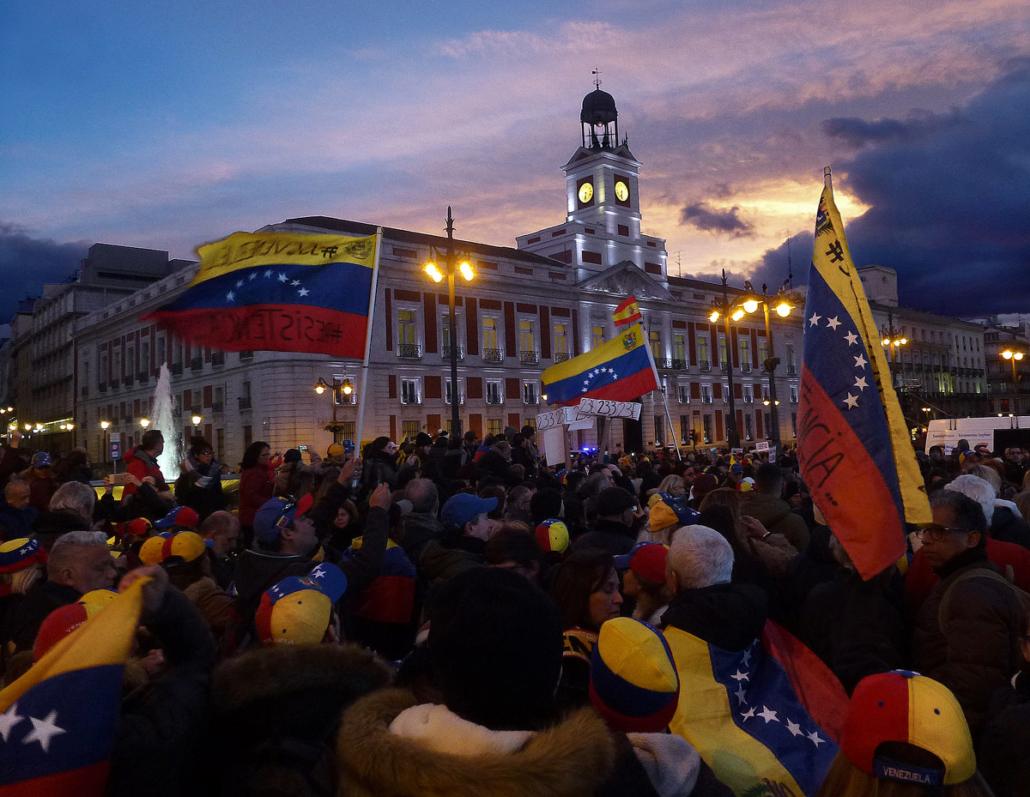
Venezuela has been marred by a humanitarian crisis for several years, and the situation persists. As policy forum the Wilson Center explains, more than four million Venezuelans have left the country, most since 2015. This makes Venezuela the second most common country of origin for displaced people worldwide, behind only Syria.

In breaking down the crisis, the Wilson Center says Venezuela has “widespread poverty and chronic shortages of food, medicine, and other basic necessities,” and as The Borgen Project reported last year, cases of malnutrition and disease are rampant. These issues come as a consequence of economic mismanagement, official corruption and decreasing oil prices between 2013 and 2016.

An example of that purported corruption — and perhaps the most public element of Venezuela’s overall state — is that Venezuela’s current President Nicolás Maduro won a second term in the 2018 election, despite being largely blamed for helping further the once-wealthy nation’s free fall that began under Maduro’s predecessor Hugo Chávez. Much of the world believes Maduro’s re-election was falsely won through corrupt tactics, and instead back key opposition entity the Lima Group’s leader Juan Guaido. The group seeks to install Guaido in Maduro’s place, but has as yet been unsuccessful.

Still, as dire as the situation remains for Venezuela, several efforts have been launched and entities mobilized to help the Venezuelan people. Here are seven organizations or initiatives aimed at assuaging the long-standing and growing Venezuelan humanitarian crisis.

7 Venezuelan Humanitarian Crisis Aid Efforts

  1. Future of Venezuela Initiative (FVI): Created by the Center for Strategic & International Studies, this initiative aims to “shed light on the unprecedented humanitarian, economic, and political crisis in Venezuela, and its impact in the Americas,” with an emphasis on the role of the United States and the international community in limiting Venezuelan suffering. FVI will leverage research to generate awareness and ideas on challenges facing Venezuelans and solutions to those challenges.
  2. BetterTogether Challenge: The U.S. Agency for International Development (USAID) and the Inter-American Development Bank partnered to launch this initiative in October 2019. The initiative aims to crowdsource, fund and scale innovative solutions from Venezuelans and other innovators worldwide to support individuals displaced by the crisis in the country. It also calls on people to help elevate Venezuelan voices, develop solutions for the problems facing Venezuela and grow a network to host and support displaced Venezuelans.
  3. United States government: Since 2017, the United States has provided over $656 million in aid to the Venezuelan crisis, according to a report from the U.S. Department of State. Of that amount, nearly $473 million went toward humanitarian assistance for Venezuelans forced to flee the country.
  4. Giving Children Hope: The California-based faith-driven nonprofit Giving Children Hope, which provides wellness programs and disaster response services locally, domestically and abroad, established a program specifically to address the Venezuela crisis. With the help of various partnerships, it feeds more than 8,000 Venezuelans every week. Last year it launched a campaign with a goal of serving 1 million meals to Venezuelans in need.
  5. The European Commission: The European Commission (EC) has been sending humanitarian aid to Venezuela since 2016. The EC announced last year a new commitment of 50 million euros, bringing the total amount the European Union has contributed to alleviating the crisis since 2018 to 117.6 million euros.
  6. The United Nations: The U.N. has distributed funds and a variety of health, food and other supplies and services to Venezuela. In the first half of 2019 alone, the UN sent 55 tons of health supplies to the country, distributing them across 25 hospitals in five states. Contributions include nine million doses of the diphtheria vaccine, 176,000 doses of the measles, mumps and rubella vaccine and 260 education kits for 150,000 children in public schools. The UN also provided 400,000 people with access to safe drinking water.
  7. Action Against Hunger: This France-founded, globally-operating organization set up boots-on-the-ground teams in Venezuela in 2018 to help aid those impacted by the humanitarian crisis. Its work has focused on providing nutritional and related support for schoolchildren across six Venezuelan states. The organization has helped 3,685 Venezuelans to date.

There is much that must be done to end the crisis that has resulted in many citizens fleeing the country. However, the situation has not gone completely ignored. Entities big and small, public and private across the globe are working to make a difference.

– Amanda Ostuni
Photo: Flickr

March 19, 2020
https://borgenproject.org/wp-content/uploads/borgen-project-logo.svg 0 0 Lynsey Alexander https://borgenproject.org/wp-content/uploads/borgen-project-logo.svg Lynsey Alexander2020-03-19 06:30:542024-05-29 23:15:107 Venezuelan Humanitarian Crisis Aid Efforts
Advocacy, Global Health, Global Poverty, Health

5 Facts About Heart Disease in India

 5 Facts About Heart Disease in India
The rates of non-communicable diseases such as diabetes, heart disease, cancer and respiratory diseases are increasing at alarming rates in developing countries around the world. However, heart disease in India has had a particularly high impact on the nation’s population. This increase requires attention and action to reduce the strain of heart disease on the Indian population.

5 Facts About Heart Disease in India

  1. Rising rates of cardiovascular disease have rapidly increased in India. The number of cases within the country has more than doubled from 1990 to 2016. In comparison, heart disease in the United States decreased by 41% in the same time period. Death as a result of cardiovascular disease has increased by 34 percent in the country in the past 26 years alone. In 2016, 28.1 percent of all deaths were caused by heart disease and a total of 62.5 million years of life were lost to premature death. Heart disease in India accounts for nearly 60% of the global impact of cardiac health even though India accounts for less than 20 percent of the global population.
  2. The burden of heart disease, while high throughout India, varies greatly from state to state. Punjab has the highest burden of disease, with 17.5 percent of the population afflicted, while Mizoram has the lowest burden, a full 9 times lower than Punjab. These immense disparities between Indian states are dependent upon the level of development and regional lifestyle differences. Understanding prevalent risk factors in different regions allows for more effective interventions. Specifically tailored programs are needed, rather than viewing India as a monolith.
  3. Rates of heart disease are far higher in the urban Indian populations when compared to rural communities. Urban areas record between 400 or 500 cases in every 100,000 people, while rural populations record 100 cases per 100,000 people. Risk factors for heart disease include a sedentary lifestyle, obesity, central obesity, hypercholesterolemia, diabetes and metabolic syndrome. All of these factors are abundant in urban populations and limited in rural populations, thus accounting for the discrepancy.
  4. On average, heart disease in India affects people 8 to 10 years earlier than other parts of the world, specifically heart attacks. This huge discrepancy can be explained by increased rates of tobacco consumption, the prevalence of diabetes and genetic predisposition for premature heart disease. A common genetic determinant of heart disease in Indians is familial hypercholesterolemia, a lipid disorder. Although this disorder is treatable with lifestyle changes and pharmaceuticals, it is often undiagnosed. This causes an increased likelihood of heart disease. Furthermore, stress levels in young Indians have been on the rise due to hectic lifestyles and increased career demands. Mental stress compounded with genetic predisposition and environmental factors like diet, sleep, and exercise has resulted in higher rates of heart disease in India’s younger population.
  5. The India Heart Association is committed to increasing awareness of the severity of heart disease in India. This organization is nongovernmental and launched by individuals who have been personally affected by heart disease. The organization’s major goals include increasing awareness of heart disease in India through online campaigns and grassroots activities. The organization has been appointed to the Thoracic and Cardiovascular Instrumentation Subcommittee of the Bureau of Indian Standards by the Indian government. Efforts are multi-faceted, operating through partnerships with local governments, hospitals, and programming with donors. Organizations like this one are making effective strides in addressing the burden of heart disease in India.

As heart disease in India is on the rise, it is important to understand the impact on global health. Non-communicable diseases have an undeniable effect on development. The World Health Organization stated, “Poverty is closely linked with NCDs, and the rapid rise in NCDs is predicted to impede poverty reduction initiatives in low-income countries.” In an effort to reduce global poverty, attention should move to heart disease in India, and further, to non-communicable diseases in developing countries globally.

– Treya Parikh
Photo: Flickr
March 18, 2020
https://borgenproject.org/wp-content/uploads/borgen-project-logo.svg 0 0 Lynsey Alexander https://borgenproject.org/wp-content/uploads/borgen-project-logo.svg Lynsey Alexander2020-03-18 10:30:272024-05-29 23:15:115 Facts About Heart Disease in India
Advocacy, Development, Global Poverty

5 Facts About the Kurdish Comeback in Iraq

Kurdish Comeback in Iraq
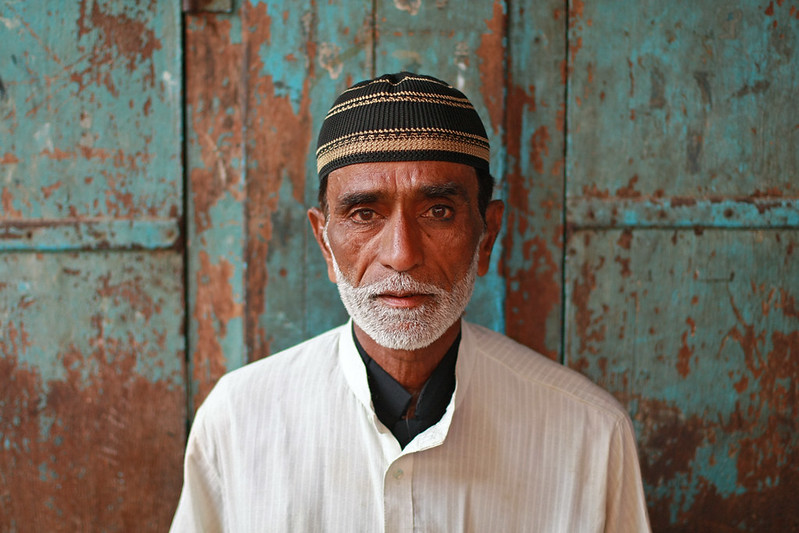
The Kurds are an ethnic minority in the Middle East that occupy a region known as Kurdistan. An area that spans parts of Turkey, Syria, Iraq and Iran. Though they were not given a country at the end of WWI, the Kurds have held on to their strong identity and still speak their own language. Caught in the middle of conflicts in both Iraq and Syria, they played an integral role in fighting back ISIS, seeing off 16 assaults on the city of Kirkuk. After several years of economic woes, there are finally some signs that northern Iraq, or Southern Kurdistan for the millions of Kurds that occupy the region, is beginning to recover. More importantly, the poorest Kurds have rebounded significantly. Here are five facts about the Kurdish comeback in Iraq.

5 Facts about the Kurdish Comeback in Iraq

  1. The U.S. government has provided more than $350 million in aid to Northern Iraq as a part of the Genocide Recovery and Persecution Response initiative. Approximately $90 million of the aid is going directly to the most immediate needs and improving access to basic services, job access, small businesses and infrastructure. 
  2. The poverty rate fell to 5.5 percent in 2019. The most encouraging figure about the Kurdish comeback in Iraq might be the poverty rate. Iraq suffered a recession between 2014 and 2016 with Iraq’s GDP falling to 2.7 percent. Unemployment had risen to 25 percent by the end of 2014. The cause was falling oil prices and the height of the conflict with ISIS. Oil revenue makes up half of the country’s GDP and 90 percent of the government’s revenue. Adding to the economic strain, leaders were forced to cut new investments. Foreign oil companies like Russia’s Lukoil, Royal Dutch Shell and Italy’s ENI also withdrew investments. They saw Iran as a safer economic option than northern Iraq. All of this culminated in a 12.5 percent unemployment rate by 2016. 
  3. Kurdish interests were well represented in the 2018 election in Iraq. Overall voter participation was down, but the Kurdish voice was heard. They helped elect new Prime Minister Abdul Mahdi. The prime minister reciprocated by restoring budgetary support to the region, amounting to around 12 percent of the central government’s budget. Regular federal reserve installments of $270 million per month helped stabilize the KRG oil sector.
  4. Oil production has rebounded, reaching 400,000 bl/d in January of 2019. Of course, there
    is always concern over the long term effects on climate change; however, over the short term, oil production
    has coincided with the low poverty rate. The U.S. played a role by brokering a deal that helped to restart production in the Kirkuk oil fields. Exports of petroleum to Europe may begin by 2022.
  5. Local investment increased while foreign investment decreased. According to local businessman Abdulla Gardi, this is typical during times of relative stability. Total investment increased to $3.67 billion in 2018 from 48 licensed investors. This is up from just $712 million in 2017. Most of the investment in 2018 was made by local investors who hope the KRG cabinet will prioritize a variety of different sectors. Local businessmen believe that, in turn, they can help the local Kurdish region become more prosperous.

There are many factors that lead to the Kurdish comeback in Iraq. Firstly, the end of the conflict with ISIS provided much needed yet tentative stability in the region. As a result, local investors felt more emboldened to invest in the oil industry. Politically, the election of Prime Minister Abdul-Mahdi was a major win for the Kurdish economy and provided additional support to the oil industry to restart stalling production. Furthermore, U.S. aid is helping to improve lives for lower-income Kurds. More than $90 million of that aid is going to immediate needs including but not limited to shelter, healthcare services, food rations and provisions of water. There are reasons to be optimistic about the future in Kurdish Iraq.

– Caleb Carr
Photo: Wikimedia Commons

March 18, 2020
https://borgenproject.org/wp-content/uploads/borgen-project-logo.svg 0 0 Lynsey Alexander https://borgenproject.org/wp-content/uploads/borgen-project-logo.svg Lynsey Alexander2020-03-18 07:30:452020-03-18 10:23:215 Facts About the Kurdish Comeback in Iraq
Development, Global Health, Health

10 Facts About Under Skin Vaccination Development

Under Skin Vaccination
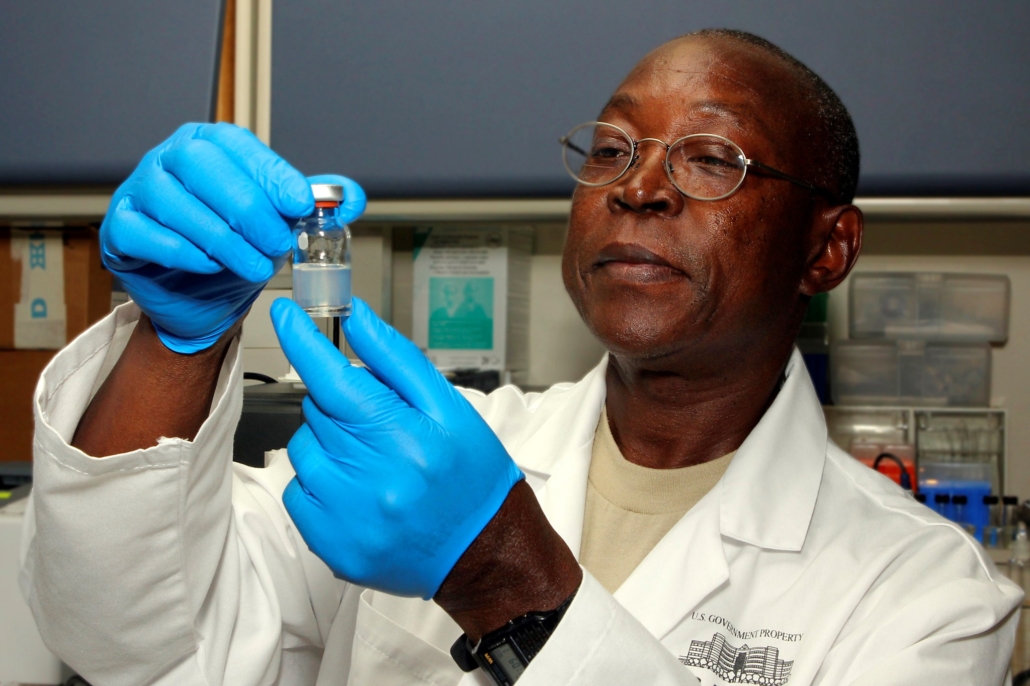
Bioengineering researchers at M.I.T. have developed a method to store and maintain immunization records for people in developing countries, primarily children, who have little or no access to paper records. The M.I.T. researchers have applied an invisible dye technology to detect patterns of quantum dots; one can place this dye under the skin during vaccinations. Once administered, a computer similar to a smartphone interprets the near-infrared marks to access medical records. If further improved, this technology could save lives by helping to maintain an accurate medical history for vulnerable populations. Here are 10 facts about under skin vaccination.

10 Facts About Under Skin Vaccination

  1. Immunization records can be challenging to maintain in developing countries. Keeping track of a child’s vaccination history, for example, may rely on an underserved hospital or community to maintain paper files. People can lose such files in areas of poverty and political discontentment or they can suffer damage, thereby erasing the child’s medical history. Further, parents may forget their child’s medical history, and especially as the result of no centralized database for record-keeping. Under skin vaccination is a promising initiative to reduce these issues.
  2. Verifying immunization history is a cumbersome process. For example, in 2015, the Ministry of Health in Ethiopia invited Dr. Wilbur Chen of the Center for Vaccine Development and Global Health at the University of Maryland to verify immunity coverage for children in rural areas. The process involves taking blood samples and testing immunization in labs, a lengthy and expensive process. Dr. Chen and his team found a big difference in the reported versus actual vaccination rates. Researchers, such as Dr. Chen, find under skin vaccination methods an innovative way to reduce this consumptive process.
  3. Record-keeping problems contribute to 1.5 million vaccine-preventable deaths per year. According to global health experts, the majority of these deaths come from developing countries where resources for maintaining records are lacking. Holes in medical record-keeping may constitute an incorrect vaccine type, brand or lot number for vaccine recipients. A lack of accurate training for maintaining complete records may lend to the problem, depending on the country.
  4. Researchers at M.I.T. are developing trials of a new record-keeping solution by embedding records under the skin. So far the trials have successfully embedded records on pig, rat and cadaver skin. The purpose of the study was to decentralize medical records since centralized databases only exist in wealthier, developed nations that have resources to maintain records. One of the bioengineers, Ana Jaklenec, admits that she was inspired by Star Trek’s “tricorder” device that scans a body for its vital signs and medical history, eliminating the need for maintaining medical records.
  5. New research combines vaccines with an invisible dye that administers concurrently. The invisible dye is naked to the eye but one could interpret it easily with a cell-phone filter that detects near-infrared light to see the coded marks. It is likely the dye is visible for up to 5 years, a crucial period of time for vaccinating children. During this period of time, children typically receive immunizations in several doses, such as in measles, mumps and rubella (MMR). Medical professionals could pair typical vaccines with the invisible dye to incorporate decentralized records.
  6. The new dye in the vaccines includes nanocrystals. Researchers call these nanocrystals quantum dots, which can project near-infrared light for detection by specialized phone technology. The quantum dots are copper-based, measuring four nanometers in diameter and encapsulated in spherical microparticles of 20-micron diameters. The encapsulations permit the dye to remain under the patient’s skin after they receive an injection.
  7. Instead of traditional syringes, the new vaccination type that scientists developed uses microneedles. Medical professionals can administer both the vaccine and the patterned die easier by using a patch that resembles a band-aid to on the skin. In addition to improvement in record-tracking, the new delivery method would not require a skilled medical professional or expensive storage costs. The dye patterns can also be customizable in order to correspond to the vaccine type, brand or lot number.
  8. Jaklenec and her M.I.T. colleagues found no difference compared to traditional injection methods. The team tested the microneedle patch method on lab rats with a polio vaccine. The team found no difference in antibodies when it compared it to traditional syringe methods of vaccine administration. Compared to the scar that smallpox vaccines caused (now eradicated worldwide) the microneedle-patch method leaves no visible trace.
  9. The invisible dye vaccine can create a discreet record-keeping method for families. According to bioengineer Mark Prausnitz of Georgia Institute of Technology, the invisible “tattoo” would provide patient confidentiality in the absence of adequate record-keeping and medical information while also providing improved record accessibility. The microneedle-patch method also avoids more controversial recognition technology such as iris scans.
  10. The M.I.T. team is working towards a feasible international immunization method, specifically aimed at poorer countries. For future applications of under skin vaccination development, the M.I.T. researchers are surveying health care providers in African countries to assess the best way of implementing this method of immunization tracking. They are also working to increase the amount of data they can store in the embedded code with information such as administration date and lot number of the vaccine batch.

These 10 facts about under skin vaccination development illustrate advancements in record-keeping. Utilizing these technologies, developing countries would have advanced strategies for tracking immunizations, ultimately increasing vaccination efficacy. This new method could potentially reduce the number of unnecessary deaths due to lost or forgotten medical information with a noninvasive, safe technology during critical years of childhood development. It could also be the start of a new system of storing data through biosensing that could significantly improve health care like that seen in futuristic science fiction.

– Caleb Cummings
Photo: Flickr


March 12, 2020
https://borgenproject.org/wp-content/uploads/borgen-project-logo.svg 0 0 Lynsey Alexander https://borgenproject.org/wp-content/uploads/borgen-project-logo.svg Lynsey Alexander2020-03-12 08:30:172024-05-29 23:15:0710 Facts About Under Skin Vaccination Development
Global Health, Global Poverty, Sanitation, Water Sanitation

The Salvation Army’s Efforts in Zimbabwe

The Salvation Army's Efforts in Zimbabwe
For generations, the Salvation Army has been an international movement of evangelism, goodwill and charity. As part of the Protestant denomination in Christianity, the organization holds more than 1.6 million members throughout 109 countries around the world. Originating in the U.K., there are over 800 parishes, 1,500 ordained ministers and 54,000 members in England. Motivated by the love of God, the organization’s mission is to preach the gospel of Jesus Christ and meet the needs of humans whom hardships have struck. Most recently, The Salvation has been working in Zimbabwe. The Salvation Army’s efforts in Zimbabwe have involved providing communities and schools with proper sanitation.

In 1865, pastor William Booth and his wife, Catherine, began preaching to London’s neglected poor. William’s dynamic presence of natural leadership and charismatic oration grabbed the attention of the congregation. At the same time, Catherine pioneered advocacy for women’s rights in the Christian community. Subsequently, the couple embraced the Christian Mission and quickly offered the destitute meals, clothes and lodging. When others joined the Booths to assist with their corporal works, the Christian Mission became an almost overnight success. In 1878, this success transformed into the organization known today as the Salvation Army.

The Salvation Army Expansion

With substantial growth in motion, there was a militant approach to the newfound identity, like integrating uniforms for ministers and members. In addition, the Salvation Army began introducing flags and employee rankings. This gave the members an opportunity to embrace the “spiritual warfare” mentality.

As a result of the militarization-like growth, the organization began to spread to the United States in 1880, where the first branch opened in Pennsylvania. Through time, the Salvation Army played a pivotal role in the lives of the misfortunate, especially during the Great Depression.

Branches began opening around the world to establish evangelical centers, substance abuse programs, social work and community centers. The organization even opened used goods stores and recreation facilities to support community welfare.

International Impact

Currently, The Salvation Army supports emergency response initiatives throughout underprivileged countries in South America, Southeast Asia and Africa. Most recent works include providing food, water and materials to rebuild homes in Zimbabwe after flooding in Tshelanyamba Lubhangwe.

Additionally, it has launched a new plan to aid issues with water and sanitation in Zimbabwe. With nearly 20 percent of the world’s population lacking access to clean water and one out of every three people without basic sanitation needs, obtaining clean drinking water can be challenging in Zimbabwe. More than half of the water supply systems do not function properly and as a result, many boreholes and wells contain water that is unsafe to drink, making them nonpotable for villagers and farmers. People are experiencing outbreaks of diseases that have led to avoidable deaths due to unclean water and sanitation in Zimbabwe, and/or little knowledge of self-sanitation care. Some schools are even on the verge of closing due to the posing health threat to Zimbabwe’s youth.

WASH Initiative in Zimbabwe

The Salvation Army adopted the WASH project to improve health and nutrition in 12 communities by advancing water and sanitation in Zimbabwe. WASH, which stands for Water, Sanitation and Health, supports more than 50,000 people living in Zimbabwe, including more than 11,000 children attending school. Introducing accountability for the intertwining relationships of water, sewage, nutrition and health, Zimbabwe now has access to sustainable water and sanitation facilities.

The Salvation Army’s efforts in Zimbabwe have stretched to installing toilets, sinks and clean water in schools, allowing them to remain open. Furthermore, school hygiene committees have visited schools to give teachers the proper training about hygiene, health care and clean food. Each of these 12 communities have also set up farm gardens and irrigation systems. This has allowed areas to take back autonomy over food sources and will ultimately reduce the chances of consuming contaminated food, leading to foodborne illness.

UNICEF Joins the Salvation Army in Zimbabwe

The United Nations Children Fund (UNICEF) has also joined the Salvation Army’s efforts in Zimbabwe to help people access water and sanitation by drilling boreholes and pipe schemes for water systems. In addition, the WASH program saw vast improvements in repairing the sewer systems in 14 communities followed by the sustainability of those systems through the strength and development of its national public-private strategic framework.

UNICEF has also supported the improvement of water and sanitation in Zimbabwe through approval of hygiene and sanitation policy with the focus of ending open defecation in the country by the year 2030, specifically for gender-sensitive citizens. Efforts like policy implementation directly align with the Sustainable Development Goals. Moreover, UNICEF has supported the Sanitation Focused Participatory Health and Hygiene Education (SafPHHE) in over 40 rural districts in Zimbabwe to accomplish the end of open defecation.

The Salvation Army has aimed to improve the quality of life for the underprivileged with the message of a strong belief in God and that every individual should have access to basic human rights. The Salvation Army’s efforts in Zimbabwe and around the world have provided aid through consistent outreach to the less fortunate. The organization started out with the motivation to save souls and has grown to steer the directionless down a path to righteousness and out of poverty. With endeavors like improving water and sanitation in Zimbabwe, organizations like the Salvation Army and UNICEF have greatly improved lives throughout poor countries.

– Tom Cintula
Photo: Flickr

March 5, 2020
https://borgenproject.org/wp-content/uploads/borgen-project-logo.svg 0 0 Lynsey Alexander https://borgenproject.org/wp-content/uploads/borgen-project-logo.svg Lynsey Alexander2020-03-05 08:30:132024-05-29 23:15:16The Salvation Army’s Efforts in Zimbabwe
Global Health, Global Poverty, Health, Life Expectancy

10 Facts About Life Expectancy in Malta

Malta is a small island republic in the central Mediterranean Sea. Like most other EU member states, the Maltese government operates a socialized health care scheme. However, life expectancy in Malta is a full year higher than the European Union average, for both males and females. Keep reading to learn the top 10 facts about life expectancy in Malta.

10 Facts About Life Expectancy in Malta

  1. Trends: Life expectancy in Malta ranks 15th globally and continues to rise; the current average life expectancy is 82.6, an improvement of 4.6 percent this millennium. Median life expectancy on the archipelago is expected to improve at that same rate through 2050, reaching an average death age of 86.4.
  2. Leading Causes of Death: The WHO pinpointed coronary heart disease as the republic’s number one killer, accounting for 32.46 percent of all deaths in 2018. Additional top killers include stroke (10.01 percent) and breast cancer (3.07 percent).
  3. Health Care System: Malta’s sophisticated and comprehensive state-managed health care system embodies universal coverage for the population. Although population growth and an aging workforce present long-term challenges, the Maltese have access to universal public health care as well as private hospitals. Malta’s health care spending and doctors per capita are above the EU average. Despite this, specialists remain fairly low. Currently, the government is working to address this lack of specialized care.
  4. Infant and Maternal Health: The high life expectancy in Malta is positively impacted by low infant and maternal mortality rates. Malta’s infant and maternal mortality rates are among the lowest in the world, ranking at 181 and 161, respectively. The Maltese universal health care system provides free delivery and postpartum care for all expectant mothers. These measures provided as the standard of care have minimized the expectant death rates of new mothers to 3.3 out of 100,000.
  5. Women’s Health: Like most other developed nations, Maltese women experience longer lives than men. Comparatively, WHO data predicts that women will live nearly four years longer, an average of 83.3 years to 79.6. Interestingly, the estimated gender ratio for 2020 indicates that the Malta population will skew to be slightly more male, specifically in the 65-and-over age bracket. 
  6. Sexual and Reproductive Health: Sexual health services, including family planning and STD treatment, are free of cost in Malta. Additionally, HIV prevalence is very low, at only 0.1 percent in 2016. These measures have certainly played a role in life expectancy in Malta.
  7. Violent Crime: Although crime rates typically spike during the summer, Malta’s tourist season, violence is generally not a concern. Despite fluctuations throughout the year, the national homicide rate remains low. Currently, homicide is resting at 0.9 incidents per 100,000 citizens.
  8. Obesity: Recently, 29.8 percent of the population was found to be obese, one of the highest figures in the EU. Even higher rates of obesity have been found in Maltese adolescents: 38 percent of 11-year-old boys and 32 percent of 11-year-old girls qualify as obese.
  9. Birth Rates: Sluggish population growth is typical throughout the developed world and Malta is no exception. Current data places the population growth rate at an estimated 0.87 percent. Out of 229 sovereign nations, Malta’s birth rate was ranked 192nd with 9.9 births per 1,000 citizens.
  10. Access to Medical Facilities: The competitive health care system supports high life expectancy in Malta by providing an abundant availability of hospitals and physicians per capita. Due to the archipelago’s small population, 4.7 hospital beds and 3.8 doctors exist for every 1,000 citizens.

These 10 facts about life expectancy in Malta highlight the strength of the health care system in the country. While rising rates of obesity are concerning, Malta has a strong track record of investing in the well-being of its citizens.

– Dan Zamarelli
Photo: Flickr

March 3, 2020
https://borgenproject.org/wp-content/uploads/borgen-project-logo.svg 0 0 Lynsey Alexander https://borgenproject.org/wp-content/uploads/borgen-project-logo.svg Lynsey Alexander2020-03-03 12:50:582024-05-29 23:15:2110 Facts About Life Expectancy in Malta
Advocacy, Global Poverty

Reducing Poverty for Scheduled Tribes in India

Scheduled Tribes in India
The term “Scheduled Tribes” refers to multiple tribes in India who the Indian government and the country’s constitution recognizes. Currently, 705 Scheduled Tribes exist in India. Among these 705 recognized tribes, 75 of them have the Particularly Vulnerable Tribal Groups (PVTGs) designation. These groups have a pre-agriculture level of technology, stagnant or declining populations, extremely low literacy and subsistence-level economies.

Scheduled Tribes

Scheduled Tribes of India are usually called Adivasi after the original inhabitants of India. Many of these Scheduled Tribes have their own languages, religious customs, forms of self-governance and traditions of their own.

During India’s industrialization era, from 1750 to 1947, many Scheduled Tribes experienced displacement from their homes and homelands. Mining activities, commercial farming, timber industries and war were the main causes of Adivasi displacement during this time period. Due to their displacement, Adivasis had to migrate to different parts of India. The majority of these Adivasi had problems integrating into the mainstream Indian society since many of them were illiterate and malnourished. This contributed to the Indian perception that the Adivasi were poor, ignorant and backward.

According to the 2011 census of India’s population, Scheduled Tribes made up approximately 8 percent of India’s population. Scheduled Tribes also accounted for 25 percent of the poorest populations in India. In 2018, India’s National Data found that Scheduled Tribes in India were the poorest populace. According to The National Family Health Survey 2015-2016, 45.9 percent of Scheduled Tribe members lived in the lowest wealth bracket. This finding was even more shocking since more people of Scheduled Tribes lived in the lowest wealth bracket than the people of Scheduled Castes, who people previously knew as the untouchable castes.

Statistics

A 2018 study in the Journal of Social Inclusion Studies delves deeper into the above statistics. The study points to the lack of access to productive income-earning assets, non-utilization of available resources, lack of education and equal opportunities, all serving as the main causes of poverty among Scheduled Tribes in India. What further complicates the matter is that traditional methods of addressing tribal poverty are not viable.

While economic development usually associates with poverty alleviation, economic development and industrialization are the cause of Scheduled Tribes’ poverty in India. The recent economic development has eliminated many of the traditional occupations that tribal inhabitants of India had. The same study presented a table of data about the incidence of poverty between tribals and non-tribals in India. The researchers noted that India’s economic development did not occur equally for the many Scheduled Tribes. The data from 1993 to 2012 shows that tribal poverty is always higher than non-tribal poverty. The study found that tribal poverty was still more than two times higher than non-tribal poverty, even though India’s overall incidence of poverty has been in decline since 1993.

The Indian Government

The Indian government is working to reduce poverty among Scheduled Tribes. In 2019, for example, India’s finance minister Nirmala Sitharaman announced that India is allocating 85,000 crore ($74,710.96) of its 2020 budget to furthering the development and welfare of scheduled tribes. The Indian Ministry of Tribal Affairs is also responsible for promoting and implementing the programs that will benefit Scheduled Tribes in India.

On February 14, 2020, the Minister of Tribal Affairs conducted a workshop with the Tribal Cooperation Marketing Federation of India (TRIFED). During the workshop, the minister recognized and congratulated TRIFED in its mission of expanding and promoting products that tribal craftsmen and craftswomen made. In the same workshop, multiple shareholders, mainly leading national institutions, social sector and industry leaders, met up to discuss their further cooperation with the TRIFED’s mission.

Scheduled Tribes in India still find themselves in a difficult economic reality. The historic and economic marginalization which displaced the Scheduled Tribes still seems to still loom over India. More shockingly, the cause of Scheduled Tribe poverty seems to have its roots in India’s improving economic conditions since 1750. The Indian government does, however, recognize the importance of economically supporting and developing its Scheduled Tribes. With the help of the Indian government, many hope that a better financial future waits for the Scheduled Tribes in India.

– YongJin Yi
Photo: Flickr

March 2, 2020
https://borgenproject.org/wp-content/uploads/borgen-project-logo.svg 0 0 Lynsey Alexander https://borgenproject.org/wp-content/uploads/borgen-project-logo.svg Lynsey Alexander2020-03-02 16:47:072024-05-29 23:15:18Reducing Poverty for Scheduled Tribes in India
Page 25 of 77«‹2324252627›»

Get Smarter

  • Global Poverty 101
  • Global Poverty… The Good News
  • Global Poverty & U.S. Jobs
  • Global Poverty and National Security
  • Innovative Solutions to Poverty
  • Global Poverty & Aid FAQ’s
Search Search

Take Action

  • Call Congress
  • Email Congress
  • Donate
  • 30 Ways to Help
  • Volunteer Ops
  • Internships
  • Courses & Certificates
  • The Podcast
Borgen Project

“The Borgen Project is an incredible nonprofit organization that is addressing poverty and hunger and working towards ending them.”

-The Huffington Post

Inside The Borgen Project

  • Contact
  • About
  • Financials
  • President
  • Board of Directors
  • Board of Advisors

International Links

  • UK Email Parliament
  • UK Donate
  • Canada Email Parliament

Get Smarter

  • Global Poverty 101
  • Global Poverty… The Good News
  • Global Poverty & U.S. Jobs
  • Global Poverty and National Security
  • Innovative Solutions to Poverty
  • Global Poverty & Aid FAQ’s

Ways to Help

  • Call Congress
  • Email Congress
  • Donate
  • 30 Ways to Help
  • Volunteer Ops
  • Internships
  • Courses & Certificates
  • The Podcast
Scroll to top Scroll to top Scroll to top