• Link to X
  • Link to Facebook
  • Link to Instagram
  • Link to TikTok
  • Link to Youtube
  • About
    • About Us
      • President
      • Board of Directors
      • Board of Advisors
      • Financials
      • Our Methodology
      • Success Tracker
      • Contact
  • Act Now
    • 30 Ways to Help
      • Email Congress
      • Call Congress
      • Volunteer
      • Courses & Certificates
      • Be a Donor
    • Internships
      • In-Office Internships
      • Remote Internships
    • Legislation
      • Politics 101
  • The Blog
  • The Podcast
  • Magazine
  • Donate
  • Click to open the search input field Click to open the search input field Search
  • Menu Menu

Archive for category: Advocacy

Information and news on advocacy.

Global Health, Global Poverty

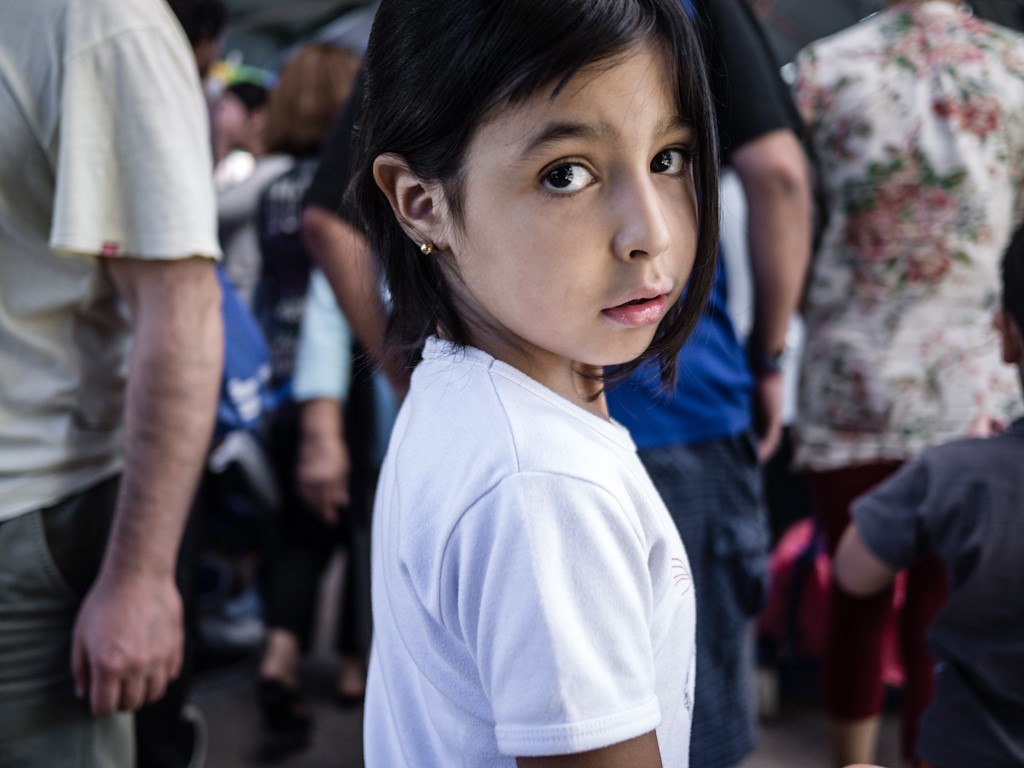
Morbidity and Inequity in Healthcare in Chile

Healthcare in Chile
Healthcare in Chile primarily comes from the state-funded insurance National Health Fund (Fondo National de Salud – FONASA) or from private companies collectively known as Las Instituciones de Salud Previsional (ISAPRE). According to a 2019 report from the Organization for Economic Cooperation and Development (OECD), 78% of the population participate in FONASA and around 17-18% enroll in ISAPREs, while 3-4% receive coverage from the armed forces insurance program. A number of newly implemented government reforms in Chile have challenged healthcare inequity to ensure universal healthcare for all.

Morbidity and Mortality

In the 1980s, a series of successful reforms decreased infant mortality rates (from 33 per 1,000 live births in 1980 to only eight per 1,000 in 2013) and improved communicable disease rates, nutrition and maternal and child health. While the health status of Chileans consistently fell below average among OECD nations in recent decades, the life expectancy in Chile in 2015 rose to 79.1 years in the last 40 years, nearly on par with its OECD peers. Determinants of health status include life expectancy, avoidable mortality rates, morbidity rates from chronic diseases and percentage of the population in poor health.

Non-communicable diseases (NCDs), such as high blood pressure, diabetes and heart diseases are identified as the burden of disease in Chile, accounting for 85% of all deaths. Key risk factors include high obesity rates, heavy tobacco use and increasing rates of alcohol consumption. The infant mortality rate is improving but remains high, as are mortality rates from cancer compared to cancer incidence.

Some Effective Government Measures

The Chilean government has undertaken effective measures to address the nation’s most urgent issues through a multi-intervention strategy that targets different population groups and settings:

  • Obesity: According to a 2016 WHO report, 39.8% of the Chilean population was overweight, and another 34.4% was obese. Childhood overweight and obesity rate is particularly problematic at 45%, with no reduction in prevalence over the past 15 years. Chile has implemented nationwide policies to tackle behaviors that cause obesity, especially inadequate physical inactivity and unhealthy diets. At the national level, mass media, such as websites, Twitter, TV and radio adverts, educates the public on healthy food choices and emphasizes the consumption of vegetables and fruits. The government has also mandated labels on packed foods that indicate high caloric content in salt, sugar and fat.
  • Tobacco Use: Tobacco consumption rates in Chile in 2016 stood at 37% (41% among men and 32% among women) of the adult population. Adult smoking rates have declined from 45.3% in 2003 and 39.8% in 2009, a percentage below average in comparison to other nations. Since joining the WHO Framework Convention on Tobacco Control (WHO FCTC) in 2005, Chile has implemented various tobacco control policies, such as prohibiting smoking in public spaces, requiring health warnings on tobacco products and raising taxes on these products.
  • Cancer Care: The OECD projected that cancer could soon become the leading cause of mortality in Chile. Among men, prostate, stomach, lung, colorectal and liver cancer have the highest mortality rates. In women, breast, colorectal, lung, stomach and pancreas cancer account for high mortality rates. To lessen the burden of cancer, Chile has reinforced its cancer care system and launched nationwide programs focused on cervical and breast cancer and cancer drugs for adults and children. From 2011 to 2015, Chile reduced cancer by 4.1%.

Challenging Inequity

The establishment of the National Health System (NHS) in 1952, subsequent expansions and reforms together enabled Chile’s move towards universal coverage with more than 98% of the population having some kind of health insurance. However, inequality remains one of the main challenges in Chile’s two-tier healthcare system, mainly due to the unequal distribution of resources between the underfunded public facilities and the elitist private clinics. Equity monitoring shows less insurance coverage for less educated people, low-income quintiles, residents from rural areas and those with state insurance.

Significant inequalities due to socioeconomic position and residence area persist. According to a study that PLOS Medicine published, the infant mortality rate among the highest educated women was 2.3 times lower than the least educated, while the ratio was 1.4 between urban and rural residence. Risk factors like obesity, alcohol use disorders and cardiovascular risks also disproportionately affected the least educated segment of the population.

Moving Forward

Despite tremendous challenges, healthcare in Chile has improved thanks to the government’s effort to prioritize health reforms. In 2005, Chile launched Universal Access with Explicit Guarantees (AUGE) program that sought to improve access, timeliness and quality of care in the public sector. The OECD assessed that the system of healthcare in Chile is overall “well-functioning, well-organized and effectively governed,” with a particularly robust public healthcare program that operates efficiently on both the central and regional levels. Although challenges such as rising rates of certain NCDs and inequities between sectors and populations persist, the country’s ambitious reforms demonstrate its preparedness to tackle these issues.

– Alice Nguyen
Photo: Flickr
July 28, 2020
https://borgenproject.org/wp-content/uploads/borgen-project-logo.svg 0 0 Jennifer Philipp https://borgenproject.org/wp-content/uploads/borgen-project-logo.svg Jennifer Philipp2020-07-28 14:58:382024-05-29 23:18:41Morbidity and Inequity in Healthcare in Chile
Global Health, Global Poverty

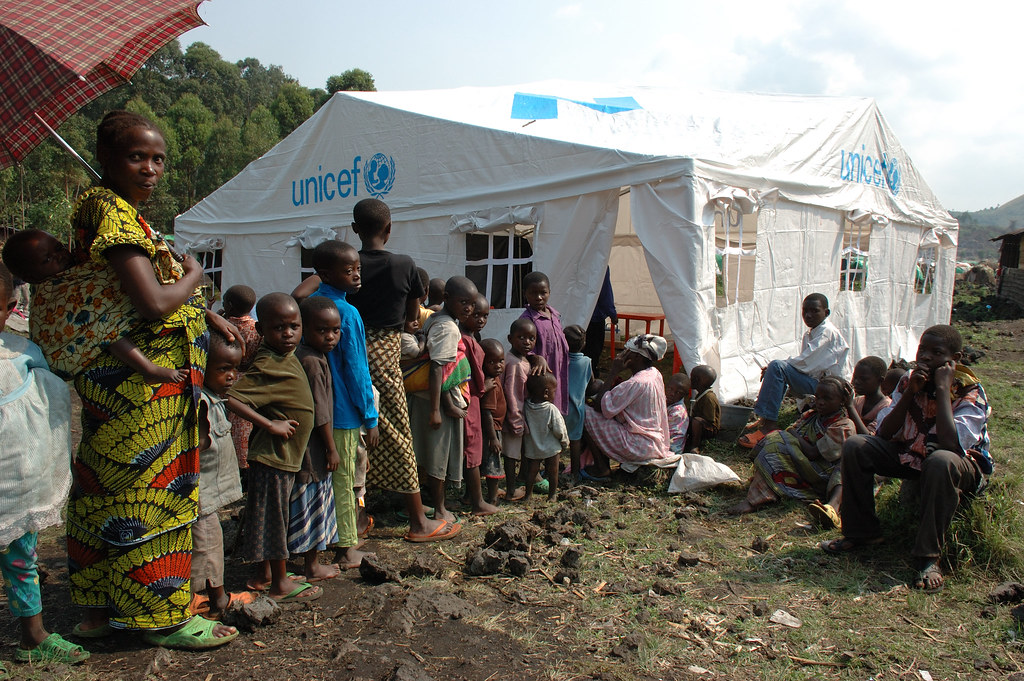
Vaccines in Africa During COVID-19

Vaccines in Africa during COVID-19Medical progress in developing countries could unravel during COVID-19 because the global shutdown is preventing important vaccines from reaching Africa. In fact, global health organizations struggle to dispatch health care workers, make shipments, and store medical supplies and vaccines. Health care systems have halted vaccinations for cholera, measles, polio and other diseases in order to focus on stopping COVID-19. Also, parents are afraid of bringing newborns to get vaccines during the pandemic as many health care workers have been repeatedly exposed to COVID-19. Although the WHO says that children are not a high-risk category for COVID-19, the fear of exposure could perpetuate the vaccination gap and exacerbate the problem even as governments ease restrictions.

Effects of Halting Vaccine Distribution

The postponement of vaccines in Africa during COVID-19 could lead to a dramatic resurgence of measles, cholera and other diseases that have been decreasing worldwide. Children in countries with low-quality health care might not receive these vaccines. This inequality is a problem that many organizations are trying to combat. Experts are also recommending that leaders should track and trace unvaccinated children to administer the vaccines on a later date. These proactive measures could help prevent future outbreaks.

Measles Vaccinations

Measles cases have risen globally in recent years due to growing misinformation, low-quality health care and other cultural or societal issues. Coronavirus has stalled everyday life, international travel and vaccination campaigns. Because of the impact COVID-19 has had, it is now estimated that over 117 million children in 37 countries, in which the majority are located in Africa, will likely not receive their measles vaccine. The World Health Organization and other global health foundations have expressed concerns over this new problem. Data is now showing that deaths from other diseases will likely compare to COVID-19 deaths in Africa by a ratio of 100 to one because these preventable diseases will have been overlooked. 

What is Being Done to Help

Global health organizations such as UNICEF, the Gates Foundation and other private groups provide most vaccines. Most African health care systems are already not well equipped to handle basic care and disease management. The pandemic, as well as the threat of diseases becoming more prevalent, puts a strain on these health care systems. Organizations like the Gates Foundation have noticed this excess burden on the African health care system, so they are working to help improve Emergency Operations Centers and local disease surveillance and testing. The Gates Foundation is also focusing on providing routine care as that often goes overlooked during a pandemic. The foundation is working to build up their health care systems as a whole to fight other diseases.

Most world leaders are prioritizing the containment of COVID-19; however, global health organizations are encouraging governments to do more to prevent diseases that can be treated with vaccines. 

– Jacquelyn Burrer
Photo: Flickr

July 21, 2020
https://borgenproject.org/wp-content/uploads/borgen-project-logo.svg 0 0 Kim Thelwell https://borgenproject.org/wp-content/uploads/borgen-project-logo.svg Kim Thelwell2020-07-21 07:30:132024-05-29 23:17:44Vaccines in Africa During COVID-19
Global Health, Global Poverty, Health

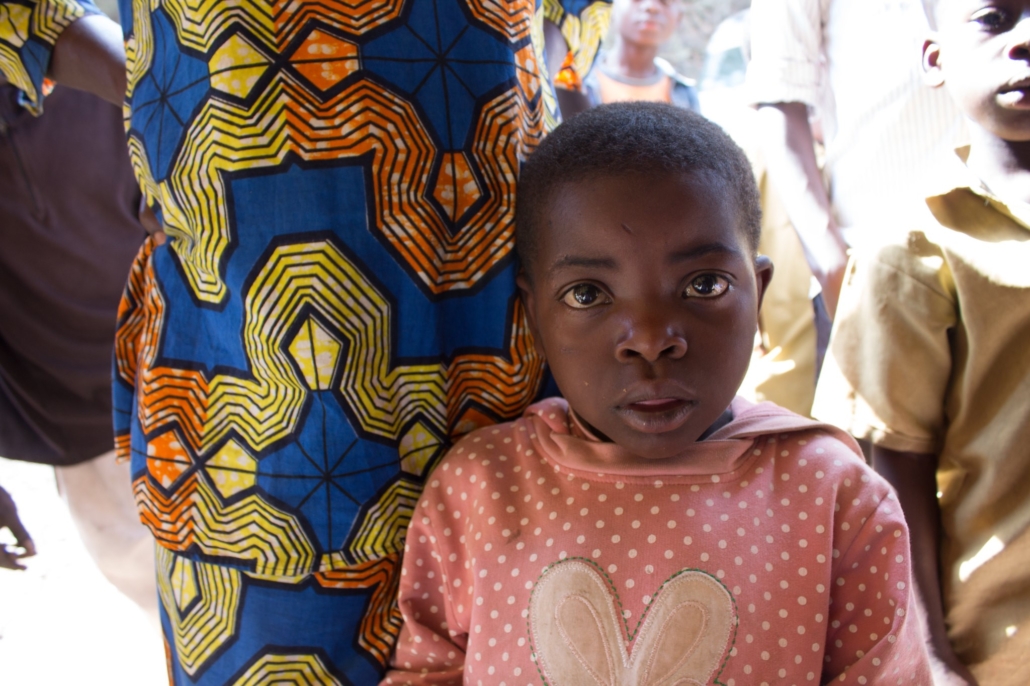
Combating Tuberculosis in the Congo

Tuberculosis in the Congo
At the beginning of the 1990s through the early 2000s, the contraction and subsequent testing for HIV increased significantly in Africa. Within this time period, the World Health Organization (WHO) discovered that nearly 85% of Africans were HIV-positive. More recently, HIV numbers in Africa have reduced with a 38% drop in eastern and southern Africa since 2010. While Africa is getting a handle on HIV, tuberculosis is prevalent. It affects the entire African continent, but cases of tuberculosis in the Congo are the most significant.

Tuberculosis hit African nations forcefully, debilitating the economy, altering sociality and increasing mortality rates. In 2016, estimates determined that 417,000 Africans died due to the disease. This number constituted 25% of all tuberculosis cases present in the world at the time. Of the African deaths in 2016, 321 of them occurred in the DRC, which had one of the highest rates of TB in all of Africa during that time.

Although many have worked to combat TB and HIV within the DRC, the country is still suffering from preventable diseases. With internet access alone, individuals may support groups and companies who are already battling tuberculosis in the Congo and globally.

Important Organizations

The Global Fund is a group that has combated drug-resistant TB through “antimicrobial-resistant superbugs.”  Over the last 20 years, funding to find a cure for this type of tuberculosis has treated and saved 5 million people. Yet, its founder stated that “with more funding triple that number could have been saved.” He advised all to support The Global Fund by donating to its research on drug-resistant TB and by signing petitions to raise awareness.

Starting in 2011, the Management Sciences for Health (MSH) and USAID funded the Democratic Republic of Congo-Integrated Health Project (DRC – CIH) to educate people about the symptoms of tuberculosis in the Congo. This program also prepared healthcare professionals in ways to quickly identify and treat TB. Because of the efforts of this program, the detection rate for TB has raised from 12% to 86%. This program still needs support today, as funding is low and publicity has been scarce. Raising one’s voice in support of such a cause will only benefit the program and save more lives. Ciza Silva Mukabaha, a supporter of the MSH and the DRC – CIH called this program a “starting point” for change. He stated that, with more support from others, change is inevitable.

How to End Tuberculosis in the Congo

The End Tuberculosis Now Act recently entered Congress. Individuals in the United States can email or call their representatives and advocate to provide U.S.-government aid to combat multidrug-resistant TB and “support the fight to end tuberculosis” everywhere.

People can also aid the situation by staying informed and supporting local groups who are raising funds to combat TB. In 2018, healthcare worker Virginia Benhard started a personal fundraiser to fight tuberculosis in the Congo. She told The Borgen Project that the cause originally attracted her because of her visit to the Congo as a healthcare worker. She realized that community members consuming contaminated milk and meat caused them to contract tuberculosis. Since TB is an airborne illness, those who had tuberculosis would process the meats and then sell them, causing the infection rates to increase dramatically. Virginia “saw a need and responded,” and through local support she was able to raise over $1,000. She donated the proceeds for the building of a milk pasteurization factory in Kinshasa as well as a meat processing factory.

While this disease still rages on, there is much that individuals can do to help. One can sign a petition, donate, speak out for those who cannot speak for themselves and help those who cannot help themselves. Through small and simple acts, tuberculosis in the Congo should decrease.

– Alexis LeBaron
Photo: Flickr

July 10, 2020
https://borgenproject.org/wp-content/uploads/borgen-project-logo.svg 0 0 Kim Thelwell https://borgenproject.org/wp-content/uploads/borgen-project-logo.svg Kim Thelwell2020-07-10 01:31:342024-06-06 00:38:15Combating Tuberculosis in the Congo
Advocacy, Global Health, Global Poverty

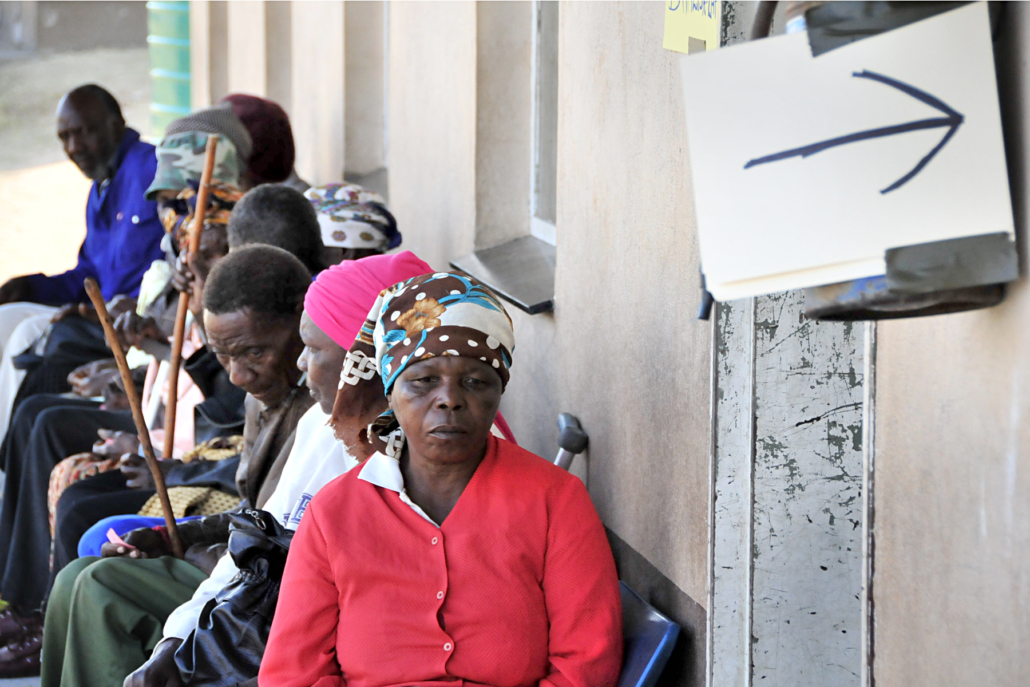
Civil Society’s Response to HIV in South Africa 

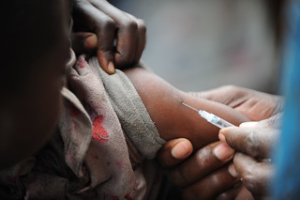
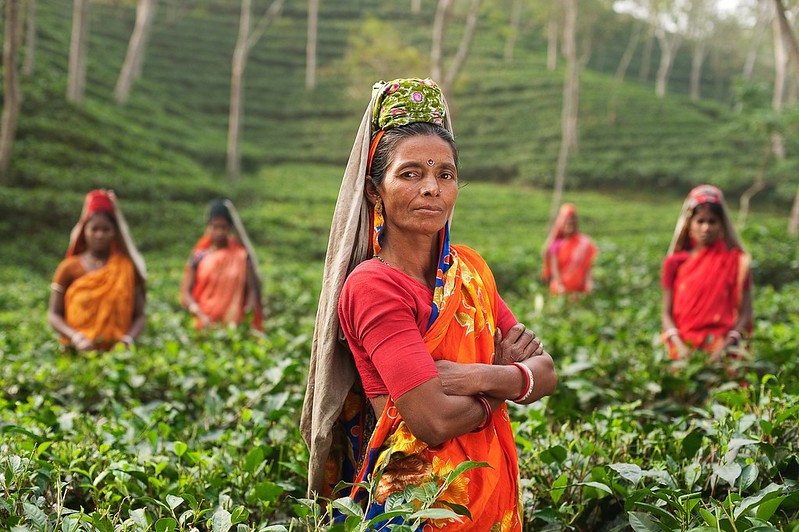
HIV in South AfricaFollowing apartheid, South Africa became the focal point of the AIDS epidemic. Despite the rapid rise of HIV in South Africa, the governmental response was slow. During the 1980s, people often assumed that the virus spread because of the behaviors of injection drug users and gay men. However, the spread of the disease in Africa looked incredibly different since more than half of the people living with HIV in sub-Saharan Africa were women.
HIV and AIDS in South Africa

When HIV and AIDS started having a widespread impact on South African society and communities, President Thabo Mbeki followed the arguments of Peter Duesberg. Duesberg believed that HIV could not be the cause of AIDS. This was opposed to Western medical approaches to solve the epidemic. Moreover, Tshabalala-Msimang, the Health Minister, advocated for nutritional solutions in 2003.

Other countries tried to help President Mbeki but were unsuccessful in persuading him. Civil society groups raised grave concerns over the need for urgent action. One of the most prominent groups to raise concerns and to have the greatest impact in the region was the Treatment Action Campaign.

The Treatment Action Campaign

Zackie Achmat, along with fellow 10 activists, founded the Treatment Action Campaign (TAC) in 1998. Achmat was a gay rights activist living with HIV. TAC was a tripartite alliance between the AIDS Law Project and COSATU. It was formed as a response to HIV in South Africa. The organization was needed because of the lack of urgency that the government and the medical industry had in responding to the virus. 

TAC is a rights-based organization focused on getting those in need access to treatment for HIV/AIDS. TAC is technical and political in its arguments as it utilizes justifications for actions through moral, scientific and economic reasoning. Also, TAC develops partnerships with activist groups such as the Gay Men’s Health Crisis (GMHC) and ACT UP. It aids in training on ‘treatment literacy’ and initiated a more extensive peer education network. In addition, TAC formed partnerships between elites, academics, professionals and press. However, it ultimately served to strengthen the effort for the poor to advocate for themselves. TAC uses its sources for social mobilization, advocacy, legal action and education.

TAC Fight Against HIV in South Africa

TAC’s first action was to argue for the right to access medical resources, namely antiretrovirals (ARVs). The organization found an inherent fault with the World Trade Organization’s 1995 TRIPS agreement, which legally protected intellectual property and patents.

In 1998, TAC demanded that the South African government introduced a program to prevent mother-to-child HIV transmission (PMTCT). The social movement around advocacy for PMTCT was primarily made up of predominantly poor black women living with HIV. The issue was framed as a moral issue. The pharmaceutical company GlaxoSmithKline (GSK) was profiteering off the sale of the drug. As a result, TAC demanded a price reduction and framed it as a moral issue regarding the South African constitution. The organization succeeded in its demand for legal action.

TAC’s Success

The essential tools for TAC’s success were its use of legal resources and advocacy. TAC made legal demands of the South African government. It also collaborated with progressive lawyers, scientists and researchers to develop plans and alternative policy proposals. TAC went beyond merely advocating for the poor and based policy on the entitlement of rights. The organization has taken successful litigation measures on many occasions. The past successful cases were supported by the efforts of lawyers and TAC’s actions, which involved marches, media campaigns, legal education and social mobilization.

This was possible due to advocacy and partnerships that TAC formed and developed. The structures in which it functioned also made it possible. Article 27 of the South African Constitution took effect in 1997. It includes the right to access medical services, reproductive healthcare and emergency medical treatment.

A key component that made TAC successful was the context in which it was based. The actions of TAC would not be possible without the tools it employed that were already in place within South African infrastructure and ideology. Additionally, TAC focused on the issues of the affected people. This included economic inequity, women’s rights, post-apartheid race relations and the necessity of medication access. The Treatment Action Campaign met immediate and long-term demands for people affected with HIV by addressing inherent human rights issues. TAC was mostly successful in its response to HIV in South Africa because it mobilized the personal into the political.

– Danielle Barnes
Photo: Flickr

June 18, 2020
https://borgenproject.org/wp-content/uploads/borgen-project-logo.svg 0 0 Jennifer Philipp https://borgenproject.org/wp-content/uploads/borgen-project-logo.svg Jennifer Philipp2020-06-18 10:49:522024-05-29 23:17:34Civil Society’s Response to HIV in South Africa 
Global Health, Global Poverty

Improving Healthcare in Rwanda

Healthcare in Rwanda
Rwanda, the small landlocked state with a population of 12.5 million people, has made tremendous strides in the years following the infamous 1994 Rwandan genocide. The fertile and hilly state borders the much larger and wealthier Democratic Republic of the Congo, Tanzania, Uganda and Burundi. Rwanda is currently undergoing a few initiatives that the National Strategies for Transformation plan outlines. For example, Rwanda is presently working towards achieving Middle-Income Country status by 2035 and High-Income Country status by 2050. Among many improvements, many widely consider universal healthcare in Rwanda to be among the highest quality in Africa and the state’s greatest achievement.

Structure of Healthcare in Rwanda

Healthcare in Rwanda includes designed subsidies and a tiered system for users based on socioeconomic status. From 2003 to 2013, healthcare coverage in Rwanda has jumped tenfold, from less than 7% to nearly 74%. The Rwandan system of governance enables this level of widespread coverage. At the district level, funding and healthcare are decentralized to afford specific programs’ autonomy, depending on the needs of individual communities. Policy formulation comes from the central government while districts plan and coordinate public services delivery. In 2005, Rwanda launched a performance-based incentive program, which rewards community healthcare cooperatives based on factors such as women delivering at facilities and children receiving full rounds of immunizations.

Rwanda’s innovative healthcare system does not come without challenges. Nearly 85% of the population seeks health services from centers. Due to such wide use, it often takes long periods of time for health centers to receive reimbursement from the federal government for services rendered.

Improvements in Healthcare Access and Vaccinations

The rate at which Rwandans visit the doctor has also drastically increased. In 1999, Rwandans reportedly visited the doctor every four years. Today, most Rwandans visit the doctor twice a year. In addition, vaccination rates have drastically increased for Rwandans. Over 97% of infants receive vaccinations against diphtheria, tetanus, pertussis, hepatitis B, Haemophilus influenza Type B, polio, measles, rubella, pneumococcus and rotavirus.

Part of the improved healthcare in Rwanda is the state’s fight against cancer. The most common cause of cancer in Africa is human papillomavirus-related cervical cancer. As part of Rwanda’s goal of eliminating cervical cancer by 2020, over 97% of all girls ages 11 to 15 receive vaccinations for HPV. Rwanda is currently developing a National Cancer Control Plan and data registry to help track and combat the spread of cancer. Finally, to improve testing for cancerous markers, the government built the Nucleic Acid Lab as part of the biomedical center in Kigali.

Growing Pains

Despite vast improvements, the country still has a lot to do in regard to healthcare in Rwanda. Over the past two decades, Rwandan healthcare has steadily closed the gap in developed states, such as France and the United States. Life expectancy for Rwandans at birth is 66 and 70 years for males and females respectively.

In France and the United States, life expectancy at birth is nearly 15 years more for both males and females. As a percent of GDP (7.5), Rwanda spends nearly 10% less per year on healthcare than the United States and 4% less than France. Malnutrition is rampant in children; 44.2% of all Rwandan children are classified as malnourished. From 2008 to 2010, anemia levels saw large increases. While family planning is more prevalent, access to contraception is not widely, or at all available, in most parts of the country. Despite the decline of child mortality rates, newborn deaths account for 39% of all child deaths.

Moving Forward

Along with the Rwandan state government, organizations such as Partners in Health (PIH) have helped make vast improvements to healthcare in Rwanda. Locally known as Inshuti Mu Buzima, PIH brings healthcare to over 860,000 Rwandans via three hospitals. The crown jewel of PIH is its Butaro District Hospital, which serves a region in Rwanda that previously did not have a hospital. Today, the hospital is well-known for its medical education and training for all of East Africa.

As widespread access to healthcare continues to spread and immunization efforts increase, healthcare in Rwanda has the potential to lead the way for additional state-wide improvements. Through such efforts, Rwanda’s target goal of Middle-Income Country status by 2035 is creeping further into reach.

– Max Lang
Photo: Flickr

June 9, 2020
https://borgenproject.org/wp-content/uploads/borgen-project-logo.svg 0 0 Lynsey Alexander https://borgenproject.org/wp-content/uploads/borgen-project-logo.svg Lynsey Alexander2020-06-09 01:30:122024-05-29 23:15:58Improving Healthcare in Rwanda
Global Health, Global Poverty

5 Facts About Vaccination in Yemen

Vaccinations in Yemen
Situated in the Middle East, the Republic of Yemen is the second-largest sovereign state in the Arabian peninsula. Being in the clutches of a civil war since 2015, Yemen stands in the second-lowest position for life expectancy in the Middle East with an average life expectancy of 65.31 years. Research has shown that the civil war also had a significant impact on the immunization or vaccination efforts to protect the children of the nation from curable diseases like cholera and measles. Here are five facts about vaccination in Yemen.

5 Facts About Vaccination in Yemen

  1. Cholera Outbreak: Experts consider Yemen’s cholera outbreak, which started in 2016, to be the largest epidemic to ever occur in recorded epidemic history. As of 2018, Yemen reported 1.2 million cases of cholera, and 58 percent of the resulting deaths were of children. The ongoing civil war and the fact that only half the country’s population has access to clean water and sanitation has made it increasingly challenging to tackle the spread of the disease effectively. Organizations like WHO and UNICEF have made severe efforts in distributing Oral Cholera Vaccines (OCV), funding to supply clean water to the citizens and establishing health centers to combat the outbreak. Several randomized trials showed the efficacy of the distributed OCVs to be nearly 76 percent.
  2. Vaccination Rate: Even though vaccines have a proven rate of efficacy, the immense pressure that health care in Yemen experienced suddenly due to large outbreaks decreased the effectiveness with which it could mobilize its immunization efforts. According to the official country estimates of 2018, 80 percent of Yemen’s population received DTP3 vaccination coverage. However, Yemen did not distribute Oral Cholera Vaccines widely until 16 months after the cholera outbreak. This led to a rapid spread of cholera in the nation.
  3. Vaccine Storage Facilities: Many often overlook a country’s vaccine storage capacity. Yemen’s lack of proper facilities and shortage of electricity made it difficult to safely store the vaccines. UNICEF and the Kingdom of Saudi Arabia worked together to provide solar refrigerators to several health care centers to facilitate safer and more reliable vaccinations in Yemen. Health care workers say that solar refrigerators enable them to store the vaccines for one month. This reduces material waste and optimizes vaccine distribution.
  4. Impact of War: The ongoing civil war has put Yemen in a vulnerable position when it comes to the re-emergence of preventable disease outbreaks. Research has shown that countries with conflicts are more susceptible to disease outbreaks. However, these are easily preventable with vaccines. In Yemen, airstrikes destroyed many hospital centers, which made health care more inaccessible to its citizens. The civil war disrupted the stable vaccination rate in Yemen, which was at 70 to 80 percent, falling to 54 percent in 2015 at the time that the war broke out.
  5. Humanitarian Efforts of International Organizations:  In war-torn countries with feeble financial stability, humanitarian efforts play a significant role in disease control. The World Health Organization (WHO) contributed 414 health facilities and 406 mobile health teams to combat the cholera outbreak and facilitate vaccination in Yemen. Meanwhile, UNICEF made substantial efforts to provide safe drinking water to 1 million residents of Yemen. It also contributed medical equipment to remote parts of the country with the help of local leaders.

Yemen has clearly faced challenges in vaccinating its citizens in recent years due to civil war and conflict. Hopefully, with continued aid from UNICEF, the WHO and other countries like Saudi Arabia, vaccination in Yemen will improve.

– Reshma Beesetty
Photo: Flickr

May 14, 2020
https://borgenproject.org/wp-content/uploads/borgen-project-logo.svg 0 0 Lynsey Alexander https://borgenproject.org/wp-content/uploads/borgen-project-logo.svg Lynsey Alexander2020-05-14 01:30:122020-05-11 08:51:285 Facts About Vaccination in Yemen
Advocacy, Global Poverty

5 Instagram Accounts Raising Poverty Awareness

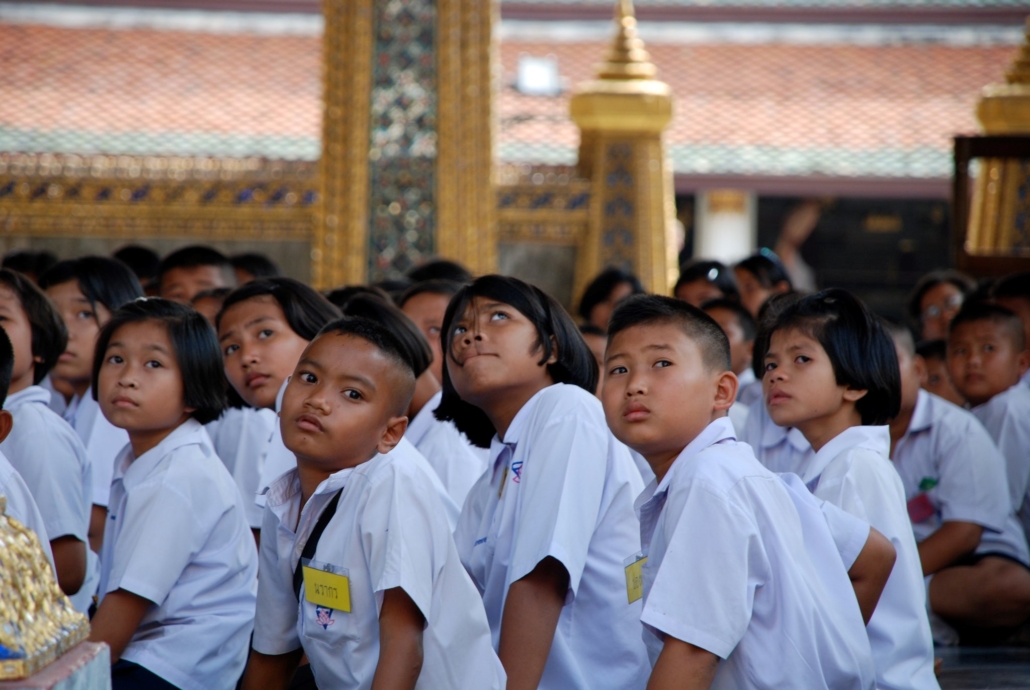
Instagram Accounts Raising Poverty AwarenessSocial media is a powerful tool used to spread awareness about many different topics. Many different organizations design accounts on Instagram to advocate for global poverty through powerful images and words. Here are five Instagram accounts raising poverty awareness.

5 Instagram Accounts Raising Poverty Awareness

  1. Doctors Without Borders (@doctorswithoutborders) – This organization works to provide medical care for patients all over the world, and it currently operates in more than 70 countries worldwide. Doctors Without Borders also conducts medical research on topics such as economic and social conditions in El Salvador and HIV in South Africa. The organization’s Instagram account has 581,000 followers. The account’s posts range from information about their health care projects to powerful photographs that illustrate different crises.

    A powerful animation video posted on March 18, 2020 describes the struggles that Rohingya refugee families face as they are forced to move to camps in Bangladesh, including being prone to COVID-19 and other disease outbreaks. The animation was created “to put a human face on the humanitarian crisis that devastated this community.”

  2. Pencils of Promise (@pencilsofpromise) – Pencils of Promise is a group that raises funds to build schools and combat education problems for people around the world. To date, Pencils of Promise has built 524 schools and has 108,643 students. The organization uses its Instagram platform with 210,000 followers mainly to share photos of children around the world who are receiving education and their stories. The Pencils of Promise Instagram showcases the great impact of the organization’s work.

  3. Oxfam (@oxfamamerica) – Oxfam is an organization that works to reduce poverty by providing grants to build infrastructure for the poor, encouraging the rich to allot money towards helping the poor, and helping communities recoup after disasters. The Oxfam Instagram account has more than 78,000 followers. The account creators share easy-to-read graphics, numbers and statistics related to global poverty reduction. The Oxfam Instagram also shares inspirational quotes to instill hope regarding the fight against global poverty. One of the quotes posted on the page is “Hope and fear cannot occupy the same space. Invite one to stay.”

  4. Global Citizen (@glblctzn) – Global Citizen is an organization that relies on citizens all over the world to organize events and advocate to reduce global poverty. The account, which has 530,000 followers, includes many posts from musical artists who hold mini-concerts to spread global poverty awareness. During the COVID-19 outbreak, the Global Citizen account is sharing videos with the hashtag #Togetherathome to promote social distancing and global health safety.

  5. Charity: Water (@charitywater) – Charity: Water is an organization that works to provide clean and safe water to communities of people in developing countries. The Charity: Water Instagram account has 457,000 followers. The organization’s posts show the success of its efforts and the importance of providing clean water to people worldwide. A post from April 3, 2020, celebrates the completion of “544 water projects across India, Ethiopia and Mozambique.”

With 1 billion active monthly users, Instagram can be a powerful way to spread awareness about global poverty. These five Instagram accounts raising poverty awareness are making the world a better place one post at a time.

– Shveta Shah
Photo: Flickr

April 30, 2020
https://borgenproject.org/wp-content/uploads/borgen-project-logo.svg 0 0 Jennifer Philipp https://borgenproject.org/wp-content/uploads/borgen-project-logo.svg Jennifer Philipp2020-04-30 07:31:412020-04-28 12:47:535 Instagram Accounts Raising Poverty Awareness
Advocacy, Education, Global Poverty

Children with Developmental Disabilities

Children with Developmental Disabilities
Across all countries, 20.4 percent of children have at least one developmental disability. In developed countries like the U.S., many schools have resources for children with developmental disabilities, but in countries where a solid implementation of an education system is struggling to find a foothold, people with learning disabilities often face an additional, invisible hurdle.

Medical professionals conducted a study that screened populations for developmental disabilities throughout the world. A developmental disability is a type of disability that occurs before adulthood. Some of these are learning disabilities, but all of them impact a child during the prime educational years. The study first sorted countries based on HDI (Human Development Index) a score the U.N. gives to countries according to life expectancy, education and gross domestic product (GDP). In general, this means that countries with higher HDI are more developed, and those with lower HDI are less developed.

Out of a pool of 16 countries, this study included 101,250 children averaging 5 years of age. The countries with the highest number of children with developmental disabilities include Thailand, Bangladesh and Iraq.

Thailand has an HDI of 0.755, Bangladesh has one of 0.608 and Iraq has one of 0.685. For scale, Norway has the highest HDI at 0.953. Thailand ranks 83rd in the world for high human development (though still developing), whereas Bangladesh and Iraq lay in the “medium developed” range.

Thailand 

The study concluded that Thailand had 12,911 children with a developmental disability. In Thailand, communities, professional groups and other social institutions provide education and learning centers, which serve as Thailand’s primary agents of education. Thailand has separate schools available for children with developmental disabilities. Thailand gives other resources, like communicative devices, to children with disabilities to aid in education. Thailand has different classifications of disabilities, like intellectual disabilities, learning disabilities and behavioral disorders, and different sorts of schooling options available to accommodate these different groups. The parents and the children can choose which system they would like to use, and it is available as a lifelong educational resource for them.

The Education for Development Foundation (EDF), founded in 1987, started a scholarship in 2003 with the intention of making education more accessible to children with developmental disabilities. This scholarship aims to support the physical, social and emotional development of Thai youth. To qualify, candidates must already demonstrate a certain level of communicative and learning ability.

Bangladesh 

The study also found that in Bangladesh, there were 36,987 children with developmental disabilities. It also determined that the rate of enrollment for a primary school in Bangladesh was 97 percent, but only 11 percent of disabled children received any sort of education.

Approaching education with respect to disabilities, methodical diagnosing and treating physical ailments is not possible. A child’s environment has a larger role in deciding how a disability might appear. As such, many early childhood education specialists recommend an approach that relies more on the stage of development the child is in to see what children with disabilities are capable of learning. Similar to how Thailand’s education system handles children with disabilities, Bangladesh has different types of schools to choose from. Unfortunately, that sort of data is not readily available or consistent.

Many international efforts to improve educational and social infrastructure have aimed to support the needs of children with developmental disabilities in impoverished countries. As a result of the UNESCO Declaration on Education for All (1990), the Dakar Framework (2000) and the Salamanca Declaration on Inclusive Education (1994), Bangladesh is working to offer children with developmental disabilities an inclusive education alongside able-bodied children.

While this sentiment does bring the needs of children with developmental disabilities to light, it is not sufficient in clearing various obstacles that arise. One study surveyed educators on the barriers of educating children with disabilities. The results were that 11 out of 15 respondents answered ‘yes’ to a lack of the proper instruments and learning materials.

Iraq

The study showed that Iraq had 11,163 children with developmental disabilities. Malnutrition, an issue in many developing countries, can inhibit cognitive development, leading to learning disabilities and difficulties.

Further, one in three children suffers from an iodine deficiency in the Iraq and Afghanistan areas. This deficiency can result in a slew of health issues including goiter, learning difficulties and severe mental impairment in the worst cases. Statistics have shown that this environmental factor contributes to the rate of mentally disabled individuals. This adds pressure on Iraq to determine adequate educational accommodations for children with developmental disabilities.

Although, since the Iraqi society is advancing technologically, there are diverse ways to deliver education to children. This means that a wider range of people can receive education, including children with developmental disabilities. The United Nations Children’s Fund launched a series of e-projects in an attempt to standardize accessible, inclusive learning. These projects were available to all students – disabled or otherwise. About 4,000 schools had access to these e-projects, not only making education accessible to all but also providing equity to education.

Solutions

Disabled Peoples’ International (DPI), established in 1981, works on behalf of all disabled individuals to give them a proper place in education, the workforce and society alongside able-bodied counterparts. DPI is active in 139 countries and seven regions, including Africa, Asia and the Middle East. DPI also develops educational materials, promotes the rights of disabled people and collects data on disability issues.

In working with MPhasiS F1 Foundation, the organization is creating a Global Youth with Disabilities Network. This network will advocate for the representation of children with developmental disabilities throughout all levels of decision-making. The organization plans to ensure these youths have access to public transportation, health care, education and employment opportunities.

– Catherine Lin
Photo: Flickr

April 29, 2020
https://borgenproject.org/wp-content/uploads/borgen-project-logo.svg 0 0 Lynsey Alexander https://borgenproject.org/wp-content/uploads/borgen-project-logo.svg Lynsey Alexander2020-04-29 15:02:422024-06-05 02:12:23Children with Developmental Disabilities
Activism, Advocacy, Charity, Global Health, Global Poverty

Elton John’s Impact Through Five Organizations

Recognized as one of the top-selling artists in history, Sir Elton John has continued to have an enormous impact on the music industry and pop culture. However, his influence goes beyond music. Over the years, John has used his platform to raise awareness for several charitable organizations. Here is a glimpse of Elton John’s impact through his efforts with five organizations.
Elton John’s Involvement

  1. Elton John AIDS Foundation – Elton John founded the Elton John AIDS Foundation (EJAF) in the U.S. in 1992 and a separate entity in the U.K. in 1993. This organization aims to fund programs that alleviate the financial, emotional and physical pain caused by HIV/AIDS. EJAF fights to raise awareness, educate, treat and prevent HIV/AIDS. In 2018, it enabled 235,000 adolescents to receive HIV testing and connected more than 68,000 patients to treatment programs. Since 2010, the organization has reached and over 11.5 million people and has raised $125 million to support similar programs around the globe.
  2. Riders for Health – In 2008, Elton John donated 120 motorcycles to healthcare workers in Lesotho. The bikes enable doctors and nurses to reach patients in remote areas of Lesotho, where many suffer from HIV/AIDS and tuberculosis. Lesotho has the second highest number of individuals infected by HIV, and the second highest number of cases in tuberculosis.  Additionally, almost 73 percent of patients infected with tuberculosis are simultaneously infected with HIV. John made the donation in partnership with the Lesotho Ministry of Health and Riders for Health. Founded in 1996, Riders for Health is an international nonprofit dedicated to increasing accessibility and efficiency of healthcare in Africa. The organization manages motorcycles, ambulances and other vehicles that provide healthcare to seven countries in Africa.
  3. Breast Cancer Research Foundation – Through his performances and donations, Elton John has supported the Breast Cancer Research Foundation (BCRF) for over 15 years. BCRF provides essential funding to cancer research worldwide and is the highest-rated breast cancer organization in the U.S. At the NYC Hot Pink Party in 2016, BCRF honored John with a research grant in his name due to his dedication to the organization. He capped off the night with a performance. This event alone raised over $6.8 million for breast cancer research.
  4. Starkey Hearing Foundation – In 2012, Elton John and spouse David Furnish joined the Starkey Hearing Foundation on a trip to Manila to help fit more than 400 children and adults with hearing aids. The Starkey Hearing Foundation is committed to raising awareness, education and protection of hearing care. The organization provides more than 100,000 hearing aids annually and has reached over 100 countries. Additionally, John has previously preformed at the So the World May Hear Awards Gala to raise funds and awareness for hearing accessibility.
  5. The Elton John Sports Fund – Elton John’s impact is also present through the Elton John Sports Fund. Rocket Sports started the Elton John Sports Fund in 2014 in partnership with SportsAid. This partnership supports young athletes by providing money to travel, to get necessary equipment and to decrease the overall financial strains of a given sport. The recipients of the Elton John Sports Fund are promising athletes who come from a variety of socioeconomic backgrounds and sports interests.

Throughout his career, Elton John has championed numerous causes, earning him awards such as the Peter J. Gomes Humanitarian of the Year Award in 2017 and the BAMBI Award in 2004. John has performed at countless benefit concerts, raising awareness for organizations that range from rainforest conservation to supporting first responders during the COVID-19 pandemic. Elton John has made a lasting impact on the world, using his star-studded platform for good.

– Megan McKeough

Photo: Flickr

April 29, 2020
https://borgenproject.org/wp-content/uploads/borgen-project-logo.svg 0 0 Jennifer Philipp https://borgenproject.org/wp-content/uploads/borgen-project-logo.svg Jennifer Philipp2020-04-29 04:00:312024-05-29 23:15:46Elton John’s Impact Through Five Organizations
Global Health, Global Poverty, Poverty

3 Parts of the World Tackling Poverty Alleviation

Tackling Poverty AlleviationDespite over 700 million people living in extreme poverty, poverty alleviation strategies recently reduced those rates. Poverty is multidimensional, meaning there are more aspects that one should consider than low income and resource shortages. Poverty includes hunger, malnutrition, violence, lack of human rights and little to no health care. According to Our World in Data, the fast rate in economic growth and political support for improved living standards have improved the state of poverty alleviation in various countries. Socio-economic advancement stems from improved access to opportunities where the four common areas of focus are food, education, employment and security. Here are three parts of the world tackling poverty alleviation.

China

China has made considerable progress in tackling poverty alleviation by bringing citizens out of traditional rural lifestyles. In 2018, around 41 percent of China’s rural population was living in impoverished countrysides. In 2013, China set policies to promote socio-economic development. By registering individuals into a database, China implemented rapid strategies and programs to benefit the entire nation. Meanwhile, Beijing launched an anti-poverty campaign to bring these citizens into more urban locations.

Committing to development with infrastructure and improving tourism, the government helped villagers tremendously. The government strengthened financial support by providing proper funding for health, education, industrial development and agricultural modernization and better access to the internet. Specifically, the 2007 health reform addressed poverty alleviation by providing health care centers for men and women and improving the quality of these centers.

Additionally, the Guizhou Province gave millions of dollars to poor students in 2015 to provide meals to children during the day. Feeding the children increases confidence and improves performance in the classroom. China also built schools in rural and mountain areas to accommodate male and female students. Educating the young means future generations should be able to rise out of poverty as well.

Poverty alleviation also occurs from supporting livestock and crop production in regard to trade partners. Improving farming practices also decreases pollution throughout the country. The Ministry of Agriculture has fully invested in increasing sustainability within agricultural and technological development.

Africa

Government resources in Africa have been vital to the 13 percent poverty alleviation from 1990 to 2015. To combat corruption, Uganda created an anti-corruption action plan through the Ministry of Ethics and Integrity. Tanzania even followed these steps with a National Anti-Corruption Strategy and Action Plan. Other programs directed toward social welfare have also contributed to economic growth. By providing conditional cash-transfers, African citizens have more financial security. Promoting governmental transparency through the 2003 Extractive Industries Transparency Initiative (EITI) has protected citizens from violence at a political level.

Further, education for youngsters, with a target for girls and women, have slowed economic poverty; gender inequalities have traditionally set back girls and women in society. The Africa Educational Trust (AET) program focuses on self-empowerment and providing education for all, and is breaking the glass ceiling for African women. Improving inclusivity within communities by removing these women and girls from traditional societal roles inevitably protects from violence. Not only do women get the opportunity to progress in society, but fertility and child mortality rates decline through improved prenatal nutrition.

Finally, agricultural investments through governmental incentives have enhanced food production. South Africa’s Expanded Public Works Program (EPWP) launched in 2004 with the aim of expanding job and industrialization practices. Access to clean water through sanitation reforms has drastically improved health status throughout the continent. In Nigeria, the Third National Urban Water Sector Reform Project tackles the water-scarcity issue by investing in water treatment, disease prevention and enhanced water distribution strategies.

El Salvador

El Salvador stands out as one of the more impoverished countries in Latin America. However, in 2013, the poverty rate dropped from 40 percent to 28.9 percent. The government transformed the national debt by addressing historical conflicts that damaged the economy. Tensions between the government and gang warfare affected 16 percent of the country’s annual GDP. Addressing gang violence through the Youth Employability and Opportunities initiative gives children a future involving better education without the pressure of joining a gang to survive.

The Civil War from 1980-1992 also put an enormous strain on the country’s safety. The Safe El Salvador plan addresses poverty alleviation by strengthening community bonds.

Additionally, health care and job investments have aided the country’s endeavors of poverty alleviation. The Strengthening Public Health Care System project invested in health services that have declined mortality rates and have improved disease prevention. Further, the El Salvador government partnered with the Millennium Challenge Corporation (MCC) in 2014 to focus on the youth by providing infrastructure and skills to stabilize the economy.

The Social Protection Universal System in 2014 assisted in the protection of the country’s citizens regarding human rights. Another danger to the country is natural disasters, which take a massive toll on the environment and safety of the large population. The government created the El Salvador Disaster Risk Management program to prepare for emergencies such as earthquakes and tropical storms, but it also addressed the recovery process after they hit.

Despite slower progress in some regions of the world, these three parts of the world are continuing to make tackling poverty alleviation a main focus. Investing in the wellbeing of people is a common practice in maintaining human dignity and saving countless lives every day. By establishing attainable goals and understanding the nature of poverty, countries can make significant changes for the future of the globe.

– Sydney Stokes
Photo: Pixabay

April 25, 2020
https://borgenproject.org/wp-content/uploads/borgen-project-logo.svg 0 0 Jennifer Philipp https://borgenproject.org/wp-content/uploads/borgen-project-logo.svg Jennifer Philipp2020-04-25 07:30:422020-04-21 07:25:563 Parts of the World Tackling Poverty Alleviation
Page 24 of 77«‹2223242526›»

Get Smarter

  • Global Poverty 101
  • Global Poverty… The Good News
  • Global Poverty & U.S. Jobs
  • Global Poverty and National Security
  • Innovative Solutions to Poverty
  • Global Poverty & Aid FAQ’s
Search Search

Take Action

  • Call Congress
  • Email Congress
  • Donate
  • 30 Ways to Help
  • Volunteer Ops
  • Internships
  • Courses & Certificates
  • The Podcast
Borgen Project

“The Borgen Project is an incredible nonprofit organization that is addressing poverty and hunger and working towards ending them.”

-The Huffington Post

Inside The Borgen Project

  • Contact
  • About
  • Financials
  • President
  • Board of Directors
  • Board of Advisors

International Links

  • UK Email Parliament
  • UK Donate
  • Canada Email Parliament

Get Smarter

  • Global Poverty 101
  • Global Poverty… The Good News
  • Global Poverty & U.S. Jobs
  • Global Poverty and National Security
  • Innovative Solutions to Poverty
  • Global Poverty & Aid FAQ’s

Ways to Help

  • Call Congress
  • Email Congress
  • Donate
  • 30 Ways to Help
  • Volunteer Ops
  • Internships
  • Courses & Certificates
  • The Podcast
Scroll to top Scroll to top Scroll to top