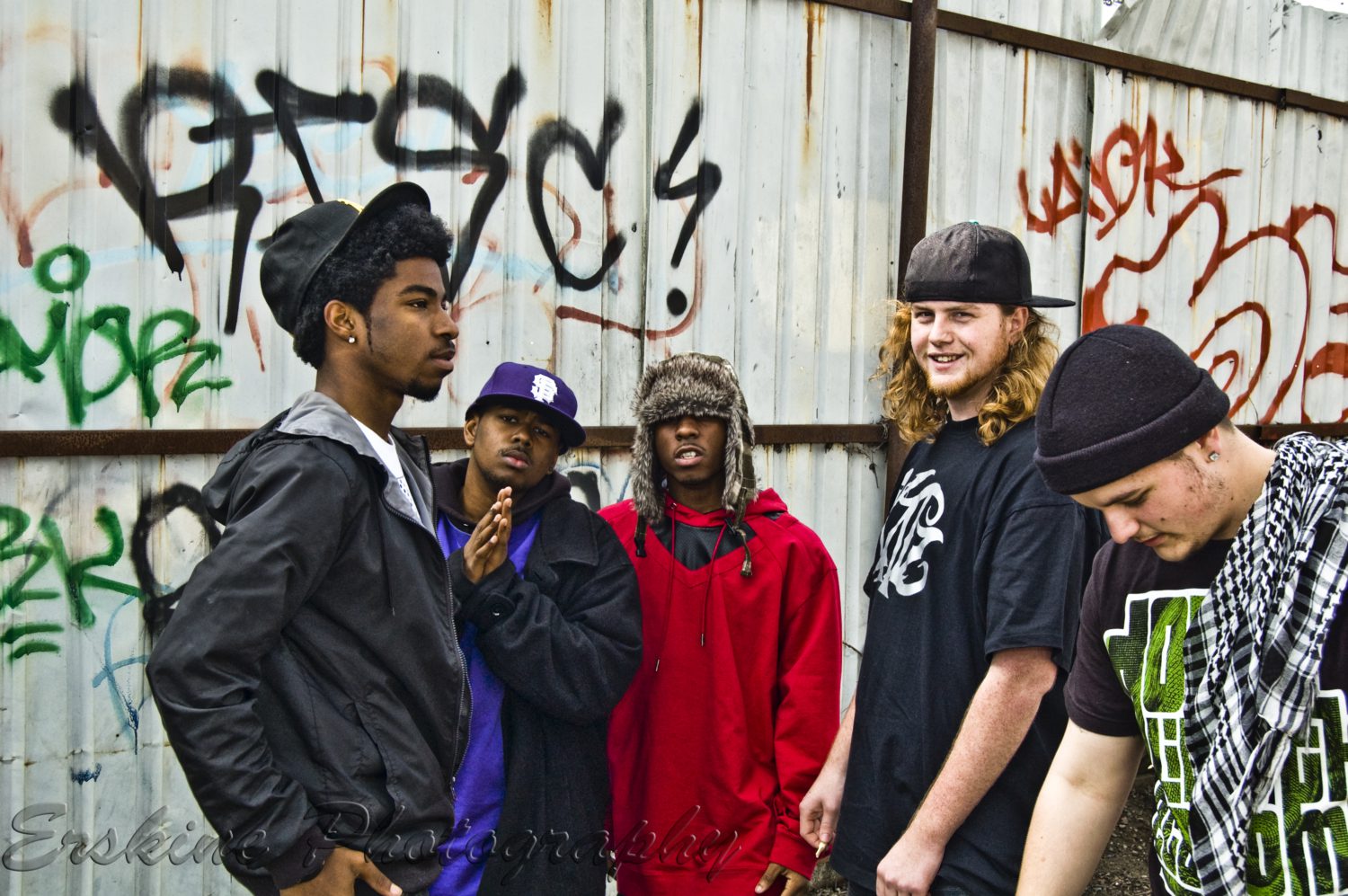
 “Homeboys has given me hope. It’s given me a better understanding of myself. Before, I just never gave myself a chance. So it’s encouraged me to change my life.” Latisha Valenzuela is one of the thousands of Angelenos and persons worldwide that Homeboy Industries impacted. Founded by Father Greg Boyle in 1988, Homeboy Industries has become the world’s most extensive program that works at least with those involved with gangs and jailed. Recently, an international jury chose the nonprofit organization as the 2020 recipient of the Conrad N. Hilton Foundation’s Humanitarian Prize, the world’s largest yearly humanitarian award.
Homeboy Industries is a thought leader and innovator in the area of criminal justice. Its model is fundamentally based on context: standing with the demonized and marginalized, healing them and investing in their futures; it involves a culture of compassion, tenderness and kinship.
Poverty
In its 2018 annual report are the words: “For most, a criminal record is a life sentence to poverty.” Gang violence is an outgrowth of something more profound: deprivation or trauma that an individual experiences. These cause pain and insecurity, which youth (between 12 and 25 years of age as outlined in the report) who are gang members do not or cannot properly deal with, and instead of causing themselves and others pain. Their actions as youth affect their lives as adults.
Not only are gangs and crime a product of poverty, but gangs and corruption contribute to it. It is a cycle. Gangs, crime and poverty must be dealt with together.
Whether or not the following relates to poverty, Director of the Scottish Violence Reduction Unit (SVRU) Niven Rennie said concerning the rise in gang and knife crimes that the “main driver” is poverty. Although there may not be a universal definition of “gang,” it is at least possible that there are potential connections between poverty and gang membership and gang violence:
1. Gangs usually exist in areas where there is a lack of opportunities and social exclusion.
2. Marginalized persons, such as those in poverty, are specifically targeted for recruitment, violence and pressure (p 4); however, gang activities even affect ordinary persons.
3. Gangs exist in developed countries, such as Scotland (at least the U.K., which comprises Scotland) and the U.S., and developing countries, including those in Latin America.
Actions, Not Only Words
Not only are compassion, tenderness and kinship important, so too is providing for those involved in gangs or jailed or are susceptible to becoming involved. Homeboy Industries offers tattoo removal, education, substance abuse support, legal assistance and solar panel training. It also has its very own social enterprises, job training for homeboys and homegirls. Businesses include a bakery and electronics recycling.
Additionally, the nonprofit has a global network, which launched in 2014. Over 400 organizations have emulated or engaged with it to whatever degree. Representatives from countries such as Denmark and Scotland, Nicaragua and El Salvador are part of the network.
In an interview with Devex, a social enterprise connected to the global development community, Boyle is attributed as saying, “Everything is about something else. … The trick in any country is to find the ‘something else.’… Try to find a lack of connection and kinship.” In Scotland, Boyle worked with “the VRU” (as seen in a BBC article) in Glasgow. Braveheart Industries is a charity based on the manifestation of his work in Los Angeles; it has a social enterprise located in Glasgow that employs people with convictions.
El Salvador has seen reductions in levels of poverty and advances in human development. Nevertheless, gangs are active in the country. After he visited Homeboys Industries, Jaime Zablah founded La Factoría Ciudadana in the country. As examples, it offers therapy and tattoo removal.
Hope
International Youth Day was on August 12. Not all youth become gang members; some are “fundamental drivers and critical partners” concerning work concerning conflict-prevention and peace-building. Poverty can hinder the potential of young people: the World Programme of Action for Youth recognizes that basic needs such as education and sustainable livelihoods are crucial for youth social development.
Homeboy Industries has been there for the youth, launching the Summer Youth Program in 2018 as part of its “expansive approach to putting an end to the cycle of incarceration and poverty.” As youth need compassion, tenderness, and kinship, so does the world need youth with great aspirations, such as helping those involved in gangs or jailed.
– Kylar Cade
Photo: Flickr

Gap Year Programs Fighting Poverty in Ecuador
Roughly the size of Colorado, Ecuador is a South American country rich in cultural and ethnic diversity. However, poverty in Ecuador is rampant, with more than 21% of Ecuadorians living below the poverty line. Poverty also disproportionately affects Indigenous populations, who have less access to resources like clean water and health care. Fortunately, many gap year programs fighting poverty in Ecuador let students get involved in the cause while allowing them to experience Ecuadorian culture. Here are three gap year programs fighting poverty in Ecuador:
3 Gap Year Programs Fighting Poverty in Ecuador
Firsthand Experience
Jeffery Fishman is a rising sophomore at the University of Pennsylvania. Fishman took a gap year to live in Ecuador for eight months and help with poverty alleviation efforts there.
In an interview with The Borgen Project Fishman said that “While living in the Imbabura Province of Northern Ecuador as a Global Citizen Year fellow, I worked at Fundación Arupo, an Ibarra-based therapy center for children with special needs. Fundación Arupo is a unique therapy center in that it provides physical, speech, occupational, psychological and psycho-pedagogical therapy all in one location. In the mornings, I worked to organize monthly events for students in local school districts to teach them about special needs and to encourage an inclusive learning environment. In the afternoons, I helped out the therapists during therapy sessions with the children. Additionally, I lived with an Indigenous host family who introduced me to the Kichwa culture.”
Fishman explains that while living in San Vincent, an agrarian society, he saw poverty firsthand. He said that “Most community members were agrarian workers, who lived off the day-to-day income they earned through selling their crops at markets. As a result, salaries in the community were often unstable and variable depending on the season and product demand. Even so, the community was very tight-knit and was able to band together to help each other out when they fell upon hard times. In terms of infrastructure, the community faced frequent water shortages that could last anywhere from a few hours to a few days.”
Poverty Alleviation and Cultural Immersion
While Fishman engaged in much rewarding anti-poverty work, he was also able to experience Ecuadorian culture. “My favorite Ecuadorian food was llapingachos, which are these fried potato pancakes cooked in achiote and are super crispy and delicious,” he said. “I loved conversations with my host family, where we shared aspects of our lives. Our nights together were filled with laughter and smiles until our cheeks were sore, and no matter how my day was going, I knew dinner would always cheer me up!”
Fishman’s experience, along with these three gap year programs fighting poverty in Ecuador, highlights the enriching experience of volunteering abroad. Not only can students who take a gap year immerse themselves in a new culture, but they can also actively work to help fight poverty in Ecuador and elsewhere around the globe.
– Kira Lucas
Photo: Flickr
Zimbabwe Schools Cannot Expel Pregnant Schoolgirls
Countries in sub-Saharan Africa Commonly Expel Pregnant Schoolgirls
It was a common practice in Zimbabwe for schools to expel pregnant schoolgirls. It is also common in many African countries such as Equatorial Guinea, Tanzania, and Togo. In fact, there are no re-entry policies or laws that protect pregnant schoolgirls’ rights to education in 24 African countries. Some schools in Africa go as far as conducting mandatory pregnancy tests on schoolgirls. This poses a significant challenge for women on the African continent since the highest adolescent pregnancy rates in the world are found there. Some pregnant schoolgirls resort to procuring unsafe abortions while others drop out upon learning that they’re pregnant.
Part of the problem is that African Union member states centered discussion about this issue around the idea that pregnancy outside of marriage is wrong. These opinions stem from broad interpretations of religious teachings. The view is that if they allow pregnant schoolgirls the opportunity to continue their education, it would normalize pregnancy outside of marriage.
Causes and Consequences of Adolescent Pregnancy
While many use the morality argument to stigmatize pregnant schoolgirls, many factors are outside of these girls’ control. In Africa, the main causes of adolescent pregnancy are sexual abuse, sexual exploitation, poverty and lack of information about reproduction and sexuality. Other main causes are lack of access to birth control and family planning services. Child marriages also play a large role in adolescent pregnancies in Africa. Approximately 38% of girls are married before the age of 18 and 12% are married before age 15 in sub-Saharan Africa.
Since adolescent pregnancy usually stops a girls’ education, poverty is a determinant and a consequence of adolescent pregnancy. Low levels of education can confine girls to low-paying jobs and low socioeconomic status. Additionally, there are socioeconomic consequences and health risks associated with adolescent pregnancy. In Africa, when compared to women aged 20-24, adolescents under the age of 15 are five to seven times more likely to die in pregnancy and childbirth.
The Benefits of Countries Making it Illegal for Schools to Expel Pregnant Schoolgirls
There are many benefits of countries making it illegal for schools to expel pregnant schoolgirls. For starters, education leads to a reduction in poverty. A girl’s future earning potential can increase by up to 25% from only one year of secondary education. On a larger scale, the average gross domestic product of a nation rises by 0.3% when that nation’s female education rate rises by one percentage point.
Educated women tend to have children who are healthier and more educated than children with uneducated mothers. A child is 50% more likely to survive past age five if they are born to a mother that can read. A research found that a child’s life expectancy increases by an average of 0.32 years for every year their mother goes to school. Women who received a quality education were “more than twice as likely to send their children to school.” Therefore, providing women with education has the potential to create a cycle of adolescent education. The education of women can also lead to a reduction in domestic violence. There are connections between fewer years of education and higher risks of intimate partner violence. When women are more aware of their risks and rights, it is easier for women to keep themselves safe.
Now it’s Illegal for Schools to Expel Pregnant Schoolgirls
Due to COVID-19, concerns over the effect of school closures on sexual abuse and unwanted pregnancies have increased. As a result, officials in Zimbabwe have made it illegal for schools to expel pregnant schoolgirls. The goal of the legal amendment is to reinforce a 1999 guideline. A guideline that did not sufficiently protect girls’ right to an education. This amendment is arguably overdue since 12.5% of Zimbabwe approximate 57,500 school dropouts were due to pregnancy or marriage reasons in 2018. Women’s rights campaigners have stated that they believe this measure is vital for tackling gender inequality in the classroom. In addition, it will stop many girls from deciding to drop out of school.
Hopefully, Zimbabwe’s overdue amendment will influence other African countries to protect women’s right to an education and make it illegal for schools to expel pregnant schoolgirls.
– Araceli Mercer
Photo: Flickr
Protecting the Health and Human Rights of Refugees During COVID-19
In March as the worldwide outbreaks quadrupled and human rights organizations around the world urged governments the dangers the coronavirus would impose on refugees and asylum seekers. The World Health Organization, the UNHCR and several other organizations put out a joint press release that pressured governments to release migrants and undocumented individuals from immigration detention centers as well as include them in public health relief efforts. Here are three countries that have prioritized protecting the health and human rights of refugees during COVID-19. They show that these policies could be sustained even beyond the crisis.
Countries Protecting the Health and Human Rights of Refugees During COVID-19
Amnesty International stated that in order to fix the refugee crisis “the world urgently needs a new, global plan based on genuine international cooperation and a meaningful and fair sharing of responsibilities.” Policy experts are hopeful that these new policies will help governments to consider new possibilities for a more humane approach to helping displaced migrants and asylum seekers in the future. The health and human rights of refugees need to be protected.
– Isabel Corp
Photo: Flickr
Update on SDG Goal 4 in Bangladesh
Since 2015, Bangladesh is one of the many countries that have made remarkable improvements in reducing poverty, which meets SDG Goal 1. For instance, in 2018, only three years after implementing the SGDs, the proportion of the population living below the international poverty line decreased by 8.3% relative to 2010. Similarly, the percentage of the population living below the domestic poverty line decreased by 9.9% from 2010 to 2018.
This decrease in poverty is a marked improvement. However, Bangladesh still faces many challenges in establishing an adequate educational system. To tackle such an expansive issue, the government has set multiple targets in its aim to achieve SDG Goal 4 in Bangladesh.
Here are five accomplishments in the Bangladeshi effort to provide a more inclusive education system:
Established Various Education Expansion Programs
The Bangladeshi government has launched various projects with help from organizations such as the World Bank and the United Nations Population Fund (UNFPA). These projects were created to address specific issues and build upon successes of the Bangladeshi education system to accomplish SDG Goal 4. For instance, Bangladesh boasts a 99% child enrollment rate and a steadily growing 73% literacy rate. However, participation in secondary and higher education is lacking in Bangladesh; the International Labor Organization recently noted that 27% of youths aged 15 to 27 were not engaged in any form of education, employment or training.
Projects such as the Higher Education Quality Enhancement Project (HEQEP) and Secondary Education Quality and Access Enhancement Project (SEQAEP) aim to increase the participation of Bangladeshi youths in the educational system. Additional projects include the Secondary Education Sector Investment Program (SESIP) and Generation Breakthrough and Teaching Quality Improvement (TQI). These projects will attempt to overcome the barriers to education and reduce inefficiencies in the system. This includes improving school infrastructure, increasing transportation options and eliminating redundant standardized testing.
Expanded Education in Rural Areas
Education in rural Bangladesh is especially troubling. Many regions lack access to primary schooling, leaving little opportunity for people to grow professionally. To increase overall participation, the Bangladeshi government expanded access to preprimary and primary schooling, specifically in rural areas. Over the past few decades, the government has built thousands of schools and improved infrastructure in rural areas. Rural education still remains an area of concern in Bangladesh. The various projects mentioned above aim to ensure consistent growth in rural education so as to ensure the attainment of SDG goal 4 in Bangladesh.
Increased Enrollment Rates
Due to primary education’s expanded opportunities, enrollment rates have risen dramatically in recent years. According to the United Nations Development Programme, the overall school enrolment rate stood over 90% by 2015. As a result, literacy rates are constantly improving and are now at 73%. The demographics of students also diversified as more females have been given a chance to partake in formal schooling.
Textbook Celebration Day
A holiday called the Textbook Celebration Day occurs annually on January 1 to promote better education in Bangladesh. As implied by the name, the festival provides students all across the country with free textbooks. Students from preprimary to secondary level are all eligible to receive books written in Bengali and various ethnic languages, including Chakma, Marma, Sadri, Tripura and Garo. In 2019, there were over 35,21,97,882 textbooks distributed among 4,26,19,865 primary and secondary level students.
Bangladesh Bhavan
The Bangladeshi Ministry of Education established Bangladesh Bhavan, a center for people who want to engage in cultural education. The two-story building includes various amenities such as a 450 capacity auditorium, museum and library. It also has a research center, two seminar halls and a cafeteria. Moreover, the center is located in India, which according to both countries’ prime ministers expresses the two countries’ harmonious ties.
Although Bangladesh was once severely lacking adequate education systems, the implementation of SDG 4 has drastically improved their situation. Bangladesh has not only built more schools but also increased material distribution and cultural education. Additionally, the government has worked to address the gender imbalance among students. With continuous efforts from the Bangladeshi government and outside organizations, education in Bangladesh will inevitably flourish.
– Heather Law
Photo: Flickr
Homeboy Industries Helps Those Involved with Gangs
Homeboy Industries is a thought leader and innovator in the area of criminal justice. Its model is fundamentally based on context: standing with the demonized and marginalized, healing them and investing in their futures; it involves a culture of compassion, tenderness and kinship.
Poverty
In its 2018 annual report are the words: “For most, a criminal record is a life sentence to poverty.” Gang violence is an outgrowth of something more profound: deprivation or trauma that an individual experiences. These cause pain and insecurity, which youth (between 12 and 25 years of age as outlined in the report) who are gang members do not or cannot properly deal with, and instead of causing themselves and others pain. Their actions as youth affect their lives as adults.
Not only are gangs and crime a product of poverty, but gangs and corruption contribute to it. It is a cycle. Gangs, crime and poverty must be dealt with together.
Whether or not the following relates to poverty, Director of the Scottish Violence Reduction Unit (SVRU) Niven Rennie said concerning the rise in gang and knife crimes that the “main driver” is poverty. Although there may not be a universal definition of “gang,” it is at least possible that there are potential connections between poverty and gang membership and gang violence:
1. Gangs usually exist in areas where there is a lack of opportunities and social exclusion.
2. Marginalized persons, such as those in poverty, are specifically targeted for recruitment, violence and pressure (p 4); however, gang activities even affect ordinary persons.
3. Gangs exist in developed countries, such as Scotland (at least the U.K., which comprises Scotland) and the U.S., and developing countries, including those in Latin America.
Actions, Not Only Words
Not only are compassion, tenderness and kinship important, so too is providing for those involved in gangs or jailed or are susceptible to becoming involved. Homeboy Industries offers tattoo removal, education, substance abuse support, legal assistance and solar panel training. It also has its very own social enterprises, job training for homeboys and homegirls. Businesses include a bakery and electronics recycling.
Additionally, the nonprofit has a global network, which launched in 2014. Over 400 organizations have emulated or engaged with it to whatever degree. Representatives from countries such as Denmark and Scotland, Nicaragua and El Salvador are part of the network.
In an interview with Devex, a social enterprise connected to the global development community, Boyle is attributed as saying, “Everything is about something else. … The trick in any country is to find the ‘something else.’… Try to find a lack of connection and kinship.” In Scotland, Boyle worked with “the VRU” (as seen in a BBC article) in Glasgow. Braveheart Industries is a charity based on the manifestation of his work in Los Angeles; it has a social enterprise located in Glasgow that employs people with convictions.
El Salvador has seen reductions in levels of poverty and advances in human development. Nevertheless, gangs are active in the country. After he visited Homeboys Industries, Jaime Zablah founded La Factoría Ciudadana in the country. As examples, it offers therapy and tattoo removal.
Hope
International Youth Day was on August 12. Not all youth become gang members; some are “fundamental drivers and critical partners” concerning work concerning conflict-prevention and peace-building. Poverty can hinder the potential of young people: the World Programme of Action for Youth recognizes that basic needs such as education and sustainable livelihoods are crucial for youth social development.
Homeboy Industries has been there for the youth, launching the Summer Youth Program in 2018 as part of its “expansive approach to putting an end to the cycle of incarceration and poverty.” As youth need compassion, tenderness, and kinship, so does the world need youth with great aspirations, such as helping those involved in gangs or jailed.
– Kylar Cade
Photo: Flickr
3 Ways Garment Workers in Bangladesh Are Struggling
Moreover, in the recent global climate, many factories have shut down resulting in layoffs, pay cuts and a struggling economy (not to mention workforce). Many of these factory workers are struggling to make ends meet; forced to figure out just how to survive. Here are three ways that the garment workers of Bangladesh are struggling.
3 Ways Garment Workers in Bangladesh Are Struggling
Organizations Making an Effort
Global Giving is a non-government organization that aims to educate women working in sweatshops and lift them out of poverty. The hope is that in turn, they would also encourage others to do the same by fighting for their rights. Global Giving is a great organization to support because not only does it directly improve the lives of individual women, it also helps women as a whole become more equal and independent. This may help women stray away from sweatshops.
Workers’ Rights
Bangladesh is facing widespread hardship within its working-class because of inadequate and unfair treatment. Adding to the already unsustainable pay — the global pandemic has caused even more layoffs and pay cuts than pre-outbreak outbreak times. The problem that existed before the pandemic was simply highlighted in these recent months. Sweatshop workers in Bangladesh are of course worthy of fair treatment and should receive the rights they deserve.
– Samira Akbary
Photo: Flickr
The Rights of Senegalese Children
Treatment in Schools
Over 50% of Senegal’s population lives in rural areas, making educational institutions challenging and school choice nonexistent. Many children miss the opportunity to attend school because of geographical barriers and familial responsibilities. Only 57% of students living in urban areas enroll in established educational centers.
Physical discipline from teachers is a common experience among children as young as 6-years-old. This makes the student-teacher relationship rigid and unwelcoming. Not only does this propel many students into detesting the school experience, but it also limits the number of safe spaces they have in their daily lives.
Senegalese Children on Streets
Additionally, hundreds of newborn boys in Senegal have no roof over their heads or family to comfort their cries. Many orphaned children among the streets of the nation’s capital Dakar are known as talibé children. They live in the same building that they attend their religious school teachings called Quranic Institutions. These children sleep on crowded sand floors with little to no personal belongings. Their lives have become an endless amount of physical and mental beatings that stay ingrained in them forever.
The fact that the children are subject to daily distress in their school hours is not the only issue. After the Quran’s teachings, a text that preaches peace, the students are forced to roam about the city’s jammed streets and beg for money and food. They receive beatings for showing up empty-handed to their “masters” or caretakers. Talibé children are in grave danger every day. The choice between the Quranic Schools and the streets is between a covered place to sleep or the sandy roads.
Tensions at Home
Furthermore, there is a mortality rate of 78% for children 5 years and under. With this rate, the need to improve home life among infant and toddler Senegalese children is crucial. It is common for very young children to live with extended family or neighbors when growing up instead of with their parents. This results from parents’ occupational obligations or immigration sacrifices to give their children and families a better future. The change in living situations and locations disrupts the mental and physical state of innocent growing children. Rates of sexual and physical abuse are much higher in children living in these estranged situations. This is because of the lack of supervision and trust between the child and the caretaker.
Noko-Boko’s Roots
In 2018 about 650,000 Senegalese children were not enrolled in schools or learning centers. This stunts their social and emotional growth. Zahra Thiam is the president and founder of Noko-Boku. She explained the catalyst of why so many young children are out of school in Senegal. She specified why this happens in the Kaolack region, where she was born and raised. There is an extreme lack of funding for instructors, supplies and materials in this region and all over Senegal. There is also a lack of essential resources for students throughout the school days, such as food. Thiam says that more schools in Senegal need to be provided with the proper financial and staff support. As a result, the Senegalese school day would improve dramatically. This improvement would be made in the teachings and the spirits of the teachers and students alike.
Noko-Boko is a community-run organization that started in 2018. Every year, it has made incredible efforts to help rebuild and reform schools, orphanages and individual lives of children from Zahra’s village and surrounding towns of the Kaolack region. In the 2018 to 2019 school year, the organization raised $413 to buy school supplies providing a kit to each of the 300 students. These kits consisted of a notebook, three pens, three pencils and geometric tools. Zahra Thiam says that access to quality education is the way to help these Senegalese children out of the oppressive cycle of poverty. It is also a way of showing them that there is so much that the world has to offer and so much that they can offer to the world. Her dedication to raising the quality of education and life for young children in her community is remarkable.
What is Noko-Boko’s Future?
COVID-19 had a detrimental effect on Senegal. With many Senegalese children without a home and many living in orphanages, the need for sanitary supplies is dire. A generous $400 donation from the president of Noko-Boku gave over 100 children clean diapers and disinfectant cleaners. It also gave them wearable garments for physical protection. Although these funds went a long way, Noko-Boku needs people worldwide to have a more profound effect on underprivileged and impoverished children living in the Kaolack region of Senegal. There is a Noko-Boku GoFundMe page with more information on how to help.
Overall, in the final words of Zahra Thiam, “Changing the level of opportunities and treatment of children in Senegal starts with community action and advocacy. However, we cannot conquer the injustices in education, housing, hunger and abuse alone. We need help from individuals around the world with an open heart to hear and aid the needs of these innocent bright lives to create a better future and more equitable world.”
– Nicolettea Daskaloudi
Photo: Flickr
Healthcare in Kiribati is Steadily Improving
Kiribati is a small island nation in Oceania consisting of 32 atolls, or coral islands. A developing country and former British colony, Kiribati is now home to around 115,000 people. Unfortunately, healthcare in Kiribati is limited and citizens, known as I-Kiribati, suffer from unsafe drinking water and high child mortality rates. But there is a silver lining: healthcare has significantly improved over the past several decades and continues to improve today.
Lingering Healthcare Issues
Lack of access to clean water is one of the largest health issues in Kiribati. Water is largely unsanitary to the point that in 2014, only 67% of I-Kiribati used an improved water source. As a result of this lack of access to clean water, diarrhea and related health issues are common. Only 40% of I-Kiribati had access to adequate sanitation in 2014, exacerbating the clean water issue.
Another major issue is Kiribati’s under-5 child mortality rate, which is 50.9 per 1,000 live births. For comparison, the United States has an under-5 child mortality rate of 6.5 per 1,000 live births. Kiribati’s under-5 child mortality rate is higher than the global average of 39. Fortunately, child mortality rates in Kiribati have been declining for at least 20 years. The under-5 child mortality rate was 95.5 per 1,000 live births in 1990 and has decreased almost every year since then.
A notable portion of adults in Kiribati smoke, a practice known to cause respiratory complications later on in life. The smoking rate of I-Kiribati over the age of 15 was 47% in 2016, down from over 70% in 2000.
The government funds and operates all health services, which are free for citizens. There are only four hospitals in the country, with 30 health centers and 75 clinics scattered among the islands. Although these health centers and clinics offer care for relatively minor injuries and diseases, I-Kiribati have struggled to find proper care for more serious health concerns. Low-quality healthcare has been an issue as well.
The Kiribati-WHO Country Cooperation Strategy 2018-2022
Fortunately, the government is working with the World Health Organization (WHO) to improve access to quality healthcare in Kiribati. Through the Kiribati-WHO Country Cooperation Strategy 2018-2022 (and the preceding 2013-2017 one), the WHO and other partnered organizations send funds to support government-led efforts to improve health systems. According to a database compiled by the International Aid Transparency Initiative, the WHO has directly contributed a total of $2.6 million for 45 projects in Kiribati.
The government’s priorities for this initiative include combating communicable diseases such as tuberculosis and leprosy, which are more common in Kiribati than in any other Pacific country. Additional goals include combating non-communicable diseases and improving the quality, efficiency and accessibility of healthcare. Because the initiative is funding government-led efforts, it will improve health services for the entire Kiribati population.
FSP Kiribati
Local non-governmental organizations are helping to improve living conditions as well. The Foundation of the Peoples of the South Pacific International has a local branch, FSP Kiribati, which has worked in Kiribati for over 20 years. FSP Kiribati partners with other local NGOs and international groups to provide education in areas as wide-ranging as health, civic engagement and sanitation. They teach locals how to cook their produce and help them access clean water, improving their health.
Healthcare in Kiribati has greatly improved due to these efforts. As shown in the data above, the number of people affected by Kiribati’s most significant health issues (child mortality rate, tobacco usage, etc.) has steadily decreased over the past decades. Life expectancy has risen from 60 to 66 years between 1990 and 2015. Kiribati’s health concerns are not inconsequential, but the government has partnered with international groups to improve the situation. The government’s current prioritization of healthcare quality is an important next step.
– Sarah Brinsley
Photo: Flickr
Updates on SDG 2 in the Dominican Republic
The Sustainable Development Report states that despite the major challenges present in eradicating hunger, the Dominican Republic is moderately improving on its goal of reaching zero hunger. Here are some updates on SDG 2 in the Dominican Republic.
Poverty in the Dominican Republic
The Dominican Republic has reduced poverty from 10.4% to 9.5% in just a year from 2017 to 2018. In 2004, the rate was 24.4%. The decline in these figures shows that the malnourishment rate in the country has gone down continuously over 14 years and that the Dominican Republic can complete the Zero Hunger objective if it continues to sustain its current trend. The malnourishment situation in the Dominican Republic has harmed the children of the island. A joint report from FAO, IFAD, WHO, WFD and UNICEF stated that the delay in growth of children under 5 years old was 7.1% in 2019 while wasting or low weight for height in this age was 2.4%.
Approximately 10% of Dominicans are suffering from malnourishment and chronic malnutrition in kids in poverty-stricken homes. According to a report from the 2030 Agenda, 11.3% of kids in households in the lowest wealth quintile suffer from malnourishment in comparison to the less than 7% national average. The report also stated that “… there is evidence that the productivity and income from small agricultural growers are the lowest in the economy.”
Ways to Reach SDG 2 in the Dominican Republic
In order to accomplish the goal of eradicating hunger in the Dominican Republic, the government, along with the WFP, must “[strengthen] the design and implementation of legal frameworks related to food security, nutrition, sustainable agriculture and disaster risk reduction…” The plan intends that the country will use the “whole of society” method which means “… – involving national and provincial authorities, disaster management agencies, national non-governmental organizations, the International Red Cross and private sector and other institutions – where no one is left behind.”
The WFP has three goals to accomplish this:
Hunger in the Dominican Republic
In 2019, the Global Hunger Index ranked the Dominican Republic a 9.2. According to its rubric, this means the country’s level of hunger-related issues is low, an improvement from the turn of the century when the country received an 18.2. That score meant that hunger was a moderate problem on the border of escalating to a serious issue. The index also reported that the mortality rate decreased slightly. After a brief uptick from approximately 8% in 2000 to 11% in 2005, the prevalence of stunting in children under the age of 5 has decreased to approximately 6% in 2019.
In order to reach SDG 2 in the Dominican Republic, it must adapt to a post-pandemic world, where even the most developed countries are experiencing increased poverty and food disparity as the world struggles to adapt to the new reality.
– Pedro Vega
Photo: Flickr
4 Facts About Women’s Rights in Colombia
Colombia is a South American country between the Caribbean Sea and the Andes Mountains that people know for its salsa dancing and its coffee. The country has come a long way in the past century in its advancement of women’s rights in Colombia.
Throughout the colonial era and the 19th century, Colombia operated under a patriarchal society, and many relegated women to being housewives. Few besides the wealthy had access to education, and it had limitations for those who did. However, by the 1930s, higher education schooling received legalization for women, and society began to recognize women as equal to men for their academic achievements. Around this time, Colombia offered full citizenship status to women as well.
In the present day, Colombia demonstrates greater gender equality due to the several measures that it previously took to support and protect women. Here are four facts about women’s rights in Colombia.
4 Facts About Women’s Rights in Colombia
Women’s rights in Colombia continue to progress every year as women occupy more positions of authority and increase their influence over legislation and societal expectations. Colombia has moved away from its patriarchal past, providing women with greater opportunities for education and career success than what was previously available. Hopefully, more progress is in store as Colombia continues to move towards greater gender equality.
– Natasha Cornelissen
Photo: Unsplash