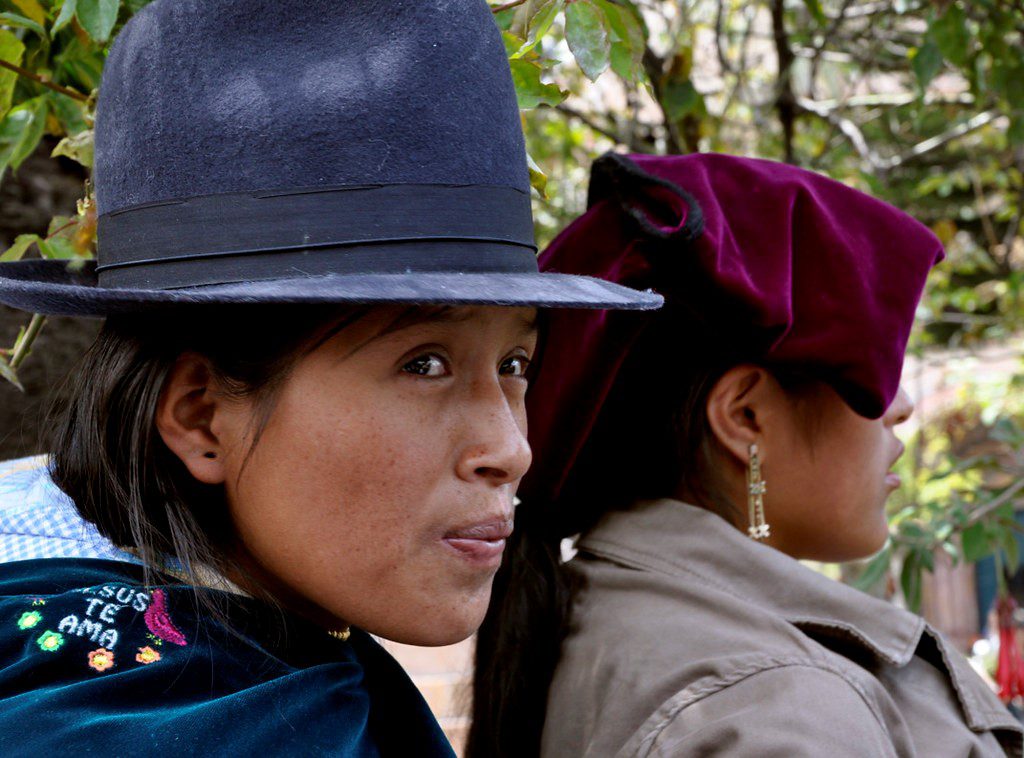
The Amazon rainforest in Ecuador is an extremely biodiverse ecosystem vital to the survival of more than 70 indigenous communities. Alianza Ceibo is an organization that unites these communities in the Ecuadorian rainforest. Four different indigenous groups run it with the purpose of improving their people’s livelihoods and protecting over 20,000 square kilometers of the rainforest from environmental degradation. This article will examine how technology in the Amazon empowers these indigenous communities.
About Alianza Ceibo
The Alliance received the 2020 United Nations Development Program (UNDP) Equator Prize for its efforts to support women entrepreneurs and connect remote communities with solar energy and clean drinking water. The Alliance also provides lawyers to represent the individual communities in land rights cases. As for the use of technology in the Amazon, the Alliance advocates for mapping systems to document indigenous stewardship of the rainforest, and monitoring systems to hold illegal trespassers accountable. The specific technology Alianza Ceibo and other organizations are using includes mapping technology, such as the Global Positioning System (GPS), drones, satellites and blockchain.
Mapping Technology
In the Amazon rainforest in northern Ecuador, the four indigenous ethnic groups that founded the Alianza Ceibo — the Siona, Waorani, Kofan and Secoya — use mapping technology to fight illegal development on their land. Mapping applications can document native plants, important cultural sites, near-extinct animals and geographical spots vital to the community’s well-being. The use of mapping technology in the Amazon’s indigenous communities demonstrates how the indigenous people’s culture, land and livelihoods inextricably link.
The Counter-Mapping Project
The Waorani indigenous group uses mapping technology for its counter-mapping project in the village Amisacho. Digital Democracy, a nonprofit based in California, supports this technology. The work of the counter-mapping project aims to provide an alternative map to the typical government maps only showing square footage and natural resources. The Waorani’s map documents the rich history and cultural significance of the rainforest that they and other indigenous ethnic groups call home. Indigenous leaders of the Waorani, leaders of the Kofan, Secoya and Siona and international activists have all worked together to provide the most accurate representation of the link between people and land.
In a Sierra magazine article, the counter-mapping project’s leader Opi Nenquimo said “Our map shows all of the things that don’t have a price…Building it we also build our communities.” The Waorani do not just use maps to show outsiders the significance of their land. They also use it to teach their younger generations to honor and steward land which their ancestors have defended since the Inca. Using technology in the Amazon’s remote communities can be very useful and empowering, but it is not a replacement for indigenous knowledge and practices that members of the indigenous community passed down through generations.
In 2018, the Waorani used data gathered on Digital Democracy’s mapping application Mapeo, to sue the Ecuadorian government for not asking consent to begin a drilling project. The Waorani, with support from Digital Democracy and Amazon Frontlines, won the case in April 2019. It set an important precedent for future land rights cases in Ecuador and around the world.
Drones and Satellites
Drones that can take satellite images or videos illustrate another effective type of technology being employed in the Amazon rainforest. Drone technology allows people to monitor vast swaths of land in a short amount of time, and to hover over areas that may be difficult to reach on foot. Technicians monitor footage derived from the drones and then contact the relevant indigenous group. With their knowledge, understanding and presence in the forest, indigenous people can make the best decision on how to deal with a potential threat.
Indigenous groups protect nearly a quarter of the Amazon and deforestation affects most of them, which is why it is so important that they are at the forefront of environmental efforts. Speaking to the importance of supporting the communities that live in the rainforest, Suzanne Pelletier, director of the Rainforest Foundation U.S. (RFUS) said, “These are not just trees, these are not just lands, it’s such a virtual part of their culture, it’s how they maintain their health and wellbeing.” To destroy the rainforest is to destroy indigenous people’s livelihood.
RFUS is another nonprofit supporting the use of technology in the Amazon. The organization works directly with indigenous communities, focused in Panama, Guayana, Peru and Brazil. RFUS employs drones and, most recently, blockchain technology.
Blockchain Technology
Blockchain is a public digital registry that timestamps and records transactions, providing the opportunity to make real-time financial transactions without having to go through banks or other institutions. At this point, many still consider blockchain experimental, but the promise of transparency, complete digitization and worldwide access are driving its implementation. This form of technology in the Amazon is new, but for RFUS, it is full of promise.
RFUS uses a blockchain that the Regen Network, a computing and technology development group, developed. RFUS’s pilot program is in the indigenous Ticuna community of Buen Jardin de Callarú in Peru, but the organization hopes to expand the use of this registry across the Amazon. The pilot group agreed to protect 1,000 hectares of forest. In the first year, it plans to save 70 hectares and plant at least 7,000 trees. The group will receive compensation for its work using blockchain technology.
A big problem in forest conservation has been how to support the people actually doing the work on the ground, the same people deforestation most harms. Blockchain offers a possible solution and RFUS has been successful in utilizing it in Peru. In June 2020, RUFUS reported that the Buen Jardin De Callarú community and others working with it were able to reduce the deforestation rate from 10% annually to zero between 2018 and 2020, and obtained pay for their work with blockchain.
These three different technological innovations have demonstrated how indigenous communities in the Amazon are able to fight modern threats with modern technology. The Amazon rainforest and indigenous communities link together, dependent on each other for a healthy and long life. The use of technology in the Amazon empowers indigenous groups to effectively protect the rainforest and thereby also their livelihoods.
– Caitlin Harjes
Photo: Flickr

The Response to STIs in Tanzania
In spite of medical advances, diseases continue to thrive in the world. Those affected suffer severe illness and even death in many cases. The most troublesome factor is that the majority of diseases are either curable or highly preventable. For example, STIs in Tanzania are prevalent but preventable.
History with Disease
Disease is not an altogether new issue within Tanzania. The African continent in particular has been host to a large percentage of notable diseases, such as malaria and Ebola. In fact, 94% of malaria cases worldwide occurred in Africa in 2019. Yet, when it comes to preventable diseases, most of the African continent has shown exceptional preparedness concerning preventable diseases in comparison to other countries.
In the wake of the COVID-19 pandemic, Africa had some of the lowest case rates in the world, despite its large populace. Some have attributed this to Africa’s experience with multiple past outbreaks. Many African countries that the disease ravaged had become experts in preventative healthcare measures. The continent displayed a greater sense of governmental readiness, such as sanitation standards to dissuade future diseases. Other measures include “isolating the infected, tracing their contacts and getting them quarantine while they get tested.”
How STI Transmission is Different
Cases of death due to STIs is high. The WHO estimated that over 90,000 people died as a result of STIs in Africa in 2004. The majority of individuals who contract STIs in Tanzania are young; most individuals with STIs in Tanzania are between the ages of 15-22. The high youth population is one component of the high STI rates. Another is education.
Reports found that adolescents throughout sub-Saharan Africa used condoms infrequently and practiced other high-risk sexual behaviors. Chlamydia, syphilis and gonorrhea specifically have a reported prevalence of 0.4% to 5% in Tanzania. One can attribute this to the lack of educational awareness in Tanzania regarding safe sex and the effects of STIs in general. A study showed that less than 15% of children in secondary school had an effective knowledge basin regarding STI symptoms. Further, it reported that only 50% of males and less than 33% of females 15-30 years old possessed any effective knowledge concerning STI transmission.
Tanzania is not sitting idly by during this crisis. Rather, the country is tackling this issue multi-directionally.
Tanzania’s Fight Against STIs
In response, both NGOs and the government have been working to combat the high rate of STIs in Tanzania. NGOs have been focusing on educating people about this issue and have shown positive results. The African Youth Alliance program exemplifies this, which encourages protected sex for males and females. A study found that young people visited clinics and outreach services over 2.5 million times as a result of this program. The Tanzanian government is also striving to provide life-saving aid. Its proposed healthcare financial strategy focuses on combating HIV. The emphasis will be on increasing health insurance coverage and economic improvement overall.
The country still has a long way to go in fighting STIs in Tanzania. However, increasing education and governmental intervention are steps in the right direction. Improved public health and an economy not directed at disease control might be on the near horizon for Tanzania.
– Jacob Hurwitz
Photo: Flickr
Jordan’s Vaccine Rollout Includes Refugees
As countries around the world continue their COVID-19 vaccine rollout, refugees have experienced exclusion from nearly half of them. One country that is vaccinating refugees is Jordan. With one of the largest refugee populations in the world, Jordan has set an important example for global vaccine accessibility. Here is some information about Jordan’s vaccine rollout.
Jordan’s Vaccine Rollout for Refugees
Jordan has begun its vaccine distribution plan, promising to provide vaccinations to anyone living in the country, including refugees, free of charge, as the United Nations High Commissioner for Refugees (UNHCR) reported on January 14, 2020. Due to the country’s large refugee population, it needs vaccinations in order to achieve countrywide immunity to the virus. Jordan has received one million doses of the vaccine and two million through the COVAX Facility. The COVAX Facility is an initiative the World Health Organization (WHO) supports. The COVAX Facility implements mass vaccine production in low-income countries. Jordan has already begun vaccinating in clinics across the country.
So far, Jordan has vaccinated a reported 187 refugees. However, a spokesperson for the UNHCR expects that number to be higher. While the UNHCR is not supplying vaccines to countries, it is advocating for refugees to gain access to them.
“We have been advocating for the inclusion of refugees within the vaccination campaign since the pandemic was declared, so we are incredibly grateful they are now included,” said UNHCR spokesperson Kathryn Mahoney. “The main way we are supporting is through raising awareness of the vaccine among refugee populations and transporting refugees who live in camps to their nearest vaccination health clinics when they have appointments.”
COVID-19 Containment in Jordan
Jordan succeeded in preventing a massive spread of the virus in 2020 after imposing a strict lockdown when reports emerged of just a few cases in March 2020. Residents could only leave their homes between 10 a.m. and 6 p.m. and could only leave for necessary, socially distant activities like grocery shopping.
The strict lockdown worked as the number of COVID-19 cases in Jordan remained low. The country reported under 100 cases a day from March to September 2020. September marked a month-long surge of cases, peaking in November with almost 8,000 cases in one day. There were multiple lockdowns in October and November in order to slow the rapid spread, and cases started declining in January 2021.
Jordan’s vaccine rollout will continue the decline of COVID-19. This requires vaccinations to be available for everyone residing in the country.
Refugees in Jordan
Jordan has one of the largest refugee populations in the world, primarily from neighboring countries. As of May 2019, 755,050 refugees lived throughout the country. Nearly 665,000 of these refugees are from Syria, having fled the country’s civil war. While 84% of Jordanian refugees live in urban areas, 16% live in refugee camps. The two largest refugee camps are Za’atari and Azraq, hosting 80,000 and 40,000 people, respectively.
For the first six months of the pandemic, the camps reported no major outbreaks. The camps had required a 14-day quarantine in an isolation tent specifically for refugees returning from areas of Jordan with COVID-19 cases.
Once reports of cases in the Azraq camp started in September 2020, isolation tents began housing infected people in order to prevent further spread to the rest of the camp population. Cases have remained low with 573 reported cases. However, the close proximity of refugee housing still poses a risk of infection.
Refugee Vaccinations Worldwide
Almost 26 million refugees live around the world, half of whom are children. Out of the 90 countries currently committed to vaccine rollouts, only 51-57% have said they would include refugees. This leaves millions of people at risk.
Without mass vaccinations in vulnerable populations, there will be little defense against the virus, and worldwide protection against it will experience a delay. Jordan’s vaccine rollout sets an important example of refugees receiving access to vaccinations against COVID-19 and increases the vaccine’s availability in clinics across the country.
– June Noyes
Photo: Flickr
3 Standout Indonesian Youth Programs
Around 85 million children live in Indonesia, making up one-third of the country’s population. Children are necessary for their country’s future, and the education and opportunities they receive are what allow them to have that impact. That is why it is important for children to have programs and organizations that give them more opportunities and allows them to realize their full potential. Several Indonesian youth programs provide these opportunities to children in Indonesia. The Indonesia Youth Foundation, Indonesian Youth Opportunities in International Networking (IYOIN) and Indonesian Youth Diplomacy are prime examples of Indonesian youth programs that aid children in education, provide resources and give them outlets to channel their passions.
Indonesia Youth Foundation
The Indonesia Youth Foundation began on July 23, 2020, as a non-governmental organization. Its objectives include connecting the children of Indonesia and other global youth through a variety of youth activities, offering general knowledge about the country and taking part in world advancement and the development of youth.
One can track the organization’s Youth Empowerment program through a series of articles on the organization’s official website, each entry providing tips on subjects such as boosting productivity and caring for mental health. Also featured is information on education and tourism to provide a better understanding of Indonesia.
Indonesian Youth Opportunities in International Networking
Indonesian youths created IYOIN in 2015. Since then, the self-started Indonesian youth program has spread across several different regions in Indonesia, with 18 local chapters.
The purpose of this organization is to serve as a medium for children in Indonesia to congregate, share and work together to realize their values for the country. The opportunities that this program provides also aim to improve the Indonesian youths’ education and to ensure that the youth will have the qualifications to tackle their futures successfully.
IYOIN became a United Nations SDSN Youth Member in 2017, a program that works to guarantee education that is inclusive and equal for all, in addition to encouraging learning opportunities. IYOIN joined this program because these goals align with its own mission.
Indonesian Youth Diplomacy
Indonesian Youth Diplomacy is a nonprofit Indonesian youth program that promotes and provides international exposure and empowers the next generation of Indonesian leaders. Known initially as G20 Youth Indonesia, efforts to form the organization began in 2010. This process continued in 2011 when the Indonesian Organizing Committee emerged to recruit Indonesian youth interested in contributing to the annual G20 Youth Summit. Recognizing the necessity of involving Indonesian youth in diplomacy beyond what the G20 program provides, the organization updated in 2013. Now known as the Indonesian Youth Diplomacy, it sends Indonesia’s promising young leaders to represent the country in international forums to raise awareness of diplomacy.
Youth programs can offer multiple benefits to children. They provide youth with quality education, a chance to involve themselves in their community and learn essential life skills and create a healthy social environment. All three of the organizations give these opportunities to the children of Indonesia. These Indonesian youth programs are crucial to allow children to spread their wings and learn since the youth are the backbone of their country.
– Celia Brocker
Photo: Flickr
UNESCO’s Strategy for Youth and Adult Literacy
An estimated 750 million youth and adults worldwide can neither read nor write. This is one of the many challenges that prompted UNESCO’s 40th General Conference. The agency’s Member States proposed a solution, “Strategy for Youth and Adult Literacy,” on Nov. 15, 2019. This strategy’s grand objective is to extend UNESCO’s undivided support to all countries. A special focus will be on members of the Global Alliance for Literacy, the majority of whose populations show the highest literacy levels.
Strategic Priority Areas
The Strategy for Youth and Adult Literacy aligns with the U.N.’s Sustainable Development Goals (SDGs). Specifically, this plan follows SDG 4, “Ensuring inclusive and equitable quality education and promoting lifelong learning opportunities for all.”
The strategy has four key priority areas:
Literacy Despite the COVID-19 Pandemic: Attainable or Impractical?
The Coronavirus pandemic has left education systems hanging by a thread and exposed the many cracks that existed even before the pandemic. In her opening statement of the UNESCO 2020 Global Webinar, UNESCO Assistant Director-General for Education, Stefania Giannini, encouraged nations to make literacy “a force of inclusion and resilience” as they strive to reconstruct and attain more sustainable development.
UNESCO conducted a survey on the impact of the COVID-19 crisis on literacy programs in August 2020. It revealed that out of a total of 49 adult literacy programs, more than 90% underwent suspension as a way to abide by coronavirus containment measures such as lockdowns.
In response to the coronavirus, UNESCO has developed the Global Education Coalition. So far, the coalition has helped over 70 countries to counter the effects that the pandemic has had on their education systems. This platform has made it possible for 82,000 teachers and 500,000 students in Senegal to carry on with their studies through the Ministry of Senegal’s “Ministry Distance Learning” platform. Furthermore, UNESCO has projected to add another 1.5 million learners and teachers through a partnership with Microsoft.
UNESCO has also assisted in creating educational resources, such as handouts, videos and guides for instructors and parents in Lebanon. These many programs have contributed to enhanced learning during these unprecedented times.
Not Easy but Possible
Despite the frailty that resulted from the coronavirus pandemic, UNESCO’s Strategy for Youth and Adult Literacy is thriving. The strategy is concrete proof that although the journey toward literacy is not a walk in the park, the end goal is still attainable. So long as nations are willing to push for it, literacy is possible all across the world, even during COVID-19.
– Mbabazi Divine
Photo: Flickr
Period Poverty in South Korea
Many have avoided the subject of menstruation in the public spaces of South Korea, as it often receives the label of being a private experience for women. The expectation of South Korean women is that they separate their private life from their public image. As such, the government has immensely ignored period poverty in South Korea.
Brief History
The lack of discussion surrounding menstruation has been consistent since the 1980s. Alongside this issue, patriarchal dominance and gender inequality are similarly longstanding. The harsh stigmas that others have placed upon menstruation accompany inequalities concerning wages, proper mannerisms, pregnancy and family roles.
Many women’s unions pushed for menstrual leave at work as a necessity directly correlated to their health and reproductive care. In 2001, South Korea authorized unpaid menstrual leave; however, women did not exercise the policy. Meanwhile, the refrain from utilizing the law strengthened due to the 2003 law alteration. Women could only receive menstrual leave upon employee’s request, which contributed to workplace discrimination and organizational discouragement.
Others Impacted
In addition to these conditions in organizational settings, period poverty in South Korea was prevalent among lower-class families. In 2016, “insole girls” began to circulate in the media. It referred to girls who could not afford period products using insoles of sneakers instead of pads. This was a direct result of Yuhan-Kimberly, the leading brand of period products. The company raised the prices of its pads by 20%, despite period products being at their highest point in the region.
The exposure of “insole girls” began to stimulate discussion of period poverty in South Korea. The overwhelming response was anger. Period products costed half a living wage at the time, and many representatives began to advocate for period products to receive treatment as a public good. Charities and nonprofit organizations began to plan the distribution of free period products, such as pads, underwear and cosmetics for girls.
Yuhan-Kimberly released a public statement explaining its pledge to donate 1.5 million pads and develop cheaper options for several demographics. With new talk of affordable period products, the conversation began to shift toward menstrual cups and reusable pads, which the South Korean government combatted.
The Current Fight
Despite the tensions of gender disparities and menstruation, the South Korean government began to relax restrictions and pass new policies regarding menstruation. In 2017, the government began to allow the sale of menstrual cups, despite its previous prohibition. In 2018, the South Korean metropolitan government announced the provision of free menstrual products in 10 public venues, such as the Seoul Museum of Art, Seoul History Museum and Seoul Metropolitan Library. The public has also stood up to fight period poverty.
Nonprofit organizations, such as the Korean Women’s Environmental Network (KWEN), fight for menstrual safety and period poverty. As an eco-friendly feminist advocacy group, KWEN has protested against unsafe sanitary pads and toxin-filled menstrual products. KWEN continues to encourage taboo discussions of women’s bodies, educating its audience on topics ranging from women’s hygiene to products that are safe and environmentally friendly.
As part of the ongoing discussion on period poverty in South Korea, many women spoke out on how people should consider period products a public necessity. They fought against the censorship of “saengri,” a common informal term for a period. They also began discussions of gender disparities in the workplace, family life and society.
Cho Nam Joo’s book “Kim Jiyoung, Born 1982 A Novel” sheds light on the different obstacles and pressures of being a woman in Korea. Considering its debut in 2016 — the crux of censored women experiences, Cho was challenging the stigmas to menstruation and the female experience. Cho is part of the feminist movement that stirs in the South Korean community.
A New Direction
Public discussion, nonprofits and the government have ushered in promising change regarding period poverty in South Korea. With continued support, women can challenge the stigmas regarding menstruation and dwindle the numbers of impoverished communities that period poverty in South Korea affects. The idea of a foreseeable end to gender discrimination and menstrual taboo has surfaced and resounds strongly throughout the country.
– Linda Chong
Photo: Flickr
Female Genital Mutilation in Togo
Female genital mutilation (FGM) is female circumcision — a ritualistic practice that occurs in several countries as a rite of passage leading to womanhood where someone removes the external genitalia of a female. Africa, Asia and the Middle East are where FGM is most prevalent. More than 200 million women today have gone through this procedure. This article, in particular, will focus on female genital mutilation in Togo.
About Togo
Togo, a West African nation on the Gulf of Guinea, comprises at least 30 ethnic groups, most being immigrants from other parts of Western Africa. The majority of its population lives in small villages throughout rural areas. For the purpose of economic planning, the country has five regions — Maritime, Plateaux, Centrale, Kara and Savanes.
Togo gained independence from France in 1960. Following this, rifts between the country’s leaders and the rise of coups have left the people to fend for themselves. This has resulted in immense poverty. The year 2009 brought the establishment of a Truth, Justice and Reconciliation Commission. The goal of this commission was to investigate the political violence in the country from 1958 to 2005. The group published its final report in 2012. This report included numerous recommendations such as reforming the electoral system, the judiciary, and military and security forces.
Currently, Togo has an elected president. A 70% majority vote declared Faure Gnassingbé the winner.
Togo Women and FGM Practice
Women in Togo have dealt with inequality for years. Recently, they have gained more opportunities and improvements in equality. Women in Togo have become more involved in politics as well. However, these women tend to have ruling tribal family backgrounds or be successful businesswomen. Women in Togo have also received a much more developed education, and literacy rates have increased. These improvements bring knowledge and awareness of the outlining health problems from FGM. Support for the abandonment of FGM is higher among women whose mothers are more educated.
A percentage of women in Togo still support the practice of genital cutting. Therefore, they remain adamant about their daughters going through with it. Women are the primary guardians of this puberty rite which ties closely to women’s status and power. The use of anesthesia is not common during the procedure.
In Togo, female genital mutilation is highest in Centrale. In fact, 13.5% of women aged 15 to 49 have experienced it. Savanes is the second-highest region with 7.6%. FGM is lowest in the southern Maritime and Plateaux regions with less than 2%. The most common type of FGM that people in Togo practice is the cutting and removal of flesh.
The most common age range for female genital mutilation in Togo is 4 to 14. However, infants and women preparing for marriage can also experience FGM. Sometimes, FGM occurs in women who are pregnant with their first child or who have just given birth. According to a survey from 28 Too Many, 73% of Togo women, aged 15 to 49, have heard of FGM; of these, 94.5% believe the practice must end.
Laws Against FGM
Law No. 98-016, dated November 17, 1998, is the main law relating to female genital mutilation in Togo. This law does not address FGM that health professionals carry out or cross-border FGM procedures. According to the September 2018 Togo law report from 28 Too Many, “Law No. 98-016 bans all forms of female genital mutilation in Togo and defines FGM as the total or partial ablation of the external genital organs of infant girls, young girls or women and/or all other operations concerning these organs.” In November 2015, Togo unveiled a new penal code further criminalizing the practice of FGM.
However, Togo citizens have rarely enforced these established laws. In addition, a limited number of known court cases on the issue have occurred. This is due to the fact most cases had happened in rural areas where there is limited awareness of the law, or “traditional customs often took precedence over the legal system among certain ethnic groups,” according to the report.
Strategies
The year 2016 saw the establishment of a national communication strategy to target traditional practices of FGM. This strategy included the support of the humanitarian aid organization, UNICEF. The strategy targets local community and religious leaders and partners with grassroots organizations to achieve commitments to end the practice. The strategy also educates women on their rights and provides alternative sources of income opportunities for former traditional FGM practitioners.
Many are still highly concerned regarding what to do about female genital mutilation in Togo. The practice, still viewed as a rite of passage for women, continues in rural areas. Several have voiced the urgency for the government to enforce the legislation and hold perpetrators accountable for their actions.
Just like in many other countries today, female genital mutilation is still a massive threat in Togo. Its women are in danger of physical and mental health issues from the procedure. More strategies are ideal, and proper execution of the laws that Togo has put in place will help the women in the country.
– Thomas Williams
Photo: Flickr
Plenitud Teaches Sustainable Farming in Puerto Rico
The small Puerto Rican town of Las Marias lies deep in the island’s interior mountains. At least 43% of its population lives below the poverty levels and another 21.8% are aged over 65 years. The COVID-19 pandemic further exacerbated the situation. On the island, 40% of families reported food insecurities, up from roughly 33% prior to the pandemic. Luckily, one organization is busy addressing this. Here is how Plenitud teaches sustainable farming to impoverished Puerto Rican families.
What is Plenitud?
A group of graduates from the University of Florida created Plenitud in 2008 in order to research, learn and educate about sustainable farming techniques. With a strong conviction and purpose, these friends quickly began cultivating permaculture and teaching initiatives in Puerto Rico’s central mountains. Within a few years, Plenitud grew and swiftly established relationships with several major universities across the island. These universities host groups of students for academic and service trips in impoverished areas. In 2011, Plenitud settled on a 15-acre Las Marias farm equipped with a greenhouse, food forests, eco-buildings, campsites, rainwater collection and a Teaching Center. Here, Plenitud teaches sustainable farming and operates as a hub of sustainability.
Building Community Resilience
Plenitud has a strong belief that communities deserve access to safe shelter, clean water, food and health. Because of this, the organization supports community resiliency among the most vulnerable populations. To do this, Plenitud installs rainwater harvesting systems and regularly tests and monitors the water quality. Additionally, Plenitud establishes food security among communities by training a new generation of farmers, installing community gardens and growing fresh and healthy food. These efforts improve food security by ensuring local food sovereignty.
Further work has gone into building “SuperAbobe” shelters. These are a form of earthbag construction that can provide quick and secure housing for vulnerable individuals. These SuperAbode homes, like other bio-construction buildings, aim to minimize the impact on the environment by sourcing local, raw materials. Additionally, SuperAdobe shelters offer a form of alternative housing that easily withstand the earthquakes and hurricanes that frequently devastate the area.
Inspiring the Future Generations
Plenitud believes that teaching the value of cultivating food from an early age is crucial to resolve many of the problems faced by Puerto Rican children and their families. Plenitud teaches sustainable farming not only to promote economic stability in impoverished Puerto Rican regions but also to inspire the youth into choosing organic farming as a profession. To do so, Plenitud developed partnerships with four public schools in addition to universities. Its Partner Schools Program offers over 1,000 students experiential education in food preparation and sustainable farming. In this way, Plenitud is preparing the future generation of sustainable farmers.
With these applied techniques, Plenitud is successfully positioning itself at the forefront of the sustainability movement in Puerto Rico. This movement’s core is about giving impoverished and malnourished communities the right tools to become resilient and self-sustainable. Through community resilience projects and sustainable farming practices, these communities will have the tools to lift themselves out of poverty, contributing to the economic development of the entire region.
– Jesus Quinones
Photo: Flickr
Technology in the Amazon Empowers the Indigenous
The Amazon rainforest in Ecuador is an extremely biodiverse ecosystem vital to the survival of more than 70 indigenous communities. Alianza Ceibo is an organization that unites these communities in the Ecuadorian rainforest. Four different indigenous groups run it with the purpose of improving their people’s livelihoods and protecting over 20,000 square kilometers of the rainforest from environmental degradation. This article will examine how technology in the Amazon empowers these indigenous communities.
About Alianza Ceibo
The Alliance received the 2020 United Nations Development Program (UNDP) Equator Prize for its efforts to support women entrepreneurs and connect remote communities with solar energy and clean drinking water. The Alliance also provides lawyers to represent the individual communities in land rights cases. As for the use of technology in the Amazon, the Alliance advocates for mapping systems to document indigenous stewardship of the rainforest, and monitoring systems to hold illegal trespassers accountable. The specific technology Alianza Ceibo and other organizations are using includes mapping technology, such as the Global Positioning System (GPS), drones, satellites and blockchain.
Mapping Technology
In the Amazon rainforest in northern Ecuador, the four indigenous ethnic groups that founded the Alianza Ceibo — the Siona, Waorani, Kofan and Secoya — use mapping technology to fight illegal development on their land. Mapping applications can document native plants, important cultural sites, near-extinct animals and geographical spots vital to the community’s well-being. The use of mapping technology in the Amazon’s indigenous communities demonstrates how the indigenous people’s culture, land and livelihoods inextricably link.
The Counter-Mapping Project
The Waorani indigenous group uses mapping technology for its counter-mapping project in the village Amisacho. Digital Democracy, a nonprofit based in California, supports this technology. The work of the counter-mapping project aims to provide an alternative map to the typical government maps only showing square footage and natural resources. The Waorani’s map documents the rich history and cultural significance of the rainforest that they and other indigenous ethnic groups call home. Indigenous leaders of the Waorani, leaders of the Kofan, Secoya and Siona and international activists have all worked together to provide the most accurate representation of the link between people and land.
In a Sierra magazine article, the counter-mapping project’s leader Opi Nenquimo said “Our map shows all of the things that don’t have a price…Building it we also build our communities.” The Waorani do not just use maps to show outsiders the significance of their land. They also use it to teach their younger generations to honor and steward land which their ancestors have defended since the Inca. Using technology in the Amazon’s remote communities can be very useful and empowering, but it is not a replacement for indigenous knowledge and practices that members of the indigenous community passed down through generations.
In 2018, the Waorani used data gathered on Digital Democracy’s mapping application Mapeo, to sue the Ecuadorian government for not asking consent to begin a drilling project. The Waorani, with support from Digital Democracy and Amazon Frontlines, won the case in April 2019. It set an important precedent for future land rights cases in Ecuador and around the world.
Drones and Satellites
Drones that can take satellite images or videos illustrate another effective type of technology being employed in the Amazon rainforest. Drone technology allows people to monitor vast swaths of land in a short amount of time, and to hover over areas that may be difficult to reach on foot. Technicians monitor footage derived from the drones and then contact the relevant indigenous group. With their knowledge, understanding and presence in the forest, indigenous people can make the best decision on how to deal with a potential threat.
Indigenous groups protect nearly a quarter of the Amazon and deforestation affects most of them, which is why it is so important that they are at the forefront of environmental efforts. Speaking to the importance of supporting the communities that live in the rainforest, Suzanne Pelletier, director of the Rainforest Foundation U.S. (RFUS) said, “These are not just trees, these are not just lands, it’s such a virtual part of their culture, it’s how they maintain their health and wellbeing.” To destroy the rainforest is to destroy indigenous people’s livelihood.
RFUS is another nonprofit supporting the use of technology in the Amazon. The organization works directly with indigenous communities, focused in Panama, Guayana, Peru and Brazil. RFUS employs drones and, most recently, blockchain technology.
Blockchain Technology
Blockchain is a public digital registry that timestamps and records transactions, providing the opportunity to make real-time financial transactions without having to go through banks or other institutions. At this point, many still consider blockchain experimental, but the promise of transparency, complete digitization and worldwide access are driving its implementation. This form of technology in the Amazon is new, but for RFUS, it is full of promise.
RFUS uses a blockchain that the Regen Network, a computing and technology development group, developed. RFUS’s pilot program is in the indigenous Ticuna community of Buen Jardin de Callarú in Peru, but the organization hopes to expand the use of this registry across the Amazon. The pilot group agreed to protect 1,000 hectares of forest. In the first year, it plans to save 70 hectares and plant at least 7,000 trees. The group will receive compensation for its work using blockchain technology.
A big problem in forest conservation has been how to support the people actually doing the work on the ground, the same people deforestation most harms. Blockchain offers a possible solution and RFUS has been successful in utilizing it in Peru. In June 2020, RUFUS reported that the Buen Jardin De Callarú community and others working with it were able to reduce the deforestation rate from 10% annually to zero between 2018 and 2020, and obtained pay for their work with blockchain.
These three different technological innovations have demonstrated how indigenous communities in the Amazon are able to fight modern threats with modern technology. The Amazon rainforest and indigenous communities link together, dependent on each other for a healthy and long life. The use of technology in the Amazon empowers indigenous groups to effectively protect the rainforest and thereby also their livelihoods.
– Caitlin Harjes
Photo: Flickr
Examining Poverty in Scotland
At only 19% or roughly 1 million people, Scotland has the second-lowest rate of poverty in the U.K. with only Northern Ireland beating it. What has kept poverty in Scotland lower than in other parts of the U.K.? Moreover, how can the rest of the U.K. learn from it?
Scotland Compared to the Rest of the UK
Scotland’s poverty rate has decreased from 23% in the 1980s to 18% in the mid to early 2000s. The entire United Kingdom sits at a 22% poverty rate and Wales has a 23% rate, while London has the highest rate of poverty of any area in the U.K. In comparison, Scotland has a poverty rate that is 3% lower. Poverty amongst youth is 6% lower in Scotland in comparison to the rest of the U.K., though poverty in Scotland has increased in youth by 3% in the past five years.
Scotland is lower in poverty in comparison to the rest of the U.K. but it is something that could change rather quickly. In February 2020, Scotland pushed for a new budget plan in order to increase the quality of life. The budget included £1.8 billion to help reduce emissions and push for better eco-friendly travel. The budget also set aside £15 billion for health care services, £117 million for mental health support and £180 million to close the attainment gap in schools.
Poverty Levels and Housing
The U.K. has a private renting sector, a larger sector of housing that is a primary source of housing for lower-income households. This housing is under private ownership and has seen a steady increase in cost since 2002. Private renting allows for the owners of said properties to continuously raise prices, putting a strain on lower-income households.
Scotland has not fallen into this trend, providing more social housing instead. Social housing is a form of housing that the government, state or nonprofits regulate to make sure rates stay at an affordable level and to help keep people off the streets.
Social housing allows lower-income households to maintain their homes, without fearing the strain of rent increases. It also allows people to keep themselves out of poverty while they receive support from the government.
In comparison to the rest of the U.K., more lower-income households in Scotland live in social housing than other parts of the U.K. Unfortunately, 45% of households in Scotland live in unfit dwellings, which could be due to household budget restraints.
Scotland has just passed a plan to ensure that all houses provide safe, warm and accessible places to live. The plan will ensure that all houses, whether rented or not, fit a national standard by 2040. This standard will ensure that regardless of how much the place costs, it will offer the same level of comfort and accessibility as other types of housing.
Unemployment and Wages in Scotland
Unemployment has steadily decreased across Scotland in the past 20 years. Additionally, Scotland has seen fewer layoffs while better work compensation has helped people stayed employed.
The U.K. increased wages by 20p in 2020 to £9.50 across the U.K. Scotland, in partnership with Real Living, is working with Scotland’s top employers, Brewdog, SSE and Standard Life Aberdeen to ensure living wages and benefits are in order and to keep those at risk out of poverty above the poverty line. The year
Scotland, while not perfect, is a good example of ways that one’s government can help people get out and stay out of poverty. This kind of support from the government is not necessarily going to erase poverty, but it is pushing in the right direction.
– Claire Olmstead
Photo: Flickr
Tackling Food Waste During the Pandemic
The Philippines’ state of emergency during the COVID-19 pandemic has had an impact on farmers. While the new coronavirus guidelines halted city life, they were particularly damaging for individuals living in the lower-income rural parts of the island nation. Farmers primarily inhabited these regions of the Philippines and the new guidelines resulted in their isolation along with their farming businesses’ isolation from the major cities they feed. Luckily, a farmer rose to the challenge to tackle food waste during the pandemic.
COVID-19 Measures
When the first case of COVID-19 broke out in the Philippines in December 2019, the Filipino government had a severely delayed response over the course of four months which led to high and widespread transmission rates throughout major cities such as Quezon City and Manila. The spread quickly reached rural areas and had infiltrated much of the country before the Filipino government took action. Because the response was so late, it had to be immense. In turn, the Philippines declared a state of emergency and granted Filipino President Rodrigo Duterte emergency powers by mid-March; Duterte treated the pandemic as war and took warlike measures to fight the virus by using ex-military leaders to spearhead the pandemic efforts. Under this new state, Filipinos had to enter strict curfew and lockdown, and the country mandated the use of masks and shut down commercial roads, transportation and businesses.
Impacts of the COVID-19 Pandemic on Farmers
Just as the Philippines entered a state of emergency and lockdown took place, many of the Filipino farmers were harvesting the products of the dry season. Without the pandemic, these farmers would typically gather their crops and utilize commercial routes to bring them into the bigger cities. In these urban areas, the farmers would be able to sell their products to larger markets where the farmers could make a larger profit while simultaneously feeding the cities. However, the coronavirus lockdown in the Philippines shut down the major commercial traveling routes, effectively cutting farmers off from their major source of income. Moreover, lockdown prevented farmers from selling off their crops which resulted in a major food waste during the pandemic.
From March 2020 to May 2020, farmers amassed their Spring crops and eventually had to dispose of them due to a lack of consumers. Consequently, massive amounts of edible food underwent destruction while people in the urban areas did not have access to fresh produce. Moreover, Filipino farmers lost tremendous amounts of money by not being able to sell their fruits and vegetables.
Unfortunately, the government leaders did little to assist the movement of produce from rural areas to big cities and largely left Filipino farmers at a loss of money for months. This was particularly detrimental for the farmers because they were losing income while already living in a low-income area; in turn, the farmers’ access to additional job and income opportunities did not exist and made the farmers more vulnerable to falling into deep poverty. Moreover, these farmers became extremely susceptible to the coronavirus as they did not have access to medical resources or personal protective equipment or the money to obtain any medical resources. The pandemic created an extremely unique predicament for the farmers as they were left to fend for themselves against income loss and the spread of the virus.
However, a youth-led initiative fought food waste during the pandemic by providing an avenue of opportunity for these farmers to produce, harvest and sell their products in a manner where they would not experience exposure to the coronavirus while simultaneously maintaining their main source of income.
AGREA: The Road Ahead
Filipino farming organization AGREA saw the struggle that Filipino farmers were facing at the hands of the pandemic and decided to take action. Spearheaded by AGREA CEO Cherrie D. Atilano, AGREA sought to minimize food waste during the pandemic by creating alternative methods for farmers to transport and sell their produce.
Atilano and AGREA organized the #MoveFoodInitiative for many rural villages which sought to engage local communities in the efforts to fight food waste during the pandemic. The initiative mobilized youth food producer groups and local trucker groups which helped ship food from the local farmers to markets in the larger cities. Consumers of these products can easily access a list of fruits and vegetables with their respective prices on an order form, a method of contactless shopping that protects both the producers and the consumers.
AGREA’s #MoveFoodInitiative has become wildly successful as it has helped over 7,000 Filipino farmers reach and sell over 160,000 kilograms of fruit and vegetables to over 50,000 families across the Philippines. Additionally, AGREA has been able to utilize the surplus produce by donating the food to local kitchens that feed frontline medical workers who are fighting the coronavirus pandemic.
While the pandemic temporarily brought a stop to the businesses and livelihoods of many lower-income farmers and created massive food waste, AGREA’s quick work provided relief for farmers, food for consumers, and initiatives for youth groups to strengthen Filipino communities during these trying times. Due to her immense and important work in decreasing food waste during the pandemic, Cherrie d. Atilano has received the title of the Filipina U.N. Summit Food Systems Champion.
– Caroline Largoza
Photo: Flickr