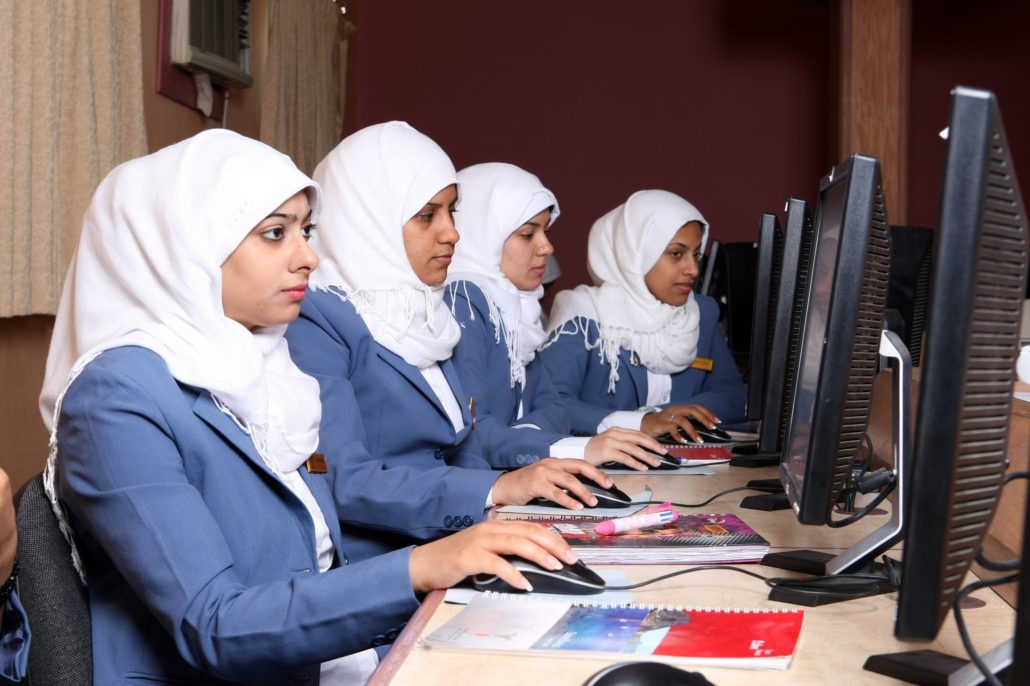
Bahrain, a small Middle-Eastern country off the coast of the Arab Peninsula, consists of Bahrain Island and 30 smaller islands. Due to its coastal location, Bahrain has greater access to ocean travel and, in consequence, a wider range of influences than its Arab-Islamic neighbors. These influences have made Bahrain a more ethnically and religiously diverse nation, and, while still conservative, more liberal and accepting in its interpretation of Islam. However, women’s rights in Bahrain have lacked in many ways.
The openness regarding interpretations of Islam has brought positive change for female rights and Bahraini women are the most liberally educated in the MENA (Middle-Eastern North-African) region. However, Bahraini law is a complicated combination of royal decrees, civil and criminal codes and Sharia law (religious Islamic law that comes from the Quran and the Hadith). As a result, while the secular part of Bahraini law advances women, the religious part holds them back. Here is a breakdown of these opposing legislative forces in the improvement of women’s rights in Bahrain.
The Background
Since he took the throne in 1999, the political and economic reforms of hereditary leader Hamad bin Isa Al-Khalifa have sparked the improvement of women’s rights in Bahrain. Bahrain’s 2002 constitution set women equal to men, guaranteeing gender equality in, “political, social and economic spheres, without breaching the provisions of Islamic law.” While this seems hopeful, the constitution also stated that “the family is the cornerstone of society, the strength which lies in religion, ethics and patriotism,” meaning the nation still believes in a traditional and conservative role for women.
Even more, no provisions exist in the constitution explicitly banning discrimination on the grounds of gender in the workplace or any other sphere of society. While popular protests have demanded a fully elected legislature in 2005 and increased democratic representation, an end to discrimination against Sunnis and the creation of an anti-corruption agency in 2011, no revisions have occurred to the 2002 constitution and the constitution has not given additional rights to Bahraini women.
CEDAW
Bahrain joined the Convention on the Elimination of All Forms of Discrimination Against Women (CEDAW) in 2002. CEDAW is an international treaty from the United Nations that defines what constitutes discrimination against women and sets out an agenda to eliminate it. Bahrain made great strides for women by joining CEDAW, providing its female citizens with adequate healthcare, education and employment opportunities. However, the nation joined the treaty with reservations about CEDAW’s articles that contradicted the Sharia, which included the prohibition of discrimination within governmental policies, the right for a woman to pass citizenship to her husband and children, freedom of movement regarding residency and equality in marriage and family life.
Islamic law mandates that men receive more inheritance than women and that children take citizenship from their fathers. Moreover, it states that it is unacceptable for women to live outside their married houses. Thus, while CEDAW improved women’s rights in Bahrain, the country’s commitment to Sharia law prevents Bahrain from truly accepting these social reforms.
Political Rights
In Bahrain, women have the right to vote and stand in local and national elections. Bahrain was the first nation to grant universal female suffrage in 2002 and, by the 2006 elections, 16 female candidates ran for the Council of Representatives and women made up 50.2% of the vote. While women have won elections, they have an exceedingly difficult time getting elected and even running, making women underrepresented in decision-making positions.
Only 39 female candidates ran in the 2018 parliamentary elections in comparison to 330 men. However, since adopting its new constitution, the Bahraini government has made considerable efforts to elect more women through its Supreme Council of Women, a semi-governmental body that the king’s wife runs. The Supreme Council of Women has had a powerful influence and, in 2018, Bahraini citizens elected six women to Bahrain’s lower house of Parliament, doubling their previous number and setting the record as an all-time high of elected female representatives in the nation.
Education
In 2007, Bahraini women made up 72% of the students at Arabian Gulf University and 67% of the University of Bahrain, exceeding the percentage of men at these universities. However, despite dominating the student population, Bahraini women frequently do not work in the workforce. Due to the strong traditional values of Islam, many subjects are unavailable to female students. Technical subjects are only available to male students, and textile classes are limited to females. While women receive the opportunity for education, they must study subjects that have low demand in the workforce, increasing their likelihood of unemployment.
Economic Rights
True economic equality is hard to achieve in Arab nations and the majority of the Bahraini workforce is male. Women only make up around one-fifth of the working population. However, the Bahraini government encourages women to work, creating incentives for employers to hire Bahraini women. For example, the government implemented a rule stating that hiring a Bahraini woman counts as hiring two citizens, helping companies increase their percentage of indigenous employment so they can employ more foreign workers (who tend to work for cheaper). Despite this government encouragement, Bahraini women face hard social pressures to stay at home and take care of their family, as is customary in Islamic tradition.
Social Rights
In May 2009, the government passed its first personal status law, a huge step for women’s rights in Bahrain. The new law granted women the right to consent to marriage and have conditions in a marriage contract. It also allowed women to take a separate residence if their husband marries a new wife.
Many laws exist that are discriminatory towards women. In Islamic court, a woman’s testimony is worth half of a man’s (however in civil court, testimonies are equal). In addition, no laws exist to protect women from gender-based violence. If a man assaults a female relative, he may face a few days in jail, but then only has to sign a pledge and pay a fee. Even more, spousal rape is legal and a rapist may avoid punishment if he agrees to marry his victim. These laws have deep roots in Islamic law, which grants men and women unequal rights in social and family life.
NGOs
In conjunction with the Supreme Council of Women, many NGOs have been fighting and advocating for women’s rights in Bahrain. Specifically, the Bahrain Women’s Union has had an especially strong impact on the advancement of women’s rights. While 456 NGOs exist in Bahrain, only 19 focus on women’s rights, and 12 of those 19 are a part of the Bahrain Women’s Union. The group aims for women to be more active politically and fights all forms of gender discrimination in Bahrain. After its creation in 2006, the Bahraini Women’s Union worked toward ratifying CEDAW and passing the personal status law. Other influential NGOs in Bahrain include the Awal’s Women’s Society, which provides free legal advice to abused women and the Batelco Anti-Domestic Violence Center, which rehabilitates domestically abused women.
The state of women’s rights in Bahrain is complex and manifold. The nation’s complicated combination of religious and secular law stops many gender discrimination reforms from reaching their full potential. Many NGOs and international organizations are actively helping to advocate for and win rights for Bahraini women but this work does not exempt these women from the societal norms pressuring them into traditional roles in the household. While Bahrain still has a long way to go, its relatively liberal interpretation of Islamic law and openness to equality leaves hope for the continued advancement of women’s rights.
– Georgia Bynum
Photo: Flickr

Prosthetic Innovation Aids African Amputees
A McKinsey report states that prosthetic innovation will improve global health by 2040. Innovative 3D-printed, robotic prosthetic limbs provide African amputees with an affordable and high-quality alternative in comparison to conventional prostheses.
The most common prostheses are artificial limbs. Only a small fraction of amputees living in low and middle-income countries have access to suitable prosthetic services. Thus, prosthetic innovation is particularly important in impoverished areas.
In 2017, there were 16 million amputees in Africa, making up 24.6% of global amputees. Expectations have determined that these numbers will increase due to a rise in illnesses and diseases. Furthermore, deteriorating roads and increased urbanization will lead to more traffic accidents.
Devastating Effects of Losing a Limb
It is difficult for amputees to work and prosper without proper medical assistance. Additionally, amputees are more vulnerable to accidents, infections, diabetes, poor medical care and injury due to war or natural disasters. Furthermore, prostheses and rehabilitation services typically cost thousands of dollars. In many lower-income communities, prostheses are simply unaffordable.
Amputees are unable to use poorly fitted prostheses due to pain. Specially trained prosthetists need to assess patients before fitting them. Also, patients need to visit a clinic several times for physical therapy before effectively using prosthetic limbs.
Providing Prosthetic Services
Governments in lower-income nations do not invest in prosthetics due to the lack of data and economic benefit. International and local NGOs provide most prosthetic services in impoverished countries. Without government and donor support in prosthetic innovation, access to these services will remain low.
The 3D Revolution in Prosthetics
Within the last decade, 3D printing has entered the prostheses market in Africa. Now, 3D designs are free, editable and available online for beginners to maneuver. Furthermore, a 3D-printed hand costs around $50. In recent years, the World Health Organization (WHO), governments and other organizations have spurred prosthetic innovation throughout Africa.
Nigerian Tech Lovers Launch 3D Lab for Victims of Violence
Muhammed Jafar is a 25-year-old member of a vigilante group in northeastern Nigeria. He lost his left hand while helping rescue a teenager who a gang had kidnapped. Now he is working as a tailor with a 3D-printed prosthetic arm he received from the Northeastern Humanitarian and Innovation Lab. The Nigerian government helped a group of tech enthusiasts launch a tech hub in 2018. Furthermore, the Northeastern Humanitarian and Innovation Lab print limbs and add robotics to improve functionality. Also, the cost of the 3D limbs is significantly less than conventionally manufactured prostheses. The Northeastern Humanitarian and Innovation Lab is a great example of how government investment in local volunteer groups can change the lives of those in need.
South African Post-Grads Launch Robotic Prosthetics Company
In 2017, Drew Van der Riet created the world’s most advanced low-cost “Touch Hand” prosthetic hand with his engineering team. This new prosthetic hand provides unique sensory feedback so that users can pick up delicate and irregular objects. Van Der Riet was shocked to discover that most hand amputees had to use basic “claws.” Furthermore, robotic hands similar to the “Touch Hand” are 10 times more expensive.
Van der Riet launched Touch Prosthetics in Durban in an attempt to keep prosthetic innovation on top. Additionally, the organization aims to develop simple, affordable upgrades for amputees. Fortunately, Touch Prosthetics was able to secure government and business support and has already developed Touch Hand II. However, Van der Riet notes that often strong university projects do not make it to market due to a lack of capital and marketing savvy.
As the Northeast Humanitarian and Innovation Lab in Nigeria and Touch Prosthetics in South Africa exemplified, the 3D revolution has inspired African prosthetic innovation to improve the lives of amputees. By amplifying aid for these efforts, more African amputees will be able to support themselves with ease.
– Shelly Saltzman
Photo: Flickr
The Two Sides of Women’s Rights in Bahrain
Bahrain, a small Middle-Eastern country off the coast of the Arab Peninsula, consists of Bahrain Island and 30 smaller islands. Due to its coastal location, Bahrain has greater access to ocean travel and, in consequence, a wider range of influences than its Arab-Islamic neighbors. These influences have made Bahrain a more ethnically and religiously diverse nation, and, while still conservative, more liberal and accepting in its interpretation of Islam. However, women’s rights in Bahrain have lacked in many ways.
The openness regarding interpretations of Islam has brought positive change for female rights and Bahraini women are the most liberally educated in the MENA (Middle-Eastern North-African) region. However, Bahraini law is a complicated combination of royal decrees, civil and criminal codes and Sharia law (religious Islamic law that comes from the Quran and the Hadith). As a result, while the secular part of Bahraini law advances women, the religious part holds them back. Here is a breakdown of these opposing legislative forces in the improvement of women’s rights in Bahrain.
The Background
Since he took the throne in 1999, the political and economic reforms of hereditary leader Hamad bin Isa Al-Khalifa have sparked the improvement of women’s rights in Bahrain. Bahrain’s 2002 constitution set women equal to men, guaranteeing gender equality in, “political, social and economic spheres, without breaching the provisions of Islamic law.” While this seems hopeful, the constitution also stated that “the family is the cornerstone of society, the strength which lies in religion, ethics and patriotism,” meaning the nation still believes in a traditional and conservative role for women.
Even more, no provisions exist in the constitution explicitly banning discrimination on the grounds of gender in the workplace or any other sphere of society. While popular protests have demanded a fully elected legislature in 2005 and increased democratic representation, an end to discrimination against Sunnis and the creation of an anti-corruption agency in 2011, no revisions have occurred to the 2002 constitution and the constitution has not given additional rights to Bahraini women.
CEDAW
Bahrain joined the Convention on the Elimination of All Forms of Discrimination Against Women (CEDAW) in 2002. CEDAW is an international treaty from the United Nations that defines what constitutes discrimination against women and sets out an agenda to eliminate it. Bahrain made great strides for women by joining CEDAW, providing its female citizens with adequate healthcare, education and employment opportunities. However, the nation joined the treaty with reservations about CEDAW’s articles that contradicted the Sharia, which included the prohibition of discrimination within governmental policies, the right for a woman to pass citizenship to her husband and children, freedom of movement regarding residency and equality in marriage and family life.
Islamic law mandates that men receive more inheritance than women and that children take citizenship from their fathers. Moreover, it states that it is unacceptable for women to live outside their married houses. Thus, while CEDAW improved women’s rights in Bahrain, the country’s commitment to Sharia law prevents Bahrain from truly accepting these social reforms.
Political Rights
In Bahrain, women have the right to vote and stand in local and national elections. Bahrain was the first nation to grant universal female suffrage in 2002 and, by the 2006 elections, 16 female candidates ran for the Council of Representatives and women made up 50.2% of the vote. While women have won elections, they have an exceedingly difficult time getting elected and even running, making women underrepresented in decision-making positions.
Only 39 female candidates ran in the 2018 parliamentary elections in comparison to 330 men. However, since adopting its new constitution, the Bahraini government has made considerable efforts to elect more women through its Supreme Council of Women, a semi-governmental body that the king’s wife runs. The Supreme Council of Women has had a powerful influence and, in 2018, Bahraini citizens elected six women to Bahrain’s lower house of Parliament, doubling their previous number and setting the record as an all-time high of elected female representatives in the nation.
Education
In 2007, Bahraini women made up 72% of the students at Arabian Gulf University and 67% of the University of Bahrain, exceeding the percentage of men at these universities. However, despite dominating the student population, Bahraini women frequently do not work in the workforce. Due to the strong traditional values of Islam, many subjects are unavailable to female students. Technical subjects are only available to male students, and textile classes are limited to females. While women receive the opportunity for education, they must study subjects that have low demand in the workforce, increasing their likelihood of unemployment.
Economic Rights
True economic equality is hard to achieve in Arab nations and the majority of the Bahraini workforce is male. Women only make up around one-fifth of the working population. However, the Bahraini government encourages women to work, creating incentives for employers to hire Bahraini women. For example, the government implemented a rule stating that hiring a Bahraini woman counts as hiring two citizens, helping companies increase their percentage of indigenous employment so they can employ more foreign workers (who tend to work for cheaper). Despite this government encouragement, Bahraini women face hard social pressures to stay at home and take care of their family, as is customary in Islamic tradition.
Social Rights
In May 2009, the government passed its first personal status law, a huge step for women’s rights in Bahrain. The new law granted women the right to consent to marriage and have conditions in a marriage contract. It also allowed women to take a separate residence if their husband marries a new wife.
Many laws exist that are discriminatory towards women. In Islamic court, a woman’s testimony is worth half of a man’s (however in civil court, testimonies are equal). In addition, no laws exist to protect women from gender-based violence. If a man assaults a female relative, he may face a few days in jail, but then only has to sign a pledge and pay a fee. Even more, spousal rape is legal and a rapist may avoid punishment if he agrees to marry his victim. These laws have deep roots in Islamic law, which grants men and women unequal rights in social and family life.
NGOs
In conjunction with the Supreme Council of Women, many NGOs have been fighting and advocating for women’s rights in Bahrain. Specifically, the Bahrain Women’s Union has had an especially strong impact on the advancement of women’s rights. While 456 NGOs exist in Bahrain, only 19 focus on women’s rights, and 12 of those 19 are a part of the Bahrain Women’s Union. The group aims for women to be more active politically and fights all forms of gender discrimination in Bahrain. After its creation in 2006, the Bahraini Women’s Union worked toward ratifying CEDAW and passing the personal status law. Other influential NGOs in Bahrain include the Awal’s Women’s Society, which provides free legal advice to abused women and the Batelco Anti-Domestic Violence Center, which rehabilitates domestically abused women.
The state of women’s rights in Bahrain is complex and manifold. The nation’s complicated combination of religious and secular law stops many gender discrimination reforms from reaching their full potential. Many NGOs and international organizations are actively helping to advocate for and win rights for Bahraini women but this work does not exempt these women from the societal norms pressuring them into traditional roles in the household. While Bahrain still has a long way to go, its relatively liberal interpretation of Islamic law and openness to equality leaves hope for the continued advancement of women’s rights.
– Georgia Bynum
Photo: Flickr
Mental Health in the Dominican Republic
Mental illnesses and disorders affect a person mentally, emotionally and physically. They also affect mood and behavior that can impact a person’s functionality in social settings. Mental health in the Dominican Republic deals with illnesses such as anxiety disorder, depression and bipolar disorder. Additionally, mental health has many components that vary from person to person. Factors such as genetic history, stress-induced situations and feelings of loneliness and isolation play a role in mental illness.
Mental Health, Illnesses and Disorders
The Dominican Republic often overlooks and ignores mental health. Unfortunately, some consider mental health to be less important than other health problems. Furthermore, mental health issues directly correlate to poverty and gender inequality. Mental health affects a person’s confidence and hinders them from putting their best foot forward. One in four people globally will battle a short-term or long-term mental illness. Expectations have determined that depression will rank the highest of all other illnesses and disorders by 2030.
Men and Mental Health Shame
Mental health in the Dominican Republic affects men more than women. Oftentimes, men do not seek medical attention for mental illnesses due to shameful feelings. Vladimir Caamano is a comedian and actor who noticed that mental health is a common point that people find humor in. However, Caamano also chose to seek help for his anxiety. He recognized that he needed to address his problem. Caamano realized that he must not allow rejections to make him feel like a failure. Thus, he began seeing a therapist so that they could help him find solutions to battle anxiety. His therapist helped him find a new perspective to help Caamano navigate life better and make smarter choices. Furthermore, his parents became positive role models for him in his journey.
The Mental Health Project
Cases of depression and anxiety in the Dominican Republic are surging as a result of the COVID-19 pandemic. About 99% of the healthcare budget does not focus on mental health needs. The Society for Family Health and PSI collaborated to start the Mental Health Project. The organizations worked with the Dominican Ministry of Health to teach essential workers how to give mental health services in primary care. Additionally, social media awareness is important for the project to reach out and communicate with millennials. The project recognizes that 15 to 29-year-old people commit one in three suicides.
Mental health in the Dominican Republic is a serious problem that the government continues to overlook. In addition, the social stigma behind mental illness severely limits people’s willingness to seek medical attention. However, organizations and projects continue to work toward a healthier future for people who suffer from mental illness.
– Amanda Ortiz
Photo: Flickr
BrightLife Brings Financial Inclusion to Ugandans
BrightLife is a program from FINCA, the microfinance organization. The program is a Uganda-based, social enterprise that pairs access to finance with access to energy. This allows for connections to financial inclusion for the “unbanked.” BrightLife brings financial inclusion to Ugandans and clean energy products to poor and impoverished areas through multiple initiatives and products. BrightLife ensures financial inclusion and wellbeing for those areas. People pay for their BrightLife products with a system called PAYGO. This allows people to pay for only the electricity they use as they go. This then allows BrightLife to build credit profiles for “unbanked” people and connect them with FINCA.
The Situation in Uganda
There are currently 1 billion people in the world living without electricity and 73% of the Ugandan population does not have access to electricity. People living without electricity must often use insufficient fuels to heat, light and energize their homes. This can then lead to indoor air pollution causing premature death. These energy uses are also dangerous in homes since they can cause fires.
Lack of energy in any area can cause a cycle of poverty since so many people cannot access the most basic necessities. This is why BrightLife brings financial inclusion to Ugandans. As FINCA states, the program “provides last-mile distribution and end-user financing for products that create healthier and safer homes, increase productivity, reduce household expenses and provide additional income-generating opportunities.”
BrightLife’s Impact
To date, BrightLife has impacted over 202,000 lives with clean energy. By providing education, distribution, financing and after-sale support, BrightLife is able to bring clean energy products like home appliances to people who cannot acquire them. However, access to energy is just the first step in FINCA’s BrightLife enterprise.
BrightLife announced a new product called “Prosper” in March 2019 to further its impact on the Ugandan people. Prosper is an initiative that helps Ugandans access the clean energy that BrightLife provides. Then, Prosper helps people transition from unbanked to FINCA Uganda where they can access savings and credit opportunities, increasing their financial inclusion.
A Better Tomorrow with BrightLife
Now, BrightLife is working to better understand the solar energy needs of their clients and is positioning itself to serve communities more efficiently. Through COVID-19, it has been able to grant access to solar lanterns and give students the ability to still get the education they need from home. Since BrightLife brings financial inclusion to Ugandans, it also won the Smart Communities Coalition Innovation Fund grant. As USAID reported, this grant will allow for the development of “a solar-powered hatchery” and small-scale solar systems used for poultry farming in Kiryandongo, Uganda.
– Grace Aprahamian
Photo: Flickr
The Value of American Peacekeeping
The role of United Nations peacekeeping forces – impartial troops that the U.N. deployed to ensure the promotion of human rights and democratic ideals – has been in question for years, especially due to concerns over their efficacy in situations where decisive military action is necessary. It is partly due to these concerns, as well as general opposition to international organizations from the Trump Administration, that American contributions to peacekeeping efforts have waned over the last five years. However, recent evidence shows that American peacekeeping not only plays an important role in the stability of many fragile democracies but that it often serves American interests more efficiently than U.S. military action could.
Controversy Over American Peacekeeping
U.N. peacekeeping efforts have long been the subject of controversy over their efficacy in conflict zones. Peacekeepers bind themselves to neutrality and may intervene only when the country in question invites them and use force exclusively in self-defense.
Traditional peacekeeping operations had the intention of maintaining demilitarized zones between warring parties in order to prevent either party from taking advantage of the other through abuse of cease-fires. An example of this includes the U.N. peacekeeping operation based in Jerusalem to prevent violence between Palestine and Israel. Peacekeeping’s detractors often point to this example as proof of the endless and ineffective nature of peacekeeping, given the failure of the Jerusalem mission to produce a peaceful regional agreement despite being implemented over 70 years ago. A better-known example of inefficacy in peacekeeping is the Rwandan genocide, where U.N. blue helmets – rendered powerless due to orders forbidding them to intervene – became witnesses to the slaughter of over 800,000 people.
Given the failure of the Rwandan peacekeeping mission and the fact that the kind of territorial conflicts the peacekeeping program intended to prevent are becoming less common, many believe that peacekeeping has no future in an era that ideological conflict and extremism define. This perspective, however, ignores blue-helmet successes and peacekeeping’s cost-efficiency in comparison to military interventions.
The Success of Peacekeeping
Blue helmet successes in East Timor and Sierra Leone point towards a new kind of peacekeeping that includes the mandate of military force where necessary in combination with the promotion of locally-led sustainable development initiatives. In East Timor, a country that integration with Indonesia and a desire for independence once tore apart, pro-integration militias began a bloody campaign which resulted in the deaths of thousands and the displacement of many more. After successfully registering hundreds of thousands of citizens to vote in a poll that demonstrated overwhelming support for independence, the U.N. provided peacekeepers with a mandate to restore stability to the region and assist in creating a local government. The multinational forces were successful in their use of force to quell violence in East Timor, and worked with local leaders to implement a new government that the Timorese designed rather than having Western nations force one upon them.
One can also see the efficacy of peacekeeping in the example of Sierra Leone, where a bloody civil war raged over the last decade of the 20th century. In the wake of a conflict that human atrocities characterized, U.N. peacekeeping operations (though initially modest) eventually brought nearly 18,000 troops into the region with the intention of restoring peace and disarming the country’s warring parties. In 2000, the U.N. negotiated a cease-fire under the Abuja Agreement, at which point peacekeeping operations shifted to prioritize the facilitation of fair elections and the rebuilding of the country’s infrastructure. Peacekeepers remained in the region until 2005 to ensure stability, and later surveys found that over 80% of Sierra Leoneans approved of the U.N.’s response to the conflict.
American Support for Peacekeeping
Under the Trump Administration, American contributions to the program have decreased from 29% of the American peacekeeping budget to under 25% over the last five years. Despite being the only organization for effective “burden-sharing” in the international effort for security, the Trump budget cuts stemmed from the belief that American contribution to the U.N. was unfairly large. The U.S. is currently the largest contributor to peacekeeping operations. Each country’s participation, however, depends on its size, wealth and veto power.
Despite claims that peacekeeping does not benefit American interests, recent studies show that it can be more efficient than American military intervention. A study by the Government Accountability Office found that, though U.N. peacekeeping operations cost roughly $2.4 billion (USD) over three years in the Central African Republic, a hypothetical American military operation with similar objectives would cost more than twice as much. When one factors this cost-analysis into the benefits to the U.S. from the global security gained by peacekeeping operations, it becomes clear that continued contribution to peacekeeping is in the best interest of American security.
– Kieran Hadley
Photo: United Nations
The Journey Towards Hmong Gender Equality
Hmong people are a part of an ethnic group from Southeast Asia. They have achieved relative economic and political stability in the United States and other countries of Hmong migration after the Vietnam War. However, Hmong women continue to face inequality and repression within their own communities. The Hmong culture highly values education. As such, Hmong families often encourage their children to pursue higher education. However, Hmong’s people still need to achieve Hmong gender equality. As a result, families have not equally supported young girls in recent years.
Hmong society firmly implants gender roles. Established gender conventions continue to affect Hmong families’ opportunities. However, women have been triumphant in breaking barriers. In a survey of several Hmong women, author Gokia Vang found that a number of respondents felt pressure to transform into perfect housewives and conform to the idea of the woman as the homemaker.
Who Are the Hmong People?
It is crucial to understand the socio-economic conditions affecting the contemporary Hmong population. According to a leader at The Center for Hmong Studies, the Hmong are an ethnic group within the country of Laos. People in Laos primarily refer to the Hmong as Hmong. Although a majority of Hmong people migrated to the United States from countries such as Laos, Vietnam and Thailand, the Hmong are a unique ethnic group of their own. Furthermore, they have their own distinctive culture and lineage.
The CIA began leading covert efforts to recruit Hmong soldiers to defend against the influence of communism in the 1960s. Additionally, most Hmong soldiers fought alongside the United States during the Vietnam War and the Secret War in Laos. The two wars devastated the Hmong population. Furthermore, it drove hundreds of families to abandon Laos and flee to more stable surrounding countries. Eventually, many migrated to the United States.
Gender Dynamics in the Hmong Household
Economic pressures as a result of mass migration vastly influence gender roles in the Hmong community. Sara R. Curran and Abigail C. Saguy’s research on the effect of migration in gender roles reaffirms this phenomenon. The heads of households often feel compelled to assert a sense of legacy and encourage male members of the family to become resourceful, well-educated individuals when migrating to a new country. This is so men can send money back to relatives in their home country.
Researchers have observed a behavior called relative deprivation, where male members of a migrant community compensate for the upturning of tradition by purchasing material goods to assert social dominance. However, the head of households is hesitant to challenge tradition and instead push women towards homemaking and marriage to better integrate into American society. According to Identity Within Cultures, Hmong women began embracing more liberal forms of gender expression after arriving in the United States. Furthermore, new insecurities emerged in regard to Hmong gender equality. Thus, more rigid gender roles emerged as a method of holding onto their own culture.
The Challenges of Hmong Gender Norms
Many often perceive gender equality in a white-centric context for Hmong women. Studies acknowledge Hmong culture as fluid and changing and that Hmong American women are active participants of cultural change. However, more discussion of discourse and ideologies that impact Hmong American girls’ self-perceptions and choices is necessary. Hmong women have succeeded in the educational sphere despite the racial and cultural implications. Furthermore, they have demonstrated their motivation to secure college degrees and seek out challenging careers.
Women within these communities have explored various paths to achieve Hmong gender equality and belonging. Their ambitious and motivated efforts have flipped the dynamics within the cultural sphere. Jennifer Yang, a writer for Diverse Education reported that Hmong women seeking higher education outnumber Hmong men. There have been significant improvements in Hmong gender equality. It is important to acknowledge how Hmong women have rapidly shifted economic roles and redistributed opportunities in a more egalitarian manner amidst the complexities of acculturation and cultural preservation. Women within micro-cultures can successfully shape and mold their own roles in a new social climate.
– Luna Khalil
Photo: Flickr
The Impact of COVID-19 on Cabo Verde
To say that the impact of COVID-19 in the Cape Verde Islands, officially Cabo Verde, is gigantic is an understatement. Unlike any other epidemic or disease, the novel coronavirus threatens lives, the economy and social life in Cabo Verde. The islands are located 375 miles off the coast of Senegal, which has made the latter a prime destination for its people in the last 200 years. Cabo Verde achieved its independence in 1975, having been a Portuguese colony. This explains its lack of economic self-sufficiency which persists to the present day. Like many other former colonies, it relied on the economic sectors of Portugal, its former colonizer, for food, medical infrastructure, manufacturing, imports and more. Given all these socio-economic and political realities, COVID-19 was devastating.
Impact on Lives
COVID-19 has had a tremendous impact on lives throughout these Islands. More than 15,000 confirmed cases and more than 150 deaths have occurred due to COVID-19. Paradoxically, Cabo Verde had witnessed a rapid development of its healthcare system after 1975. With six hospitals and 80% of its population within 30 minutes of a healthcare facility, most richer African countries are lagging behind Cabo Verde in service delivery.
Due to the viral shockwave on Cabo Verde, the nation finds itself at a level four regarding COVID-19. Furthermore, the entire Cape Verdan is suffering from its economic dependence on tourism and reliance on numerous experts from other countries in all its sectors. This made it difficult for this island nation to firmly close its doors as stronger economies had done. Since September 2, 2020, the government has now imposed “State of Calamity” which forces restrictions on all businesses, gathering in public places including time restrictions.
Impact on Tourism
The tourism sector accounts for nearly half of its GDP. Cabo Verde adopted a market economy that attracts much foreign investment, with tourism being mostly privatized. This means that if business on the islands is not profitable, investors will leave. Even though many knew the risks, no one could have predicted a pandemic wiping an entire sector literally overnight. The virus restrictions immediately affected the tourism industry. Prior to COVID-19, Cape Verde was a beautiful country to visit.
Not only did tourism bring in revenues, but it also created jobs in the formal and informal sectors. In addition, it provided exposure to foreign investors and trade. Therefore, the contrast with today’s situation is stark; hotels are empty and local employees have returned to their respective homes on other islands empty-handed. Many who were the breadwinners must now rely on their struggling communities to survive. One former hotel employee revealed her predicament stating that “I worked in the Iberostar hotel for almost four years, but now I am jobless. I’ll be getting unemployment benefits for five more months, but after that, I won’t know how to feed my kids.” Sadly, the pandemic has affected thousands. Bars, restaurants, small vendors and taxis are now all idle.
Other Economic Sectors
For decades, the country had put all its assets in the tourism and real estate basket and clearly overlooked manufacturing, fishing, trade and modern technologies. Manufacturing only produces limited production in textiles, tuna fish canning, frozen seafood processing, ceramics, mining and timber. As a result of its poor ecology, agriculture was for local consumption and small-scale farming. With the impact of COVID-19 on Cabo Verde, fishing, communication technologies, e-commerce and renewable energies require investments.
What is Next?
It is amazing that in an archipelago of 10 islands fishing is not a leading industry. However, that could change in the immediate future if the country wants to thrive rather than just survive. One should note that Cabo Verde’s GDP had grown by 5% just a year ago. It was a rising star in the developing world. Its people are hardworking and resourceful, but better economic planning has become imperative. Diversification should become the modus operandi of government agencies, policymakers and should be on the minds of Cabo Verdians who saw their businesses or jobs fall apart so quickly.
More than 1 million Cabo Verdians living abroad. As emigrants, they are also assets to their families, specifically by sending remittances to their relatives. With these new gaping holes in the economy and the livelihood of so many, the government will hopefully build more bridges between these sons and daughters abroad who can bring back investments, technologies and their creativity to their motherland.
Finally, it is noteworthy that since 2016, the Cape Verde Islands’ National Association of Cabo Verdean Municipalities Healthy Cities Initiative has been working diligently towards increasing its health protocols and standards with the institutional and technical support of WHO. According to the WHO website: “[Cabo Verde] was the first country in the African region to embrace the WHO Healthy City approach.” The Healthy Cities Network became a model for 240 million living in Communities of Portuguese-speaking Countries (CPLP) since 2018. Owing to this officially recognized structure, China has granted substantial funds in 2019. With such commitment locally and abroad, Cabo Verde has been increasingly prepared to respond to the impact of COVID-19.
– Elhadj Oumar Tall
Photo: Wikipedia Commons
Improvements in the Vanilla and Cocoa Industries
The Vanilla Sector
In the case of vanilla, prices have risen for the past five years to more than 10 times their value for the last several decades. This high market price averages $400-$600 per kilo, where past prices began at $50 per kilo.
Madagascar, responsible for more than 80% of vanilla in the world today, has undergone varying levels of changes as a result. Theft and related protection measures are more prominent as vanilla grows more valuable, but economic changes are also visible. Reporting from NPR suggests that growth in certain towns, like those in the province of Sava, has begun to noticeably outpace areas outside of the heart of the vanilla country. Many formerly-impoverished farmers who could only afford self-grown food can now purchase more than just subsistence diets. Currently, many such farmers are even investing in new homes.
The value of the commodity, as well as the risk of holding it, is partly why vanilla farms are now attracting major investment from external and foreign buyers. These are often big chocolate companies that seek vanilla as a key ingredient. Such buyers are working with nonprofits in the region, such as the Livelihoods Fund for Family Farming. These partnerships serve to build new schools, optimize health care and encourage local cooperatives in order to ensure delicious and sustainable vanilla comes from areas with steady livelihoods. The need for quality investment is not limited to the vanilla sector, however. Vanilla and cocoa both share the limelight in this regard.
The Cocoa Sector
While the cocoa market hasn’t seen the same rise in profitability, measures are well-underway to combat poverty in that sector too. Living Income Differentials (LIDs) are among the more popular initiatives spearheaded by large cocoa buyers, including Ben and Jerry’s. LIDs are payments made in addition to the base price of cocoa in order to accommodate the farmers’ living expenses. The LIDs being paid by Ben and Jerry’s is worth about $600,000.
The Hershey chocolate company has also become one of the largest chocolate sellers to begin supporting LID policies. Despite ongoing criticism for Hershey’s shady dealings on the cocoa market that allegedly promote shortchanged (and possibly child labor), which runs contrary to its verbal support of LIDs.
Regardless, LIDs are only the tip of the iceberg compared to what’s also being suggested by many advocacy groups. These include the World Cocoa Foundation, the Campaign for Fair Chocolate, the Barry Callebaut Group and The Counter, among many others. Although some of these groups have seen setbacks due to the pandemic, some, such as The World Cocoa Foundation, have continued their efforts to connect cocoa farmers with big chocolate manufacturers to strengthen partnerships and common sustainability goals. These priorities have also been reflected in the European Union’s agenda, as proposed legislation considers sustainability and human rights concerns.
Barry Callebault, responsible for one in four chocolate and cocoa products worldwide, still maintains its ambitious goal to lift 500,000 cocoa farmers out of poverty by 2025. Investing and goals like that of the “Forever Chocolate” initiative also aim to combat child labor and climate change.
The Big Picture
While markets for vanilla and cocoa have been volatile, the recent upswing has brought with it renewed interest in returning the abundant profits to those who need it most. The impoverished workers who muster the strength to cultivate the crops and prep them for the market despite living below the poverty line deserve more. The initiative has strength in its broad support, but only time will tell whether the resulting actions will be successful and sustainable.
— Bardia Memar
Photo: Flickr
Responding to Assad’s Human Rights Abuses
In October 2020, Representative Wilson (R-SC-2) introduced House Resolution 4868, titled the Stop U.N. Support for Assad Act of 2019. The bill, referred to to the House Committee on Foreign Affairs, is one of the latest pieces of legislation to acknowledge dictator Bashar Al-Assad’s alleged human rights abuses. It also refers to several cases in which his regime and its associates may have exploited or hindered humanitarian aid projects in Syria. The regime is largely responsible for the challenges in Syria necessitating foreign aid. It has also cultivated intricate ties to businesses and entities used by the United Nations and related regional NGOs. This has resulted in procurement contracts that are financially advantageous to the regime. H.R. 4868 has spotted this cycle in which the Assad regime benefits from the very problems it has created. The bill hopes to install mechanisms to prevent the corruption of foreign aid.
Humanitarian Response in Syria
The United Nations Humanitarian Response in Syria is a multinational project. Currently, the United States is at the helm as the largest donor to the cause. Since 2011, the U.S. has provided about $6 billion USD to Syria through the United Nations. The U.S. government donated $435 million USD in 2018 alone. The returns on these massive payments are less than satisfactory, however. For the past eight years, the Assad regime has maintained what the bill refers to as “weaponized access to U.N. aid.” In so doing, it extracts funds to continue the regime’s inhumane and notorious “starve or surrender” siege campaign. The regime has notably used this tactic to control entire cities.
In February 2018, the U.S. Ambassador to Syria said it was clear that the aid is “not neutral.” Instead, the Syrian government turns aid into a weapon for the government and not an edge for humanitarian groups. The U.N. Office for the Coordination Humanitarian Affairs, or OCHA, echoed this concern. It was obvious that the Syrian government was obstructing the places in greatest need. The reality is that the Assad regime orchestrated the U.N.’s choices in terms of procurement contracts. This left the U.N. no choice but to use local companies or state-owned industries to operate. In the process, it essentially became a customer of the Assad regime business and a potential source of funding for Assad’s human rights abuses.
Interfering with Aid
A 2016 study found that U.N. operations in Syria gave $4 million USD to Syria’s state-owned fuel industry, $5 million USD to Syrian Arab Army-operated blood banks and $8.5 million to charities that Assad family members co-opted. The NGOs working in Syria with the U.N. effectively must select Assad-affiliated local partners. For example, the U.N. required its agencies and related NGOs to purchase mobile phones from Syriatel, a company that Rami Makhlouf, a cousin of Bashar al-Assad, owned.
The Stop U.N. Support for Assad Act lays out a strict set of guidelines for the United States to follow. These guidelines ensure that funds reach their expected recipients without seizure by Assad-related entities. Priority, the bill says, must go to where the need for humanitarian aid is greatest, not where delivery is easiest. Potentially adversarial groups, including the Syrian, Russian and Iranian governments and any entities controlled thereof, must be actively circumvented in the funding process. While extremely necessary for the delivery and use of humanitarian aid, procurement contracts have become the doorway groups like the Assad regime enter to interfere and profit from the donated funds.
According to the Stop U.N. Support for Assad Act, an organization must set up a separate, strong and impartial mechanism to police the procurement contract procedure. With such a mechanism, the act would ensure that no Assad-backed companies or any other associated entities will benefit. The Secretary of State, the bill says, has a limited time period to investigate potential procurement contracts. Then, they must report their findings to the House Committee on Foreign Affairs, or any other relevant committee.
Aiding the People, Not the Government
Foreign aid to Syria must make it there impartially, adhering to the U.N. Supplier Code of Conduct by avoiding all possible links to record human rights abuses. If the bill passes, the United States will likely be the creative force in the conceiving and operating of a procurement contracts vetting mechanism. It will be the latest creation in the fight against poverty. Such a step would ensure that no government or entity profits from humanitarian aid, but instead that the aid goes wherever it is most necessary.
– Stirling Macdougall
Photo: Flickr
The Fight Against Human Trafficking in Algeria
Algeria is the largest country in Africa and about 5.5% of its population lived in poverty as of 2011. Surprisingly, about 75% of those in poverty live in urban areas. They typically make a living from informal jobs such as selling services, foods and goods outside of government regulation. Additionally, many Sahrawi refugees live in camps in Algeria’s Tindouf province. Poverty and Sub-Saharan migration create vulnerability to human trafficking in Algeria.
According to the U.S. State Department’s 2020 report, Algeria is in tier three for combating human trafficking. The Trafficking in Persons Report places countries in one of four tiers depending on their progress in preventing human trafficking. This report measures a country’s efforts in creating laws and penalties against human trafficking. Furthermore, it analyzes measures a country takes to identify and protect victims of human trafficking. This overview of human trafficking in Algeria shows the problems the nation faces and the progress it has made to prevent it.
Progress in Algeria
Algeria has not made significant progress to eliminate human trafficking within its borders. It only dismantled 100 smuggling groups and identified and helped 34 victims in 2019. Furthermore, the Algerian government prosecuted fewer human traffickers in 2020. As a result, the government is protecting fewer victims of human trafficking.
Vulnerability to Human Trafficking
Refugees, asylum seekers and sex workers from sub-Saharan Africa are most vulnerable to human trafficking in Algeria. According to Human Rights Watch, Algeria deported thousands of African migrants and asylum seekers. However, the U.S. State Department said that these deportation efforts may deter reports of human trafficking for fear of experiencing deportation.
Prosecuting Traffickers
A demonstration of force must be present in order to charge people with child sex trafficking in Algeria. This law makes it difficult to prosecute many human traffickers. As a result, Algeria has prosecuted fewer traffickers in 2020 than in previous years. Additionally, human traffickers may face up to 20 years in prison or have to pay fines up to $8,420.
The General Directorate of National Security has maintained 10 police brigades for combatting human trafficking in Algeria. As a result, Algeria only prosecuted 13 traffickers in 2019. Unfortunately, the Algerian government did not report how many alleged trafficking cases it investigated in 2020.
Protecting Trafficking Victims
Up until 2019, Algeria lacked effective ways to identify and protect victims of human trafficking. Unidentified victims underwent deportation or punishment for their illegal actions rather than receiving assistance. Algeria provides free services to trafficking victims to increase identification. However, people often underutilize these free services. Moreover, the government does not report how many resources are provided for victims.
Hope for Algeria
Algeria is working with the United Nations on Drugs and Crime to train and educate magistrates to better prosecute human traffickers. These workshops train them in identifying and assisting victims of trafficking. For example, these workshops hold mock trials for Algerian magistrates to practice human trafficking and smuggling cases.
Furthermore, the Danish Refugee Council is a nonprofit that helps Sahrawi refugees in Algeria. Its training programs on self-reliance have assisted over 200,000 refugees. The organization provides refugees with skill and job training, legal services and shelter. Its services have successfully prevented many human trafficking incidences.
Support from these organizations and aid from the Algerian government has made substantial improvements aiding victims of human trafficking. Although Algeria has much to do, it will hopefully return to tier two on the Trafficking in Person Report in 2021.
– Gerardo Valladares
Photo: Flickr