Improvements in the Vanilla and Cocoa Industries
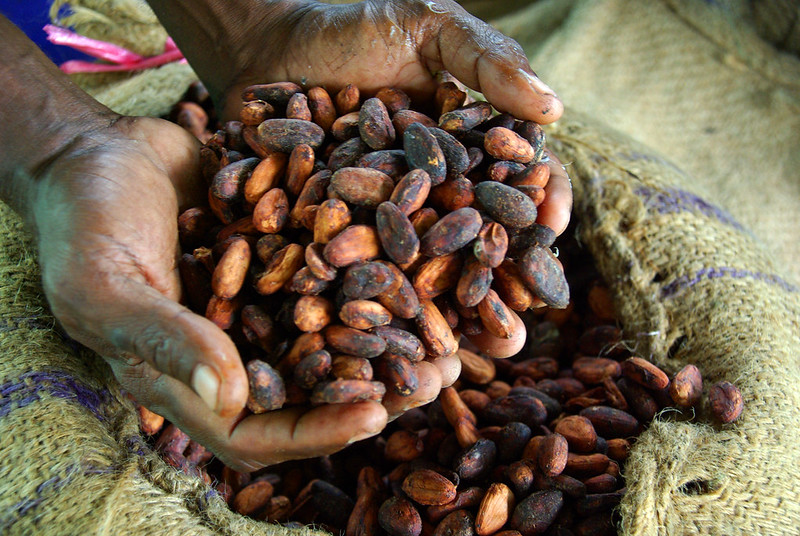 For generations, the vanilla and cocoa farmers of the world — mostly concentrated in Africa — have been plagued by poverty. But recent trends in each of their respective sectors are starting to change that.
The Vanilla Sector
In the case of vanilla, prices have risen for the past five years to more than 10 times their value for the last several decades. This high market price averages $400-$600 per kilo, where past prices began at $50 per kilo.
Madagascar, responsible for more than 80% of vanilla in the world today, has undergone varying levels of changes as a result. Theft and related protection measures are more prominent as vanilla grows more valuable, but economic changes are also visible. Reporting from NPR suggests that growth in certain towns, like those in the province of Sava, has begun to noticeably outpace areas outside of the heart of the vanilla country. Many formerly-impoverished farmers who could only afford self-grown food can now purchase more than just subsistence diets. Currently, many such farmers are even investing in new homes.
The value of the commodity, as well as the risk of holding it, is partly why vanilla farms are now attracting major investment from external and foreign buyers. These are often big chocolate companies that seek vanilla as a key ingredient. Such buyers are working with nonprofits in the region, such as the Livelihoods Fund for Family Farming. These partnerships serve to build new schools, optimize health care and encourage local cooperatives in order to ensure delicious and sustainable vanilla comes from areas with steady livelihoods. The need for quality investment is not limited to the vanilla sector, however. Vanilla and cocoa both share the limelight in this regard.
The Cocoa Sector
While the cocoa market hasn’t seen the same rise in profitability, measures are well-underway to combat poverty in that sector too. Living Income Differentials (LIDs) are among the more popular initiatives spearheaded by large cocoa buyers, including Ben and Jerry’s. LIDs are payments made in addition to the base price of cocoa in order to accommodate the farmers’ living expenses. The LIDs being paid by Ben and Jerry’s is worth about $600,000.
The Hershey chocolate company has also become one of the largest chocolate sellers to begin supporting LID policies. Despite ongoing criticism for Hershey’s shady dealings on the cocoa market that allegedly promote shortchanged (and possibly child labor), which runs contrary to its verbal support of LIDs.
Regardless, LIDs are only the tip of the iceberg compared to what’s also being suggested by many advocacy groups. These include the World Cocoa Foundation, the Campaign for Fair Chocolate, the Barry Callebaut Group and The Counter, among many others. Although some of these groups have seen setbacks due to the pandemic, some, such as The World Cocoa Foundation, have continued their efforts to connect cocoa farmers with big chocolate manufacturers to strengthen partnerships and common sustainability goals. These priorities have also been reflected in the European Union’s agenda, as proposed legislation considers sustainability and human rights concerns.
Barry Callebault, responsible for one in four chocolate and cocoa products worldwide, still maintains its ambitious goal to lift 500,000 cocoa farmers out of poverty by 2025. Investing and goals like that of the “Forever Chocolate” initiative also aim to combat child labor and climate change.
The Big Picture
While markets for vanilla and cocoa have been volatile, the recent upswing has brought with it renewed interest in returning the abundant profits to those who need it most. The impoverished workers who muster the strength to cultivate the crops and prep them for the market despite living below the poverty line deserve more. The initiative has strength in its broad support, but only time will tell whether the resulting actions will be successful and sustainable.
— Bardia Memar
Photo: Flickr
