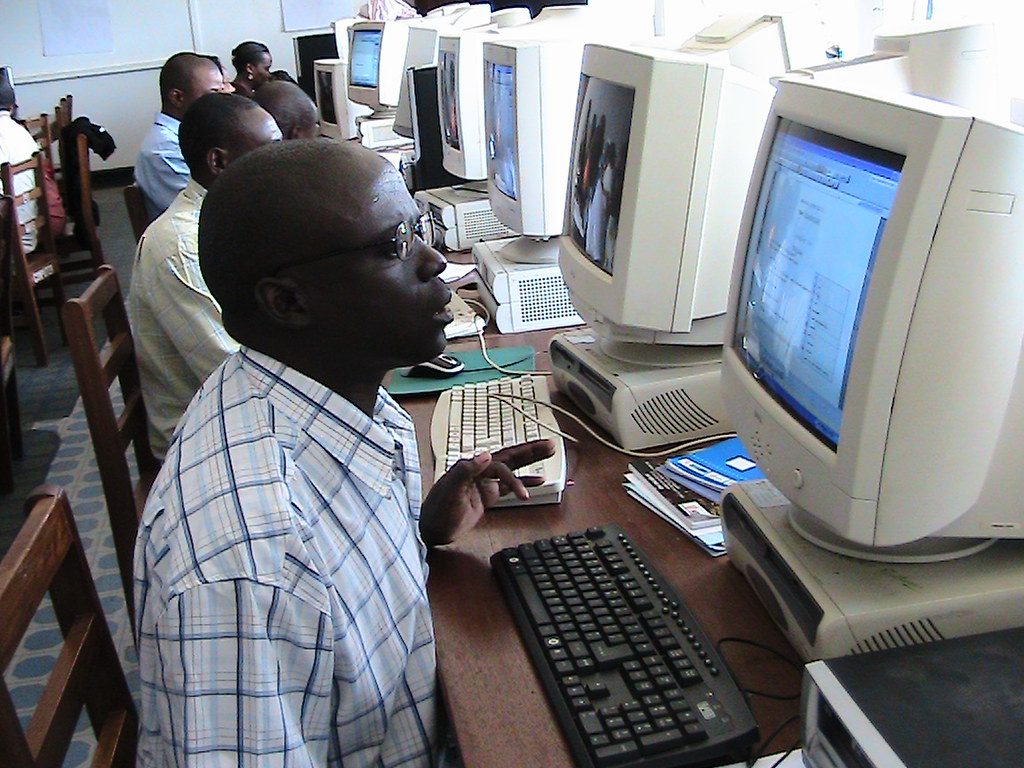
 In a world increasingly reliant on science and technology, lack of access is a significant concern for those living in poverty. To help develop those regions suffering from lack of development, there needs to be a greater push for education in these fields, as well as greater access to technology itself.
This is where the UN Technology Bank comes in, a global organization that is “dedicated to enhancing the contribution of science, technology and innovation for sustainable development in the world’s least developed countries.” In essence, this branch of the UN works to eradicate global poverty and inequality through technological development.
Between 1820 and 2002, the level of global inequality rose to 85%, mainly due to technological growth in certain countries. Despite the necessity of modern technology for modern economies to thrive, many developing countries need to catch up in its adoption, with a 2016 Pew survey finding only 54% of the population in 29 emerging countries could access the internet while only 37% owned a smartphone. However, now is the perfect time for developing countries to not only catch up on technological development but also get ahead on emerging sectors such as green technology, a potentially $9.5 trillion industry. Thankfully, the UN Technology Bank is here to help them achieve their goals.
The First Few Years
Headquartered in Gebze, Turkey, the organization was officially launched in 2018. However, its roots go back several years earlier. In 2011, the UN adopted the Istanbul Programme of Action for Least Developed Countries, which explicitly called for an organization to facilitate technological development in impoverished nations.
The UN laid the foundations for the organization after its leaders recognized that science and technology play a paramount role in lifting least developed countries out of poverty. In doing research for the Istanbul Programme, it found that LDCs needed “forward-looking science, technology and innovation policy frameworks to upgrade and align the skills base with market requirements,” which are vital in spurring economic development in these nations where around 30% of working people on average live below the poverty line.
The Tech Bank also aims to further the UN Sustainable Development Agenda for 2030. This set of 17 goals, adopted in 2015, serves as a blueprint for global development. Among its major aims is eliminating poverty and hunger.
During its first three years, the Tech Bank focused on building partnerships at the national and international level. In addition, it also examined the current state of science and technology in least-developed countries to determine how to establish innovation networks and begin technology transfer.
In a 2018 interview, Technology Bank Council Member Bitrina Diyamett explained why the UN is trying to help LDCs. “The bank starts from the premise that these countries are poor – to a large extent – because they lack capabilities in science, technology and innovation. Therefore, based on the UN principle of “leaving no one behind” in sustainable development, there is no other alternative to achieving the Agenda but by building such capabilities.”
The Work
Since its founding, the Technology Bank has worked on several projects and activities in least-developed countries around the globe.
With this work, it hopes to help these countries achieve several important sustainable development goals. Chief among these goals is economic self-reliance. As least-developed nations acquire new technology and the skills necessary to support it, they will then have the ability to grow their market considerably and lift people out of poverty. Other important goals include sustainable access to health technologies, sustainable industrialization, education and academic cooperation.
Once the Technology Bank decides which country to work with, it takes a four-step approach to help them achieve their goals. The first and arguably most crucial step is beginning the Technology Needs Assessment. Here, Tech Bank researchers identify essential technological development needs, understand the key challenges to that development and create an action plan to achieve greater technical capacity.
At the same time, it begins working on technology transfers. As the name implies, workers and researchers try to facilitate the transfer of essential technology to the countries in which they operate. An example of this may be the building of eco-friendly and affordable shelters or the creation of technology labs to educate young people with the skills necessary to build, operate and maintain using modern science and technology.
Finally, the Tech Bank works on the country’s policy and capacity development and forming strategic partnerships and advocacy. In this final step, the focus is on creating and advocating for national policies that support the capacity for science and technology while forming strategic partnerships with other nations and organizations.
Current Results and Future Outlook
The UN Tech Bank has assisted development in 11 different countries with ongoing projects in four more, including Bangladesh and Benin. Its ultimate goal is to utilize science and technology to help develop the 46 least developed nations.
In March 2022, Tech Bank leader Taffere Tesfachew called on all countries to help those living in the least developed ones. While thanking Turkey for its continued support for the Tech Bank, he stated he was “Hoping other countries would join, like China, also advanced countries like Germany.” And though only the future can tell how successful the Tech Bank will be, thus far, its efforts have proved fruitful, and if other countries answer the call, it is sure to achieve its mission of lifting the most vulnerable out of poverty.
– Jonathon Crecelius
Photo: Flickr

Addressing Child Poverty in Kosovo
How Kosovo Became Independent
Since the conclusion of the Yugoslavia civil war that split the nation in 2001, Kosovo represents the ethnic tension that remained unresolved from the 10-year conflict. During this war, Serbia brutally massacred the Albanians in Kosovo, leading to the United States Department of State investigating the “ethnic cleansing.” Even after investigating Serbia’s war crimes, Kosovo remained within Serbia after the war. The ethnic Albanians in Kosovo, who make up a staggering 92% of the population, were displeased with being part of Serbia. Their discontent was answered with the establishment of an independent entity in 2008, but Serbia to this day views Kosovo as a Province within Serbia, not an independent nation.
Challenges with Social Protection
Ambassador Tomáš Szunyog, the Head of the EU Office in Kosovo, said that lack of spending on social protection is not the sole issue, as “allocations to beneficiaries of different social protection schemes are not adequate and equitable, and create inequalities.” The World Bank reported that of the bottom 20% of earners in Kosovo, just around a fourth of them qualified for Social Assistance Scheme benefits, Kosovo’s social protection package. Szunyog added that it is the government’s responsibility to ensure their social programs are employed effectively.
Ways to Reduce Child Poverty in Kosovo
Despite this apparent peril for Kosovo’s youth, the World Bank outlined a list of alterations to lower child poverty in Kosovo. The two main components of Kosovo’s society that need to be adjusted are their health care and education. The aforementioned high mortality rate in the youth is due to increased health costs, thus by reforming their health care.
Additionally, by investing in early education, Kosovo’s workforce will increase in skill, which, according to the World Bank, provides a 13% return on investment each year. Investing in the youth’s intellect and health will strengthen the workforce, boosting the economy and lowering child poverty in the nation.
To address the child poverty crisis, Kosovo’s president, Vjosa Osmani, introduced a national call to action in 2022, focusing on emphasizing the intellectual development of the nation’s youth. Osmani stated that Kosovo will ensure stable leadership and a strong vision for their early child development programs, and their funding in child development will increase. With child development at the forefront of the nation’s vision for improving the future, it has adjusted the social protection allocations to impact those in dire need and now look to cultivate a young generation of workers to stimulate the economy, putting an end to Kosovo’s child poverty crisis.
The Soskosovo Project
One organization that is supporting the children who this crisis is affecting is the Soskosovo project, which sends financial aid packages to families to support the health and educational needs in the poverty-stricken nation—additionally, the project aids in funding psychosocial aid for families, aiding the nation’s mental stability.
Putting an end to Kosovo’s child poverty will help children like Xhaka and Shaqiri will be able to prosper in the land they call home.
– Dimitri Lykidis
Photo: Flickr
Chil Femtech Center: Africa’s First E-Hygiene Shop
Africa’s Health Challenges
Finding decent health care is a continuous struggle for those in Africa due to underfunded national health systems, a lack of basic infrastructure to provide essential resources such as clean water or electricity and a shortage of equipped health care workers. The Ebola epidemic exposed the flawed health status in Africa, and the recent statistics paint a grim picture. The World Health Organization (WHO) reports that Africa is responsible for “the global burden of diseases but has access to only 3% of health workers and less than 1% of the world’s financial resources.”
This recent initiative for more accessible health care stems from the WHO’s alarming statistics report, exposing that half of the world’s health facilities lack basic hygiene essentials. Without clean water, antibacterial soap and alcohol-based cleaning stations within hospitals or bathrooms, the number of infected individuals will only increase. According to the WHO, “Around 3.85 billion people use these facilities, putting them at greater risk of infection, including 688 million people who receive care at facilities with no hygiene services at all.”
E-Hygiene Shop
The E-Hygiene Shop will follow an E-pharmacy model offering various medically approved hygiene products from global brands. The program is currently being tested in school sickbays but has plans to expand all across Africa. The initiative also includes a flexible “buy now, pay later” option, allowing health facilities to upgrade their hygienic standards without increasing costs. The program’s primary goals include delivering health, cleaning and janitorial supplies at an affordable price while carrying significant stock and working directly with African, U.K. and USA-based hygiene product manufacturers. To reach the inaccessible population in the Middle East & Africa, secure medical services through the center’s network of spokes communicate to its hubs using their artificial intelligence chatbot connected to compatible telemedicine devices.
Dr. Shamim Nabuuma, the co-founder and CEO of Chil Femtech Center, emphasized the urgency of this matter, stating, “It is unacceptable for a patient to walk into a health facility for treatment, only to contract an additional ailment due to inadequate hygiene standards. Our E-Hygiene Shop is a bold step towards ensuring patients receive care in infection-free environments, which is pivotal for their complete Recovery.” She created the program strictly to fight back against breast cancer using e-oncology services guided by AI and drone-powered transportation of cervical cancer specimens from remote rural villages to laboratories.
Progress for the Future
The launch of the Chil Femtech Center’s new E-Hygiene Shop marks a significant stride toward enhancing health and well-being across Africa. This action is consistent with the center’s steady dedication to providing partner health care facilities with the necessary equipment to meet the requirements of prestigious health care facilities within urban areas. By providing easy access to essential hygiene products and fostering awareness about the importance of global health, this initiative can uplift communities and improve the continent’s health status. The integration of technology not only facilitates convenience but also signifies a progressive approach toward addressing health care challenges.
– Samantha J. Rentfro
Photo: Flickr
How to Overcome Period Poverty In Bolivia
Socioeconomic Factors
One of the primary drivers of period poverty in Bolivia is the country’s high level of income inequality. With more than 80% of people in rural Bolivia living below the poverty line, it is no surprise many families struggle just to afford their basic needs. For low-income households, buying sanitary products is not affordable, leading to using less hygienic alternatives.
Effects on Education
Insufficient awareness of menstruation contributes significantly to period poverty in Bolivia. Lack of adequate menstrual education leaves many girls and women uninformed about menstruation, causing them to feel ashamed and misinformed. Without proper education, women may not know how to manage their periods hygienically, exacerbating the problem.
UNESCO reports that the teachers in one school report that “boys make fun of girls if they know she is menstruating, they see it as something ugly and icky. However, this is due to a lack of knowledge and guidance from home.”
The consequence is girls are missing school during their menstruation, leading to lower attendance and performance. This can perpetuate the cycle of poverty by being denied educational opportunities and a chance to break free from the cycle of poverty.
Additionally, children learn about periods from their ancestors’ traditions and beliefs. These beliefs are not based on science and are confusing about periods for young girls. Girls are advised not to bathe during their period to avoid health complications like blood clots, stomach pain, irregular cycles and infertility.
Ongoing Efforts
Schools in Bolivia have not yet focused on menstrual hygiene in their education and health care systems. However, they have made progress in improving water, sanitation and hygiene (WASH) facilities in schools.
According to data from the Bolivian Ministry of Education, most rural schools in the country are equipped with only one toilet per school. Moreover, the statistics reveal that 32% of these schools have hand-washing sinks, while 29% lack showers on their premises. Alarmingly, 13% of schools do not have access to clean water.
In response to these sanitation challenges, UNICEF has launched an intervention program targeting rural schools and communities. The first program involves the construction of Urine Diverting Dry (UDD) toilets in 21 rural schools. UDD toilets function by dividing urine from feces, which can be reused for agriculture, mostly in places where water and sewage facilities are scarce. The installation of toilets will be followed by an anthropological study to understand their use in rural Andean regions of Bolivia. Although UDD toilets do not address period poverty directly, they bring various indirect benefits. The list comprises better sanitation and hygiene, increased privacy and dignity, decreased health hazards and water conservation.
Addressing Period Poverty in Bolivia
In conclusion, period poverty in Bolivia is a complex issue with far-reaching consequences for the well-being and empowerment of women and girls. It requires a multifaceted approach, and the following systems need to be put into place to see radical change:
While period poverty in Bolivia has been an ongoing issue, efforts are in place to make a difference. Through continued work, period poverty should become a thing of the past in Bolivia.
– Sophie Higham
Photo: Pixabay
Child Poverty in Bosnia and Herzegovina
Not only did the socio-economic conditions of post-war Bosnia make development difficult, the country’s high exposure to floods, landslides, earthquakes and wildfires posed serious problems. Twenty percent of Bosnia is susceptible to floods, which can severely impact infrastructure and leave thousands homeless.
The Rise of Child Poverty in Bosnia and Herzegovina
According to UNICEF, almost all children under the age of four are deprived of at least one dimension of multidimensional poverty. Child poverty in Bosnia and Herzegovina is rising at alarming rates. In 2011, 30.6% of children lived in poverty, compared to 23.4% of the total population. The right to education is not standardized within the country, and due to the practical division of the nation, there are numerous cases of discrimination against students based on their origin.
The Impact of Child Poverty on Education
The lack of education perpetuates a vicious cycle of child poverty in Bosnia and Herzegovina as the intergenerational poverty transfer is a stark reminder of the need to improve education provisions for all children within the country. Children, adolescents and the rural population are the most affected by poverty within the country and children of ethnic minorities, including the Romani, face increased adversity due to heightened discrimination.
Romani Communities and Poverty
During the war, Romani families had to leave their homes and rarely recovered their houses. Even today, much of the Roma community lives in incredibly harsh conditions and often in extreme poverty. Generally, the education levels for Romani children, and girls in particular, are weak. A report from the European Commission in 2020 found that ethnic discrimination against the Roma community is evident in the provision of services like housing, health care, education and employment. Numerous children are victims of trafficking, mainly young girls and adolescents, who are targets of prostitution rings. These networks kidnap or, less often, pay the parents to take advantage of young girls in Bosnia, in the Balkans region and throughout Europe. However, work by the government and NGOs within the country is being maintained to prevent child trafficking.
Government Support for Poverty
The government implemented the 2020-2023 national strategy, and the State Coordinator produced an annual progress report and coordinated meetings with international organizations and local NGOs. The government has continuously funded these NGOs as they have begun to increasingly involve law enforcement and social workers in potential cases of child trafficking. In cooperation with NGO-run shelters, the government provided accommodation, psycho-social support, medical assistance, food and hygiene and legal assistance.
The government is making strides in eliminating the worst forms of child labor in the country. The Council of Ministers approved the National Action Plan for the Social Inclusion of Roma, which aims to improve education access for Roma children. In addition, the Anti-Trafficking Strike Force expanded its membership to include representatives from outside agencies.
World Vision and UNICEF Assisting with Child Rights
World Vision is another organization that aims to improve child rights in Bosnia and Herzegovina. It works to improve overall coordination and collaborative action between the government and civil society, as well as improve efforts to remove all barriers present in children’s lives within the country. Its goal is to amplify the voices of young people in the state, which, in turn, empowers them to seek change.
UNICEF is another critical player as their public information campaigns regarding improving child education and early health care reached more than 1.6 million people. During the COVID-19 pandemic, they educated 2,294 parents about the importance of child immunizations and worked on air pollution programs through youth activism to encourage discussions with local authorities about preventing respiratory illnesses seen in children.
The work of developmental organizations within Bosnia and Herzegovina is vital in ensuring increased provisions to reduce child poverty in Bosnia and Herzegovina.
– Maryam Rana
Photo: Flickr
USAID Programs in Libya Not Deterred by Cyclone Daniel
In response, the United States Agency for International Development (USAID) provided $1 million in humanitarian assistance along with a Disaster Assistance Response Team. This team conducted needs analyses and connected with Libyan authorities and international partners to remedy the devastations on the ground.
USAID programs have a long history in Libya. Prior to Cyclone Daniel, USAID dedicated more than $178 million across five programs intended to improve democracy, governance and economic growth.
More than 2 million Libyans currently live in poverty, and approximately 125,000 remain internally displaced. The USAID programs in Libya aim to lessen poverty by increasing the capacity of the state to respond to the needs of the people, stimulating the workforce and reducing the prospects of violence.
USAID Programs in Libya
Looking Ahead
The situation in Libya is complicated. After the fall of Gaddafi, Libya split into two rival governments: the UN-supported democracy of Tripoli and the Libyan National Army (LNA). The LNA has shut down several ports for oil exports, suffocating the Libyan economy. As a result, USAID programs that focus on economic reform and business development have become critically important in Libya. With the help of USAID and implementation of its anti-corruption programs, transparency initiatives and legal reform, Libya can rebuild itself into a unified government.
– Anthony Coletta
Photo: Flickr
Exploring Poverty and Urbanization in India
Urbanization can have a positive impact on reducing poverty and improving the lives of the population of any country. UN India states that India has witnessed remarkable urban advancement, with projections indicating that more than 400 million individuals will reside in its cities by 2030. Despite occupying just 3% of the land, cities significantly contribute to India’s GDP, amounting to 60%. This urban expansion has played a pivotal role in reducing poverty across the country, with approximately 80% of the overall poverty reduction attributed to urban growth. However, the challenges have not ended. Rapid urbanization in India has also shed light on some key issues regarding India’s growth and its fight against poverty. Here are four facts about India’s urbanization.
1. Extreme Weather Patterns Contribute to Urbanization
India’s urbanization is inextricably linked with harsh weather events, presenting a complex dynamic. Extreme weather patterns significantly impact Indian rural areas. Rising temperatures, erratic rainfall and extreme weather events disrupt agriculture, affecting livelihoods and food security. Water scarcity, crop failures and dying livestock compound the vulnerability of rural communities who are left with no option but to migrate to the rapidly urbanizing cities of India to sustain their families. Each year there are approximately 100 million interstate migrants in India.
2. Population Boom in Urban Areas
With the continuous influx of interstate migrants, Indian metros have witnessed an astonishing rise in population over the years. Mumbai experienced significant rural-to-urban migration, hosting a population of 12.5 million, making it India’s most populous metropolis, closely followed by Delhi with 11 million residents. According to the 2011 census, Delhi recorded the world’s fastest urbanization rate, with a 4.1% population increase, while Mumbai’s population grew by 3.1% and Kolkata’s by 2% compared to the 2001 census. For example, by 2015, Delhi had an estimated population of 26 million, Mumbai 24 million and Kolkata 16 million.
3. Urban Poverty
While on one hand India’s rapid urbanization has presented the citizens with grand skyscrapers and been beneficial for many to sustain comfortable, healthy lives, a grim reality persists on the ground level. As cities expand, a significant portion of the population grapples with inadequate housing, lack of basic services and limited access to education and health care. India’s population includes 65.49 million individuals residing in 13.7 million slum households nationwide. Approximately 65% of Indian cities have neighboring slum areas characterized by compact, closely spaced dwellings.
4. Rising Co-morbidities in Urban Areas
India’s urbanization, while propelling economic growth and modernization, has also contributed to a concerning rise in co-morbidities. As urban areas expand, lifestyle changes accompany the shift, with increased consumption of processed foods, sedentary habits and greater exposure to environmental pollutants. These factors have led to a surge in non-communicable diseases such as diabetes, heart disease and respiratory conditions. Urban residents often face higher stress levels, inadequate access to health care and suboptimal living conditions, exacerbating the prevalence of co-morbidities. For example, In urban regions, the prevalence of multimorbidity stands at 9.7%, surpassing the 5.7% rate in rural areas. Among adults aged 40–49 in urban areas, at least one multimorbidity is present in 56–64% of cases, compared to 39–50% in rural settings.
Looking Ahead
Despite the challenges that have come with urbanization, urbanization in India has also shown largely positive outcomes. Between 2005 and 2021, India witnessed a significant reduction in poverty, as 415 million individuals transitioned out of impoverished conditions. The poverty rate decreased from 55.1% in 2005–06 to 16.4% in 2019–21.
However, the implementation of properly planned programs and schemes is essential to combat the individual issues pertaining to unplanned rapid urbanization. For example, the Pradhan Mantri Arogya Yojana (PM-JAY) is an innovative government-funded initiative that launched in India in 2018, offering the largest public health insurance globally. Its primary goal is to make health care accessible and affordable, particularly for low-income individuals. Providing a substantial 500,000 rupee insurance coverage per family, the program strives for a comprehensive approach, delivering a wide range of health services rather than selective ones.
India’s urbanization journey is characterized by burgeoning metropolises like Mumbai, Delhi and Bangalore, juxtaposed with smaller cities and towns experiencing their own growth spurts. This transformation brings both promise and challenges. On one hand, the idea of urbanization fosters economic opportunities, technological advancements and improved living standards, while on the other, it strains infrastructure, exacerbates issues like congestion and poses environmental threats.
As India navigates this intricate urbanization process, addressing these issues becomes imperative. Sustainable urban planning, infrastructure development and inclusive policies are key to harnessing the potential of India’s urban centers. By understanding and effectively managing its urbanization, India can aspire to build cities that offer a high quality of life while preserving its rich cultural heritage and natural resources.
– Piyush Plabon Das
Photo: Flickr
3 Charities Operating in Italy
GCAP
Among the charities operating in Italy is GCAP. Supported by many citizens, organizations, trade unions, movements of civil society and associations in Italy, the GCAP refers to their organizations as “the Italian expression of a broader global movement that has the objective of countering the mechanisms that generate poverty and inequality in the world, promoting the adoption of sustainable development policies respecting human rights, the dignity of every person, gender equality, social justice and the environment.” Since 2005, several mobilization activities and international campaigns have taken place to encourage political leaders to stand by their commitments to the country and eradicate poverty.
Other issues raised during these movements include the environment, international conventions and human rights. Basing its vision on respect, dignity, equity and sustainability, here is what GCAP vows in its mission. “We want a world in which the economic system creates wealth for everyone and not just for the few; a world where governments, people and the private sector respect and take care of the planet to be habitable for us and future generations.”
Together with the other national coalitions, GCAP Italy supports all women and men in their battles to achieve greater justice and dignity, brings together the organizations of Italian Civil Society to dialogue with the institutions and intervenes in those processes that perpetuate poverty and social and economic uncertainty; defends and promotes fundamental human rights, gender equity, social justice and security necessary to guarantee universal dignity and peace.”
Caritas Italiana
Founded in 1971, Caritas Italiana is a pastoral organization of the Italian Bishops Conference. Supporting the most vulnerable people, the organization engages in many areas, including homelessness, immigration, mental health and old and new forms of poverty. They work within the Church to raise awareness on the issues surrounding charity — promoting the vitality of positive actions towards the poor. Not only does Caritas Italiana implement charitable actions to help those in need, but they also coordinate emergency responses in tragic disasters in Italy and abroad.
Caritas Italiana is also focused on convincing civil institutions to support the community’s human rights through legislation. The organization conducts research projects related to the causes of poverty and produces analysis. Providing staff training, they emphasize the importance of awakening public opinion and offering helpful services to various groups and movements. The organization remarks that “The deep moral and spiritual principles of dignity, justice, solidarity and stewardship still guide Caritas today.”
EMERGENCY
Having treated more than 12.5 million people across 20 countries, EMERGENCY is an independent organization that provides free, high-quality medical care to victims of war, landmines and poverty — treating one patient every minute. Since 1994, EMERGENCY has promoted respect for human rights, solidarity and a culture of peace. They believe that it is a fundamental human right to receive health care. Their approach to this belief is based on three things — equality, quality and social responsibility. EMERGENCY remark when referencing social responsibility and the government that “Governments must make the health and wellbeing of their citizens a priority. They must set aside the human and economic resources necessary for this end. The health care services governments and humanitarian organizations provide must be free and available to all.”
Since 2006, its work in Italy has received 533,947 consultations. The Italian Constitution states that “The Republic protects health as a fundamental right of the individual and in the interest of the community, and guarantees free treatment to the destitute.” However, due to poverty and the inability to navigate a complex health care system, many Italians will have this right overlooked. EMERGENCY’s Italy Programme strives to support vulnerable communities to receive the correct access to high-quality health care. Some of their positivity projects include providing medical assistance and psychosocial support to agricultural workers in Sicily. As well as implementing an information point for socio-medical counseling in Brescia and mobile clinics around Italy.
Despite the efforts of these charities operating in Italy to irradiate poverty in Italy, Istat revealed in its 2021 report that “At the individual level, there was also a significant increase in the incidence of relative poverty both in national average (which returned to the 2019 levels when it was 14.7%) and, in particular, in the Southern regions (from 22.6% in 2020 to 25.3% in 2021) and the Centre (from 8.9% in 2020 to 10.0% in 2021).”
– Katerina Petrou
Photo: Flickr
Diseases Impacting the Philippines
The Philippine’s Health Care System
The Philippines employs a health care system that blends both public and private services. The national health insurance program, known as the Philippine Health Insurance Corporation (PhilHealth), strives to ensure equitable access to quality health care for all citizens. Despite progress toward health Millennium Development Goals (MDGs), the emergence of chronic diseases poses a new challenge, particularly in impoverished communities.
The health care system has great hospitals and capable medical providers who are unable to account for the large marginalized populations suffering from diseases impacting the Philippines. Made up of more than 7,500 islands and 20,000 miles of coastline, the Philippines has many remote communities whose medical infrastructure and resources are not adequate. This leads to an uneven distribution of health care resources between urban and rural areas, limited financing and a shortage of health care professionals.
Prominent Statistics
Vaccine-preventable diseases are increasing in the Philippines, “potentially reversing the positive results of decades of successful immunization campaigns.” Since 2019, the country has reported outbreaks of polio, measles, respiratory infections and waterborne diseases. In August 2019, the Department of Health declared a national epidemic due to a dengue outbreak. In November 2019, the Philippines faced significant health challenges. Dengue cases surpassed 370,000, resulting in 1,407 deaths. Additionally, 197 cases of diphtheria led to 47 deaths in October. Measles affected over 42,200 people, causing 560 deaths due to complications. The country, polio-free for 19 years, reported four cases caused by vaccine-derived poliovirus. These outbreaks persist due to low population immunity. It highlights the importance of vaccination to safeguard public health and prevent the re-emergence of previously controlled diseases.
Efforts by NGOs and the Government of Philippines
Thankfully, the World Health Organization’s Immunization Agenda of 2030 aims to make vaccinations available globally by 2030. On June 2, 2021, the Department of Health declared the polio outbreak non-urgent after years of “comprehensive outbreak response actions, including intensified immunization and surveillance activities” in remote areas. The Yale Institute for Global Health, UNICEF and Meta developed five graphic campaigns, four in Filipino and one in English, targeting people aged 18-55 years in the Philippines in order to increase awareness of routine vaccination and routine immunization for children.
Non-communicable diseases impacting the Philippines (NCDs) such as cardiovascular diseases, diabetes and Ischemic heart disease are also on the rise, “often linked to lifestyle factors such as diet and lack of physical activity.” Furthermore, there has been a recent spike in diseases such as dengue, diphtheria and malaria.
The Government of the Philippines is reducing NCD rates by implementing a multisectoral Strategic Action Plan for NCD prevention and control (2017-2025), a Plan of Action for Nutrition (2017-2022), various tobacco control policies, tobacco and alcohol taxation, parameters for labeling pre-packaged food and the universal health care (UHC) law. The 2030 Agenda for Sustainable Development calls for a one-third reduction in premature mortality from NCDs by 2030; investing in NCD solutions will reduce approximately 350,000 premature deaths over the next 15 years.
Other Ongoing Efforts
Looking Ahead
Exploring the health challenges in the Philippines could enhance awareness and support the ongoing conversation about public health in the nation. Although the government has made notable progress in tackling public health issues, ongoing trends draw attention to a continuous requirement for collaborative actions from broader stakeholders. This could involve cultivating a global commitment to public health and fostering a united effort to address health concerns.
– Samantha J. Rentfro
Photo: Flickr
Reducing Poverty Through Technological Development
This is where the UN Technology Bank comes in, a global organization that is “dedicated to enhancing the contribution of science, technology and innovation for sustainable development in the world’s least developed countries.” In essence, this branch of the UN works to eradicate global poverty and inequality through technological development.
Between 1820 and 2002, the level of global inequality rose to 85%, mainly due to technological growth in certain countries. Despite the necessity of modern technology for modern economies to thrive, many developing countries need to catch up in its adoption, with a 2016 Pew survey finding only 54% of the population in 29 emerging countries could access the internet while only 37% owned a smartphone. However, now is the perfect time for developing countries to not only catch up on technological development but also get ahead on emerging sectors such as green technology, a potentially $9.5 trillion industry. Thankfully, the UN Technology Bank is here to help them achieve their goals.
The First Few Years
Headquartered in Gebze, Turkey, the organization was officially launched in 2018. However, its roots go back several years earlier. In 2011, the UN adopted the Istanbul Programme of Action for Least Developed Countries, which explicitly called for an organization to facilitate technological development in impoverished nations.
The UN laid the foundations for the organization after its leaders recognized that science and technology play a paramount role in lifting least developed countries out of poverty. In doing research for the Istanbul Programme, it found that LDCs needed “forward-looking science, technology and innovation policy frameworks to upgrade and align the skills base with market requirements,” which are vital in spurring economic development in these nations where around 30% of working people on average live below the poverty line.
The Tech Bank also aims to further the UN Sustainable Development Agenda for 2030. This set of 17 goals, adopted in 2015, serves as a blueprint for global development. Among its major aims is eliminating poverty and hunger.
During its first three years, the Tech Bank focused on building partnerships at the national and international level. In addition, it also examined the current state of science and technology in least-developed countries to determine how to establish innovation networks and begin technology transfer.
In a 2018 interview, Technology Bank Council Member Bitrina Diyamett explained why the UN is trying to help LDCs. “The bank starts from the premise that these countries are poor – to a large extent – because they lack capabilities in science, technology and innovation. Therefore, based on the UN principle of “leaving no one behind” in sustainable development, there is no other alternative to achieving the Agenda but by building such capabilities.”
The Work
Since its founding, the Technology Bank has worked on several projects and activities in least-developed countries around the globe.
With this work, it hopes to help these countries achieve several important sustainable development goals. Chief among these goals is economic self-reliance. As least-developed nations acquire new technology and the skills necessary to support it, they will then have the ability to grow their market considerably and lift people out of poverty. Other important goals include sustainable access to health technologies, sustainable industrialization, education and academic cooperation.
Once the Technology Bank decides which country to work with, it takes a four-step approach to help them achieve their goals. The first and arguably most crucial step is beginning the Technology Needs Assessment. Here, Tech Bank researchers identify essential technological development needs, understand the key challenges to that development and create an action plan to achieve greater technical capacity.
At the same time, it begins working on technology transfers. As the name implies, workers and researchers try to facilitate the transfer of essential technology to the countries in which they operate. An example of this may be the building of eco-friendly and affordable shelters or the creation of technology labs to educate young people with the skills necessary to build, operate and maintain using modern science and technology.
Finally, the Tech Bank works on the country’s policy and capacity development and forming strategic partnerships and advocacy. In this final step, the focus is on creating and advocating for national policies that support the capacity for science and technology while forming strategic partnerships with other nations and organizations.
Current Results and Future Outlook
The UN Tech Bank has assisted development in 11 different countries with ongoing projects in four more, including Bangladesh and Benin. Its ultimate goal is to utilize science and technology to help develop the 46 least developed nations.
In March 2022, Tech Bank leader Taffere Tesfachew called on all countries to help those living in the least developed ones. While thanking Turkey for its continued support for the Tech Bank, he stated he was “Hoping other countries would join, like China, also advanced countries like Germany.” And though only the future can tell how successful the Tech Bank will be, thus far, its efforts have proved fruitful, and if other countries answer the call, it is sure to achieve its mission of lifting the most vulnerable out of poverty.
– Jonathon Crecelius
Photo: Flickr
The Women’s Reservation Bill: A Step Toward Gender Equality in India
Everyday Life in India
As of June 2023, India held the title of the world’s most populous country, boasting approximately 1.4 billion people. Following its independence from the British Empire in 1947, India has emerged as one of the globe’s fastest-growing economies. This economic surge has facilitated significant strides in reducing poverty over recent decades. Notably, from 2011 to 2019, the number of citizens grappling with extreme poverty was cut in half. While the onset of the COVID-19 pandemic posed challenges, India remains on the trajectory of progress.
Similar to poverty, progress toward gender equality in India is visible with the country climbing eight places in the World Economic Forum’s Global Gender Gap Report of 2023. However, overall, in terms of gender equality, India ranks 127th out of 146 countries.
Gender Equality in India
Gender inequality is a widespread issue, not confined to India but prevalent in communities worldwide. It’s a global problem that shares ties with poverty. The United Nations (U.N.) recognized this, making gender equality one of the 17 Sustainable Development Goals in 2015. These goals aim to “end poverty, protect the planet and ensure that by 2030 all people enjoy peace and prosperity.” The challenge of gender inequality is a shared concern that demands collective efforts for a more equitable and sustainable future.
Achieving gender equality in India is a significant challenge that starts affecting individuals from birth. Unfortunately, India stands out as the only country where girls face a lower chance of survival at birth and encounter developmental disparities in childhood. To sustain its progress, it appears India needs to empower individuals of all genders, ensuring equal opportunities for prosperity. This inclusive approach is crucial for fostering a more equitable and progressive society.
Women’s Reservation Bill
In late September 2023, Indian legislators overwhelmingly approved the Women’s Reservation Bill with minimal dissent in both the Lok Sabha and Rajya Sabha, the lower and upper houses of the Indian Parliament, respectively. The bill advocates for a minimum of 33% representation of women in the Lok Sabha and State Legislative assemblies. If implemented, this would mark an approximate 10% increase in the current representation of women in the Lok Sabha.
The President of India, Droupadi Murmu, the second female president of India, has assented to the Women’s Reservation Bill. As such the bill has become law and shall be in place for a minimum of 15 years. The enactment of this law not only ensures that the women of today are given a voice and the opportunity to be empowered leaders in their own day-to-day lives but also ensures that future women maintain that same right. However, there is still further progress to be made with the bill only being effective in the Lok Sabha, the lower parliamentary house.
The Ripple Effect
India is not alone in taking this step toward gender equality, with 64 other countries also implementing similar legislation, one such country being Rwanda. In 2003, Rwanda included in its constitution an allocation of 30% of elected positions for women in parliament. Currently, this has evolved into women occupying 64% of all parliamentary seats and Rwanda emerging as a leading force in gender equality. Such quotas significantly empower women.
What’s Next?
Addressing gender equality is crucial for India’s overall progress. The recent passage of the bill marks a significant step forward. Similar to the positive changes observed in Rwanda, this move is expected to catalyze further strides toward gender equality in India. Without tackling these issues, the nation risks reaching a progression plateau. The bill’s enactment signals a commitment to fostering an environment where everyone, regardless of gender, can thrive.
– Holly Coop
Photo: Unsplash