Diseases Impacting the Philippines
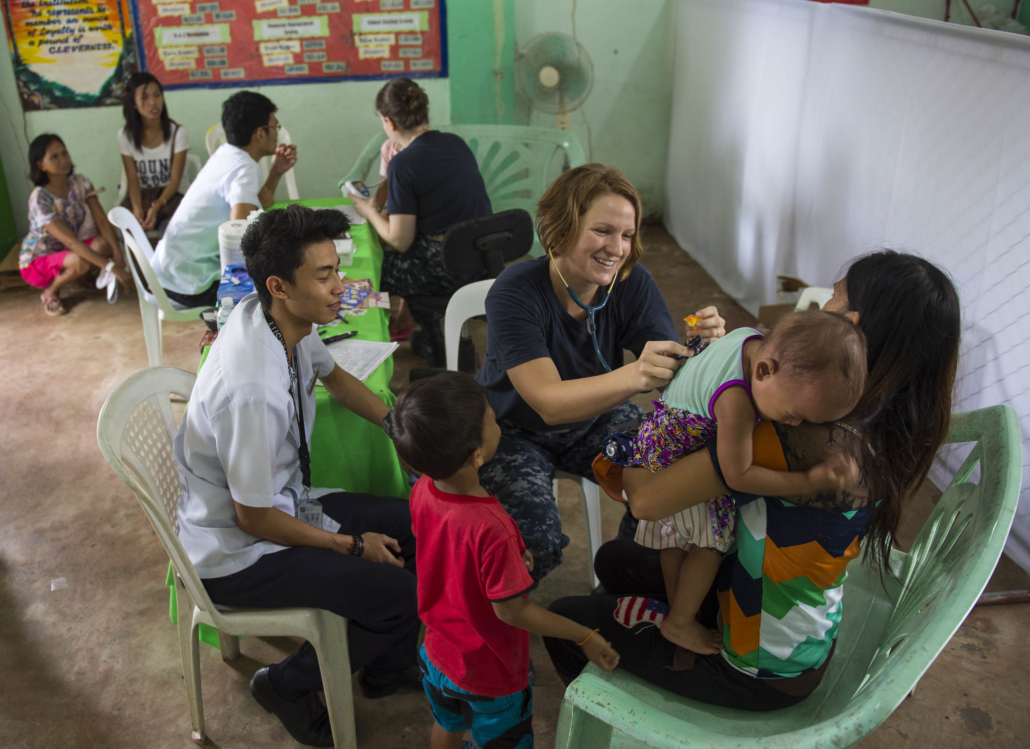 The Philippines, a country celebrated for its rich culture and scenic beauty, grapples with various health challenges. The country contends with infectious diseases, a shortage of health care services and illnesses linked to the environment. Recognizing these issues, the government has initiated measures to enhance health care infrastructure and tackle critical public health concerns, aiming to effectively address the health issues affecting the Filipino population.
The Philippine’s Health Care System
The Philippines employs a health care system that blends both public and private services. The national health insurance program, known as the Philippine Health Insurance Corporation (PhilHealth), strives to ensure equitable access to quality health care for all citizens. Despite progress toward health Millennium Development Goals (MDGs), the emergence of chronic diseases poses a new challenge, particularly in impoverished communities.
The health care system has great hospitals and capable medical providers who are unable to account for the large marginalized populations suffering from diseases impacting the Philippines. Made up of more than 7,500 islands and 20,000 miles of coastline, the Philippines has many remote communities whose medical infrastructure and resources are not adequate. This leads to an uneven distribution of health care resources between urban and rural areas, limited financing and a shortage of health care professionals.
Prominent Statistics
Vaccine-preventable diseases are increasing in the Philippines, “potentially reversing the positive results of decades of successful immunization campaigns.” Since 2019, the country has reported outbreaks of polio, measles, respiratory infections and waterborne diseases. In August 2019, the Department of Health declared a national epidemic due to a dengue outbreak. In November 2019, the Philippines faced significant health challenges. Dengue cases surpassed 370,000, resulting in 1,407 deaths. Additionally, 197 cases of diphtheria led to 47 deaths in October. Measles affected over 42,200 people, causing 560 deaths due to complications. The country, polio-free for 19 years, reported four cases caused by vaccine-derived poliovirus. These outbreaks persist due to low population immunity. It highlights the importance of vaccination to safeguard public health and prevent the re-emergence of previously controlled diseases.
Efforts by NGOs and the Government of Philippines
Thankfully, the World Health Organization’s Immunization Agenda of 2030 aims to make vaccinations available globally by 2030. On June 2, 2021, the Department of Health declared the polio outbreak non-urgent after years of “comprehensive outbreak response actions, including intensified immunization and surveillance activities” in remote areas. The Yale Institute for Global Health, UNICEF and Meta developed five graphic campaigns, four in Filipino and one in English, targeting people aged 18-55 years in the Philippines in order to increase awareness of routine vaccination and routine immunization for children.
Non-communicable diseases impacting the Philippines (NCDs) such as cardiovascular diseases, diabetes and Ischemic heart disease are also on the rise, “often linked to lifestyle factors such as diet and lack of physical activity.” Furthermore, there has been a recent spike in diseases such as dengue, diphtheria and malaria.
The Government of the Philippines is reducing NCD rates by implementing a multisectoral Strategic Action Plan for NCD prevention and control (2017-2025), a Plan of Action for Nutrition (2017-2022), various tobacco control policies, tobacco and alcohol taxation, parameters for labeling pre-packaged food and the universal health care (UHC) law. The 2030 Agenda for Sustainable Development calls for a one-third reduction in premature mortality from NCDs by 2030; investing in NCD solutions will reduce approximately 350,000 premature deaths over the next 15 years.
Other Ongoing Efforts
- Disease Prevention and Control: There are efforts in place to control infectious diseases, such as public health campaigns and strengthening disease surveillance systems.
- Health Infrastructure Development: The government has invested in upgrading hospitals and health equipment, especially in rural areas.
- Community Health Programs: Health care workers directly communicate with the public by educating them on how to avoid sickness and how to address it.
- Mental Health Awareness and Services: There is a new focus on psychological services and promoting mental health awareness.
- Immunization Programs: WHO is offering vaccination programs and has made progress in expanding immunization coverage to protect children from preventable diseases such as measles, polio and hepatitis.
Looking Ahead
Exploring the health challenges in the Philippines could enhance awareness and support the ongoing conversation about public health in the nation. Although the government has made notable progress in tackling public health issues, ongoing trends draw attention to a continuous requirement for collaborative actions from broader stakeholders. This could involve cultivating a global commitment to public health and fostering a united effort to address health concerns.
– Samantha J. Rentfro
Photo: Flickr
