Addressing Child Poverty in Kosovo
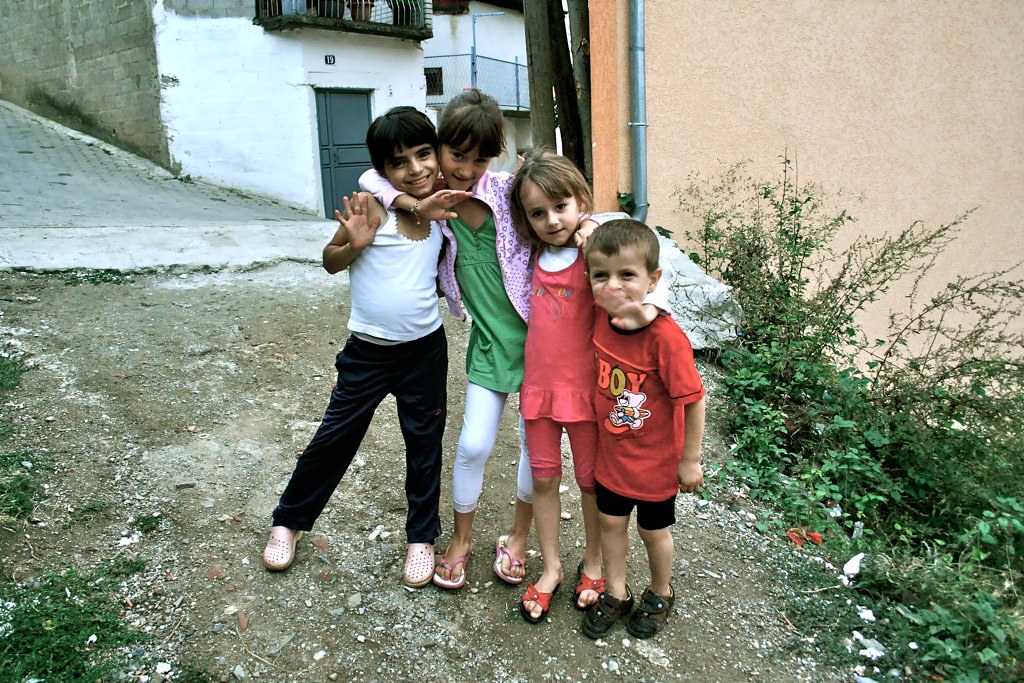 Since its independence, the issue of child poverty has plagued Kosovo. Close to 23% of Kosovo’s youth experience poverty, and a mere 15% of children get early education, according to UNICEF. Despite this crisis, Kosovo spends only 8.5% of its GDP on social protection, 20% lower than the European Union (EU) average. This lack of social investment in the youth was compounded by the effects of the pandemic, as youth unemployment soared to 48%. Here is more information about child poverty in Kosovo.
How Kosovo Became Independent
Since the conclusion of the Yugoslavia civil war that split the nation in 2001, Kosovo represents the ethnic tension that remained unresolved from the 10-year conflict. During this war, Serbia brutally massacred the Albanians in Kosovo, leading to the United States Department of State investigating the “ethnic cleansing.” Even after investigating Serbia’s war crimes, Kosovo remained within Serbia after the war. The ethnic Albanians in Kosovo, who make up a staggering 92% of the population, were displeased with being part of Serbia. Their discontent was answered with the establishment of an independent entity in 2008, but Serbia to this day views Kosovo as a Province within Serbia, not an independent nation.
Challenges with Social Protection
Ambassador Tomáš Szunyog, the Head of the EU Office in Kosovo, said that lack of spending on social protection is not the sole issue, as “allocations to beneficiaries of different social protection schemes are not adequate and equitable, and create inequalities.” The World Bank reported that of the bottom 20% of earners in Kosovo, just around a fourth of them qualified for Social Assistance Scheme benefits, Kosovo’s social protection package. Szunyog added that it is the government’s responsibility to ensure their social programs are employed effectively.
Ways to Reduce Child Poverty in Kosovo
Despite this apparent peril for Kosovo’s youth, the World Bank outlined a list of alterations to lower child poverty in Kosovo. The two main components of Kosovo’s society that need to be adjusted are their health care and education. The aforementioned high mortality rate in the youth is due to increased health costs, thus by reforming their health care.
Additionally, by investing in early education, Kosovo’s workforce will increase in skill, which, according to the World Bank, provides a 13% return on investment each year. Investing in the youth’s intellect and health will strengthen the workforce, boosting the economy and lowering child poverty in the nation.
To address the child poverty crisis, Kosovo’s president, Vjosa Osmani, introduced a national call to action in 2022, focusing on emphasizing the intellectual development of the nation’s youth. Osmani stated that Kosovo will ensure stable leadership and a strong vision for their early child development programs, and their funding in child development will increase. With child development at the forefront of the nation’s vision for improving the future, it has adjusted the social protection allocations to impact those in dire need and now look to cultivate a young generation of workers to stimulate the economy, putting an end to Kosovo’s child poverty crisis.
The Soskosovo Project
One organization that is supporting the children who this crisis is affecting is the Soskosovo project, which sends financial aid packages to families to support the health and educational needs in the poverty-stricken nation—additionally, the project aids in funding psychosocial aid for families, aiding the nation’s mental stability.
Putting an end to Kosovo’s child poverty will help children like Xhaka and Shaqiri will be able to prosper in the land they call home.
– Dimitri Lykidis
Photo: Flickr
