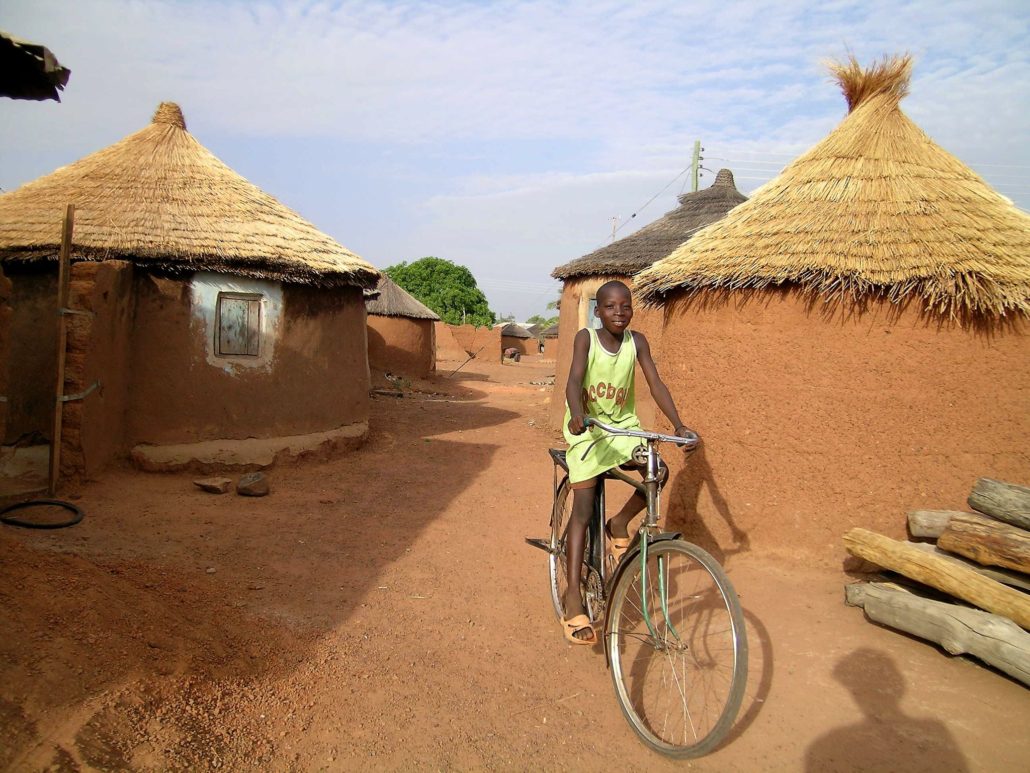
 Ghana, a country known for its vibrant culture and rich history, faces a pressing challenge at the intersection of health and poverty: neglected tropical diseases (NTDs). Affecting all 10 regions of the so-called “Gateway to Africa,” approximately 25 million Ghanaians are at risk of contracting one or more NTD. Combating NTDs is thus connected to alleviating poverty and sheltering the most vulnerable, as impoverished populations lack adequate sanitation and water resources to protect themselves. Here is how Ghana combats NTDs in order to preserve the health of its citizens.
What Are NTDs?
NTDs are a group of parasitic and bacterial infectious diseases. The World Health Organization (WHO) reports that NTDs claim 170,000 lives each year and affect more than 1.58 billion people globally. These diseases, including malaria, dengue fever, Chagas disease and schistosomiasis, pose significant challenges to global health and well-being. Often overlooked and underfunded, NTDs thrive in impoverished and marginalized communities. This exacerbates the cycle of poverty and hinders socio-economic development.
According to WHO, the most prevalent NTDs in Ghana include lymphatic filariasis (LF), onchocerciasis (Oncho), trachoma, schistosomiasis (SCH), soil-transmitted helminthiasis (STH), Buruli ulcer, yaws, leprosy, guinea worm, human African trypanosomiasis (HAT), cutaneous leishmaniasis and rabies.
How Do NTDs Affect Poverty in Ghana?
According to the World Bank, the poverty rate in Ghana will likely rise to 34% by 2025. NTDs in Ghana contribute to poverty by reducing productivity and economic potential due to health impacts. This imposes financial burdens through health care expenses and limits long-term prospects. Additionally, the Ghanaian NGO Ghana Health Service observes that NTDs reduce agricultural productivity and income opportunities. This traps communities in a cycle of poverty due to the lack of resources and access to health care, clean water, sanitation and education.
The Ways Ghana Combats NTDs
By adopting a holistic approach that combines policy, partnerships and community engagement, Ghana has made significant strides in reducing the burden of NTDs on its population, ultimately combatting poverty in the process.
National Policy and Commitment
Over the years, government efforts in Ghana have successfully eliminated several specific NTDs, including trachoma, through various strategies. In 2000, Ghana’s Ministry of Health and Ghana Health Service first launched a national trachoma elimination program. This initiative successfully employed WHO’s endorsed elimination strategy known as SAFE. This encompasses Surgery for trichiasis, Antibiotics for infection clearance, promotion of Facial cleanliness and Environmental improvement to curtail transmission.
In addition, affected individuals received trichiasis surgery at no cost, underlining Ghana Health Service’s recognition of the economic hardship faced by those with trichiasis and its impact on their future earnings. Commitments in the form of community engagement, school programs, radio messages and environmental enhancements were instrumental in promoting facial cleanliness and fostering lasting change.
Collaborative Partnerships
One significant example of partnerships in Ghana to combat NTDs is the collaboration between the Ghana Health Service (GHS) and NGOs and international entities. The GHS works closely with organizations like the Carter Center, WHO and USAID. In addition, since 2013, these partnerships have been a pillar of mass drug administration. These collaborations provided technical expertise, financial support and resources. They assist the GHS in implementing control and elimination programs for NTDs. For instance, in addressing onchocerciasis in 2013, the GHS collaborated with the African Program for Onchocerciasis Control to implement community-directed treatment with ivermectin.
This approach empowered local community members to distribute ivermectin within their communities, ensuring treatment sustainability. Collaborative partnerships between governmental health services, NGOs and international organizations leverage resources, expertise and coordination to enhance the impact of interventions and contribute to progress in combating NTDs in Ghana.
Community Engagement and Empowerment
Ghana combats NTDs through community engagement and empowerment. This is exemplified through the establishment of Community Drug Distributor (CDD) networks established in the Ministry of Health’s first strategic plan to combat NTDs in 2013. The Ministry of Health renewed this plan in 2021.
These CDD networks train community members to distribute medication and provide health education. CDDs are trusted individuals from the local community who play a vital role in distributing preventive treatment and raising awareness about NTDs. This approach improves access to remote areas, increases treatment compliance and fosters sustainable disease control practices. By actively involving community members, it builds trust, ownership and a sense of self-reliance. Community engagement and empowerment through the CDD networks in Ghana effectively contribute to combating NTDs and raising awareness at the grassroots level.
Looking Forward
Ghana’s multifaceted response has made significant progress, eliminating NTDs such as trachoma and the guinea worm as of 2018. This ultimately showcases that the initiatives to combat NTDs in Ghana are heading in a promising direction.
Nevertheless, lymphatic filariasis, schistosomiasis, onchocerciasis and soil-transmitted helminths threaten Ghanaians’ health as well as financial security and require continued attention.
– Miriam Schuller
Photo: Flickr

Aid Groups Support Maternal and Child Health in Afghanistan
Three aid groups in particular, The United Nations International Children’s Emergency Fund (UNICEF), Medecins Sans Frontieres/Doctors Without Borders (MSF) and the World Health Organization (WHO), are taking action to keep mothers and children from suffering and dying from preventable causes.
Crisis for Child Health in Afghanistan
UNICEF recognizes that Afghanistan is one of the most dangerous places in the world to be a baby, child or mother. Afghanistan has one of the highest infant mortality rates, and thousands of Afghani women die every year due to preventable pregnancy-related causes. According to the 2020 Human Development Report released by the United Nations Development Programme (UNDP), Afghanistan ranked 169 on the gender inequality index.
Access to health care remains low for women. Between 2000 and 2015, only 59% of women received natal care from a skilled health care provider, and only 53% of births were protected against neonatal tetanus — a life-threatening, vaccine-preventable bacterial infection in newborns that is typically caused by non-sterile instruments and an unclean environment during the birth process. Of those babies that make it past the first critical months of development, less than half are fully vaccinated between the ages of 12 and 23 months.
Malnutrition is another critical risk factor for infants and young children. Only 16% of children between the ages of 6 and 23 months meet minimal dietary standards, contributing to high levels of malnutrition-related developmental issues. About 10% of young children suffer from childhood wasting, where the weight or height is less than two standard deviations from the median of the WHO Child Growth Standards. The percentage of underweight children is 41%, and child stunting, a condition where a child is too short for their age due to chronic and recurrent malnutrition, affects 41% of Afghani children.
UNICEF’s Work to Save Maternal and Child Health in Afghanistan
UNICEF is working with existing health care facilities to expand services and reach children and mothers in remote villages who could not otherwise afford to travel and receive the lifesaving health services they need. By providing training and essential equipment for newborn care, deploying mobile health care outreach teams to these rural and isolated communities, and supporting specialized maternity waiting homes and rooms, UNICEF hopes to empower existing health facilities to support Afghanistan’s most vulnerable and impoverished women and children.
UNICEF also works with the Ministry of Public Health, developing and rolling out standardized national guidelines for newborn care in an effort to reduce preventable illnesses and deaths in newborns. This includes providing zinc and rehydration solution co-packs for treatment of diarrhea, a widespread and preventable cause of illness and death in infants and children.
MSF’s Efforts
Since MSF began its work in Afghanistan in 1981, they have built seven health facilities and clinics in the region. MSF staff has assisted in more than 42,800 births, including more than 2,100 cesarean sections, and has admitted more than 9,100 children into their facilities for inpatient feeding programs in an effort to combat the effects of severe malnutrition. While these efforts have had an incredible impact on the lives of impoverished and malnourished Afghans, more work is necessary.
“Sometimes, mothers are so malnourished they can’t produce milk,” said a member of MSF’s medical staff in Herat Regional Hospital. “We see them putting tea in bottles to give to newborn babies—only seven or eight days old — which can be very dangerous.”
How WHO is Helping
In August 2023, WHO released an alert highlighting the importance of increased investment in Afghanistan’s severely under-resourced health care infrastructure. Recognizing the current health emergency in the region, WHO has targeted 7.5 million children and 3.1 million women for health assistance.
Dr. Tedros Adhanom Ghebreyesus, WHO Director-General, stated: “The situation in Afghanistan is grave, and the lack of resources and funding to support health workers and facilities is putting countless lives at risk. Women and children are suffering the most.”
– Ann-Jinette Hess
Photo: Flickr
How Ghana Combats NTDs
What Are NTDs?
NTDs are a group of parasitic and bacterial infectious diseases. The World Health Organization (WHO) reports that NTDs claim 170,000 lives each year and affect more than 1.58 billion people globally. These diseases, including malaria, dengue fever, Chagas disease and schistosomiasis, pose significant challenges to global health and well-being. Often overlooked and underfunded, NTDs thrive in impoverished and marginalized communities. This exacerbates the cycle of poverty and hinders socio-economic development.
According to WHO, the most prevalent NTDs in Ghana include lymphatic filariasis (LF), onchocerciasis (Oncho), trachoma, schistosomiasis (SCH), soil-transmitted helminthiasis (STH), Buruli ulcer, yaws, leprosy, guinea worm, human African trypanosomiasis (HAT), cutaneous leishmaniasis and rabies.
How Do NTDs Affect Poverty in Ghana?
According to the World Bank, the poverty rate in Ghana will likely rise to 34% by 2025. NTDs in Ghana contribute to poverty by reducing productivity and economic potential due to health impacts. This imposes financial burdens through health care expenses and limits long-term prospects. Additionally, the Ghanaian NGO Ghana Health Service observes that NTDs reduce agricultural productivity and income opportunities. This traps communities in a cycle of poverty due to the lack of resources and access to health care, clean water, sanitation and education.
The Ways Ghana Combats NTDs
By adopting a holistic approach that combines policy, partnerships and community engagement, Ghana has made significant strides in reducing the burden of NTDs on its population, ultimately combatting poverty in the process.
National Policy and Commitment
Over the years, government efforts in Ghana have successfully eliminated several specific NTDs, including trachoma, through various strategies. In 2000, Ghana’s Ministry of Health and Ghana Health Service first launched a national trachoma elimination program. This initiative successfully employed WHO’s endorsed elimination strategy known as SAFE. This encompasses Surgery for trichiasis, Antibiotics for infection clearance, promotion of Facial cleanliness and Environmental improvement to curtail transmission.
In addition, affected individuals received trichiasis surgery at no cost, underlining Ghana Health Service’s recognition of the economic hardship faced by those with trichiasis and its impact on their future earnings. Commitments in the form of community engagement, school programs, radio messages and environmental enhancements were instrumental in promoting facial cleanliness and fostering lasting change.
Collaborative Partnerships
One significant example of partnerships in Ghana to combat NTDs is the collaboration between the Ghana Health Service (GHS) and NGOs and international entities. The GHS works closely with organizations like the Carter Center, WHO and USAID. In addition, since 2013, these partnerships have been a pillar of mass drug administration. These collaborations provided technical expertise, financial support and resources. They assist the GHS in implementing control and elimination programs for NTDs. For instance, in addressing onchocerciasis in 2013, the GHS collaborated with the African Program for Onchocerciasis Control to implement community-directed treatment with ivermectin.
This approach empowered local community members to distribute ivermectin within their communities, ensuring treatment sustainability. Collaborative partnerships between governmental health services, NGOs and international organizations leverage resources, expertise and coordination to enhance the impact of interventions and contribute to progress in combating NTDs in Ghana.
Community Engagement and Empowerment
Ghana combats NTDs through community engagement and empowerment. This is exemplified through the establishment of Community Drug Distributor (CDD) networks established in the Ministry of Health’s first strategic plan to combat NTDs in 2013. The Ministry of Health renewed this plan in 2021.
These CDD networks train community members to distribute medication and provide health education. CDDs are trusted individuals from the local community who play a vital role in distributing preventive treatment and raising awareness about NTDs. This approach improves access to remote areas, increases treatment compliance and fosters sustainable disease control practices. By actively involving community members, it builds trust, ownership and a sense of self-reliance. Community engagement and empowerment through the CDD networks in Ghana effectively contribute to combating NTDs and raising awareness at the grassroots level.
Looking Forward
Ghana’s multifaceted response has made significant progress, eliminating NTDs such as trachoma and the guinea worm as of 2018. This ultimately showcases that the initiatives to combat NTDs in Ghana are heading in a promising direction.
Nevertheless, lymphatic filariasis, schistosomiasis, onchocerciasis and soil-transmitted helminths threaten Ghanaians’ health as well as financial security and require continued attention.
– Miriam Schuller
Photo: Flickr
Slum Dwellers in Seempapuri, Delhi
Life for Slum Dwellers in Seemapuri
The Seemapuri slums are situated on the northeast Delhi border and lack greenery, resulting in a dusty atmosphere and overcrowded informal shelters/huts. The locals constructed these huts in the 1970s to house refugees from Bangladesh and Bengal, as well as marginalized individuals from various Indian states. Unfortunately, today, this unauthorized slum now consists of dilapidated huts without access to legal water and electricity.
In Seemapuri, many slum dwellers earn their livelihood through activities such as rag picking, rickshaw pulling and small-scale shopkeeping. The daily income of a ragpicker is merely $2 to $3. As a result of low earnings, many ragpickers live below the poverty line. In Delhi, it is common for children from impoverished families to drop out of school due to financial constraints. According to the surveys conducted by the government of Delhi, 9.76% of children between the ages of 6 and 17 are out of school due to several financial and domestic reasons. Although there are several primary and high schools in the area, the parents and children do not prioritize education, resulting in a low literacy rate.
Residents in slum areas do not have access to public toilets, which has resulted in open defecation and the spread of communicable diseases. Unfortunately, rag picking is prevalent among children, who sort through garbage for items such as clothes, tin, paper and cardboard pieces. In India, there are approximately more than 10 million ragpickers and Delhi has a very large number of people who segregate the garbage for their work profession. This practice can lead to respiratory issues, tuberculosis and jaundice. Additionally, residents are forced to work for minimum wages without access to basic amenities.
Chetanalaya: An Organization Working for Seemapuri Slums
For the past decade, the nonprofit organization Chetanalaya has dedicated its efforts to improving the lives of the residents of Seemapuri. Chetanalaya has assisted refugees from Bangladesh and Calcutta in obtaining residency documents in Delhi. There are currently 24,000 refugees and 9,000 asylum seekers residing in the capital under unhygienic conditions. The organization’s volunteers are committed to raising awareness about government policies and the basic rights of impoverished individuals. Additionally, the organization is implementing a cooperative approach to the rag-picking activities of slum dwellers by forming committees and groups to advocate for fair pay and other rights.
Chetanalaya has received numerous awards from the government and other organizations for its tireless efforts. In 2018, it was honored with the Excellent NGO award by the Delhi minorities commission for its work in implementing universal elementary education and providing polio vaccinations in Seemapuri. More than 2,500 children receive educational support from the organization. Additionally, Chetanalaya hosts sports and cultural programs to promote the mental and physical growth of impoverished children.
The organization conducted 30 awareness programs to educate children about their rights and social responsibilities. About 2,500 children attended these programs. The organization also actively rescues children who are victims of labor and exploitation. It has established a child helpline contact number and has successfully reunited 63 missing children with their families.
The organization’s efforts extend to providing affordable housing for those living in slums. It has constructed 67 homes through its affordable housing program. Residents of Seema Puri can obtain low-cost housing by borrowing funds from the organization and repaying in installments.
Looking Ahead
Although faced with challenging social and economic circumstances, slum dwellers in Delhi strive for a better quality of life. Many of them work in low-income professions such as rag-picking and rickshaw pulling but with support from nonprofit organizations like Chetanalaya, these slum dwellers can look to the possibility of a brighter future.
– Gurjot Kaur
Photo: Flickr
Flushing Poverty: Toilets in Developing Nations
What is the Current State of the World’s Toilets?
About 60% of people worldwide lack access to an adequate toilet at home. According to WHO and UNICEF, one can classify the world’s current sanitation systems using three labels:
Open defecation, for instance, is the most severe form of unimproved sanitation. Nevertheless, 892 million people practice it around the world. An “adequate” toilet is improved and only one household uses it. The UN has formally recognized the importance of this issue and made it part of Sustainable Development Goal 6 (SDG 6). Unfortunately, the world is off track to meet that goal by 2030. According to the World Toilet Organization, the world must quadruple its current efforts to meet SDG 6’s toilet-centered objectives.
What Impact Do Toilets in Developing Nations Have?
Toilets are critical players in the fight against preventable disease, automatically making them agents in the fight against poverty. Here are some key facts and statistics about toilets and their benefits. Every dollar spent on toilets and water prevents the expenditure of $4 on “medical costs, averted deaths and increased productivity.”
“One gram of feces can contain 10 million viruses, 1 million bacteria, and 1,000 parasite cysts.” As a result, adequate toilets prevent many diseases by keeping contaminant-ridden human waste away from human contact. Toilets are life-changing for menstruating girls. They increase their ability to go to and stay in school, and they also increase their safety, as girls using open defecation methods can be taken advantage of. 23% of the world’s schools do not have any form of toilet. Without toilets, human waste can contaminate the environment, facilitating the spread of contagions. About 2 billion people worldwide use water contaminated with human waste, which is extremely detrimental to global health.
The Implementation of Toilets in Developing Nations
Installing adequate, beneficial toilets in developing nations is far from easy. While toilets face typical aid issues such as economic feasibility, they also require regular maintenance, which includes cleaning and emptying. As a result, every toilet represents a recurring expense. Making this maintenance process practical for impoverished people is a severe and evolving challenge.
Additionally, for toilets to be fully effective, they must be one piece of a more extensive system of hygiene, commonly known as WASH. Furthermore, unsafe practices such as open defecation are often woven into a culture’s fabric. As a result, people who have never had a toilet are often entirely unaware of their benefits. Because of this, they are likely to ignore, abandon or disdain toilets that do not come with an explanation or training. Aid that adequately addresses this problem does not just provide a toilet; it is also necessary to educate the local people about their purpose and use.
The Progress
Although this issue still needs to be fully addressed, the world has come a long way towards increasing the availability of adequate toilets. For example, “the percentage of the population [of India] with access to basic sanitation services” (including toilets) grew from 16% to 60% between 2000 and 2017. These are some of the organizations that are making numbers like these even better:
The Bill and Melinda Gates Foundation hosts the annual Reinvent the Toilet challenge, created to create more sustainable and useful toilets. Several significant developments have come from this event.
SATO pans are devices that are used to retrofit existing toilets. The design reduces the spread of contagious diseases as well as smells. Between 2014 and 2018, UNICEF “helped more than 70 million people access basic toilets in their homes.” These organizations represent just a few institutions fighting for clean, useful toilets in developing nations.
Conclusion
Installing and maintaining adequate toilets in developing nations is key to the fight against global poverty. Toilets decrease infectious diseases, which reduces medical expenses and the instability that sickness and unexpected death bring. While it will be long before toilets get to everyone who needs them, many organizations are also working on this vital front. With the right effort, this problem will be a thing of the past.
– Abigail Leland
Photo: Flickr
WEFA Provides Aid to the Impoverished
About WEFA
WEFA (Weltweiter Einsatz Für Arme, “worldwide commitment to the poor”) is a humanitarian aid organization founded in 2006. It is based in Cologne, Germany, but has several branches across Europe. Through philanthropists and volunteers, WEFA has supported people in almost 70 countries. The organization emphasizes the need to create lasting and sustainable solutions that are designed to empower people to become self-sufficient and independent.
The WEFA website highlights its mission: “Our mission is to help the less fortunate, prepare for the occurrence of natural disasters and respond by providing protection and recovery to affected civilians, to contribute to the establishment of economic justice in the world and to provide permanent solutions to extreme poverty.”
Disaster Relief
Natural disasters are some of the deadliest and disruptive events on the planet. These forces of mother nature can destroy people’s homes and livelihoods and cut off access to essential services on top of the impact on health and well-being. Furthermore, natural disasters can cause billions of dollars worth of damages if the disaster is severe enough. As such, natural disasters increase the rate of poverty in the affected areas. Based on findings after the extreme floods occurring in Pakistan in 2022, the number of impoverished people in affected areas increased by 9.1 million, according to the World Bank, highlighting the connection between extreme weather events and poverty.
WEFA provides emergency aid to disaster-affected countries that focuses on nutritional needs, hygiene, shelter and technical support. WEFA donated more than 43,000 cans of food to earthquake victims in 2023.
Water Wells
Additionally, WEFA runs a program to build water wells in poverty-stricken communities that need a clean water supply. Water wells provide clean water and the well can be efficiently operated. WEFA has built more than 4,000 wells in Africa and Asia. The wells significantly reduce the time it typically takes to get water in a village. Considering that around 2 billion people across the world, as of 2023, do not have access to clean water, the work that WEFA is doing in providing clean water is very beneficial and gives much-needed aid to the impoverished who need clean drinking water.
Child Sponsorship
Another valuable dimension of WEFA is its sponsorship program. The child sponsorship program consists of a €35 annual donation to any child in need anywhere in the world. This program has reached 17 countries. Sponsoring a child through monetary support can help that child gain an education and, therefore, improve their job prospects as the child grows older. A study by the University of Chicago stated that children in Jakarta, Indonesia, sponsored by Compassion International spent about 4,000 hours studying over the course of nine years. The sponsorship equated to 1.03-1.46 extra years of schooling for sponsored children, highlighting the benefits of child sponsorship programs.
Cataract Replacements
WEFA also runs a cataract program that provides cataract replacements for people in Asia and Africa. In total, the organization has conducted more than 14,000 cataract operations. It also runs a campaign to give people winter clothes so they do not freeze in winter.
WEFA
When natural disasters strike a struggling nation, the damage can seem insurmountable. WEFA helps remedy that by providing aid to the impoverished and sustainable solutions like water wells and education sponsorship. These solutions help towns in the long run and give hope to people who need it the most. WEFA offers hope with the resources they provide when conditions are dire.
– Calder Miller
Photo: Flickr
AgriPredict: The App Assisting Small-Scale Farmers in Zambia
As more and more small-scale farmers in Zambia are encouraged by the state to move to small-scale commercial farming, more efficient tools are required to enable the farmers to navigate the rough waters of weather pattern changes, crop disease and market penetration. AgriPredict, a platform explicitly curated for farmers, is doing just that.
Agriculture in Zambia: Untapped Hectares
Most of Zambia’s poverty-stricken communities are concentrated in rural areas that bestow the land on which 90% of the country’s farming practices take shape. Trade liberalization and the private sector prioritization of imported goods have run roughshod over the kinds of agricultural development policies that would enable small-scale farmers in Zambia to yield more crops, enhancing food security and potential profits.
The inadequate development of the agriculture sector materializes in many ways, most consequentially being the absence of irrigation systems and the lack of technologies and mechanizations available to farmers. Because of this, small-scale farmers in Zambia rely heavily on natural weather patterns. Of course, these patterns have become much more unpredictable due to the effects of natural disasters, causing shorter periods of rain and longer spells of drought.
What’s more, the 2016/2017 farming season in Zambia saw maize, the country’s primary cash crop, become victim to the fall armyworm pest, leading to the devastation of the staple crop. 90% of fields were infested, allowing the fractious pest to have a devastating impact on the food security and incomes of small-scale farmers in Zambia.
AgriPredict: Revolutionizing Farming
Having realized the constraints that small-scale farmers in Zambia must confront to enter the market, coupled with the challenges they persistently face in subsistence farming, AgriPredict set out to alleviate the hardships of the country’s agricultural producers. Averaging 26,000 users over November 2022, AgriPredict is a platform designed to provide farmers with detailed information regarding crop diseases, weather patterns and changes, the best agri-services related to their needs and potential sellers to connect with.
AgriPredict functions via an app that can be downloaded on smartphones and a USSD code-based service that can be used with any kind of phone. This is essential as the pioneers of AgriPredict discovered early on that smartphone usage amongst small-scale farmers in Zambia was initially low. Combining artificial intelligence with agriculture, the app enables farmers to take a picture of their affected crop and receive an instant diagnosis of the diseased plant. Information regarding agro-dealer locations and possible crop treatment options are also provided to the user, thus aiding them in protecting their yields and income.
The ambitious minds behind AgriPredict sought to construct a tool that would prevent the mass crop destruction between 2016 and 2017 from happening again, so perhaps most importantly, the platform is specially equipped with an early warning system that notifies farmers when an external threat from a pest arises. AgriPredict is the ideal risk-management tool for farmers across Zambia as it allows them to increase the efficiency of their agricultural production without the high costs of consulting agronomists.
The Future of Farming
Abundant with rich, fertile land, it is atypical for such a country to experience the same agricultural underdevelopment as Zambia. AgriPredict has identified the main challenges that have withheld small-scale farmers in Zambia from achieving maximum yields of crops and in turn, has created a platform to propel agricultural producers into the future of farming, a future where food is secure and crops are safe. Technological advancements within the agriculture sector, such as AgriPredict, allow Zambia’s poverty-affected rural communities to access more opportunities with less risk, thereby demonstrating the significant impact that an app can have on life.
– Zara Brown
Photo: Flickr
Saving Lives with Infant Warmers in Ukraine
A Loss of Medical Care
Dr. Rodwan Abouharb of University College London has researched the causes of death during the war and has found that beyond the deaths from actual fighting, food shortages, disease and decreased access to medical care are the leading causes. The Ukrainian government now needs to redistribute funds from health care to defense, creating more inaccessibility to proper medical services for civilians.
Russia has targeted health care facilities throughout the war, including maternity hospitals. The World Health Organization has recorded 859 attacks on such facilities. The March 9, 2022, missile attack on Maternity Hospital #3 in Mariupol became known as one of the most horrific instances of mother and infant endangerment.
Lifesaving Baby Bundles
The American nonprofit Embrace has saved over 475,000 babies globally with its portable incubators, known as Embrace Warmers. Infant deaths often occur due to complications regulating body temperature, and premature babies are especially at risk. Embrace Warmers provide the necessary temperature control at a fraction of the cost of traditional incubators, which often cost more than $20,000.
These innovative incubators are also portable, a significant advantage in war-torn, impoverished areas such as Ukraine where medical care must often be offered in places other than a hospital. They are also reusable, intuitive to use, able to work without stable electricity and feature easy-to-clean antimicrobial fabric.
Impact in Ukraine
CEO and co-founder of Embrace, Jane Chen, says the company’s GoFundMe fundraiser, launched back in 2022, quickly raised her goal of $600,000 to manufacture the incubators and distribute them to babies in need in Ukraine. Global shortages delayed the production process early on but a production company in India helped manufacture the incubators as quickly as possible and prepared them to be shipped to Ukraine by September 2022. Flexport Inc., a logistics and supply-chain management company, became one of Embrace’s biggest supporters by shipping the incubators pro bono.
One of the biggest challenges was distributing the Embrace Warmers in Ukraine on the ground to medical staff whose everyday operations are severely disrupted by the war. Embrace’s partnership with UNICEF has brought 150 incubators to hospitals in cities including Dnipro, Sumy and Pokrovsk. Hope, Nova Ukraine and the National Humanitarian Aid Agency in Zdorovi have also been instrumental in distribution.
Chen estimates that the Embrace Warmers in Ukraine have saved over 15,000 babies over the last year as the company continues to donate incubators monthly. “Providing assistance to vulnerable newborns on their first day of life is really special, and also to be able to bring hope to this next generation of Ukrainians, to their families, loved ones and caretakers,” said Chen. Embrace has received many letters from Ukrainian medical facilities expressing gratitude for the lifesaving devices.
The war wages on, but infant warmers in Ukraine are saving lives. Due to these portable incubators, parents, doctors and nurses can rest easier knowing that infants can be easily transported and cared for even during the toughest times.
– Isabella Rothe
Photo: Flickr
Orange Sweet Potato Combats Malnutrition in Uganda
Background
A 2011 Uganda Demographic and Health Survey found that prolonged Vitamin A deficiency can have devastating health defects such as eye damage and blindness, mental retardation, reproductive disorders, impaired growth in children and can put them at a greater risk of disease due to a reduced immune system. According to Feed the Future, in Uganda, 38% of children suffer from vitamin deficiency and 70% from iron deficiency.
According to the 2022 Karamoja IPC for acute malnutrition report, food insecurity was 40% in 2022, up 10% from the previous year. Vitamin A tablets and food supplements are available to those who can afford them or know how to find them, but they are not a solution to malnutrition in impoverished areas. A cheaper, more accessible option is needed. Since 2006, Feed the Future has worked on biofortification, which involves sharing and breeding crops with high levels of certain micronutrients.
USAID Partnership
In 2007, HarvestPlus, partnered with the United States’ Feed the Future and released the orange-fleshed sweet potato (OFSP), which is rich in Vitamin A, to provide an easy solution to issues of malnutrition in countries like Uganda. This became the first biofortified crop that contains provitamin A (PVA) carotenoids–antioxidants that become Vitamin A. It is cross-bred with other varieties of potatoes and has a high yield with a quick maturing rate.
World Vision Uganda began a project called the Resilience and Livelihoods Programme to provide families with the sweet potato vine, teaching them how to grow and sustain this crop season after season. In 2018, the number of underweight children under five dropped 2.6% from 2015. Now, about one in eight are growing and consuming the sweet potato, reducing malnutrition in Uganda through agriculture, according to World Vision Uganda.
The project has also been supported by USAID “under the United States Feed the Future Initiative through two successive projects: the current USAID Meals for Nutrition Biofortified Solutions in Uganda (MENU) and the previous USAID Developing and Delivering Biofortified Crops (DDBC) project,” according to HarvestPlus. They have developed six new types of Vitamin A-rich potatoes in addition to High Iron Beans (HIB).
According to HarvestPlus, “sweet potatoes that are high in provitamin A can provide up to 100% of daily Vitamin A needs and contribute to a reduction in vitamin A deficiency in regions where daily sweet potato consumption is high. More than 95% of the world’s sweet potato crop is grown in developing countries.”
This crop has not only changed the lives and futures of individual families but of entire communities where it can be shared for the benefit of all. Three times a week is the dietary recommendation for children to consume orange-fleshed sweet potatoes. High Iron Beans are also recommended to increase blood count. This is also a crop that supports the economy, as potatoes are one of Uganda’s biggest exports.
Final Thoughts
According to the World Bank, gross domestic profit (GDP) increased to 5.3% in 2023 from 4.7% the year before. Inflation decreased by more than half, from 10.7% in 2022 to just 5% in June 2023. They are projected to reduce poverty to 40.7% by 2025, compared to 40.7% in 2023. The future of agriculture looks brighter for Uganda as they utilize biofortified crops to not only generate an income but fight for better nutrition for their children. HarvestPlus continues to work with food businesses and processors to create products with biofortified ingredients such as porridge, baby food and bread.
– Jennifer Arias
Photo: Unsplash
How the GPE Is Strengthening Education in Tanzania
The GPE’s Partnership With Tanzania
Since 2013, the GPE has partnered with Tanzania, working closely with UNESCO, to improve the quality of education both on Tanzania’s mainland and in Zanzibar. Total grant support over the past decade exceeds $3 million for Tanzania’s sectors in program development and implementation, sector plan development, COVID-19 relief and system capacity and transformation. These sectors address “persistent challenges, including poor school conditions, teacher shortages and teacher effectiveness, in systemic and sustainable ways.” The grants also go toward programming to increase young girls’ access to education through policies promoting gender equality and inclusion.
GPE-Supported Projects in Tanzania
Aiming to improve three priority reform areas — teacher workforce planning and management, gender equality and inclusion and the teaching and learning environment generally — the Global Partnership for Education has implemented several projects within Tanzania. Pamodzi for Inclusive Education in South-East Africa (PIESEA) focuses on promoting inclusive education policies and increasing public awareness of education policies implemented in Tanzania, as well as Kenya and Malawi.
PIESEA has developed a national strategy for inclusive education in Tanzania, which provides data on inclusive education for policy making, increases funding for inclusive education and increases community demand for an inclusive educational environment. The Global Partnership for Education is also working on a project to strengthen engagement in education planning, policy dialogue and monitoring. Objectives at the launch of the project include:
GPE’s Achievements Within Tanzania
Since 2013, Tanzania has experienced growth in gender equality within schooling systems through “improved girls’ transition rates from primary to lower secondary school and a recent reversal of a policy banning pregnant girls from attending school.” Removing the ban, which restricted girls who were pregnant from receiving education, was a step in the right direction for GPE within Tanzania, as this was one of their primary policy goals aiming to achieve gender equality. According to a World Bank study from 2020, secondary school enrollment increased from 1.8 million in 2015 to 2.2 million in 2018, a significant success for the education system in Tanzania.
However, 300,000 children in 2018 and 2019 could not receive secondary education due to a lack of space. According to 2020 data, 60,000 children drop out of lower secondary education each year, 5,500 of those children being pregnant girls.
The Global Partnership for Education recognizes that, each year, policies need to be reevaluated and reformed — the current operating model in Tanzania is GPE 2025, which focuses mainly on teacher workforce planning and management as the priority reform, ultimately aiming to achieve increased mobilization efforts for providing education within Tanzania.
– Marisa Kole
Photo: Flickr
How 4 USAID Programs in Laos Fight Poverty
History
Lao People’s Democratic Republic is a bustling nation bordered by Cambodia, Thailand, Vietnam, China and Myanmar. Officially becoming the Lao People’s Democratic Republic on December 2, 1975, the country has become an integral Southeast Asian nation with 7.5 million people. Despite making strides in development in the last two decades, the country faces numerous challenges stemming from an unskilled workforce and economic hurdles. These challenges have caused Laos to remain one of the poorest nations in Southeast Asia, with 18.3% of people living below the poverty line and 10% of employed people on only $1.90 a day.
Here are the four USAID programs in Laos that help support its economic reforms and sustainable growth.
1. Backing Businesses
The Laos government emphasizes a diverse economy with room for jobs in numerous sectors to improve the country’s economic conditions. USAID directly assists two key enterprises to support their endeavors: the Laos Business Environment (LBE) and the Laos Micro Enterprise (LME). The LBE helps business operations in the private sector. At the same time, the LME is a thorough support system for the rural markets. Together, these two enterprises create a backbone by which the Laos government can enhance its economy.
2. Educating Youth
To lift a country out of poverty, its population needs to be provided with a proper education. The Laos government and USAID understand this and have created critical programs to facilitate mass education. Learn to Read teaches reading skills to Lao children, especially those who are not native speakers or have disabilities. All Children Learning has similar goals, though it narrows the focus on providing vital recovery for education sectors hurt by the COVID-19 pandemic.
3. Harvesting Energy
Reducing greenhouse gasses is a significant part of USAID’s bracket in Laos. Working together with the Laos government, USAID has established The Regional Southeast Asia Smart Power Program. It involves USAID directly assisting the Mekong’s transition toward energy security by partnering with organizations such as Japan U.S. Mekong Power Partnership (JUMPP). USAID helps Laos manage its electricity more efficiently by providing this support system, allowing it to be used more frequently for various projects. In addition, USAID partners with Électricitédu Laos (EDL) to help strengthen assets and manage the grid.
4. Improving Health Care
With 43 out of 1000 newborns perishing before their 5th birthday, USAID partners with the Laos government in essential health-related services to boost the nation’s health care systems. Regarding COVID-19 assistance, USAID provided 3 million vaccine doses to the Lao people while improving treatments and detection. Another program, the Capacity Strengthening on Maternal Child Health and Nutrition Project (LMCHN), improves new mothers’ and children’s well-being, nutrition and maternal health. USAID also provides strategic support to the country’s fight against HIV, malaria and other infectious diseases.
Without a doubt, Laos is developing rapidly. According to the World Bank, the poverty rate in Laos has halved from 46% to 18%. However, there is still a long way to go. USAID’s work through its programs in Laos is a testament to the country’s desire to improve the living conditions of its population and lift the Lao people out of the trenches of poverty.
– Atheeth Ravikrishnan
Photo: Flickr