How to Overcome Period Poverty In Bolivia
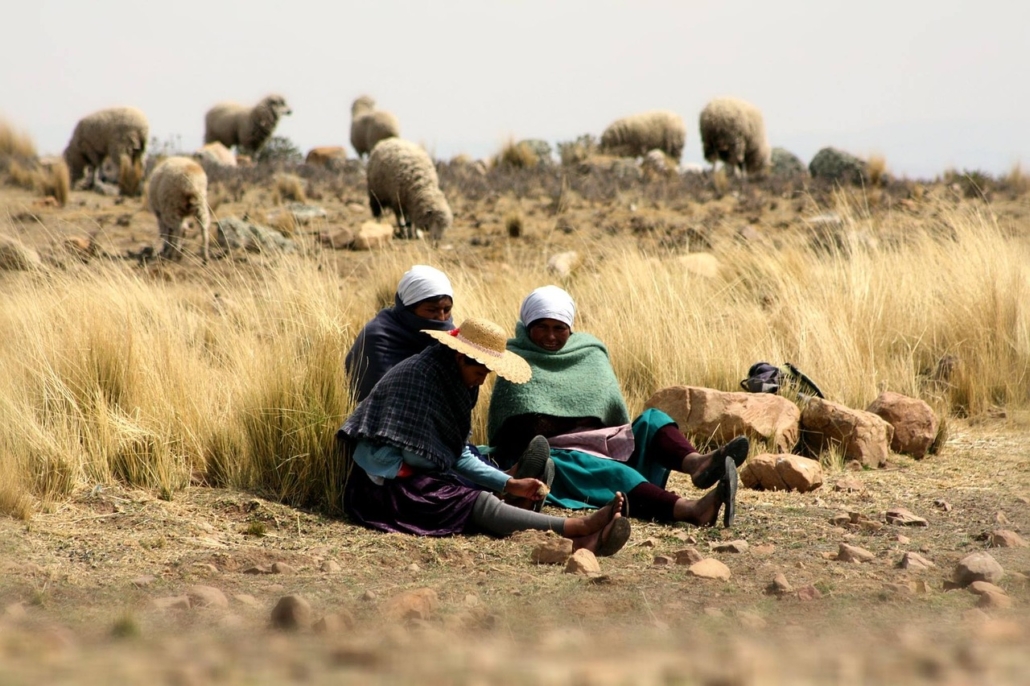 Period poverty in Bolivia is a pressing concern that affects both women and children in economically disadvantaged regions. A shortage of menstrual hygiene products, inadequate sanitation facilities and a lack of awareness around menstruation characterize this silent crisis. Bolivia, like many South American nations, struggles with period poverty, which creates obstacles for its population’s welfare.
Socioeconomic Factors
One of the primary drivers of period poverty in Bolivia is the country’s high level of income inequality. With more than 80% of people in rural Bolivia living below the poverty line, it is no surprise many families struggle just to afford their basic needs. For low-income households, buying sanitary products is not affordable, leading to using less hygienic alternatives.
Effects on Education
Insufficient awareness of menstruation contributes significantly to period poverty in Bolivia. Lack of adequate menstrual education leaves many girls and women uninformed about menstruation, causing them to feel ashamed and misinformed. Without proper education, women may not know how to manage their periods hygienically, exacerbating the problem.
UNESCO reports that the teachers in one school report that “boys make fun of girls if they know she is menstruating, they see it as something ugly and icky. However, this is due to a lack of knowledge and guidance from home.”
The consequence is girls are missing school during their menstruation, leading to lower attendance and performance. This can perpetuate the cycle of poverty by being denied educational opportunities and a chance to break free from the cycle of poverty.
Additionally, children learn about periods from their ancestors’ traditions and beliefs. These beliefs are not based on science and are confusing about periods for young girls. Girls are advised not to bathe during their period to avoid health complications like blood clots, stomach pain, irregular cycles and infertility.
Ongoing Efforts
Schools in Bolivia have not yet focused on menstrual hygiene in their education and health care systems. However, they have made progress in improving water, sanitation and hygiene (WASH) facilities in schools.
According to data from the Bolivian Ministry of Education, most rural schools in the country are equipped with only one toilet per school. Moreover, the statistics reveal that 32% of these schools have hand-washing sinks, while 29% lack showers on their premises. Alarmingly, 13% of schools do not have access to clean water.
In response to these sanitation challenges, UNICEF has launched an intervention program targeting rural schools and communities. The first program involves the construction of Urine Diverting Dry (UDD) toilets in 21 rural schools. UDD toilets function by dividing urine from feces, which can be reused for agriculture, mostly in places where water and sewage facilities are scarce. The installation of toilets will be followed by an anthropological study to understand their use in rural Andean regions of Bolivia. Although UDD toilets do not address period poverty directly, they bring various indirect benefits. The list comprises better sanitation and hygiene, increased privacy and dignity, decreased health hazards and water conservation.
Addressing Period Poverty in Bolivia
In conclusion, period poverty in Bolivia is a complex issue with far-reaching consequences for the well-being and empowerment of women and girls. It requires a multifaceted approach, and the following systems need to be put into place to see radical change:
- Menstrual Education: Integrating comprehensive menstrual education into school curricula. This can help break the stigma surrounding menstruation and ensure that girls and boys have accurate information about periods.
- Subsidized Menstrual Products: Government initiatives and NGOs can provide subsidized or free menstrual hygiene products to low-income individuals and communities, ensuring these essential items are accessible to all.
- Improved Sanitation Facilities: Investment in infrastructure to provide clean and private sanitation facilities, especially in rural areas, is essential to address period poverty. These facilities should include clean toilets, running water and disposal mechanisms for menstrual waste.
- Community Empowerment: Community-led campaigns can reduce the taboo around menstruation and encourage discussions on women’s health issues.
While period poverty in Bolivia has been an ongoing issue, efforts are in place to make a difference. Through continued work, period poverty should become a thing of the past in Bolivia.
– Sophie Higham
Photo: Pixabay
