Child Poverty in Bosnia and Herzegovina
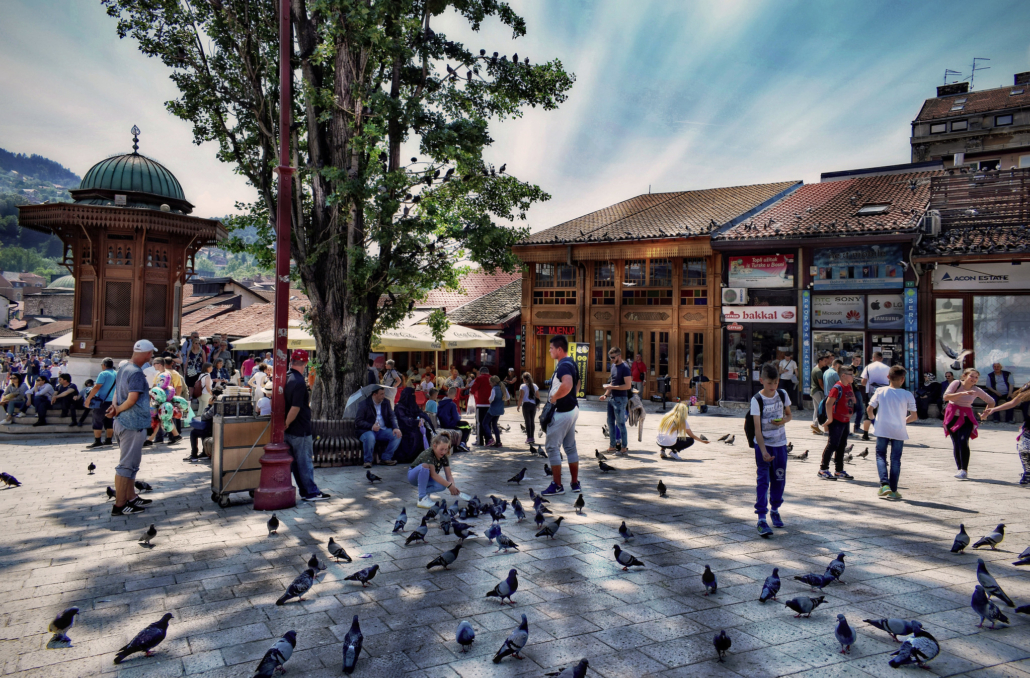 Children within Bosnia and Herzegovina are some of the most vulnerable in Europe as years of occupation and civil war have left a fractured society. The unraveling of the state of Yugoslavia meant leaders using Serbian ethno-nationalism rose to power across the region. After years of conflict and the ethnic cleansing of Bosniak Muslim men and women, the 1995 Dayton Peace Agreement was signed. While it did mean a physical end to the conflict, the country struggled to pull itself out of the dark shadow of war.
Not only did the socio-economic conditions of post-war Bosnia make development difficult, the country’s high exposure to floods, landslides, earthquakes and wildfires posed serious problems. Twenty percent of Bosnia is susceptible to floods, which can severely impact infrastructure and leave thousands homeless.
The Rise of Child Poverty in Bosnia and Herzegovina
According to UNICEF, almost all children under the age of four are deprived of at least one dimension of multidimensional poverty. Child poverty in Bosnia and Herzegovina is rising at alarming rates. In 2011, 30.6% of children lived in poverty, compared to 23.4% of the total population. The right to education is not standardized within the country, and due to the practical division of the nation, there are numerous cases of discrimination against students based on their origin.
The Impact of Child Poverty on Education
The lack of education perpetuates a vicious cycle of child poverty in Bosnia and Herzegovina as the intergenerational poverty transfer is a stark reminder of the need to improve education provisions for all children within the country. Children, adolescents and the rural population are the most affected by poverty within the country and children of ethnic minorities, including the Romani, face increased adversity due to heightened discrimination.
Romani Communities and Poverty
During the war, Romani families had to leave their homes and rarely recovered their houses. Even today, much of the Roma community lives in incredibly harsh conditions and often in extreme poverty. Generally, the education levels for Romani children, and girls in particular, are weak. A report from the European Commission in 2020 found that ethnic discrimination against the Roma community is evident in the provision of services like housing, health care, education and employment. Numerous children are victims of trafficking, mainly young girls and adolescents, who are targets of prostitution rings. These networks kidnap or, less often, pay the parents to take advantage of young girls in Bosnia, in the Balkans region and throughout Europe. However, work by the government and NGOs within the country is being maintained to prevent child trafficking.
Government Support for Poverty
The government implemented the 2020-2023 national strategy, and the State Coordinator produced an annual progress report and coordinated meetings with international organizations and local NGOs. The government has continuously funded these NGOs as they have begun to increasingly involve law enforcement and social workers in potential cases of child trafficking. In cooperation with NGO-run shelters, the government provided accommodation, psycho-social support, medical assistance, food and hygiene and legal assistance.
The government is making strides in eliminating the worst forms of child labor in the country. The Council of Ministers approved the National Action Plan for the Social Inclusion of Roma, which aims to improve education access for Roma children. In addition, the Anti-Trafficking Strike Force expanded its membership to include representatives from outside agencies.
World Vision and UNICEF Assisting with Child Rights
World Vision is another organization that aims to improve child rights in Bosnia and Herzegovina. It works to improve overall coordination and collaborative action between the government and civil society, as well as improve efforts to remove all barriers present in children’s lives within the country. Its goal is to amplify the voices of young people in the state, which, in turn, empowers them to seek change.
UNICEF is another critical player as their public information campaigns regarding improving child education and early health care reached more than 1.6 million people. During the COVID-19 pandemic, they educated 2,294 parents about the importance of child immunizations and worked on air pollution programs through youth activism to encourage discussions with local authorities about preventing respiratory illnesses seen in children.
The work of developmental organizations within Bosnia and Herzegovina is vital in ensuring increased provisions to reduce child poverty in Bosnia and Herzegovina.
– Maryam Rana
Photo: Flickr
