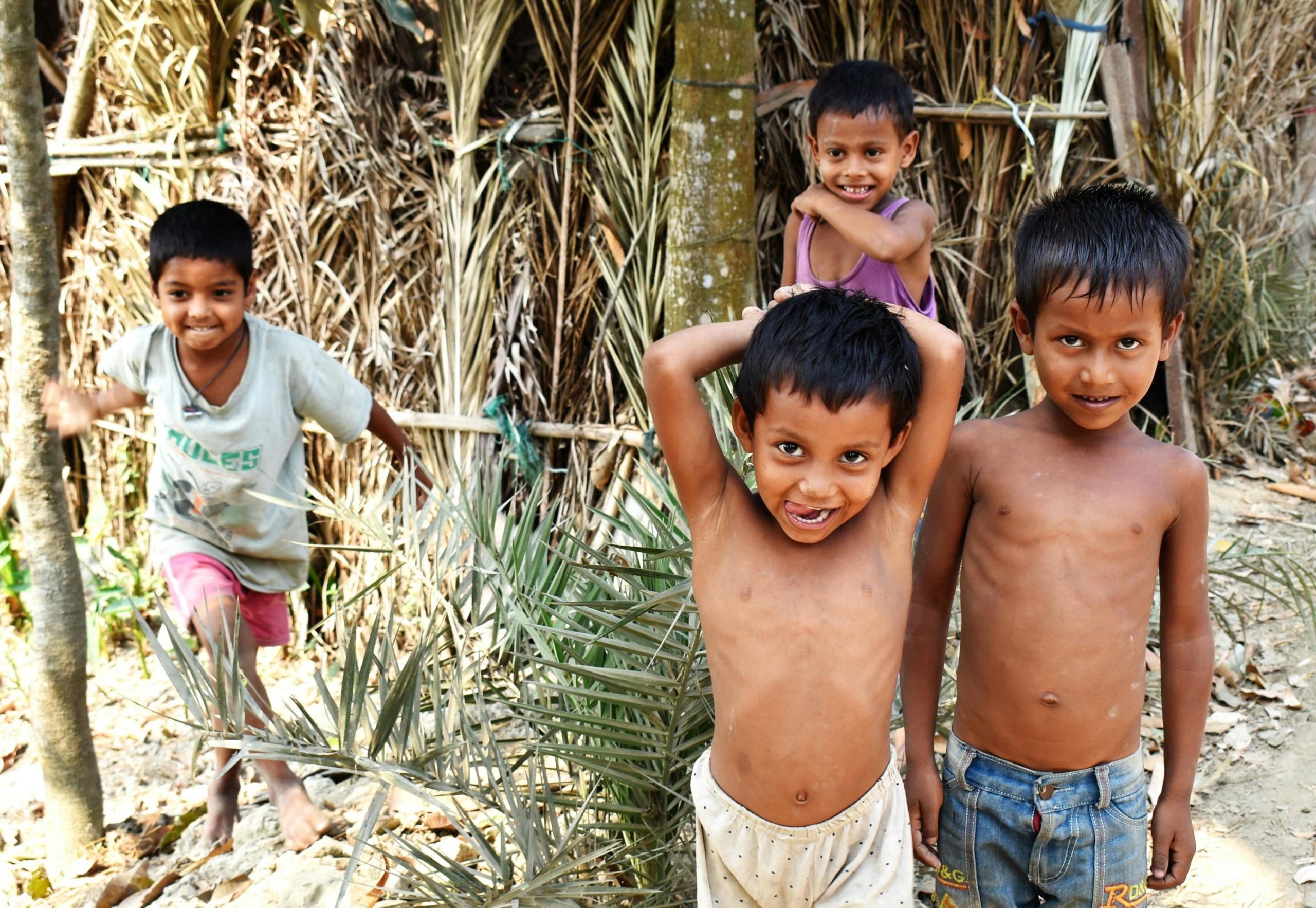
 Noncommunicable diseases (NCDs) are the leading cause of death in Bangladesh. In 2019, NCDs, including cancers, diabetes, cardiovascular and chronic respiratory diseases, accounted for 70% of mortality in the country. NCDs derive from genetic, environmental and behavioral factors, meaning a person’s lifestyle impacts their likelihood of diagnosis.
Air pollution in Bangladesh contributes to the rise of cardiovascular illnesses and chronic respiratory diseases, where heart disease, strokes and asthma impact individuals’ physical health. Unhealthy lifestyles, diet and physical inactivity are also causes of NCDs like cancer and diabetes. These ongoing causes and burdens have mobilized the government to work toward controlling NCDs in Bangladesh.
Health Discrimination
Health surveys from 2011 to 2018 have shown that socioeconomic disparities are connected to the prevalence of hypertension, diabetes and overweight and obesity. For example, those who work in manual labor in Bangladesh are more exposed to air pollution, increasing the incidence of hypertension and obesity. Conversely, economic growth has led to more processed, readily available and low-cost foods available to poor people. Unhealthy diets also contribute to high NCD prevalence in poorer communities in the country.
Moreover, NCD services are costly and access to proper care is far less attainable for people experiencing poverty. These chronic conditions require long-term care and jeopardize patients’ financial stability with medical expenditures. In 2021, the country allocated 2.36% of its gross domestic product to health expenditure. Out-of-pocket spending accounts for a 68.5% share of health expenditure. Dependence on out-of-pocket spending causes financial distress, especially among vulnerable families.
The Plan
Bangladesh’s Multisectoral Action Plan for the Prevention and Control of NCDs 2018-2025 commits to address these diseases and improve the health care system. The operation plan’s success requires four courses of action that are conducive to controlling noncommunicable diseases in Bangladesh.
- Action area 1: Advocacy, leadership and partnerships.
- Action area 2: Promotion and risk reduction.
- Action area 3: Health systems strengthening for early detection and management of NCDs and their risk factors.
- Action Area 4: Surveillance, monitoring and research.
Successes since 2018
Through partnerships, the country has made significant progress in creating a strong foundation for NCD prevention and control. The collaboration between 30 ministries and agencies was one notable success. In the 2022 first National NCDs Conference in Bangladesh, national and international stakeholders assembled to discuss NCD prevention and control strategies and established the Dhaka Declaration, 32 steps to combat NCDs. This declaration furthered the Multisectoral plan’s goal of controlling tobacco, alcohol and indoor air pollution and promoting physical activity and healthy diets.
NCD Corners in health complexes have also been developed across the country, increasing access to care. These corners facilitate early detection and management of common NCDs, even in rural areas. By October 2022, 6,231 patients were treated for high blood pressure and 1,386 for diabetes through these corners. The National Heart Foundation Bangladesh has also reported an increase in hypertension control across the country’s administrative districts. For instance, in Kualara, from May 2022 to October 2022, the number of patients with controlled hypertension rose by 15%, from 55%, with the assistance of NCD corners. These corners are located in community health centers and primary health care facilities, providing easy access for all population groups.
Furthermore, progress has been made in developing policies to control shared risk factors of NCDs. To promote healthy diets, the country has imposed taxation on domestically produced sugar-sweetened beverages. First, there is a 15% value-added tax and then a 25% supplementary duty for carbonated drinks and 35% for energy drinks. Taxes on unhealthy items help reduce consumption and the prevalence of obesity and other NCDs can decrease.
Ongoing Efforts
There is still more to be done. Taxation is effective in controlling Bangladesh’s tobacco problem. In the fiscal years 2024 and 2025, the government strives for a 66% increase in the tax rate on cigarettes and tobacco products. This change factors in indoor pollution control as tobacco smoke inside homes exposes nonsmokers to smoking and poor air quality.
The plan further addresses health financing and expenditure. In the fiscal year 2024, the country increased its federal budget allocation for health by 9%. However, this improvement had little effect on the country’s health care quality. Bangladesh’s Multisectoral plan proposes financial risk protection through:
- Accessing NCD services without upfront costs.
- Integrating essential services at district and lower levels, including an annual NCD voucher system with minimal costs.
- Adjusting the fee structure if other strategies cannot be implemented.
By prioritizing these strategies, Bangladesh can look toward a healthier future for all its citizens, ensuring equitable access to quality health care.
Conclusion
Noncommunicable diseases continue to impact mortality and quality of life in Bangladesh. However, Bangladesh’s Multisectoral plan has successfully coordinated efforts across various sectors to control NCDs. Collaboration, policies, regulations and initiatives for enhancing accessibility remain conducive to these goals.
– Caroline Albright
Caroline is based in Milton, MA, USA and focuses on Good News and Global Health for The Borgen Project.
Photo: Pexels

How NGOs in India Are Fighting against the Water Crisis
The Indian Government’s Response to the Water Crisis
The Delhi Jal Board is responsible for distributing potable water in New Delhi by providing municipal water tankers to the people. However, not everyone can access it. With New Delhi being an overly populous city, 30%- 40% of the people don’t have access to municipal water. With supply outweighing demand, this gave rise to the water mafias. These private water tank owners sell water to locals at expensive prices and often smuggle water illegally. However, people have no choice but to buy it because it is their only option. Bengaluru is one of the cities facing a severe water shortage. During election seasons, politicians promise to resolve the water crisis, knowing that all the voters want is water. However, that promise has yet to be implemented. In combating the water shortage in India, nongovernmental organizations (NGOs) are offering additional help to augment drinking water, enhance water quality and create a more effective agriculture system.
The Response of NGOs in India
Two NGOs, Sehgal Foundation and Save Indian Farmers, have been instrumental in combating India’s water crisis.
Technology for Better Water Management
The role of technology is crucial in better water management. Thus, adopting enhanced technology is inevitable to alleviate the water crisis in India. Technology enables a more effective use of water by analyzing accurate empirical data. Through data, water distribution and conservation can be improved, which can discover where water gets leaked and wasted. These technologies can have a tremendous impact in reducing water waste, which can then be used as drinking water instead. Technology also increases the public’s attention and fosters support. Donations and volunteering can be taken at a much larger scale through websites and social media.
– Eunsung Koh
Photo: Wikimedia Commons
An Innovative Solution to the Housing Crisis in Ghana
The Ongoing Housing Crisis
While Ghana has made strides in addressing its housing crisis, the problem persists. In 2021, the Center for Affordable Housing Finance in Africa reported a 33% decrease in housing deficits, from 2.8 million units in 2010 to 1.8 million. This reduction has been largely driven by a real estate boom and a 72.8% increase in residential construction. However, despite these improvements, many Ghanaians still face inadequate living conditions. In 2020, the United Nations (U.N.) identified that 8.8 million people were living in slums, highlighting the ongoing challenge of ensuring access to safe and sanitary housing for all citizens.
Innovative Solutions by Eric Kwaku Gyimah
Eric Kwaku Gyimah, an innovator from Eastern Ghana and one of 17 siblings, founded IWoodz Creation to address Ghana’s housing crisis. Utilizing discarded shipping containers, Gyimah transforms these structures into stylish and comfortable living spaces. Initially intended to create pet-friendly homes, his project evolved to focus on providing affordable housing solutions for people. He told Al Jazeera, “I settled on repurposing shipping containers, typically discarded after their maritime service life, into chic and comfortable living spaces for people to live in.” Gyimah’s approach not only recycles materials but also offers a creative solution to the pressing need for housing in his community.
Cost Efficiency and Expanding Impact
Eric Kwaku Gyimah is revolutionizing Ghana’s housing market with his innovative approach to building homes. According to the Ghana Real Estate Developers Association, traditional brick-and-mortar homes in the country typically cost between $50,000 and $70,000. In contrast, Gyimah’s container homes are significantly more affordable, with simpler models priced between $7,000 and $10,000 and more elaborate designs up to $35,000. His most expensive model is still $15,000 cheaper than the least expensive traditional home. Beyond creating 52 homes, Gyimah is also adapting shipping containers for offices and other commercial spaces. This initiative not only offers a sustainable solution to Ghana’s housing crisis but also demonstrates how innovative, low-cost housing could significantly impact the economy.
Looking Ahead
Ghana’s ongoing housing crisis necessitates innovative solutions to meet the needs of its population. Eric Kwaku Gyimah’s approach of transforming discarded shipping containers into affordable homes offers a sustainable and economical alternative to traditional housing. This initiative, along with increased efforts in residential construction, can potentially improve living conditions for many Ghanaians. As these ongoing solutions continue to develop, they promise to address the severe housing shortages and provide more secure and adequate housing for the nation’s residents.
– Tess Curran
Photo: Flickr
The Rapid Economic Development in Ethiopia
About Poverty in Ethiopia
Ethiopia is one of the poorest states in Africa and the second-most populated country after Nigeria. According to the United Nations Development Programme (UNDP), approximately 68% of Ethiopia’s population was multidimensionally poor in 2021. Poverty has various adverse effects on the country, including the prevalence of serious diseases.
The population is highly susceptible to diseases such as malaria, HIV, tuberculosis and noncommunicable diseases (NCDs). In 2019, NCDs caused 43% of deaths in Ethiopia. Furthermore, its average gross domestic product (GDP) per capita is $1,028 as of 2022 and a significant portion of the population struggles to access an adequate food supply. This widespread food insecurity in Ethiopia is attributed to overall poverty, droughts and past conflicts, among other factors.
Economic Growth
Ethiopia is experiencing rapid economic growth, with an impressive 7.2% increase in the 2022/23 fiscal year. The country has made significant progress in reducing poverty. Between 1995 and 2015, the percentage of Ethiopians living below the international poverty line decreased from 69% to 27%. The list below showcases the main reasons why Ethiopia’s economic development is booming:
Looking Forward
In January 2024, the leaders of Ethiopia and Somaliland signed a memorandum of understanding. Ethiopia, which is landlocked, will be allowed to use Somaliland’s port for commercial traffic. In return, Somaliland will get a share of Ethiopia Airlines. This deal has irritated Somalia, which considers Somaliland to be part of its territory. However, if or when this deal is set in motion, Ethiopia’s economic development will likely reach new heights.
– Sigrid Nyhammer
Photo: Unsplash
How FUNDAP Is Improving Women’s Education in Guatemala
What Is FUNDAP?
FUNDAP is a nonprofit organization established in 1981 that focuses on improving the lives of people (specifically women) in rural areas of the Republic of Guatemala. It is dedicated to moving forward with respect for people’s dignity and culture, avoiding the patriarchy to empower local women.
How Does FUNDAP Work toward Empowering Women?
FUNDAP operates by first monitoring at-risk and poverty-stricken areas and then evaluating the best ways to assist the residents. Following the evaluation, it implements various changes, which often involve creating job opportunities, offering financial support to local women and developing tools for sustainable environmental use.
After these changes are enacted, FUNDAP will focus specifically on individual women, limiting its view from the wider community to the impoverished woman. It will help the women learn important habits (like hygiene, nutrition, literary and financial literacy), develop their sense of self (through self-confidence) and then educate those women until they are qualified workers in a specialized field.
Like many patriarchal societies, Guatemala holds a deep cultural belief in specific gender roles and biases. These cause great difficulties for women trying to achieve financial stability or even financial independence, as many locals do not support women’s businesses. This is not to say that women entrepreneurs do not exist in Guatemala. In fact, they make up the majority of lower-level businesses. The problem lies in the fact that they lack access to the necessary tools and are being denied opportunities to enhance their businesses and progress to the next level.
FUNDAP assists women in advancing to the next level by providing them with the education that has been denied to them due to their gender. The organization also works with them to cultivate self-confidence and affirm gender equality. By teaching women how to save, invest in equipment smartly and handle their finances, the organization allows local women to feel confident and secure in their businesses.
FUNDAP Improves Women’s Education in Guatemala
FUNDAP offers six programs that Guatemalan women can join. The programs focus on providing specialized training to make women highly qualified in areas such as education, healthcare, microcredit, handicrafts, agriculture and the environment. These programs are designed to educate and empower women to excel in specific fields of their interest.
Impacts
While many international programs and nonprofits have focused on education, FUNDAP provides diverse opportunities for women’s education in Guatemala. According to the World Bank, in 1980, only 17% of Guatemalan women were enrolled in secondary education. However, by 2022, that number had risen to 47%. These programs are effective and although they take time, they often achieve their goals.
In 2023 alone, FUNDAP helped more than 181,000 people with its programs, with more than 83% of those beneficiaries being women. FUNDAP is an organization with a wide reach throughout Guatemala. It identified a problem and took active steps to address it by providing education and empowerment to women.
– Paige Tamasi
Photo: Unsplash
Controlling Noncommunicable Diseases in Bangladesh
Air pollution in Bangladesh contributes to the rise of cardiovascular illnesses and chronic respiratory diseases, where heart disease, strokes and asthma impact individuals’ physical health. Unhealthy lifestyles, diet and physical inactivity are also causes of NCDs like cancer and diabetes. These ongoing causes and burdens have mobilized the government to work toward controlling NCDs in Bangladesh.
Health Discrimination
Health surveys from 2011 to 2018 have shown that socioeconomic disparities are connected to the prevalence of hypertension, diabetes and overweight and obesity. For example, those who work in manual labor in Bangladesh are more exposed to air pollution, increasing the incidence of hypertension and obesity. Conversely, economic growth has led to more processed, readily available and low-cost foods available to poor people. Unhealthy diets also contribute to high NCD prevalence in poorer communities in the country.
Moreover, NCD services are costly and access to proper care is far less attainable for people experiencing poverty. These chronic conditions require long-term care and jeopardize patients’ financial stability with medical expenditures. In 2021, the country allocated 2.36% of its gross domestic product to health expenditure. Out-of-pocket spending accounts for a 68.5% share of health expenditure. Dependence on out-of-pocket spending causes financial distress, especially among vulnerable families.
The Plan
Bangladesh’s Multisectoral Action Plan for the Prevention and Control of NCDs 2018-2025 commits to address these diseases and improve the health care system. The operation plan’s success requires four courses of action that are conducive to controlling noncommunicable diseases in Bangladesh.
Successes since 2018
Through partnerships, the country has made significant progress in creating a strong foundation for NCD prevention and control. The collaboration between 30 ministries and agencies was one notable success. In the 2022 first National NCDs Conference in Bangladesh, national and international stakeholders assembled to discuss NCD prevention and control strategies and established the Dhaka Declaration, 32 steps to combat NCDs. This declaration furthered the Multisectoral plan’s goal of controlling tobacco, alcohol and indoor air pollution and promoting physical activity and healthy diets.
NCD Corners in health complexes have also been developed across the country, increasing access to care. These corners facilitate early detection and management of common NCDs, even in rural areas. By October 2022, 6,231 patients were treated for high blood pressure and 1,386 for diabetes through these corners. The National Heart Foundation Bangladesh has also reported an increase in hypertension control across the country’s administrative districts. For instance, in Kualara, from May 2022 to October 2022, the number of patients with controlled hypertension rose by 15%, from 55%, with the assistance of NCD corners. These corners are located in community health centers and primary health care facilities, providing easy access for all population groups.
Furthermore, progress has been made in developing policies to control shared risk factors of NCDs. To promote healthy diets, the country has imposed taxation on domestically produced sugar-sweetened beverages. First, there is a 15% value-added tax and then a 25% supplementary duty for carbonated drinks and 35% for energy drinks. Taxes on unhealthy items help reduce consumption and the prevalence of obesity and other NCDs can decrease.
Ongoing Efforts
There is still more to be done. Taxation is effective in controlling Bangladesh’s tobacco problem. In the fiscal years 2024 and 2025, the government strives for a 66% increase in the tax rate on cigarettes and tobacco products. This change factors in indoor pollution control as tobacco smoke inside homes exposes nonsmokers to smoking and poor air quality.
The plan further addresses health financing and expenditure. In the fiscal year 2024, the country increased its federal budget allocation for health by 9%. However, this improvement had little effect on the country’s health care quality. Bangladesh’s Multisectoral plan proposes financial risk protection through:
By prioritizing these strategies, Bangladesh can look toward a healthier future for all its citizens, ensuring equitable access to quality health care.
Conclusion
Noncommunicable diseases continue to impact mortality and quality of life in Bangladesh. However, Bangladesh’s Multisectoral plan has successfully coordinated efforts across various sectors to control NCDs. Collaboration, policies, regulations and initiatives for enhancing accessibility remain conducive to these goals.
– Caroline Albright
Photo: Pexels
Mali’s Sugu Yiriwa Market
Sugu Yiriwa Market
The Sugu Yiriwa Market, launched in 2021 with CARE Mali and other organizations, serves 12 districts across 80 communities. This initiative focuses on three primary objectives: enhancing the quality of products, boosting income and expanding access to nutrient-rich goods. The market aims to foster a network of interconnected markets and businesses to ensure a more reliable supply of quality, necessary products and to enhance overall market access for the community.
The Sugu Yiriwa Market introduces quality products that provide essential nutrition to communities traditionally lacking access to such resources. This availability is crucial for addressing malnutrition and ensuring safer consumption options. The market also supports local farmers by offering efficient production methods and introducing new technologies that assist with pricing and weather forecasting. Additionally, these technology advancements aim to reduce post-harvest labor and enhance overall agricultural productivity.
Its Impacts
In 2023, the Sugu Yiriwa Market achieved $20 million in total annual sales, with women comprising about half of its participants, aligning with the market’s focus on empowering this demographic. The market also targeted children’s nutritional needs, successfully delivering interventions to more than 2,000 children that year. Additionally, more than 100 traders and suppliers received training in sustainable agricultural practices, enhancing food security and boosting sales.
Mali businessman, Sidiki Badian, who profits from cereal and grains, navigated a crisis when the Mali government banned cereal exports, leaving him with surplus stock. Through the Sugu Yiriwa Market, Badian engaged with ministers to facilitate a government purchase of his remaining millet. This support mechanism has bolstered local farmers and businessmen like Badian, enhancing their revenue and providing essential economic support.
Looking Ahead
The Sugu Yiriwa Market has become a vital part of Mali’s efforts to combat poverty and malnutrition. The initiative plans to expand its reach, incorporating more advanced agricultural techniques and supporting additional communities. Efforts could focus on creating more training programs for farmers and traders, to ensure sustainable growth and stability. Through ongoing initiatives, Mali can potentially make strides in improving food security and supporting local economies amid ongoing challenges.
– Dorothy Howard
Photo: Flickr
ARIDA: Tackling Childhood Pneumonia
Typical Barriers to Treating Pneumonia
Pneumonia is often misdiagnosed as a disease like malaria or tuberculosis, complicating early detection efforts. The WHO reports that in remote areas with limited health facilities, health workers rely on manual counts of respiratory rates (RR) to diagnose pneumonia. However, manually counting a child’s breaths is challenging and subjective, with variations in what different health workers consider a single breath. This inconsistency makes it difficult to obtain an accurate RR, hindering effective diagnosis.
ARIDA
In 2014, UNICEF launched the Acute Respiratory Infection Diagnostic Aid (ARIDA) program to develop technology that would enable health workers to diagnose pneumonia more accurately. This initiative introduced two new devices: the Philips ChARM, which stands for Children’s Automatic Respiratory Monitor and the Masimo Rad G, both designed to improve the assessment of respiratory rates in children.
The Philips ChARM, priced at $44 per unit, automatically counts a child’s respiratory rate when strapped around the torso, designed for use while the child lies horizontally. The Masimo Rad G, costing $250 per unit, uses a clip-like monitor attached to the child’s finger to calculate respiratory rate and simultaneously measure blood oxygen levels. Using devices to calculate respiratory rates has enabled health workers to adhere more closely to WHO guidelines for diagnosing pneumonia quickly and accurately. More than one million children gained access to life-saving antibiotic treatments due to the ARIDA devices and an additional 300,000 received enhanced care services.
The Future of ARIDA
The trials of the ARIDA devices took place in Bolivia, Nepal and Ethiopia from 2017 to 2019, significantly advancing Ethiopia’s health goals for women and children. These ongoing efforts are part of a broader commitment to the Global Action Plan for Pneumonia and Diarrhoea, aiming to eliminate all treatable pneumonia and diarrhea-related deaths by 2025. The plan includes expanding the range of ARIDA products available for government purchase. However, the scaling of ARIDA products faces challenges such as unit costs, though countries may offset these costs through funding from UNICEF’s development partners. This initiative also supports the United Nations (U.N.) goal to end preventable deaths of newborns and children under five by 2030.
Looking Ahead
The ARIDA initiative has made significant strides in diagnosing and treating pneumonia, particularly in remote areas. Trials in Bolivia, Nepal and Ethiopia have already enabled more than a million children to access life-saving treatments. Despite cost challenges, the expansion of ARIDA products aligns with global health goals, aiming to reduce child mortality rates and improve health care outcomes by 2030.
– Naomi Finapiri
Photo: Flickr
The Traditional Midwives of Ecuador
Geographical and Economic Challenges
The geographic isolation of rural areas in Ecuador often makes it difficult for residents to access hospitals. Approximately 36% of Ecuadorians, more than 6 million people, reside in these rural regions where 43% live below the poverty line. These areas are notably underserved, with 86% of public and 96% of private medical practices located in urban areas. Consequently, many pregnant women in these rural areas lack access to formal medical assistance during pregnancy.
The Role of Traditional Midwives in Prenatal Care
Traditional midwives in Ecuador, notably the Kichwa women in the Archidona region, are crucial for prenatal care and childbirth. Many inhabitants of the Ecuadorian Amazon lack formal education, with a 6% illiteracy rate among the rural population, which may limit their awareness of modern medical practices. By integrating traditional and modern medical approaches, this strategy can potentially alleviate skepticism about vital care and encourage more Ecuadorians to seek formal medical services, ultimately aiming to lower maternal and newborn mortality rates.
Empowering Midwives through AMUKAPIN
Despite the cultural significance of their services, Ecuador’s traditional midwives have observed a lack of recognition and inequality in the formal health care system. To address these ongoing challenges, these women established the Association of Kichwa Midwives of the Upper Napo (AMUKAPIN). Mamma Ofelia, the association’s president, has stated that they are often dismissed as “silly women” rather than acknowledged as legitimate caregivers. In the Archidona region of the Amazon, where 30% of deliveries occur at home, the necessity of these midwives is evident, as many women lack hospital access. The establishment of AMUKAPIN has started to garner recognition for its essential role in providing health care in rural Ecuadorian communities.
Training and Recognition by Health Organizations
Since 2021, the Pan American Health Organization (PAHO) has been enhancing the skills of Ecuador’s traditional midwives to boost prenatal care in the country’s most remote areas. Recognizing that midwives understand the risk factors for birth complications, PAHO has supplemented their traditional methods with medical knowledge and equipment. This initiative equips them with tools like stethoscopes and precise measuring tapes, enhancing their ability to monitor pregnancies while respecting cultural practices. Bremen De Mucio, PAHO’s Regional Advisor on Maternal Health, emphasizes the importance of trust and the integration of modern medical practices with traditional methods, which has proven successful in bridging the gap between traditional and modern health care in Ecuador.
Emergency Response and Cultural Integration
The women of AMUKAPIN, an organization of Amazonian midwives, have embraced cooperation with formal medical institutions. In cases of emergency or severe pregnancy complications, these midwives now organize ambulance services to transport mothers to hospitals. This improved response stems from their enhanced medical knowledge and a recognition of the importance of professional care in critical situations.
The integration of traditional and modern medical practices has brought numerous advantages to Ecuador’s rural communities. Previously, the contentious relationship between these two approaches often left patients confused and skeptical, sometimes deterring them from seeking necessary hospital care. The blending of these practices has lessened these issues, particularly for those in remote areas, fostering greater trust in the nation’s medical services. In Otovalo, traditional midwives can now accompany mothers into delivery rooms, enhancing their comfort and encouraging more hospital births, which could lead to lower maternal and infant mortality rates in Ecuador.
Looking Ahead
The integration of traditional and modern medical practices in Ecuador’s Amazonian regions has significantly improved prenatal care. This collaboration not only enhances the skills of traditional midwives but also fosters greater trust in formal medical services among rural residents. With continued support and training, these ongoing initiatives aim to reduce maternal and infant mortality rates, ensuring better health care outcomes for Ecuador’s remote communities.
– Ben Kane
Photo: Flickr
Poverty and Social Safety in Madagascar
The World Food Bank has committed more than $250 million to enhance social safety nets in Madagascar. This funding supports the Safety Nets and Resilience Project, designed to shield impoverished families from unforeseen hardships by providing a financial buffer. The project includes cash transfers and entrepreneurial training aimed at fostering self-sufficiency, with the ultimate goal of reducing or eliminating dependency on external aid.
Goals of the Safety Nets and Resilience Project
The Safety Nets and Resilience Project collaborates with Madagascar’s government to create robust social safety nets in Madagascar for vulnerable and impoverished populations. These mechanisms are designed to help the community and government swiftly recover from environmental, economic and other external disruptions. For instance, if a flood strikes a region of Madagascar, the established safety nets aim to quickly restore people’s financial stability, ensure rapid infrastructure repair and maintain accessible food supplies.
Operational Framework of the Project
The Safety Nets and Resilience Project, inspired by successful interventions in other countries, aims to significantly reduce poverty by implementing effective safety nets. These safety nets not only decrease poverty but also enhance financial stability and improve education and nutrition outcomes for affected populations. The project includes four main components, each designed to address specific aspects of humanitarian assistance:
Looking Ahead
Madagascar continues to battle extreme poverty and high rates of malnutrition. With initiatives like the Safety Nets and Resilience Project playing a crucial role in addressing these ongoing issues. This project, backed by significant funding from the World Food Bank, focuses on providing financial support and entrepreneurial training to enhance self-sufficiency among the most vulnerable populations. Strengthening social safety nets and improving crisis response could be essential for fostering economic stability. With this will come an improvement in the quality of life for many Malagasy citizens.
– Paige Tamasi
Photo: Unsplash
Alleviating Poverty in Guatemala City Garbage Dump
Life in Landfill
A country of rolling mountain ranges and lush tropical forests, Guatemala is known as the Land of Eternal Spring. The Guatemala City garbage dump is an open-air landfill. An estimated 60,000 people live in extreme poverty along the periphery of the 40-acre landfill. According to a recent article by the environmental magazine Mongabay, underdeveloped infrastructure allows for build-ups of methane gas that ignites deadly fires, for waste to amass into mountains that shift underfoot. The surrounding neighborhood is rife with dangers and devoid of opportunity. Many inhabitants survive by scavenging through hazardous mounds of waste in search of materials for resale.
How Safe Passage Is Clearing Pathways Out of the Dump
Safe Passage is a nongovernmental organization (NGO) that helps families in this community free themselves from cyclical poverty. With the average adult resident having yet to progress beyond the fourth grade, the organization works towards long-term development. This is achieved by providing children with free quality education.
Within its full-day school, Safe Passage employs an experimental methodology called “Expeditionary Learning,” which integrates off-site activities into an immersive curriculum focusing on life skills and citizenship as well as traditional academic disciplines. Creating experiences away from the dump shows students how the knowledge they gather at school can be applied to real life. With this approach designed for maximum engagement, 90% of the organization’s students graduate in the ninth grade. In contrast, the national retention rate between the sixth and 10th grades is estimated at 42%.
Students navigating the transition between school and adult life can access vocational guidance, support with university and job applications, and training and employment opportunities with Safe Passage’s partner organizations through the “Próximo Paso” program. In 2023 alone, 32 students started vocational training and 14 began the university enrolment process. Furthermore, with Guatemalan schools opening for just four hours a day. The “Oportunidades” program offers students from other institutions the opportunity to participate in various extracurricular activities. This, in turn, provides a refuge from the chaos of life in the neighborhood and from the grip of its gangs.
Forging Futures with Creamos
Creamos was established in 2008 as an entrepreneurial initiative when a group of women began selling jewelry made from upcycled materials and were able to leave a life of scavenging in the dump behind them. It has since evolved into an NGO that helps others surmount the systemic barriers facing the community. Although its services extend to all in need of them, Creamos focuses especially on the neighborhood’s women. The women are subject to the converging forces of poverty and gender-based inequalities and violence. On a national level, Guatemala’s female labor force participation rate is the lowest in Latin America and the Caribbean at just 32% as of 2018. Similarly, the femicide rate is among the highest in the world, with 1.6 deaths per 100,000 women in 2021.
In 2020, Creamos introduced its Accelerated Education Program. It steers adult learners, many of whom were forced out of school and into work at the dump by a lack of resources, through a compressed academic curriculum and toward a high-school diploma. It also offers flexible scheduling and free childcare. As of 2022, an incredible 434 individuals had re-enrolled in education with Creamos. Furthermore, in 2022, the organization implemented its Workforce Development Program, through which students can access vocational training courses and internships with numerous partner organizations. They can specialize in various sectors, all selected to match current labor trends. In 2022 alone, the program served 250 people.
Holistic Approaches
In alignment with their shared mission of personal and community development, Safe Passage and Creamos provide various health care services. Safe Passage operates an on-site infirmary that treats health complaints and fosters long-term community well-being through education. It also has a social services team and offers pastoral care and a support program for at-risk families.
Epidemic levels of gender-based violence plague the community surrounding the Guatemala City garbage dump. To help address this, Creamos seeks to create safe spaces for vulnerable women. This includes providing a range of emotional care services operated by licensed psychologists, such as specialized support groups and a program designed to fortify family dynamics.
Looking Ahead
Guatemala has a human capital index of 0.46. This indicates that children born there today are projected to attain just 46% of their lifetime potential. However, organizations like Safe Passage and Creamos are working determinedly to equalize access to resources. Safe Passage is guiding children from the fringes of society inward.
Creamos, meaning “we create” in Spanish, began as a jewelry-making initiative but now strives to provide marginalized people with the tools they need to manufacture a life for themselves. Both organizations are creators at their cores: creators of safe spaces, opportunities and hope for a future where all of its people can feel Guatemala’s vitality.
– Leila Powles
Photo: Flickr