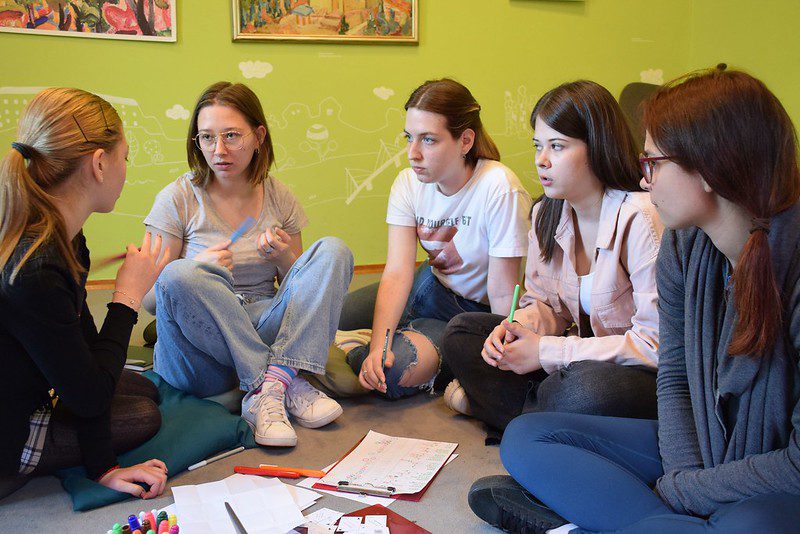
 Nestled in the heart of the Balkans, North Macedonia is marked by its rich cultural heritage and historical significance. Yet, like many nations in the region, it grapples with significant socioeconomic challenges, including poverty, high unemployment rates and limited access to essential services such as health care and education. Despite these obstacles, several dedicated charities and organizations are making strides to improve the lives of North Macedonians. Through their focused efforts in health care, education and social inclusion, these organizations address immediate needs and lay the groundwork for long-term, equitable development.
MCIC
Established in 1993, the Macedonian Center for International Cooperation (MCIC) promotes sustainable development, civil society and democracy in North Macedonia. The organization implements a wide range of programs for poverty reduction, social inclusion and community development. MCIC’s efforts include supporting small-scale agricultural projects, advocating for improved water management and promoting gender equality and social justice.
By working with local communities and international partners, MCIC helps create opportunities for marginalized groups and contributes to the overall development of North Macedonia. Since its inception, MCIC has established more than 1,300 projects as part of 60 programs in several sectors, including health and education and immediate aid. The organization has also enhanced rural communities’ ability to address internal issues, leading to improved access to drinking water for 250 villages across the country.
SOS Children’s Villages North Macedonia
SOS Children’s Villages North Macedonia is part of the global SOS Children’s Villages network. It provides long-term care, education and family support for children without parental care or those at risk of losing it. The organization has been active in North Macedonia since 1995, focusing on creating a loving home environment for needy children.
The organization offers family-strengthening programs that support vulnerable families in maintaining stability, ensuring children can grow up in a secure environment. SOS Children’s Villages North Macedonia also provides educational support and vocational training, empowering young people to become self-reliant adults. The organization currently supports 330 adults and children, with about 160 young people attending its training.
Red Cross of the Republic of North Macedonia
The Red Cross of the Republic of North Macedonia has been vital to the country’s humanitarian efforts since its establishment in 1945. The organization provides various services, including disaster relief, health and social care and support for vulnerable groups such as the elderly, disabled and refugees. Through its extensive network of volunteers, the Red Cross delivers essential aid during emergencies, conducts blood donation drives and offers first aid training to the public.
The organization also runs various programs promoting health and well-being, such as disease prevention campaigns and mental health support services. In 2022, the Red Cross of the Republic of North Macedonia reached more than 60,000 people with its long-term services and development programs and 1,200 people with its disaster response and early recovery programs.
Project HOPE
Project HOPE has been active in North Macedonia since 1992, focusing on improving health outcomes and building resilient health care systems. The organization works closely with local partners to train health care professionals, enhance medical facilities and ensure access to essential medicines and services. Project HOPE’s efforts include addressing chronic health issues such as cardiovascular diseases and diabetes and supporting maternal and child health programs.
In 2007, Project HOPE, through its Medical Re-Supply Program (SMRP), delivered $97 million “worth of essential medicines and medical supplies throughout the country.” By strengthening the health care infrastructure and empowering medical staff with the necessary skills and resources, Project HOPE is improving health care quality in North Macedonia.
Shaping a Brighter Future
In the face of significant socioeconomic challenges, these organizations exemplify the resilience and dedication needed to foster positive change in North Macedonia. Through their diverse and impactful programs, they are addressing immediate needs and laying the groundwork for long-term, equitable growth across the country. These charities empower individuals and communities by focusing on essential areas such as health care, education, social inclusion and humanitarian aid, paving the way for a more prosperous and inclusive future for all North Macedonians.
– Benjamin DeMarais
Benjamin is based in Rogers, MN, USA and focuses on Business and New Markets for The Borgen Project.
Photo: Flickr

Combating Air Pollution in Ulaanbaatar
Pollution from coal-burning disproportionately impacts Mongolians who live in poverty in yurts known as gers on the outskirts of the city. It is estimated that upwards of 80% of pollution in the city comes from the ger district, where residents rely on coal-fired stoves for cooking and heating. In 2018, UNICEF reported that Ulaanbaatar’s PM-2.5 levels, which measure the content of dangerous tiny particles in the air, sometimes reach up to 133 times the World Health Organization (WHO)-certified safe maximum.
Children in Mongolia especially struggle with lung problems, bronchitis and pneumonia, which is the second leading cause of death for Mongolian children under 5. In 2018, UNICEF reported that the past 10 years have seen a 2.7-fold increase in respiratory infections. The outsized impact of air pollution on Ulaanbaatar’s youngest and most vulnerable formed part of the impetus behind the Mongolian government’s 2017 decision to declare air pollution a state of emergency.
Making a Change
Founded in the wake of a 2018 protest movement in New York City, Breathe Mongolia is a loose coalition of advocates and volunteers seeking to end air pollution in Mongolia. The nonprofit’s three-fold approach prioritizes acting as a watchdog, increasing transparency and serving as a platform for collaboration.
While Breathe Mongolia emerged as a grassroots movement, Switch Off Air Pollution is a part of the EU-funded SWITCH-Asia program. Founded in 2007, SWITCH-Asia seeks to promote sustainable development and green technology through a grants scheme that funds relevant pilot projects.
Switch Off Air Pollution seeks to combat air pollution in Mongolia through investing in sustainable consumption and energy efficiency in the housing sector. From 2018 to 2021, Switch Off Air Pollution aimed to retrofit 1,000 houses, saving an estimated 1,600 metric tons of coal and preventing the emission of 6,000 TeqCO2. Upon the project’s completion in 2022, 73 newly trained construction brigades had successfully retrofitted 1,546 households, saving 5,665 CO2 emissions. A new phase of the project is working to further improve energy efficiency.
Although Ulaanbaatar is facing a momentous challenge in the form of its air pollution crisis, these nonprofits are working hard to solve the problem. This innovative combination of grassroots and institutionally funded approaches, channeled through the infrastructure of nonprofit organizations, is bringing hope to the fight against air pollution in Ulaanbaatar and globally.
– Josephine Koch
Photo: Flickr
3 NGOs Working to End FGM/C
ion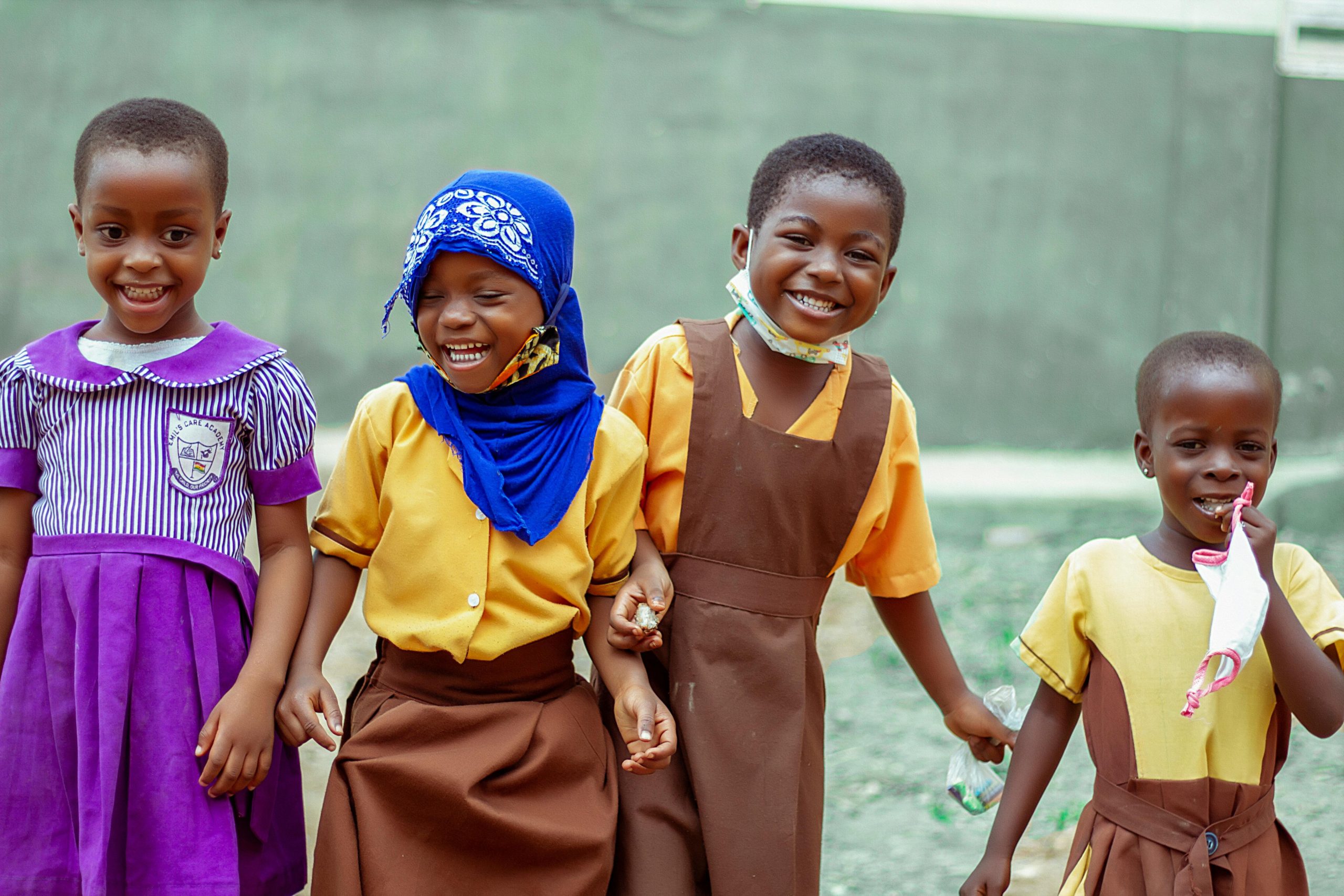 In 90 countries across the developing world, cultures continue to practice female genital mutilation and cutting (FGM/C). FGM/C is the “harmful practice involving the full or partial removal or injury to a girl’s external genitals.” Despite cultural traditions, this is a practice that causes serious physical and psychological harm to more than four million girls yearly and more than 230 million girls and women who continue to experience the consequences of such harm. For these reasons, multiple nongovernmental organizations (NGOs) are working to end FGM/C across the globe.
Global Woman P.E.A.C.E. Foundation
One such organization is the Global Woman P.E.A.C.E. Foundation (GWPF). This foundation believes that FGM/C is a human rights violation and that women across the globe have rights to bodily autonomy and health. In this way, GWPF works to eradicate FGM/C through multiple rehabilitation and prevention projects in West Africa.
On the rehabilitation side, GWPF offers a monthly online support group with a licensed therapist and allocates funds for vaginal restorative surgery for survivors who continue to experience pain years after FGM/C. Prevention-wise, GWPF offers both a scholarship program and a sanitary pad program to keep girls in school, as well as scholarships for boys to educate future generations of fathers and leaders about FGM/C.
GWPF also offers training to educators and law enforcement to recognize and protect at-risk girls, making this organization an important contributor to NGOs working to end FGM/C.
The Orchid Project
The Orchid Project is another one of many NGOs working to end FGM/C. The organization accomplishes this goal through research, knowledge sharing and advocacy. The research of The Orchid Project is a vital tool in increasing data surrounding FGM/C, making information about the practice accessible and helping communities understand what techniques are effective for ending FGM/C.
This research is then applied in Knowledge Sharing Workshops in 12 cities across five African countries, where communities can share experiences and solutions to end this harmful practice. These workshops emphasize a social norms-based approach, as FGM/C continues to be an issue rooted in tradition and culture. The Orchid Project is also an important figure among NGOs working to end FGM/C due to its advocacy work at all levels (from community to global) that focuses on building up resources, policy influence, community support and inclusivity.
Joint Program on the Elimination of FGM
The largest programs designed to end FGM/C are the United Nations Population Fund (UNFPA) and the United Nations Children’s Fund (UNICEF) Joint Program on the Elimination of FGM. This joint program began in 2008 and services 17 countries where FGM/C is a pressing issue. This program works in many ways, including legal frameworks, government involvement, community engagement, services and advocacy outreach to end the practice of FMG/C.
Some notable accomplishments of these programs include 3,200 arrests or legal actions, the prevention of FGM/C for more than 690,000 girls via community surveillance and the participation of more than 4.1 million people in mobilization/education sessions held by the UNFPA-UNICEF Joint Program. While this is a brief overview of the anti-FGM/C work by this program, it is clear that their work is extensive and effective.
Concluding Thoughts
While culture is a valuable part of life for every community, there continue to be unacceptable aspects of many cultures. One such aspect is the cultural practice of FGM/C. It is vital to the health and safety of women and girls that NGOs like the ones mentioned above continue to work to end the practice so that future generations of girls can be free from the physical and psychological pain caused by the practice.
– Carlie Duggan
Photo: Pexels
Revolutionizing Learning: AI in Kenyan education
The Competency-Based Curriculum
Recognizing the importance of preparing students for the digital age, the Kenyan government introduced the Competency-Based Curriculum (CBC) in 2017. This new approach shifts away from traditional high-stakes exams and rote memorization. Instead, it focuses on enhancing learning comprehension and practical skills. The CBC emphasizes digital literacy and coding, incorporating tools like Scratch for programming and data handling. By integrating AI and digital literacy into the national curriculum, Kenya takes significant steps to equip its students with the skills they will need in an increasingly digital world.
Kytabu
Kytabu has developed several AI-powered tools designed specifically for the African educational context. Its most acclaimed product, SOMANASI, is an AI-driven personal tutoring tool that provides personalized curriculum materials, course programs and assessment questions. The application lets students rent affordable textbooks, audiobooks, assessments and courses, all accessible in the AI-supported mobile app. By enabling students to learn at their own pace, SOMANASI makes education more accessible and engaging.
Additionally, HODARI, assists teachers with grading, lesson planning and administrative tasks. The software connects individual student data from assessments to the Kytabu information management system. AI in the product helps teachers understand kids’ individual needs by analyzing performance data and identifying strengths and weaknesses. By automating these time-consuming processes, HODARI allows teachers to focus more on what they do best: teaching and supporting their students.
M-Shule
M-Shule is an edtech platform that uses AI and SMS technology to deliver personalized learning content to Kenyan primary school students, aiming to improve education outcomes in areas with limited internet access. Students interact with an AI bot that prompts them with lessons and questions they answer by text. The system analyzes the data in real-time, allowing program teams and supporting organizations to track student performance and provide targeted support where needed. M-Shule has reached more than 45,000 users, including 13,000 households from 30 Kenyan counties.
Mosabi: Financial Education for the Masses
Recognizing that education extends beyond traditional subjects, Mosabi leverages AI to provide tailored financial and business education to underserved communities in emerging markets. Lessons cover areas like financial literacy, entrepreneurship and business management. Its mobile platform uses AI-driven analytics to track user progress. Furthermore, personalized learning experiences, help small business owners and entrepreneurs improve their financial health.
Endless OS Foundation
The Endless OS Foundation provides a Linux-based operating system with preloaded educational content, productivity tools and entertainment designed for communities without internet access. Its AI capabilities curate content based on student interests, fostering curiosity-driven learning and greater engagement. Since its creation, the initiative has established 600 computer labs. This growth has significantly expanded access to digital education and resources for students across Kenya and other countries where it operates.
Challenges and Future Prospects
While the integration of AI in Kenyan education shows great promise, challenges remain. A recent study across 38 out of 47 Kenyan counties found that while teachers generally have a positive attitude toward AI, many lack confidence in implementing these platforms in their classrooms. To address this, experts recommend revising teacher training curricula to include AI components. Furthermore, they suggest designing professional development programs to build teachers’ confidence in AI.
As Kenya continues to embrace AI in education, the potential for transformative change is immense. From personalized learning experiences to more efficient school management, AI helps create a more inclusive, engaging and effective education system for all levels.
Michael Murungi, Government Affairs and Public Policy Lead for Eastern Africa at Google states, “One of the biggest opportunities AI has in education is the ability to personalize learning and for the teacher to curate the learning experience for the child based on the child’s needs.”
– Lauren Thompson
Photo: Flickr
Food Security in the CAR
The Background and State of the CAR
In March 2013, an alliance of rebel groups known as “Seleka” usurped power in a lawless fashion of violence, destruction and brutality. The coup had a massive impact on the CAR economy, with one primary example being its exports. The country heavily depends on diamonds and wood exports for economic growth, but due to the continuous conflict, diamond and wood production drastically declined. Many business opportunities for the nation ceased to expand as the continued presence of rebel groups and conflict led to the mass exodus of investors and foreign entrepreneurs.
The country was left in a general state of economic decline, political instability and a humanitarian crisis, with the issue of hunger being a prime example. Food security in the CAR is at a critical level, with estimates indicating that approximately 2.4 million people suffer from food insecurity and nearly half of the population cannot meet their minimum daily food needs. The ongoing violence in the country has exacerbated malnutrition rates, particularly among displaced individuals. This food insecurity leads to daily hunger and raises serious health concerns. Malnourished citizens are experiencing higher rates of diseases such as measles, malaria, pneumonia and diarrhea.
Initiatives and Progress
In response to the urgent needs of the CAR’s population, several initiatives have emerged to assist, with the Agriculture Recovery and Agribusiness Development Support Project (ARADSP) being a notable example. ARADSP focuses on enhancing agricultural productivity among small-scale farmers throughout the region, thereby bolstering the capacity of small and medium-sized farming businesses and enterprises. As a result, this boost in agricultural productivity delivers immediate and effective responses to food emergencies nationwide. Hundreds of thousands benefit from these initiatives, including more than 100,000 women and more than 15,000 young people.
Another crucial initiative is the IDA-financed Emergency Food Security Response Project (PRUCAC). This project aims to boost food production and enhance the food security of targeted smallholder farmers and vulnerable households in affected areas. More than 300,000 smallholder farmers have received seeds, tools and training in agricultural and post-harvesting techniques to improve crop production and better prepare for climate and conflict-related risks. As of October 2023, local food production has surged by 250%, increasing from 28,000 tons to 73,000 tons within a year.
The Future of the Central African Republic
Addressing the hunger needs of all citizens of the CAR will be a long-term challenge, given the severe impacts of prolonged conflict in the past decades. From the displacement of families to ongoing political instability affecting various parts of the nation, the Central African population remains in search of a more stable and abundant society.
However, with growing initiatives from both governmental and global levels, the future of the Central African population holds promise. Efforts by projects such as ARADSP and PRUCAC, which fund systems to support the country’s economic and food security needs, suggest that significant progress is within reach. These initiatives provide a foundation for substantial improvement and hope for a prosperous future that includes food security in the CAR.
– Oliver Martin
Photo: Flickr
MCIC Leading the Way in North Macedonia
MCIC
Established in 1993, the Macedonian Center for International Cooperation (MCIC) promotes sustainable development, civil society and democracy in North Macedonia. The organization implements a wide range of programs for poverty reduction, social inclusion and community development. MCIC’s efforts include supporting small-scale agricultural projects, advocating for improved water management and promoting gender equality and social justice.
By working with local communities and international partners, MCIC helps create opportunities for marginalized groups and contributes to the overall development of North Macedonia. Since its inception, MCIC has established more than 1,300 projects as part of 60 programs in several sectors, including health and education and immediate aid. The organization has also enhanced rural communities’ ability to address internal issues, leading to improved access to drinking water for 250 villages across the country.
SOS Children’s Villages North Macedonia
SOS Children’s Villages North Macedonia is part of the global SOS Children’s Villages network. It provides long-term care, education and family support for children without parental care or those at risk of losing it. The organization has been active in North Macedonia since 1995, focusing on creating a loving home environment for needy children.
The organization offers family-strengthening programs that support vulnerable families in maintaining stability, ensuring children can grow up in a secure environment. SOS Children’s Villages North Macedonia also provides educational support and vocational training, empowering young people to become self-reliant adults. The organization currently supports 330 adults and children, with about 160 young people attending its training.
Red Cross of the Republic of North Macedonia
The Red Cross of the Republic of North Macedonia has been vital to the country’s humanitarian efforts since its establishment in 1945. The organization provides various services, including disaster relief, health and social care and support for vulnerable groups such as the elderly, disabled and refugees. Through its extensive network of volunteers, the Red Cross delivers essential aid during emergencies, conducts blood donation drives and offers first aid training to the public.
The organization also runs various programs promoting health and well-being, such as disease prevention campaigns and mental health support services. In 2022, the Red Cross of the Republic of North Macedonia reached more than 60,000 people with its long-term services and development programs and 1,200 people with its disaster response and early recovery programs.
Project HOPE
Project HOPE has been active in North Macedonia since 1992, focusing on improving health outcomes and building resilient health care systems. The organization works closely with local partners to train health care professionals, enhance medical facilities and ensure access to essential medicines and services. Project HOPE’s efforts include addressing chronic health issues such as cardiovascular diseases and diabetes and supporting maternal and child health programs.
In 2007, Project HOPE, through its Medical Re-Supply Program (SMRP), delivered $97 million “worth of essential medicines and medical supplies throughout the country.” By strengthening the health care infrastructure and empowering medical staff with the necessary skills and resources, Project HOPE is improving health care quality in North Macedonia.
Shaping a Brighter Future
In the face of significant socioeconomic challenges, these organizations exemplify the resilience and dedication needed to foster positive change in North Macedonia. Through their diverse and impactful programs, they are addressing immediate needs and laying the groundwork for long-term, equitable growth across the country. These charities empower individuals and communities by focusing on essential areas such as health care, education, social inclusion and humanitarian aid, paving the way for a more prosperous and inclusive future for all North Macedonians.
– Benjamin DeMarais
Photo: Flickr
How Renewable Energy Can Save Tunisia’s Economy
However, there is hope on the horizon. The World Bank has helped create a plan for recovery, showing significant improvement. The initiative, titled “The Renewed Energy to the Economy,” aims to boost the economy by 2.4% in 2024. One key strategy is to enhance Tunisia’s renewable energy resources, which is expected to contribute to economic growth.
The Impact of Expanding Renewable Energy in Tunisia
About 90% of Tunisia’s electricity is generated from natural gas, with more than half of it imported due to rising demand. By harnessing wind and solar resources, Tunisia could meet its electricity needs more sustainably. The country has the potential to generate up to 280 gigawatts (GW) of solar power, while its current peak electricity generation stands at only 5 GW. This significant capacity could greatly benefit the nation. This shift would also allow for the development of energy exports and decrease the amount of finances spent on importing fossil fuels, which can be directed elsewhere.
Presently, the cost of natural gas accounts for more than 70% of the cost of electricity produced. The plan sets a goal of generating 35% of Tunisia’s electricity from renewable sources, such as wind and solar, by 2030. This would mark a significant achievement, considering the country currently utilizes only 3% of its renewable resources. The total projected investment for this project is $4.5 billion. One of the key support systems for this initiative involves enhancing the electricity connection between Tunisia and Italy.
Alexandre Arrobbio, the World Bank’s Country Manager for Tunisia, says, “Despite ongoing challenges, there are significant opportunities for Tunisia to transform and strengthen its economy. With strategic investments, particularly in renewable energy, Tunisia could significantly enhance its economic resilience and sustainability.” The new transformative plan is ambitious and faces several environmental challenges, but it could be the economic solution Tunisia needs. Arrobbio suggests that transitioning to renewable resources and reducing dependence on international fossil fuels would not only improve the country’s financial position but also advance its move toward a sustainable lifestyle, adding a layer of security for Tunisia’s future.
Key to Sustainability
Tunisia needs to reduce the cost of electricity, especially given the rise in oil prices since 2022 and the reliance on natural gas for electricity production. The increasing cost of electricity from fossil fuels is becoming unsustainable. Renewable energy can significantly lower overall electricity costs, particularly amid volatile international energy prices. Revitalizing renewable energy has the potential to improve Tunisia’s economy, reduce poverty and move toward greater financial independence and sustainability.
– Charlotte Johnston
Photo: Flickr
Basket Weaving and Poverty Alleviation
Kerio Basket Makers’ Self-Help Group
Many members of the present Kerio Basket Makers’ Self-Help Group in Turkana County, Kenya, used to rely on relief supplies to make ends meet. They often struggled to accumulate savings and fund their children’s education. This was until 2018 when Mary Erakai and 19 other women pooled $7.75 each to start a small-scale enterprise for basket weaving.
They astutely turned a stringent ban on plastic carrier bags into an opportunity for them to create a sustainable source of income for themselves. Benefitting from vendors’ increased demand, the group sells baskets worth anywhere between $2.33 and $11.63. With the Hunger Safety Net Program’s assistance, they also weave brooms and mats. Erakai has, over time, transitioned into a successful entrepreneur who trains and employs women across three towns.
Basket Weaving in Ghana
Azunne Asakiboba, from Ghana’s Bongo district, can feed and educate her family of three primary school-going children with the supplementary income of $7 she earns weekly by weaving three baskets. She has also been able to contribute to and benefit from a village savings scheme that allows her to access credit.
As a result of the livelihood-enhancing Complimentary Income Generation Scheme, supported by the Japanese Social Development Fund and the World Bank, she gained the vital vocational skills of straw basket and hat weaving. She also earned a $41.27 fund for her basket weaving set-up.
Moonj Grass Baskets
The art of dexterously weaving together fine blades of sun-dried, cream-colored Moonj grass has been in Fatima Bibi’s family for generations. She grew up watching her mother, Aasma, practice it. She picked it up in no time after she got married and started living with her mother-in-law, Ayesha Begum, a seasoned artisan. Fatima, a resident of Prayagraj district in Uttar Pradesh, India, is now financially independent, earning close to $83.38 monthly. She spends much time locating new buyers and liaising with policymakers to promote the craft. She also heads a local self-help group, which provides women with credit and a sense of community.
Demand for Moonj grass basket weaving had declined before the Uttar Pradesh government launched its One District, One Product scheme in 2013. When Moonj was earmarked as the unique product of Prayagraj, orders started increasing. It became a meaningful and consistent source of employment for craftswomen throughout the district, who benefit from the district’s Zilla Udyog Kendra or local industry center’s training and starting kit-provision services. The craft has also found support in the neighboring state of Bihar, where the Wildlife Trust of India, along with the Indian Institute of Technology and the state’s Forest Department, has trained more than 200 women from 53 rural self-help groups in the weaving and marketing of Moonj grass baskets.
Looking Ahead
Few cost-effective initiatives can simultaneously achieve sustainable development, poverty alleviation and women’s empowerment. One powerful example is the promotion of traditional basket weaving. It has proven to transform lives across diverse regions.
– Shiveka Bakshi
Photo: Flickr
A Look at Malaria in Ghana
As a result, poverty is widespread, affecting approximately 24% of its 33.48 million residents. This translates to around 8 million people living below the poverty line. Many of these individuals face significant hardships, including health challenges. Malaria, in particular, has been a persistent and severe issue for Ghana.
What Is Malaria?
Malaria is a parasitic disease transmitted through the bites of female Anopheles mosquitoes. It is caused by five types of parasites, with Plasmodium falciparum and Plasmodium vivax being the most severe. While malaria is found in various regions globally, it is most prevalent in sub-Saharan Africa, including Ghana.
In 2022, 94% of malaria cases occurred in sub-Saharan Africa. Although malaria is both preventable and curable, it is a serious and rapidly progressing disease that requires prompt treatment. Ensuring those at risk have continuous access to necessary care is crucial for combating this dangerous illness.
How Does Malaria Impact Ghana?
In 2022, Africa experienced a massive malaria outbreak, with approximately 249 million cases and more than 608,000 deaths reported. Ghana alone recorded 5.3 million cases and 11,557 deaths. Although the outbreak has subsided, Ghana’s vulnerable health care system, which receives only 4% of the country’s GDP in funding, remains at risk for future malaria outbreaks.
With little spending on health care, Ghana’s system is weak, making it challenging for many citizens to access efficient care. Coupled with widespread poverty, affording medications is a struggle for many. Although a national health care insurance program exists, about 48% of the population is not enrolled. The combination of a weak health care system and a significant amount of people in poverty means that the country stands at a higher risk of outbreaks and infections.
What Is Being Done?
The World Health Organization (WHO) has collaborated with Ghana to combat malaria, achieving significant progress. Notably, they facilitated the distribution of the world’s first malaria vaccine to 708,970 children nationwide. Furthermore, WHO introduced the National Malaria Strategic Elimination Plan to eradicate malaria in Ghana.
In addition to WHO, other organizations are actively combating malaria in Ghana. The United States Agency for International Development (USAID), in collaboration with the United States (U.S.) Centers for Disease Control and Prevention (CDC), has made significant contributions. They have distributed insecticides nationwide to protect against mosquito bites, provided malaria chemoprevention to more than one million children and delivered approximately 2.8 million doses of preventive medicine.
Final Note on Malaria in Ghana
Ghana continues to face significant challenges, including persistent poverty and various systemic issues. However, the efforts of WHO and USAID have yielded positive results. The country’s health system is gradually improving and receiving increased government funding. While eradicating poverty in Ghana will be a lengthy process, eliminating malaria will undoubtedly enhance the quality of life for many, especially those living in poverty.
– Tyra Brantly
Photo: Flickr
3 Organizations Providing Education for Children in Malaysia
Dignity for Children Foundation
Founded in 1998, the Dignity for Children Foundation aims to provide quality education to impoverished children. Its mission includes support programs, education initiatives, a farm academy and various enterprises designed to offer a well-rounded education that prepares children for employment.
Through donations, child sponsorships and the efforts of many volunteers, the foundation has significantly impacted the lives of impoverished children. Starting with 20 students in 1998, the foundation now supports 2,300 students aged 2 to 19 as of 2024. In addition to offering free quality education, the foundation also provides meals.
Teach For Malaysia
Established in 2010, Teach For Malaysia aims to reduce educational inequality across the country. The organization recruits and trains individuals to work in under-resourced schools, ensuring that all children have access to quality education regardless of their family’s financial situation. Partnering with the Ministry of Education, Teach For Malaysia addresses impoverished students’ challenges and advocates for systemic change.
Students taught by Teach For Malaysia’s fellows experienced 36% more academic growth than their peers. By training and placing new teachers in schools with high needs, the organization significantly impacts education in Malaysia.
Budimas Education Charity Fund
Founded in 2001, the Budimas Education Charity Fund is dedicated to making education more accessible for all. In Malaysia, where many children would have to travel more than 40 kilometers to reach school, the organization works to bring education closer to those in poverty.
The Budimas Education Charity Fund has established 12 libraries in underprivileged areas, providing thousands of books and spaces for children to complete schoolwork and engage in educational activities. By offering free books and educational resources in regions with limited school access, the organization is committed to enhancing education for less privileged children in Malaysia.
Final Note
While accessing quality education in Malaysia can be extremely challenging for underprivileged children, organizations like the Dignity for Children Foundation, Teach For Malaysia and Budimas Education Charity Fund are making significant strides to address educational inequality. These three organizations have positively impacted many lives by improving access to education and resources. Although the statistics and rankings regarding education in Malaysia may raise concerns, efforts by these organizations offer hope for a brighter future.
– Poppy Duggal
Photo: Flickr
Go Project Hope: Advancing Health and Education in Palestine
Effective and innovative strategies for improving the region’s health care and educational systems are paramount in the face of the conflict. Go Project Hope, a nongovernmental organization (NGO), understands that and works toward advancing health and education in Palestine through innovation and creativity.
Health and Education in Palestine
The decades-long occupation and blockade in Palestinian territories has left the health system in Gaza and the West Bank severely under-resourced. The growing conflict and violence between Israel and Palestine has worsened an already bleak situation. Additionally, the Israeli bombardment on the Gaza Strip since October 7, 2023, has damaged, destroyed or raided 32 out of a total of 36 hospitals, leaving the Palestinian health care system in collapse.
While Palestine has prioritized education and literacy for many years, the ongoing conflict in Gaza and the West Bank has severely impeded the value system. The displacement of nearly two million in the Gaza Strip has made access to education in the region impossible. According to 2024 reports from the United Nations Relief and Works Agency for Palestine Refugees in the Near East (UNRWA), more than 625,000 students and 22,564 teachers cannot access or contribute to the education system in Palestine.
On top of that, with the destruction of more than half of the buildings in Gaza, many educational buildings no longer exist or have been converted into refugee shelters. In consequence, the ongoing occupation and Israeli settlements in the West Bank have placed severe pressure and restrictions on already displaced Palestinians in accessing proper health care and education.
Go Project Hope’s Mission
Go Project Hope aims to improve and advance health and education in refugee camps worldwide. Through innovation and creativity, the organization has created mindful and unique initiatives for refugee camps in developing countries, focusing on improving health and education conditions. For the 1.7 million displaced Palestinians, Go Project Hope has created and funded initiatives considering the complexities of life in refugee camps, thus expanding their overall impact.
Innovations in health and education define progress in the face of crisis. With this prerogative, Go Project Hope has created and funded several programs prioritizing health and education in Palestine and for refugees worldwide.
Camp Care Comic
The Camp Care Comic series was created as an educational resource that addressed many mental and physical health concerns facing Palestinian refugees. The protagonist, Superhero Azhar, solves the problems facing Palestinians and refugees globally through fun and engaging pictures and story-telling. The comic series educates Palestinians on health concerns across the refugee camps, such as lice, scabies and stress, in an engaging and informative manner. The duality of the comic series is demonstrated as it is not only a creation to better education and literacy in refugee camps but to better the mental and physical health of refugees.
Jalazone Refugee Camp Music and Movement Program
Go Project Hope designed and created a movement and mindfulness program at the Jalazone refugee camp in the West Bank, specifically prioritizing the mental and physical health of special needs children and their siblings who would often take care of them.
According to a 2018 study on post-traumatic stress disorder (PTSD) in refugees, children and adolescents, psychiatrist J.M. Fergert explains that refugees fleeing from areas of severe danger and violence are significantly more likely to experience PTSD and similar mental disorders. Go Project Hope’s movement and mindfulness initiatives in the West Bank teach students healthy techniques to relax and bring them peace in the face of violence and conflict.
Final Note
With its innovative initiatives like the Camp Care Comic series organizations such as Go Project Hope offer hope in the face of crises that frequently characterize the developing world. The programs developed and funded by the NGO have provided essential support to refugee camps across Palestine, Iraq and Greece. These efforts continue to enhance the lives of thousands of refugees and instill hope worldwide.
– Juliana Granville
Photo: Flickr