Transforming Education: School Feeding Programs in Malawi
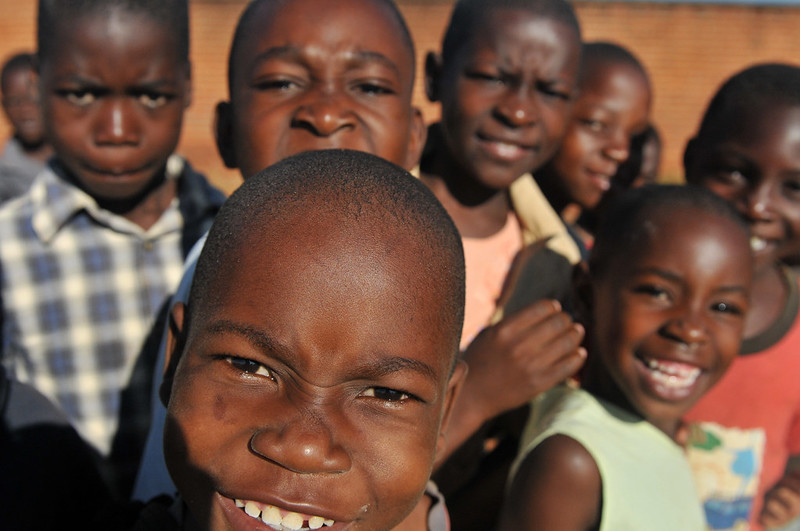 School feeding programs in Malawi, implemented by the World Food Program (WFP) in partnership with the Government of Malawi, have played a transformative role in improving educational outcomes, particularly in the country’s most food-insecure districts. Since its inception in 1999, the program has been targeting approximately 600,000 children across seven districts: Chikwawa, Dedza, Mangochi, Phalombe, Nsanje, Salima and Zomba.
Boosting School Enrollment and Attendance
Feeding programs have a clear and immediate effect on increasing school enrollment and attendance rates. In an environment where many families face food insecurity, the guarantee of a meal when children attend school provides a strong incentive for parents to send their children to school. Data from the WFP reveals that attendance rates in schools with feeding programs have improved from 77% to 92%, which is a drastic increase. Additionally, these programs have led to a 5% decline in absenteeism and a 2.9% reduction in dropout rates.
Promoting Gender Equality
In Malawi, as in many developing countries, girls are generally disadvantaged when it comes to accessing education. Negative cultural practices, early marriages and domestic chores often make it difficult for girls to attend school. However, school feeding programs have made significant progress in bridging the gender gap in education. The implementation of the United Nations Joint Program on Girls’ Education, which includes the provision of varied school meals, has led to a notable decrease in girls’ dropout rates, from 15.6% to 5.2%. These programs help alleviate some of the economic burdens on families by ensuring that girls receive at least one meal a day, encouraging parents to support their daughters’ education.
Enhancing Academic Performance
The benefits of school feeding programs extend beyond simply getting children to school—they also play a crucial role in enhancing students’ ability to learn and perform academically. Malnutrition, which affects cognitive development, is a significant barrier to learning. By providing nutritious meals, these programs help ensure that children are better able to focus, participate in class and retain information.
Overcoming Challenges and Ensuring Sustainability
Since 1999, Malawi’s school meals programs have continued to grow but have not been able to reach all students. The home-grown school feeding strategy has been important in promoting education and increasing economic welfare by providing nutritious food to 605,000 children while supporting 35,000 smallholder farmers. Supported by Norway, the European Union (EU) and Iceland, this investment reveals an impressive 20:1 return on every dollar, demonstrating progress in education, nutrition and local economies.
These achievements have not been without challenges. In developing countries like Malawi, reliance on international grants could create instability and unpredictability in operations. Many schools also face infrastructural issues, such as inadequate cooking facilities, lack of water supply and insufficient electricity for meal preparation and serving. The use of wood as fuel contributes to deforestation and other environmental problems. Despite the benefits of these programs, food insecurity remains a major barrier to both school enrollment and completion. Addressing these issues requires a multifaceted approach, including long-term funding, improved infrastructure and the adoption of less environmentally harmful fuel sources.
Looking Forward
School feeding programs in Malawi have significantly improved education, boosting enrollment, attendance and academic performance, particularly for girls. The home-grown initiative further benefits local economies by supporting smallholder farmers. However, challenges like funding instability, poor infrastructure and environmental concerns remain. Addressing these ongoing issues can potentially sustain and expand the program’s impact, ensuring a brighter future for Malawi’s children and communities.
– Aneela Agha
Aneela is based in Dubai, United Arab Emirates and focuses on Global Health for The Borgen Project.
Photo: Flickr
