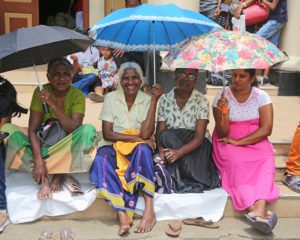
 Sri Lanka, renowned for its achievements in education and health care, still faces significant gender inequality, particularly in wages. According to the United Nations Development Programme (UNDP) report, “Making Our Future: New Directions for Human Development in Asia and the Pacific,” social disparity remains prevalent, with a persistent gender wage gap limiting economic opportunities and exacerbating poverty in Sri Lanka. Closing this gap is crucial not only for gender equity but also for fostering economic growth and reducing poverty.
Current Status of the Gender Wage Gap in Sri Lanka
The gender wage gap in Sri Lanka remains significant. A recent International Labour Organization (ILO) report shows that women earn, on average, 30-36% less than their male counterparts. This gap is even wider in the informal sector, where many women are employed. They are often concentrated in low-wage sectors like agriculture, textiles and services. In contrast, high-paying sectors such as IT, engineering and finance remain male-dominated, widening the income divide.
While Sri Lanka performs well on global gender indices, particularly in education, the wage disparity highlights a deeper issue: economic progress has not translated into pay equity. Women still face wage discrimination and are often steered into lower-paying jobs, pointing to systemic barriers that need addressing.
Key Factors Contributing to the Gender Wage Gap
Occupational segregation remains a key issue. Despite women’s critical economic contributions, they are concentrated in lower-wage industries. Sectors like agriculture and textiles, where women predominate, tend to be undervalued. Cultural norms further compound the issue, with societal expectations often prioritizing women’s roles as caregivers, pushing them toward part-time or informal work. This “double burden” limits their full-time employment and career progression opportunities, constraining their earning potential.
Education and skills gaps also play a role. Although Sri Lanka has made strides in female education, women remain underrepresented in high-paying fields like science, technology, engineering and mathematics (STEM). Without targeted initiatives to encourage women’s participation in these fields, wage disparities will likely persist. Workplace discrimination and unconscious bias further entrench wage inequality. Women face obstacles in promotions, salary negotiations and leadership roles. Although legal frameworks exist to promote gender equality, weak enforcement leaves many women vulnerable to wage discrimination.
The Impact of COVID-19
The COVID-19 pandemic has widened Sri Lanka’s gender wage gap. The economic downturn disproportionately affected Women, particularly those in low-paying, informal jobs. Sectors such as hospitality, textiles and domestic services—where women are heavily represented—suffered severe losses during lockdowns.
The burden of unpaid caregiving also increased during the pandemic, with many women leaving the workforce to care for children or elderly relatives. This prolonged absence from the labor market has long-term repercussions on their earning potential, threatening to reverse years of progress toward wage equality.
Addressing the Gender Wage Gap in Sri Lanka
To close the gender wage gap in Sri Lanka, a comprehensive approach involving government intervention and support from nongovernmental organizations (NGOs) is essential. Enforcing existing equal pay laws and conducting regular wage audits are necessary first steps. According to U.N. Women, strengthening labor laws to ensure equal pay for equal work across all sectors is crucial for narrowing the gap.
NGOs play a pivotal role in advocating for women’s economic empowerment. For example, the Women’s Development Federation (WDF) in Sri Lanka has been actively working to empower women through skills training, entrepreneurship programs and advocacy for fair wages. Its initiatives have enabled thousands of women to gain financial independence by entering nontraditional sectors or starting small businesses. This has helped to bridge the wage gap in local communities.
Another notable organization, CARE International, has launched initiatives like the Made by Women movement, which focuses on improving working conditions and wages for women in the textile industry. Its advocacy has led to partnerships with local businesses to ensure better pay and opportunities for women workers, serving as a model for other industries.
The government can also expand women’s access to high-paying fields through targeted education and vocational training programs. According to recommendations from the UNDP, providing scholarships and incentives for women to pursue careers in traditionally male-dominated fields like STEM can help bridge the skills gap and diversify the workforce.
Addressing the caregiving burden through policies like affordable childcare and family-friendly work environments would enable more women to participate fully in the workforce. Such measures would encourage women to return to work after caregiving responsibilities, reducing career interruptions and ensuring better career progression.
A Path Forward: Economic Growth and Gender Equality
Addressing the gender wage gap is not just an issue of fairness—it’s crucial for Sri Lanka’s economic growth. Studies indicate that closing the wage gap could significantly boost the country’s gross domestic product (GDP) by increasing women’s labor force participation and productivity. Reducing gender wage inequality could lift many families from poverty, contributing to national economic resilience.
While Sri Lanka has progressed in some areas of gender equality, the wage gap remains a substantial barrier to true economic equity. A coordinated effort from the government, private sector and civil society is necessary to dismantle the barriers that keep women in low-wage roles and ensure equal opportunities.
– Nandini Bhatia
Nandini is based in the United Kingdom and focuses on Politics for The Borgen Project.
Photo: Flickr

Organizations Advancing Menstrual Health Awareness in Pakistan
According to the World Health Organization (WHO), more than 1.5 billion people worldwide are still deprived of access to basic sanitation facilities. Period poverty also arises from the lack of education and proper awareness of one’s menstrual health. Even today, many girls only come to know about menstruation once they experience it. That said, here are three organizations improving menstrual health awareness in Pakistan, as well as equipping them with the tools they need.
HER
HER is a women-headed organization focusing on creating lifelong social change by supporting communities to overcome the menstrual-related obstructions they face. It does this by delivering educational programs such as the “School Puberty Education Program,” which is aimed at educating and providing training to parents and teachers. Hence, they are aware of puberty changes and can create safe spaces for their children.
“Oh my period” is a group run by the organization which allows girls and women to openly talk about everything related to menstruation and provides the opportunity for young people to learn from one another’s experiences. HER also encourages policy change, hoping to end poverty and reduce the stigma around menstruation by advocating for menstrual equity. The organization has served 38,000 periods, impacting more than 110,000 people.
Santex
Santex is a well-known pioneer in the personal hygiene brand. Founded in 1983, it began as a family-led business focusing on providing a healthy lifestyle for everyone, irrespective of their socioeconomic background. It aims to develop innovative and unique sanitary products to serve women from all corners of Pakistan. One of its leading products, “Butterfly” sanitary pads, was the first “stick-on” menstruation product in Pakistan. In Santex’s own words, it is “the only company to introduce breathable sanitary napkins and panty liners in Pakistan that allows women to breeze through puberty and periods.”
The organization aims to remove taboos relating to menstruation and raise awareness about personal hygiene. In 2022, Santex joined hands with the United Nations Children’s Fund (UNICEF) to continue the discussion of period poverty and barriers women face due to a lack of menstrual health awareness. Both organizations have committed to developing innovative research that will provide high-quality and safe menstrual products for women. Santex has served more than one million periods and trained 184,867 women regarding menstrual health.
Aahung
Aahung, a nonprofit organization founded in Karachi in 1995, aims to spread awareness and improve the sexual and reproductive health and rights (SRHR) of women, men and youths across Pakistan. The organization focuses on empowering and educating young girls and women about their reproductive health rights. This is achieved by disseminating information and ensuring high-quality access to health care facilities. Aahung collaborates with educational institutions and workplace structures to deliver training to people through its various programs.
In 2022, the organization reached 73,645 people, trained 75 schoolteachers and held 40 training sessions to educate parents about SRHR. When catastrophic floods hit Sindh in 2022, Aahung worked to ensure young girls and women facing menstrual issues during the crisis were not abandoned. The organization distributed 300 menstrual kits containing essential sanitary products, soap and other personal hygiene items. It also held informational sessions where women could openly discuss menstruation-related issues and receive needed support.
Final Thoughts
The stigma around a woman’s period remains widespread and is a primary cause of period poverty in developing nations. However, the organizations mentioned above are making significant progress in reducing the taboo surrounding women’s bodies and health. Their work will continue to improve menstrual health awareness in Pakistan, to the benefit of many women across the country.
– Aleena Shahid
Photo: Flickr
5 Ways Renewable Energy Can Transform Developing Countries
Global Efforts for Sustainable Energy
Moving toward sustainable modern energy will require renewable sources to constitute 60% of power generation by 2030, supporting resilient industry and infrastructure in developing countries. The World Bank, which currently has a $10 billion portfolio in energy projects, supported Nigeria’s electrification program that has transformed the country. Accelerating global electrification will necessitate a fundamental shift in the conception of energy access.
5 Ways Renewable Energy Transforms Developing Countries
Looking Ahead
Renewable energy holds significant transformative potential for developing countries. By adopting solar, wind and hydroelectric power, these nations can drive economic growth. Furthermore, initiatives will create jobs, improve health outcomes, reduce environmental impact and enhance energy security. As these countries seek sustainable solutions for their energy needs, renewable energy emerges as a promising and transformative approach that can potentially lead to a brighter and more sustainable future.
– Maria Urioste
Photo: Flickr
Poverty in Venezuela: Foreign Aid as a Lifeline
The Role of Foreign Aid
Venezuela’s economy has spiraled for years, burdened by political turmoil, reliance on oil exports and international sanctions. As a result, more than seven million Venezuelans urgently need assistance. Foreign aid, primarily through nonprofits and international organizations, has become essential, filling the gaps in food security, health care and clean water access. Many Venezuelans depend on foreign aid to survive and keep families together and communities functioning.
World Food Programme
World Food Programme (WFP) World Food Programme is one of Venezuela’s largest humanitarian agencies providing food assistance. Its programs focus on distributing food baskets and providing school meals to fight hunger and malnutrition. WFP has aimed to reach at least 1.5 million children, especially in rural areas, where food scarcity is most severe. By targeting schools, WFP ensures that children receive proper nutrition and are encouraged to continue their education.
International Rescue Committee
The International Rescue Committee (IRC) provides essential health care, emergency support and cash assistance in Venezuela. It works with families to ensure access to lifesaving medicines and health services, which are otherwise too expensive or unavailable. The IRC also collaborates with partners in neighboring countries to assist those fleeing Venezuela, supporting them with food, shelter and legal assistance. The IRC’s focus on holistic support allows it to address immediate needs while helping people stabilize for the future.
Caritas Internationalis
Caritas Internationalis is a Catholic humanitarian organization with a strong local network across Venezuela. It provides food, medicine and clean water to those most affected by the crisis, including families in remote areas. Caritas also has nutritional programs that target malnourished children and pregnant women, who are most vulnerable to the effects of food insecurity. The organization runs soup kitchens, distributes medical supplies and promotes community health initiatives.
Challenges and Gaps in Aid
While these organizations are achieving significant impacts, their challenges are substantial. Political restrictions make it difficult for foreign organizations to operate freely and aid workers often face bureaucratic barriers that delay the delivery of supplies. Additionally, underfunding limits the reach of their programs. Despite their best efforts, organizations like WFP, IRC and MSF often report funding shortfalls, which prevent them from scaling their efforts to meet the growing demand.
A Call to Action
The poverty crisis in Venezuela is one of the most pressing humanitarian issues today, yet it receives limited global attention. Donor countries, private sectors and international institutions need to increase their support for Venezuelan aid. Without sustained and coordinated aid efforts, the situation will only worsen, deepening poverty and further destabilizing the region.
– Yuhan Ji
Photo: Flickr
HIV/AIDs in Indonesia
HIV/AIDs in Indonesia: Barriers
In 2023, 570,000 people were living with HIV/AIDs in Indonesia. Indonesia is the fifth most vulnerable (to HIV/AIDs) country in Asia. The main causes of HIV/AIDs transmission in Indonesia are unprotected sexual activities, unsanitary drug injection and communal needle use. The leading cause is sexual transmission, which accounts for nearly 89% of all cases. Not enough information is available among the Indonesian population, leading to an absolute lack of awareness.
Currently, the largest barrier regarding HIV/AIDs treatment in Indonesia is financial access to health care. Most Indonesians are unaware of their status (regarding the virus) and do not have access to testing or cannot afford treatment. Additionally, there is the social fear of rejection that many living with HIV/AIDs face. Having HIV/AIDs, though out of people’s control, often leads to social rejection and distancing. People may fear having ties cut between them and their family or friends, disallowing them from sharing their status and getting help.
Treatment of HIV/AIDs in Indonesia
As of February 2024, nearly 130,000 people are receiving ARP therapy in Indonesia, which is a great start, according to the 2024 Frontiers Article. With the help of UNAIDS, Indonesia is now much more intensive on HIV testing (so people living with HIV/AIDs are aware of their status and can get help) and treating those with HIV as well. Additionally, the government is attempting to put HIV or STI services into health benefits packages, so more people can access them, according to the 2024 Frontiers Article. The Indonesian Government is also taking the World Health Organization (WHO) guidelines much more seriously and attempting to implement them in more facets of the country.
According to the 2024 Frontiers Article, Indonesia is also actively trying to involve private health care providers and diversify treatment to increase its outreach.
IAC and AHF
Based in Jakarta, the Indonesian AIDs Coalition (IAC) primarily helps communities and locals. It has specifically worked on the financial aspects of treatment (increasing accessibility) and allowing for a more inclusive and accepting space for those living with HIV/AIDs in Indonesia, according to the 2024 Frontiers Article. The IAC holds the Global Fund Principal Recipient status and used the Global Fund to Fight AIDs, Tuberculosis and Malaria’s grant for HIV in Indonesia.
AIDS Healthcare Foundation (AHF) has been conducting HIV testing to help people figure out their status. It helps with treatment, specifically by offering free ARV drugs, according to the 2024 Frontiers Article. AHF has also begun focusing on “housing, food security, and pandemic response and preparedness” as well.
LAP, SWING and UNAIDS
One Child One Life program by Lentera Anak Pelangi (LAP) primarily focuses on psychological support for adolescents and children. This program specifically offers mental support along with educating younger people who have HIV/AIDs, according to the 2024 Frontiers Article. By providing an environment of people with similar circumstances, LAP can provide solidarity to children with HIV and build their confidence. The program is especially good at helping those with HIV/AIDs return to school and continue their normal lives.
Service Workers in Group Foundation (SWING) focuses on working with female sex workers. In the process, the group tries to highlight the dangers of HIV/AIDs and how to protect themselves and others from the disease, according to the 2024 Frontiers Article. Often, sex workers are not able to access health clinics (due to working hours and schedule), though they need to check their health and stay in good condition. Considering that their job provides many opportunities for contraction of diseases (such as HIV/AIDs), getting tested is incredibly important.
Along with the US Government, UNAIDS has partnered with the Indonesian Government to partake in PEFPAR, to help Indonesia reach its HIV targets and improve treatment. One of UNAIDS’s many focuses is eradicating stigma or discrimination towards those living with HIV, and fostering a more accepting community, according to its website.
Overall, there is so much being done to increase HIV testing, improve treatment, and address and eliminate stigma around HIV in Indonesia. With these groups working together and in tandem with the Indonesian government, Indonesia is getting closer and closer to reaching its goal of HIV eradication!
– Lakshya Anand
Photo: Unsplash
The Growth of Telemedicine in Peru
Background of Telemedicine in Peru
Peru’s health system is divided into three practices, the first one being Social Security Hospitals (SSH), the second being the Federal Government Hospitals (FGH) and then private hospitals. The growth of internet access in Peru started in 2005. That year the first regulatory document related to telehealth was approved by the “Supreme Decree No. 028-2005-MTC.” Furthermore, in 2009, the first technical standards were approved to set guidelines for these online services. Later, in 2016, a framework was set for expanding telehealth, such as the ability to fill out prescriptions online.
When the pandemic hit, the full force of telemedicine and telecommunication services was set into motion. However, Peru is divided into three main geographical regions: the Coast, the Peruvian Andes and the Jungle. Internet access remains limited across these areas, with only 63.3% of residents on the Coast, 36% in the Andes and 33% in the Jungle having connectivity. This disparity poses a significant challenge to the advancement of telemedicine, as limited internet access hinders the reach of digital health care services to remote and underserved communities.
What Is Being Done?
“Teleatiendo,” created by the Ministry of Health of Peru, provides online consultations for those seeking virtual health care services. Other online resources, such as the “Cayetano Heredia National Hospital” teleconsultation application, specifically support diabetic patients. Looking toward the future, the incoming candidates for Congress and the presidential seat have promised to work on making the Internet more available nationwide.
Peru has the highest internet costs in Latin America, posing a barrier to equal access, especially in telemedicine advancements. More structured frameworks are being set in motion for mobile health apps (mHealth) based on different evaluations, such as effectiveness and security. Due to 60% of the population being in a lower socioeconomic sphere, accessing these technologies is difficult. However, the “WiLD multihop network” could improve connectivity in underserved areas, making health care access more feasible for those in remote or low-income communities.
Partners in Health
Partners in Health is an organization dedicated to creating “preferential options” for the impoverished in health care. The organization has developed seven telemedicine applications to improve health care access, each tailored to specific needs:
Each app is vital in expanding health care access across different demographics in Peru.
The Future of Telemedicine in Peru
As telemedicine expands in Peru, so does the push for broader internet access, ensuring that all citizens can access essential health care. Significant progress has been made in recent years, with the trajectory continuing upward as internet availability increases and telemedicine gains a stronger foothold in the country. These advancements promise a future where health care is more accessible and inclusive for all Peruvians.
– Isabella Chavez
Photo: Flickr
The Gender Wage Gap in Sri Lanka: Bridging the Divide
Current Status of the Gender Wage Gap in Sri Lanka
The gender wage gap in Sri Lanka remains significant. A recent International Labour Organization (ILO) report shows that women earn, on average, 30-36% less than their male counterparts. This gap is even wider in the informal sector, where many women are employed. They are often concentrated in low-wage sectors like agriculture, textiles and services. In contrast, high-paying sectors such as IT, engineering and finance remain male-dominated, widening the income divide.
While Sri Lanka performs well on global gender indices, particularly in education, the wage disparity highlights a deeper issue: economic progress has not translated into pay equity. Women still face wage discrimination and are often steered into lower-paying jobs, pointing to systemic barriers that need addressing.
Key Factors Contributing to the Gender Wage Gap
Occupational segregation remains a key issue. Despite women’s critical economic contributions, they are concentrated in lower-wage industries. Sectors like agriculture and textiles, where women predominate, tend to be undervalued. Cultural norms further compound the issue, with societal expectations often prioritizing women’s roles as caregivers, pushing them toward part-time or informal work. This “double burden” limits their full-time employment and career progression opportunities, constraining their earning potential.
Education and skills gaps also play a role. Although Sri Lanka has made strides in female education, women remain underrepresented in high-paying fields like science, technology, engineering and mathematics (STEM). Without targeted initiatives to encourage women’s participation in these fields, wage disparities will likely persist. Workplace discrimination and unconscious bias further entrench wage inequality. Women face obstacles in promotions, salary negotiations and leadership roles. Although legal frameworks exist to promote gender equality, weak enforcement leaves many women vulnerable to wage discrimination.
The Impact of COVID-19
The COVID-19 pandemic has widened Sri Lanka’s gender wage gap. The economic downturn disproportionately affected Women, particularly those in low-paying, informal jobs. Sectors such as hospitality, textiles and domestic services—where women are heavily represented—suffered severe losses during lockdowns.
The burden of unpaid caregiving also increased during the pandemic, with many women leaving the workforce to care for children or elderly relatives. This prolonged absence from the labor market has long-term repercussions on their earning potential, threatening to reverse years of progress toward wage equality.
Addressing the Gender Wage Gap in Sri Lanka
To close the gender wage gap in Sri Lanka, a comprehensive approach involving government intervention and support from nongovernmental organizations (NGOs) is essential. Enforcing existing equal pay laws and conducting regular wage audits are necessary first steps. According to U.N. Women, strengthening labor laws to ensure equal pay for equal work across all sectors is crucial for narrowing the gap.
NGOs play a pivotal role in advocating for women’s economic empowerment. For example, the Women’s Development Federation (WDF) in Sri Lanka has been actively working to empower women through skills training, entrepreneurship programs and advocacy for fair wages. Its initiatives have enabled thousands of women to gain financial independence by entering nontraditional sectors or starting small businesses. This has helped to bridge the wage gap in local communities.
Another notable organization, CARE International, has launched initiatives like the Made by Women movement, which focuses on improving working conditions and wages for women in the textile industry. Its advocacy has led to partnerships with local businesses to ensure better pay and opportunities for women workers, serving as a model for other industries.
The government can also expand women’s access to high-paying fields through targeted education and vocational training programs. According to recommendations from the UNDP, providing scholarships and incentives for women to pursue careers in traditionally male-dominated fields like STEM can help bridge the skills gap and diversify the workforce.
Addressing the caregiving burden through policies like affordable childcare and family-friendly work environments would enable more women to participate fully in the workforce. Such measures would encourage women to return to work after caregiving responsibilities, reducing career interruptions and ensuring better career progression.
A Path Forward: Economic Growth and Gender Equality
Addressing the gender wage gap is not just an issue of fairness—it’s crucial for Sri Lanka’s economic growth. Studies indicate that closing the wage gap could significantly boost the country’s gross domestic product (GDP) by increasing women’s labor force participation and productivity. Reducing gender wage inequality could lift many families from poverty, contributing to national economic resilience.
While Sri Lanka has progressed in some areas of gender equality, the wage gap remains a substantial barrier to true economic equity. A coordinated effort from the government, private sector and civil society is necessary to dismantle the barriers that keep women in low-wage roles and ensure equal opportunities.
– Nandini Bhatia
Photo: Flickr
The Impact of the Girls’ Education Challenge in Ghana
The Digital Divide in Rural Ghana
In rural Ghana, the digital divide poses a significant barrier to girls’ education, limiting their future career opportunities. Girls often have less access to technology than boys due to household responsibilities and cultural expectations. This gap restricts their learning opportunities and potential to gain the digital skills essential for today’s job market. Targeted interventions focused on girls’ digital literacy are crucial to breaking this cycle and empowering girls to overcome these barriers.
How GEC Is Bridging the Gap
The GEC, managed by FCDO, supports education initiatives specifically designed to improve access and outcomes for girls in rural areas. The GEC provides digital resources such as tablets, e-books and online learning platforms through projects like the Discovery Project. By focusing on girls’ education, the project seeks to close the digital divide, equipping young girls with the tools and confidence to participate fully in a technology-driven economy.
Partnerships With Local and International NGOs
U.K. Aid collaborates with organizations like Impact(Ed) International and Worldreader to bring digital literacy tools to rural Ghanaian schools. Impact(Ed) International, formerly Discovery Learning Alliance, provides digital educational content and teacher training to improve digital literacy in rural Ghana. Through the Discovery Project, supported by U.K. Aid, the nonprofit empowers girls with literacy, numeracy and life skills while providing access to digital learning resources. It focuses on gender-inclusive education, reaching thousands of girls across rural Ghana.
Similarly, Worldreader’s partnership with FCDO has expanded access to reading materials for girls through e-readers loaded with educational content in local languages. These digital libraries are especially impactful in rural regions with limited access to books.
Transforming Lives Through Digital Literacy
The Discovery Project in northern Ghana has successfully empowered girls with digital literacy skills. Since its inception, the project has reached more than 104,000 girls and established 448 Girls’ Clubs across 800 schools in 11 districts. These Girls’ Clubs provide a safe environment for girls to develop literacy, numeracy and life skills while building their confidence and ambition. Through engaging content like the “My Better World” video series, which features relatable role models, the project encourages girls to envision a future beyond traditional roles.
Evaluations of the program revealed a 3.7-point increase in self-efficacy among participating girls, who reported greater confidence, better classroom participation and stronger peer relationships. Digital literacy is more than just an educational tool—it’s a pathway out of poverty. By equipping young girls in rural Ghana with digital skills, U.K. Aid programs prepare a generation for modern careers. This empowerment not only benefits individual girls but also strengthens their communities. Girls who achieve digital literacy are more likely to secure higher-paying jobs, contribute to household income and drive local economic growth.
Conclusion
U.K. Aid is closing the digital literacy gap for girls in rural Ghana through the Girls’ Education Challenge and partnerships with Impact(Ed) International and Worldreader. These initiatives improve educational outcomes and equip girls with the skills needed to participate fully in the digital economy, contributing to long-term poverty reduction and gender equality. By providing digital resources and fostering girls’ empowerment, U.K. Aid is helping to shape a brighter future for Ghana’s next generation of women leaders.
– Safa Musa
Photo: Flickr
Hunger in Ethiopia: Everything You Need to Know
Ethiopia is currently grappling with one of the worst droughts in recent history, leading to widespread starvation and devastating consequences for vulnerable populations. The drought has destroyed crops and livestock, further exacerbating food shortages and pushing families into dire circumstances.
Many Ethiopians are also suffering from various diseases, with children particularly affected by hydrocephalus, a serious condition characterized by swelling of the brain due to the accumulation of spinal fluid. This condition can often be linked to malnutrition during pregnancy, underscoring the intergenerational impacts of food insecurity.
The Impacts of Conflict and Drought in Ethiopia
Conflict, drought and decreasing food support are endangering the lives of millions of Ethiopians and driving inflation to unprecedented levels in the region. While inflation in the U.S. and conflicts elsewhere contribute to the crisis, the situation is complex, with smaller issues, such as the availability of fuel for supply trucks delivering food and medicine, playing a critical role.
The disruption of supply chains due to fuel shortages has led to delays in delivering vital humanitarian assistance to affected communities. These delays have further strained the already limited resources available to those in need. Moreover, ongoing conflicts in various regions of the country have hindered access to agricultural land, preventing farmers from cultivating crops and worsening food scarcity.
Humanitarian needs in Ethiopia have tripled since 2015 and the country is experiencing its worst drought in decades, often described as the worst in a generation. This drought affects 8.1 million people, including approximately 2.5 million children, leading to water scarcity, food insecurity and severe disruptions in livelihoods. The consequences include rising food prices, increased malnutrition rates among children and the displacement of millions.
In southern and southeastern Ethiopia, an estimated 7.4 million people wake up hungry each day as the country grapples with its fourth consecutive failed rainy season. Drought, compounded by regional conflict, remains a significant challenge. These alarming statistics and health issues reflect the urgent need for comprehensive interventions to address not only immediate food needs but also the underlying causes of hunger and health disparities in Ethiopia.
What Is Being Done
Several organizations, including the United States Agency for International Development (USAID), are actively supporting Ethiopia through humanitarian assistance. In 2022, USAID announced $488 million to address various critical needs, including:
Summary
Ethiopia is facing a critical crisis as conflict, drought and hunger threaten millions of lives. However, several nonprofit organizations, such as USAID, are actively assisting the country in addressing these issues through humanitarian aid. With sustained support from both local and international organizations, Ethiopia has the potential to overcome these challenges and work toward a more stable future.
– Anthony Burt
Photo: Flickr
Midwife Programs in Underserved Communities
Navigating Birth and Conflict in the West Bank
This documentary, filmed in Feb. 2024, tracks experienced midwives as they navigate the challenges of providing care in the war-torn West Bank. Across four hospitals, these professionals manage their personal anxieties and professional duties. Indeed, they ensure pregnant women receive necessary health care despite the conflict. Each midwife program reveals how these women adeptly adapt to severe conditions. Despite the lack of private hospitals and ongoing war, they serve approximately 8,000 women per month, overcoming significant institutional challenges.
The midwife programs tackle hurdles such as unpredictable birth events, an unorganized health care system and a dampening of morale among expectant mothers. Additionally, personal hurdles include military checkpoints during commutes and delays in payment from employers. A primary concern is the mental and emotional well-being of mothers and midwives as they navigate the uncertainties of childbirth, poor health care access and the dangers of a sustained war effort around their homes and hospitals. Midwife programs such as Midwives for Peace actively work to make up for the lack of resources and to support new mothers.
Making a Midwife
This documentary follows student midwives as they train and work to receive certification to practice in Haiti. Women like Jusléne prepare to work independently in their communities. According to the documentary, one in 83 women die during childbirth in Haiti. Half of these deaths can be attributed to health complications, such as Eclampsia. Though many women experience complications with known treatments, many of these procedures are not offered to the poor and low-income families within Haiti.
The Midwives for Haiti is a program dedicated to combating high child mortality rates in Haiti. These future midwives, both women and men, are eager to apply their new skills in communities desperate for quality care. They learn from seasoned instructors experienced in field deliveries. By partnering with traditional matrons, Midwives for Haiti ensures a robust training of attendants. The program melds formal midwifery education with an understanding of local cultural traditions. Additionally, the training equips new matrons to engage effectively with pregnant women and their families. As locals themselves, these midwives handle cultural beliefs sensitively, providing accurate diagnoses and care. In the long term, this process aims to strengthen a struggling health care system and alleviate pressures on local actors and voodoo doctors who may lack medical knowledge.
The community-centered approach to education and training creates an atmosphere of uplift and persistence for each trainee. Michael, a featured trainee, wishes to go out and find people who need medical care but who may not have the resources to maintain steady access. Like many of the featured midwives, his goal is to educate local women on the best practices for a healthy pregnancy. The hope is that they can learn how they can position themselves and their children to live a life of health and nutrition.
Nadene, the founder of Midwives for Haiti, established the program with two primary goals. The first is to address the critical shortage of health care providers. The second goal is to foster self-agency among midwives. As students graduate and begin their practices, they gain the tools needed to achieve financial independence. This empowerment is particularly transformative for women, who often experience financial independence for the first time as they serve their communities.
Con Madre
Con Madre documents the experiences of a group of women who live and train at a Guatemalan school for midwives. The documentary depicts a strong bond between the women as they live together and progress through its program.
According to the National Center for Biotechnology Information, more than 50% of births in Guatemala are home births. Women unable to attend a formal hospital rely on midwives to guide them through pregnancy. Furthermore, they offer care in the weeks following birth. Despite the necessity of their work, midwives in the area resist perceptions by medical professionals who do not understand or accept their expertise.
The three-year midwife program equips students to lead with a vision of empowerment and possibility, emphasizing women’s health rights and future work. Beyond their formal training, each midwife-in-training shadows a “traditional” midwife to absorb ancestral knowledge from local villages and communities. This ancestral training fosters respectful, trusting relationships between new midwives and their local patients.
Looking Ahead
Through the dedication and specialized midwife programs highlighted in these documentaries, midwives provide critical health care to underserved communities globally. These ongoing programs empower local midwives, enabling them to navigate complex community challenges while preserving cultural practices. As they address gaps in maternal and newborn health, midwife programs enhance care and promote long-term, community-centered health care solutions that bring safety and support to mothers and infants in underserved communities.
– Karina Dunn
Photo: Flickr
The WFP and Balenciaga: Fashion Combats Hunger and Poverty
The Fashion Industry and Poverty
The fashion industry frequently faces criticism for stark inequalities, especially in fast fashion, where low wages and exploitative labor conditions continue cycles of poverty. Luxury brands like Balenciaga, which typically cater to wealthy consumers, possess the power to drive change by supporting initiatives that target poverty and hunger. Balenciaga’s partnership with the WFP exemplifies how the industry can transform from contributing to the problem to enhancing the solution. By focusing on global hunger, Balenciaga addresses one of the most direct impacts of poverty.
Balenciaga and the World Food Programme Partnership
Balenciaga first partnered with the WFP in 2018, launching a collection featuring the WFP logo on t-shirts, hoodies and bags. The brand committed a portion of the sales from this collection to support the WFP’s mission to eradicate hunger by 2030. This partnership aimed to raise funds and enhance visibility for the global hunger crisis, engaging fashion-conscious consumers who might not typically connect with humanitarian causes.
The WFP, the largest humanitarian organization dedicated to fighting hunger, assists more than 150 million people across 120 countries. Through emergency food aid, school meal programs and initiatives to improve food security, WFP addresses hunger in some of the world’s poorest regions. Balenciaga’s high-profile partnership has raised awareness of these efforts, demonstrating how luxury fashion can drive positive change. The funds from this partnership support communities in need, helping alleviate poverty by ensuring access to essential resources.
Fashion as a Tool for Change
Balenciaga’s partnership with the WFP extends beyond financial contributions, elevating the issue of global hunger to mainstream conversations, especially among those previously unaware of its extent. Consumers who wear items from the WFP collection become advocates for the cause, using fashion as a means to initiate discussions on global hunger and poverty. This collaboration demonstrates that fashion can serve as a potent tool for advocacy, challenging the perception that luxury brands are detached from real-world problems. As the fashion industry evolves, more brands are expected to emulate Balenciaga’s approach, leveraging their influence to support humanitarian efforts.
Looking Ahead
The collaboration between Balenciaga and the World Food Programme highlights a shift in how luxury brands can contribute to addressing critical global issues. By raising funds and awareness, this partnership demonstrates the potential for the fashion industry to engage actively in the fight against poverty and hunger. As more brands explore similar initiatives, the role of fashion in promoting social causes could become a more integrated part of the industry’s future, driving meaningful change on a global scale.
– Viola Cuthbertson
Photo: Flickr