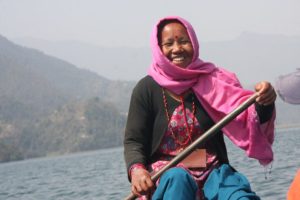
 Among the 29.7 million people who live in Nepal, 340,000 adolescents have made suicide attempts. Furthermore, in 2020, UNICEF reported that 470,000 teens had contemplated suicide. These figures position Nepal as having the second-highest youth suicide rate in South Asia, indicating a pressing crisis in youth mental health in Nepal that necessitates immediate intervention.
Background
The 2015 earthquake had a profound impact on Nepal, exposing children to severe psychological stress and long-term emotional strain. It added another layer of trauma to a nation already struggling with poverty and inadequate mental health care. Anxiety, grief and other forms of distress were among the many mental health challenges children faced in the aftermath.
A large-scale epidemiological study reported a prevalence of 19.1% for emotional and behavioral problems in children, indicating that it approximately affects one in every five children in Nepal.
The 2020 National Mental Health Survey indicated a 5.2% prevalence of diagnosable mental disorders among teenagers aged 13 to 17 in Nepal, with 2.8% attributed to neurotic and stress-related conditions.
Availability of Services
The pervasive stigma and insufficient comprehension of mental health are resulting in a high percentage of children and adolescents, particularly in remote locations, being unable to access essential care.
Since its establishment in 2015, the Child and Adolescent Mental Health (CAMH) unit at Kanti Children’s Hospital has remained Nepal’s only full-time outpatient clinic for child and adolescent psychiatry up until 2020.
As of 2022, Nepal had just three outpatient mental health facilities dedicated to children and adolescents, and no inpatient units in the public sector. Additionally, the country’s mental health workforce included approximately 144 psychiatrists, of whom only three specialized in child psychiatry.
When children needed hospitalization for psychiatric issues, they had to go to adult psychiatric facilities, which represents a breach of children’s rights and failed to meet international standards.
Collaborating for Change
In response to these pressing needs following the 2015 earthquake, UNICEF, Save the Children, World Vision, and Plan International initiated a collaborative initiative to enhance children and adolescents’ mental health.
Following the Inter-Agency Standing Committee (IASC) Guidelines on Mental Health and Psychosocial Support, their efforts concentrated on establishing secure and uniform environments for children to initiate emotional recovery, UNICEF reports.
The initiative established child-friendly spaces, and trained 512 community members to facilitate children’s emotional expression through play, routine, and peer contact. Through receiving training in psychological first aid, 3,395 educators and 20,000 community members learned to identify signs of distress and provide basic support, according to UNICEF.
Youth activities had a goal for adolescents to restore confidence and foster connections, while instituting support programs to enhance caregivers’ capacity to care for their children under significant demand.
Jo Malone London and UNICEF
Jo Malone London, in partnership with UNICEF and the Government of Nepal, is undertaking initiatives to improve youth mental health in Nepal by teaching health professionals to better comprehend and treat the mental health requirements of adolescents. The objectives of these trainings are to identify mental health issues, offer counselling, and link patients with specialized care via tele-mental health services at Kanti Children’s Hospital in Kathmandu, UNICEF reports.
This partnership is a component of UNICEF’s overarching strategy to strengthen mental health systems in marginalized regions by addressing challenges such as stigma, awareness, and the scarcity of mental health professionals in rural areas. This ensures that children and adolescents receive the necessary care they need.
UNICEF–Z Zurich Initiative
UNICEF combined global best practices with locally adapted approaches to promote the mental health of Nepal’s adolescents and their caregivers through socio-emotional learning (SEL) tools, with the support of the Z Zurich Foundation. Karnali Province, one of the most disadvantaged regions in the nation, was the primary focus of this initiative. The resources, which include stress management techniques and feelings charts, aim to assist students in identifying their emotions and coping with challenges.
The impact of the UNICEF–Z Zurich Foundation helps students increase comfort in expressing their emotions and their growing willingness to seek help across Western Nepal.
Youth Mental Health in Nepal
The youth of Nepal are starting to articulate what was previously concealed. From classrooms in Karnali to clinics in Kathmandu, transformation is occurring via skilled health professionals, emotional learning resources, and programs founded on trust. The upcoming difficulty is scalability. With sustained dedication, these initial advancements can evolve into enduring advocacy for youth mental health in Nepal, ensuring no child is left unheard.
– Imge Tekniker
Imge is based in London, UK and focuses on Global Health for The Borgen Project.
Photo: Flickr

Rural Poverty in Lesotho
Food Insecurity in Rural Communities
Lesotho’s reliance on imported goods—reflected in a trade deficit of 52%—limits the availability of essential products. The COVID-19 pandemic and the war in Ukraine worsened global agricultural prices, making food even harder to access for those living below the poverty line. In rural areas, the mountainous terrain restricts farming. As a result, only 40% of Lesotho’s farming households maintain a stable food supply. This has left 293,000 rural residents, 19% of the rural population, in a state of severe food insecurity.
Barriers to Education
Despite a high literacy rate, rural poverty in Lesotho persists due to a lack of educational resources. In rural areas, only one in five boys and one in four girls complete secondary Grade 12. Underachieving in school can be traced back to the stunted growth that affects many children in Lesotho, with 35% of all children between the ages of 0-5 having their growth stunted by a lack of food. This gives rural children little preparation for education, which they can never recover from. For girls, a teenage pregnancy rate of 17.8% nationally and 25% for those in rural areas means many have no choice but to drop out of an education system that cannot support them while they give birth. This is symptomatic of Lesotho having one of the highest inequality rates in the world. Many schools in Lesotho shut down during the pandemic and never reopened, leaving almost 500,000 children without access to learning.
Health Care Access Remains Limited
Studies have found that affordable health care remains out of reach for most rural citizens in Lesotho. Around 60% of rural residents say that they cannot afford basic health care, while 25% of residents lack any awareness of what health insurance schemes are available. There is no government mechanism to support them, so these people are left in the dark about health care options. Only 35% report having a clinic nearby. Those who do seek care often encounter long wait times, medicine shortages and poorly equipped facilities. As a result, 50% of surveyed residents said they would forgo treatment entirely when facing a medical issue.
Hope Through Investment
Lesotho often goes unnoticed in global poverty discussions, but targeted efforts are making an impact. Food insecurity remains a top concern. To address this, the International Fund for Agricultural Development (IFAD) invested $64.3 million in seven programs aimed at strengthening food systems. These projects support improved farming techniques, irrigation development and decentralized governance. So far, 80,000 households have benefited. These ongoing efforts mark an important step toward ending rural poverty in Lesotho.
– Felix Hughes
Photo: Flickr
A Clearer Future: Papua New Guinea Eradicated Trachoma
About Trachoma
Trachoma is one of many neglected tropical diseases (NTDs) ― complex conditions prevalent among impoverished tropical areas and often transmitted through vectors, making them major public health concerns. Almost absent from the global health agenda, NTDs do not get enough resources and attention, perpetuating cycles of poverty, stigma and social exclusion within neglected populations
Trachoma is the leading infectious cause of blindness worldwide and is responsible for the visual impairment or blindness of more than 1.9 million people, according to the World Health Organization (WHO). The bacterium Chlamydia trachomatis spreads through personal contact, such as sharing beds, clothing, and surfaces, and by flies that have come into contact with discharge from the eyes or nose of an infected individual. The average immune system can overcome a single episode of infection but in endemic communities, infection re-occurs frequently, often leading to years of constant infection. If untreated, the infection can cause the eyelid to turn inward, resulting in pain, light intolerance, and eventually irreversible visual impairment or blindness.
Trachoma’s impact is especially harsh in remote and impoverished areas where access to care is limited. Prevalence rates are especially high among pre-school-aged children (as high as 60-90%), and due to greater contact with infected children, women experience trachoma blindness four times as often as men, WHO reports. Blindness and visual impairment cause significantly reduced productivity, the economic cost of which is estimated to be $8 billion per year
Global Elimination Strategies
As of October 21st 2024, 21 countries worldwide have successfully eradicated trachoma as a public health problem, including Cambodia, Ghana and Pakistan. These previously endemic countries implemented the WHO-recommended SAFE strategy, which encompasses:
Papua New Guinea Elimination Strategy
Foundational efforts to eliminate trachoma in Papua New Guinea began in 2012, with organizations including Collaborative Vision, The Brian Holden Vision Institute and The Global Trachoma Mapping Project contributing towards the effort. However, surveys in Papua New Guinea revealed that despite signs of active trachoma in children, there were very low levels of Chlamydia trachomatis and negligible levels of trachomatous trichiasis, suggesting that children were not progressing to severe stages of the disease.
As a result, Papua New Guinea’s National Department of Health organized a series of further assessments, surveys and investigations, building a comprehensive understanding of trachoma’s status in the country. This confirmed that community-wide interventions such as mass antibiotic distribution and large-scale surgery were not necessary. Unlike other countries where trachoma elimination required vast surgery campaigns, mass antibiotic administration and targeted improvements in access to water, hygiene and sanitation, Papua New Guinea’s success was fueled by vigorous disease surveillance.
This is a powerful testament to the country’s ability to adjust its health strategies to the realities of local communities, ensuring the safety of its population whilst reducing unnecessary resource use. Dr Ana Campa, Trachoma Coordinator of the Fred Hollows Foundation New Zealand, stated that “Trachoma in Papua New Guinea is complex and presents atypically. Additional research and ancillary surveys … [were] crucial in understanding the picture of trachoma in the country and ultimately moving the country into drafting its dossier.”
A Clearer Future
To date, 56 countries globally have eliminated at least one NTD, including 22 that have eliminated trachoma as a public health issue. Papua New Guinea eradicated trachoma not only as a medical milestone, but as a demonstration of how context-specific strategies can achieve lasting health improvements. With the list of countries eliminating NTDs rapidly growing, we are gaining considerable momentum towards a world where NTDs are no longer a significant threat to vulnerable populations.
WHO and its partners remain dedicated to helping countries like Papua New Guinea protect their progress against trachoma and move closer to eradicating more NTDs, protecting the world’s poor.
While WHO’s SAFE strategy remains vital to tackling trachoma, Papua New Guinea’s success in eradicating the fatal disease provides a clear example of how innovative strategies rooted in distinct local realities can lead to sustainable health victories.
– Holly McArthur
Photo: Flickr
Community-Led Development in Tanzania: Transforming Lives
VSLAs: Driving Internal Financial Growth
In rural Tanzania, formal banking services are restricted, leaving numerous communities distant from conventional financial institutions. Village Savings and Loan Associations (VSLAs) have effectively addressed this void, transforming economic inclusion, especially for women. The VSLA model is a simple yet highly effective approach. In this system, groups of 15 to 40 local community members, predominantly women, meet regularly to save small amounts of money, after which the total savings and any profits from loans are shared among the members.
The impact extends beyond individual success stories. VSLAs promote shared ownership, transparency, effective governance, inclusiveness and organized savings and lending. Members can lend money to other farmers. Borrowers must repay the loan within a set timeframe and contribute interest to the group’s savings. At the end of each cycle, members receive back their savings and a share of the interest earned on the loans.
In the latest savings round, 112 VSLA groups saved 80 million Tanzanian Shillings ($32,000) in just nine months. Members use these savings to invest in their futures, start businesses, repair homes, cover medical costs and pay for education. More importantly, the model builds financial literacy, entrepreneurial skills and social capital that sustain poverty reduction beyond any single loan or project.
Participatory Forest Management
Since 2001, the Nou Joint Forest Management Project (JFM) has been a conservation effort in Tanzania’s Manyara Region. Its goal is to safeguard the 320 sq km Nou Forest, which sustains 28 permanent rivers and impacts the livelihoods of more than 200,000 individuals. This initiative tackles forest degradation caused by shifting agriculture, population increases, illegal logging and unmanaged grazing. The approach utilizes Participatory Forest Management (PFM), fostering collaboration between government bodies and local communities to protect forest resources.
Tanzania’s Forests cover approximately 38.8 million hectares, supporting biodiversity while providing critical resources to rural communities. Historically, these forests faced degradation through unsustainable harvesting and agricultural expansion. PFM, an innovative, community-led development in Tanzania, transfers management rights and responsibilities to local communities.
The World Land Trust’s 2021 appeal to save Tanzania’s coastal forest is a notable conservation achievement. Within five weeks, the campaign garnered $541,760 from international donors, exceeding its initial goal of $487,584. Immediate action was needed to protect the coastal forests of Lindi District in southern Tanzania, which face urgent threats from expanding roadways and commercial cashew and sesame plantations.
The appeal’s success has enabled Tanzania Forest Conservation Group (TFCG) to launch immediate conservation action in partnership with local communities. The funding supports comprehensive protection efforts, including enhanced reserve patrolling, wildlife monitoring programs and vital research initiatives. Most importantly, the additional money raised allows TFCG to expand its conservation impact further, providing these fragile coastal ecosystems with the robust protection they need.
The Path Forward
The UNESCO-Alwaleed Philanthropies project embodies an innovative approach to community-led development in Tanzania. It recognizes that culture and the arts can be powerful tools for education and economic empowerment. The core concept involves integrating cultural heritage and artistic practices into Technical and Vocational Education and Training (TVET).
This approach ensures that students do not merely acquire skills; they gain abilities rooted in their cultural identity, which can aid in preserving traditional practices while fostering modern livelihoods. From 38 applications, UNESCO carefully selected projects demonstrating the most substantial potential to blend cultural preservation with practical skill development. Each selected initiative receives up to $10,000 as funding and as seed money to prove that culture-based vocational education can create sustainable business and employment opportunities.
This project is part of a broader effort to promote the economic and social value of cultural heritage and institutions in Tanzania. The initiatives foster collaboration on both local and national levels, aiming to empower youth, women and underprivileged groups while ensuring that Tanzania’s vibrant culture remains influential and thrives in today’s world.
– Vanuza Antonio
Photo: Flickr
Combating HIV in Ivory Coast
Facts About HIV in Ivory Coast
What’s Being Done
In efforts to support individuals living with HIV and bolster overall public health, humanitarian organizations and individuals alike have initiated programs in the Ivory Coast to aid the epidemic:
The organization offers help with the management of STIs, HIV/AIDS screening tests, management of opportunistic infections and access to care and prescriptions. CSAS also leads the PRESERV project, working to improve access to reproductive health and HIV services for young people and vulnerable groups.
In Ivory Coast, the program uses educational initiatives to promote HIV prevention and sexual health to support communities. During the height of the COVID-19 pandemic, UNAIDS partnered with the United Nations Development Programme (UNDP) to provide food and hygiene kits to needy mothers. This partnership seeks to support vulnerable pregnant and breastfeeding women, especially those affected by HIV.
Challenges remain in the prevention and treatment of HIV in Ivory Coast. Nonetheless, the progress achieved through these initiatives highlights civilian organizations’ impact on crisis response when given sufficient support. A maintained emphasis on education, contraception and access to medical care can be effective ways of continuing to rectify HIV.
– Erin Hellhake
Photo: Pexels
Food Systems in Pakistan
Pakistan’s Agricultural Sector
Agriculture drives Pakistan’s economy with around 44% of the labor force and contributing nearly a quarter of the country’s GDP. Aside from this sector being vital for economic stability, 67% of rural households also rely on agriculture for their livelihoods. However, challenges arise within environmental and systematic divisions, including chemical fertilizer overuse, poor irrigation techniques and outdated farming methods that have led to soil degradation, salinity and waterlogging.
However, agricultural abundance does not automatically translate into national food security. As an example, Pakistan has produced bumper wheat crops in recent years, greater than 23 million tons in 2006 alone, yet millions still suffer from food insecurity due to poor distribution networks. The imbalance between production and access showcases a deep-rooted problem within the food system in Pakistan: a discrepancy between supply and sustainable delivery. Climate shocks, infrastructure gaps and a lack of investment in rural supply chains further exacerbate this disconnect. To ensure long-term food security, Pakistan must go beyond crop yields and focus on building a resilient and equitable food system. Addressing inefficiencies in the distribution of the food supply chain and ensuring that sustainable agricultural practices are supported from farms to households is not just a logistical challenge but a moral imperative.
Distribution of the Food Supply Chain
The distribution of food systems in Pakistan is facing challenges impacting farms and consumers. The causes of substantial post-harvest losses, from perishable fruits, vegetables and dairy are due to inadequate rural roads, lack of cold storage, unreliable transportation and market access barriers. About 30–40% of these goods never make it to the market, which threatens food availability, resulting in an annual economic loss of millions.
Yet, within these challenges lie opportunities. Investments in rural infrastructure and more localized supply chains may reduce spoilage and stabilize food prices; one major issue is the highly unequal distribution of land and water; only 37% of rural households own land, and most of those own fewer than five acres, which limits the ability of small farmers to benefit from agricultural growth. To address this, Pakistan has introduced programs aimed at improving rural infrastructure, such as expanding rural road networks and electrification projects, which may help reduce transport costs and increase access to markets. However, many rural enterprises still face frequent power outages and limited credit access, hindering productivity. Policies that invest in human capital and support both farm and non-farm rural sectors to build a more inclusive and resilient food system in Pakistan must complement these efforts.
Upgrading Infrastructure for Sustainable Food Systems
Action Against Hunger, for example, is a non-government organization that began working in Pakistan in 2005 to combat hunger and malnutrition, especially in vulnerable rural areas. The organization focuses on improving food security by supporting home gardens, promoting climate-resilient agriculture and distributing livestock and fish to boost access to nutritious food. In the Sindh province, where child malnutrition is highest, it has helped more than 314,000 people in the past year through programs like Farmer Field Schools and vertical gardening. Its efforts have led to more diverse diets, increased crop yields and promoted better nutrition for families across 10 districts.
– Hibah Iqbal
Photo: Unsplash
Poverty and Unemployment in The Philippines
Within the Philippines, there are wage/salaried workers in private companies or the army. There are the self-employed/family businesses, retail stores or drivers with low-paid employees. Then there are farming towns and family members who technically do not have jobs but still receive allowances.
Workplace Quality
While hospitality and food service jobs are on an employment rise of 377,000, careers in administration and agriculture have largely decreased by almost a million. In STEM, they’ve had a shorter decrease of -68,000. These facts are distressing because they reflect the lack of skill or education that the people of the Philippines have access to or have completed, which directly reflects the unemployment and poverty in the Philippines.
The reasoning behind these statistics could be the unmanageable population rate, or it could be the lack of sufficient education. Asian Development Bank (ADB) lists that the major factors of poverty in this nation revolve around weak employment generation, increasing populations, recurring trauma of natural disasters, income inequalities, etc.
ADB research found that poverty is directly related to the accessibility of education. Families with many children tend to be the first affected by poverty and unemployment in the Philippines. It also found that the government still has a hand in the reason why chronic poverty levels have not improved, with little action on poverty reduction programs.
“Self-Rated” Poverty and The Employment Gap
In his recent article, entrepreneur and President of the National Economic Protectionism Association (NEPA) Brian James Lu explores the highest rates of what he calls “self-rated” poverty. Theoretically, the job market holds plenty of opportunities, but the people qualified for these roles are few. This is where the employment gap and issues of poverty intersect. Last December, SWS reported that 63% of Filipinos claimed themselves as unemployed.
“The characteristic of Philippine employment is that while more Filipinos are technically employed, many are underemployed, working jobs that offer meagre wages, lack security, or provide limited hours,” according to Lu.
There is an average of 20 typhoons annually, with limited financial success, especially with families who are involved in agriculture, and only 5% of lower-income households use health services. The findings break down the gap between primary and secondary education with a difference of 96% over 73%. In turn, Filipinos who live in poverty face discrimination when applying for jobs.
A New Future
A 2024 Labour Force survey found that almost 50 million people have a job in the Philippines, lowering unemployment rates by 13.9%. Jobs providing a stable life for most include jobs in services and agriculture. Their Department of Finance have taken measures by creating a program dubbed Growth-Enhancing Actions and Resolutions (GEARS) that has aided their economy and, in turn, has invested in more valuable employment options for all citizens.
Another recent initiative, the Corporate Recovery and Tax Incentives for Enterprises (CREATE) Act, has brought in further investments to the country. A notable mention includes President Bongbong Marco’s Build Better More program focusing on employment prosperity.
Active Solutions
Skill development programs like the Philippines Skill Framework (PSF) focuses on quality education and organizations such as The Department of Labor and Employment (DOLE) have provided training programs, especially in STEM/Medical careers and “Trabaho Para sa Bayan” (TPB) planning on the technology field have started to make a positive impact on the livelihood of many Filipino families. The need for “multi-skilled” individuals is a desired outcome for rising market demand.
– Melody Aminian
Photo: Flickr
Reducing Poverty in Georgia
Georgia’s Accomplishments
Based on the international poverty line standard, Georgia has reduced poverty by 15% since 2000, dropping from around 20% to just 5%. Over the same period, the country has also reduced inequality by 5%, as measured by the Gini index. These achievements are particularly impressive given Georgia’s diverse population, which includes several ethnic groups.
Georgia has reached these milestones through reforms across several sectors, contributing to poverty. One of its key approaches is combating political corruption through the use of technology. Georgia has implemented Blockchain technology, which securely processes transactions, identities and other sensitive information, acting as a registry system, and its performance has received positive feedback.
This registry combats corruption by replacing the old system, where politicians often accepted bribes to expedite document processing. The new system ensures that processing fees are redirected back to the registry, preventing funds meant for the government and its people from being misused. Proof of trust in Georgia’s anti-corruption reforms is evident in a 2004 national survey. Initially, 97% of respondents considered the Civil Registry the most corrupt agency in the country. However, within just two years, the same percentage of respondents agreed that the agency was free of corruption.
Georgia’s Education Reforms
Georgia is also reforming its education system to address inefficiencies, a lack of resources and outdated methods. The country is modernizing its education system by adopting the European education model and increasing funding. The reformed system aims to provide students with knowledge of technological innovation, independence, civic responsibility and more. Georgia is improving its curriculum and implementing evidence-based policymaking. To support these changes, the government is increasing state education funding to 6% of the GDP, ensuring more resources are available for students and educators alike.
Reducing Poverty in Georgia
Over the past few decades, Georgia has made remarkable progress in reforming areas critical to poverty reduction. What sets this country apart is its innovative approach to addressing poverty. While traditional social programs are often the primary tools for poverty alleviation, Georgia has demonstrated that modern techniques can also be highly effective.
By assessing its unique challenges and acting accordingly, Georgia has proven that there are alternative methods to address poverty beyond conventional social program investments. Its 2004 national survey also shows that Georgia made the right decision by listening to its people and addressing political corruption.
– Nicholas East
Photo: Flickr
5 Charities Operating in Tanzania
5 Charities Operating in Tanzania
Looking Ahead
Tanzania continues to make progress in reducing poverty, due to the efforts of local and international charitable organizations. These five charities exemplify how targeted interventions in health, education, environmental sustainability and child protection can transform communities. Indeed, as the nation pushes toward sustainable development, the work of these charities operating in Tanzania offers a roadmap for continued growth, resilience and hope.
– Janae Bayford
Photo: Flickr
Boca de Rua Empowers Homeless Individuals Through Journalism
About the Newspaper
Founded in 2000 by journalists Rosina Duarte and Cristina Pozzobon, Boca de Rua—which translates to “Word on the Street”—operates as a quarterly publication where contributors attend weekly editorial meetings and determine the paper’s content. Vendors sell each issue for R$3 (around $0.53) and keep the proceeds.
According to Global Voices, about 50 people contribute to each edition. Topics range from street abuse to positive community stories, with recent issues covering tragedies like a fire at a state-run homeless shelter and flood impacts on the city. More than a source of income, the paper builds confidence and public presence for its contributors. Since its founding, Boca de Rua has supported more than 400 individuals through this model of participatory journalism.
Addressing Homelessness in Brazil
Homelessness remains a significant issue in Brazil. According to Development and Cooperation, the population of unhoused individuals grew by 38% between 2019 and 2023, largely driven by the COVID-19 pandemic. As of 2022, more than 281,800 people were registered as homeless in Brazil and economic insecurity remains the leading cause. In response, the Brazilian government relaunched the Minha Casa Minha Vida (“My House My Life”) program. Initially implemented in 2009, the initiative offers housing subsidies to low-income families, particularly those earning under $400 per month, according to The Rio Times.
Stories of Ambition and Impact
Elisângela Escalante, a contributor for six years, shared with Global Voices how the paper helped her transition off the streets and into a home. Previously dependent on her partner financially, Escalante was able to regain independence through earnings from the newspaper. “Through it [Boca de Rua] I got a lot of things and I helped a lot of people too,” she said.
A memorable edition that she worked on featured the cover story “Why Can’t We Be Mothers?”—a piece that explored the challenges of motherhood while experiencing homelessness. During production, some participants even reconnected with their children, underscoring the paper’s emotional and social reach.
Another contributor, Michael Vasconcelos, told The Guardian that he became homeless after a family fallout. He later joined Boca de Rua, where he describes himself as a “paperboy and journalist.” “Now, I steal people’s attention and deal in information,” Vasconcelos said.
Media Representation and Inclusion
Community-led media initiatives like Boca de Rua play a crucial role in amplifying marginalized voices and fostering media diversity. According to the United Nations Educational, Scientific and Cultural Organization (UNESCO), empowering Indigenous voices in the media is essential for fostering pluralism and diversity, which are vital elements of a vibrant society.
Despite this progress, gaps remain. As of 2025, UNESCO reported that:
By offering contributors a direct platform, Boca de Rua helps counter these inequities and drives awareness through lived experience.
Looking Ahead
As Boca de Rua continues to grow, its impact reaches far beyond housing. Co-founder Rosina Duarte emphasizes that the paper’s core mission is to provide income and reduce the harm caused by silence and isolation. The organization aims to deepen its role as a platform for dignity, self-expression and community-driven change.
Contributor Michelle Marques dos Santos, who joined as a teenager living on the streets, is now preparing to publish a book about her life—an opportunity she attributes to the confidence and visibility gained through the newspaper. Now expecting her seventh child—the first she will be able to raise herself—Santos’s story reflects the transformative potential of community-led media initiatives. As Boca de Rua continues its work, it holds promise not only for current contributors but also for future generations seeking visibility and purpose.
– Clarissa Dean
Photo: Flickr
Youth Mental Health in Nepal: A Collaborative Push for Support
Background
The 2015 earthquake had a profound impact on Nepal, exposing children to severe psychological stress and long-term emotional strain. It added another layer of trauma to a nation already struggling with poverty and inadequate mental health care. Anxiety, grief and other forms of distress were among the many mental health challenges children faced in the aftermath.
A large-scale epidemiological study reported a prevalence of 19.1% for emotional and behavioral problems in children, indicating that it approximately affects one in every five children in Nepal.
The 2020 National Mental Health Survey indicated a 5.2% prevalence of diagnosable mental disorders among teenagers aged 13 to 17 in Nepal, with 2.8% attributed to neurotic and stress-related conditions.
Availability of Services
The pervasive stigma and insufficient comprehension of mental health are resulting in a high percentage of children and adolescents, particularly in remote locations, being unable to access essential care.
Since its establishment in 2015, the Child and Adolescent Mental Health (CAMH) unit at Kanti Children’s Hospital has remained Nepal’s only full-time outpatient clinic for child and adolescent psychiatry up until 2020.
As of 2022, Nepal had just three outpatient mental health facilities dedicated to children and adolescents, and no inpatient units in the public sector. Additionally, the country’s mental health workforce included approximately 144 psychiatrists, of whom only three specialized in child psychiatry.
When children needed hospitalization for psychiatric issues, they had to go to adult psychiatric facilities, which represents a breach of children’s rights and failed to meet international standards.
Collaborating for Change
In response to these pressing needs following the 2015 earthquake, UNICEF, Save the Children, World Vision, and Plan International initiated a collaborative initiative to enhance children and adolescents’ mental health.
Following the Inter-Agency Standing Committee (IASC) Guidelines on Mental Health and Psychosocial Support, their efforts concentrated on establishing secure and uniform environments for children to initiate emotional recovery, UNICEF reports.
The initiative established child-friendly spaces, and trained 512 community members to facilitate children’s emotional expression through play, routine, and peer contact. Through receiving training in psychological first aid, 3,395 educators and 20,000 community members learned to identify signs of distress and provide basic support, according to UNICEF.
Youth activities had a goal for adolescents to restore confidence and foster connections, while instituting support programs to enhance caregivers’ capacity to care for their children under significant demand.
Jo Malone London and UNICEF
Jo Malone London, in partnership with UNICEF and the Government of Nepal, is undertaking initiatives to improve youth mental health in Nepal by teaching health professionals to better comprehend and treat the mental health requirements of adolescents. The objectives of these trainings are to identify mental health issues, offer counselling, and link patients with specialized care via tele-mental health services at Kanti Children’s Hospital in Kathmandu, UNICEF reports.
This partnership is a component of UNICEF’s overarching strategy to strengthen mental health systems in marginalized regions by addressing challenges such as stigma, awareness, and the scarcity of mental health professionals in rural areas. This ensures that children and adolescents receive the necessary care they need.
UNICEF–Z Zurich Initiative
UNICEF combined global best practices with locally adapted approaches to promote the mental health of Nepal’s adolescents and their caregivers through socio-emotional learning (SEL) tools, with the support of the Z Zurich Foundation. Karnali Province, one of the most disadvantaged regions in the nation, was the primary focus of this initiative. The resources, which include stress management techniques and feelings charts, aim to assist students in identifying their emotions and coping with challenges.
The impact of the UNICEF–Z Zurich Foundation helps students increase comfort in expressing their emotions and their growing willingness to seek help across Western Nepal.
Youth Mental Health in Nepal
The youth of Nepal are starting to articulate what was previously concealed. From classrooms in Karnali to clinics in Kathmandu, transformation is occurring via skilled health professionals, emotional learning resources, and programs founded on trust. The upcoming difficulty is scalability. With sustained dedication, these initial advancements can evolve into enduring advocacy for youth mental health in Nepal, ensuring no child is left unheard.
– Imge Tekniker
Photo: Flickr