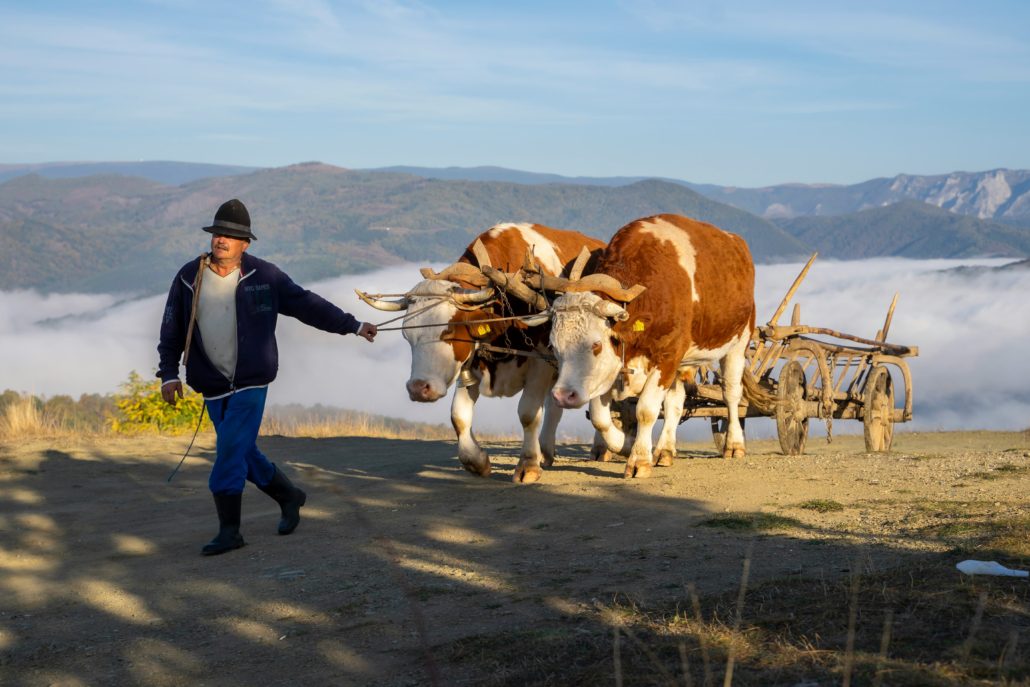
 In developed countries, it can be easy to forget how invaluable a tool the internet can be in improving the everyday lives of people. In Georgia, revolutionary online programs are changing the ways that many people learn, earn and live. Almost 40% of Georgians live in rural areas, of which 27.5% are estimated to be living below the poverty line. For many of these people, unreliable access to transport, unpredictable weather and distance from urban areas make access to many services near-impossible. Internet-based innovations in poverty eradication in Georgia are proving to be beneficial in many different ways.
Education
Digital tools provide access to education for many Georgians, including both school children and adults. In rural areas, the rate of children completing high school is around 50%, significantly lower than that of children in urban areas (74%). This education gap is even more significant between the wealthy and poor, with the completion rate for the richest being more than double that of the poorest.
Educare Georgia is an initiative which aims to provide free access to global educational resources for Georgians. By translating more than 4,000 lessons from Khan Academy – a free source for lessons in subjects such as mathematics and science – Educare Georgia has helped connect many Georgian children to a more expansive way of learning.
Giveinternet.org is another initiative that Educare Georgia started. This service aims to provide internet access and devices to children in underserved communities and settlements for Internally Displaced Persons. What began as a project to help Georgian children has expanded to help children in other poverty-ridden countries, such as Malawi and Uganda. At present, 2,899 children in remote and marginalized areas have been provided with reliable access to the internet, ensuring equal educational opportunities.
Real-Time Jobs for Youth is another online educational project in Georgia, supported by the United Nations Development Program (UNDP) and UNICEF. It aims to provide young people from state care or marginalized backgrounds with free education on coding, digital marketing and design, as well as online freelance work. This has helped to greatly improve job opportunities for many young people. These programs are crucial innovations in poverty eradication in Georgia, allowing children of all backgrounds to receive a proper education.
Health and Social Care
Internet connectivity has had a major impact on health care accessibility in Georgia. During the COVID-19 pandemic, much of Georgia’s rural population found themselves unable to access proper health care. Many people live in mountainous regions where reliable transport is scarce and the weather can be extremely unpredictable. The vast majority of doctors in Georgia are based in Tbilisi and other urban areas, while most urban regions are critically underserved. This is especially true when it comes to the distribution of specialists, such as obstetricians and pediatricians.
A huge telemedicine initiative sought to provide improved health care to these remote areas, and the project has continued expanding since the end of the pandemic. In Georgia, approximately 93% of deaths are the result of non-communicable diseases. By providing video consultations, remote diagnostics and improving the communication methods between local doctors and specialists, many people now have access to health care and expertise which was formerly out-of-reach. One example of this improved healthcare is the more than 3,000 women now registered for cervical, breast and thyroid cancer screenings, hopefully resulting in the prevention of many deaths.
GeorgiaUnify
This expansion in online services and tools has also expanded into social care. GeorgiaUnify, a social care integration platform, developed by the Georgia Health Information Network (GaHIN), enables better communication between health care providers and social services. As stated above, much of Georgia’s rural population are unable to access or do not have transport in order to use many services. As a result, medical referrals for social care services do not always receive attention, and peoples’ situations do not improve. GeorgiaUnify notifies all parties involved of the referral, ensuring a better service. Data is also shared with local Community-Based Organizations, providing more information on housing stability, food security and transportation in order for people to access any services as easily as possible.
Agriculture
Agriculture employs around 38% of Georgia’s workforce, yet only makes up around 6-8% of Georgia’s GDP, demonstrating that many farms are underperforming or otherwise making little money. Platforms such as AgroMap, which Georgia’s Ministry of Environmental Protection and Agriculture developed, offer satellite imaging, crop analysis and weather forecasting. This data helps farmers make more informed decisions, improving yields and reducing costs. AgroMap also helps farmers access other business contacts and other support services.
The agriculture extension is another digital platform for farmers, enabling them to access online training and an electronic library of information. Farmers are now able to educate themselves on up-to-date techniques and have a better understanding of the market.
Digital tools also help with land management, irrigation planning and pest control. As a result, agricultural productivity has increased in regions where internet access is reliable, helping with the food security and economic stability of many rural communities. These support systems and data platforms are examples of practical innovations in poverty eradication in Georgia, granting a significant source of employment the chance to thrive.
Expanding Georgia’s Internet Access
The cornerstone of these advancements is the expansion of internet infrastructure. The Broadband Equity, Access, and Deployment (BEAD) is a $1.3 billion grant to expand internet access to reach all regions of Georgia. The program prioritizes communities that are currently unserved or underserved, promoting economic growth, improved education and training and access to services such as the ones listed above.
The initiative to expand access to the internet in Georgia is about much more than simply getting a 4G signal – it expands the opportunities and helps to improve the health, wealth and education of many communities. Many of Georgia’s most poverty-stricken are now able to get the tools needed to build a brighter future for themselves.
– Reuben Avis-Anciano
Reuben is based in Oxfordshire, UK and focuses on Technology and Solutions for The Borgen Project.
Photo: Unsplash

The Pioneership of Renewable Energy in Turkmenistan
Greening Turkmenistan’s Electricity Sector
The state power corporation Turkmenenergo is responsible for the management of urban and rural electrification, and one can trace the successes of its efforts back to 1913, with the establishment of the first electric power plant for the Turkmen population. Until 1957, small isolated power plants and diesel-based stations primarily supplied electric energy to consumers.
By 1979, Turkmenenergo achieved complete centralization of power in rural areas, reducing energy poverty and integrating renewables into the grid. In 1993, initiatives to enhance social welfare led to the provision of free electricity to the population prioritizing fulfilling energy satisfaction domestically. Additionally, Turkmenistan has increased electricity exports to neighboring countries like Tajikistan, Kazakhstan, Afghanistan, Iran and Turkey, with a renewable sources powering a growing share.
Current Strategy
The development of a Public Outreach Strategy on Renewable Energy Sources and Energy Efficiency powers Turkmenistan’s transition to green electrification. The Global Environment Facility (GEF) funded the strategy, and the United Nations Development Programme (UNDP) implemented it.
The outreach strategy aims to raise public awareness about the benefits of renewable energy in Turkmenistan and to harness the country’s substantial solar energy potential. Given more than 300 sunny days annually, amounting to 2,774 hours of variable sunshine throughout the country, there is a significant interest in tapping into solar energy. By investing in outreach and infrastructure, Turkmenistan is actively integrating renewables into its grid, reducing greenhouse gas emissions and striving to meet its Net Zero targets by 2030.
Energy Accessibility
The government is undertaking efforts to construct and reconstruct electric networks in accordance with the President Gurbanguly Berdimuhamedov Development Programme, prioritizing energy accessibility in towns and villages. Leveraging the existing renewable energy potential will ensure a more consistent flow of centralized renewable electricity in Ashgabat, and this shift will reduce dependency on outdated modes of electrification based on traditional fossil fuels in Ashkhabad, Akhal and Abadan power plants.
The acceleration of renewable energy in Turkmenistan is integral for its economic, political and cultural development. Investing in green energy would help Turkmenistan mitigate energy poverty, and offer a more reliable and sustainable power supply. Indeed, studies have widely confirmed that increased consumption of renewable energy will accelerate emissions reduction and accelerate energy efficiency and conservation. Given this context, the acceleration of renewable energy in Turkmenistan directly supports efforts to promote sustainable environments that will facilitate urban growth by minimizing harmful externalities like air pollution and emissions.
The Turkmen Government’s Projects
The efforts of the Turkmen government have significantly alleviated energy poverty levels, reaching remote and hard-to-reach areas. The country has laid out projects to actively extend electrification from grids harnessed by renewable energy sources, such as solar and wind power, to supply electricity to settlements located on the outskirts of the country.
One notable project involves the construction of a 10-megawatt hybrid solar-wind power plant in the Serdar district of the Balkan province, near the Altyn Asyr Turkmen Lake. This facility aims to provide a reliable power supply to newly established settlements in the vicinity, enhancing energy accessibility and supporting the socio-economic development here. Furthermore, the construction of these cost-effective alternative green energy facilities that do not contribute to environmental damage, ensures the implementation of all state goals envisioning sustainability and growth.
Additional Development Projects
Turkmenistan is actively seeking international cooperation to enhance its renewable share in the energy sector. The Asian Development Bank (ADB) plans to provide technical assistance for integrating renewable-based solutions to support the country’s green transformation. These initiatives include developing solar energy roadmaps and launching pilot urban solar power plants, leading to diversification of the economic and energy landscape alongside environmental sustainability.
Furthermore, Turkmenistan has launched a collaborative project with the European Union titled EU for Turkmenistan’s Green Development: Policy Dialogue and Climate Action 2024-2028. This initiative would focus on promoting renewable energy and energy efficiency, including measures to limit and cap harmful gaseous emissions.
Looking Ahead
The commitment to attain renewable energy in Turkmenistan is evident through the joint practical steps undertaken through its strategies and international collaborations. By focusing on sustainable development and energy efficiency, the country is paving the way towards a greener future, which will benefit both its citizens and the broader region.
– Tanisha Bhattacharyya
Photo: Unsplash
Child Sponsorships in Malaysia
Child sponsorship is a charitable practice that allows individuals to provide financial support to a child, often in a developing country. Programs like these can lead to improvements in health and opportunities. The children get basic needs that they usually do not have; this breaks them out of a cycle of poverty and offers a flourishing future ahead. They foster so much support from their sponsor family by gaining clean water, nutritious food, and access to a proper education. For a child living in poverty in Malaysia, these organizations can greatly improve the quality of their lives with long-term support. These are the top child sponsorships in Malaysia.
Dignity For Children
Dignity for Children Foundation is an NGO that targets undereducated, poor children in Kuala Lumpur, Malaysia. The initiative began in 1998, and its learning center now has more than 2,000 students ranging from 4-19 years old and began with only 20.
Its numerous support programs, varying from lessons in agriculture to creating businesses for underprivileged kids, lay the foundation for a participant’s successful future. Sponsoring a child is how the organization runs, providing them with its abundant amenities. Since the beginning of Dignity for Children, the organization has helped change 12,000 lives by setting up a future that was seemingly impossible for these children.
World Vision Malaysia
World Vision Malaysia has granted 80,000 people clean water and improved literacy among 15,000 children. The impacts of sponsoring a child are interwoven into the program, revealing how a sponsored 8-year-old girl made it to university and how a little boy living through the aftermath of the Korean War became a sponsor after being sponsored. Indeed, these compelling efforts deservedly placed World Vision as one of the top child sponsorships in Malaysia.
BRCR Malaysia
The BRDB Rotary Children’s Residence (BRCR) in Seri Kembangan, Selangor, is a long-term care facility dedicated to supporting underprivileged and at-risk children in Malaysia. Established through a collaboration between the Rotary Club of Kuala Lumpur Diraja and BRDB, BRCR provides a safe, multiracial, and multicultural home for children, emphasizing character development, education, and life skills. The residence currently cares for 65 children and relies entirely on public donations to sustain its operations.
The BRCR’s Sponsor A Child (SAC) program, launched in 2020, supports the most vulnerable children by providing them with full-time child protection, counselling and nutritious meals. The organization focuses on nurturing children until they reach employment. Contribution to the program gives a child a second chance in life.
Child Sponsorships in Malaysia
Individually, each of the top child sponsorships in Malaysia provides essentials for underprivileged children that might have never received them if it were not for these programs. World Vision Malaysia, Dignity for Children and BRCR all empower children intellectually through improved access to healthcare and education. They gain external support that they weren’t born with, and create an unbreakable bond between the sponsor and child.
– Kassandra Ticas
Photo: Flickr
Female Education in Cambodia: The Harpswell Foundation
Harpswell Building a Future in Cambodia
Founded in 2005, the Harpswell Foundation “seeks to bring about positive social change in Southeast Asia through the action and equal participation of women.” Whilst the foundation has a global reach, the majority of its good work comes in the Cambodian capital, Phnom Penh. Harpswell have been responsible for building Cambodia’s first university dormitory for women and subsequently built a second within Phnom Penh in 2009.
Together, these dormitories can accommodate 76 female students from different universities across the city, with each facility coming with both a library and computer room – crucial amenities for student life. These dormitories come in a city where female students struggle to attain accommodation, which places further burden and stress on them. Therefore, it affects their studies. Through improving the infrastructure in place for the women of Cambodia, the work of Harpswell helps create a society in which women can both have freedom of ambition and freedom to learn.
The foundation’s reach does not just stop at improving infrastructure, but also seeks to educate. Women who enrol on Harpswell’s dormitories learn important skills through the foundation’s leadership program. This program enables “international women with university degrees” to stay at the dormitories to help teach, mentor, support and collaborate with residents. Leadership Residents teach weekly core curriculum classes, facilitate critical thinking classes and also help their Cambodian counterparts with preparation for class. Through the experience and wisdom of international graduates, Harpswell helps to teach female students in Cambodia crucial life skills, “ensuring graduates are proficient in English and digital literacy.”
Harpswell: Going Global
The foundation has established a scheme in which two to three exemplary graduates receive scholarships to study in the United States for an entire year. This scholarship scheme enables students to travel to another country, enabling them to take in different cultures and ways of life, all whilst pursuing their education. The scholarship program is of great benefit to Cambodia, too, where more than 50% of scholars return to seek graduate degrees.
Along with its scholarship programme, Harpswell also hosts the ASEAN Women’s Leadership Summit. This summit occurs on an annual basis, bringing together women aged between 25-35 from the ASEAN countries who have enrolled on a five-month “leadership development and professional networking program.” The summit itself lasts for a week, occurring in Penang, Malaysia. Described as “the only gathering of its kind in the region,” the summit offers women a chance to meet and work with like-minded people.
A Foundation for Change
Through both its domestic and international programmes, Harpswell aims to improve the lives of women in Southeast Asia by providing education and giving women a safe space to learn. This support is crucial in helping to achieve equality in a region where women lag behind their male counterparts in literacy rates. In a time of continual conflict and negativity, the story of the Harpswell Foundation is one of promise and prosperity, especially felt by young women in Cambodia, who dream of a bright and successful career.
– Andrew Nicoll
Photo: Flickr
Updates on SDG 6 in Brazil
Poverty in Brazil
Brazilian poverty is a lasting issue with deep historical roots. The country’s population consists of of 205.3 million people. Despite being one of the largest sights in the world, Brazil’s huge income inequities have left much of its population in poverty. Low accessibility of healthcare and education are factors that explain its widespread levels of poverty. Even if poverty rates vary over time, there are millions of Brazilians who continue to live below the poverty line every day, just trying to meet minimum standards of decent food, housing and personal healthcare. Eradicating poverty in Brazil requires strategy to drive inclusive growth and humanitarian services. Some groups like Afro-Brazilians have limited accessibility in applying to schools and health clinics. Females are prone to discrimination in the working system. As a result, some people are attempting to resolve these issues in Brazil.
Active Measures To Address Energy Poverty
Within the Paraguay-Brazil region, the UN Department of Economic and Social Affairs (UN DESA) joined Itaipu Bi-National in promoting water and energy resource preservation. To further advance Brazil’s agenda towards meeting the Sustainable Development Goals, the partnership designed a 2030 vision board.
Energy poverty is a very critical problem in Brazil, where a significant number of people have historically lacked access to electricity. Inadequate, reliable energy slows economic development, limits educational achievement and impacts the overall quality of life, particularly in rural and poor communities.
The partnership established sustainable energy solutions in an attempt to build a stronger foundation on better collaboration and speech dialogues to discuss energy connectivity. The plan is also to find any fundamental barriers or obstacles in the incorporation of these sustainability goals. Less helping hands discourages the development of home-based businesses and minimizes access to communication and data technologies, leading to a constant poverty cycle. However, with this partnership, the results should play out in the country’s favor.
The Necessity of Addressing SDG 6 in Brazil
Limited clean water is yet another significant challenge for people in Brazil. Lack of adequate infrastructure, pollution by industry and agriculture and climate change impacts are among the reasons for limited water and water pollution. With no clean sources of water, waterborne disease is more likely to occur, impacting productivity. In 2022, 23.9% of Brazilian citizens endured irregular water stock. One of the most shocking events Brazil experienced was Rio Grande do Sul’s floods in 2024 where several officials reported 54 confirmed cases of waterborne diseases or leptospirosis, causing four sudden deaths. Women and children are more likely to bear the bulk of water collection responsibilities, once again keeping them away from education. Water management improvement and access to clean water programs are critical to Brazilian society’s health and sustainable development.
The Agua Limpa Project
United Nations environmental activist and philanthropist Gisele Bündchen has contributed positively to Brazil through sustainable development of the Agua Limpa Project (Clean Water Project). In 2004, a passionate, nature-driven Bündchen visited the Xingu area of Brazil. As an eyewitness to river pollution, she has pushed for an end to ecological degradation. The project began in 2008, co-founded with Bundchen’s family, and they planted more than 40,000 trees near streams. She oversaw the country’s water quality when managing wildlife’s restoration. Bündchen’s work as a UN Environment Goodwill Ambassador in Kenya is another noteworthy aspect of her career. Her influence even extends beyond the publishing of her works, including the New York Times bestseller “Lesson: My Path to a Meaningful Life.” She shares her life experiences from exploring Brazilian lands and how it shaped her mind.
The Leonardo DiCaprio Foundation
Sustainability resources have also been accompanied by Hollywood star Leonardo DiCaprio, whose advocacy stands for nations like Brazil, in which they seek available natural resources. DiCaprio promotes conservation efforts through his Leonardo DiCaprio Foundation established in 1998. The organization has supported at least 100 and more special projects in 50 countries and has achieved success in increasing international funding for environmental causes, wildland protection, and ocean conservation. The foundation has offered funding grants worth $20 million to around 100 communities fighting for environmental issues like changing weather patterns.
While DiCaprio’s efforts are dedicated to big-time environmental preservation and changing weather, he also spoke out for poverty reduction through the conservation of natural resources upon which most communities base their primary livelihood. For instance, his foundation supports projects that protect forests, whose role in the livelihoods in Brazil is significant. As of today his foundation continues to conduct additional research on specific projects in Brazil that would provide a lasting contribution to poverty alleviation in the nation.
Looking Ahead
Ending poverty and addressing SDG 6 in Brazil requires a special approach that includes promoting access to clean energy, natural resource management and promoting collaborative work between international agencies, governments, and individuals. Initiatives like the UN DESA partnership, Brazil’s development in biofuel and hydropower and the ongoing activism by Giselle Bundchen and Leonardo DiCaprio all play a crucial role in driving Brazil towards an equitable future.
– Janae Bayford
Photo: Unsplash
Social Programs Improving Health and Poverty in Gabon
National Health Insurance and Social Coverage Fund
The National Health Insurance and Social Coverage Fund (NHISCF) plays a central role in Gabon’s push toward universal health care. The fund draws support from the government, public sector officials, employers and employees. Initially designed to serve the poor and public employees, the fund now covers more than half of the population. It also supports students and workers in the private sector, expanding access to medical care for low-income groups across Gabon. Through this fund, Gabon has taken significant steps toward closing the gap between income and access to health care. By reducing out-of-pocket medical costs, NHISCF allows many residents to seek treatment without facing financial strain.
The Gabon Indigents Scheme
In 2007, Gabon established the Gabon Indigents Scheme (GIS) under the NHISCF. This initiative targets economically vulnerable residents, representing about 30% of the population, who are at least 16 years old. The government fully funds their medical care and these individuals do not pay contributions. High costs often prevent people in low-income households from accessing essential services. By removing the financial barrier, the GIS ensures that poor residents can receive treatment when needed. This approach not only protects their health but also shields them from falling deeper into poverty due to medical debt.
Cash Maternity Benefits and Birth Grants
Gabon’s social insurance system also offers maternity leave benefits and family allowances. According to the SSA, the system provides 100% of a mother’s final monthly income for up to six weeks before childbirth and eight weeks after. In cases involving complications, the leave period extends by another three weeks. Employers initially pay the benefit, and the government reimburses them for half the cost. Families also receive financial assistance after childbirth. The government provides 8,000 CFA francs as a birth grant and 45,000 CFA francs to help cover expenses for clothing, toiletries and other newborn needs. These programs reduce both physical and financial stress, helping mothers recover and return to work without added pressure.
Toward a Healthier and Stable Future
Gabon continues to make measurable progress in reducing poverty and strengthening public health systems. Government-backed programs provide medical care, maternity support and financial assistance to those who need it most. By prioritizing equitable access and addressing systemic barriers, these initiatives help protect the most vulnerable while building a more resilient population. As Gabon works to expand and improve these services, the country moves closer to achieving its goal of universal health care and long-term poverty reduction.
– Sevyn Whatley
Photo: Flickr
How Internet Access Is Driving Poverty Eradication in Georgia
Education
Digital tools provide access to education for many Georgians, including both school children and adults. In rural areas, the rate of children completing high school is around 50%, significantly lower than that of children in urban areas (74%). This education gap is even more significant between the wealthy and poor, with the completion rate for the richest being more than double that of the poorest.
Educare Georgia is an initiative which aims to provide free access to global educational resources for Georgians. By translating more than 4,000 lessons from Khan Academy – a free source for lessons in subjects such as mathematics and science – Educare Georgia has helped connect many Georgian children to a more expansive way of learning.
Giveinternet.org is another initiative that Educare Georgia started. This service aims to provide internet access and devices to children in underserved communities and settlements for Internally Displaced Persons. What began as a project to help Georgian children has expanded to help children in other poverty-ridden countries, such as Malawi and Uganda. At present, 2,899 children in remote and marginalized areas have been provided with reliable access to the internet, ensuring equal educational opportunities.
Real-Time Jobs for Youth is another online educational project in Georgia, supported by the United Nations Development Program (UNDP) and UNICEF. It aims to provide young people from state care or marginalized backgrounds with free education on coding, digital marketing and design, as well as online freelance work. This has helped to greatly improve job opportunities for many young people. These programs are crucial innovations in poverty eradication in Georgia, allowing children of all backgrounds to receive a proper education.
Health and Social Care
Internet connectivity has had a major impact on health care accessibility in Georgia. During the COVID-19 pandemic, much of Georgia’s rural population found themselves unable to access proper health care. Many people live in mountainous regions where reliable transport is scarce and the weather can be extremely unpredictable. The vast majority of doctors in Georgia are based in Tbilisi and other urban areas, while most urban regions are critically underserved. This is especially true when it comes to the distribution of specialists, such as obstetricians and pediatricians.
A huge telemedicine initiative sought to provide improved health care to these remote areas, and the project has continued expanding since the end of the pandemic. In Georgia, approximately 93% of deaths are the result of non-communicable diseases. By providing video consultations, remote diagnostics and improving the communication methods between local doctors and specialists, many people now have access to health care and expertise which was formerly out-of-reach. One example of this improved healthcare is the more than 3,000 women now registered for cervical, breast and thyroid cancer screenings, hopefully resulting in the prevention of many deaths.
GeorgiaUnify
This expansion in online services and tools has also expanded into social care. GeorgiaUnify, a social care integration platform, developed by the Georgia Health Information Network (GaHIN), enables better communication between health care providers and social services. As stated above, much of Georgia’s rural population are unable to access or do not have transport in order to use many services. As a result, medical referrals for social care services do not always receive attention, and peoples’ situations do not improve. GeorgiaUnify notifies all parties involved of the referral, ensuring a better service. Data is also shared with local Community-Based Organizations, providing more information on housing stability, food security and transportation in order for people to access any services as easily as possible.
Agriculture
Agriculture employs around 38% of Georgia’s workforce, yet only makes up around 6-8% of Georgia’s GDP, demonstrating that many farms are underperforming or otherwise making little money. Platforms such as AgroMap, which Georgia’s Ministry of Environmental Protection and Agriculture developed, offer satellite imaging, crop analysis and weather forecasting. This data helps farmers make more informed decisions, improving yields and reducing costs. AgroMap also helps farmers access other business contacts and other support services.
The agriculture extension is another digital platform for farmers, enabling them to access online training and an electronic library of information. Farmers are now able to educate themselves on up-to-date techniques and have a better understanding of the market.
Digital tools also help with land management, irrigation planning and pest control. As a result, agricultural productivity has increased in regions where internet access is reliable, helping with the food security and economic stability of many rural communities. These support systems and data platforms are examples of practical innovations in poverty eradication in Georgia, granting a significant source of employment the chance to thrive.
Expanding Georgia’s Internet Access
The cornerstone of these advancements is the expansion of internet infrastructure. The Broadband Equity, Access, and Deployment (BEAD) is a $1.3 billion grant to expand internet access to reach all regions of Georgia. The program prioritizes communities that are currently unserved or underserved, promoting economic growth, improved education and training and access to services such as the ones listed above.
The initiative to expand access to the internet in Georgia is about much more than simply getting a 4G signal – it expands the opportunities and helps to improve the health, wealth and education of many communities. Many of Georgia’s most poverty-stricken are now able to get the tools needed to build a brighter future for themselves.
– Reuben Avis-Anciano
Photo: Unsplash
Tackling Poverty: Entrepreneurs in Djibouti
Djibouti thus remains one of France’s last military strongholds on the continent, following the recent withdrawals from Mali and Burkina Faso in 2022 and 2023, respectively. Beyond the military influence that France still exerts, a reliance on imports into Djibouti raises issues of autonomy. The World Food Program (WFP) reports that Djibouti imports 90% of its food, leaving the country vulnerable to fluctuations in global prices, which can significantly affect a Djiboutian’s food purchasing power.
Entrepreneurs in Djibouti
Although starting a new business is not a rapid solution to a problem as critical as food insecurity, it allows entrepreneurs in Djibouti to take control of their future and offers a level of dignity that is not always possible in countries that face difficult circumstances.
As of 2021, the World Bank’s portfolio in Djibouti came to the sum of $248 million, which went towards urban poverty reduction through community development as well as social safety nets and private sector development.
The Regional Director for the International Finance Corporation (IFC) in East Africa, Jumoke Jagun-Dokunmu, stated that the private sector is a key driver for reducing poverty in Djibouti and the IFC, together with the World Ban,k is exploring “opportunities to support reforms that will improve Djibouti’s business environment and investment climate.”
People and Projects in Djibouti
As of 2023, the Djibouti Social Development Agency and Centre for Leadership and Entrepreneurship – part of a World Bank-financed initiative – has launched the Youth Entrepreneurship Training Program (FORJE), which aims to alleviate poverty and create a ripple effect in communities with high unemployment. In 2023, estimates suggested that 79% of youth in Djibouti were without work, and for women, that figure was at 74%; hence, the need for income generation within communities that are on the periphery of government support.
The FORJE program provides 2,300 microbusinesses access to developmental services like accounting, marketing and capital. For Mouna Yacin Abdillahi, from Dikhil in South-Western Djibouti, her small restaurant business has transformed her family’s life: “The FORJE program gave me an opportunity, a reason to get up every morning, and for that I thank the creators of the program. I feel useful to the community.”
For recipients of the FORJE grants and services, the benefits go far beyond a material improvement in daily life. For Mouna, the program has empowered her and given her a sense of purpose in a community where her job prospects would have been few otherwise.
The Future
Hopefully, more programs financed by international organizations such as the World Bank will start to appear in other parts of Africa that face high levels of unemployment and poverty. Although entrepreneurship is not always the quickest solution to alleviating poverty, a combination of humanitarian aid packages and commercial training programs provides a strong base to economically regenerate communities as well as grant autonomy and dignity to beneficiaries.
– Alfie Williams-Hughes
Photo: Flickr
Everything to Know About Poverty in Ukraine
Ukraine is actively building and laying the foundation for a better future. International organizations, local NGOs, as well as government efforts are proving that even in the darkest of times, change is feasible. When exploring everything you need to know about poverty in Ukraine, it becomes clear that despite ongoing adversity, progress is taking root in multiple areas of Ukrainian society.
Understanding Poverty in Ukraine
As of 2023, more than 29%% of Ukraine’s population, about 9 million people, lived in poverty. This number rose drastically amid the war with Russia. Since 2020, an additional 1.8 million Ukrainians have fallen into poverty due to widespread job losses and a collapsing economy. One in five adults who had employment before the invasion are now without work, and nearly a quarter of households reported struggling to afford food in June 2023. Conditions would be far worse without international aid. Especially for the United States, which has helped fund critical public services like pensions and salaries for teachers and doctors. The war has deepened economic instability, pushing many working-class families closer to the margins of survival.
Poverty in Ukraine hits families with children the hardest, especially those with four or more children. These families face poverty rates of more than 80% and children are more likely than adults to live in poor conditions. This puts their education and development at risk. Still, the Ukrainian government has kept most health clinics open and helped nearly 89% of students keep learning, often online. Social support, like steady pension payments, has helped many families survive and avoid even worse hardship.
Global Aid Drives Impact
In late 2024, the World Bank approved more than $2 billion in financial support for Ukraine. This initiative aims to stabilize the economy and fund essential public services. It introduces key reforms that improve transparency, expand the use of renewable energy and strengthen agricultural production, which is a considerable resolve for Ukraine.
Under the THRIVE project, to boost Ukraine’s health system, a separate $454 million package is being used. The initiative aims to improve efficiency and quality of public health care spending by strengthening national health services and expanding access for underserved communities.
Humanitarian Efforts to Address Poverty in Ukraine
In addition to major international funding, the civil society of Ukraine is playing a critical role in local recovery efforts. Razom, a U.S.-based nonprofit founded by Ukrainian immigrants, continues to make a significant impact. In 2023, the organization awarded more than $3 million in grants, reaching more than 330,000 people with support for food, shelter, education and attention to mental and trauma care.
Meanwhile, a leading example of trauma recovery emerges as the Superhumans Center located in Lviv is observed. Since its launch in April 2023, the facility has treated more than 1,000 amputees, a majority being treated for war injuries, being provided with prosthetics, reconstructive surgery and physiological care. It stands as a symbol of resilience and hope, making it more than a medical center.
Understanding poverty in Ukraine means recognizing how both global and local actions are addressing not just economic hardship, but also the human and emotional costs of conflict. These combined efforts are helping restore lives and rebuild communities.
While poverty remains a reality for many Ukrainians, structural progress is underway. In 2024, grain and oilseed exports increased by 20%, and more than 75% of export operations resumed though Black Sea ports, an essential lifeline for the nation’s economy.
The government continues to improve digital infrastructure, expanding access to online services. For the fourth consecutive year, more government websites have met accessibility standards, allowing a greater number of Ukrainians, including those with disabilities, to access essential information and services.
Looking Ahead
Addressing poverty in Ukraine involves more than statistics. It is about the strength of people and institutions forging a path forward. While poverty remains a pressing issue, Ukraine’s path forward is progressively defined by recovery and renewal rather than survival. Efforts to rebuild a strong and inclusive society are in progress, supported by steady advantage in health care, education and economic infrastructure. Although these developments may unfold indistinctly, they are consistent and measurable. From a noticeable increase in clinics to rising export numbers, the country is making true advancements. For many Ukrainians, that gradual progress signals a shift towards stability and hope.
– Vasara Mikulevicius
Photo: Unsplash
TB in India: Fighting a Poverty-Driven Epidemic
How Poverty Fuels Tuberculosis
India’s long-standing struggle with TB is closely tied to socioeconomic conditions. Families living in poverty often lack access to education, health services and basic sanitation. These ongoing challenges heighten the risk of infection and limit recovery. In recent decades, diseases such as malaria, HIV/AIDS and COVID-19 have similarly exposed how poverty worsens public health outcomes. Although conditions have not improved overnight, recent data shows progress. Between 2017 and 2022, India’s life expectancy and public health infrastructure improved steadily. The government and international partners have worked to strengthen the country’s TB response through increased funding and better community outreach.
Building Resilience Through Partnerships
Multiple global and domestic organizations have joined India’s fight against TB. These include the National TB Elimination Program (NTEP), the United States (U.S.) Centers for Disease Control and Prevention (CDC), the U.S. Agency for International Development (USAID) and SHARE INDIA. Together, they launched targeted programs such as TB Mukt Bharat (TB-Free India) to improve diagnosis, prevention and treatment. The CDC’s Expand ELEVATE (E2) Project, for example, trained more than 3,000 data analysts in India. These professionals help health authorities track TB outbreaks and respond quickly. The project’s reach now includes more than 600 million people and plays a vital role in India’s health system resilience.
Innovation Driving Change
India has adopted new technologies to diagnose TB faster and monitor cases more effectively. These improvements allow health care workers to detect infections earlier, especially among HIV-positive patients, who face a higher risk and deliver treatment before complications arise. At the 2018 End TB Summit in Delhi, Prime Minister Narendra Modi committed to eliminating TB in India by 2025, five years ahead of the global goal at the time. Since then, the Indian government has increased investments in health care infrastructure and accelerated the rollout of new medical technologies.
Looking Forward
India’s TB response now serves as a model for other countries. The World Health Organization’s Global Tuberculosis Report predicts a 90–95% drop in TB mortality by 2035. Ongoing efforts to test, treat and prevent TB continue to save lives and reduce economic strain on vulnerable communities. By aligning policy, technology and community outreach, India shows that ending TB is within reach. With continued support from both national and international partners, the country moves closer to its goal of a TB-free future—one where poverty no longer determines health outcomes.
– Melody Aminian
Photo: Flickr
The Impact of Global Health Equity on Poverty in Kenya
Progress Through Global Health Initiatives
Kenya, with a rapidly growing population, is currently home to more than 57 million people. There are still significant social disparities between the rural and urban areas, as 85% of all poor people live in rural areas, while the majority of the urban poor live in slums. Achieving global health equity requires expanding access to clinics, life-saving medicines and trained health professionals.
Over the past two decades, various global health equity initiatives have improved the health landscape in Kenya. The government, supported by international organizations, has focused on preventing and treating infectious diseases like HIV/AIDS. Programs such as PEPFAR (President’s Emergency Plan for AIDS Relief), USAID and the World Health Organization (WHO) expanded access to clinics, medicines and trained professionals. These ongoing efforts have significantly improved health outcomes for citizens, leading to a reduction in poverty in Kenya.
Health Access and Economic Growth
Increased access to health care directly correlates with economic growth. Currently, the Kenyan economy is dominated by agriculture and informal micro-enterprises, which do not provide workers with any health coverage. Workers who cannot afford or access medical care often lose valuable workdays due to illness. Inadequate health care services exacerbate the effects of the epidemic diseases plaguing the nation. The inability to treat these diseases early on leads to increased medical costs. People suffer needlessly, children are too sick to go to school and the nation’s overall well-being and economy are affected, creating a vicious cycle of poverty in Kenya that cannot be stopped without health interventions.
HIV/AIDS: Evolution of Global Health Equity
Kenya’s efforts against HIV/AIDS offer an example of how targeted global health interventions can transform a nation’s future. In the late 1990s, HIV prevalence in Kenya was at an all-time high. By 1997, about 37% of men and 45% of women with a sexually transmitted infection also tested positive for HIV. Societal stigma and the high cost of ART limited access to treatment, while the country’s health care system struggled to manage the growing number of cases. This resulted in high mortality rates and large numbers of orphaned children.
To combat the crisis, international organizations began funding HIV relief efforts in Kenya. Groups such as PEPFAR, the Global Fund and USAID increased access to HIV testing, distributed ART and launched education campaigns. As of 2023, around 1.3 million Kenyans were receiving life-saving antiretroviral therapy.
Productivity Gains and Innovations in HIV Treatment
Modern ART has led to improvements in health and productivity for people living with HIV. A significant benefit has been an increase in the country’s productivity. In two studies focusing on agricultural workers in Kenya, researchers found that workers on ART doubled the number of days they could work each month. Participants also showed a 20% increase in labor force participation and a 35% increase in hours worked. These findings demonstrate the economic value of accessible health interventions.
Dr. Ann Kurth, an epidemiologist and leader in global health systems, spoke with The Borgen Project about Kenya’s progress. “Antiretrovirals came to sub-Saharan Africa and made transformative difference,” she said. “Health system strengthening by PEPFAR funding got you 26 million lives saved. Workforce training helped community health workers screen and test people for HIV in people’s homes with oral tests. We did a lot of self-testing in Kenya. These are innovations that were not the norm, but it helped people identify if they had HIV and get treated earlier.”
Equity and Inclusion in Health Care
Despite many advancements in global health equity in Kenya, significant challenges persist. Rural areas continue to struggle with shortages of medical professionals, transportation barriers and inadequate health care infrastructure. Shifting donor priorities can also affect long-term funding. Dr. Kurth emphasized the need for gender equity in care and research. Historically, clinical trials have underrepresented women and ignored key differences in how diseases and treatments affect them. “Women have not always been represented in clinical trials. A lot of assumptions about clinical practice are based on an assumption of it being a male body. There needs to be more gender representation in research and clinical services and not think of women as just about childbearing.”
Looking Ahead
Kenya’s commitment to improving health care access offers a model for other countries facing poverty. Strategic partnerships with international organizations have saved lives, built community resilience and contributed to reducing poverty in Kenya. Continued investment in health infrastructure, gender-inclusive research and rural outreach could be essential. As Dr. Kurth concluded, “We’ve been able to see major investments in the last couple of decades… That led to incredible child survival, maternal mortality improvements, increases in income and some advances in gender equality.”
– Rafe Photopoulos
Photo: Flickr