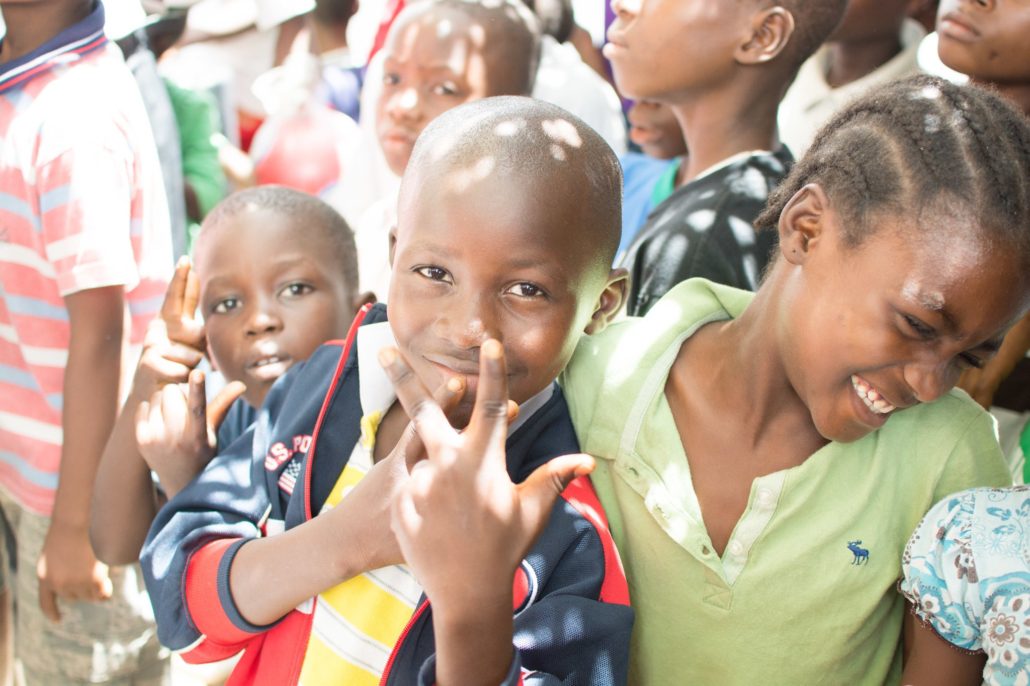
As COVID-19 spreads across the world, it is still not the leading cause of death from a single infectious agent. According to the CDC, that title belongs to tuberculosis, a respiratory illness that the bacteria species Mycobacterium tuberculosis causes. It usually targets the lungs but can attack any part of the body. Tuberculosis in Liberia, among other impoverished countries, remains a predominant issue that the country needs to address.
While tuberculosis is largely curable, it can be lethal if left untreated. The disease still affects populations of developing nations due to their lower capacity health care systems. According to the CDC, tuberculosis is the eighth leading cause of death in Liberia. The disease infects over 300 people per 100,000 Liberians.
Poverty in Liberia
An article in the Lancet explains that tuberculosis is the “archetypal disease of poverty,” remaining prevalent largely in developing nations such as Liberia. Over 90% of the Liberian population lives under the international poverty line of $5.50 per day. Poverty not only makes treatment costs excessively burdensome for many people, but it also contributes to risk factors that further the spread of the infection.
According to Dr. Saurabh Mehta, Associate Professor of Global Health, Epidemiology and Nutrition at Cornell University, conditions that weaken the immune system are risk factors for tuberculosis transmission. These conditions include HIV infection, diabetes and malnutrition, all of which correlate with a lower socioeconomic status.
Dr. Mehta explains that overcrowding is another risk factor that facilitates TB transmission. In a crowded setting, a person infected with tuberculosis has a higher potential to interact with susceptible people.
Both malnutrition and overcrowding could contribute to the impact of tuberculosis in Liberia. One in three Liberian children experience stunting due to malnutrition, and over half of Liberia’s urban population lives in slums. The World Food Program is working to alleviate hunger in Liberia by providing meals in schools, supporting refugees through direct food aid and creating food reserves in food-insecure communities. The World Food Program provided over 66,000 pounds of rice as an initial reserve, which community members can access at a low-interest rate.
Rebuilding Health Care System Capacity
In order to treat tuberculosis in Liberia, the Liberian government needs a robust health system. However, civil war and outbreaks of other illnesses, such as Ebola, have weakened Liberia’s health system leaving fewer than four physicians per 100,000 people.
From 1989 to 2003, a civil war wreaked havoc throughout the nation, killing more than 250,000 people. Because many either died or fled, the number of trained doctors in Liberia declined from 237 to less than 20 by the end of the war.
While training programs that the country established after the war helped increase the number of nurses, Liberia only had a few dozen of its own doctors at the outset of the 2013-2016 Ebola outbreak. Ebola killed 4,809 people and further damaged Liberia’s health systems, among other West African countries. In a few years, the disease killed at least 600 health care workers across Liberia, Sierra Leone and Guinea.
To expand and safeguard its health care system’s capacity, Liberia collaborated with the WHO and other organizations to invest in Ebola treatment units as well as training for over 21,000 health workers.
Multidrug-resistant Tuberculosis Treatment
Drug-resistant pathogens are a serious public health concern globally. As existing medications become less effective, previously treatable illnesses become more deadly.
Over 2.5% of people with tuberculosis in Liberia have a multidrug-resistant form of the illness, making their condition higher risk and their treatment more expensive. Additionally, according to Mehta, treatment for multidrug-resistant tuberculosis is less effective and takes two to four times as long to complete as the treatment for tuberculosis that is not drug-resistant.
Taking an incomplete course of tuberculosis treatment increases the risk that someone could develop multidrug-resistant tuberculosis. This risk would decrease, however, if patients had more affordable treatment options.
The Liberian National Leprosy and Tuberculosis Control Program has worked to expand access to the international standard of care for tuberculosis, DOTS (Directly Observed Treatment Short courses). Although the treatment success rate for those who received treatment was at 80%, less than half of people with tuberculosis obtain treatment.
Tuberculosis Comorbidity with HIV/AIDs
The World Health Organization reports that 53 out of every 100,000 people in Liberia have a particularly lethal combination of tuberculosis and HIV/AIDs. People who have both diseases face a higher risk of their tuberculosis becoming active rather than remaining latent/asymptomatic. This is because HIV/AIDS weakens the immune system. As a result, tuberculosis causes 40% of deaths in HIV/AIDS patients.
While treatment to prevent tuberculosis for HIV/AIDs patients exists, only 21% of HIV positive patients receive such treatment. Expanding access to preventative treatment has the potential to significantly reduce mortality for people with tuberculosis in Liberia who also have HIV/AIDs.
– Tamara Kamis
Photo: Flickr

Coffee Production in Vietnam
Historical Production of Coffee
Coffee culture is an established social tradition in nearly all countries. Coffee beans have been one of the most impactful and cultivated products dating back to the 15th century. Societies changed with the creation of coffee houses and advances in technology to keep up with demands. The spike in crop exportation shifted coffee from an early morning refreshment to a global trade phenomenon.
Coffee production in Vietnam stems from French colonization in the mid-1850s. The Robusta bean became widespread throughout the country. After WWII and the Vietnam War, private farming opened up for more business opportunities. Vietnam began to slowly regain economic security in the late 1980s. Since then, 3 million jobs have been generated from coffee-based agriculture.
Technology
Advances in machinery have cut costs for farmers and have kept coffee production in Vietnam consistent compared with other competitors. Reducing the labor-intensive strip-picking with automative and mechanical harvesters has become the norm. Even hand-made equipment serve farmers by reducing damage to trees. Investing in technology to improve sustainability practices contributes to the national output. Coffee production in Vietnam has also profited due to investments put into advanced coffee plantlets from companies such as Nestlé.
Irrigation has a significant impact on coffee plantations due to water stress. Monitoring groundwater changes with water pilots help farmers evaluate how to manage aquifer recharge. Less water and pesticide use means a higher yield for farmers without paying more to combat the effects of climate change.
Gender Equality
Integrating women into coffee production in Vietnam has provided them with increased job opportunities. In contrast with predominantly male-run businesses, the coffee sector provides better access to women who wish to pursue business ventures.
Eighty-five percent of both men and women participate in economic enterprises in Vietnam. The inclusivity of women is higher in Vietnam than in other developing countries, where women are performing unpaid work. Through the booming coffee industry, women have aided in economic development through coffee trading companies. Negotiation strategies implemented by women through buyers and farmers prove to be successful. Training for the coffee supply chain given to women empowers them to make their own household decisions as entrepreneurs, and even own larger plots of land. Gender equality in the workplace is paving ways for gender equality throughout the country.
Sustainability
Vietnam has been ahead of other competitors regarding sustainable coffee production. Cooperatives such as K’Ho Coffee have utilized sustainable strategies such as planting nitrogen-fixing crops alongside coffee plants. This enhances the fertility of the soil. In addition, farmers raised free-range livestock and planted their own produce on their property to provide for themselves. Some experts also suggest that intercropping is the best way to increase the yield.
Programs focused on sustainable coffee production in Vietnam also increase annual income for farmers. The Sustainable Coffee Program has run for four years to help farmers adapt to the changing market. The program’s focus involved various ways to increase production, from resiliency to climate change to developing financial awareness.
Combating the risk of groundwater depletion through soil testing and reducing energy outputs helps the country produce coffee at low costs. Being sustainably certified puts Vietnam at the top of the competition. Improved efficiency within smallholder farms means less waste as well.
With a forecasted output of 32.2 million bags for 2020 and the country exceeding exportation rates to the US and the UK, Vietnam plans to stay near the top of the coffee sector. Coffee production in Vietnam turned a once-war-torn country into an export powerhouse. Locals enjoy quality coffee in various ways while tourists seek to try Cà phê trúng, egg coffee, for the first time. The tiny green bean is more than just a sweet morning pick-me-up. It’s a growing culture that is ever-changing the success of the country.
– Sydney Stokes
Photo: Pixabay
Treating Tuberculosis in Liberia
As COVID-19 spreads across the world, it is still not the leading cause of death from a single infectious agent. According to the CDC, that title belongs to tuberculosis, a respiratory illness that the bacteria species Mycobacterium tuberculosis causes. It usually targets the lungs but can attack any part of the body. Tuberculosis in Liberia, among other impoverished countries, remains a predominant issue that the country needs to address.
While tuberculosis is largely curable, it can be lethal if left untreated. The disease still affects populations of developing nations due to their lower capacity health care systems. According to the CDC, tuberculosis is the eighth leading cause of death in Liberia. The disease infects over 300 people per 100,000 Liberians.
Poverty in Liberia
An article in the Lancet explains that tuberculosis is the “archetypal disease of poverty,” remaining prevalent largely in developing nations such as Liberia. Over 90% of the Liberian population lives under the international poverty line of $5.50 per day. Poverty not only makes treatment costs excessively burdensome for many people, but it also contributes to risk factors that further the spread of the infection.
According to Dr. Saurabh Mehta, Associate Professor of Global Health, Epidemiology and Nutrition at Cornell University, conditions that weaken the immune system are risk factors for tuberculosis transmission. These conditions include HIV infection, diabetes and malnutrition, all of which correlate with a lower socioeconomic status.
Dr. Mehta explains that overcrowding is another risk factor that facilitates TB transmission. In a crowded setting, a person infected with tuberculosis has a higher potential to interact with susceptible people.
Both malnutrition and overcrowding could contribute to the impact of tuberculosis in Liberia. One in three Liberian children experience stunting due to malnutrition, and over half of Liberia’s urban population lives in slums. The World Food Program is working to alleviate hunger in Liberia by providing meals in schools, supporting refugees through direct food aid and creating food reserves in food-insecure communities. The World Food Program provided over 66,000 pounds of rice as an initial reserve, which community members can access at a low-interest rate.
Rebuilding Health Care System Capacity
In order to treat tuberculosis in Liberia, the Liberian government needs a robust health system. However, civil war and outbreaks of other illnesses, such as Ebola, have weakened Liberia’s health system leaving fewer than four physicians per 100,000 people.
From 1989 to 2003, a civil war wreaked havoc throughout the nation, killing more than 250,000 people. Because many either died or fled, the number of trained doctors in Liberia declined from 237 to less than 20 by the end of the war.
While training programs that the country established after the war helped increase the number of nurses, Liberia only had a few dozen of its own doctors at the outset of the 2013-2016 Ebola outbreak. Ebola killed 4,809 people and further damaged Liberia’s health systems, among other West African countries. In a few years, the disease killed at least 600 health care workers across Liberia, Sierra Leone and Guinea.
To expand and safeguard its health care system’s capacity, Liberia collaborated with the WHO and other organizations to invest in Ebola treatment units as well as training for over 21,000 health workers.
Multidrug-resistant Tuberculosis Treatment
Drug-resistant pathogens are a serious public health concern globally. As existing medications become less effective, previously treatable illnesses become more deadly.
Over 2.5% of people with tuberculosis in Liberia have a multidrug-resistant form of the illness, making their condition higher risk and their treatment more expensive. Additionally, according to Mehta, treatment for multidrug-resistant tuberculosis is less effective and takes two to four times as long to complete as the treatment for tuberculosis that is not drug-resistant.
Taking an incomplete course of tuberculosis treatment increases the risk that someone could develop multidrug-resistant tuberculosis. This risk would decrease, however, if patients had more affordable treatment options.
The Liberian National Leprosy and Tuberculosis Control Program has worked to expand access to the international standard of care for tuberculosis, DOTS (Directly Observed Treatment Short courses). Although the treatment success rate for those who received treatment was at 80%, less than half of people with tuberculosis obtain treatment.
Tuberculosis Comorbidity with HIV/AIDs
The World Health Organization reports that 53 out of every 100,000 people in Liberia have a particularly lethal combination of tuberculosis and HIV/AIDs. People who have both diseases face a higher risk of their tuberculosis becoming active rather than remaining latent/asymptomatic. This is because HIV/AIDS weakens the immune system. As a result, tuberculosis causes 40% of deaths in HIV/AIDS patients.
While treatment to prevent tuberculosis for HIV/AIDs patients exists, only 21% of HIV positive patients receive such treatment. Expanding access to preventative treatment has the potential to significantly reduce mortality for people with tuberculosis in Liberia who also have HIV/AIDs.
– Tamara Kamis
Photo: Flickr
Creating Accessible Healthcare in Australia
Australia has a blend of public and private healthcare systems. While every citizen receives guaranteed public healthcare, the government encourages middle- and upper-class Australians to acquire private insurance if they make above around $62,000 per year. They pay a specific tax if they do not take out private coverage. Private healthcare facilities in Australia are generally “nicer” than public ones, with shorter waiting times and more attentive care — but they are also more expensive.
Younger Australians, generally healthier than the rest of the population, are growing frustrated with the private healthcare system’s rising out-of-pocket costs. As these young people lean away from private insurance and pay to stay on the public plan, premiums will rise for older and sicker Australians with private healthcare plans.
Care for Indigenous Populations
Indigenous Australians face greater barriers in the healthcare system than non-indigenous Australians. The United Nations has recognized human rights concerns in Australia when it comes to indigenous populations and their healthcare. There is a gap of around 17 years in the life expectancy of indigenous and non-indigenous Australians.
Wealth is a factor behind this inequality. Indigenous Australians earn only 62% of the weekly earnings of other Australians. Education barriers also make the healthcare system harder for indigenous Australians to navigate. The Australian government underfunds schools in majority-indigenous areas, and indigenous students are half as likely as non-indigenous students to continue onto year 12 of education. Higher levels of education usually lead to higher income, which makes the healthcare system more accessible. In addition, increased education can help people understand vital health information.
Reforms for Greater Accessibility
Wealth seems to be a common theme throughout the story of healthcare in Australia. While many are unsure of what to do, there is a consensus that things need to change. Some experts have suggested changing resource allocation and tracking patient care outcomes. With people waiting up to four months for healthcare treatments, some experts have argued that hospitals must become more efficient.
One notable organization working for change is Indigenous Allied Health Australia (IAHA), formed in 2008. This network connects indigenous members of the Australian healthcare industry — or those pursuing a healthcare career — to other indigenous people working toward health education, resources and research for their communities. It also provides cultural responsiveness training so that Australian healthcare workers can learn to better connect with indigenous patients. Overall, IAHA aims to increase indigenous participation in the healthcare industry and make healthcare more accessible to indigenous peoples.
Australia may seem like a progressive paradise to some Americans, but it has its flaws. Age, race and wealth all factor into how someone accesses healthcare in Australia. Groups like IAHA are working to make health coverage more equitable in a troubled system. They have made positive changes and provided the necessary training to marginalized communities that their government often neglects. The land down under still has a long way to go to create a fair healthcare system for all, but Australians may look toward a brighter future under improved policies and protections.
– Tara Suter
Photo: Flickr
Hunger in Ecuador during the COVID-19 Pandemic
Present-day Challenges
Since the enactment of a lockdown, hunger in Ecuador is increasing for many reasons. Namely, the price of domestic food products has increased due to the shortage of goods being grown and produced. Therefore, access to adequate food supply has decreased. As a result, many Ecuadorians lack food security and are struggling to adhere to healthy diets. People with disabilities face additional challenges. They can receive emergency food vouchers provided by the government, but the vouchers do not last more than a few days. The vouchers are also not being provided to over 20% of the population with disabilities. Many Ecuadorians with disabilities and Ecuadorians in general, continue working despite the risk of contracting COVID-19 because that is their only form of income. Those who are unable to work face starvation.
Additionally, a report by the Economic Commission for Latin America and the Caribbean (ECLAC) details concerns about hunger in Ecuador and other Latin American countries in relation to the pandemic. Major concerns for these countries include increased unemployment rates, which could negatively impact families that already struggle with food insecurity. Additionally, these unemployment rates are predicted to force 16 million of all Latin Americans into extreme poverty. Those who were able to afford nutritious meals before the pandemic will have to resort to less nutritious food: if they are able to find food at all. Alicia Bárcena, ECLAC’s executive secretary, worries that the pandemic will cause a food crisis if interventions aren’t implemented quickly and successfully.
The Good News
Despite COVID-19’s significant impact on hunger in Ecuador, there is some positive news regarding overall poverty in Ecuador. Although Ecuador is a hotspot for natural disasters, which can destroy crops, the World Food Programme (WFP) works with the Ecuadorian government to prepare citizens for natural disasters before they happen. Specifically, Ecuador’s Secretariat of Risk Management and National Decentralized Risk Management System work with the WFP to calculate how natural disasters have affected food supply so they can learn from past crises. Vulnerable Ecuadorians can attend workshops to learn about emergency preparedness and how to protect their crops. The workshops also provide training sessions about better eating habits on a low budget. With these calculations and workshops, Ecuador can be more prepared for the next crisis.
Another hunger-relief organization is Banco de Alimento Diakonía, a food bank that works solely to reduce hunger in Ecuador. Its slogan is “Barrigas contentas, corazones llenos,” which translates to “Happy bellies, full hearts.” The food bank’s threefold mission is to reduce hunger, improve nutrition and decrease food waste; the food bank accepts donations in the forms of money and non-perishable foods. Since 2015, Banco de Alimento Diakonía has been a certified member of the Global FoodBanking Network, and it has helped an estimated 16,200 people get access to nutritious food. Fortunately, the food bank is continuing to provide aid during the COVID-19 pandemic.
Looking Forward
The COVID-19 pandemic has changed economies and ways of life in every country around the globe. It will undoubtedly have long-lasting effects on poverty, such as the prevalence of hunger in Ecuador. However, citizens and governments can be more prepared for the next time a crisis comes along. With food banks, workshops and the right preparations, nations like Ecuador can recover from disasters and emerge with new tools to overcome the next challenge.
– Levi Reyes
Photo: Unsplash
Poverty in Guatemala
Guatemala is a Central American country that borders Mexico and Belize to the North, and Honduras and El Salvador to the Southeast. With a population of 16.3 million as of 2018, Guatemala is the most populous country in Central America. Of the country’s total population, estimates have determined that more than 40% are indigenous, and approximately 75% of them live in poverty. Although most demographics in the country face poverty, rural indigenous communities feel the effects most acutely.
Second-Highest Level of Poverty in the Americas
Poverty in Guatemala is disproportionately high for the country with the largest economy in Central America; while Guatemala had a Gross Domestic Product (GDP) of $75.62 billion in 2017, it also has the second-highest poverty rate in the Americas. Since 2006, poverty has grown. Approximately 2 million people slid below the poverty line (measured by an income of less than $5 USD per day) from 2006 to 2014. During the same window of time, around half a million slipped into extreme poverty ($1.90 USD or less per day). According to a national survey, the poverty rate among indigenous, predominantly rural communities is as high as 79%.
Poor Distribution of Resources
Extreme socioeconomic and geographic inequality largely characterizes the nature of poverty in Guatemala. As many as eight in 10 citizens living in rural municipalities live in poverty. One study found, from a sample of six other Latin American countries, that Guatemala had the poorest distribution of health and educational resources. Access to health resources and quality education is key in enhancing social mobility and bringing individuals out of poverty. Poor distribution of these resources in rural areas fortifies the regional cycle of poverty between contributing to lower life expectancy and limiting opportunities for education.
Additionally, chronic malnutrition debilitates poor Guatemalan communities; the level of malnutrition in Guatemalan children—47% as of 2019—is the highest of all the Latin American countries, and among the highest globally. This aggravates the cycle of poverty as well. Malnutrition burdens the already-limited health care system and stunts the local economic potential by reducing the physical and intellectual capability of youth. While many families traditionally subsist on agriculture to feed themselves, chronic drought has left many of these communities fully reliant on overseas remittances for survival.
Effects of the Coronavirus
As is the case in many countries, experts anticipate that poverty in Guatemala will increase as a result of COVID-19. In addition to the uneven allocation of health resources, the country’s poor have also suffered under strict lockdown rules, job loss and an enormous reduction in overseas remittances. The country reported a 17.2% loss in remittances corresponding with the rising unemployment rate in the U.S. These remittances not only make up approximately 12% of the country’s Gross Domestic Product but directly impact those families that rely on that form of income to feed themselves.
Additionally, stay-at-home orders have effectively collapsed the country’s informal economy, in which 70% of Guatemalans participate. Unregulated by the government, the informal economy comes with no formal protections or benefits in the event of labor loss. Similarly, official reports of unemployment in Guatemala are disproportionately skewed, as only 30% of Guatemalans work in the formal sector; this allows for employment statistics to disproportionately represent the number of individuals at risk of slipping into poverty.
NGOs Working to Help
Both domestic and international NGOs have turned their attention to meeting the challenges of poverty; these include issues both introduced and aggravated, respectively, by the COVID-19 pandemic. The humanitarian group Plan International presently tracks food prices via telephone surveys throughout Guatemala, identifying which regions are most food insecure.
The locally-based Konojel Community Centre is working to adapt its boots-on-the-ground services, suspending traditional programs aimed at reducing child malnutrition in order to distribute food packages to the community’s most vulnerable families. Simultaneously, Konojel Community Centre’s director is currently pushing the Guatemalan government to apply for loans from the World Bank and Inter-American Development Bank to lessen the blow of economic crisis in vulnerable areas.
This comes at a time that Konojel Community Centre, like many NGOs at present, is hard-pressed for funding with the sharp decline of the global economy. Despite the circumstances, these NGOs are working to prevent as much loss of progress on malnutrition and poverty in Guatemala as possible.
– Alexandra Black
Photo: Flickr
10 Facts About Poverty in Tajikistan
10 Facts About Poverty in Tajikistan
Looking Ahead
Tajikistan has been climbing its way out of poverty since it has gained its independence in 1991. However, the nation’s over-reliance on remittances has allowed for its own economy to stagnate. This has resulted in a hungry workforce and few jobs to supply them. Groups like Gurdofarid work to try and empower the Tajik workforce; they teach women vocational skills that are necessary for them to become employed in their own country.
– Catherine Lin
Photo: Flickr
5 Facts About Poverty in Sri Lanka
Sri Lanka is an island country that has 21.7 million inhabitants. However, that number sharply increases throughout the months of December to March as tourists flock to the island to visit its alluring beaches and mountainous terrain. The island nation resembles a tropical paradise, but poverty in Sri Lanka remains a critical concern as the country is still recovering from the tumultuous 30-year civil war which occurred from 1983 until 2009. Over the past decade, Sri Lanka has focused on reconstructing its economy and restructuring the distribution of wealth. The nation has made significant improvements but many serious issues remain in regard to poverty and the reconstruction process. Here are five facts about poverty in Sri Lanka.
5 Facts About Poverty in Sri Lanka
While these five facts about poverty in Sri Lanka show the country’s challenges, it has made significant strides to reduce its poverty rate. Through its continued work independently and with NGOs like the World Food Programme, the country should be able to continue alleviating its poverty rate.
– Ashley Bond
Photo: Wikimedia Commons
5 Facts about Hunger in Sudan
5 Facts About Hunger in Sudan
Fortunately, many organizations are stepping up to diminish hunger in Sudan. USAID’s Office of Food for Peace (FFP), in partnership with other organizations like the WFP and UNICEF, is conducting efforts to support food-insecure Sudanese families. As of 2020, FFP has donated $226.9 million to provide assistance and agricultural training. In addition, USAID’s Famine Early Warning Systems Network (FEWS NET) has also been a useful tool that monitors and evaluates the food security-related needs of Sudan. The network thus allows for earlier responses to potential crises.
Based on the above facts about hunger in Sudan, it is clear that the African nation continues to face crippling challenges ranging from a weak economic structure to poor child health. To satisfy the nutritional needs of its population, Sudan will continue to need the efforts and outreach of organizations such as the FFP and UNICEF.
– Oumaima Jaayfer
Photo: Flickr
10 Facts About Healthcare in Sweden
In 1995, Sweden joined the European Union and its population recently reached over 10 million people. Healthcare is financed through taxes and most health fees are very low. Sweden operates on the principle that those who need medical care most urgently are treated first. Higher education is also free, not only to Swedes, but also to those who reside in the rest of the European Union, the European Economic Area, and Switzerland. Like healthcare, it is largely financed by tax revenue. Here are 10 facts about healthcare in Sweden.
10 Facts About Healthcare in Sweden
Sweden has a decentralized universal healthcare system for everyone. The Ministry of Health and Social Affairs dictates health policy and budgets, but the 21 regional councils finance health expenditures through tax funding; an additional 290 municipalities take care of individuals who are disabled or elderly. To service 10.23 million people, Sweden has 70 regionally-owned public hospitals, seven university hospitals, and six private hospitals.
Most medical fees are capped and have a high-cost ceiling. According to the Swedish law, hospitalization fees are not allowed to surpass 100 kr (Swedish Krona), which is equivalent to $10.88, a day and, in most regions, the charge for ambulance or helicopter service is capped at 1,100 kr ($120). Prescription drugs have a fee cap and patients never pay more than 2,350 kr ($255) in a one-year period. In the course of one year, the maximum out-of-pocket cost is 1,150 kr ($125) for all medical consultations. If the person exceeds the cap, all other consultations will be free. Additionally, medical services are free for all people under the age of 18.
The cost for medical consultations not only has a price cap, but is generally low. The average cost of a primary care visit is 150 kr-300 kr ($16-$33) and the cost of a specialist consultation, including mental health services, ranges from 200 kr-400 kr ($22-$42). The cost of hospitalization, including pharmaceuticals, does not exceed 100 kr ($11) per day and people under the age of 20 are exempt from all co-payments. Healthcare services, such as immunizations, cancer screenings, and maternity care, are also free and have no co-payments.
All dental care for people under the age of 23 is free. When a person turns 23, they no longer qualify for free dental health care in Sweden and must pay out of pocket. However, the government pays them annual subsidies, or an allowance, of 600 kr ($65) to pay for dental expenses. In Sweden, the cost of a tooth extraction is 950 kr ($103) and the cleaning and root filling for a single root canal costs 3,150 kr ($342). If dental care costs total anywhere between 3,000 kr-15,000 kr ($326-$1,632), the patient is reimbursed 50% of the cost. If it exceeds 15,000 kr, 85% of the cost is reimbursed.
To battle its large medical waiting lists, Sweden has implemented a 0-30-90-90 rule. The wait-time guarantee, or the 0-30-90-90 rule, ensures that there will be zero delays, meaning patients will receive immediate access to health care advice and a seven-day waiting period to see a general practitioner. The rule also guarantees that a patient will not wait more than 90 days to see a specialist and will receive surgical treatment, like cataract removal or hip-replacement surgery, a maximum of 90 days after diagnosis. Sweden’s government also committed 500 kr million ($55 million) to significantly decrease wait time for all cancer treatments. In 2016, Sweden developed a plan to further improve its health services by 2025 through the adoption of e-health.
In 2010, Sweden made private healthcare insurance available. The use of private health insurance has been increasing due to the low number of hospitals, long waiting times to receive healthcare, and Sweden’s priority treatment of emergency cases first. In Sweden, one in 10 people do not rely on Sweden’s universal healthcare but instead purchase private health insurance. While the costs for private plans vary, one can expect to pay 4,000 kr ($435) annually for one person, on average.
Sweden’s life expectancy is 82.40 years old. This surpasses the life expectancies in Germany, the UK, and the United States. Maternal healthcare in Sweden is particularly strong because both parents are entitled to a 480-day leave at 80% salary and their job is guaranteed when they come back. Sweden also has one of the lowest maternal and child mortality rates in the world. Four in 100,000 women die during childbirth and there are 2.6 deaths per 1,000 live births. There are 5.4 physicians per 1,000 people, which is twice as great as in the U.S and the U.K, and 100% of births are assisted by medical personnel.
The leading causes of death are Ischemic heart disease, Alzheimer’s disease, stroke, lung cancer, chronic obstructive pulmonary disease and colorectal cancer. While the biggest risk factors that drive most deaths are tobacco, dietary risks, high blood pressure and high body-mass index, only 20.6% of the Swedish population is obese and 85% of Swedes do not smoke. The Healthcare Access and Quality Index (HAQ Index) also estimates that, in 2016, the rate of amenable mortality, or people with potentially preventable diseases, were saved at a rate of 95.5% in Sweden. The HAQ Index estimates how well healthcare in Sweden functions; the index shows that it is one of the best in the world.
Sweden’s health expenditure represents a little over 11% of its GDP, most of which is funded by municipal and regional taxes. Additionally, in Sweden, all higher education is free, including medical schools. There are no tuition fees and a physician can expect to have an average monthly salary of 77,900 kr ($8,500).
In Sweden, 1 in 5 people is 65 or older, but the birth rate and population size are still growing. Because Sweden has one of the best social welfare and healthcare systems in the world, people live longer and therefore 20% of the population does not generate income or pay taxes from their salary. This dynamic stagnates social welfare benefits and slows down the economy. Increasing immigration and a rise in births are the two solutions to ensure that the younger generations will receive the same benefits. Swedish-born women have an average of 1.7 children and foreign-born women have an average of 2.1 children. In 1990, Sweden broke the 2.1 children fertility rate but quickly dropped below 2.0 in 2010. Since 2010, Sweden has seen an increase of 100,000-150,000 immigrants and has seen 45,000 citizens emigrate.
In 2018, Sweden reached its record highest GDP (PPP) per capita of almost $50,000. Despite having the highest taxes in the world, the living conditions and healthcare in Sweden are some of the best. With time, its population will continue to grow and the healthcare system will continue to advance.
– Anna Sharudenko
Photo: Flickr
5 Influences on Poverty in the Dominican Republic
When one thinks about the Dominican Republic, one may typically picture the beaches of Punta Cana or other tropical vacation destinations. Although the Dominican Republic has a strong and fast economic growth rate within the Latin American and Caribbean regions, the largest income group is a vulnerable set of individuals who have a high probability of falling back into poverty. In 2008, the national poverty rate was roughly 34% in the Dominican Republic. The national poverty rate fell to 21% in 2019. However, much more progress must occur in order for the people of the Dominican Republic to escape poverty. Here are five main influences on poverty in the Dominican Republic.
5 Influences on Poverty in the Dominican Republic
Looking Ahead
The Dominican Republic is capable of reducing poverty in the next 10 years, but it must make major improvements. In order to end poverty in the Dominican Republic, representatives must improve the quality of education, health care services and employment through the implementation of policies that help the most vulnerable individuals. The country needs to make positive economic changes by increasing human capital and the business environment, improving the management of natural disasters and climate change and maintaining natural resources. These five influences on poverty in the Dominican Republic show that there needs to be policy changes in order to reshape the inequalities within the country.
– Ann Ciancia
Photo: Flickr