5 Facts about Hunger in Sudan
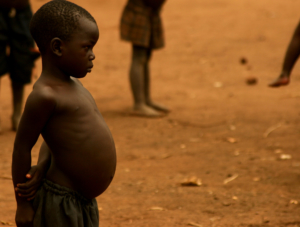 The Republic of Sudan is a country located in Northeast Africa with a population of more than 45 million. Its capital city, Khartoum, is home to nearly six million people. For much of its post-independence history, Sudan has struggled with significant political instability ranging from civil war to intertribal strife. Further unrest unfolded after South Sudan seceded from Sudan in 2011; this resulted in a full-fledged war between the countries by 2012. All of these factors have contributed to widespread food insecurity and malnutrition among Sudanese people. To learn more about this issue, here are five key facts about hunger in Sudan.
5 Facts About Hunger in Sudan
- Rising food prices and high inflation levels increase the risk of hunger. According to the World Food Program (WFP), 5.8 million people in Sudan suffer from food insecurity. Low purchasing power means that Sudanese often cannot buy enough food. For example, an average local food basket costs at least three-fourths of a Sudanese household income.
- Sudan’s volatile economy exacerbates the problem of food insecurity. The volatility comes from weak infrastructure and the loss of a large share of oil production revenues after South Sudan’s secession. Sudan has been struggling to recover from these losses ever since.
- Malnutrition and stunting levels among Sudanese children are very high. Malnutrition and stunting, or decreased growth, both come from hunger. More than half a million children in Sudan are severely and acutely malnourished. In addition, more than a third of children under five, or 2.3 million, suffer from stunting. Sudan is one of 14 countries that have four-fifths of the world’s stunted children.
- Sudan depends heavily on the vulnerable agricultural sector. This decreases food security and increases hunger in Sudan, especially given that it is where 80% of the country’s labor force is employed. Many factors make agriculture unreliable. Sudan is exposed to environmental disruptions such as desertification and periodic droughts and floods. It also suffers from a lack of sufficient water supplies and water pollution.
- Many displaced persons in Sudan are at a high risk of hunger. Ongoing domestic conflicts in Sudan have led to the internal displacement of nearly two million Sudanese. Additionally, there has been an influx of more than a million refugees, most of whom are from South Sudan. These internally displaced persons and refugees often rely on food assistance. In addition to providing food vouchers, which enable Sudanese families to buy food locally, USAID has reportedly contributed more than 600,000 metric tons in food aid between 2013 and 2017.
Fortunately, many organizations are stepping up to diminish hunger in Sudan. USAID’s Office of Food for Peace (FFP), in partnership with other organizations like the WFP and UNICEF, is conducting efforts to support food-insecure Sudanese families. As of 2020, FFP has donated $226.9 million to provide assistance and agricultural training. In addition, USAID’s Famine Early Warning Systems Network (FEWS NET) has also been a useful tool that monitors and evaluates the food security-related needs of Sudan. The network thus allows for earlier responses to potential crises.
Based on the above facts about hunger in Sudan, it is clear that the African nation continues to face crippling challenges ranging from a weak economic structure to poor child health. To satisfy the nutritional needs of its population, Sudan will continue to need the efforts and outreach of organizations such as the FFP and UNICEF.
– Oumaima Jaayfer
Photo: Flickr
