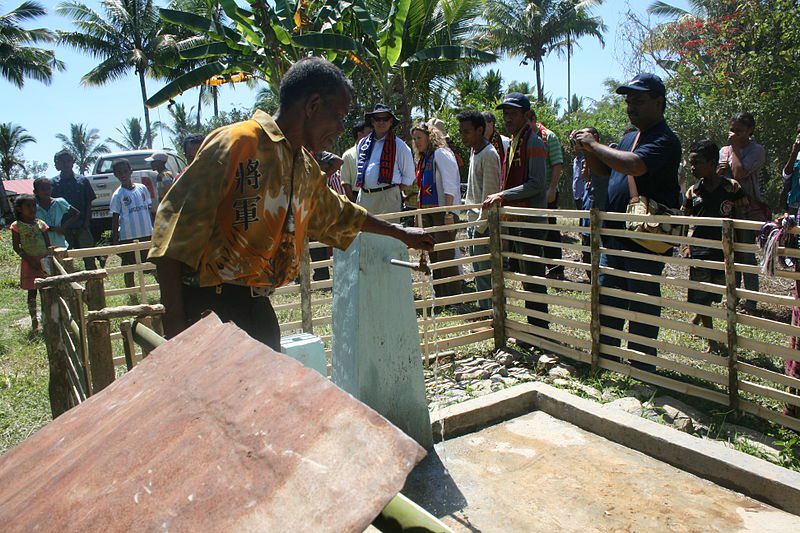
Timor-Leste, also known as East Timor, is an island country in Southeast Asia. Portugal colonized the territory in the 16th century under the name of Portuguese Timor, retaining control until the Revolutionary Front for an Independent East Timor declared independence on November 28, 1975. Nine days later, however, the Indonesian military invaded and occupied East Timor, leading to decades of devastating violent conflict between separatist groups and Indonesian officials.
After a referendum in which 78.5% of Timorese voted for independence, Indonesia renounced control of the region in 1999, and it obtained official sovereign state status on May 20, 2002, under the name of Timor-Leste. Yet years following independence, Timor-Leste remains one of the world’s poorest countries. Here is some information that illuminates some of the causes, realities and potential solutions to poverty in Timor-Leste.
Legacy of Violence
Timor-Leste’s history comprises poverty and inequality. Estimates determine that more than 100,000 Timorese perished during the Indonesian occupation due to starvation, disease and deadly conflict. This turmoil continued after Timor-Leste declared its independence; the Indonesian military responded violently, killing upwards of 2,000 pro-independence Timorese. As a result, many Timorese sought refuge in the mountains or in neighboring countries. The Indonesians’ brutality left the country traumatized and weak, with destroyed roads and ports, poor water and sanitation systems and little to no government facilities. Timor-Leste is still recovering from this devastation.
Poverty levels remain high. In 2014, an estimated 42% of Timorese lived in poverty — an overwhelmingly high proportion of the population. Though Timor-Leste only has a 4.6% unemployment rate, 21.8% of the population lives on less than $1.90 a day. As a result, 24.9% of Timorese are malnourished, 51.7% of children under 5-years-old have stunted growth and 46 out of every 1,000 children die before the age of 5. Almost 40% of the population is illiterate, and the average age is 17.5 years.
Despite these facts, the country is making progress. Though a 42% poverty rate is high, this is a marked improvement over Timor-Leste’s 50.4% rate in 2007. Data demonstrates that Timor-Leste improved in various key poverty indicators between 2007 and 2014, including a reduction in the population living without electricity (64% to 28%), with poor sanitation (58% to 40%) and without access to clean drinking water (40% to 25%).
Aid for Timor-Leste
The international community has helped Timor-Leste develop and stabilize since its independence. The U.S. assists Timor-Leste via the U.S. Agency for International Development (USAID) and a burgeoning Peace Corps program. Additionally, the U.S.’s Millennium Challenge Corporation selected Timor-Leste for a five-year grant program in December 2017 to address the main contributors to poverty and stimulate economic growth. The U.S. then furthered its aid in 2018 when the U.S. Department of Agriculture selected Timor-Leste as a recipient of its $26 million, five-year McGovern-Dole nutrition and education program. Though there is little direct trade between Timor-Leste and the United States, the U.S. helped establish the coffee industry in East Timor in the 1990s, and Starbucks Coffee Company remains a loyal purchaser of Timorese coffee.
Timor-Leste also receives assistance from developed nations such as Australia, which has claimed the title of Timor-Leste’s largest development partner since the country gained independence. Australia allocated an estimated $100.7 million to Timor-Leste aid between 2019 and 2020.
There are a number of international nongovernmental organizations working to improve conditions in Timor-Leste. For example, Care International Timor-Leste works to improve disadvantaged families’ quality of education, the safety of childbirth and resilience against natural disasters. Meanwhile, Water Aid aims to make clean water, reliable toilets and good hygiene universal, and Marie Stopes Timor-Leste offers Timorese family planning methods and sexual and reproductive health services.
COVID-19 is Hindering Progress
COVID-19 is a tragic setback to improvement. Due to early intervention and a mandatory quarantine, Timor-Leste has proved successful in preventing the spread of COVID-19. As of June 3, 2020, there were no active cases of COVID-19 in Timor-Leste since May 15, 2020, with an overall total of 24 cases and zero deaths. However, the strict lockdown has had wide-reaching political and social consequences for a country that was already in an economic recession prior to the pandemic. Many businesses either downsized or closed, resulting in a surge in unemployment rates. Though the government’s robust stimulus package has prevented catastrophe in the short term, its plans for long-term recovery remain uncertain.
Although the COVID-19 pandemic is a substantial setback to Timor-Leste’s development, the nation’s declining unemployment and poverty rates and improving living conditions are nonetheless promising. According to the World Bank, the next step in Timor-Leste’s fight against poverty is restructuring its spending. If Timor-Leste redirects investments into the development of sustainable agriculture and tourism, better transportation and improved preservation of its natural resources, it has the potential to avoid the devastating financial consequences of COVID-19 and eradicate extreme poverty.
– Abby Tarwater
Photo: Wikimedia Commons

Poverty in Papua New Guinea
The common notion is that Papua New Guinea includes mostly rural tribes and coconut trees but this is not true. In fact, the large island boasts an abundance of natural resources that include gold, copper, silver, gas and oil. Papua New Guinea’s resources have attracted many foreign companies to want to work in the region and exploit its resources, including the U.S. oil giant Exxon Mobile Corp. According to the World Bank, the country’s GDP has steadily increased from $3.5 billion in 2000 to $24.97 billion today. Yet, it seems that poverty in Papua New Guinea is still pervasive.
Lack of Basic Necessities
Education, health care and infrastructure influence poverty in Papua New Guinea. Around “80% of Papua New Guinea’s people live in rural areas.”According to the World Bank, less than 40% of those living in these areas have electricity in their households whether on or off the grid. Rural areas have limited access to clean water and sanitation. In fact, only 8% of rural areas have proper sanitation. This is causing major illnesses and an almost 40% infant mortality rate.
The inability to receive adequate healthcare is another factor that perpetuates poverty in Papua New Guinea. Medical facilities often lack basic resources such as equipment, vaccines and even workers. Papua New Guinea has a population of 8 million people but “only 500 doctors, less than 4,000 nurses, and 5,000 hospital beds.” After 20 years, it has recently been facing the return of polio and HIV because of shortages of vaccines and proper treatment. In addition, the majority of people living in rural areas do not have access to resources because of the lack of developed roads. Therefore, they have to walk long distances to reach these facilities.
Furthermore, not all students in rural areas have access to village schools. Some need to walk miles to reach their schools. Most of these schools lack resources and teachers who often do not have the appropriate training. In 2018, there was a shortage of 10,000 teachers in schools, most of which were in rural areas.
Education and Health Setbacks and Initiatives
The Tuition-Free Free education policy launched in 2012. This policy was an attempt in providing free education to the population. However, the government has failed to deliver the funds to the schools, causing many to close down. To make matters worse, Papua New Guinea suffered from a 7.5 magnitude earthquake in 2018. The quake and its subsequent aftershocks caused the death of around 31 people and the displacement of more than 30,000. This increased the overall poverty rate in Papua New Guinea.
Many health care facilities, schools and homes underwent destruction. Providing better access to quality infrastructure is one of the ways in which poverty in Papua New Guinea can improve. The creation of more roads will increase the accessibility of health care and education. Improving the overall education, health care and transport infrastructure is one of the goals of WHO, UNICEF and the Asian Development Bank (ADB). In 2017, ADB provided “$680 million for the Sustainable Highlands Highway Investment Program,” which will connect roads and services to around three million people. In addition, it also committed almost $3 million to the Health Services Sector Development Program and the Rural Primary Health Services Delivery Project. Both projects aim to strengthen the health services in Papua New Guinea.
The Good News
James Marape, the new Prime Minister, is making efforts to fight poverty. The education system is undergoing its fourth reform with a focus on reaching and providing better resources to the young population. On top of that, partnership projects are working to support the health system. For example, the World Bank’s Emergency Tuberculosis project is a $15 million project that has already been making an impact since 2017.
The response to poverty in Papua New Guinea will depend solely on improving the health system and education of its population. This is especially imperative now since now more than half of the population is composed of young people. If the country’s opportunities and health improve, the country can move into prosperity.
– Alannys Milano
Photo: Flickr
Fighting Homelessness in Bangladesh
Poverty and Homelessness
Poverty and homelessness have an intertwined relationship; circumstances of poverty — such as debt, lack of education, poor mental and physical health and disability — are underlying causes of homelessness.
The homeless population in Bangladesh, especially women abandoned by their spouses and too poor to provide for themselves, are exposed to many instances of violence, drug abuse and sexual assault. A study conducted in 2009 found that 83% of homeless female respondents were assaulted by their husbands, male police officers and other men in their vicinity. 69% of the male respondents used locally-available drugs, such as heroin, and two-thirds of injecting drug-users shared needles.
Progress
Despite these harsh realities, regional homelessness in Bangladesh has actually improved and poverty rates have dropped over the years. According to the Bangladesh Poverty Assessment conducted by the World Bank Group, the country halved poverty rates since 2000. More than 25 million people were lifted from these conditions.
Under the Bangladesh Awami League’s Ashrayan Project-2, a plan to help the homeless become economically independent, a total of 297,886 families have been rehabilitated. The first two phases of the scheme were successfully completed in 2010 and the final phase is expected to be completed by June 2022.
Rural regions in the country, namely Chittagong, Barisal and Sylhet, have seen most of this decline. They account for 90% of all poverty reduction that occurred from 2010 to 2016. Even despite the cyclones in Bangladesh that account for 70% of all storm surges in the world, World Bank Group President Jim Yong Kim says that “Bangladesh has adapted to climate threats, putting in place early warning systems, cyclone shelters, evacuation plans, coastal embankments and reforestation schemes.” The remoteness of these rural areas is the ideal grounds to invest in infrastructure and educate the populations there who live each day hand to mouth, wondering what may come tomorrow.
Homelessness Relief: Habitat for Humanity
When it comes to the fight against homelessness, non-governmental organizations such as Habitat for Humanity have provided Bangladeshi people with affordable housing, clean water and safe sanitation, training in construction technology and even disaster mitigation. In Dhaka, Habitat Bangladesh started its first urban project with the revamping of three slums. With help from Australia’s Department of Foreign Affairs and Trade, the organization helped 9,000 people through housing construction and renovations; this included the construction of water pumps, drainage systems and walkways, as well as bathhouses and community toilets.
Looking Toward the Future
As urbanization takes place, projections point towards more than half of Bangladesh’s poor households living in urban areas by 2030. But this requires adequate housing and transforming more slums into decently habitable homes and communities. The Bangladesh government’s draft of a National Urban Policy aims for sustainable urbanization. The policy visualizes a decentralized urban development; a place where the central and local governments, private sector, civil society and people all have important roles to play. The seventh Five Year Plan proposes allocating resources to address urbanization through the Annual Development Programme, though a feasible urbanization policy is still in the works.
Even further, educating and empowering the populations migrating to and residing in the cities, expanding the female labor workforce, fighting poverty and consistently innovating will help this nation achieve its goal of becoming an upper-middle-income nation by 2021. It is important to continue investing in projects and policies that are helping fight homelessness in Bangladesh; much progress has been made and much is yet to be done.
– Sarah Uddin
Photo: Pixabay
Healthcare in the Netherlands
Having healthcare is a requirement for working adults in the Netherlands, but despite having virtually no barriers to accessing healthcare, costs remain high. Many low-income residents struggle to pay for monthly health insurance bills despite various exemptions. Structural reforms within the healthcare system in the Netherlands account for the 8% poverty rate, but that number has not changed despite economic growth within the country.
Public vs. Private Healthcare
The Dutch healthcare system implements elements of public and private insurance to ensure that each healthcare plan is customizable for individuals. The funding for this insurance comes primarily from the government, with basic medical needs covered, although people can purchase add-ons if desired. There exist several notable differences between private and public healthcare. The public system separates care into two sections: one covers emergency visits and general doctor visits, while the other one covers long term treatments and nursing. The private healthcare system goes more in-depth, with a wide range of options for patients that include different medical expertise such as physical therapy and specialized dental care.
Insurance companies are required to accept every applicant, and those who choose the standard healthcare plan can switch companies at any time. Each individual has separate insurance, so no family plans are available. Children under 18 are automatically covered. Healthcare-related expenses account for 10.5% of the Netherlands’ overall GDP. Furthermore, the Ministry of Healthcare separates the healthcare system into municipalities that manage specific sections. This ensures that government intervention remains as minimal as possible. The number of uninsured residents dropped to 23,000 in 2016 as a result of strict healthcare mandates by the government.
Changes to the Healthcare System
The universal system of healthcare in the Netherlands has been widely regarded as one of the best in the world due to its accessibility and high quality of care. The government first introduced a national healthcare plan in 1941, but only the wealthy population could reap the benefits of private care. The 2006 Healthcare Act reformed this system by combining the two separate programs into one umbrella social welfare plan that integrated the accessibility of public healthcare with the resources of private healthcare.
Wealth Inequality Within Healthcare
Healthcare in the Netherlands comes with its own set of problems. Many residents struggle to keep up with the payments, as most of the funding for the healthcare system comes from taxpayers. Additionally, the standard healthcare package does not cover certain treatments and medication, which means that residents have to pay out of pocket for those expenses. Furthermore, many citizens are not educated about the healthcare system and the options they have, making low-income citizens especially vulnerable given that they also have little choice between healthcare providers. For improvements to be made, healthcare in the Netherlands needs to give power back to doctors and hospitals rather than leaving it in the hands of the insurance companies.
– Xenia Gonikberg
Photo: Pixabay
£3 Billion Allocated to UK’s Energy Efficiency Plan
British politician Rishi Sunak recently announced the U.K.’s official energy efficiency plan. The £3 billion plan includes a £2 billion Green Homes Grant and £1 billion of funding to make public buildings more energy-efficient, among other initiatives. Each of these projects presents an important step toward sustainability, particularly the Green Homes Grant, and could even contribute to the reduction of poverty within the United Kingdom.
Green Homes Grant
The U.K. government hopes that the £2 billion Green Homes Grant will encourage homeowners and landlords to apply for vouchers, starting in September 2020, to improve the energy efficiency of their homes. The vouchers will cover at least two-thirds of the total cost, which is up to £5,000 for most households. For low-income households, the vouchers will cover the full cost of improvements, up to £10,000.
Effects of the Energy Efficiency Plan
The U.K.’s energy efficiency plan will create approximately 140,000 green jobs, improve the energy efficiency of over 650,000 homes, reduce carbon by more than half a megatonne a year and potentially shave £300 a year off of homeowner’s bills. These changes also have the potential to drastically alter the nation’s interaction with the environment for the better.
How will the UK’s Energy Efficiency Plan Help People in Poverty?
Low-income households typically spend more on energy expenses. A 2010 study found that “low-income householders spend 10 percent or more of their income on energy expenses”, pointing out that as income goes up, expenses go down, since middle- and upper-income households tend to only spend 5% or less of their income on energy expenses. Therefore, the U.K.’s efforts to help low-income households become energy-efficient will allow them to have more disposable income.
Low-income households have a more difficult time adapting to large fluctuations in natural gas prices, as they have less disposable income compared to middle and upper-income households. Due to market supply and demand, natural gas prices can experience fluctuations as large as 140%, as was seen in 2016. In March 2016 natural gas was $1.639/MMBtu, and by December of the same year, prices had risen to $3.93/MMBtu. The U.K.’s energy efficiency plan can help to alleviate low-income households’ concerns over the uncertainty of natural gas prices by making their homes less dependent on them.
Low-income households are at greater risk of developing health problems. Many low-income households do not have enough income for necessary home improvements, meaning that these homes can often suffer from structural problems such as leaks, which can lead to the development of mold and infestations. Exposure to these issues can increase the chances of arthritis, respiratory disease, mental illness and heart disease. When homeowners make improvements to their homes to make them more energy-efficient under the Green Homes Grant, they will also lower their risk of experiencing these health issues.
The U.K.’s energy efficiency plan is taking the initiative that all developed countries should be to alleviate poverty in their country and increase the use of sustainable energy. By providing grants to homeowners and updating technology in public buildings, the U.K. is making great strides toward environmental stability.
– Araceli Mercer
Photo: Flickr
Innovations in India Help Fight COVID-19
Improving Health
Indian companies have created products that will be advantageous in the midst of the changing world, focusing on both assisting those who are sick and on preventing more cases. A company called Asimov Robotics has created a human-like robot that fights COVID-19 in these various ways. To assist the overworked healthcare employees, the Asimov robot has been placed in various hospitals that house COVID-19 patients, where it wheels around and delivers food and medicine. The robots also help with defensive medicine and are placed in the entrances of highly populated areas where they can dispense COVID-19 health materials, from hand sanitizer to face masks.
Connecting Business
Collaboration is key to fighting any widespread problem. A governmental agency called Kerala Startup Mission based in Kerala, a southern state in India is fighting COVID-19 by connecting and supporting entrepreneurs. During the COVID-19 pandemic, the agency has supported innovations and creative thinkers and has made plans for building old businesses back up and starting new ones.
New businesses, even, have been started in the midst of an economic crisis. GoK Direct app was created by Kerala Startup Mission and another platform called Okopy, which helps “curb the spread of fake news.” The mission has also helped incubate other ideas for telemedicine, software for keeping track of governmental staff, and other innovations in India that improve the vital communication during this time.
The connection between Indian businesses and international business has been especially prevalent as the global population fights COVID-19. Indian businesses and Noora Health, a global health initiative, have created places where citizens of India can reach information and relieve WHO-verified accurate information about COVID-19. There has been an acceleration of projects such as Namaste Nurses and tele-training, which work to revamp and restore the healthcare workforce. With a stronger connection between businesses, communication in the general public can increase and adapt to the unique circumstances of living in a socially-distanced world.
Repurposing for New Problems
The repurposing of innovations in India is an innovation within itself as it has proved to be a rapid way of creating successful products to fight COVID-19. Repurposing of technology simply means shifting it from a pre-COVID-19 society to one that is submerged in the evolving crisis. For example, Qure.ai is a company based in Mumbai which helped with imaging scans for tuberculosis patients but is now working on improving COVID-19 diagnosis.
The innovations in India are key to developing a world that functions around norms designed for the prevention of a communicable virus. The improvement of health, the connection between business, and the repurposed technology using the creative minds and the supportive institutions of India’s government has made the country successful at progressing towards a safer and more effective society. With the dynamic timeline of the COVID-19 battle, it is innovations like these that give hope for a life that can be lived in a normal but safe manner.
– Jennifer Long
Photo: Unsplash
Key Takeaways About Poverty in Timor-Leste
Timor-Leste, also known as East Timor, is an island country in Southeast Asia. Portugal colonized the territory in the 16th century under the name of Portuguese Timor, retaining control until the Revolutionary Front for an Independent East Timor declared independence on November 28, 1975. Nine days later, however, the Indonesian military invaded and occupied East Timor, leading to decades of devastating violent conflict between separatist groups and Indonesian officials.
After a referendum in which 78.5% of Timorese voted for independence, Indonesia renounced control of the region in 1999, and it obtained official sovereign state status on May 20, 2002, under the name of Timor-Leste. Yet years following independence, Timor-Leste remains one of the world’s poorest countries. Here is some information that illuminates some of the causes, realities and potential solutions to poverty in Timor-Leste.
Legacy of Violence
Timor-Leste’s history comprises poverty and inequality. Estimates determine that more than 100,000 Timorese perished during the Indonesian occupation due to starvation, disease and deadly conflict. This turmoil continued after Timor-Leste declared its independence; the Indonesian military responded violently, killing upwards of 2,000 pro-independence Timorese. As a result, many Timorese sought refuge in the mountains or in neighboring countries. The Indonesians’ brutality left the country traumatized and weak, with destroyed roads and ports, poor water and sanitation systems and little to no government facilities. Timor-Leste is still recovering from this devastation.
Poverty levels remain high. In 2014, an estimated 42% of Timorese lived in poverty — an overwhelmingly high proportion of the population. Though Timor-Leste only has a 4.6% unemployment rate, 21.8% of the population lives on less than $1.90 a day. As a result, 24.9% of Timorese are malnourished, 51.7% of children under 5-years-old have stunted growth and 46 out of every 1,000 children die before the age of 5. Almost 40% of the population is illiterate, and the average age is 17.5 years.
Despite these facts, the country is making progress. Though a 42% poverty rate is high, this is a marked improvement over Timor-Leste’s 50.4% rate in 2007. Data demonstrates that Timor-Leste improved in various key poverty indicators between 2007 and 2014, including a reduction in the population living without electricity (64% to 28%), with poor sanitation (58% to 40%) and without access to clean drinking water (40% to 25%).
Aid for Timor-Leste
The international community has helped Timor-Leste develop and stabilize since its independence. The U.S. assists Timor-Leste via the U.S. Agency for International Development (USAID) and a burgeoning Peace Corps program. Additionally, the U.S.’s Millennium Challenge Corporation selected Timor-Leste for a five-year grant program in December 2017 to address the main contributors to poverty and stimulate economic growth. The U.S. then furthered its aid in 2018 when the U.S. Department of Agriculture selected Timor-Leste as a recipient of its $26 million, five-year McGovern-Dole nutrition and education program. Though there is little direct trade between Timor-Leste and the United States, the U.S. helped establish the coffee industry in East Timor in the 1990s, and Starbucks Coffee Company remains a loyal purchaser of Timorese coffee.
Timor-Leste also receives assistance from developed nations such as Australia, which has claimed the title of Timor-Leste’s largest development partner since the country gained independence. Australia allocated an estimated $100.7 million to Timor-Leste aid between 2019 and 2020.
There are a number of international nongovernmental organizations working to improve conditions in Timor-Leste. For example, Care International Timor-Leste works to improve disadvantaged families’ quality of education, the safety of childbirth and resilience against natural disasters. Meanwhile, Water Aid aims to make clean water, reliable toilets and good hygiene universal, and Marie Stopes Timor-Leste offers Timorese family planning methods and sexual and reproductive health services.
COVID-19 is Hindering Progress
COVID-19 is a tragic setback to improvement. Due to early intervention and a mandatory quarantine, Timor-Leste has proved successful in preventing the spread of COVID-19. As of June 3, 2020, there were no active cases of COVID-19 in Timor-Leste since May 15, 2020, with an overall total of 24 cases and zero deaths. However, the strict lockdown has had wide-reaching political and social consequences for a country that was already in an economic recession prior to the pandemic. Many businesses either downsized or closed, resulting in a surge in unemployment rates. Though the government’s robust stimulus package has prevented catastrophe in the short term, its plans for long-term recovery remain uncertain.
Although the COVID-19 pandemic is a substantial setback to Timor-Leste’s development, the nation’s declining unemployment and poverty rates and improving living conditions are nonetheless promising. According to the World Bank, the next step in Timor-Leste’s fight against poverty is restructuring its spending. If Timor-Leste redirects investments into the development of sustainable agriculture and tourism, better transportation and improved preservation of its natural resources, it has the potential to avoid the devastating financial consequences of COVID-19 and eradicate extreme poverty.
– Abby Tarwater
Photo: Wikimedia Commons
The Vatican as a Home for Rome’s Homeless
Although homelessness is widespread in the streets of Rome, many charities and organizations seek to provide shelter and food to the city’s homeless. Among these organizations is a palazzo that others deem the “Palace for the Poor.” Pope Francis has blessed this luxurious building that seeks to shelter, supply hot meals and provide various services to Rome’s homeless population.
The Pope and the Poor
Pope Francis has always been a strong advocate for the poor. His hope for the church, when he became pope in 2013, was for it to be “a poor church for the poor.” After his election, Pope Francis has continuously advanced and supported initiatives to help the poor. He allowed for the burial of a homeless man alongside clerics, inside a cemetery within the Vatican. Pope Francis also initiated the installation of showers in public restrooms for the homeless.
The “Palace for the Poor”
Among Pope Francis’ many actions to aid the poor was the conversion of the Palazzo Migliori into a shelter for the homeless. Palazzo Migliori possesses the name of the noble family who donated the residency to the Vatican in 1930. It originally served as a home for single mothers, that nuns of the Calasanziane religious order ran.
After the nuns moved out of the Palazzo, there were plans to convert the vacant building into a luxury hotel. Given its prime location close to St. Peter’s Square, where the Pope delivers his sermons, it would have attracted many tourists and generated significant revenue for the church. However, Pope Francis personally requested the officer in charge of administering the poor, Almoner Cardinal Konrad Krajewski, to turn the Palazzo into a shelter for the homeless. He blessed the Palazzo on November 17, 2019, just one day before the World Day of the Poor.
How the Shelter Works
Volunteers who work at the homeless shelter are from the charity organization, The Community of St. Egidio. They facilitate two hot meals per day – breakfast from 7 to 8 a.m., and dinner from 7 to 9 p.m. There are about 16 rooms available for the homeless with two to three beds in each room and 13 bathrooms that include showers.
Housing about 50 men and women, the upper floors are for sleeping accommodations, while volunteers serve meals on the second floor of the palazzo. The kitchen is open to volunteers making meals that distribute to the rest of the city’s homeless.
The building’s lower floors provide various services for the homeless. These services include forms of social support such as “computing, reading, recreation, and psychological counseling” according to an article by ABC news.
The Shelter’s Purpose
The purpose of creating the “Palace for the Poor” intertwines with Pope Francis’s belief that “Beauty Heals.” He believes that the beautiful nature of the Palazzo Migliori will play an important role in helping the homeless recover.
One of the shelter’s volunteers, Sharon Christner, echoed Pope Francis’ message in an interview. She said that “what is special about this place is that it’s not about maximizing dollar signs but giving people a really beautiful place to be, with the idea that beauty heals.”
Under COVID-19
Although the COVID-19 pandemic has caused major disruptions to Rome’s homeless and poor, the Pope and the Vatican have continued to offer aid and services. Throughout the pandemic, many of the city’s homeless have moved closer to the Vatican to receive these resources.
According to the Vatican, many resources such as “shower facilities, sleeping quarters, and food assistance to the poor and homeless” are still in place. The Pope’s “Palace for the Poor” has remained open, offering warm meals and a place to sleep to those in need. The shelter’s kitchen is also still in use as volunteers continue to make and distribute meals to the city’s homeless.
The “Palace for the Poor” symbolizes the Pope’s empathy with the poor and homeless. It stands as a symbol in Rome for charity, humanity and beauty. Under decorated ceilings and amid noble furnishings, Rome’s homeless find shelter among beauty and relief from the warm meals and services the Palazzo Migliori provides.
– Silvia Huang
Photo: Flickr
Homelessness in Zambia: The Negative Side of Urbanization
Urbanization Spurs Zambia’s Housing Crisis
High-income jobs are typically found in urban areas, making the urbanization rate nearly double the population growth rate. Increased urbanization increases the demand for jobs, stagnates wage growth and raises the price of housing. According to a 2010 estimate, when you compare purchasing power, the cost of living in Lusaka is higher than in Washington, D.C. In 1996, Zambia’s National Housing Policy was put into place. This policy recommended that 15% of the country’s budget every year be designated for housing developments. This policy was awarded the 1996 “HABITAT Scroll of Honor” by the United Nations Centre for Human Settlements, commending the policy’s focus on involving community participation.
Zambia’s Homeless and Poor People’s Federation was founded to raise awareness and offer possible solutions to Zambia’s housing crisis. It opened a house model during Lusaka’s 83rd Agricultural and Commercial Show. The Federation aimed to demonstrate the power and intelligence that the homeless community can leverage in finding solutions to the problems they face. It wanted to raise awareness around the concept of building incrementally and using low-cost building materials.
Child Homelessness & Solutions
Roughly 1.5 million Zambian children live on the streets, either due to being orphaned or due to extreme poverty. There are roughly 1.4 million orphans under the age of 15 in Zambia, and roughly 750,000 of these children were orphaned due to HIV/AIDS. This has led to a crisis in Zambia, as many street children are being exploited for child prostitution.
What’s being done to address child homelessness? First, approximately 75% of all Zambian households care for at least one orphan. The Zambian Ministry of Sport, Youth, and Child Development partnered with the Ministry of Defense to create youth rehabilitation and reintegration programs. Since the start of these programs in 2006, roughly 1,200 children have completed the rehabilitation program, with mixed results.
Other organizations are working to protect the rights of vulnerable children in Zambia. SOS Children’s Villages, established in 1996, helps provide safe housing for disadvantaged youth in Zambia. It also provides accessible education and medical treatment. To date, over 4,700 Zambian children have received education from SOS Children’s Villages, and over 7,000 have been enrolled in the Family Strengthening Program. Additionally, over 688 Zambian children have been provided with alternative care. Meanwhile, UNICEF works with the Zambian government to improve policies surrounding social services and the protection of Zambia’s orphans.
Land Policies Aim to Address Homelessness in Zambia
Several groups are working to improve housing conditions for Zambia’s homeless population. Habitat for Humanity raises awareness around land rights and focuses on empowering Zambian community members to advocate for the issues important to them. In 2018, 1,965 people volunteered with Habitat to help improve the housing available for people living in Zambia. The Internally Displaced Peoples’ Voice (Zambia) likewise promotes housing rights for vulnerable populations.
The Zambia Land Alliance promotes pro-poor land policy, criticizing past Zambian land rights policies for being too narrow and allowing abuse by public officials. For example, the Zambian Land Acts of 1995 state that “conversion of rights from customary tenure to leasehold tenure shall have effect only after the approval of the chief and the local authorities,” which can become problematic when local officials are not acting in the best interest of the affected communities. The Minister of Lands and Natural Resources has revealed that some public officials have been selling land to foreign investors, specifically commercial farmers, who then push out small, local farmers. There are currently land policies being drafted that emphasize the importance of improving land delivery mechanisms in Zambia.
Conclusion
When thinking about Zambian homelessness, it is important to look at the nation’s history. Many members of the United Nations have emphasized the impact of colonialism in spurring global homelessness, calling for greater support from developed nations. Dennis Chiwele of Zambia suggested that homelessness is often incited by urbanization and a lack of governmental safety nets. Countries like the United States should help nations like Zambia cope with these more complex side effects of urbanization.
– Danielle Forrey
Photo: Flickr
7 Facts About Hunger in Côte d’Ivoire
Under President Alassane Ouattara, Côte d’Ivoire has focused on the economy and the middle class, launching its ambitious first National Development Plan (2016-2020) in December 2015 in order to transform the country into a middle-income economy by 2020. The 2021-2025 plan aims to achieve upper middle-income status, with attention to the U.N.’s Sustainable Development Goals, regional and international development priorities and the African Union’s 2063 vision. As with other countries, Russia’s invasion of Ukraine and COVID-19 slowed progress.
7 Facts About Hunger in Côte d’Ivoire
– Staff Reports
Photo: Flickr
Updated: September 23, 2024
Broadening the Scope: Healthcare for Indigenous Canadians
Policy Background
Canada has implemented some policies such as Aboriginal patient navigators in hospitals to help Indigenous Canadians get access to healthcare resources and make them feel more comfortable while in the hospital. However, some Indigenous patients are too nervous or were never informed of the navigators.
Bias in the system has contributed to issues such as a stroke experienced by an Indigenous patient being confused for alcohol intoxication, leading to his death. Furthermore, information on healthcare distributed by the government isn’t as accessible in Indigenous communities. One notable example of how racism affects health is in the high Indigenous infant mortality rate in Canada. The rate for Indigenous infants is around two to four times higher than those of non-Indigenous descent.
Kind Faces Sharing Places Initiative
A government program has emerged aimed at fighting this statistic called Kind Faces Sharing Places. It has researchers based in Toronto. The main possible solution the program has suggested for implementation is more access to basic needs that both parents and infants will need. Housing, adequate nutritious food and safety are all high on the list.
The reason why Indigenous parents and their children do not have access to these basic needs in the first place is the inequality that has persisted in Canada for centuries. In 2006, it was found that Indigenous Canadians earn about 30% less than the average Canadian. It was also estimated that it would take another 63 years for this gap to close.
More Inclusivity Needed
The World Health Organization (WHO) has declared wealth as the “single largest determinant of health.” With less wealth, Indigenous Canadians live in “poorer” areas; areas that generally have worse education and environmental problems. These considerations make it continually difficult to break the cycle of inequality.
Overall, while Canada has been heralded by many for its universal healthcare system that system seems to ostracize and ignore Indigenous and First Nations communities that need it the most. There have been efforts to try and increase access to these communities through Aboriginal patient navigators and Kind Faces Sharing Places, but as evidenced by the recent British Columbia scandal, Canada has a long way to go before it can say it provides adequate health care for all of its people.
– Tara Suter
Photo: Flickr