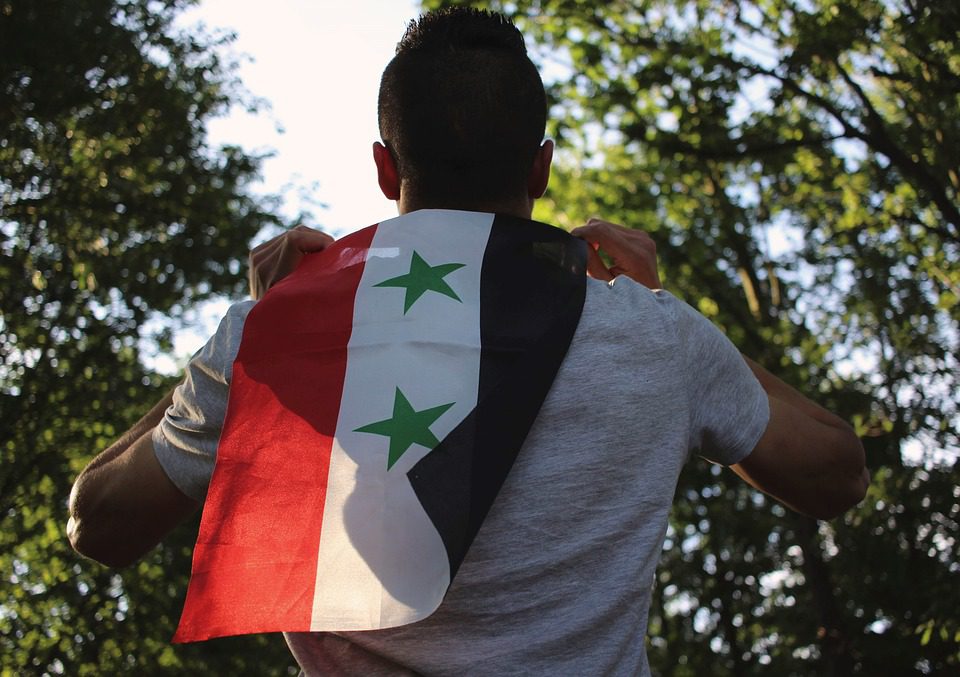
Syrians are facing striking consequences from the nearly 10-year civil war. With the destruction of the country also came the destruction of legal documents, including IDs, birth certificates and education degrees. This article will articulate the specific consequences of the documentation crisis in Syria, as well as organizations working to help.
Homelessness
For many Syrian refugees, finding housing is not a simple task. While some simply fled their homes in hopes of escaping the war, many had to leave due to the loss of their documentation. As The New Humanitarian stated, receiving proof of homeownership is extremely difficult in Syria as is. As the war progressed, more and more homeownership files experienced destruction or people lost them. Moreover, those living in stable homes had to leave.
Further Marginalization of Women
In Syria, significantly fewer women have proper documentation than men. The UN Refugee Agency (UNHCR) conducted a study in 2017 which showed that one in five Syrian men own passports, while only one in 50 women own passports. Not only are women at a great disadvantage due to Syria’s conservative values but as the war continued, Syrian women also lost their already little documentation. Gaining their passports back will be even more difficult than the process was before the war due to the documentation crisis.
Loss of Prior and Further Education
The war directly affected Syrian education as well. In fact, over 33% of Syria’s schools have experienced damage or destruction due to the decade-long war. Displaced people are primarily using the ones that remained intact. Syrian refugees who choose to come back to Syria may not have the ability to further their education without government documents; as of 2019, nearly half of school-aged children in Idleb, Syria is at risk of not having access to school. For some, a lack of documentation inhibits their ability to continue even elementary or secondary education. For others, the loss of their diplomas and other proof of graduation results in further difficulty in finding jobs. This, then, stunts any sort of academic mobilization for Syrians.
Further, secondary schools in Jordan, one of Syria’s bordering countries, “re-imposed documentation requirements it had previously waived, which risks undermining school access for vulnerable students,” according to Human Rights Watch. Moreover, some Syrian documents certify the most recent classes students have completed. Without these documents, the education ministry will place students based on their perceived age. If students lost their birth certificates along with class documentation, they might end up in a difficult learning environment, as they may be ahead or behind in their given class. Some students were drastically misplaced, as one student was meant to be in class two, but was placed in class five. This resulted in the student dropping out.
The Documentation Crisis and Poverty
With each mentioned issue comes the potential for poverty. Homelessness in Syria directly affects the family and the country itself. According to The Guardian, many families are only living on $200 a month, or $50 each week. This is a direct result of the decade-long war and the accompanying loss of homeownership documentation in the nation.
Moreover, as women in Syria already experienced great marginalization, leaving their homes caused serious effects on their health. According to the UN, nearly 7 million Syrians experience food insecurity. According to a 2017 study, food insecurity directly affects pregnant women, as they may suffer from anemia. The study also found that close to 8% of childbearing-aged women continued acutely malnourished. As the documentation crisis continues, so does the risk of poverty, which causes serious health risks for all people, but especially young women.
Lastly, education is pivotal in mobilizing any community. The UN confirmed 385 attacks on educational institutions since the year 2014. The Syrian war has obliterated all opportunities for young people to continue their education anytime soon. For example, 400,000 students were unable to take their final exams in the northwest region of Syria as of 2020. With education comes the ability to move up in the world both socioeconomically and personally. Now, with the documentation crisis paired with the destruction of schools in Syria, children are not able to participate in furthering their education. Some families (17%, according to the Norweigan Refugee Council, or the NRC) have resorted to obtaining false documentation in an attempt to restart their lives post-war.
Current Aid for Syrian Refugees
Organizations like UNICEF are providing various ways to help the documentation crisis in Syria. Whether it be psychological help or advocating for policy reform, there have been significant efforts to aid Syrian refugees. For example, UNICEF has involved 200,000 young people, youth and adolescents in civic engagement activities. The organization has also given 1 million children in both Syria and nearby countries the psychological help they may need. Additionally, UNICEF (along with partnering organizations) has given children access to informal and formal education.
The Borgen Project also allows individuals to make a difference with a simple email. Using The Borgen Project’s Action Center, one can send an email to their local representative to protect the International Affairs Budget. Further funding towards the budget allows for the U.S. to provide foreign aid and give Syrian children the education they deserve.
– Anna Hoban
Photo: Flickr

Healthcare in Panama
Healthcare in Panama currently exists as a two-branch system in order to both minimize cost and wait times. Private healthcare exists for those who can afford it, but Panama also provides a universal public option to keep healthcare affordable and attainable. Such a system also accommodates citizens of varying financial standings.
Panama’s social security administration, Caja de Seguro Social (CSS), and the Ministerio de Salud (MINSA) cover the publicly administered arm of the healthcare and insurance systems. A private arm is also available for citizens who are not beneficiaries of social security or who would prefer to opt into a privately administered healthcare service.
CSS
CSS operates as both a healthcare provider and an insurance system, funded by taxes. Due to the low unemployment rate in Panama, CSS provides extensive coverage to all those who pay their taxes and acts as a universal healthcare system. It is the largest in the country and covered and estimated 3.4 million poeple in 2013. CSS operates 80 health systems.
MINSA
MINSA also operates 830 health facilities. While their services are not completely free, they are still the least expensive option for low-income Panamanians. MINSA is also the organization that oversees the national health systems and therefore is an important institution for policy formulation and administrative services.
Private Sector
Finally, there are four major health facilities operated privately in Panama, serving primarily highest-income Panamanians. Those with the ability to opt into private hospitals and services experience shorter wait times than those in the public facilities. Patients are reportedly able to schedule surgeries within 2 days, and American recipients of Panamanian healthcare have found that services cost roughly 10% of their American equivalent. The cost of healthcare remains affordable across the board with the cost of a doctor’s visit to Panama City being $50.
Public Sector Expansion
Starting in 2012, the CSS began the largest expansion of the public health system in Panama by breaking ground on a new medical city, dubbed Cuidad Hospitalaria in Panama City. This project will add 1700 beds, 40 surgery rooms, and 200 emergency room beds. Originally estimated to be completed in 2015, a series of delays have pushed back the completion of the project, with 65% completed as of 2020. Current estimations project completion and operation by 2022.
COVID-19
Like many countries around the world, Panama has been particularly hard-hit by COVID-19. The pandemic has put immense strain on Panama’s health systems, particularly the public hospitals. As of July 11, Panama has reported 42,000 cases with 839 deaths. This is the most reported of any country within the region.
Authorities report that roughly 20% of infected people need hospital treatment, meaning that hospitals admit about 200 people a day in Panama due to COVID-19.
This health crisis is putting unbearable stress on Panama’s public health system with hospitals experiencing PPE shortages, burnout among health professionals and the need to create temporary health treatment campuses to compensate for the overpopulation of beds in established hospitals.
This system provides affordable services to every Panamanian, regardless of income level, with the public arm undergoing a dramatic expansion to provide for the public health of the population even further.
– Ian Hawthorne
Photo: Flickr
3 Consequences of the Documentation Crisis in Syria
Syrians are facing striking consequences from the nearly 10-year civil war. With the destruction of the country also came the destruction of legal documents, including IDs, birth certificates and education degrees. This article will articulate the specific consequences of the documentation crisis in Syria, as well as organizations working to help.
Homelessness
For many Syrian refugees, finding housing is not a simple task. While some simply fled their homes in hopes of escaping the war, many had to leave due to the loss of their documentation. As The New Humanitarian stated, receiving proof of homeownership is extremely difficult in Syria as is. As the war progressed, more and more homeownership files experienced destruction or people lost them. Moreover, those living in stable homes had to leave.
Further Marginalization of Women
In Syria, significantly fewer women have proper documentation than men. The UN Refugee Agency (UNHCR) conducted a study in 2017 which showed that one in five Syrian men own passports, while only one in 50 women own passports. Not only are women at a great disadvantage due to Syria’s conservative values but as the war continued, Syrian women also lost their already little documentation. Gaining their passports back will be even more difficult than the process was before the war due to the documentation crisis.
Loss of Prior and Further Education
The war directly affected Syrian education as well. In fact, over 33% of Syria’s schools have experienced damage or destruction due to the decade-long war. Displaced people are primarily using the ones that remained intact. Syrian refugees who choose to come back to Syria may not have the ability to further their education without government documents; as of 2019, nearly half of school-aged children in Idleb, Syria is at risk of not having access to school. For some, a lack of documentation inhibits their ability to continue even elementary or secondary education. For others, the loss of their diplomas and other proof of graduation results in further difficulty in finding jobs. This, then, stunts any sort of academic mobilization for Syrians.
Further, secondary schools in Jordan, one of Syria’s bordering countries, “re-imposed documentation requirements it had previously waived, which risks undermining school access for vulnerable students,” according to Human Rights Watch. Moreover, some Syrian documents certify the most recent classes students have completed. Without these documents, the education ministry will place students based on their perceived age. If students lost their birth certificates along with class documentation, they might end up in a difficult learning environment, as they may be ahead or behind in their given class. Some students were drastically misplaced, as one student was meant to be in class two, but was placed in class five. This resulted in the student dropping out.
The Documentation Crisis and Poverty
With each mentioned issue comes the potential for poverty. Homelessness in Syria directly affects the family and the country itself. According to The Guardian, many families are only living on $200 a month, or $50 each week. This is a direct result of the decade-long war and the accompanying loss of homeownership documentation in the nation.
Moreover, as women in Syria already experienced great marginalization, leaving their homes caused serious effects on their health. According to the UN, nearly 7 million Syrians experience food insecurity. According to a 2017 study, food insecurity directly affects pregnant women, as they may suffer from anemia. The study also found that close to 8% of childbearing-aged women continued acutely malnourished. As the documentation crisis continues, so does the risk of poverty, which causes serious health risks for all people, but especially young women.
Lastly, education is pivotal in mobilizing any community. The UN confirmed 385 attacks on educational institutions since the year 2014. The Syrian war has obliterated all opportunities for young people to continue their education anytime soon. For example, 400,000 students were unable to take their final exams in the northwest region of Syria as of 2020. With education comes the ability to move up in the world both socioeconomically and personally. Now, with the documentation crisis paired with the destruction of schools in Syria, children are not able to participate in furthering their education. Some families (17%, according to the Norweigan Refugee Council, or the NRC) have resorted to obtaining false documentation in an attempt to restart their lives post-war.
Current Aid for Syrian Refugees
Organizations like UNICEF are providing various ways to help the documentation crisis in Syria. Whether it be psychological help or advocating for policy reform, there have been significant efforts to aid Syrian refugees. For example, UNICEF has involved 200,000 young people, youth and adolescents in civic engagement activities. The organization has also given 1 million children in both Syria and nearby countries the psychological help they may need. Additionally, UNICEF (along with partnering organizations) has given children access to informal and formal education.
The Borgen Project also allows individuals to make a difference with a simple email. Using The Borgen Project’s Action Center, one can send an email to their local representative to protect the International Affairs Budget. Further funding towards the budget allows for the U.S. to provide foreign aid and give Syrian children the education they deserve.
– Anna Hoban
Photo: Flickr
COVAX Initiative: The WHO Global Alliance to Create a People’s Vaccine
What is the COVAX Initiative?
According to the WHO, COVAX is a coalition designed to “…accelerate the development and manufacture of COVID-19 vaccines, and to guarantee fair and equitable access for every country in the world.” The goal of the COVAX Initiative is twofold: to facilitate the creation of a vaccine and to ensure any eventual vaccine is made available to as many people as possible, regardless of national identity or socioeconomic status.
While many wealthy countries may succeed in vaccinating their populations without assistance from COVAX, all nations would still benefit from the Initiative: recent events have proven that in order to guarantee true safety from COVID-19, the disease must be eradicated worldwide. Thus, it is in everyone’s interest to provide access to as many people as possible. COVAX is working to create a coalition of member nations, both wealthy and poor, to achieve this mission.
Current Member Countries
A total of 172 countries have joined the COVAX Initiative so far. 80 wealthy countries have made commitments to the Initiative, including the UK, Norway and Japan. Additionally, 92 lower-income countries including Afghanistan, the Philippines and Yemen have become involved. According to the Director-General of the WHO Dr. Tedros Adhanom Ghebreyesus, COVID presents a challenge that necessitates an unprecedented level of international cooperation.
Life-Saving Potential
COVAX aims to deliver two billion vaccine doses by the end of 2021. Currently, the COVAX Initiative has nine vaccines under development and is evaluating nine more. According to the WHO, these innovations imply that the Initiative has “…the largest and most diverse COVID-19 vaccine portfolio in the world.”
Healthcare workers will recieve the first round of vaccinations; higher-risk patients will receive the second round. Member nations will recieve doses in amounts proportional to their population. To ensure widespread delivery of the vaccine, the Initiative plans to help fund infrastructure development as necessary in poorer member countries.
The COVAX Initiative is built on the idea that, for anyone to be safe from COVID-19, everyone must be safe. The Initiative represents a positive step towards international cooperation, a crucial aspect of effectively eradicating this destructive and deadly pandemic. Once a functional vaccine is in circulation, the world’s poor will likely have the least access. This structural inequity means that projects like COVAX could save countless lives and prevent future resurgences of COVID.
– Dylan Weir
Photo: Wikimedia
5 Things Everyone Should Know about Healthcare in Eritrea
5 Things Everyone Should Know About Healthcare in Eritrea
An Outstanding Record
While Eritrea is a relatively young country, it is making great strides in its healthcare system. It has one of the most robust healthcare infrastructures in the region. Eritrea’s response to COVID-19 shows the country’s ability to mobilize its government and healthcare system, to protect its people. Because of this, Eritrea has the lowest rate of infection and fewest deaths within the Horn of Africa. Hopefully, healthcare in Eritrea will only continue to improve.
– Hannah Daniel
Photo: Pixnio
Updates on SDG Goal 3 in Vietnam: Good Health & Well-Being
Vietnam, a country located in Southeast Asia, has achieved several of the goals. For instance, Vietnam has achieved the goals for quality education (SDG 4), responsible consumption and production (SDG 12) and climate action (SDG 13). One of the goals, however, the “Good Health and Well-Being” (SDG 3) has been rated as the furthest from achievement with the “major challenges remain” status.
SDG 3: A Deep Dive
The description of SDG 3 is simple but will require a great effort to achieve; “Ensure healthy lives and promote well-being for all at all ages.” Some of the sub-scores — specific statistics that have led Vietnam to the depleted state of wellness and well-being goal include the high incidences of tuberculosis, traffic deaths and the percentage of surviving infants who received two Word Health Organization recommended vaccines.
Some of the greatest identified challenges include the control of communicable diseases, such as the aforementioned tuberculosis score, creating healthcare equality and accessibility. These issues share a strong connection because some new policies that have improved the control of communicable diseases in one sector are not established in others.
Improvements to SDG 3
Though the scores may be an indicator of a national problem in Vietnam, they have led to great improvements. In response to the inaccessibility score, the health service delivery has improved greatly. For example, there has been an increase in investment for healthcare facilities that are accessible to all Vietnamese. Also, the ability of Vietnamese to pay for healthcare is increasing as the coverage from insurance rises. In 2017, 86.4 % of Vietnamese had health insurance. Moreover, the National Tuberculosis Control Programme helps identify those who need treatment. This has continued to reduce the incidence over the years.
Traffic accidents are another low score for SDG goal 3 in Vietnam — something unique to the country. Accidents, injuries and deaths are all counted into the well-being score for SDG 3 in Vietnam. While the number of incidences has decreased, an estimated 14,000 people continue to lose their lives due to traffic accidents each year. The National Traffic Safety Committee and WHO have started a road safety project that works on reducing the number of deaths and accidents. The initiative holds a large focus on motorcycle safety and the prevention of drinking while driving.
What is Currently Being Done?
The inequality and inaccessibility for healthcare and sources of well-being, such as nutritious and reliable sources of food are especially culpable concerning child mortality statistics. The national statistics show a hopeful decreasing trend but have revealed stunning discrepancies between ethnic and regional groups. Highlighting this — child mortality in some mountainous regions in the Northwest and Central Highlands are four times as high as the national average. To create a way in which all children can be treated equitably, the Sustainable Health Development Center (VietHealth) has developed many programs to help mobilize primary care, screenings and disability care.
Vietnam is currently facing several different challenges in reaching the SDGs for 2030. However, with the help of (among others) the National Tuberculosis Control Programme, the road safety programs and VietHealth, much progress can be made in the next decade. Vietnam and the U.N.’s SDGs have proved to be a valuable resource for highlighting severe issues and motivating organizations and governments to improve conditions for citizens around the world.
– Jennifer Long
Photo: Flickr
Elderly Poverty in South Korea
While South Korea is home to great technological developments and world-famous rising trends, it also has one of the highest numbers of impoverished elderly in a single developed country. Around half of the senior citizens are living in poverty with little to no support from relatives or the government. The Organization for Economic Cooperation and Development, or OECD, consists of over 30 countries that work with one another to encourage economic development. Unfortunately, despite all the economic progress it has made, South Korea has the highest elderly poverty rate of all OECD countries.
How Elderly Poverty in South Korea Came to Be
In the 1970s, a financial crisis hit South Korea that caused around 2 million people to be unemployed, many of these workers being senior citizens today. When the country began building its economy back up, many companies decided to replace the older generation of workers with younger ones. While the younger workers did not cost as much, the newly jobless population was left with no other choice but to retire earlier than expected.
In the present day, the now elderly population who was affected by the financial crisis have to support themselves by working non-conventional jobs. These jobs include picking trash off the street, cleaning or in the most extreme cases, elderly prostitution. Since this way of living is detrimental to the mental wellbeing of the older population, senior suicide rates have risen over time. Just three years ago, for senior citizens around 70 years old, nearly 50 people out of 100,000 committed suicide. For senior citizens around 80 years old, that number went up to 70 people per 100,000.
South Korea’s Welfare Programs
Creating Jobs for Seniors
In late 2019, South Korea’s employment rate continued to grow over 300,000 new jobs every month. Employment in late 2019 was around 27.5 million jobs, which is over 330,000 more jobs from the previous year. This hiring growth was because of the Ministry of Health and Welfare’s plans to increase senior jobs using the over 1.5 trillion won (nearly $1.5 billion) from their budget. Those who were out of a job previously were able to get a chance at improving their lives and livelihoods through becoming employed again.
– Karina Wong
Photo: Needpix
Research4Life Makes Scientific Literature Accessible
Research, development and innovation are key factors in addressing socio-economic challenges. Investing in scientific research and institutions promotes economic growth, product development and global market integration. In fact, there is a strong positive relationship between scientific research and the standard of living. While high-income, developed countries continue to advance in this sector, low-income, developing countries lack the resources to reach this potential. In 2019, nations collectively invested $1.7 trillion into research and development. However, this spending was mostly concentrated in 10 of the world’s wealthiest countries. In economies where citizens struggle to meet basic needs, the government is left with few resources to invest in academia. Research4Life, a program that provides access to academic and peer-reviewed content for developing countries, is helping to solve this problem.
What is Research4Life?
Since it was founded in 2002, Research4Life has been committed to reducing the scientific research gap between high-income and low-income countries by providing access to scholarly journals and books in a variety of fields including health, agriculture, environment and law. So far, Research4Life has helped over 10,000 universities, libraries, research institutes, government offices and hospitals across 120 countries.
The organization is a collective of five programs that specialize in providing scholarly resources across a variety of disciplines:
A country or territory is eligible to register with Research4Life for free or at a low-cost based on five factors: Total Gross National Income, Gross National Income per capita, its ranking on the Human Development Index, Healthy life Expectancy figures, and whether it is considered a Least Developed Countries by the United Nations.
Today’s knowledge market is incredibly competitive. Access to science-based research and collaboration is a critical component in the development of new products and services that can help to improve living standards in developing countries. Applied research can help create solutions for eradicating poverty in its many forms, decreasing the spread of disease, ending famine and promoting environmental sustainability. Closing the research gap and expanding the reach of science-based knowledge is an important step towards achieving sustained global development and ensuring the inclusivity of developing countries.
– Sylvie Antal
Photo: Flickr
Microcredit: One of The Best Ways of Empowering Women
Globally, 55% of women live in poverty and 42% do not have access to financial institutions. The majority are subject to subordination by patriarchal societies and reliant on their male counterparts because they do not have access to financial independence. This prevents women from better providing for themselves and their families. However, with the arrival of microcredit and microfinance institutions (MFI) in the last couple of decades, millions of women around the world are uplifting generations out of poverty.
What is Microcredit?
Microcredit is a path toward financial inclusion through the lending of small loans, without collateral, to the poor. Microcredit is part of the broader spectrum of microfinance institutions (MFI) that provide additional financial services like micro-insurance and financial literacy. These services help those impoverished to start small businesses, break cycles of poverty and boost the economy of local communities.
Microcredit is largely made possible through peer support systems applied in many MFIs. Because they mostly reach rural villages, many borrowers know each other and know that their failure to pay back loans will hurt their community.
Primary investors are interested in social returns to reduce poverty and boost the economy. They are not philanthropists but are committed to social businesses set with proper risk assessment, transparent monitoring and educational programs to protect investors and borrowers. Eleven MFIs are perceived as competitive for investors due to their growing success, including global income on investment to be high at 19%, only 6% at risk and strong 11.5% return on equity which all show great development in the industry.
Why Focus on Women?
Aside from the fact that women have been predominantly denied crucial financial services, of the 139 million MFI borrowers worldwide 80% are women. Before, many would assume women and those impoverished would be risky borrowers. Now, studies confirm that female borrowers of regulated MFIs have lower write-offs, portfolio risk and fewer provisions than men, making them ideal clients.
Additionally, women spend 90% of their income on family needs compared to only 35% of men. This also means educational attainment for their children increases, which can double or triple a young girl’s future income. Research also shows that when women control family money, their children are more likely to survive by 20%. Microcredit allows for the kinds of investments and benefits for gender equality to occur through avenues of financial independence. Such investment in long-term gender equality means 150 million more people have access to food worldwide and boost the economy by doubling global GDP to about $160 trillion.
A recent International Monetary Fund (IMF) study reported that gender equality consistently has proven to boost the economy. Countries with higher rates of gender equality, 70% or above, directly correlate with up to 13% growth in their GDP per capita compared to countries declining as much as 15% with lower rates.
These results come from smaller wage gaps which are derived from more equal access to opportunities.
Overall, women provide diversification and economic resilience to the global market and efforts to multiply gender equality, like microfinance services, will only further boost the economy.
Global Success of Microcredit
Today, there are some 916 MFIs serving about 140 million people globally. Of those, 65% live in rural areas where financial services are needed the most.
Many remain skeptical after corrupt and exploitative practices from lenders in the 2000s. Money was seen to be used for non-entrepreneurial endeavors like home loans and trying to make loans profitable. For-profit banks and techniques like lender intimidation and excessively high-interest rates had greatly diverged from the mission to help the world’s poor.
However, these three organizations are just examples of how beneficial and empowering the diverse practices of microfinance are at its core and after reform and innovation.
These three organizations collectively benefit 30.2 million people around the world. They only shed light on a fraction of the total positive impacts of microfinance which boosts the economy locally and globally. While microcredit for women and the poor is not a silver bullet for poverty alleviation, it is a vital avenue for financial inclusion and should only be further pursued.
– Mizla Shrestha
Photo: PX Here
Solar Powered Balloons Bring Internet to Kenya
The Importance of Internet Access
UNESCO estimates that 45% of households worldwide do not have internet access. In Africa, 72% of people are unable to use the internet because companies do not see the need to travel to remote locations with less robust populations. Loon is looking to change these statistics by focusing its services in remote areas so people can use apps to communicate with each other.
Internet services help empower people in poverty by offering opportunities for education. Many students in rural areas do not have schools near them, so students rely on quality education through the internet. The Kenya Education Network (KENET) works to bring internet and laptops to various schools in Kenya. KENET has already invested $2 million in supplying free high-speed internet. The internet has become an essential need for educational purposes; Loon’s work will elevate people’s access to these important services.
Are Balloons Reliable To Provide Internet Access?
Loon used its balloons in Puerto Rico after Hurricane Maria destroyed the cellular towers. The balloons were deployed to provide immediate internet access for people on the island. Before the official launch, Loon tested out 35 balloons, which led to 35 thousand people being able to access the internet in rural Kenya.
Now that Loon is working to send out more balloons, the company is hoping to cover 31 thousand miles. The balloons are effective for providing internet coverage because they work like normal cell towers. The signal is transmitted for 100 days by software controlled from the ground.
The Future of Reliable Internet In Kenya
Loon expects to deploy more balloons in the future through a partnership with Telkom Kenya. Kenya is one of the leading technological countries in Africa. From 2019 to 2020, an increase of 3.2 million people accessed the internet in Kenya.
One of the barriers for people in poverty in accessing the internet is high-cost data plans. Kenya has higher data prices than other surrounding countries. An unlimited data plan in Nigeria can cost around $26, but the same plan in Kenya allows for only 50GB of data. In Kenya, 36.1% of people live below the poverty line, so many Kenyans do not make more than $1 each day. Cellular data plans are still unobtainable for some of the population.
While the Kenyan government is looking to provide a better signal to rural areas, residents may not have the money to pay for cellular services. Access to more service areas through Loon and cheaper data prices through Telkom Kenya could help increase people’s connectivity.
– Sarah Litchney
Photo: Pixabay
New Zealand Government Provides Free Sanitary Products in Schools
The New Zealand government is combating period poverty by providing free sanitary products in schools, according to the Ministry of Education. This announcement comes after a 2.6 million dollar investment by the government. The plan will be introduced in select schools around the country but is expected to reach every school in New Zealand by 2021.
The government hopes that this new initiative will create fewer barriers for people seeking education and healthcare. There is resistance towards addressing these issues because menstruation is considered a “taboo” topic. By following in the footsteps of other countries, New Zealand is setting an example that combating period poverty addresses poverty as a whole.
What is Period Poverty?
Period poverty occurs when people who menstruate can’t afford products like tampons and pads, hindering their ability to continue living a normal life while on their period. Currently, there is a “pink tax” on sanitary products like pads and tampons. Some say this tax is gender-based discrimination because it prevents low-income menstruators from accessing sanitary products, inhibiting them from going to school or work. In New Zealand, 95,000 girls between the ages of 9 and 18 stay home from school, and 1 in 12 girls missed school because of a lack of access to period products.
New Zealand is following in the footsteps of Scotland and England, who have also made plans to tackle period poverty through government initiatives such as universal access to period products through new laws and legislation. Worldwide, 2.3 billion people don’t have adequate access to sanitary products. This isn’t just an issue in developing countries, as many wealthy nations like the United States, the UK, and Australia also have high numbers of period poverty rates.
The New Zealand government is using this initiative as a catalyst for ending child poverty in their country. Through the work of Dignity New Zealand, a non-profit that aims to help provide sanitary products, the conversation of period poverty reached the spotlight before the government’s intervention. Dignity New Zealand commented that while the government’s steps are important, it is only the beginning of the fight to end poverty on all levels.
Prime Minister Jacinda Ardern stated that the government is taking action because she wants to support kids in school. The ability of students to thrive in school is hindered if they have to miss several days out of each month because of their period. Ardern hopes that with this new ruling, period poverty will decrease and students will be more focused on their studies.
Education is necessary for ending the stigma surrounding menstruation. Lack of proper education about menstruation and hygiene can lead to various health problems and make women more vulnerable to violence and pregnancy complications as a result.
What Else is Necessary for Fighting Period Poverty?
Furthermore, alleviating period poverty goes beyond simply providing menstruation products. It also means providing adequate access to hygienic facilities, toilet paper, and proper education around proper health and hygiene practices.
New Zealand’s addressing period poverty as a means to alleviate poverty in their country highlights the ways in which global poverty can be addressed on a smaller scale. By providing free sanitary products in schools, New Zealand is setting an example for other countries to follow in order to destigmatize menstruation.
– Xenia Gonikberg
Photo: Flickr