• Link to X
  • Link to Facebook
  • Link to Instagram
  • Link to TikTok
  • Link to Youtube
  • About
    • About Us
      • President
      • Board of Directors
      • Board of Advisors
      • Financials
      • Our Methodology
      • Success Tracker
      • Contact
  • Act Now
    • 30 Ways to Help
      • Email Congress
      • Call Congress
      • Volunteer
      • Courses & Certificates
      • Be a Donor
    • Internships
      • In-Office Internships
      • Remote Internships
    • Legislation
      • Politics 101
  • The Blog
  • The Podcast
  • Magazine
  • Donate
  • Click to open the search input field Click to open the search input field Search
  • Menu Menu

Tag Archive for: The World Bank

Posts

Africa, Economy, Global Poverty

$20 Billion in Funding to Boost Ethiopia’s economic recovery

Ethiopia's economic recoveryEthiopia, Africa’s second most populous country, has faced significant economic challenges recently, including a total debt of $28 million, a foreign currency shortage and the default of its $33 million Eurobond in 2023. In response to these pressures, the National Bank of Ethiopia (NBE) made a decisive move on July 29, 2024, by floating its currency to secure much-needed funding. This shift allows for free trade in the foreign exchange market, which the NBE believes will increase the country’s integration with the global economy.

The International Monetary Fund (IMF) and the World Bank have pledged $20 billion in funding in the next four years to support Ethiopia’s economic recovery and growth. This financial assistance aims to boost the financial sector, enhance investment and trade opportunities and advance the overall economy. The plan also focuses on reforming critical areas such as education, renewable energy, urban development and job creation, laying the groundwork for a more sustainable and prosperous future.

Why Does Ethiopia Need Funding?

The effects of the pandemic were felt worldwide and Ethiopia’s agriculture industry, the most significant contributor to the country’s gross domestic product (GDP), was no exception. Accounting for approximately 75% of the workforce and 80% of exports, the sector faced immense pressure as COVID-19 restrictions disrupted the food supply chain, limiting business operations and employment. These disruptions led to decreased crop production, particularly in rural communities, resulting in reduced household incomes, higher food prices and increased financial instability.

Additionally, tensions between Ethiopian and Eritrean forces escalated into the Tigray War from 2020 to 2022. Although a cease-fire agreement was eventually reached, the aftermath of the conflict left widespread devastation across Ethiopia, displacing many people and damaging critical infrastructure. The situation became particularly dire in the Amhara region, with communities deprived of access to food, water and health care. As a result, the area was declared an emergency zone in August 2023.

Relentless natural disasters have also severely impacted Ethiopia in recent years. In November 2023, heavy rainfall caused floods in parts of the Somali region. This year, floods struck several areas, including Afar, Central Ethiopia and Oromia in May and much of the Horn of Africa in June, leading to widespread damage and further displacement. Last month, two catastrophic landslides buried villages in the Gofa zone, marking the deadliest such events in the country’s history. Recovery efforts are ongoing, with humanitarian aid programs working tirelessly to rebuild and restore these devastated areas.

Ethiopia’s Economic Recovery

Since the announcement of the floating currency, Ethiopia’s birr has faced a sharp decline in value, immediately triggering a rise in inflation and widespread concern. In response, the government lifted import bans on more than 30 products that had been restricted since 2022. While this move could enhance Ethiopia’s competitiveness in the global market, the long-term benefits are yet to be seen.

Prime Minister Abiy Ahmed emphasized the importance of this shift, stating that it is “critical to relieving foreign exchange shortages, removing constraints to private sector investment and growth and aligning the prices of imported and exported goods and services with market realities.” The restructuring is expected to keep Ethiopia on track to becoming a middle-income country within the next several years.

Final Note

The $20 billion funding from the IMF and World Bank will help stabilize Ethiopia’s economic recovery by restructuring debt, boosting key sectors and supporting recovery from natural disasters and conflict. This aid is crucial for enhancing global competitiveness and advancing the country toward middle-income status.

– Tanita Love

Tanita is based in Chicago, IL, USA and focuses on Business and New Markets for The Borgen Project.

Photo: Unsplash

August 23, 2024
https://borgenproject.org/wp-content/uploads/borgen-project-logo.svg 0 0 Lynsey 2 https://borgenproject.org/wp-content/uploads/borgen-project-logo.svg Lynsey 22024-08-23 07:30:432024-08-22 13:36:07$20 Billion in Funding to Boost Ethiopia’s economic recovery
Africa, Agriculture, Global Poverty

Cocoa Disease in Ghana Threatens Agriculture and Economy

Cocoa Disease in Ghana While known for its forestry and animal life, cocoa is a major part of Ghana’s economy. With a multidimensional poverty rate of 24.6%, around 850,000 farms in the region participate in harvesting and producing cocoa. The crop brings about $2 billion in foreign exchange and has become a staple in many items like chocolate. Unfortunately, cocoa disease in Ghana is infecting rural areas and is shifting inflation and production values. Inconsistent rates are affecting the primary source of income for farmers, raising concerns about a potential increase in rural poverty.

Cocoa Stats and Disease Updates

Cocoa Swollen Shoot Disease (CSSVD) was first detected in the east of Ghana in 1936 and has remained a problem while spreading to the west. The disease has affected the Ghanaian region for years and has circulated in countries like Togo and Nigeria. The disease is passed through insects, known as mealybugs, and harms the development of cocoa trees within two to three years of infection, indefinitely killing the development of healthy cocoa.

According to the African Development Bank (AfDB) 2018 annual report, the bank supported private sector projects like helping the Ghana Cocoa Board (COCOBOD). CSSVD has remained an issue in rural areas, where the cocoa industry employs around 800,000 families, as the board introduced loans and rehabilitation in 2018. Investing around $600 million in Ghana’s Cocoa Board intended to transform the value chain of cocoa.

In 2018/ 2019, the drop in production fell to 811,250 tonnes due to CSSVD. With the help of AfDB, COCOBOD launched Productivity Enhancement Programmes to help fight the disease outburst and control production. In 2023, COCOBOD announced that PEPs would continue to address production drop.

Despite ongoing efforts to defeat cocoa disease in Ghana, it remains a crucial problem for Ghanaian farmers. A 2024 report from the International Cocoa Organization (ICCO) revealed that around 81% of Ghana’s cocoa-producing area has become affected. The region covers about 410,229 hectares, with 330,456 hectares infected.

Economic Impact

Higher chocolate prices have caused inflation to rise, challenging Ghana’s economy. Not only is this spike harmful, but the rise of illegal mining and smuggling plays a crucial role in a lower economy.

Illegal mining, known as galamsey, has been an ongoing issue in Ghana and continues to affect the cocoa industry. According to COCOBOD, in April 2022, illegal mining had caused significant problems for cocoa farms, as Peter Mac Manu (chairman of COCOBOD) urged action to maintain the problem. COCOBOD and the Minerals Commission discussed the need to collaborate to find solutions. To address this, the Minerals Commission had started a Community Mining Scheme to control mining activities. As of 2023 and 2024, galamsey is still an ongoing issue. COCOBOD is working on new laws to protect rural farmers and their livelihoods.

Cocoa prices have fluctuated in Ghana as product production has caused prices to rise and fall. A 2024 ICCO report showed that the market had tight supplies and shifting prices due to the delay of delivery by Ghana and their poor crop production. Because of the shortage of cocoa, the price rose.

Disease Management

Though CSSVD is not curable, the Ghana government is working to advance agriculture and strengthen the economy. According to the World Bank, in 2023, the Ghanaian Government received $200 million from the World Bank’s International Development Association (IDA). The money has been allocated to support the Ghana Tree Crop Diversification Project. The goal is to modernize farming and increase the production of crops like cocoa. To ensure the project runs efficiently, the Ghana Cocoa Board and the Tree Crops Development Authority will oversee the work.

In COCOBOD’s recent press announcement from July 2024, the board announced it had secured $100 million from the World Bank to help control cocoa and rehabilitate older farms –using the “cutting-out approach” to remove infected dead trees. The cutting-out approach is a common disease management tactic used over the years to minimize disease spreading to newly planted trees.

Closing Remarks

Due to price fluctuations and ongoing tree death rates, cocoa disease in Ghana remains a constant problem, affecting income rates for farmers. There is, however, hope for better crop production thanks to rehabilitation and ongoing efforts advocating for better farming methods.

– Savannah Garza

Savannah is based in New York, NY, USA and focuses on Business and Technology for The Borgen Project.

Photo: Flickr

August 21, 2024
https://borgenproject.org/wp-content/uploads/borgen-project-logo.svg 0 0 Naida Jahic https://borgenproject.org/wp-content/uploads/borgen-project-logo.svg Naida Jahic2024-08-21 07:30:562024-08-21 05:10:35Cocoa Disease in Ghana Threatens Agriculture and Economy
Developing Countries, Electricity and Power, Global Poverty

How Renewable Energy Can Save Tunisia’s Economy

Tunisia's economyTunisia’s economy fell dramatically in 2023 due to several factors, including the aftermath of COVID-19, a severe drought and financial issues. These challenges have made Tunisia one of the slowest countries in the Middle East and North Africa to recover and stabilize its economy. The economic crisis, exacerbated by COVID-19, has led to a projected increase in multidimensional poverty, with the national poverty line expected to decline in 2024.

However, there is hope on the horizon. The World Bank has helped create a plan for recovery, showing significant improvement. The initiative, titled “The Renewed Energy to the Economy,” aims to boost the economy by 2.4% in 2024. One key strategy is to enhance Tunisia’s renewable energy resources, which is expected to contribute to economic growth.

The Impact of Expanding Renewable Energy in Tunisia

About 90% of Tunisia’s electricity is generated from natural gas, with more than half of it imported due to rising demand. By harnessing wind and solar resources, Tunisia could meet its electricity needs more sustainably. The country has the potential to generate up to 280 gigawatts (GW) of solar power, while its current peak electricity generation stands at only 5 GW. This significant capacity could greatly benefit the nation. This shift would also allow for the development of energy exports and decrease the amount of finances spent on importing fossil fuels, which can be directed elsewhere.

Presently, the cost of natural gas accounts for more than 70% of the cost of electricity produced. The plan sets a goal of generating 35% of Tunisia’s electricity from renewable sources, such as wind and solar, by 2030. This would mark a significant achievement, considering the country currently utilizes only 3% of its renewable resources. The total projected investment for this project is $4.5 billion. One of the key support systems for this initiative involves enhancing the electricity connection between Tunisia and Italy.

Alexandre Arrobbio, the World Bank’s Country Manager for Tunisia, says, “Despite ongoing challenges, there are significant opportunities for Tunisia to transform and strengthen its economy. With strategic investments, particularly in renewable energy, Tunisia could significantly enhance its economic resilience and sustainability.” The new transformative plan is ambitious and faces several environmental challenges, but it could be the economic solution Tunisia needs. Arrobbio suggests that transitioning to renewable resources and reducing dependence on international fossil fuels would not only improve the country’s financial position but also advance its move toward a sustainable lifestyle, adding a layer of security for Tunisia’s future.

Key to Sustainability

Tunisia needs to reduce the cost of electricity, especially given the rise in oil prices since 2022 and the reliance on natural gas for electricity production. The increasing cost of electricity from fossil fuels is becoming unsustainable. Renewable energy can significantly lower overall electricity costs, particularly amid volatile international energy prices. Revitalizing renewable energy has the potential to improve Tunisia’s economy, reduce poverty and move toward greater financial independence and sustainability.

– Charlotte Johnston

Charlotte is based in London, UK and focuses on Good News, Technology and Solutions for The Borgen Project.

Photo: Flickr

August 20, 2024
https://borgenproject.org/wp-content/uploads/borgen-project-logo.svg 0 0 Lynsey 2 https://borgenproject.org/wp-content/uploads/borgen-project-logo.svg Lynsey 22024-08-20 01:30:012024-08-20 07:45:05How Renewable Energy Can Save Tunisia’s Economy
Africa, Employment, Global Poverty

Inequality and Unemployment in South Africa

unemployment in South AfricaIn 2023, more than half of South Africa’s population lived in poverty. According to the World Bank’s upper middle-income poverty line of $6.85 per day, the rate was 61.6%. Over the last decade, South Africa has faced a period of slow economic growth. This has reduced the number of available jobs, preventing many people from securing a stable income and thus reinforcing the high poverty rate. Unemployment is a major problem in South Africa, but the factors that cause and contribute to it are multifaceted.

South Africa has a long history of structural inequality. In the early 20th century, Apartheid legally systematized racial inequality with laws that limited Black people’s productive ownership of land and specified which schools, houses and jobs were available to people based on their race. Though South Africa ended Apartheid in 1994 and eradicated most discriminatory policies of the era, those policies are still impacting society today. This article will focus on how structural inequality exacerbates poverty and unemployment in South Africa.

Unemployment in South Africa

South Africa has an unemployment rate of 32.9%. There could be two main reasons for this: a lack of jobs to accommodate the nation’s growing labor force and structural inequality of opportunity.

Economic growth and employment opportunities are closely related — typically, greater economic growth results in lower unemployment. South Africa’s slow economic growth is thus a major contributor to high levels of unemployment. As of 2023, its economy grew by only 0.6%, and despite the addition of 790,000 new jobs that same year, the rate of job creation was not sufficient to account for the growing labor force, causing the unemployment rate to rise.

Structural inequality of opportunity also reinforces unemployment — this is particularly noticeable when examining the racial demographics of South Africa’s unemployed. In the first quarter of 2024, people of color had noticeably higher rates of unemployment — for example, Black South Africans had an unemployment rate of 36.9%, compared with 9.2% for their white counterparts.

Racial Inequality and Unemployment

In 2022, the World Bank labeled South Africa one of the most unequal countries in the world, based on its levels of economic and educational inequality of opportunity, among other factors.

Economic inequality is a major problem in South Africa. The nation’s income distribution consists of a large number of low-income earners, a small middle class, and only a few high-income earners, according to the World Bank. Al Jazeera reports that the wealthiest 10% of South Africans accounted for 80% of all wealth in 2022.

The World Bank then cited race as a major driver of inequality in South Africa, given its influence on economic and educational opportunity. According to Amnesty International in 2020, Black households in South Africa earned roughly 20% less than white households, and nearly half of the Black population lived below the poverty line, compared with less than 1% of the white population.

Education

Inequality is also pervasive in schools. Students in the top 200 schools achieve more mathematics distinctions than children in the next 6,600 schools combined. The nation’s child literacy rate is equally worrying: more than three-quarters of children aged nine cannot read for meaning.

These numbers are closely tied to racial inequality. An article in Oxford Academic notes that, while South Africa legally abolished segregation in 1994, most schools are still segregated on racial and socioeconomic lines. According to Amnesty International, “schools serving white communities” tend to be more properly resourced than those designed for (and predominantly attended by) students of color.

De facto segregation in South African schools prevents many children of color from accessing quality education. This, in many cases, serves as an obstacle for their attending university and acquiring skills to help them secure jobs. It also exacerbates the unemployment rate. The majority of South Africa’s population are people of color, many of whom come from disadvantaged backgrounds due to Apartheid-era policies and, as a result, do not have access to key economic and educational opportunities. This makes the demand for certain jobs overwhelming.

Fighting Unemployment in South Africa

Several organizations are working to address South Africa’s high unemployment rate, focusing specifically on communities with disadvantaged socioeconomic backgrounds.

Ikamva Labantu is a nonprofit organization that supports community-led projects to harness the nation’s potential and improve the lives of its citizens. It works in townships across South Africa and holds the firm belief that communities can and should lead themselves — the organization only provides the support and resources they need to accomplish their goals. Ikamva Labantu consists of roughly 100 field workers who work at the individual level, focusing specifically on early child development and the well-being of the elderly. The organization partners with other NGOs, community-based organizations, government departments and donors to further their goals.

Siyabonga Africa also aims to reduce South Africa’s poverty rate, focusing specifically on employing disadvantaged people in need. It offers programs and courses to teach its clients the skills and knowledge they can use to become self-supported. Over the past year, Siyabonga Africa has provided 600 households with food vouchers, offered 700 training courses, established 100 home food-gardens and created 242 new jobs. It supports entrepreneurship at the grassroots level to alleviate poverty and unemployment rates in South Africa, creating more jobs for people in need.

Looking Ahead

Inequality and unemployment in South Africa are multifaceted problems rooted in a complex history. But with organizations like Ikamva Labantu and Siyabonga Africa working at the grassroots level to help disadvantaged South Africans become self-supported, the nation can reduce its high unemployment rate and close its gap of income inequality.

– Lana Swindle

Lana is based in Princeton, NJ, USA and focuses on Global Health and Politics for The Borgen Project.

Photo: Unsplash

August 16, 2024
https://borgenproject.org/wp-content/uploads/borgen-project-logo.svg 0 0 Naida Jahic https://borgenproject.org/wp-content/uploads/borgen-project-logo.svg Naida Jahic2024-08-16 07:30:322024-08-16 02:18:57Inequality and Unemployment in South Africa
Africa, Developing Countries, Global Poverty

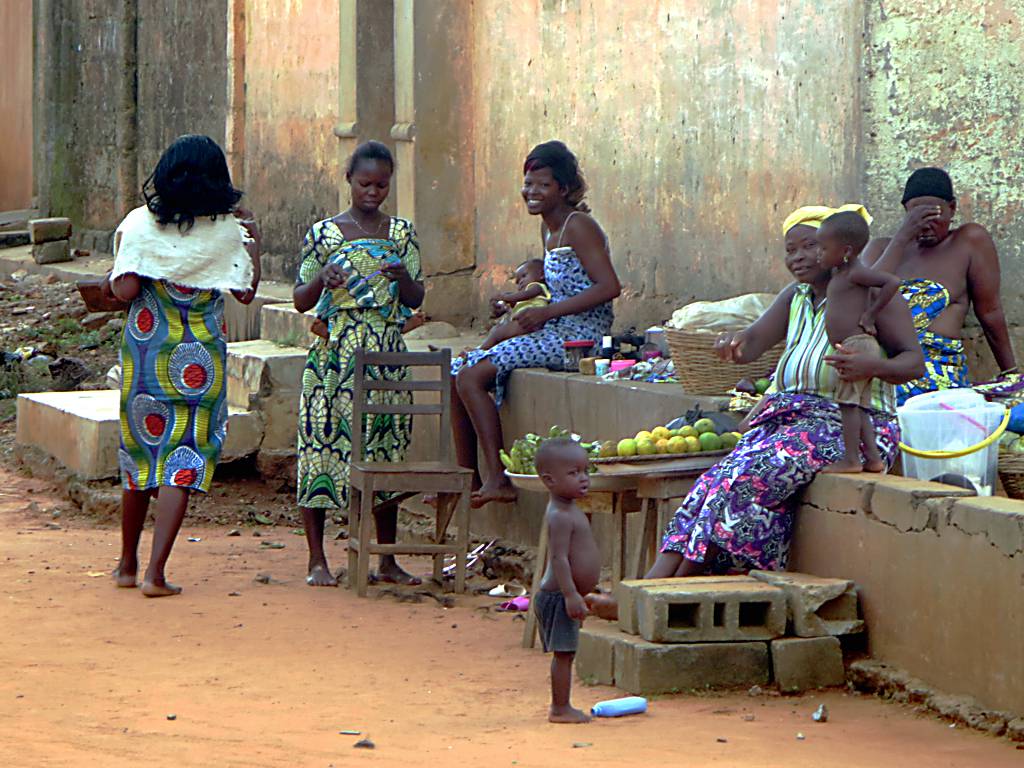
Addressing Poverty in Madagascar

Poverty in MadagascarSituated in the Indian Ocean off the coast of Southern Africa, Madagascar has one of the worst poverty rates, exacerbated by recurring natural disasters. According to Global Finance Magazine, Madagascar is ranked the ninth poorest country in the world, with a gross domestic product (GDP) per capita of $1,979. With a population of 29.61 million, its residents face the threat of losing their livelihoods due to rising deforestation and adverse climatic conditions across the island nation.

As a result of these factors, poverty remains a consistent problem within Madagascar. Marks Jacobs, managing director of SEED Madagascar, weighs in his knowledge on the effects of poverty within the nation and its people. “Poverty is a highly complex issue and there can be many types of poverty. It encompasses various deprivations beyond income, including education, health, living standards and access to services,” Jacobs said, “it’s most evident in Madagascar; people are monetarily incredibly poor.”

The Causes of Poverty in Madagascar

Homelessness is one of the major causes of poverty in Madagascar. The nation has a housing shortage of approximately two million. Homelessness exacerbates poverty by eliminating access to stable employment opportunities and essential services, thereby trapping individuals in a cycle of economic instability. Without a permanent address, securing jobs, health care and other critical resources becomes increasingly difficult, perpetuating the cycle of poverty.

The biggest issue is food security. In the past 35 years, more than 50 natural disasters have struck the island nation and, in their wake, have left major food shortages. Responses to food shortages target the most vulnerable and undernourished communities by creating income opportunities for rural households. However, only some households are lucky. “Most recently, this monetary poverty has played into dire food security, particularly in the South,” Jacobs said, “This (year) has seen mashed to the edge of famine in some areas where families lack financial resilience to compensate for poor agricultural outcomes,” he further added.

The effect of poor agriculture is mainly due to much of Madagascar’s infertile soil and scarce water resources. Government and road services are inadequate and access by humanitarian agencies to communities in need is extremely difficult.

The Long-Term Solutions

However, organizations such as the World Bank believe the country can break the vicious cycle of poverty by receiving a sustained period of robust economic growth spanning multiple years. Jacobs, however, believes there is more to this theory. “Though extremely poor and low on the human development index, Madagascar does have a democratic government,” Jacobs added, “and a relatively stable currency with strong elements of international trade, which could argue that Madagascar was already, in fact, stable but poor.”

Madagascar needs to build a pro-growth coalition that prioritizes a strong institutional framework to foster a competitive sector. Addressing the urgent need for robust economic growth has long been a focus and to effectively reduce poverty, the country has to implement a strategic approach to development. Organizations trying to induce growth in Madagascar have attempted to implement a stable, reliable and effective public administration that can provide infrastructure and services that meet regulatory requirements. Some of these organizations include the International Organization for Migration (IOM), which helps the country slowly recover from a political crisis. However, the development challenges remain vast.

International Organization for Migration

A solution from IOM is careful migration, which can help explore possible employment opportunities and gain new resources. A base of operation in Antananarivo provides programs to channel the provision of capacity-building and advisory for those seeking to grow their communities with safe economics. IOM advocates for careful migration, which can help individuals explore employment opportunities and acquire new resources. With a base of operations in Antananarivo, the capital of Madagascar, IOM offers programs that provide capacity-building and advisory services to support community growth through safe and sustainable economic practices.

On the other hand, another nonprofit organization, GlobalGiving, believes that a holistic approach to poverty can transform the lives of local inhabitants. In partnership with SEED Madagascar, it is working toward a $250,000 goal to fund product development and market access projects. This initiative aims to enhance the resilience of local flora and fauna suffering from poverty. By addressing these issues, the long-term impact will help people in Southeast Madagascar rise out of poverty and improve the quality of life for both the people and the vulnerable ecosystems they depend on.

Final Remark

Madagascar is a country in need of extensive support as it recovers from decades of adversity, including natural disasters and infertile soil that hindered crop growth. Despite these challenges, global organizations are committed to helping the country rebuild and create new opportunities for its inhabitants.

– Jacob Barker

Jacob is based in Ames, IA, USA and focuses on Good News and Global Health for The Borgen Project.

Photo: Flickr
August 14, 2024
https://borgenproject.org/wp-content/uploads/borgen-project-logo.svg 0 0 Lynsey 2 https://borgenproject.org/wp-content/uploads/borgen-project-logo.svg Lynsey 22024-08-14 07:30:382024-08-14 06:07:20Addressing Poverty in Madagascar
Africa, Electricity and Power, Global Poverty

Renewable Energy in Somalia 

Renewable Energy in Somalia The World Bank shows that just under 50% of the population in Somalia has access to electricity, as of 2022. The provision of electricity services to the Somali population has no doubt improved since the turn of the century, with estimates showing that just 2.1% of people had access to electricity in 2000. Yet, a large imbalance between access to electricity in urban (76.7%) and rural (30.6%) areas still remains. Continuing the development of renewable energy in Somalia through initiatives like the Somalia Electricity Sector Recovery Project (SESRP) could widen access to electricity for basic needs and services for those in rural areas and bring power to crucial public-sector facilities such as schools and hospitals.

Background

Political violence and the collapse of the Somali government led to the destruction of crucial energy infrastructure in Somalia in the 1990s. As a result, Somalia has no national power grid and relies mostly on privately owned energy sources. Diesel generators are the main source of electricity in Somalia, however, these are often outdated and inefficient.

Currently, renewable energy sources only make up 12.2% of Somalia’s total energy production. Despite this, Somalia has high renewable energy potential. The International Trade Administration (ITA) suggest Somalia could generate up to 45,000 MW through onshore wind power alone.

A Clean Energy Future

The Government of Somalia aims to improve access to electricity in the country by implementing the SESRP, for which the World Bank has provided funding. This project aims to unlock the high potential of renewable energy in Somalia, utilizing hybridization technologies and creating off-grid solar farms to power public institutions. The government suggests that this project will provide electricity to 1.1 million households, 205 health facilities and 380 schools.

Through the project, the government has begun to install solar photovoltaic systems within educational facilities, marking a clear step toward the country’s clean energy transition. The installation of these systems will provide a more reliable power supply in schools, meeting the educational needs of children as well as creating numerous jobs.

Key Challenges

Solar energy systems have significant potential as a source of electricity and power in Somalia. The country’s geographical location, climate and high solar radiation levels make the introduction of photovoltaic panels a highly suitable alternative to fossil fuels, according to the Energy Strategy Reviews.

That said, the development of renewable energy in Somalia also faces numerous challenges. A lack of trained specialists, continued instability, and inadequate energy infrastructure are creating reluctance within the private sector to invest in Somalia’s renewable energy projects, Energy Strategy Reviews reports. Significant investment is necessary in skills training and in developing existing infrastructure to attract the necessary investment to utilize Somalia’s renewable energy potential fully.

Energy Strategy Reviews show that heat and high amounts of dust in the region also hinder the efficiency of solar photovoltaic systems. To mitigate the impact of dust and heat, these systems need to be regularly cleaned and covered.

Encouraging Future Investment

Ensuring that renewable energy projects in Somalia are fully implemented is crucial. Not only could this benefit rural communities, but expanding electricity access to public institutions through solar PV systems could help improve health and educational facilities in the country. Encouraging further investment in skills training and energy infrastructure could also stimulate private sector interest in Somalia for its enormous renewable energy potential, boosting economic growth in the country and lifting more people out of poverty.

– Joshua Marriott

Joshua is based in Cardiff, Wales and focuses on Technology and Politics for The Borgen Project.

Photo: Flickr
August 11, 2024
https://borgenproject.org/wp-content/uploads/borgen-project-logo.svg 0 0 Naida Jahic https://borgenproject.org/wp-content/uploads/borgen-project-logo.svg Naida Jahic2024-08-11 03:00:132024-08-10 14:13:23Renewable Energy in Somalia 
Aid, Global Poverty, Water Crisis

How Chile’s Water Reform is Reducing Poverty

Chile's Water ReformIn recent years, Chile has faced significant challenges related to water scarcity, with more than half of its population living in areas experiencing severe drought conditions. Recognizing the importance of sustainable water management, the country has implemented reforms since 2022 to address water scarcity and improve quality across the nation. These ongoing reforms, supported generously by the World Bank, have enhanced water resources and played a crucial role in reducing poverty to foster a more equitable future.

Modernizing the Water Code

On Jan. 12, 2022, Chile undertook a major overhaul of its Water Code, a legislative framework that governs the use and distribution of the country’s water resources. The updated code prioritizes human consumption and sanitation needs over agricultural and industrial uses, recognizing the human right to water and improving allocation mechanisms among different sectors. These changes are designed to protect the most vulnerable populations, ensuring they can access clean and sufficient water supplies. 

Chile’s water reform essentially enshrined the right to water in its constitution. This legislative guarantee provides a strong legal foundation for water management policies and ensures that future governments prioritize the protection and equitable distribution of water resources.

Investing in Infrastructure

Investment in water infrastructure has been a cornerstone of Chile’s reform efforts. The government has allocated substantial funds toward developing and maintaining water systems, including reservoirs, pipelines and treatment plants. By enhancing infrastructure, Chile has been able to capture better, store and distribute water, mitigating the impacts of drought and ensuring a reliable supply of clean water to both urban and rural communities. Additionally, Chile has embraced green infrastructure solutions, such as reforestation, wetland restoration and green spaces in urban areas. These ongoing efforts help to naturally regulate water cycles, improve quality and increase groundwater recharge. Chile is building resilience against the changing climate by integrating green infrastructure and creating sustainable water systems that benefit the environment and local communities.

The World Bank Finances the Hydrogen Industry

The World Bank plays a pivotal role in supporting Chile’s water reform efforts. Through financial assistance, technical expertise and capacity-building initiatives, it has helped Chile achieve 100% treatment of urban wastewater, a significant milestone in improving water quality and protecting public health. This accomplishment has been instrumental in reducing waterborne diseases and enhancing the overall well-being of urban populations.

The World Bank’s $150 million loan to Chile is a significant step toward advancing the country’s green hydrogen industry and supporting its broader environmental and economic goals. This loan is part of a larger initiative, the Chile Green Hydrogen Facility to Support A Green, Resilient and Inclusive Economic Development project, which aims to position Chile as a global leader in green hydrogen production. The project’s primary objective is to harness Chile’s abundant renewable energy resources, particularly solar and wind power, to produce green hydrogen, a clean and sustainable energy source that can significantly reduce greenhouse gas emissions.

Impact on Poverty Reduction

Chile’s water reform policies have had a positive impact on poverty reduction, particularly in rural areas where access to clean water has historically been limited. By ensuring reliable and safe water supplies, these policies have improved the quality of life for many Chileans. Access to clean water is essential for health, education and economic opportunities. In rural areas, improved water access has enabled communities to engage in agriculture more effectively, increasing food security and income. In urban areas, enhanced water infrastructure has supported economic activities and improved living conditions, contributing to poverty alleviation.

Looking Ahead

Chile’s comprehensive water reforms, bolstered by substantial investments in infrastructure and support from the World Bank, have significantly improved water access and quality. These ongoing efforts have not only addressed the immediate impacts of drought but also laid the groundwork for sustainable water management. By prioritizing human consumption and integrating green infrastructure, Chile is enhancing resilience against the changing climate and fostering equitable development, particularly benefiting the nation’s most vulnerable populations.

– Asiya Siddiqui

Asiya is based in Fremont, CA, USA and focuses on Good News and Global Health for The Borgen Project.

Photo: Flickr

August 8, 2024
https://borgenproject.org/wp-content/uploads/borgen-project-logo.svg 0 0 Precious Sheidu https://borgenproject.org/wp-content/uploads/borgen-project-logo.svg Precious Sheidu2024-08-08 07:30:192024-08-08 01:08:08How Chile’s Water Reform is Reducing Poverty
Development, Global Poverty, Government

Madagascar’s Five-Year Plan

Madagascar Five-Year Plan Targets 3 Primary OutcomesMadagascar, the world’s fifth-largest island, faces significant challenges with an estimated 80% of its 30.3 million residents living in poverty as of 2023. While tourism supports some economic growth, substantial improvements are necessary for the citizens of Madagascar. The World Bank and Country Partnership Framework (CPF) have launched a five-year plan aimed at creating more jobs, enhancing the education sector and health systems and boosting Madagascar’s economy.

The Country Partnership Framework (CPF) for Madagascar targets three primary outcomes. First, it aims to enhance job opportunities to boost incomes. Second, the plan focuses on improving human capital outcomes by making education more accessible, protecting women’s rights and ensuring that hygiene and agricultural standards are met. The final goal is to bolster the overall economy by investing in the socio-economic well-being of the people and strengthening natural disaster preparedness, alongside improving the management of natural resources.

Providing Job Opportunities

Madagascar aims to enhance its economic value and lift more citizens above the poverty line by increasing job opportunities. This effort will focus on vital sectors needing investment, such as agriculture and on mobilizing foreign private investments. As the digital era progresses, strengthening the foundations of the digital economy will transform digital infrastructures and support stakeholders. The Country Partnership Framework (CPF) plans to implement spatial prioritization to gain a regional competitive advantage, stabilizing rural livelihoods and creating new opportunities for residents. By improving the fundamentals of agricultural land, the economy and job opportunities, the CPF commits to a long-term strategy to strengthen Madagascar’s future.

Improving Human Capital Outcomes

The World Bank is supporting the government in enhancing early childhood education. Strategies include improving teacher quality and adopting a broader digital approach to elevate educational standards. Additionally, the Country Partnership Framework (CPF) aims to bolster female empowerment and protection, enhancing support services and expanding opportunities for girls to continue their education and access contraception products. There is also a strong commitment to advancing agricultural practices and food security systems by ensuring clean sanitation and water. Further commitments include reducing disease transmission and promoting nutrition in schools.

Transforming the Natural Landscape

The final goal of the World Bank and Country Partnership Framework (CPF) five-year plan focuses on protecting Madagascar’s natural resources and leveraging local environmental assets to enhance community resilience against natural disasters. The plan includes expanding economic reserves as a precautionary measure and strengthening disaster preparedness programs. Additionally, it emphasizes enhancing societal support by promoting economic inclusion and sustainability.

Looking Ahead

Madagascar’s comprehensive five-year plan, spearheaded by the World Bank and Country Partnership Framework (CPF), targets significant improvements in job creation, education and health systems. By focusing on these key areas, the plan aims to lift more citizens out of poverty and stimulate economic growth. Strengthening agricultural practices, enhancing digital infrastructure and promoting environmental sustainability are integral to this strategy. Through these ongoing efforts, Madagascar seeks to create a more resilient and prosperous future for its people.

– Charlotte Johnston

Charlotte is based in London, UK and focuses on Good News for The Borgen Project.

Photo: Flickr

July 30, 2024
https://borgenproject.org/wp-content/uploads/borgen-project-logo.svg 0 0 Precious Sheidu https://borgenproject.org/wp-content/uploads/borgen-project-logo.svg Precious Sheidu2024-07-30 01:30:492024-07-29 05:49:05Madagascar’s Five-Year Plan
Global Poverty, Health, World Bank

$150 Million for Primary Health Care in Sri Lanka

World Bank Grants $150 Million for Primary Health Care in Sri LankaThe World Bank recently approved $150 million in financing to improve the quality and accessibility of primary health care services in Sri Lanka. These services encompass essential functions such as birth control, immunizations and general health counseling. This investment marks one of the most significant health care projects in Sri Lanka’s history. Although Sri Lanka’s health care system has shown resilience, it still requires additional support to address ongoing challenges, necessitating foreign aid.

The World Bank recognizes the hard work and dedication of Sri Lanka’s primary health care workers and aims to create a more responsive and accessible health care infrastructure. With one of the world’s fastest aging populations, this project is crucial for enabling the health care system to adapt and respond effectively to new and emerging challenges.

Sri Lanka in Context

Sri Lanka urgently needs more health care resources due to capacity challenges and the lack of formal referral mechanisms. These ongoing issues have resulted in the underutilization of primary health care facilities and overcrowding at tertiary care centers, leading to poor service and long wait times. Longstanding structural weaknesses, worsened by an economic crisis, have compromised the quality of the country’s health care. Additionally, fiscal indiscipline in Sri Lanka has led to high fiscal deficits and substantial gross financing needs, creating significant financial debt and causing severe shortages of goods in 2022.

Noncommunicable diseases such as hypertension, diabetes and cervical cancer are the leading causes of death and illness in Sri Lanka, responsible for 80% of all deaths. Effectively controlling and managing these diseases requires robust screening, early diagnosis, treatment and follow-up—services that primary health care can adequately provide. The Sri Lanka Primary Health Care System Enhancing Project focuses on these ongoing evolving health priorities, investing in preventive care and promoting primary care facilities as the first point of contact for health care services.

Sri Lanka Primary Health Care System Enhancing Project

The newly approved funds will establish the Sri Lanka Primary Health Care System Enhancing Project, which aims to improve the quality of care and increase the utilization of primary medical care institutions. This project is designed to provide essential health care services to local communities that currently lack access to quality health care. It includes several key components:

  • Primary health care services. Increasing the availability of primary health care services and enhancing the capacity of existing institutions.
  • Medical supplies. Enhancing the availability of essential medical equipment, medicines, supplies, laboratory testing equipment and transportation.
  • Health care workforce. Sustaining and strengthening the primary health care workforce by supporting recruitment, retention, distribution and delegation of health care workers in primary health care institutions.
  • Additional services. Expanding primary health care services to include additional services for the aging population, persons with disabilities, individuals with poor oral health and young children, utilizing newly acquired equipment.

Looking Ahead

The $150 million financing from the World Bank aims to bolster Sri Lanka’s primary health care system by addressing critical capacity issues and enhancing service delivery. This funding can potentially increase access to essential medical supplies, strengthen the health care workforce and expand services for the aging population and those with disabilities. By focusing on primary health care, Sri Lanka seeks to improve disease management and meet the growing health needs of its population.

– Mathieu Paré

Mathieu is based in Toronto, Canada and focuses on Global Health for The Borgen Project.

Photo: Flickr

July 15, 2024
https://borgenproject.org/wp-content/uploads/borgen-project-logo.svg 0 0 Precious Sheidu https://borgenproject.org/wp-content/uploads/borgen-project-logo.svg Precious Sheidu2024-07-15 01:30:202024-07-15 01:05:52$150 Million for Primary Health Care in Sri Lanka
Developing Countries, Education, Global Poverty

The World Bank’s Education Reform in Africa

Education Reform in AfricaEducation is a critical area of investment for poverty alleviation and sustainable growth. The World Bank has enabled education reform in Africa by focusing on creating equitable and quality schooling systems. This article highlights successes in three countries: Rwanda, Kenya and the Democratic Republic of Congo (DRC), showcasing the World Bank’s impactful mission throughout the region.

Rwanda: Quality Basic Education 

Rwanda has made substantial strides in education reform through the Quality Basic Education for Human Capital Development (QBE) project. The World Bank has supported Rwanda’s vision of expanding and improving basic education to develop its human capital. Here are the key achievements:

  1. School Expansion: The World Bank’s funding has enabled the construction of new schools and classrooms, reducing overcrowding and improving the learning environment. This expansion is crucial for accommodating the growing number of students and ensuring that every child has access to education.
  2. Teacher Training: The QBE project has prioritized teacher training, equipping educators with the skills necessary to deliver high-quality education. The focus on continuous professional development has led to improved teaching practices and better student outcomes.
  3. Human Capital Development: Rwanda aims to build a knowledgeable and skilled workforce by investing in education. The emphasis on quality basic education is expected to contribute significantly to the country’s economic growth and development.

The Rwandan government, with support from the World Bank, has signed a $200 million agreement to further advance human capital development. This investment emphasizes the nongovernmental organization’s (NGO) commitment to education reform in Africa so that underprivileged communities can access quality schooling.

Kenya: Enhancing Secondary Education Quality

Kenya has seen remarkable progress in programs such as the Secondary Education Quality Improvement Project (SEQIP) and the Primary Education Equity in Learning Project. Key achievements include: 

  1. SEQIP: This project targets economically and educationally disadvantaged regions, focusing on improving infrastructure, teacher training and learning materials. By addressing these critical areas, SEQIP has enhanced the quality of education and reduced disparities in learning outcomes.
  2. Equity in Learning: The Primary Education Equity in Learning Project aims to bridge the gap in educational access and quality between different regions. It emphasizes inclusive education, ensuring that children from marginalized communities have equal opportunities to succeed.
  3. Higher Education Performance: The World Bank has also supported Kenya in enhancing higher education through policy reforms and investments in research and development. These efforts aim to align higher education with market needs, improve graduates’ employability and contribute to the country’s economic growth.

The World Bank’s $200 million boost to Kenya’s education sector has been pivotal in driving these reforms.

The DRC: Empowering Girls

The DRC faces unique educational challenges, but the World Bank’s initiatives have brought about notable improvements, particularly in equity and girls’ empowerment.

  1. Emergency Equity and System Strengthening in Education: This initiative aims to rebuild and strengthen the education system in conflict-affected areas. By focusing on infrastructure, teacher training and learning materials, the project has improved access to quality education for many children.
  2. Girls’ Learning and Empowerment: The World Bank’s efforts to promote girls’ education have been transformative. Addressing barriers to education and providing targeted support has empowered girls, increasing their enrollment and retention rates in schools.
  3. Secondary Education: Investments in secondary education, particularly technical and vocational training, have equipped young people with the skills needed for the job market. This focus on practical education aims to reduce youth unemployment and drive economic development.

The World Bank’s $900 million investment in the DRC is a testament to its commitment to supporting girls’ learning and empowerment, which will ultimately contribute to the country’s long-term stability and growth.

Summary

The World Bank’s initiatives in Rwanda, Kenya and the DRC highlight the significant progress in education reform in Africa. Expanding access, improving quality and promoting equity have transformed educational systems. The initiatives have contributed to broader economic development to reduce poverty levels. The successes in these countries serve as a model for other regions. They demonstrate the transformative power of strategic investments in education.

– Asiya Siddiqui

Asiya is based in Fremont, CA, USA and focuses on Good News and Global Health for The Borgen Project.

Photo: Pixabay

July 12, 2024
https://borgenproject.org/wp-content/uploads/borgen-project-logo.svg 0 0 Lynsey 2 https://borgenproject.org/wp-content/uploads/borgen-project-logo.svg Lynsey 22024-07-12 01:30:582024-07-11 02:00:47The World Bank’s Education Reform in Africa
Page 9 of 51«‹7891011›»

Get Smarter

  • Global Poverty 101
  • Global Poverty… The Good News
  • Global Poverty & U.S. Jobs
  • Global Poverty and National Security
  • Innovative Solutions to Poverty
  • Global Poverty & Aid FAQ’s
Search Search

Take Action

  • Call Congress
  • Email Congress
  • Donate
  • 30 Ways to Help
  • Volunteer Ops
  • Internships
  • Courses & Certificates
  • The Podcast
Borgen Project

“The Borgen Project is an incredible nonprofit organization that is addressing poverty and hunger and working towards ending them.”

-The Huffington Post

Inside The Borgen Project

  • Contact
  • About
  • Financials
  • President
  • Board of Directors
  • Board of Advisors

International Links

  • UK Email Parliament
  • UK Donate
  • Canada Email Parliament

Get Smarter

  • Global Poverty 101
  • Global Poverty… The Good News
  • Global Poverty & U.S. Jobs
  • Global Poverty and National Security
  • Innovative Solutions to Poverty
  • Global Poverty & Aid FAQ’s

Ways to Help

  • Call Congress
  • Email Congress
  • Donate
  • 30 Ways to Help
  • Volunteer Ops
  • Internships
  • Courses & Certificates
  • The Podcast
Scroll to top Scroll to top Scroll to top