Politicized Infrastructure in Sub-Saharan Africa
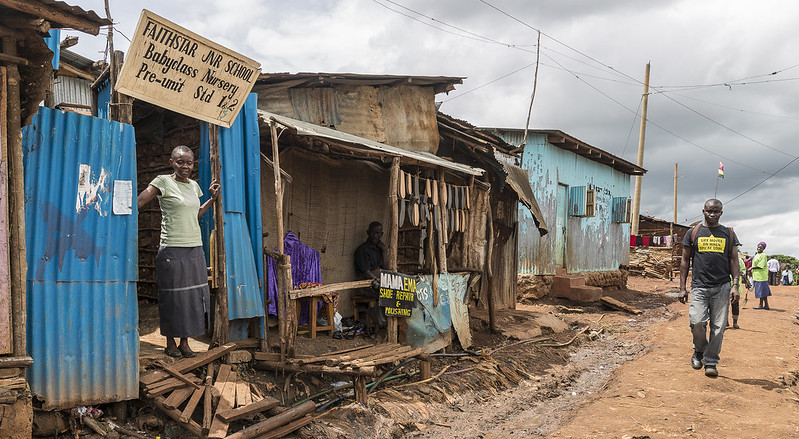 Infrastructure plays a central role in shaping economic, social and cultural landscapes. While often perceived as neutral, infrastructure decisions frequently serve political interests rather than humanitarian needs. Equitable and transparent investments can transform lives by expanding access to education, health care and economic opportunities. In sub-Saharan Africa, targeted infrastructure projects have helped alleviate poverty while also serving as political tools for influence and development strategies.
Transforming Rural Access: The Role of Roads
Transportation infrastructure facilitates access to essential services including health care, markets and education. The World Bank’s Sub-Saharan Africa Transport Policy Program, while aiming to lower transportation costs and improve market access, often navigates complex political landscapes.
In 2008, the World Bank introduced a mass bus transit system in Lagos, Nigeria, offering affordable and reliable public transport. This project exceeded expected usage by 100% the following year, demonstrating its success. It also functioned as a political statement, showcasing the government’s commitment to urban development.
A more recent initiative, announced in March 2024, focuses on enhancing connectivity in Ethiopia by providing and strengthening all-weather road access to improve climate resilience and food insecurity in rural communities. The strategic placement of this project enables the political leaders to align with political priorities and development goals. While politicized infrastructure in sub-Saharan Africa may distort resource allocation, strategic investments that boost rural connectivity have demonstrated significant poverty reduction by improving access to services. The World Bank’s approach ensures that projects are strategically placed to boost regional trade and economic integration.
Water and Sanitation: A Foundation for Development
More than 2 billion people worldwide still lack access to clean water and sanitation, with sub-Saharan Africa disproportionately affected. Decisions about water infrastructure allocation often carry political weight. However, organizations in collaboration with the World Bank have significantly improved access by supporting community-driven efforts to build and maintain water wells and filtration systems.
The United States (U.S.) Development Finance Corporation supports local entrepreneurs’ programs across sub-Saharan Africa to empower communities to maintain and expand water infrastructure and purification services. These ongoing efforts act as soft power tools, extending political influence through development assistance. While perhaps politically motivated, projects not only reduce the time spent collecting water but have improved health and enabled children, particularly girls, to attend school, breaking the cycle of poverty and empowering communities.
Education Infrastructure: Building Futures
Organizations such as UNICEF and the United Nations Development Programme (UNDP) have worked to improve access to education and build schools. Over the past two decades, the out-of-school population in the region has dropped from 44% in 2000 to 29% in 2020. However, the politicization of infrastructure requires navigating competing priorities and political agendas to provide education to the 98 million children in sub-Saharan Africa who still lack access to formal, quality education.
Education infrastructure projects are sometimes influenced by soft power strategies, such as initiatives by the French Government and the British Commonwealth Grants Programme in their former colonies, with projects established in attempts to maintain influence. Despite the politicization of infrastructure, aligning investments with local needs has far-reaching effects, improving school attendance and increasing employment opportunities for graduates, acting as a catalyst for long-term poverty alleviation.
Mobile Health Care and Rwanda’s Transformation
Investments in sustainable health care infrastructure can be transformative for improving quality of life and alleviating poverty in sub-Saharan Africa, where accessing health care and medical services remains a major challenge for many communities. Rwanda’s health care transformation is a visible advantage of how politicized infrastructure in sub-Saharan Africa can have positive outcomes when strategic investments are aligned with national development needs. After the 1994 genocide, the country faced serious health problems, with the life expectancy dropping to 29 years. Through targeted policies to improve health care, the life expectancy reached 67 years in 2024, more than double the 1994 average. By addressing geographic and economic barriers to health care access, investments in health care support broader development goals of reducing poverty and improving education outcomes.
Infrastructure as a Catalyst for Change
Politicized infrastructure in sub-Saharan Africa presents both challenges and opportunities. While infrastructure investments fuel economic growth, political agendas can potentially distort priorities and deepen inequalities. However, aligning projects with local needs, transparency and sustainable development goals can transform infrastructure into a catalyst for long-term poverty alleviation. By investing in strategic transportation, water, education and health care systems, nations in the region can break cycles of poverty, improve resilience and foster economic stability.
– Isobel Hurst
Isobel is based in Berlin, Germany and focuses on Good News and Politics for The Borgen Project.
Photo: Flickr
