• Link to X
  • Link to Facebook
  • Link to Instagram
  • Link to TikTok
  • Link to Youtube
  • About
    • About Us
      • President
      • Board of Directors
      • Board of Advisors
      • Financials
      • Our Methodology
      • Success Tracker
      • Contact
  • Act Now
    • 30 Ways to Help
      • Email Congress
      • Call Congress
      • Volunteer
      • Courses & Certificates
      • Be a Donor
    • Internships
      • In-Office Internships
      • Remote Internships
    • Legislation
      • Politics 101
  • The Blog
  • The Podcast
  • Magazine
  • Donate
  • Click to open the search input field Click to open the search input field Search
  • Menu Menu

Tag Archive for: Poverty in Malawi

Posts

Africa, Developing Countries, Global Poverty

Elderly Poverty in Malawi

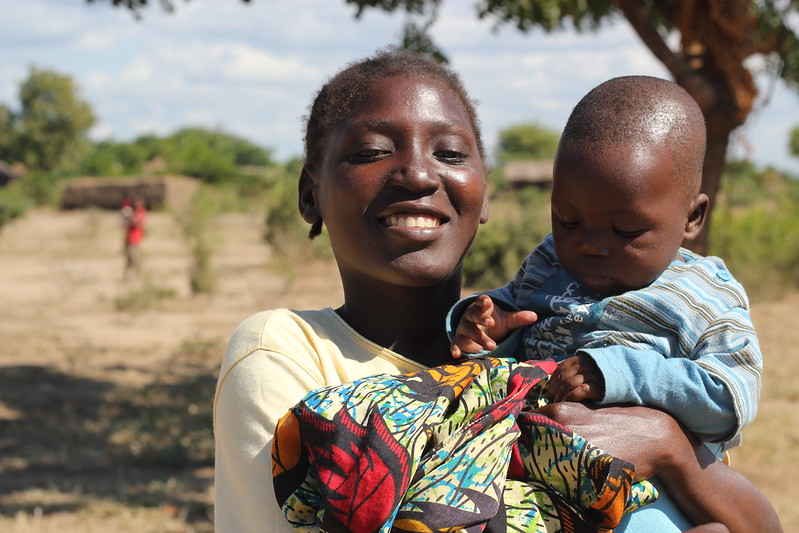
Elderly Poverty in MalawiElderly poverty in Malawi is a growing issue that requires attention. With more than half of the population (52.4%) in Malawi living in poverty, UNDP found that 17.2% of 50-year-olds and older in Malawi were living in poverty showing that elderly poverty is an issue that is facing the population. The problem is multifaceted and without proper solutions, the level of elderly poverty could continue to grow. Several factors add to and continue the problems of poverty such as economic issues, social and demographic changes and inadequate healthcare in Malawi. Both local government initiatives and international NGOs such as the Scotland – Malawi Partnership are working hard to address the issue and provide successful solutions.

Economic and Social Issues

One of the main factors contributing to elderly poverty in Malawi is economic instability. One way this is highlighted is the lack of state pensions with less than 5% of the elderly receiving any pension benefits, according to a 2016 HelpAge International report. This is most often the case because most have worked in informal sectors when they were of working age which do not contribute to state pension schemes. This leaves a portion of the elderly without a reliable source of income in their old age.

Support from families has traditionally been crucial in helping older members but this support is becoming less reliable as younger members try to lift themselves out of poverty. The elderly population also tend to face abuse, neglect and harassment because of cultural norms. Malawi’s older population is also growing which increases pressure on resources such as healthcare which the elderly need more often than other demographics. This affects poverty rates due to the availability and quality of care the elderly receive and therefore their health.

Health care in Malawi is heavily strained especially with population growth. The elderly struggle to access timely and adequate health care. Additionally, food security is a growing issue, this is highlighted by rising prices of essential food, UNDP reports. This then leads to poor health outcomes among the elderly, adding pressure to an already poverty-stricken elderly group.

Solutions

Despite the issues being significant some initiatives focus on providing solutions to elderly poverty in Malawi. The Malawian government implemented the Social Cash Transfer Programme (SCTP) in 2006. The programme has helped to increase income and provide food security for the elderly population to the elderly that were the heads of households. Whilst the program has benefited some, it only reached a quarter of the elderly population, according to a 2016 HelpAge International report. This is why there is a call for a universal pension which studies have found would provide a solution to the issue. Ongoing discussions about the implementation of a universal pension scheme offer a reason to be optimistic about the future support of the poverty of the elderly in Malawi.

The Scotland – Malawi Partnership has also offered solutions to various issues in Malawi, including health care. One such initiative focuses on improving the health care system in Malawi. Considering the already stretched health care system in Malawi, the partnership has tried to help specific issues such as cervical cancer. Malawi has the highest global mortality rate from cervical cancer. The initiative partnered with a hospital in Malawi to provide these screenings to women. Since 2013, the initiative has provided screening to 30,000 women with plans to reach a further 80,000. The effort not only benefits early cancer detection but also the health care burden. This means that women who are in poverty receive timely and effective treatment.

Hope for the Future

Elderly poverty in Malawi is an issue that with effective initiatives and solutions, there is hope for the future. The continuation of the work of both the Malawian government and international partnerships proves that there is a way forward to addressing elderly poverty.

– Rosie Miller

Rosie is based in Edinburgh, Scotland and focuses on World News for The Borgen Project.

Photo: Flickr
June 22, 2024
https://borgenproject.org/wp-content/uploads/borgen-project-logo.svg 0 0 Jennifer Philipp https://borgenproject.org/wp-content/uploads/borgen-project-logo.svg Jennifer Philipp2024-06-22 01:30:352024-06-21 07:33:15Elderly Poverty in Malawi
Development, Economy, Electricity and Power, Global Poverty

How Renewable Energy in Malawi Is Driving Economic Growth

Renewable Energy in MalawiIn Malawi, a landlocked country in southern Africa, economic inequality persists, hindering significant poverty reduction efforts despite consistent growth. Currently, about 70% of the country’s 20 million residents live on less than $2.15 a day and a considerable portion of national income belong to the top 20% of earners. A major factor explaining the persistent economic inequality in Malawi is the low electrification rate. Currently, only 15% of Malawi has access to electricity, one of the lowest rates worldwide, primarily due to inadequate infrastructure in information, communication and energy technology. Renewable energy in Malawi offers a viable solution to increase access to electricity and support economic growth.

The disparity between rural and urban areas is stark, with only 5% of rural regions having electricity access compared to 42% in urban areas. Additionally, even areas with electricity face inconsistent service. Leo Randall-Brown, a volunteer in Bangwe, noted, “We lose power once a week or so,” remarked Leo Randall-Brown, a volunteer in Bangwe, “but [a few months ago] it was worse.” Despite these challenges, optimism grows around Malawi’s emerging energy sector. Innovative and collaborative efforts in renewable energy present a promising pathway to address disparities and support the nation’s poorest communities.

Hydroelectric Power

Hydroelectric power is a crucial element of Malawi’s energy portfolio, generating 90% of its electricity primarily from the Shire River. Yet, this represents only about 17% of the nation’s potential hydroelectric capacity. Modernization efforts are underway to improve this infrastructure. Notably, the rehabilitation of the Nkula Hydropower Plant, a project undertaken by the Austrian company Andritz Hydro and Portuguese firm Mota Engil, has increased energy generation capacity by 50%. Additionally, projects like the Mpatamanga Hydro, supported by a World Bank-backed Public-Private Partnership (PPP), aim to significantly enhance hydroelectric capacity, marking a robust effort to maximize Malawi’s energy resources.

These ongoing initiatives are crucial for enhancing energy security and alleviating poverty in Malawi. Hydroelectric projects catalyze job creation, providing substantial employment opportunities during the construction and operation phases. They also boost agricultural productivity in downstream villages by improving access to electricity for irrigation and agro-processing activities. The development of hydroelectric power in Malawi thus represents a multifaceted approach to combating poverty, fostering economic growth and empowering local communities to thrive.

Solar Power

With an annual daily mean global solar radiation equivalent to 250 million tonnes of oil, Malawi possesses a vast and sustainable solar energy resource. Solar power, a versatile form of renewable energy, facilitates both household-level and large-scale photovoltaic (PV) cell electrification. Across Malawi, tens of thousands of solar home systems (SHS) have been adopted, providing households with reliable lighting, heating, water pumping and radio usage. Mr. Randall-Brown notes, “We have a small solar panel that charges throughout the day. It acts as a kind of backup generator.”

The 2018 Energy Policy in Malawi emphasizes off-grid electricity, highlighting a cooperative effort between the government and the private sector. Companies such as VITALITE Malawi have capitalized on this policy framework, enhancing public-private partnerships (PPPs) to expand solar home system (SHS) services to an unprecedented number of households and communities. This focus on off-grid electrification significantly benefits the nation’s most vulnerable populations, reducing the need for extensive infrastructure investments while ensuring sustainable and renewable energy in Malawi for all.

Malawi has made notable progress in developing utility-scale solar power plants, exemplified by the completion of projects such as the 60 MW Salima, 20 MW Golomoti and 21 MW Nkhotakota. These projects underscore the government’s commitment to expanding grid infrastructure. Collaborative efforts with USAID and other international partners highlight Malawi’s proactive approach to promoting interconnected sustainable development. These ongoing initiatives are creating new income opportunities for both rural and urban households and enhancing agricultural practices with solar-powered irrigation. This technology is particularly crucial for Malawi, which relies heavily on rain-fed agriculture, marking a transformative era of resilience and prosperity for the nation’s agricultural sector.

Geothermal Power

Geothermal energy holds immense promise for Malawi’s energy future, owing to its location in the East African Rift System (EARS), which endows the country with significant reserves. Approximately 55 geothermal sites dot the landscape, with three major ones—Chiweta, Mwankeja and Nkhotakota—identified for detailed investigation, boasting a combined potential of 200 MW. While geothermal efforts are largely in the exploratory phase, a plant in Nkhotakota is planned for construction.

In a concerted effort to harness the vast potential of geothermal energy, the Malawian government is actively pursuing avenues for both public and private investment.  A notable stride occurred in 2013, when the government-owned energy company EGENCO forged a groundbreaking agreement with Kenya’s Geothermal Development Company, fostering intra-African technological collaboration within the East African Rift System (EARS). Beyond its role in sustainable electricity generation, geothermal energy holds the promise of delivering direct community benefits and catalyzing economic growth and technological advancement.

Looking Forward

Malawi is on the cusp of a transformative era in its energy sector, poised to make significant strides in electrification, sustainable development and poverty alleviation. The country boasts vast untapped potential in renewable energy sources such as hydroelectric, solar and geothermal resources. By harnessing these opportunities through pro-growth domestic policies and integration with foreign entities, Malawi is primed to drive inclusive growth and prosperity. As the nation embraces foreign investment in renewable energy in Malawi, it paves the way for collaborative efforts to unlock the full potential of clean energy and propel Malawi toward a brighter, more sustainable future for all its citizens.

– Matthew Candau

Matthew is based in St. Andrews, Scotland and focuses on Business and Technology for The Borgen Project.

Photo: Flickr
June 4, 2024
https://borgenproject.org/wp-content/uploads/borgen-project-logo.svg 0 0 Precious Sheidu https://borgenproject.org/wp-content/uploads/borgen-project-logo.svg Precious Sheidu2024-06-04 07:30:162024-06-03 13:32:11How Renewable Energy in Malawi Is Driving Economic Growth
Global Poverty, Innovations, USAID

Lake Malawi REFRESH Project

Lake Malawi Waters Undergo REFRESH Project Initiatives Malawi is a landlocked country that borders Tanzania, Mozambique and Zambia. It is also one of the poorest countries in the world with a population of 20.4 million and 70% living beneath the international poverty line. The nation relies on Lake Malawi and the support provided by the REFRESH project.

Lake Malawi is integral to the social, economic and environmental well-being of Malawi and its people. It proves to be an indispensable part of the country’s infrastructure, covering a total area of 22,490 square kilometers, employing more than 500,000 people and contributing 4% to the nation’s GDP.

The Lifeline of Malawi: Lake Malawi

Lake Malawi, Africa’s third-largest lake, is crucial for Malawi’s economy and ecology. As a landlocked country, local communities depend on the lake for drinking water, transportation, leisure, power generation, irrigation and notably, fishing.

The lake’s fish significantly contributes to the country’s nutrition and economy, supplying 70% of the animal protein intake. It supports the livelihoods of Malawi’s residents through both local consumption and exports to neighboring countries, making it a crucial economic resource.

Lake Malawi also serves as a vital trade route, facilitating the transportation of goods to neighboring countries. The trade activity positions Lake Malawi as a hub for expansive business networks, essential for the mass production and distribution of natural goods, benefiting not only Malawi but also its neighboring communities through robust trade partnerships.

Residents in the area benefit from job opportunities created by the businesses managing these goods, reinforcing a cycle of employment and food security. Lake Malawi’s wealth of natural resources not only sustains jobs but also underpins food security, laying a strong foundation for the local economy and community wellbeing. Its tributaries hold the key to renewable energy through hydroelectric power generation, diversifying the country’s energy sources. This sustainable energy supports the nation’s industries, homes and various sectors, further stabilizing the country’s economic and environmental landscape.  

Malawi Takes Advantage

Lake Malawi supports the livelihoods of 20.4 million Malawians, surrounding communities and more than 910,000 refugees from Mozambique. With a population growth rate of 3.3%, the lake’s resources are under strain and require restoration. While Lake Malawi is vital for the economy and job creation, Malawi’s low GDP per capita of $554.20 challenges the local population’s ability to sustain and enhance these benefits.

In addition, nationwide poverty significantly challenges individuals in making decisions crucial for the long-term sustainability of natural resources. This difficulty arises from their urgent short-term needs. In addition to the impact on local communities, large-scale commercial fishing operations also contribute to overfishing in Malawi.

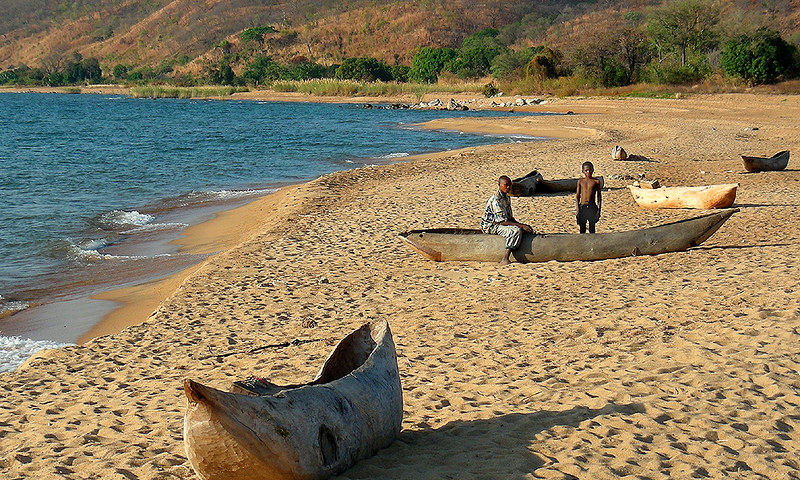
Moreover, local reliance on Lake Malawi for sustenance has led individuals to fish in shallow areas, away from large commercial operations. In addition, this practice threatens fish breeding grounds as small-scale fishermen navigate these regions in canoes designed for shallow waters. The impact of these activities presents significant economic and environmental challenges for Malawi and neighboring countries relying on the lake’s resources.

REFRESH Project

The U.S. Agency for International Development’s (USAID) REFRESH project, aimed at enhancing Lake Malawi’s fisheries management and conserving fish biodiversity, spans from October 2019 to September 2024. Recently, USAID provided the Malawian government with an advanced electronic catch assessment survey (eCAS) system and refurbished patrol boats, significantly boosting data collection and surveillance efforts.

The electronic catch system compromises smart tablets, desktop computers and servers which allows them to have an accurate analysis of catch data. This high technology gives Malawi the advantage of being able to estimate fisheries production and evaluate the sector’s economic and food security contributions. 

Additionally, USAID recently upgraded patrol boats for the Salima District Council with new engines to strengthen surveillance against overfishing, promoting adherence to fishing regulations and local laws. This effort aims to preserve the lake’s biodiversity. However, residents of fishing villages, who have depended on Lake Malawi for their livelihoods, sometimes struggle to see these restrictions as measures to sustain the lake’s benefits rather than to limit their use.

Furthermore, regular monitoring of Lake Malawi allows for the identification and education of those overfishing, aligning them with the goals of the REFRESH Project for the lake’s restoration. These efforts, supported by USAID through the provision of operational guidelines and scientific equipment, highlight a deep commitment to sustainable fishing practices and the protection of Malawi’s aquatic ecosystem.

Nurturing Sustainability

The USAID REFRESH project is pivotal for sustainable development in Malawi, particularly for Lake Malawi. It focuses on improving fisheries management, enhancing scientific knowledge and strengthening governance. Its approach not only preserves the lake’s natural environment but also supports the economic well-being of the people who depend on its resources.

The REFRESH project is actively engaging local stakeholders and promoting an ecosystem-based approach to fisheries management. This strategy is designed to ensure a brighter, more sustainable future, harmonizing the well-being of Malawi’s people with the sustainability of the iconic Lake Malawi.

– Tristen Jerkins

Tristen is based in Tampa, FL, USA and focuses on Technology and Solutions for The Borgen Project

Photo: Flickr

March 27, 2024
https://borgenproject.org/wp-content/uploads/borgen-project-logo.svg 0 0 Precious Sheidu https://borgenproject.org/wp-content/uploads/borgen-project-logo.svg Precious Sheidu2024-03-27 07:30:372024-03-26 05:05:48Lake Malawi REFRESH Project
Agriculture, Global Poverty, Technology

How Netflix is Addressing Famine in Malawi

The Influence of Media: How Netflix is Addressing Famine in MalawiMalawi, a country in East Africa, has faced eight droughts in the past 36 years, impacting more than 24 million people. In today’s digital era, film and media significantly influence public awareness. The Netflix film “The Boy Who Harnessed the Wind,” sheds light on drought and famine in Malawi, illustrating the power of storytelling in highlighting critical environmental and societal issues.
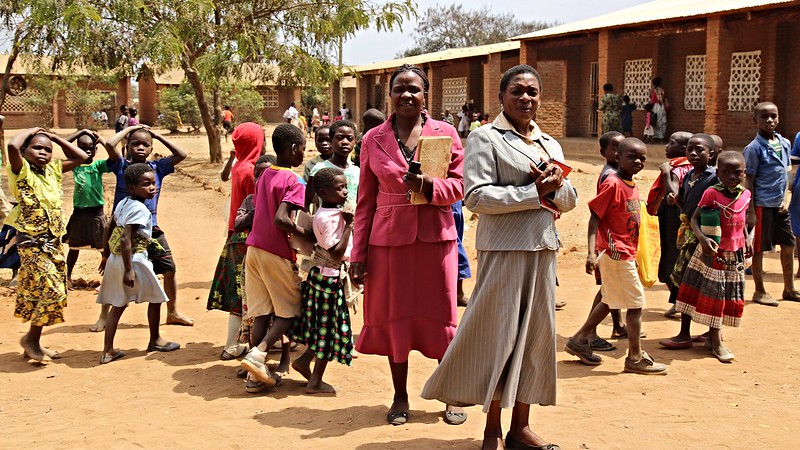
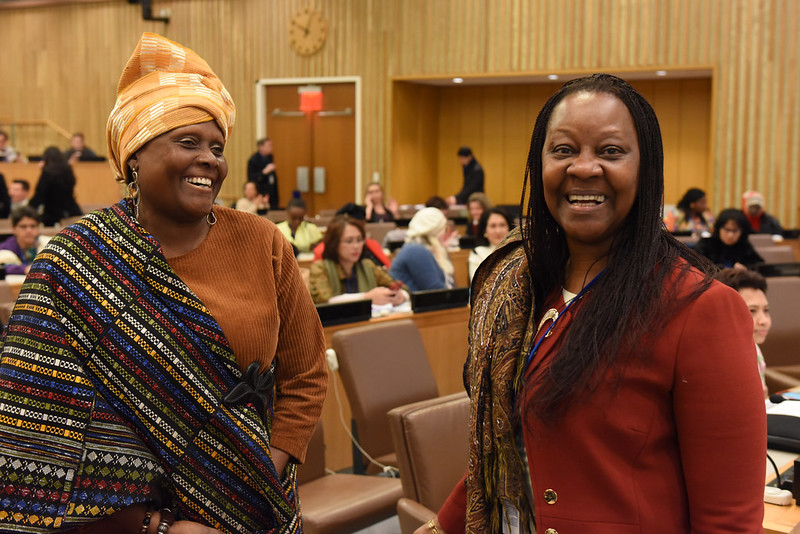
The true story-based film “The Boy Who Harnessed the Wind” vividly captures the harsh realities of drought in Malawi, underlining the urgency of global intervention. It aligns with the World Bank’s “Malawi Drought Recovery and Resilience Project” which aims to mitigate and prevent the dire consequences of drought. It also showcases the critical role of such initiatives in addressing environmental crises.

Depiction of Drought in the Film

The film is set in Kasungu, a town in central Malawi, where the narrative focuses on William Kamkwamba and how drought impacts both his life and the lives of his neighbors. Water shortages, primarily caused by a lack of precipitation in Malawi, mean that crops cannot grow. This also means that crop production becomes unstable, resulting in widespread food scarcity.

Drought often escalates to famine, leading to widespread hunger, as depicted in “The Boy Who Harnessed the Wind.” The film shows the stark realities of drought in Malawi through scenes of parched earth, crop failures and distressed children. While dramatized for emotional impact, these portrayals accurately highlight the devastating effects of drought and famine on communities.

Drought and famine in Malawi not only lead to starvation but also have devastating economic effects. The scarcity of water results in poor agricultural conditions and the loss of livestock, stripping individuals of their main sources of income and livelihood. This cycle exacerbates the country’s poverty and hinders economic development.

The agriculture sector, crucial for the majority of Malawi’s rural population, suffers significantly from drought and famine. This scenario leads to a decrease in exportable resources, making generating income for the economy challenging. Consequently, poverty intensifies in rural areas where agriculture is a primary livelihood, highlighting the need for sustainable solutions to water scarcity and agricultural resilience.

Famine in Malawi: A Promising Future

Droughts in Malawi, often triggered by natural resource scarcity such as rain, present complex challenges for prevention and control. However, effective measures exist, as highlighted by the Malawi Drought Recovery and Resilience Project. This initiative showcases how technology and financial strategies can mitigate the country’s vulnerability to climate risks and disasters, providing a practical approach to bolstering resilience against drought in low-income nations.

In addition to preventative actions, supporting communities after drought’s severe consequences is crucial, as demonstrated by the World Bank’s economic aid initiative for Malawi, which includes a $104 million grant. This funding aids in providing food relief, restoring dry lands and introducing drought-resistant crops, offering direct assistance to Malawi’s affected communities.

Looking Ahead

“The Boy Who Harnessed the Wind” serves as a poignant reminder of Malawi’s resilience in the face of environmental adversities, driving home the urgency for global and local action. With initiatives like the Malawi Drought Recovery and Resilience Project gaining momentum, there’s renewed hope for sustainable solutions to combat drought and enhance agricultural resilience. As awareness spreads through powerful storytelling and concerted efforts continue, the future for Malawi looks increasingly promising, with paths paved toward recovery, sustainability and economic stability.

– Amelie Bunce
Photo: Unsplash

March 22, 2024
https://borgenproject.org/wp-content/uploads/borgen-project-logo.svg 0 0 Precious Sheidu https://borgenproject.org/wp-content/uploads/borgen-project-logo.svg Precious Sheidu2024-03-22 01:30:392024-03-21 04:25:06How Netflix is Addressing Famine in Malawi
Education, Global Poverty

The KIND Fund in Malawi


The KIND Fund in MalawiAccording to the World Bank, Malawi is ranked as the fourth poorest country globally. Approximately 70% of the population lives on less than $3 a day and this income level has remained unchanged since 2010, despite a steadily increasing population. Moreover, at least 50% of households in Malawi lack adults with completed education. Education plays a crucial role in helping a country combat poverty in the long term. Malawi only implemented free public schooling in 1994, significantly improving children’s attendance rates. However, as of 2021, the country still faces one of the highest dropout rates in the world, estimated at 84% and the KIND fund has been fighting for children’s education in Malawi.

The KIND Fund

In a developing country like Malawi, children attend classes on the ground, similar to a pre-school. As the children grow older, this arrangement becomes less practical for an advanced learning environment. The children have to balance paper on their knees to write. Since soap is expensive in Malawi, kids skip school if they dislike being seen in dirty clothes after a week of sitting on the ground. This is particularly true for girls who prefer to miss several school days rather than spend all day on the dirty ground during their periods and having to jump up and down to answer questions.

The KIND Fund, short for Kids in Need of Desks, was created by MSNBC reporter Lawrence O’Donnell and the United Nations Children’s Fund (UNICEF) in 2010 to provide desks to all ages of schoolchildren in Malawi. Since 2010, the program has raised $38 million to help kids get desks and school supplies. The provision of desks not only yields tangible benefits such as improved penmanship but also enhances the overall attitude of children towards school.

Scholarships for Girls

Desks are not the only focus of the KIND Fund. KIND also provides secondary scholarships for girls to move forward in their education. A scholarship package from them will fund a girl’s tuition, boarding, transport and school supplies fees and include everything from socks to mentorship at school. The program has provided scholarships to more than 27000 girls across Malawi.

Keeping girls in school, even until age 18, is a small win against child marriage, a serious problem in developing countries. About 47% of women are married before age 18 in Malawi. The KIND fund conducted interviews with girls, posing the question of what they would do without the scholarship. Fifteen-year-old Happiness Ndawu responded, “Here in Malawi, girls marry at early ages. So, at 15, maybe I would have been married by now.” Happiness aspires to become a journalist. Being in school has protected her from potential domestic violence, risky pregnancies and other challenges that child brides often encounter. It has also opened her eyes to the potential she possesses.

Conclusion

Education plays a crucial role in lifting a country out of poverty, serving as one of the most essential pathways for socioeconomic advancement. When people think about education, they often take things like furniture and supplies for granted, items that other countries lack. A well-made desk can last decades and serve dozens of children over generations.

– Varsha Pai
Photo: Flickr

February 16, 2024
https://borgenproject.org/wp-content/uploads/borgen-project-logo.svg 0 0 Hemant Gupta https://borgenproject.org/wp-content/uploads/borgen-project-logo.svg Hemant Gupta2024-02-16 03:00:492024-02-15 03:33:20The KIND Fund in Malawi
Global Poverty, Women's Empowerment

Organizations Empowering Women and Girls in Malawi

Women and Girls in MalawiWomen and girls in Malawi have many challenges to face. According to a study done by the United Nations Children’s Fund (UNICEF), about 42% of Malawian girls can expect to be married before they turn 18, while 9% of those are married before they turn 15. These percentages are among the highest in the world. Also, according to The United States Agency for International Development (USAID), about 42% of school-aged girls drop out of school, with most citing education costs and pregnancy as their reason. Consequently, Less than 15% of women receive schooling beyond their primary years. Additionally, instances of gender-based violence are a prevalent issue in Malawi.

The conditions described have devastating effects on the lives of women and girls in Malawi. Many young girls in the country are not encouraged to pursue independence, resulting in them becoming women who are often dependent on the men in their lives. While these issues persist today, several organizations are working hard to provide women and girls in Malawi with the knowledge and opportunities they need to be successful.

Girls Empowerment Network (GENET)

The Girls Empowerment Network in Malawi, also known as GENET, was established in 2008. GENET focuses largely on inspiring young, school-aged girls to stay in school. The organization does this by urging community leaders to assist in funding scholarships and provide mentorship and friendly, safe spaces for girls to share their concerns. GENET also instills girls with digital, social and economic skills that help them become empowered and independent as they grow older.

More than 5,000 young girls in Malawi have completed their education thanks to scholarships provided by GENET. The network has also supported more than 2,500 survivors of gender-based violence by providing them access to legal and mental health services. Overall, GENET has impacted the lives of more than 100,000 girls in Malawi, many of whom were inspired to become leaders and mentors within their communities, thus multiplying the organization’s impact.

Fund a Girl

Yvonne Kamange founded Fund A Girl in 2018 to help underprivileged girls afford an education. The initiative has identified that families already living in poverty often resort to enrolling their children in school, which makes it more likely that those children will remain impoverished. To break this cycle, the organization collects donations from sponsors to fund the education of numerous Malawian girls. These donations go towards buying school supplies, books, uniforms and tuition fees.

Along with funding young girls’ educations, Fund A Girl also offers mentorship, vocational training and sexual and reproductive education. These services are making a huge impact on the lives of underprivileged girls in Malawi.

The Sparkle Foundation

While supporting school-aged girls is crucial, empowering and supporting women is equally vital. The Sparkle Foundation is actively addressing this need through its organized women’s groups. These groups are designed to offer local women the chance to engage in recreational activities, fostering connections within the community. Additionally, the initiative imparts resourceful knowledge and skills to women through these groups. Overall, the Sparkle Foundation’s women’s group “fosters a sense of unity” while equipping “women with the knowledge, tools and resources to uplift themselves.”

Continuing Support

Women and girls in Malawi face many challenges throughout their lives. However, organizations such as the Girls Empowerment Network, Fund A Girl and the Sparkle Foundations continue to support and advocate for them. By doing so, these organizations are opening doors of opportunity for thousands of girls who would not have had such chances.

– Kimber Peters
Photo: Flickr

February 9, 2024
https://borgenproject.org/wp-content/uploads/borgen-project-logo.svg 0 0 Hemant Gupta https://borgenproject.org/wp-content/uploads/borgen-project-logo.svg Hemant Gupta2024-02-09 01:30:512024-06-07 05:08:21Organizations Empowering Women and Girls in Malawi
Global Poverty

Combating HIV/AIDS in Malawi

combating HIVAIDS in MalawiAccording to UNAIDS, approximately 1 million people in Malawi were affected by HIV/AIDS in 2017, with a prevalence rate of 9.6% among individuals aged 15-49. Sex workers and gay men are particularly vulnerable, with HIV prevalence rates of 60% and 17% respectively. However, there has been progress in combating HIV/AIDS in Malawi and between 2010 and 2017, AIDS-related deaths decreased by about 50%.

Malawi aims to have 95% of people living with HIV aware of their status by 2025. Despite the reduction in AIDS-related deaths, the country still has one of the highest HIV prevalence rates among adults aged 15 to 49.

With 13 million people living below the poverty line out of a population of 21 million, STD-related health care is often unaffordable for those facing financial hardships. Moreover, disparities in health care resources contribute to the lack of a rapid HIV/AIDS response, with rural areas having limited access to treatment compared to urban areas.

Prioritizing Testing and Treatments

According to 2017 data, out of the 1 million individuals who live with HIV/AIDS in Malawi, 90% receive antiretroviral therapy. However, a 2020 study revealed that antiretroviral therapy failure and drug resistance are common among those undergoing HIV treatment.

A 2020 observational study led by the London School of Hygiene & Tropical Medicine, University of Malawi College of Medicine and the University of Cambridge found that antiretroviral therapy failure and drug resistance are common among those receiving HIV treatment.

Recent research published in the Lancet found more than 80% of patients have resistance to two or more HIV antiretroviral drugs and 95% of patients have undetectable HIV loads as of 2020. The study also revealed that patients with resistance to multiple HIV drugs were 70% more likely to experience a clinical death within two months of checking into the hospital compared to those without drug resistance.

With one-third of patients failing to receive therapy fast enough, timely diagnosis and switching patients to alternative antiretroviral therapies have contributed to better patient outcomes in Malawi.

Barriers to HIV/AIDS

Despite significant reductions in HIV infections, individuals living below the poverty line in Malawi continue to face the greatest impact. Malawi is one of the poorest countries across the globe.

As one of the poorest countries globally, Malawi’s higher HIV prevalence may be attributed to inconsistent detection rates stemming from differences in surveillance and registration centers. This marked difference may also be related to Socioeconomic factors, such as poverty and limited emphasis on screening programs and public health services such as the NHS, which contribute to health inequalities.

The unequal distribution of health care resources exacerbates the challenges in combating HIV/AIDS in Malawi. Urban areas, where individuals are more likely to afford private health care systems, have better access to resources compared to rural areas, resulting in lower treatment rates for the latter.

However, barriers to HIV-related health care extend beyond poverty and finances. Stigma and prejudice surrounding HIV deter individuals from seeking care and concerns about confidentiality at testing sites further discourage communities from accessing services.

Gay men in Malawi experience a disproportionate impact from HIV/AIDS. The Ministry of Health estimated that 35% of men in Malawi had not been tested for HIV/AIDS in 2017. Addressing this disparity requires additional support and funding for home testing initiatives.

Progression in Malawi

Awareness surrounding sexual health and faster screening techniques has improved the health of Malawians with HIV/AIDS over the last two decades. Antiretroviral therapy coverage has significantly increased, with an estimated 91% of those living with HIV receiving treatment in 2021 compared to only 43% in 2012.  There were 78,000 AIDS-related deaths in 2005 compared to 13,000 in 2020, a decline of around 83%. Overall, increased funding and implementation support has resulted in a marked improvement in HIV in Malawi from previous years.

Helping the Cause

While Malawi’s government has continued to provide treatments and support for HIV/AIDS, an organization founded in 1972 named Action Aid helps those from marginalized groups across rural and urban communities in Africa. Action Aid works alongside local communities, governments and institutions for people living with HIV/AIDS.

The organization advocates for improved access to HIV/AIDS-related health care, including antiretroviral drugs and good nutrition. Through partnerships with local communities, governments and institutions, Action Aid advocates for improved access to HIV/AIDS-related health care, including antiretroviral drugs and good nutrition. Collaborations with organizations like the Makerere Women’s Development Association (MWDA) and the Kuluhiro (Hope) support group ensure psychosocial therapy, counseling and access to antiretroviral treatments, as well as economic opportunities through farm projects.

What is Next?

An Oxford Academic report suggests that continued foreign aid is essential for widespread testing and comprehensive HIV/AIDS programs, as 99% of HIV funding comes from international financial support. Foreign aid plays a crucial role in sustaining and expanding efforts in combating HIV/AIDS in Malawi.

– Rupinder Kaur
Photo: Rawpixel

July 6, 2023
https://borgenproject.org/wp-content/uploads/borgen-project-logo.svg 0 0 Kim Thelwell https://borgenproject.org/wp-content/uploads/borgen-project-logo.svg Kim Thelwell2023-07-06 17:27:072023-07-10 01:50:25Combating HIV/AIDS in Malawi
Global Poverty, Malaria

6 Facts about Poverty in Malawi

Poverty in MalawiLocated in Africa’s Southern region, Malawi is a nation-state with a size comparable to that of the state of Pennsylvania and a population estimated to reach a little more than 20 million by July 2020. The country is primarily dependent on the agricultural sector which employs close to 80% of the population and remains predominantly rural. Poverty in Malawi is very high and it manifests itself in various indicators, such as in the economy, education and health care, rendering it one of Africa’s poorest nations. Here are six facts about poverty in Malawi.

6 Facts About Poverty in Malawi

  1. Throughout the past few decades, Malawi had made tangible progress in several areas of human development. For instance, primary education completion rates have increased by 17% between 2004 and 2013. Meanwhile, mortality rates for children under 5 decreased by approximately 48% between 2004 and 2015. Similarly, the country’s maternal health has improved as mothers are receiving necessary prenatal and birth care as well as increasingly using contraceptives.
  2. Despite the abovementioned improvements, Malawi continues to have high poverty rates, posing substantial challenges to human development and growth in the African nation’s quality of life. In 2017, its GDP per capita (PPP) amounted to only $1,200, leading it to rank among the poorest countries in the world.
  3. In 2016, Malawi’s poverty rate reached 51.5%. That number remained slightly unchanged at 52% in 2018, according to a 2018 integrated household report, which emerged as a result of a joint effort between the Malawian government and UNICEF. The report also highlights child poverty as a particularly problematic issue as more than two-thirds of children in rural areas in Malawi live in poverty.
  4. Higher poverty rates in a given society tend to go hand in hand with sizable challenges underpinning the state of the economy. Malawi’s dependence on agriculture implies that climate-related problems can be a serious threat to its national economic wellbeing. This was the case during the 2015 and 2016 drought, which negatively impacted the country’s economy. Alinafe Nhlane, a mother and farmer in Muona Village, exemplified another instance of Malawi’s economic volatility when she recounted that she had lost all of her crops as a result of the 2019 Cyclone Idai.
  5. In addition to the fact that an estimated 1 million Malawians are living with HIV/AIDS and that the degree of risk of infection with diseases such as hepatitis A, typhoid fever and malaria is very high, the physician/population ratio in the country is quite low at 0.02 in 2016. In light of the recent COVID-19 global developments, the U.N. Resident Coordinator in Malawi, Maria Jose Torres, expressed her fears that the spread of the virus, even if minuscule, could be destructive to the country’s feeble health care system.
  6. On the other hand, it is notable that UNICEF and U.K. Aid have worked to distribute hygiene and sanitation materials throughout Malawian districts to lead the fight against the virus. Ms. Nhlane also benefited from the $33 she received from the World Food Program (WFP), aid which she will use to feed her family.

Looking Ahead

Malawi indeed continues to face paramount challenges that threaten the very livelihood and wellbeing of its citizens. Nonetheless, it has improved in many aspects including child health. For progress to spread and increase in scope and magnitude, however, it remains critical for the efforts addressing poverty in Malawi to carry on.

– Oumaima Jaayfer
Photo: Flickr

June 20, 2020
https://borgenproject.org/wp-content/uploads/borgen-project-logo.svg 0 0 Kim Thelwell https://borgenproject.org/wp-content/uploads/borgen-project-logo.svg Kim Thelwell2020-06-20 01:30:562024-06-11 03:08:246 Facts about Poverty in Malawi
Global Poverty

Reducing Poverty in Malawi Through Irrigation

reduce poverty in Malawi
In 2016, about 51% of Malawians lived in poverty, an improvement from 65% in 1997. Still, with 76.9% of the population employed in the agriculture industry, frequent droughts and floods are major issues that devastate farmers and Malawi’s economy. Keep reading to learn how irrigation projects are working to reduce poverty in Malawi.

Flood Control and Irrigation Systems

Flood control and irrigation systems funnel floodwater into areas of storage for future use. One system is diversion canals, such as the Red River Floodway in Winnipeg, Canada. The diversion canal prevented 10s of billions of dollars in damage since 1968 and is the second-largest earthmoving project after the Panama Canal. Diversion canals are artificial floodways that send floodwater to ponds, rivers, reservoirs and irrigation systems. Most farmers do not relocate unlike the displacement that a dam causes to locals in the dam’s region. Although the Red River Pathway is a highly ornate design, a basic diversion canal helps indirectly reduce poverty in Malawi and benefits those that crop-damaging floodwaters affect.

The pathways direct flooded water away from homes and crops so that it flows into rivers, ponds and artificial lakes. The pathways directing floodwater that destroy homes and land are a long-term solution to floods and droughts. The downside to these pathways is the unknown cost of infrastructure necessary to accomplish this system as no one, including Malawi, has proposed or implemented major developments in the country.

Infrastructure Development

A prerequisite to water management is infrastructure development to provide stored water from floods to irrigation systems. Pipes allocate water to farmers, whether above or below ground and irrigation systems, such as surge flooding, bring a simple solution to irrigation for a country where only 9% have electricity. Surge flooding is a system of gradually releasing small amounts of water into the land. This allows for better infiltration and less runoff.

Malawi relies heavily on charities and countries for aid, and developmental progress has been slow. The country ranks as one of the least developed countries. Investment in the county’s infrastructure could reduce poverty in Malawi, help the economy grow and diversify into other areas besides agriculture, such as the energy, telecommunications, banking, manufacturing, information technology and tourism sectors. Dr. Saulos Klaus Chilima has been Vice President of Malawi since 2014 and stated a need for change in not only investment in infrastructure development, but also many other areas that are undeveloped. He understood that half of all Malawians, particularly women in rural regions, are in extreme poverty and that an emphasis on development is the key to the country’s future success.

Climatic Effects on the Economy

Climatic changes frequently affect Malawi, though it receives support externally. Recently, the World Bank donated $70 million to Malawi to help it recover from Cyclone Idai, yet external aid is simply a short-term solution. Improving infrastructure to combat climatic changes, such as cyclones, floods and droughts, supports the people of Malawi that have crops that natural disasters easily damage. Floods and droughts destroy crops that more than 80% of Malawians rely on for food and a meager income. One solution to reduce the cycle of flood, drought and famine is through an intelligent design implementing irrigation and flood control across Malawi.

– Lucas Schmidt
Photo: Flickr

August 13, 2019
https://borgenproject.org/wp-content/uploads/borgen-project-logo.svg 0 0 Kim Thelwell https://borgenproject.org/wp-content/uploads/borgen-project-logo.svg Kim Thelwell2019-08-13 11:33:422022-03-22 09:06:36Reducing Poverty in Malawi Through Irrigation
Hunger

TOP 10 FACTS ABOUT HUNGER IN MALAWI

Top 10 Facts About Hunger in MalawiMalawi, a country in Southeast Africa with a population of about 21 million, is facing a severe crisis. Nearly half of its people are affected by hunger and food insecurity, while extreme poverty impacts two out of three Malawians. 

Top 10 Facts About Hunger in Malawi

  1. Food crisis– Malawi has been grappling with a food crisis in various forms for over a decade. Factors such as inflation, poverty, unemployment and natural disasters have significantly affected the country. It ranks among the top four countries in the world, with a very high percentage of the population living in extreme poverty. 
  2. Unreliable weather patterns- Rural Malawians rely on smallholder farming for their livelihoods. By repeatedly cultivating small pieces of land, they aim to harvest enough food to sustain themselves and their families. However, over the last two decades, the country has faced natural disasters such as droughts, which have had a detrimental impact on farming. In 2024, the worst El Nino in a century devastated maize crops. 40% of the population is affected and needs immediate assistance.  
  3. Unstable economy- Malawi’s economic conditions are quite challenging. High inflation rates have increased food prices, reaching 41% in May 2024. Since the economy heavily relies on agriculture, adverse developments in this sector have resulted in an unemployment rate of around 20%, pushing more people into poverty. 
  4. Reduced production of Malawi’s staple food, Maize- Malawi has experienced unexpected weather trends that have adversely impacted its staple food, maize. Recent droughts have led to a shortfall of 600,000 metric tons between maize production and consumption, resulting in an emergency in the country. In June 2024, the price of maize increased by 23% compared to the previous month, making it even less affordable for millions of people in Malawi. 
  5. Food import– Malawi is facing significant food security challenges and needs $447 million to import food, mainly maize, due to the severe effects of drought. Nearly half of the population is affected and struggles to access nutritious food. Although imports may temporarily relieve shortages, they could also drive up already high food prices, burdening households living in widespread poverty. 
  6. Winter Cropping –  Winter cropping allows farmers in Malawi to have two harvests per year, reducing the effects of climate change and weather and improving food security in the country. This approach enables small farmers to maintain a stable income and contributes to a reduction in food imports. 
  7. Stunting in children under 5- Malawi has successfully decreased the stunting rate in children under 5 from 42% to 37%. However, the country still faces challenges, as 62,000 children are at risk of suffering from “severe acute malnutrition,” commonly known as wasting. Additionally, 64% of children under 5 suffer from anemia and 23% of all child fatalities are attributed to undernutrition, highlighting the critical state of child health in Malawi.
  8. Children’s education– The percentage of children completing primary and secondary school is alarmingly low, with only 33% finishing primary school and 23% completing secondary school. Factors such as poverty, food insecurity, and undernourishment contribute to the issue. Statistics reveal that 25% of students who drop out come from the lowest wealth quintile. Additionally, studies conducted by the World Food Program (WFP) indicate that children who are stunted or malnourished are more likely to drop out of school.
  9. Zero Hunger in Schools – The WFP supports education in Malawi by providing daily meals to 900 primary and nursery schools, benefitting approximately 1 million children. The meals are freshly prepared and the ingredients are sourced from local smallholder farms to support the local farmers. The WFP plans to provide emergency assistance to around 440,000 children in the current situation and aims to treat acute malnutrition in about 90,000 children. 
  10. “Changing Lives“– The World Food Program (WFP) has launched a Rural Resilience Initiative that allows farmers to insure their crops against unexpected natural events through labor support. Additionally, the WFP provides training in climate-resilient agricultural techniques and works to ensure a continuous water supply for farmers. These efforts aim to reduce food insecurity and poverty in the country.

Final Comments

These facts show us the challenges faced by people in Malawi. However, in collaboration with the government, local and international organizations are working to promote sustainable farming practices and empower communities. These efforts offer hope for a future with reduced food insecurity in the country.

– Aquillina Ngowera and Maria Waleed
Photo: Flickr
Updated: November 11, 2024

November 9, 2018
https://borgenproject.org/wp-content/uploads/borgen-project-logo.svg 0 0 Borgen Project https://borgenproject.org/wp-content/uploads/borgen-project-logo.svg Borgen Project2018-11-09 01:30:102024-11-11 17:13:47TOP 10 FACTS ABOUT HUNGER IN MALAWI
Page 3 of 41234

Get Smarter

  • Global Poverty 101
  • Global Poverty… The Good News
  • Global Poverty & U.S. Jobs
  • Global Poverty and National Security
  • Innovative Solutions to Poverty
  • Global Poverty & Aid FAQ’s
Search Search

Take Action

  • Call Congress
  • Email Congress
  • Donate
  • 30 Ways to Help
  • Volunteer Ops
  • Internships
  • Courses & Certificates
  • The Podcast
Borgen Project

“The Borgen Project is an incredible nonprofit organization that is addressing poverty and hunger and working towards ending them.”

-The Huffington Post

Inside The Borgen Project

  • Contact
  • About
  • Financials
  • President
  • Board of Directors
  • Board of Advisors

International Links

  • UK Email Parliament
  • UK Donate
  • Canada Email Parliament

Get Smarter

  • Global Poverty 101
  • Global Poverty… The Good News
  • Global Poverty & U.S. Jobs
  • Global Poverty and National Security
  • Innovative Solutions to Poverty
  • Global Poverty & Aid FAQ’s

Ways to Help

  • Call Congress
  • Email Congress
  • Donate
  • 30 Ways to Help
  • Volunteer Ops
  • Internships
  • Courses & Certificates
  • The Podcast
Scroll to top Scroll to top Scroll to top