• Link to X
  • Link to Facebook
  • Link to Instagram
  • Link to TikTok
  • Link to Youtube
  • About
    • About Us
      • President
      • Board of Directors
      • Board of Advisors
      • Financials
      • Our Methodology
      • Success Tracker
      • Contact
  • Act Now
    • 30 Ways to Help
      • Email Congress
      • Call Congress
      • Volunteer
      • Courses & Certificates
      • Be a Donor
    • Internships
      • In-Office Internships
      • Remote Internships
    • Legislation
      • Politics 101
  • The Blog
  • The Podcast
  • Magazine
  • Donate
  • Click to open the search input field Click to open the search input field Search
  • Menu Menu

Tag Archive for: Disability and Poverty

Posts

Africa, Disability, Global Poverty

Disability and Poverty in Togo

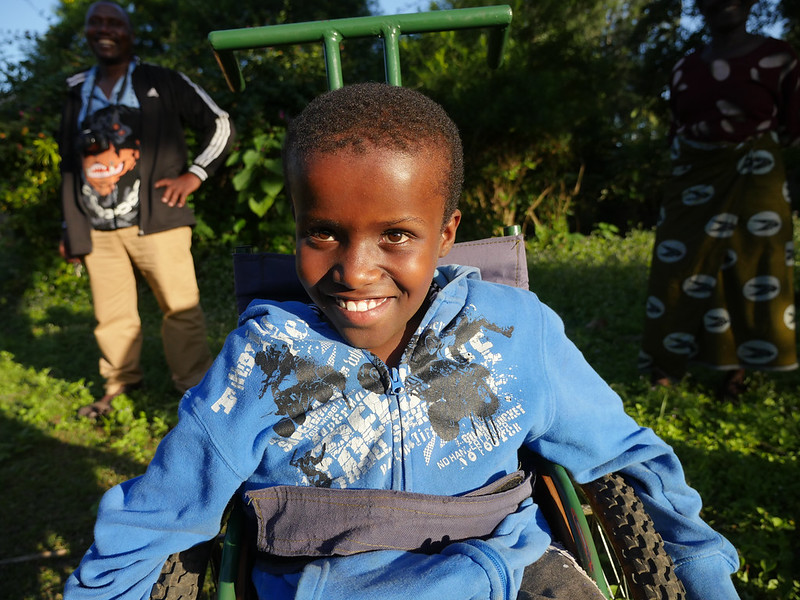
Disability and Poverty in TogoIn Togo, a country where poverty intertwines deeply with social stigma, the plight of persons with disabilities has gained increasing attention, particularly during the challenging times of the COVID-19 pandemic. The virus’s spread exacerbated existing inequalities, striking hardest at the most vulnerable groups, including persons with disabilities, who face heightened risks due to systemic exclusion from health care, education and economic opportunities. During this global health crisis, one of the most affected demographics has been youth with disabilities.

Already at a disadvantage due to often lacking access to education or vocational training, these young individuals found themselves further marginalized in the job market. In response, the United Nations Agency for International Development (USAID) has been a key player, aligning efforts with the Fédération Togolaise des Associations des Personnes Handicapées (FETAPH) to tackle these issues. This partnership focuses on increasing vocational training accessibility and adjusting curricula to be inclusive of sensory disabilities.

FETAPH’s Initiatives

FETAPH’s initiatives include conducting sensitization workshops to foster employer openness toward hiring people with disabilities and collaborating with companies to provide necessary equipment and training placements. These efforts to address disability and poverty in Togo are crucial in a societal landscape where stigma and discrimination are rampant, significantly affecting the livelihoods of disabled persons.

Moreover, the push for a national fund to support the training and professional integration of persons with disabilities is gaining momentum. This fund would not only address immediate employability gaps but also offer long-term support structures for sustainable development. Advocacy for such a fund was bolstered by the commendation from the Committee on the Rights of Persons with Disabilities, which noted ongoing revisions to Togolese law aimed at enhancing social protection for people with disabilities.

The committee also highlighted grave concerns, such as inhumane treatment leading to fatalities among children with disabilities and the persistent cultural practices that underpin such abuses. Questions were raised about protective measures against abandonment and harmful traditional practices like forced marriages and infanticide.

In response, Togolese officials pointed to legislative strides such as the prohibition of discrimination against persons with disabilities in the Children’s Code and severe penalties for those who abandon children due to disability. Despite these legal frameworks, implementation remains inconsistent and many individuals with disabilities continue to face significant barriers to integration and acceptance within their communities.

The role of international and local advocacy in shaping policy and public opinion regarding disability and poverty in Togo cannot be understated. The ongoing dialogue between Togolese authorities and international bodies underscores the pressing need to transform societal attitudes and institutional practices. This dialogue is crucial for ensuring that the rights of persons with disabilities are not only recognized on paper but earnestly protected and facilitated.

About Children With Disabilities in Togo

Additionally, in Togo, children living with disabilities represent one of the most vulnerable segments of the population. This vulnerability is not only marked by poverty but also compounded by significant social isolation and discrimination. Recognizing the urgent need to address these disparities, the United Nations Partnership to Promote the Rights of Persons with Disabilities (UNPRPD) initiated a project in 2012 specifically aimed at enhancing the lives of Togolese children with disabilities.

Firstly, it aimed at harmonizing Togo’s domestic laws with the Convention on the Rights of Persons with Disabilities (CRPD) to ensure that legal frameworks were not only compliant but also supportive of the rights of children with disabilities. Secondly, the project focused on expanding educational opportunities for children with disabilities, particularly in the Kara and Savanes regions. By fostering an environment where children with disabilities are given the tools to thrive, such as access to tailored education and health care, the program aimed to break the cycle of exclusion and poverty.

However, while these initiatives are commendable, they are just the beginning of what needs to be a sustained, multi-faceted effort to integrate persons with disabilities into Togolese society fully. Continuous monitoring, adequate funding and persistent advocacy are essential to ensure that the legal and institutional frameworks not only exist but are actively enforced. They have to effectively contribute to the everyday lives of those whom they aim to protect, who suffer from the compounded effects of disability and poverty in Togo.

Conclusion

While the effort to combat disability and poverty in Togo has been commendable, especially regarding efforts to align its policies with international conventions on disability rights, significant challenges remain. The dual crises of COVID-19 and systemic exclusion have highlighted the urgent need for comprehensive strategies that address both immediate vulnerabilities and long-term social integration. Moving forward, the success of these endeavors will hinge on the sustained collaboration between the government, civil society and international partners to create an inclusive society where persons with disabilities can live with dignity and equal opportunities.

– Avery Fuller

Avery is based in Princeton, NJ, US and focuses on Global Health for The Borgen Project.

Photo: Flickr

May 14, 2024
https://borgenproject.org/wp-content/uploads/borgen-project-logo.svg 0 0 Hemant Gupta https://borgenproject.org/wp-content/uploads/borgen-project-logo.svg Hemant Gupta2024-05-14 07:30:082024-05-14 01:03:27Disability and Poverty in Togo
Disability, Global Poverty

4 Organizations Working to Provide Disability Support in Singapore

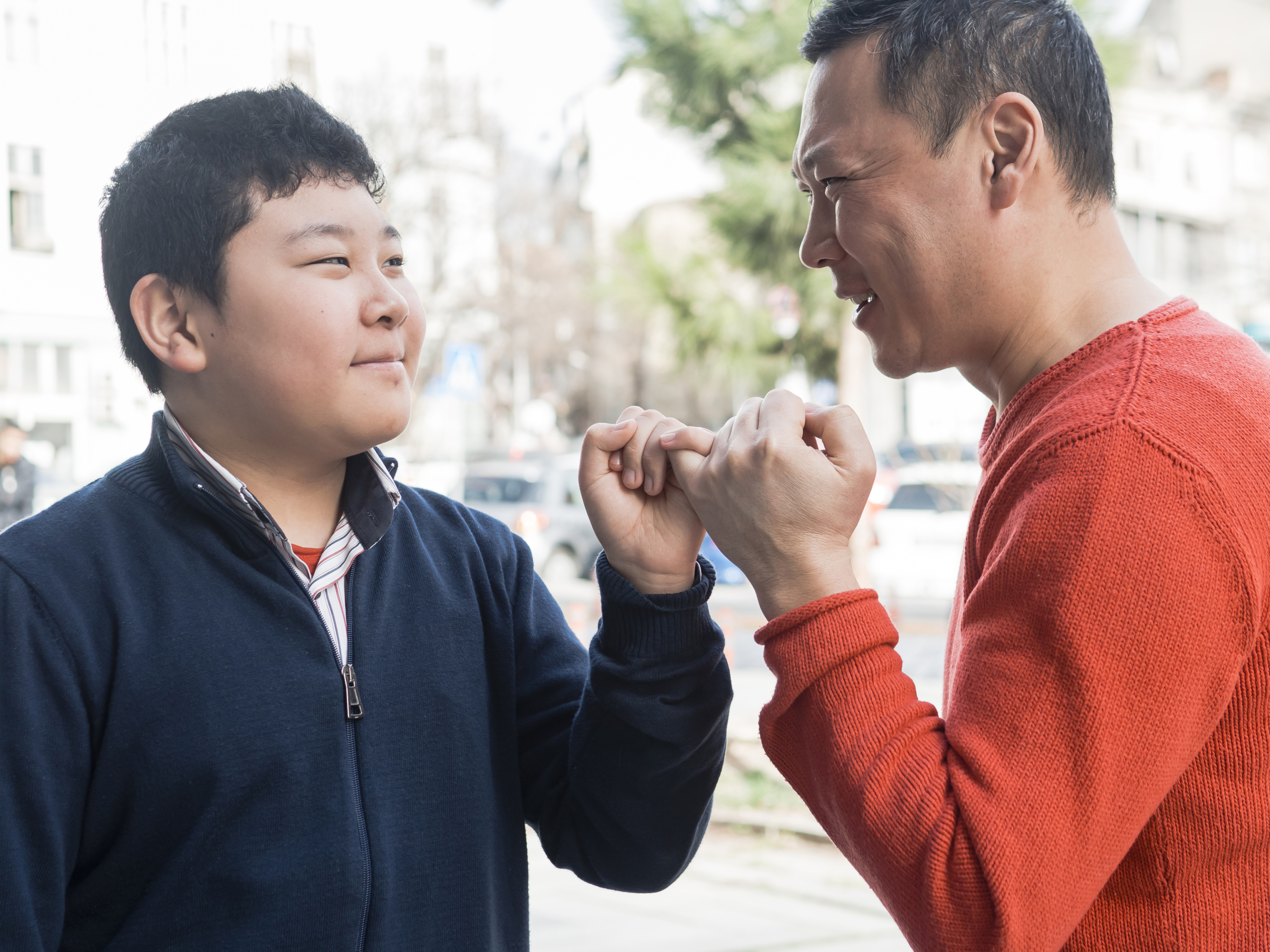
Disability Support in SingaporeAccording to the Society for the Physically Disabled (SPD), 3% of Singapore’s population has a disability. This group of people endures societal exclusion and a lack of consistent investments, which inhibits their opportunities to get ahead, succeed and contribute to the economy. However, several organizations are working to provide disability support in Singapore as individuals work their way up the economic ladder and stay out of poverty.

SPD

SPD is a nonprofit established in 1964 to help people with disabilities maximize their potential and integrate into society. This organization is funding programs that provide services to people of all ages with disabilities and their families to ensure that they have all of the resources and tools needed to reach goals and attain economic wealth.

One program focuses on delivering early intervention services as soon as possible in order to enhance the outcomes of children with disabilities. This is particularly when it comes to succeeding in the school system just as much as children without disabilities.

Another program focuses on providing occupation therapy and speech therapy to people with disabilities, with the goal of them learning to manage their disabilities. Furthermore, SPD is dedicated to offering disability support in Singapore by equipping individuals with the job training and essential skills required to secure well-paying positions within the private sector.

SG Enable

SG Enable, established by the “Ministry of Social and Family Development in 2013,” is another nonprofit organization working to provide disability support in Singapore, particularly for those with visual or hearing difficulties to live as personally and financially independently as possible.

One way that SG Enables is doing this is through job development programs, which concentrate on creating jobs for people with disabilities and linking them to jobs within other organizations. Another way that this organization is working to achieve this objective is through its job training programs, which are designed to provide people with disabilities with the skills needed to raise their likelihood of qualifying for jobs in the private sector.

Disabled People’s Association

The Disabled People’s Association is a Singapore nonprofit “organization for people with disabilities run by people with disabilities.” It is also working to help people with disabilities with their education and career aspirations as well as with transportation needs to get to work and school.

The organization provides disability support in Singapore through legal representation and advocacy for their rights. This effort impacts their activities in education, in the workplace and society as a whole. It also delivers workshops to train disability advocates on how to properly represent people with disabilities and stand up against any form of institutional seclusion from society.

Furthermore, the organization advocates for policy reforms. It also communicates with elected officials in the country as well as with other influential organizations like SG Enable to continue to expand the rights and liberties of people with disabilities.

Touch Community Services Organization

Touch Community Services is another not-for-profit initiative in Singapore. The group partners with other disability organizations in Singapore to deliver resources and programs for people with disabilities. Touch Community Services’ mission is to adhere to the United Nations’ Sustainable Development Goals (SDGs). The group believes that can only be achieved if the health, safety and success of people with disabilities are advocated for.

This mindset plays a role for the organizations continuing to provide resources to those who care for people with disabilities through workshops and support groups. Since its inception, it has touched nearly 280,000 leaves, attracting 14,000 volunteers and its Wellness Group program has helped more than 164,000 people with cyber and mental fitness.

– Ryan Patrick 

Ryan is based in Brooklyn, NY, USA and focuses on Good News for The Borgen Project.

Photo: Wikimedia Commons

May 12, 2024
https://borgenproject.org/wp-content/uploads/borgen-project-logo.svg 0 0 Hemant Gupta https://borgenproject.org/wp-content/uploads/borgen-project-logo.svg Hemant Gupta2024-05-12 01:30:142024-05-12 01:31:524 Organizations Working to Provide Disability Support in Singapore
Developing Countries, Disability, Global Poverty

The Impact of Poverty in the Maldives

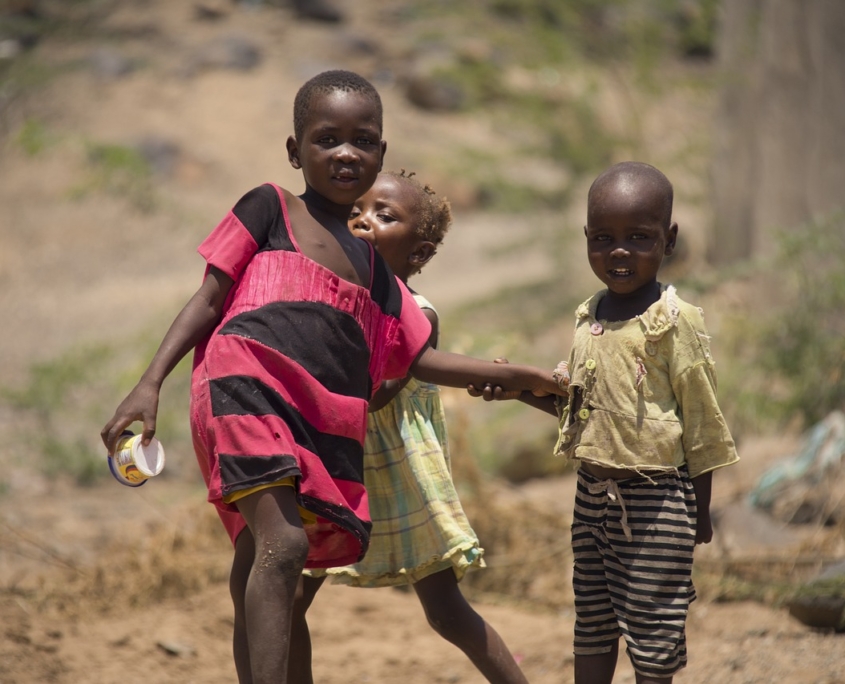
Poverty in the MaldivesThe Maldives, a South Asian country, has managed to elevate itself from a middle-income status despite facing significant geographical challenges. In the past five years, the economy has experienced an average growth rate of 4.5% per year, which is a considerable improvement mainly due to the booming tourism industry. The transport, communication and construction sectors have also contributed to this growth. The Maldives heavily relies on tourism to grow its per capita income. However, this industry is quite risky. Therefore, to maintain its growth and overcome the challenges of poverty, the country needs to have a more balanced economy. As of 2019, about 20,000 people or 5.4% of the population in Maldives, lived below the national poverty line, according to the Asian Development Bank (ADB).

Although the Maldives has one of the lowest poverty rates in South Asia, concerns remain regarding the vast differences in per capita income, literacy rates, access to health and education services, levels of industrialization and relatively high-income inequality. Separately, as a small island developing state, the effects of changing weather patterns and the risk to the tourism sector can also be a big concern if not addressed.

The Impact of the 2004 Tsunami

The impact of the 2004 tsunami was devastating. The financial damage was estimated to be around $470 million, which accounted for 44% of the country’s GDP in 2004. This estimate, however, does not include the environmental costs, such as the loss of topsoil and land that was washed away into the sea. The tourism industry was severely affected, with a 34% shrinkage and the economy as a whole shrank by 8.7%.

Despite the impacts of the tsunami and global financial crisis, the Maldives government reduced poverty by implementing the regional development policy. This helped distribute the social and economic infrastructure equally and resulted in the country bringing national poverty to 15% in 2010 from 21% in 2003. 

UNICEF’s Impact in the Maldives

The United Nations International Children’s Emergency Fund (UNICEF) collaborated with the National Bureau of Statistics and Oxford University to create the country’s first Multidimensional Poverty Index (MPI), helping the government identify vulnerable children and provide assistance. Additionally, it developed a child-focused MPI to identify issues in education, health and future living standards for children in the Maldives.

To increase children’s access to education, UNICEF has also partnered with other organizations to “educate local island councils, parents, school staff and members of other institutions to promote disabled children’s right to education.” Furthermore, the organization supports the Maldives government to research other challenges affecting children in the nation. This is in addition to providing evidence-based solutions to some issues, such as child marriage, among young people in the Maldives.

– Mayra Sahu
Photo: Flickr

April 30, 2024
https://borgenproject.org/wp-content/uploads/borgen-project-logo.svg 0 0 Jennifer Philipp https://borgenproject.org/wp-content/uploads/borgen-project-logo.svg Jennifer Philipp2024-04-30 07:30:192024-04-30 01:23:10The Impact of Poverty in the Maldives
Global Poverty

Fighting disability and poverty in Guinea-Bissau 

Disability and poverty in Guinea-Bissau A former Portuguese colony, Guinea-Bissau, has been affected by chronic instability since achieving independence in 1974. As of September 2023, Disability and poverty is chronic and 64.4% of the population in Guinea-Bissau live below the poverty line. A surprising 68% cannot afford a healthy and nutritious diet. Children and adults with disabilities, in particular, face major barriers, given prejudice and negative social norms with disability and poverty in Guinea-Bissau.

According to a mapping process that the Federation of Associations for the Defense and Promotion of the Rights of Persons with Disabilities in Guinea-Bissau developed, as of 2021, there are 11,548 people with disabilities in all regions of the country. However, Oio has the highest number of people living with disabilities. Specifically, around 16% of children between the ages of 5 and 17 have been found to live with some form of disability.

In light of this, international organizations like the World Food Programme (WFP), the United Nations Children’s Fund (UNICEF) and Humanity & Inclusion (HI) are partnering up with government officials and local organizations to combat the looming poverty and stigma among Guinea-Bissau youth living with disabilities.

Guinea-Bissau’s Barriers to a Fulfilling Life

Disability and poverty in Guinea-Bissau are intricately linked phenomena, reinforcing each other. In Guinea-Bissau, people living with disabilities experience higher levels of poverty, malnutrition and social marginalization. This is because low- and middle-income countries, in particular, tend to have inadequate access to essential resources and services such as health care, clean water, sanitation and nutritious food. Consequently, this leads to exclusion from work, education and social services, thus widening inequalities and exacerbating poverty.

In fact, it is estimated that at least 59% of youth with disabilities do not attend school. Education and social inclusion have become profound realities for many people living with disabilities in Guinea-Bissau. However, like numerous countries in the region, the nation still grapples with cultural discrimination against people with disabilities.

Throughout West Africa, there persist prevailing beliefs that children with disabilities are “bizarre” or “demonic,” resulting in countless stories of neglect, discrimination and ostracization. These cultural beliefs are often deeply influenced by religious backgrounds. In the rural areas of Guinea-Bissau, children with disabilities usually endure heightened levels of social marginalization. It hinders their access to education and, in some cases, leads to their confinement within their homes.

Disability Inclusive School Feeding

Inclusive approaches to children’s rights remain vital in combating high illiteracy rates. They are also beneficial for extreme inequalities between urban and rural areas. Children with disabilities are at much greater risk of malnutrition and food insecurity. As a result, organizations have shifted focus toward education and food security as a way to promote disability rights and inclusive education. According to WFP’s 2023 Practice Guide on “Disability Inclusive School Feeding,” “countries with high levels of malnutrition and nutrient deficiency often report higher rates of disability and developmental delays.”

School feeding has emerged as an innovative solution to addressing disability and poverty in Guinea-Bissau. Providing access to education and free nutritious meals has empowered children living with disabilities and their families, instilling hope for a brighter future.

In collaboration with the government and various nonprofit organizations, the WFP has spearheaded initiatives to support the integration and well-being of children with disabilities into the public school system. One initiative is Bengala Branca, Guinea-Bissau’s inaugural inclusive school catering to both children with and without disabilities.

Additionally, Mariposa is a school located in Guinea-Bissau’s capital that offers specialized education for hearing and speech-impaired learners. The school now integrates the WFP’s take-home rations program for students. Since May 2023, a pilot program has been actively establishing vegetable gardens in schools, including Mariposa, for children with disabilities. This initiative involves providing training for youth, enabling them to procure locally produced food and learn more about self-sufficiency and food diversity.

WFP provides nutritious and hot meals to nearly 179,000 primary school children in Guinea-Bissau, including those with disabilities. In a concerted attempt to tackle disability and poverty in Guinea-Bissau, along with entrenched prejudice and discrimination, the WFP’s project Education Without Borders, launched in 2020, has now successfully reached all 852 schools in the country.

Other Efforts

Other efforts have also been witnessed across Guinea-Bissau. Between 2020 and 2022, HI actively worked to increase access to education among children with disabilities by improving the accessibility of school canteens. Additionally, it conducted campaigns to raise awareness of disability issues in the regions of Bissau, Oio, Bafata, Biombo and Cacheu.

Despite having feeding programs, schools in the country frequently lack training on inclusive education and equality. They also lack accessible-friendly school infrastructure, including sanitation facilities, which makes it difficult for students with disabilities to attend.

To address this issue, UNICEF, in collaboration with HI, has directly supported the construction of WASH infrastructure in 27 schools. Under the sanitation and hygiene program, UNICEF has also trained approximately 3,000 teachers in disability accessibility. This is in addition to creating initiatives that include inclusive hygiene clubs. These steps help to reduce some of the sanitation-related barriers that prevent children with disabilities from enrolling and attending school.

– Irene Suvillaga
Photo: Flickr

April 11, 2024
https://borgenproject.org/wp-content/uploads/borgen-project-logo.svg 0 0 Jennifer Philipp https://borgenproject.org/wp-content/uploads/borgen-project-logo.svg Jennifer Philipp2024-04-11 07:30:172024-05-30 22:32:54Fighting disability and poverty in Guinea-Bissau 
Page 10 of 10«‹8910

Get Smarter

  • Global Poverty 101
  • Global Poverty… The Good News
  • Global Poverty & U.S. Jobs
  • Global Poverty and National Security
  • Innovative Solutions to Poverty
  • Global Poverty & Aid FAQ’s
Search Search

Take Action

  • Call Congress
  • Email Congress
  • Donate
  • 30 Ways to Help
  • Volunteer Ops
  • Internships
  • Courses & Certificates
  • The Podcast
Borgen Project

“The Borgen Project is an incredible nonprofit organization that is addressing poverty and hunger and working towards ending them.”

-The Huffington Post

Inside The Borgen Project

  • Contact
  • About
  • Financials
  • President
  • Board of Directors
  • Board of Advisors

International Links

  • UK Email Parliament
  • UK Donate
  • Canada Email Parliament

Get Smarter

  • Global Poverty 101
  • Global Poverty… The Good News
  • Global Poverty & U.S. Jobs
  • Global Poverty and National Security
  • Innovative Solutions to Poverty
  • Global Poverty & Aid FAQ’s

Ways to Help

  • Call Congress
  • Email Congress
  • Donate
  • 30 Ways to Help
  • Volunteer Ops
  • Internships
  • Courses & Certificates
  • The Podcast
Scroll to top Scroll to top Scroll to top