• Link to X
  • Link to Facebook
  • Link to Instagram
  • Link to TikTok
  • Link to Youtube
  • About
    • About Us
      • President
      • Board of Directors
      • Board of Advisors
      • Financials
      • Our Methodology
      • Success Tracker
      • Contact
  • Act Now
    • 30 Ways to Help
      • Email Congress
      • Call Congress
      • Volunteer
      • Courses & Certificates
      • Be a Donor
    • Internships
      • In-Office Internships
      • Remote Internships
    • Legislation
      • Politics 101
  • The Blog
  • The Podcast
  • Magazine
  • Donate
  • Click to open the search input field Click to open the search input field Search
  • Menu Menu

Tag Archive for: Disability and Poverty

Posts

Developing Countries, Global Poverty

A Path Forward: Addressing Disabilities and Poverty in Serbia

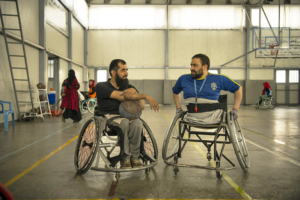
Disabilities and Poverty in SerbiaIn Serbia, the intersection of disabilities and poverty presents significant challenges. While the country has made strides in improving conditions for people with disabilities, many still face barriers that hinder their access to essential services and opportunities.

The Scope of Disabilities and Poverty in Serbia

Serbia, a country in Southeastern Europe with a population of around 6.6 million, has a significant portion of its population living with disabilities. According to the United Nations (U.N.), around 8% of the population has a disability. Many of these individuals face challenges that are exacerbated by poverty, limiting their access to essential services and opportunities. The combination of disability and poverty creates substantial barriers to health care, education and employment, perpetuating a cycle of disadvantage.

Barriers Faced by Disabled Individuals

The poverty rate in Serbia is a significant concern, with around 24.3% of the population living below the national poverty line. However, individuals with disabilities are disproportionately affected, facing an even higher likelihood of poverty compared to the general population. This disparity exacerbates their struggles with accessing health care, education and employment opportunities, further entrenching them in a cycle of poverty and marginalization. The gap between the overall poverty rate and that of the disabled population highlights the urgent need for targeted interventions.

Health Care Access

Disabled people in Serbia face significant challenges in accessing health care services. Approximately 8% of the population, nearly 600,000 individuals, lives with some form of disability. One in five women and adolescent girls with disabilities report difficulties accessing needed health services. Additionally, one in four women with disabilities is dissatisfied with the sexual and reproductive health services she receives and one in seven has never had a gynecological examination. These challenges are compounded by negative stereotypes and barriers that persist even among health professionals.

Solutions

Several organizations and activities aim to improve conditions for disabled persons in Serbia. For instance, the National Organization of Persons with Disabilities of Serbia (NOOIS) focuses on advocating for disability rights and providing various support services. With representation for more than 800,000 individuals with disabilities, NOOIS has implemented programs such as accessible transport services and educational workshops. In addition, Nordeus, the largest IT company in Serbia, established a corporate foundation with $2.7 million to support the education and training of young IT professionals in the country.

A Call to Action

Addressing the intersection of disability and poverty in Serbia requires continued effort and collaboration. Key areas for improvement include increasing funding for support programs. Additionally, enhancing the accessibility of public services and raising awareness to combat social stigma, will support efforts within the country.

By focusing on practical solutions and promoting positive change, Serbia can make significant strides toward reducing poverty and improving the lives of individuals with disabilities.

– Aneela Agha

Aneela is based in Dubai, UAE and focuses on Global Health for The Borgen Project.

Photo: Flickr

September 3, 2024
https://borgenproject.org/wp-content/uploads/borgen-project-logo.svg 0 0 Hemant Gupta https://borgenproject.org/wp-content/uploads/borgen-project-logo.svg Hemant Gupta2024-09-03 03:00:112026-04-16 09:59:50A Path Forward: Addressing Disabilities and Poverty in Serbia
Developing Countries, Disability, Global Poverty

Disability and Poverty in Cuba

Disability and Poverty in CubaCuba is a developing country in the Caribbean, with a population of 10.9. Cuba’s economy relied heavily on the Soviet Union, which started in 1960. However, during the early ’90s, the Soviet Union fell and Cuba’s economy suffered. Since 2018, the Cuban economy has been severely impacted by international blockade and sanctions. The COVID-19 pandemic has also hindered Cuba’s economic growth. In 2020, Cuban gross domestic product (GDP) decreased by 11% and only increased by 0.4% in 2021 and 1.8% in 2022. Moreover, Cuba’s economy has recently experienced inflation and the population has had limited access to essential resources like food and health products. The nation’s fuel supply has also struggled to meet the needs of citizens, causing periodic energy and transport crises.

In 2023, more than 360,000 people with disabilities lived in Cuba and they were all impacted by these economic challenges. The Data Disability Initiative published that women with physical disabilities experience a higher level of multidimensional poverty than women without physical disabilities. Despite these challenges, the Cuban government has made efforts to develop education policies that better cater to children with disabilities. International organizations like the United Nations Children’s Fund and Humanity and Inclusion (HI) have been helping improve the quality of life for people living with disability and poverty in Cuba.

Challenges

According to Human Rights Watch (HRW), Cuba has not established its domestic laws in agreement with the United Nations (U.N.) Convention on the Rights of Persons With Disabilities, nor has the nation’s government developed effective disability rights policies related to accessibility, legal capacity, education, independent living and employment. As of 2022, Cuban law suggests that public buildings, health services and transportation services should all accommodate people with disabilities. However, the government generally has not enforced this law effectively, resulting in the needed facilities and accommodations being rarely available for people with disabilities.

According to the 2019 Multiple Indicator Survey 6 results, 10% of women ages 18 to 49 with much functional difficulty have less than primary school as their highest level of education received, while only 1% of women with some functional difficulty and 0% of women with no functional difficulty have less than primary school as their highest level of schooling. Significant differences exist in the number of women with adequate housing and asset ownership. Women who have some functional difficulty are less likely to have these resources and women with much difficulty have even lower rates of access to these resources. Women with some functional difficulty and much functional difficulty were also more likely to report being discriminated against or harassed based on any ground, with rates of 3% and 15%, respectively.

Government Support for Education

Cuba’s 2012 Population and Housing Census took note of 41,374 children and adolescents with disabilities and many live in rural areas. About 57% of this total are visually impaired children and children with intellectual disabilities. Cuba has 355 schools for children who have disabilities, with 33,975 children and students enrolled in these schools in the 2017-2018 school year. Also, 1,978 mainstream schools at all levels educate 11,037 students with disabilities.

Education is state policy in Cuba. The government puts much effort into financing education, resulting in residual illiteracy of 0.2%, an average of 10.1 years of schooling and 10% of the GDP being used for school funding since 2004. Cuba has special and inclusive schools that work together to educate children with disabilities. In 2019, out of 10,598 schools, 342 (3%) of the total schools in the country were special schools. Special schools use the same teaching materials and curriculum as mainstream schools. However, they are flexible so that they can adapt to the specific needs of each student.

Special schools were established as resource centers with exit strategies that help students with disabilities smoothly transition into mainstream schools. In 2019, the number of students attending different centers was 102,477 in mainstream schools, 33,639 in special schools, 1,070 in technical and professional education and 180 in higher education. According to data collected from UNICEF Cuba in 2020, 15% of the students who attended trade schools were graduates of special schools.

Nonprofit Aid

HI is an international nonprofit that focuses on helping vulnerable populations, especially people with disabilities. It has been working in 60 countries around the world, including Cuba. This nonprofit helps Cubans with disabilities, especially women and young people, find employment by giving them kits with the necessary tools to become economically self-sufficient. HI’s teams also raise awareness about disability issues for local employers and help develop new adapted activities and jobs. In 2016, HI’s project helped more than 1,400 people with disabilities in Cuba. The organization’s project partnered with 800 health professionals and community officers, further assisting people with a disability and reducing poverty in Cuba.

Similarly, in 2019, UNICEF helped train 548 specialists across all 16 provinces of Cuba to provide the necessary care for students with disabilities who attend mainstream schools. UNICEF has been working on improving the capacities of teachers, principals and families in rural areas to ensure that students with intellectual disabilities attending mainstream schools receive the educational services they need. UNICEF also uses a communication-for-development strategy to encourage social and academic inclusion for children with disabilities.

Summary

While there seems to be further work to do to strengthen the country’s policies on transportation, employment and independent living for people with disabilities, progress has been made in addressing the needs of children and adolescents through institutions like special schools. International organizations like UNICEF and HI have also been helping to fill the gaps in providing the resources citizens living with disability and poverty in Cuba need.

UNICEF is improving education for children with disabilities by training teachers, principals and families in rural areas to understand intellectual disabilities better. HI’s program in Cuba supports people with disabilities by helping them find employment and providing materials for economic self-sufficiency. Overall, progress is being made in supporting people with disabilities in Cuba and continued support will be crucial for sustaining this advancement.

– Elisabeth Nwasokwa

Elisabeth is based in Bellerose, NY, USA and focuses on Good News for The Borgen Project.

Photo: Unsplash

August 15, 2024
https://borgenproject.org/wp-content/uploads/borgen-project-logo.svg 0 0 Hemant Gupta https://borgenproject.org/wp-content/uploads/borgen-project-logo.svg Hemant Gupta2024-08-15 01:30:082024-08-15 00:27:53Disability and Poverty in Cuba
COVID-19, Disability, Global Poverty

Disability and Poverty in Algeria 

Disability and Poverty in AlgeriaPoverty and disability are issues that significantly affect many Algerians. Despite efforts to address socio-economic development, poverty remains a persistent problem in the country as it increased in 2020 for the first time in more than 20 years. Individuals with disabilities face additional barriers, worsening their economic hardships as “integrating these individuals into Algerian society “remains insufficient.” This article will highlight the ongoing efforts from charities, organizations and the Algerian government to combat the correlation between disability and poverty in Algeria. 

Poverty in Algeria

Recent statistics indicate that almost 75% of the poor in Algeria undertake informal jobs within urban areas. In Algeria, the unemployment rate reached 11.2% in 2015, with no significant changes within the first half of 2016. High unemployment levels persisted, particularly among women, at 16.6% for women and 29.9% of youth. 

The World Bank found that young people experienced a higher overall unemployment rate. For instance, in 2021, Algeria’s unemployment rate was 12.7% for the total labor force, rising to 31.9% among youth aged 15 to 24. This high rate of youth unemployment suggests that young Algerians struggle to enter the job market – possibly due to factors such as a lack of experience, having little to no background in education or a general scarcity of jobs. This poses a problem as they miss out on earning potential income in order to help themselves and their family. This lack of income can make it harder to afford basic needs such as food, clothing and housing, pushing them further into poverty. 

The Pandemic

Approximately, 10% of Algeria’s population is at constant risk of sinking back into poverty. The COVID-19 pandemic worsened this situation in which, “Algeria was ill prepared to respond to the COVID-19 pandemic. Health care workers were challenged by a shortage in hospital intensive care unit beds, ventilators, protective gear, medical oxygen, oximeters, and medications.” This lack of preparedness, coupled with job losses and increased living costs due to the pandemic, severely strains social safety nets and government resources. As a consequence, this further widens the inequality gap and perpetuates a cycle of financial instability that traps individuals in poverty. 

Disability in Algeria

In Algeria, individuals with disabilities face significant challenges despite legal frameworks aimed at protecting their rights. As the charity Disability:IN states, Algerian society has an evolving outlook on people with disabilities. However, those with disabilities are often not included fully into society and often face discrimination, unfairness and exclusion. 

The government has enacted legislation to promote the employment of persons with disabilities in Algeria within public and private sectors, including offering incentives for employers and establishing a 1% employment quota. Between 2005 and 2018, the National Loan Agency financed 1,522 projects to support the professional integration of people with disabilities. According to a 1998 census. there were 1.6 million people in Algeria with disabilities, a number which was now estimated to be 2 million by 2018. 

There remains a significant gap between the laws and their implementation. Experts have raised concerns about outdated definitions in the 2002 Disability Law and the presence of derogatory terms. More than 7,000 children with disabilities still live in institutions rather than in family or inclusive settings, underlining a need for improved integration of disabled children within Algerian society.  

Education is mandatory for all children from age six, and efforts have been made to include children with specific needs in mainstream schools. Currently, 37,000 children with disabilities are integrated into schools, with 32,500 children in mainstream settings. The government supports 232 specialized institutions and initiatives like the use of sign language have been introduced to facilitate a better understanding in classrooms.  Despite these efforts, broader measures are needed to bridge the gap between legislation and the experiences of those living with disabilities in Algeria.

Addressing Disability and Poverty in Algeria

Efforts to support those with disabilities and combat poverty in Algeria also involve international organizations. Oxfam has been active in the Sahrawi refugee camps since 1975 and they work to improve food security by distributing fresh vegetables and gluten-free flour to the disproportionately large celiac population within the camps. Further to this, the World Food Programme (WFP) has supported vulnerable refugees in Algeria since 1986, covering basic food and nutrition needs. The European Union is the largest donor to the World Food Programme (WFP) in Algeria. Since 2003, the EU has contributed nearly €85 million euros to support WFP’s operations for Sahrawi refugees in the country. This year, the EU’s contributions represent almost 20 percent of the total funding required by WFP in Algeria.

Humanity & Inclusion (HI) has been active in Algeria since 1998, working to promote the rights of individuals with disabilities. HI trains teachers in understanding specific methods when working with disabled children, while also raising awareness among parents about the importance of education for children with disabilities. One of their projects focuses on the rights of disabled children without families. In partnership with national and local actors, including the Ministry for National Solidarity, the Ministry of Health, NADA, parent organizations and UNICEF, HI collects and analyzes data to improve care-management practices. The project aims to enhance conditions for children with disabilities in specialized settings. There are 232 specialized institutions providing support to children with disabilities, receiving government funding amounting to 10 billion Algerian dinars. 

The Takeaway

In conclusion, Algeria faces significant challenges in addressing poverty and disability in Algeria, despite various efforts by the government, charities and international organizations. The increase in poverty rates in 2020, for the first time in over two decades, highlights the persistent socio-economic issues that high unemployment, especially among youth and women, has exacerbated. Individuals with disabilities encounter barriers within their integration into society with a gap between legislation being proposed and the actual implementation of said proposals.

However, initiatives by organizations such as Oxfam, the World Food Programme and Humanity & Inclusion, along with government efforts, are continuously providing support and improving the lives of vulnerable populations. These efforts are necessary to bridge the existing gaps and ensure a more inclusive and equal society for all Algerians.

– Fahima Begum

Fahima is based in London, UK and focuses on Good News and Global Health for The Borgen Project.

Photo: Wikimedia Commons

August 2, 2024
https://borgenproject.org/wp-content/uploads/borgen-project-logo.svg 0 0 Jennifer Philipp https://borgenproject.org/wp-content/uploads/borgen-project-logo.svg Jennifer Philipp2024-08-02 03:00:292024-08-02 02:36:39Disability and Poverty in Algeria 
Developing Countries, Disability, Global Poverty

Uplifting Haiti’s Vulnerable: Disability and Poverty in Haiti

Uplifting Haiti’s Vulnerable: Disability and Poverty in HaitiHaiti struggles with profound social, economic and political instability, making it the poorest country in Latin America and the Caribbean and one of the poorest globally. In 2024, Haiti faces another year of negative economic growth, compounded by environmental hazards and ongoing political crises. These factors contribute to prevalent issues of disability and poverty, placing a significant portion of the population at risk.

Disabled Population in Haiti

In 2010, Haiti saw a significant increase in the number of disabled individuals following an earthquake that injured nearly 10% of households. Disability, affecting about 4% of Haitians aged 5 and over, is defined as experiencing some difficulty in at least two functional domains or serious difficulty or incapacity in one domain. Post-earthquake, 16% of households reported having a family member with a disability, which has drastically impacted individuals’ work capabilities and family financial stability.

Beyond natural disasters, disabilities in Haiti also stem from birth anomalies and noncommunicable diseases. The Disability Data Initiative reports that 24.9% of Haitians aged 15 and older face functional difficulties, with vision issues being the most common. Furthermore, a survey of more than 53,000 people found that 43% suffered from physical mobility disabilities.

How Disabilities Impact Poverty

Disability and poverty in Haiti severely limit the social mobility of a significant portion of the population. Poverty in Haiti often manifests as multidimensional poverty, which encompasses multiple social disadvantages such as unsafe living conditions and low educational attainment.

Approximately 86.2% of Haitians with significant functional difficulties are also multidimensionally poor. Compared to the general population, disabled individuals in Haiti face harsher socioeconomic conditions and have more difficulty entering the workforce. This perpetuates a cycle where impoverished and disabled communities struggle to achieve social mobility, affecting future generations.

According to the 2020 Human Capital Index, children in Haiti are projected to achieve only 45% of their potential productivity if they have access to stable education and health care. Moreover, the literacy rate among the disabled community is under 30%, nearly 30% lower than the national average.

Uplifting the Disabled Community

An initiative tackling disability and poverty in Haiti is the Promoting Inclusion of Persons with Disabilities (PwDs) in Social and Employment Programs. This program strives to enhance the presence of PwDs in the labor force by integrating them into the social registry, offering professional training and conducting awareness campaigns about the status of PwDs in Haiti and how to support them.

The World Bank has funded this initiative with a $2.29 million grant and collaborates with Humanity and Inclusion, a nongovernmental organization that aids people with disabilities. This partnership focuses on providing training and methodologies. So far, 127 PwDs have completed training in various fields, which has enabled them to boost their income and explore opportunities like starting their businesses.

The World Bank funds the Adaptive Social Protection for Increased Resilience (ASPIRE) program, which offers a financial safety net through the Ministry of Social Affairs and Labor. This program ensures that vulnerable households receive regular financial support and health care. ASPIRE aims to give individuals the opportunity to stabilize their lives and seek employment, mitigating the risks of extreme poverty and food scarcity.

PwDs in Haiti often fall victim to violence from natural disasters and gang-related activities. The U.N. Population Fund (UNFPA) supports these individuals by providing crutches, wheelchairs, dignity kits and assistance in organizing work documentation, enhancing their autonomy. These services help PwDs return to work, secure protection from violence and promote economic independence.

Looking Ahead

As Haiti endures another year of economic decline, compounded by environmental hazards and political crises, the disabled community remains particularly vulnerable. Efforts like the Promoting Inclusion of Persons with Disabilities in Social and Employment Programs and the ASPIRE program are crucial in providing professional training and financial support. Additionally, the UNFPA’s initiatives to supply mobility aids and essential services are vital in empowering disabled individuals to achieve economic independence and protection from violence. The ongoing efforts aim to improve the living conditions and prospects for Haiti’s disabled population.

– Astrid Burns

Astrid is based in Roseland, NJ, USA and focuses on Global Health for The Borgen Project.

Photo: Flickr

July 27, 2024
https://borgenproject.org/wp-content/uploads/borgen-project-logo.svg 0 0 Precious Sheidu https://borgenproject.org/wp-content/uploads/borgen-project-logo.svg Precious Sheidu2024-07-27 07:30:392024-07-27 03:29:45Uplifting Haiti’s Vulnerable: Disability and Poverty in Haiti
Disability, Global Poverty, Health

Addressing Disability and Poverty in Fiji

Disability and Poverty in FijiTucked away amidst approximately 330 tropical islands in the South Pacific Ocean, Fiji saw 929,740 visitors in 2023, a 46.1% increase from the previous year. Despite this surge, many residents’ lives have not improved. A significant portion of Fiji’s population lives below the national poverty line, facing considerable barriers due to disability and poverty. This highlights the urgent need for support to address the challenges faced by impoverished and disabled Fijians. Here is information about the correlation between disability and poverty in Fiji.

Early Disability Identification Barrier

Fiji faces significant challenges in the early identification of disabilities in children. This severely impacts its disabled communities by drawing a barrier of comprehension, exclusivity and representation. Caregivers of children with disabilities reported to be unaware or unfamiliar with what the diagnosis is or what it entails. Misinformation, in contrast, lack of information further heightens confusion and often leaves caregivers lost about what to do.

The absence of adequate screening programs and limited specialized health care professionals further delay the identification of disabilities in children. The wait hinders intervention efforts, which is crucial for maximizing the developmental potential and quality of life for individuals with disabilities. According to the International Journal of Environmental Research and Public Health, many children in Fiji cannot access the necessary educational and therapeutic support. This can lead to lifelong disadvantages.

Low-Funding Fueling Low-Income

Low funding in Fiji and its economic infrastructure contributes to the country’s persistent low-income levels and widespread poverty. Tourists’, often being seen as a boost in surrounding economic landscapes, benefits are not evenly distributed. In most cases, the benefits do not reach the most impoverished communities. Much of the revenue that is generated from tourism is dedicated to urban areas and controlled by private foreign companies. This leaves rural and local populations with high rates of disability and poverty with minimal gain.

Additionally, the ebb and flow of tourism seasons do not offer stability within the workplace, with low-paying jobs and unreliable income being the most evident. The need for sufficient government funding further hampers efforts to develop infrastructure, education and healthcare, thus fueling the cycle of poverty. This need is met with the IMF Annual Report 2023, a clear emphasis is placed on strengthening institutions as a primary objective. Recognizing the critical role of robust institutions in fostering economic stability and sustainable development, the report underscores the importance of governance reforms, institutional capacity building, and effective policy implementation. By prioritizing institutional strengthening, the IMF aims to enhance resilience against economic shocks, promote transparency, and improve public trust in governance frameworks globally.

Positive Steps

Action on Poverty works to address disability and poverty in Fiji. Education about significant challenges that rural and remote communities face, particularly regarding clean water, sanitation, health and inclusion fuel support for those in need. Its programs focus on improving gender equality, social inclusion, governance, health, livelihoods and water sanitation. Training initiatives have helped communities improve water management, reducing water-borne diseases and improving overall health. Collaborating with local partners like Partners for Community Development Fiji, they enhance community resilience and break the cycle of poverty.

One of Action on Poverty’s programs in Fiji is the Water, Sanitation, and Hygiene (WASH) initiative. This program improves access to clean water and proper sanitation facilities in rural communities. By providing training and resources for effective water management and hygiene practices, the initiative has helped reduce water-borne diseases. Additionally, this has enhanced overall health and well-being in these communities. This collaborative effort with local partners aims to create sustainable changes and foster community resilience.

– Demi Olin

Demi is based in Huntington, WV, USA and focuses on Good News for The Borgen Project.

Photo: Flickr

July 9, 2024
https://borgenproject.org/wp-content/uploads/borgen-project-logo.svg 0 0 Jennifer Philipp https://borgenproject.org/wp-content/uploads/borgen-project-logo.svg Jennifer Philipp2024-07-09 01:30:052024-07-09 01:36:40Addressing Disability and Poverty in Fiji
Disability, Global Poverty, Health

Helping the Deaf Population in China and India

Deaf Population in ChinaChina and India are mass-populated countries located in the world’s Northern Hemisphere. Both countries have a population of approximately 1.4 billion people each, which means a large population of those who are deaf or otherwise hard of hearing. Many citizens in both countries find it challenging to obtain help and resources for their hearing loss or deafness. However, this is slowly changing as they have made strides in helping the deaf population.

How the Deaf Population in China is Affected

According to Cochlear Implants International, an estimated 28 million people face some hearing loss in China. With this high statistic, many also face a higher risk of unemployment, less education and lower-income families than their hearing counterparts. Due to the social stigma and previous lack of resources, Chinese sign language is also less developed than in other developed countries.

Similarly, there are about 115,00 children with severe hearing loss in China and an additional 30,000 a year are born with hearing loss. Deaf children are given fewer resources to excel in school, as the curriculum focuses on speech and hearing.

Helping the Deaf Population in China

Despite the challenges, great strides are being made in helping the deaf population in China. China began gene therapy treatment in young deaf children, restoring some hearing in children who were otherwise 100% deaf. Zheng-Yi Chen, an associate professor who helped develop the study, said, “Now they can hear speech that is close to normal and one can hear a whisper.” However, this treatment only works on those with a gene defect from birth, a protein called otoferlin. People born without it don’t have a signal from the hair cells that make people hear.

This treatment is the first of its kind and only a few deaf children have received it as a trial. However, China has implemented more accessible resources for the general population. Deaf children receive cochlear implants as they are increasingly more affordable. China has also implemented screenings for newborns to intervene immediately if they detect hearing loss or deafness. However, audiology isn’t yet seen as a medical practice in China. Cochlear implants are performed by nurses, physicians and other professionals.

How Deaf Indian Citizens Are Affected

About 18 million people in India are deaf or hard of hearing, though the number could be much larger. Despite the large population, India needs more resources than China comparatively has. There’s no official recognition of Indian sign language and the use of it carries a heavy stigma, as many of the population are unaware of the nuances of deafness.

With no official recognition, children who are deaf are often forced to adhere to the standards of hearing people in school. As sign language is discouraged, learning is undertaken by lipreading and written communication, putting these learners at a disadvantage to their peers. This disparity further increases the illiteracy rate in India which sits at about 26%.

How India Is Helping the Deaf

India is slowly making some improvements with the help of a few nonprofit organizations, such as VAANI. VAANI recognizes that the hearing population of India lacks an understanding of deafness and seeks to help deaf children. In increasing awareness, families with deaf children can obtain government resources for their children. These resources can help families to avoid a future of poverty. VAANI helps by providing early intervention, educating families and improving communication.

Some nongovernmental organizations (NGOs), such as the Noida Deaf Society (NDS), have also stepped in to help deaf people in India lead self-sufficient lives and seek employment opportunities. These NGOs work to help them build employability skills and provide more inclusive learning environments for deaf children. NDS has successfully brought employment opportunities for deaf people in hospitality, retail, education and more industries.

Final Remark

There is still much work to be done. This is especially the case in India, however, both countries are making their way to helping the deaf population and be more inclusive. With the help of NGOs and other organizations, deaf people don’t have to be stuck in poverty and can lead fulfilling lives.

– Sabrina Betterly

Sabrina is based in Drums, PA, USA and focuses on Good News and Global Health for The Borgen Project.

Photo: Freepik

July 2, 2024
https://borgenproject.org/wp-content/uploads/borgen-project-logo.svg 0 0 Hemant Gupta https://borgenproject.org/wp-content/uploads/borgen-project-logo.svg Hemant Gupta2024-07-02 07:30:492024-07-02 04:43:36Helping the Deaf Population in China and India
Global Health, Global Poverty, Technology

How Paper Technology is Supporting Postural Care in Kenya

How Paper Technology is Supporting Postural Care in KenyaIn Kenya, the joint partnership between APT for Social Development (APT4SD) and The Potters House has been instrumental in providing bespoke postural support devices for people with disabilities. APT4SD secured a grant of £14,232.00 from the Wales and Africa Grant Scheme in 2022-23 to carry out this work. In addition to its activities in Kenya, the charity also conducts workshops in Wales to teach Appropriate Paper Technology (APT) skills for mental health and emotional wellbeing. The training in Kenya focuses on enabling nurses to identify children needing postural care and training artisans to create customized furniture, which also helps fund the project by selling household items.

Understanding Appropriate Paper Technology (APT)

Appropriate Paper Technology (APT) offers an affordable solution by recycling materials like cardboard, paper and nylon tights into sturdy, lightweight support devices. At the Potters House CBO workshop, the construction process involves layering thick cardboard with a flour and water mixture and reinforcing it with used nylon tights. These support devices are then covered with old newspapers or paper bags and decorated. This method not only provides essential support to children in need but also facilitates financial support for their families through employment in device production.

Impact and Outreach of the Project

The project’s impact is significant, with 145 support devices created and 721 children and adults benefiting from the services. The project has established new APT workshops and trained 17 Kenyan therapists in postural care. These ongoing initiatives demonstrate the project’s commitment to providing immediate aid and promoting sustainable development through education and skill-building.

NHS Education for Scotland highlights the importance of postural care in preventing complications in various body parts such as hips, knees, spine and pelvis. Without appropriate care, individuals can suffer from severe physical deformities and health issues, impacting their ability to perform daily functions and reducing their quality of life.

Poverty Alleviation

The importance of postural care in Kenya extends beyond individual health to address broader socioeconomic challenges. According to UNICEF’s 2022 report, more than half of Kenyans face multidimensional poverty, with even higher rates among children with cerebral palsy. The efforts of APT4SD and The Potters House play a vital role in supporting impoverished families, illustrating the critical link between health care interventions and poverty alleviation.

Looking Ahead

The innovative approach of Appropriate Paper Technology (APT) promises to expand its impact, offering sustainable postural support and livelihood opportunities across Kenya. Continued collaboration between local and international partners could be crucial to enhance the scope and reach of these empowering projects. Moreover, by addressing the intertwined challenges of health and poverty, APT4SD and The Potters House are paving the way for a more inclusive and supportive future for individuals with disabilities.

– Rachael Denton-Snape

Rachael is based in High Wycombe, UK and focuses on Technology and Global Health for The Borgen Project.

Photo: Pixabay

June 17, 2024
https://borgenproject.org/wp-content/uploads/borgen-project-logo.svg 0 0 Precious Sheidu https://borgenproject.org/wp-content/uploads/borgen-project-logo.svg Precious Sheidu2024-06-17 07:30:182024-06-17 01:58:38How Paper Technology is Supporting Postural Care in Kenya
Developing Countries, Global Poverty

5 Facts About Poverty and Disabilities in Nepal

Disabilities in NepalNepal is an Asian country locked between India and China. With more than 40% of the population living below the poverty line, Nepal is “one of the least developed” countries in the world. Despite the country’s hardships, Nepal is making great strides to improve its condition, which opens up possibilities to lower the poverty line. Here are five facts about poverty and disabilities in Nepal.

Disabilities Prevalence

UNICEF reported that in 2011, there were 1.9% of Nepali people with a disability, such as those with physical, vision, hearing, speech and mental disabilities. However, this number may be higher. UNICEF also states that the National Planning Commission (NPC) conducted a situation analysis in 2001 that suggested that 30.3% of those with disabilities were preventable and were a result of a lack of resources.

Handicap International (HI) reported that of all the people with disabilities, only 1% of them can find meaningful employment and 78% of children with disabilities are not in schools.

Poverty in Nepal

As stated in the beginning, 40% of the population is below the poverty line. The people of Nepal largely rely on agriculture as a means of work, while those who are disabled could be at an even greater disadvantage as they often cannot work.

Some factors linked to poverty in Nepal include natural disasters, complications in politics, lack of resources and inequality. Despite ongoing efforts to lower the poverty rates, it is a difficult task, one further exacerbated by the COVID-19 pandemic. The pandemic pushed an estimated 70 million people in Nepal into poverty due to loss of income, according to Outreach International.

Poverty Rates Are Improving

Even with all the challenges, the poverty rate has decreased from 25% in 2011 to 3.6% in 2023, according to the World Bank. Furthermore, the economy could grow from 1.9% in 2023 to 3.3% in 2024, with more anticipated growth beyond this year. Some of these changes are due to changes in its federal, state and local government, and organizations helping aid the country along to a new and improved state.

Improving Conditions

Despite the high number of disabled children not in education, organizations such as HI are working to make education equitable for all children in Nepal, allowing Nepali children with disabilities the opportunity to learn. It is working to improve the quality of life for all Nepalese people with disabilities and provide access to rehabilitation and help them with social inclusion.

Some of these initiatives include early intervention for children with disabilities and adding inclusive sports and other extracurricular activities for these children. HI seeks to provide training for parents or guardians of these children with disabilities to help them better understand how to care for them.

HI works with the local government to implement policies to support education. It also works to increase access to rehabilitation centres and improve the services themselves, such as physical therapy, prosthetics and other medical aid.

Changing Government Can Lead to Lower Poverty Rates

Nepal as a country is undergoing a massive change, only recently shifting from a monarchy to a federal republic. This monumental change also encourages lowering the poverty rates and economic growth. In 2017, Nepal had an election and the new government began establishing itself in February 2018, the World Bank reports.

That same year, the World Bank sent the Country Partnership Framework (CPF) until 2023, to support the country’s growth, political stability, and inclusivity for the poverty-stricken areas and marginalized people, such as disabled Nepali people. The CPF also sought to support the country’s public services, job growth and better resilience against changing weather patterns among many other objectives.

It mainly prioritizes economic growth via jobs and “strengthening public institutions for effective economic management, service delivery and public investments not only at the national level but at sub-national levels,” according to the World Bank. It does, however, seek to encourage inclusivity and diversity for many of its marginalized groups and improve gender equity.

One of the results of the CPF is that in the 1950s, only one out of 1,000 children went to school, but due to these changes, nearly all children now have access to education.

Nepal is a country undergoing immense changes in government and poverty and disabilities in Nepal are making improvements as many organizations have stepped in to aid the Nepali people. While there’s still much work to do, Nepal is on its way to helping its people lead better quality lives.

– Sabrina Betterly

Sabrina is based in Drums, PA, USA and focuses on Good News for The Borgen Project.

Photo: Flickr

May 31, 2024
https://borgenproject.org/wp-content/uploads/borgen-project-logo.svg 0 0 Jennifer Philipp https://borgenproject.org/wp-content/uploads/borgen-project-logo.svg Jennifer Philipp2024-05-31 07:30:442024-05-29 09:06:585 Facts About Poverty and Disabilities in Nepal
Developing Countries, Disability, Global Poverty

Impoverished and Disabled in Mongolia

Disabled in MongoliaLooking at the developing world on a global scale, persons with disabilities (PWD) show a higher likelihood of poverty and lower human development indicators. The resources allocated to PWD in impoverished nations- specifically Asian countries- are fragmented. Studies show that an increase in inclusivity and betterment of infrastructure can improve the statistics of disabled people living in poverty- specifically in countries such as Mongolia. 

Little Information Available

One can attribute an increasing amount of recognition of the rights of PWD to Conventions on the Rights of Persons with Disabilities. This convention has been a catalyst for change in terms of inclusive societies that allocate resources to helping PWD, specifically in Asian countries since there is little information available for analysis on behalf of how disabilities affect impoverished communities.  

It is hard to determine the progress because of deep-rooted stigmas and cultural stereotypes that hinder the acknowledgment of PWD. Mongolia specifically shows interesting statistics that show just how society deals with disabled people where the culture hinders the recognition of disabilities. Firstly, there is a decrease in reported disability in the ages of individuals who are legally allowed to receive pensions. Secondly, statistics show that it is more likely for men to have disabilities in these societies than women, who simultaneously also tend to live longer than their male counterparts, according to a 2019 Asian Development Bank (ADB) report.

With a reported 4% of Mongolian citizens living with a disability, the poverty incidence is “more than doubled” within these households. On top of this, “70% are not working compared to 36% of working-age people without disabilities,” ADB reports. Although specific classifications in Mongolia clarify what specifically qualifies as a disability, these classifications have historically recognized mainly adults. Children with disabilities are often never sent to aimags, or hospitals where the formal recognition of disabilities starts. Poverty and disability in Mongolia continue to grow because of a lack of recognition in the early stages of the affected demographics’ lives. 

Hard-To-Reach Populations

Because external and internal factors (increasing unregistered urbanization, internal migration and capacity and resource constraints) create hard-to-reach populations that have seen increased recognition of the rights of persons with disabilities, it’s a recognized struggle to provide social services to individuals with disabilities in these hard-to-reach populations, according to ADB. This manifests itself in the stunting of systematic delivery of social services, namely residential care settings, which are the primary type of services PWD get in Mongolia. It is through the inclusion of individuals who fall within these populations that progress starts. 

Development centers are a viable option for improving disability and poverty in Mongolia. The ADB and Mongolia’s Government have moved towards implementing centers for PWD. Prime Minister Oyun-Erdene Luvsannamsrau attended the openings of said developments, and it is with the intention that all 21 provinces and nine districts of Ulaanbaatar will have such centers in the future. Poverty and disability in Mongolia started to see remedies within the cause itself as authoritative figures brought attention to the cause.

Moving Towards Inclusion

Targeting aimags as places disabled people in Mongolia can go to to obtain resources and simply recognition for their disabilities is a common and effective example of how a change in infrastructure can help to tackle the 4% of Mongolia’s population of persons with disabilities that exist in poverty. 

While there are some recognized hindrances of disability outreaches in Asian countries such as Mongolia, this is not to say that there is no future of change. Although it is hard to change populations of people that their culture and stigma hold back, Mongolia is in a “phase of transition,” and moving towards a more inclusive social climate and progressive disability-centric infrastructure, according to ADB.

– Hailey Nurry

Hailey is based in Avondale, PA, USA and focuses on Technology and Global Health for The Borgen Project.

Photo: Pixabay

May 29, 2024
https://borgenproject.org/wp-content/uploads/borgen-project-logo.svg 0 0 Jennifer Philipp https://borgenproject.org/wp-content/uploads/borgen-project-logo.svg Jennifer Philipp2024-05-29 07:30:582024-05-28 04:11:56Impoverished and Disabled in Mongolia
Developing Countries, disability and poverty, Global Poverty

3 Organizations Helping People With Disabilities in Burundi

Disabilities in BurundiAccording to the World Health Organization (WHO), around 15% of Burundi’s population has a disability. This group of people endures societal exclusion and a lack of consistent investments, inhibiting their opportunities to succeed and contribute to the economy. However, many organizations are working to help people with disabilities in Burundi work their way up the economic ladder and stay out of poverty.

The United Nations Children’s Fund in Burundi

The United Nations Children’s Fund (UNICEF) in Burundi is assisting individuals with disabilities in the country, specifically regarding the accessibility of essential items, such as toilets, for daily activities. Also, this organization continues to train teachers to use LEGO Braille Bricks to effectively and successfully teach children who are blind or who have low vision through educational games.

UNICEF Burundi is also working on expanding access to resources and services, particularly for people with disabilities. In 2022, the organization planned to guarantee health care access for thousands of women and children, provide clean water access for 150,000 people, offer mental health services to more than 100,000 children and ensure educational resources for nearly 100,000 children.

RCPHB

The Network of Centre for Persons With Disabilities in Burundi (RCPHB) continues to be acknowledged by the African Disability Rights Yearbook for its work in protecting the rights and liberties of people with disabilities in Burundi. The organization does this by defending the right of people with disabilities to access education, health care, job training and the chance to contribute to their neighborhoods and communities. After providing people with disabilities with these programs, RCPHB works to get them acclimated in the real world regarding holding a job and maintaining their residence. Another program that this organization offers is helping both children and adults with orthopedic conditions access rehabilitation programs and treatments.

CARE Burundi

CARE International, established in Burundi in 1994 after the “assassination of Burundi’s first elected President in 1993,” delivers humanitarian aid and anti-poverty resources to people with disabilities in the country. The organization does this by focusing on women and ensuring that they have the resources and tools needed to achieve their own economic independence, including health care services. CARE Burundi also ensures that vulnerable people, especially women and girls, have adequate access to nutritious food. This is because such groups are even more susceptible to the health implications of starvation due to their pre-existing conditions.

Final Remark

Apart from these organizations, the Government of Burundi has also made efforts to strengthen and increase the number of individuals with disabilities participating in the country’s political affairs. One of these is the establishment of a national body, the National Committee of the Rights of People with Disabilities (CNDHP), that addresses the violation of persons with disabilities’ rights.

– Ryan Patrick

Ryan is based in Brooklyn, NY, USA and focuses on Good News for The Borgen Project.

Photo: Wikimedia Commons

May 18, 2024
https://borgenproject.org/wp-content/uploads/borgen-project-logo.svg 0 0 Hemant Gupta https://borgenproject.org/wp-content/uploads/borgen-project-logo.svg Hemant Gupta2024-05-18 07:30:362024-05-18 02:12:313 Organizations Helping People With Disabilities in Burundi
Page 9 of 10«‹78910›

Get Smarter

  • Global Poverty 101
  • Global Poverty… The Good News
  • Global Poverty & U.S. Jobs
  • Global Poverty and National Security
  • Innovative Solutions to Poverty
  • Global Poverty & Aid FAQ’s
Search Search

Take Action

  • Call Congress
  • Email Congress
  • Donate
  • 30 Ways to Help
  • Volunteer Ops
  • Internships
  • Courses & Certificates
  • The Podcast
Borgen Project

“The Borgen Project is an incredible nonprofit organization that is addressing poverty and hunger and working towards ending them.”

-The Huffington Post

Inside The Borgen Project

  • Contact
  • About
  • Financials
  • President
  • Board of Directors
  • Board of Advisors

International Links

  • UK Email Parliament
  • UK Donate
  • Canada Email Parliament

Get Smarter

  • Global Poverty 101
  • Global Poverty… The Good News
  • Global Poverty & U.S. Jobs
  • Global Poverty and National Security
  • Innovative Solutions to Poverty
  • Global Poverty & Aid FAQ’s

Ways to Help

  • Call Congress
  • Email Congress
  • Donate
  • 30 Ways to Help
  • Volunteer Ops
  • Internships
  • Courses & Certificates
  • The Podcast
Scroll to top Scroll to top Scroll to top