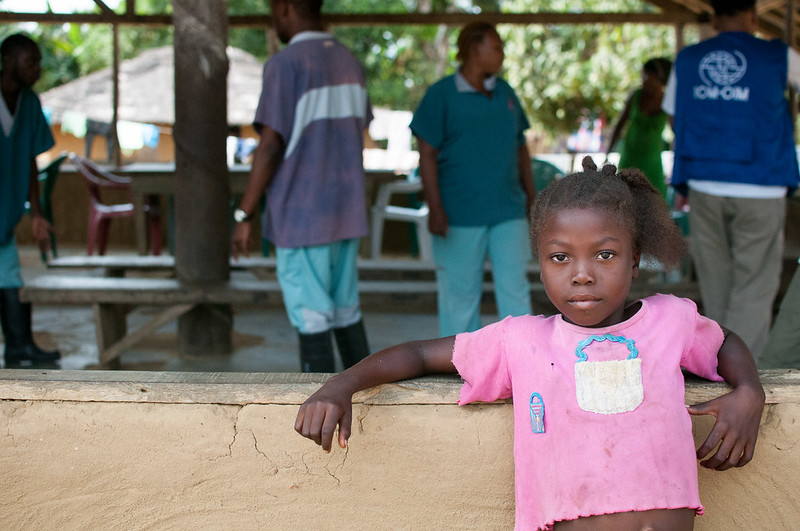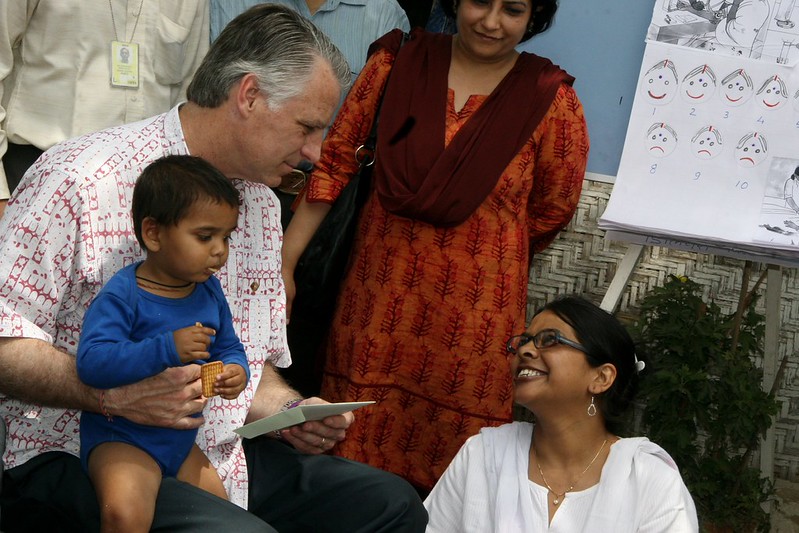
Maternal Health Care in ZimbabweThe poverty rate in Zimbabwe sits at 49.22%, with almost half the population living on $3.00 or less a day. This high poverty rate translates to 358 women dying during live birth out of every 100,000 women that give birth, as of 2023. Even though the maternal mortality rate has been decreasing over the years, it remains important to address adequate maternal health care in Zimbabwe.

Challenges To Maternal Health Care in Zimbabwe

There is a high rate of adolescent pregnancies in Zimbabwe, with more than 10% of births coming from women aged 15–19 years. For adolescent mothers in particular, the biggest barrier to receiving maternal health care is the stigma that comes with being a young mother. Other barriers for expectant mothers include cost, distance, cultural preferences, religious beliefs, a lack of information and distrust in the formal health care system.

Many women in Zimbabwe are hesitant to seek care from the public health system because of the lack of privacy and genuine care from these health professionals. With almost half of the population living in poverty, it becomes very difficult to afford private health services or travel out of rural areas to receive them. That being said, according to Amnesty International, more than 20% of women give birth without any skilled assistance. 

Traditional Birth Attendants

In response to cultural preferences and religious beliefs, many women in rural Zimbabwe seek maternal health care from traditional birth attendants. These are often other women with extensive experience with live births, whether from their own births or those of family or friends. They assist expectant mothers who are unable to access the public health system. 

Traditional birth attendants mainly operate in rural areas without sufficient maternal health care support. These women do not have any professional training or the tools necessary to conduct safe births. They function solely on their independent knowledge and desire to help pregnant women who have no support from family. 

However, their presence is still incredibly helpful in ensuring safer births that would otherwise not occur. In particular, the group Women in Action, which is based in Epworth, a populated community near Harare, has become an essential resource for young women expecting children. Women in Action was founded in 2003 and has since assisted with more than 50,000 live births. 

Its work is not confined to the immediate birth. The organization also helps with prenatal and postnatal care, something many women in rural Zimbabwe do not receive. “Soon after delivery, [the women] accompany mothers and newborns to nearby facilities for postnatal attention and even help arrange housing for new mothers if needed, bridging a critical gap in Zimbabwe’s overstretched maternal health system.” 

Traditional birth attendants are essential to achieving adequate maternal health care in Zimbabwe. They should be provided with more support to help pregnant women best. 

AI Midwife

Another innovation helping maternal health care in Zimbabwe is the creation of the AI midwife, Nyamukuta. This AI chatbot was created by a group of Zimbabwean women who noticed the lack of maternal health care in their communities. They designed the app to generate no profit, but rather to help pregnant women access more accessible care. 

Given concerns that many people lack internet access, Nyamukuta was designed as a WhatsApp chatbot to make the midwife accessible in areas with slow internet access. Alongside the AI informational chatbot, the creators of Nyamukuta distributed blood pressure machines to pregnant women to help them monitor their health more effectively.

Conclusion

Combining Nyamukuta’s efforts with those of traditional birth attendants could have a significant impact. Traditional birth attendants lack the proper tools to serve their communities adequately. 

With portable blood pressure machines and access to the information Nyamukuta provides, they would have a significant advantage in the care they can offer. Meaningful strides are already being made to address maternal health care in Zimbabwe and the trend is upward.

– Kaitlyn Crane

Kaitlyn is based in Rohnert Park, CA, USA and focuses on Technology and Solutions for The Borgen Project.

Photo: Flickr
The Economic Enticement of WCAH In Tanzania In the United Republic of Tanzania, women, children and adolescent health, often referred to as Women, Children and Adolescent Health (WCAH), has consistently been one of the country’s significant epidemiological burdens. Since 2022, the country has recorded more than 100 pregnancy-related deaths per 100,000 births. Despite this, research has shown that when WCAH in Tanzania is adequately invested in, it can be economically beneficial for the country.

The WCAH Crisis

WCAH was originally a framework proposed during the World Health Organization’s (WHO) global movement, “Every Woman Every Child,” to encompass strategies aimed at investing in the health and rights of women, children and adolescents.

As it stands, WCAH in Tanzania is under strain due to different factors. Tanzania has made strides in reducing mortality among its under-five population. However, due to limited access to health services and a shortage of health care workers with the proper skills to manage the causes of maternal death, the maternal mortality ratio remains high.

Malnutrition in children and adolescents remains an important health issue in Tanzania. UNICEF reports that 30% of children across Tanzania experience childhood stunting due to malnutrition.

WCAH in Tanzania and the Economy

There are still many expected advancements with WCAH in Tanzania and the Tanzanian government, along with many nongovernmental organizations (NGOs), continues efforts to address them. Evidence suggests that investing in WCAH in Tanzania can lead to economic returns.

When women lack access to quality maternal care, it can lead to complications after birth, including a higher likelihood of underweight newborns and miscarriages. In some cases, mothers may be unable to return to work for extended periods. Women in low-income countries such as Tanzania play a key role in the labor market. By investing in appropriate treatment programs, the costs of maternal and newborn health care can be lowered, and absences from the workplace can be reduced, increasing overall productivity.

Invest in the Children, Invest in the Future

NGOs such as Action Against Hunger promote initiatives like the “Equip for In-School Nutrition Services Project,” where children learn to engage in agricultural practices that support improved nutrition. By investing in the nutrition of children and adolescents, they are more likely to stay in school and pursue higher education. They also leave school with greater knowledge about safer pregnancies and healthier children, which can contribute to reducing maternal and newborn deaths.

By collaborating with more organizations to provide maternal health and childhood nutrition support, women and young girls may have greater opportunities for economic participation, contributing to Tanzania’s overall economic growth.

– Bernice Attawia

Bernice Attawia is based in London, UK and focuses on Global Health and Politics for The Borgen Project.

Photo: Flickr
Maternal Mortality in SomaliaThe Federal Republic of Somalia, is the easternmost country in continental Africa. In 2025, there were 1.5 midwives per 10,000 people in Somalia, with a stillbirth rate of 35. The country has one of the worst health indicators in the world following decades of conflict, natural disasters and disease outbreaks. Midwife training in Somalia is necessary since midwives face stigmatisation as well as a lack of support in their work, but their mission to protect and nurture more lives remains in focus.
Why is There a Crisis in Somalia?

Somalia has endured prolonged conflict between the state and non-state armed groups, with significant funding cuts in 2025. More than 1.7 million vulnerable people lost access to protection services and an estimated 6 million people are in extreme need of life-saving assistance.

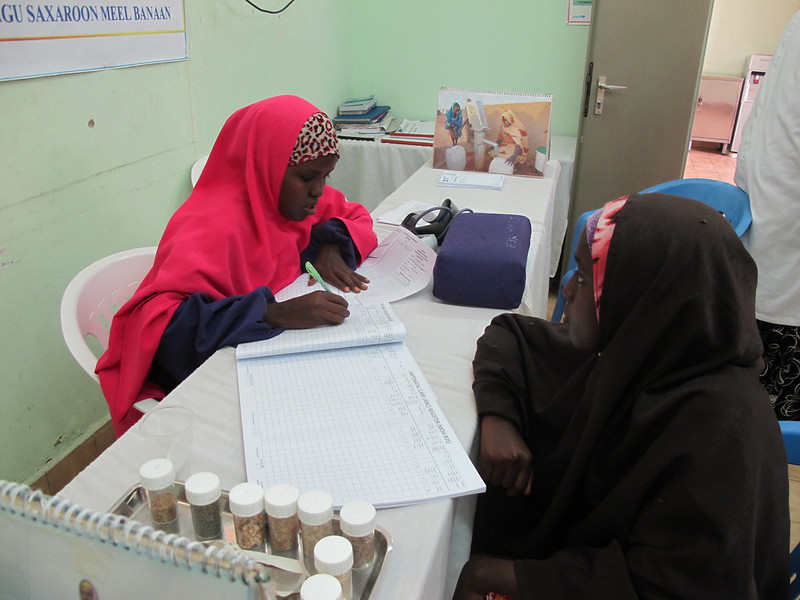
Ms Fatima Mohamed Abdalla, an official of the Somali Midwifery Association, spoke about how mothers suffer from the effects of poverty, walking long distances to reach a health facility, and no ambulances for effective referral of cases to the hospital. This shows the need for a stronger maternal health workforce where midwife training in Somalia consists of an approved institution and license to practice.

Solution to Maternal Mortality Rates in Somalia?

Midwives provide holistic care that meet every woman’s individual needs, education on sexual and reproductive health and they optimize the normal processes of pregnancy, childbirth, the postnatal and newborn period.

Farhiya Ali Abdi – in a press release in 2019 – stated that she was driven by the fact that she was helping the most vulnerable people, including children as well as their mothers. In Somalia, there is a preference for Traditional Birth Attendants, rather than young midwives, due to experience and training, but this leads to a stigma arising for new healthcare professionals.

The World Health Organization (WHO) has been helping the crisis in Somalia, with their Reproductive Health and Nursing and Midwifery Programme Officer based in Somaliland, Asia Osman Ahmed, advocates for the need to train and oversee the work of midwives. She described a moment of a woman waiting desperately at a health facility for help, as a traditional midwife who tried to open up her FGM stitches so that her husband could enjoy being intimate with her had cut up part of her rectum and given her second degree tears.

This is the reality of so many women in Somalia and midwife training in Somalia is more than taking care of birth processes; it is about protecting every woman and child from injustice and needless suffering. WHO has also demonstrated a need to discuss with the Government to link community midwives to qualified midwives, who have been trained by partners such as the United Nations Populations Fund.

Investment

Somalia ranks among the countries with the highest maternal mortality rate, with an estimated shortage of 20,000 midwives compared to the WHO recommended standard. Graduate midwives have identified gaps in dealing with abortion and neonatal resuscitation, indicating the need for longer clinical training periods.

In 2016, according to the Somali Health and Demographic Survey (SHDS), only 32% of Somali women delivered with the assistance of skilled birth attendants.

With more investment and training, midwives can meet about 90% of the need for essential sexual, reproductive, maternal, newborn and adolescent health interventions. By 2035, they could save 4.3 million people per year, which highlights the need for more training.

A midwife is more than a trained professional, a midwife is a life saver, a source of reassurance, and a listener. Midwife training in Somalia is essential with a need for more midwives willing to fight against stigma, so that women and children have a greater chance of survival in the country.

– Anisa Begum

Anisa is based in Author’s City and State: Birmingham, UK and focuses on Global Health for The Borgen Project.

Photo: Flickr

Beyond Zero: Empowering Maternal Care In Kenya The Beyond Zero mission is simple: “No woman should die while giving birth.” The campaign is a flagship maternal and child health care initiative in Kenya, reaching more than 1.2 million people through mobile clinics and medical safaris. Beyond Zero aims to expand access to quality, lifesaving health care across all 47 counties in Kenya, especially for women and infants in remote communities where services are often limited or difficult to reach.

How a Bold Promise Became a National Campaign

Beyond Zero was founded in 2014 by Kenya’s first lady, Margaret Kenyatta. Two months after assuming office, Kenyatta delivered a pledge during her maiden speech for the Organisation of African First Ladies Against HIV/AIDS (OAFLA). She vowed to use her platform to fight HIV/AIDS stigma and eliminate discrimination against people living with the disease.

Recognizing the need for stronger maternity services advocacy, Kenyatta launched Beyond Zero with a mission to reduce preventable maternal and infant deaths and eliminate mother-to-child transmission of HIV. After Kenyatta’s 10-year tenure as first lady, the Beyond Zero mission continues to guide the campaign as it supports women and children across Kenya.

Examples of Care Provided on the Ground

For many mothers in rural communities, long distances to facilities and a shortage of specialist staff restrict access to antenatal, postnatal and neonatal care. Beyond Zero responds by bringing services directly to communities through mobile clinics and medical safaris.

Mobile clinics are fully equipped health facilities on wheels, including trucks or large vans fitted with examination spaces, diagnostic equipment, vaccines and essential medicines. Medical safaris are short-term outreach campaigns in which teams of health professionals visit a specific region for several days to provide specialized services, deliver community education and write hospital referrals. Together, these approaches focus on interventions during pregnancy, childbirth and infancy.

  • Infant and Childhood Immunization Services. Routine vaccinations, such as tuberculosis and polio, are provided to newborns and infants to protect them from preventable diseases, particularly in remote communities.
  • Prevention of Mother-to-Child Transmission (PMTCT) of HIV. HIV testing and counseling are available for pregnant women. Those who test positive are linked to antiretroviral therapy to prevent transmission to their infants.
  • Cancer Screening Services. Beyond Zero provides early detection screening for breast and cervical cancer among women of reproductive age. The campaign also raises awareness through education and offers referrals for treatment when required.
  • Obstetric Fistula Awareness and Referral Services. Women experiencing poverty, malnutrition and limited health care access face higher risks of obstetric fistula, a childbirth injury that creates a hole in the birth canal. Beyond Zero works to identify, prevent and refer cases for treatment.

The Scope of Beyond Zero’s Impact Across Kenya

Since its launch, Beyond Zero has expanded from an advocacy drive into a national health initiative. Its impact is reflected in increased service delivery and expanded access in rural regions.

  • More than 45,000 households have received free health services through medical safaris.
  • Beyond Zero has implemented a Nursing Scholarship Fund for marginalized students from arid and semi-arid counties, supported by the World Bank.
  • Advocacy and health education messages have reached approximately 35 million people.
  • After coordinating the sensitization of health care workers on obstetric fistula, two counties have employed resident fistula surgeons.
  • The percentage of HIV-positive women receiving antiretrovirals increased from 66% in 2013 to 96% in 2020.

Looking Ahead 

Beyond Zero demonstrates how targeted support for maternal and child health can expand access to care across Kenya. Its mobile clinics and outreach services continue to play a role in reducing preventable deaths and improving health services for women and children in remote communities.

– Charlotte Bunn

Charlotte is based in Bristol, UK and focuses on Good News and Global Health for The Borgen Project.

Photo: Flickr

nurses from rural KenyaIn a busy isolation facility in Murang’a County, central Kenya, nurse Rose Nyawira scrambles between COVID-19 patients to give them the right amount of oxygen. There is only one oxygen cylinder available between them. Rose recognized the need for a more efficient means of distributing oxygen. She conducted research and discovered a device that allows multiple patients to access oxygen from the same cylinder. Her efforts earned her recognition as Murang’a County’s Nurse Practitioner of the Year at the Beyond Zero Awards in 2022.

Like Rose, a group of nurses from rural Kenya is being trained through a partnership between the Beyond Zero Program, Kenya Medical Training College and Roche, a Swiss-based research-focused health care company. Nurses return to their home counties to work in mobile maternal and child health clinics. These clinics provide families, particularly women and children in remote areas, with access to health care.

“I realized very early on in life that I have a gift of caring for other people. After interacting with nurses from rural Kenya, I knew that this was the profession that would help me exercise my gift,” Rose said.

Beyond Zero: The Initiative

Kenya’s first lady, Margaret Kenyatta, launched the Beyond Zero Program in 2014 with the goal of providing maternal and child health care to underserved rural counties. This medical care includes antenatal care, immunizations, family planning, screening and health education. Since 2014, it has provided primary health care to roughly 1.2 million people and reached approximately 45,000 households through mobile medical clinics known as Medical Safaris staffed by nurses from rural Kenya. In 2019, the program donated 52 fully equipped mobile clinics to all 47 counties in Kenya.

Partnership and Training

With support from ROCHE, Beyond Zero has strengthened primary health care by training more health care workers in rural areas. The program offers community health training scholarships through Kenya Medical Training College to train young people from arid and semi-arid regions. Scholarships for student nurses from rural Kenya cover tuition, uniforms, meals and essential supplies, reducing financial barriers for students from underprivileged regions.

The CEO of Kenya Medical Training College, Dr. Kelly Oluoch, emphasized the impact of training Enrolled Community Health Nurses for marginalized communities. “When ECHNs are trained and deployed to their home regions, we see higher retention rates due to their local ties and understanding of cultural and linguistic barriers to health care access,” he said.

Farah’s Story

Beyond Zero’s mobile clinics are staffed with nurses and equipped with vaccines, medical supplies, food and antimalarial drugs, providing rural communities with access to essential medical care.

Farah Kalmoy is one of the beneficiaries. He brought his 9-month-old son to a mobile medical clinic for his measles vaccine. “My home is six kilometers away from Wajir County Referral Hospital, which is the nearest health centre where I can access the medical services,” he said. Without access to the mobile clinic, Kalmoy said he would not have been able to bring his son for vaccination.

Beyond Zero’s nurses serve as a connection between rural communities and Kenya’s health care system. Because many are from the local communities, cultural familiarity can help build trust. The mobility of the clinics allows services to reach remote areas where fixed facilities may be limited.

Looking Ahead

Support continues for nurses in training and for the Beyond Zero Program. The Kenyan government, in partnership with organizations such as the United Nations Population Fund (UNFPA) and Roche, plans to expand training and strengthen retention to improve access to maternal and child health services in remote areas. These efforts highlight the role of nurse training in strengthening health care access in Kenya.

– Caleb Dueck

Caleb is based in Winnipeg, Manitoba Canada and focuses on Good News and Technology for The Borgen Project.

Photo: Flickr

Food Insecurity in EswatiniIn Eswatini, food insecurity erodes maternal and child nutrition, undermines healthy growth and increases the risk of malnutrition and chronic disease for thousands of mothers and children.

The Population Impact of Food Insecurity in Eswatini

In Eswatini, food insecurity has become a persistent challenge affecting the country’s economy and rural livelihoods. According to the IPC Acute Food Insecurity Analysis, 243,483 people, about one in five citizens, faced Crisis-level hunger between June and September 2024. By October 2024, projections indicated that the number could rise to 304,000 people, or about 25% of the population.

Although mid-2025 figures show temporary improvement, food insecurity remains cyclical. Between June and September 2025, 193,000 people (16%) remained in Crisis or worse, and forecasts project that 259,000 people, more than one in five, will face severe food insecurity between October 2025 and March 2026. These recurring increases indicate ongoing structural challenges.

Climate variability continues to affect food security in Eswatini, as prolonged droughts and erratic rainfall disrupt agricultural production in a country where nearly 75% of the population depends on subsistence farming. The hardest-hit areas, the Lowveld Cattle and Maize zone, the Dry Middleveld and the Lubombo Plateau, reflect this geographic concentration of vulnerability. In the Lowveld Cattle and Maize zone alone, more than 72,000 people face Crisis-level hunger, the highest burden nationwide. Nearly 30,000 people in the Dry Middleveld and more than 9,400 in the Lubombo Plateau face similar conditions.

Consequences of Food Insecurity in Eswatini

The consequences of food insecurity in Eswatini extend beyond hunger and affect maternal health outcomes, infant development and child growth indicators. Stunting, a key indicator of chronic malnutrition, affects approximately 25% of children under 5, about 60,257 children nationwide. The highest rates occur in Lubombo and Shiselweni, where prevalence reaches 28% and peaks at 35% among children ages 18 to 23 months. Although national stunting rates declined from 30.9% in 2010 to 23% in 2017, disparities persist. Children in the poorest households experience stunting at rates above 30%, compared to fewer than 10% in the wealthiest households. Rural areas continue to face higher burdens, reflecting structural inequality.

Maternal undernutrition increases health risks. Limited dietary diversity raises the likelihood of iron, iodine and folate deficiencies, which are common in food-insecure settings. Inadequate folate intake during pregnancy contributes to anemia, low birth weight and neural tube defects such as spina bifida and anencephaly. Iodine deficiency can impair fetal brain development and contribute to long-term cognitive delays. When pregnant and lactating women lack access to diverse, nutrient-rich foods, health risks can extend to children.

Climate shocks further affect nutritional stability. Drought reduces crop production, livestock numbers and household food access, lowering dietary diversity. More than half of children ages 6 to 23 months do not meet the minimum acceptable diet, and exclusive breastfeeding rates have declined, increasing infant health risks. Acute malnutrition also remains a concern. An estimated 8,460 children ages 6 to 59 months experience acute malnutrition, including severe cases that require therapeutic treatment.

Initiatives To Address Food Insecurity in Eswatini

In response to prolonged El Niño-induced drought conditions that began in 2014, the Government of Swaziland, now Eswatini, declared a national disaster on February 18, 2016, and launched the $80.5 million National Emergency Response and Adaptation Plan (NERMAP) 2016 to 2022 to address food insecurity and its effects on maternal and child health.

As maize production declined and water shortages intensified, more than 300,000 people required urgent food assistance. The National Disaster Management Agency partnered with the World Food Programme and other United Nations (U.N.) agencies to distribute emergency food aid and support school feeding programs, helping stabilize nutrition for children in drought-affected communities.

Despite recent economic growth, food insecurity in Eswatini persists, with nearly 29% of the population facing acute food shortages and 26% of children under 5 affected by stunting. The Government of Eswatini has partnered with the Food and Agriculture Organization (FAO) to implement the 2022 to 2025 Country Programming Framework, which aims to mobilize $68 million to strengthen agricultural productivity, climate resilience and sustainable food systems.

Looking Ahead

Addressing food insecurity in Eswatini requires sustained action beyond emergency relief. Long-term progress depends on investment in climate-resilient agriculture, stronger rural livelihoods and nutrition-sensitive social protection systems. With national frameworks and international partnerships in place, efforts such as expanding irrigation, supporting smallholder farmers and strengthening maternal nutrition programs can help reduce vulnerability to future shocks. Strengthening food security policy with a focus on maternal and child health may support long-term resilience.

– Yuhan Rong

Yuhan is based in San Diego, CA, USA and focuses on Global Health and Politics for The Borgen Project.

Photo: Flickr

How Power Outage in Ukraine Affects Mothers and ChildrenAs temperatures drop across Europe, including in Ukraine, the country continues to experience serious disruptions to its power infrastructure. These disruptions have ripple effects in Ukraine, particularly for mothers and children, including newborns. In January 2026, temperatures in Kyiv dropped as low as 5 degrees Fahrenheit.

As of January 2026, about 80% of Ukraine is experiencing emergency power cuts. These outages have left roughly 15% of residential buildings in Kyiv without heating. The power cuts are caused by damage to Ukraine’s energy infrastructure, worsening the country’s energy crisis throughout the winter. The severity of Ukraine’s winter, coupled with continued attacks on energy infrastructure, has increased the challenges families face in staying warm, particularly mothers and children.

Health Impacts of Power Outages

Ukraine’s winter conditions are difficult for most people, but for children and newborns, they can be especially dangerous. Without reliable power and heating due to outages, newborns and children face increased risks of hypothermia and respiratory distress.

For mothers and pregnant people, power outages create additional barriers to accessing adequate health care. Much medical equipment, including incubators and neonatal devices, has become unusable, resulting in a higher proportion of high-risk pregnancies and deliveries.

Power outages during winter also affect the mental health of children and mothers. Extended darkness, lack of heating and limited sunlight contribute to psychological strain. Social isolation caused by reliance on remote learning has further affected the mental health of children in Ukraine.

Man-Made Warmth

There are ways to mitigate extreme cold and address power outages in Ukraine. One approach is shifting aid efforts toward generating warmth. Providing emergency generators has helped offset energy shortages. For example, UNICEF has prevented complete shutdowns of essential services by supplying generators and solar power infrastructure, helping keep hospitals operational.

Man-made warmth also includes efforts to foster community and social interaction despite the cold. This is done through “warming tents,” which serve as community hubs where Ukraine’s State Emergency Service provides food and charging ports. These spaces also allow children to play with games and toys, offering psychological and social support.

While giving birth during power outages can be dangerous, donations that support emergency birth kits help reduce these risks.

Organizations such as the United Nations Population Fund (UNFPA) also provide mobile clinics to strengthen health care access in hard-to-reach communities. These emergency birth and sexual health kits, combined with mobile clinics, have helped reduce preventable maternal deaths.

Looking Ahead

Europe is known for harsh winters, but modern heating and electricity usually allow mothers to give birth safely and children to remain healthy. In Ukraine, widespread power outages have increased risks for mothers, newborns and children. However, with continued support from organizations such as the UNFPA, reproductive and sexual health services are expected to help reduce pregnancy-related deaths in 2026. Community spaces such as warming tents also help children experience a sense of normalcy during a difficult winter.

– Bernice Attawia

Bernice is based in London, UK and focuses on Global Health, Politics for The Borgen Project.

Photo: Flickr

Maternal Health Programs in EgyptMaternal health in Egypt is closely linked to poverty, as health complications during pregnancy and childbirth often result in costly medical bills. Less affluent communities in the country experience income loss due to these expenses. In response, Egypt has expanded maternal health programs aimed at improving access to health care while protecting low-income households from health-related financial hardship.

Health expenses contribute significantly to poverty in Egypt, especially for women in low-income and rural households. The lack of timely prenatal and delivery care that many pregnant women face often causes families to incur emergency medical costs that push them into debt or force them to delay treatment.

Improving maternal health helps avoid these financial shocks. Complications and out-of-pocket spending are reduced, allowing women to remain economically stable and active after childbirth.

Egypt’s Maternal and Neonatal Health Strategy

Through its Maternal and Neonatal Health Strategy, the Egyptian government has prioritized maternal health nationwide. This initiative focuses on expanding access to prenatal, delivery and postnatal services. The strategy emphasizes care through family health units, which serve as the primary point of contact for women during pregnancy.

By strengthening central care facilities, the government has increased early detection of pregnancy-related risks and improved referral systems for high-risk cases, particularly in underserved areas.

Egypt’s national “100 Million Healthy Lives” initiative has also contributed to improved maternal health outcomes. The campaign expanded nationwide screenings and referral services, enabling health workers to identify pregnancy-related risks earlier and direct women to appropriate care.

Early detection reduces the likelihood of costly complications during childbirth, helping families avoid emergency expenses that often deepen poverty.

International organizations play a key role in strengthening Egypt’s maternal health system. Programs supported by the United Nations Children’s Fund (UNICEF) and the World Health Organization (WHO) focus on improving antenatal care coverage, increasing skilled birth attendance and expanding postnatal follow-up services.

These programs prioritize vulnerable populations, including women in rural areas and low-income households, by improving service quality and reducing financial barriers to care.

Improved Maternal Health Reduces Poverty Risks

Evidence indicates that women with access to adequate maternal care face lower health-related financial risks and improved long-term economic outcomes. Healthy pregnancies and safe deliveries reduce income loss, support women’s participation in the workforce and improve child health outcomes. Overall, these outcomes strengthen household economic stability for low-income families.

Maternal health programs are an effective poverty reduction tool, as they reduce medical costs and help prevent long-term disability.

Despite progress, challenges remain. Access to quality maternal health care is limited by regional disparities and workforce shortages. Addressing uneven access to health facilities and staffing gaps will require sustained investment from the government and international partners.

Looking Ahead

Maternal health programs play a critical role in reducing poverty in Egypt by protecting women and families from preventable health costs and economic shocks. Continued investment in maternal health services, particularly for vulnerable communities, can further strengthen economic resilience and support long-term development.

– Hana Abulkheir

Hana is based in London, UK and focuses on Global Health for The Borgen Project.

Photo: Flickr

Ongoing Efforts to Address Maternal and Child Health in Burkina Faso Burkina Faso has the 11th-highest child mortality rate in the world. More than 5% of children die before their fifth birthday, and approximately 2% of infants die within their first month of life. Barriers to access to health care include distance to health care facilities, cost of health care, transportation costs, widespread poverty and delayed access to emergency obstetric care. The government is aware of this pervasive issue and has been working alongside other organizations for at least two decades to address the problems.

Displacement and Health Care Disruptions

Insecurity, climatic shocks and COVID-19 led to forced displacements across Burkina Faso. By 2020, more than 1 million people, especially women and children, were deprived of essential health care services due to facility closures, staff shortages and limited resources. Pregnant women delivered their babies in unsafe conditions, children did not receive critical vaccinations, and people with chronic illnesses experienced treatment disruptions.

Health Financing Reforms

Burkina Faso’s Ministry of Health and those who have partnered with it have responded in several ways. The government of Burkina Faso implemented three major health financing reforms to improve maternal and child health:

  • a national subsidy policy for maternity care, which translates to an 80% reduction in health care fees at health centers,
  • a results-based financing scheme,
  • free health care for maternal and child care for those under 5 in all public health facilities.

The result of this endeavor increased health care appointments, decreased household costs, reduced cesarean deliveries and intra-hospital infant mortality.

Training Midwives in Obstetric Ultrasound

In 2021, Burkina Faso’s Ministry of Health introduced a new initiative. The goal was to train midwives in basic obstetric ultrasound during consultations to improve pregnancy monitoring. These ultrasounds help determine gestation date, detect fetal abnormalities, ectopic pregnancies, assess fetal growth and determine the most suitable delivery method. In 2023, 18 midwives were trained. They performed more than 2,000 ultrasounds between January 2024 and March 2025. This led to the identification and management of 10 high-risk pregnancies.

Strengthening Health Systems

A shortage of equipment, staff and supplies also threatens the expansion of this initiative into other districts. In response to this threat, Burkina Faso began a new initiative funded by the Canadian Embassy with the goal of strengthening health care systems in regions of the country most affected by humanitarian crises. The goal was to improve access to primary health care services and provide lifesaving support to those who need it most.

This initiative was successful in that seven health care centers and 24 labs were equipped with essential medicines, medical-technical materials and lab supplies. A total of 371 community-based health workers received training to provide care and strengthen local community networks, including women’s groups. More than 30,000 people were reached, educating them about COVID-19 prevention, available health care services and reproductive health options.

This initiative strengthened disease surveillance and emergency response mechanisms. Health care workers conducted hygiene awareness campaigns using a megaphone and bicycles in remote areas. Since then, women’s groups and community leaders have initiated conversations about family planning and gender-based violence.

A Hopeful Outlook

Burkina Faso demonstrates concern for the well-being of its citizens. These relationships foster optimism and hope for both a better future and maternal and child health in Burkina Faso

– Danielle Milano

Danielle is based in Pineville, LA, USA and focuses on Good News and Global Health for The Borgen Project.

Photo: Unsplash

 Improving Women's Health Care in Africa The World Health Organization (WHO) reports that women disproportionately experience health complications and barriers to health care access compared to men. Globally, both poverty and sociocultural factors hinder women’s ability to receive quality health services and care. WHO identifies these factors as: 

  • “Unequal power relationships between men and women;” 
  • “Social norms that decrease women’s education and paid employment opportunities;”
  • “An exclusive focus on women’s reproductive roles and” 
  • “Potential or actual experience of physical, sexual and emotional violence.”

COWHA’s Mission in Africa

There are organizations globally committed to improving women’s health care. One of these is the Coalition for Women’s Health in Africa (COWHA). COWHA is invested in providing girls and women with equitable access to health care and increasing their well-being. This vision is driven by an approach rooted in knowledge, advocacy and action. This three-pronged approach thrives on a collaboration with organizations in the private sector and holding governance responsible for reimagining and supporting women’s health care. 

In its 2025 Webinar Report, the Coalition for Women’s Health in Africa insists on the necessity of domestic investments, calling African governments to expand access to quality health services for girls and women, ensure financial risk protection and reduce out-of-pocket expenditures for patients and advance equity by making the health care of the most vulnerable and underserved populations a priority.

By adopting and funding these strategic priorities, COWHA can better maximize its impact in countries such as Ghana, Kenya and South Africa. In these regions, special attention goes to providing services and treatment for girls and women experiencing breast and cervical cancer, other noncommunicable diseases and needs related to sexual and reproductive health, as well as maternal and newborn care.

Statistics in Women’s Health Care

Coalition for Women’s Health in Africa reports the rates at which women and girls across the African continent experience health complications. Indeed, according to the report, around 66% of all global maternal deaths occur in Sub-Saharan Africa, 26% of women in Sub-Saharan Africa experience unplanned pregnancies and 65% of all cancer cases in Africa occur in women.

However, the organization’s framework is actively improving women’s health care in Africa and reducing oppressive conditions. Investing in knowledge and research enables COWHA to disseminate integral data on women’s health across Africa. This identifies gaps in care as well as offering life-saving interventions to enhance health outcomes. COWHA engages in conversation with policymakers, amplifying the most pressing health challenges, barriers to access and ensuring that women’s health is a priority.

Looking Ahead

The Coalition for Women’s Health in Africa’s cross-sector collaboration with governments, health care institutions and NGOs enables the implementation of targeted interventions. As a result, COWHA champions improvements in women’s health care that can have long-lasting impacts on the social and living conditions of girls and women across Africa.

– McKenzie Rentie

McKenzie is based in Dallas, Texas, USA and focuses on Celebs and Politics for The Borgen Project.

Photo: Flickr