How Power Outage in Ukraine Affects Mothers and Children
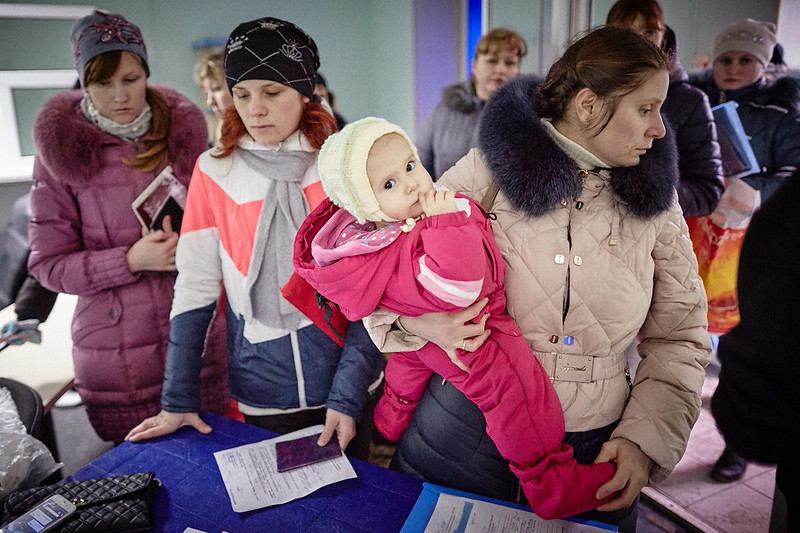 As temperatures drop across Europe, including in Ukraine, the country continues to experience serious disruptions to its power infrastructure. These disruptions have ripple effects in Ukraine, particularly for mothers and children, including newborns. In January 2026, temperatures in Kyiv dropped as low as 5 degrees Fahrenheit.
As of January 2026, about 80% of Ukraine is experiencing emergency power cuts. These outages have left roughly 15% of residential buildings in Kyiv without heating. The power cuts are caused by damage to Ukraine’s energy infrastructure, worsening the country’s energy crisis throughout the winter. The severity of Ukraine’s winter, coupled with continued attacks on energy infrastructure, has increased the challenges families face in staying warm, particularly mothers and children.
Health Impacts of Power Outages
Ukraine’s winter conditions are difficult for most people, but for children and newborns, they can be especially dangerous. Without reliable power and heating due to outages, newborns and children face increased risks of hypothermia and respiratory distress.
For mothers and pregnant people, power outages create additional barriers to accessing adequate health care. Much medical equipment, including incubators and neonatal devices, has become unusable, resulting in a higher proportion of high-risk pregnancies and deliveries.
Power outages during winter also affect the mental health of children and mothers. Extended darkness, lack of heating and limited sunlight contribute to psychological strain. Social isolation caused by reliance on remote learning has further affected the mental health of children in Ukraine.
Man-Made Warmth
There are ways to mitigate extreme cold and address power outages in Ukraine. One approach is shifting aid efforts toward generating warmth. Providing emergency generators has helped offset energy shortages. For example, UNICEF has prevented complete shutdowns of essential services by supplying generators and solar power infrastructure, helping keep hospitals operational.
Man-made warmth also includes efforts to foster community and social interaction despite the cold. This is done through “warming tents,” which serve as community hubs where Ukraine’s State Emergency Service provides food and charging ports. These spaces also allow children to play with games and toys, offering psychological and social support.
While giving birth during power outages can be dangerous, donations that support emergency birth kits help reduce these risks.
Organizations such as the United Nations Population Fund (UNFPA) also provide mobile clinics to strengthen health care access in hard-to-reach communities. These emergency birth and sexual health kits, combined with mobile clinics, have helped reduce preventable maternal deaths.
Looking Ahead
Europe is known for harsh winters, but modern heating and electricity usually allow mothers to give birth safely and children to remain healthy. In Ukraine, widespread power outages have increased risks for mothers, newborns and children. However, with continued support from organizations such as the UNFPA, reproductive and sexual health services are expected to help reduce pregnancy-related deaths in 2026. Community spaces such as warming tents also help children experience a sense of normalcy during a difficult winter.
– Bernice Attawia
Bernice is based in London, UK and focuses on Global Health, Politics for The Borgen Project.
Photo: Flickr
