• Link to X
  • Link to Facebook
  • Link to Instagram
  • Link to TikTok
  • Link to Youtube
  • About
    • About Us
      • President
      • Board of Directors
      • Board of Advisors
      • Financials
      • Our Methodology
      • Success Tracker
      • Contact
  • Act Now
    • 30 Ways to Help
      • Email Congress
      • Call Congress
      • Volunteer
      • Courses & Certificates
      • Be a Donor
    • Internships
      • In-Office Internships
      • Remote Internships
    • Legislation
      • Politics 101
  • The Blog
  • The Podcast
  • Magazine
  • Donate
  • Click to open the search input field Click to open the search input field Search
  • Menu Menu

Archive for category: Water

Global Poverty, Water

7 Facts About Water Scarcity in Jordan

Water Scarcity in Jordan
Despite regional turmoil, Jordan enjoys relative stability compared to its neighbors in the Middle East. However, the Kingdom’s long-running issue of water scarcity, which ranked second globally, could threaten that continued stability. Water scarcity exacerbates existing systemic issues such as poverty and public health crises, which Jordan currently contends with. The Kingdom is suffering from an unprecedented youth employment rate of 48.1% as of November 2021 and is struggling to meet the pandemic-induced public health demands. As the effects of environmental changes continue to develop, Jordanians may increasingly feel the impacts of water scarcity in Jordan in the next decade.

7 Facts About Water Scarcity in Jordan

  1. Critical Water Insecurity by 2030: According to a March 2021 research study that Jim Yoon led, more than “90% of Jordan’s low-income population” will endure severe water insecurity by 2030. This water scarcity in Jordan will equate to impoverished households receiving less than 40 liters of water per capita per day.
  2. Demand is the Issue, Not Supply: About 93% of Jordanians have access to a safely-managed water source, according to UNICEF, reflecting adequate infrastructure. However, in 2017, Jordan’s yearly water supply equated to “less than 100m 3 per person, significantly below the United Nations’ threshold of 500m3 per person, which defines severe water scarcity,” reflecting the inability to meet population demand. This issue has worsened in recent years with the large influx of Syrian refugees.
  3. Rainfall: Jordan gets 110 mm of rainfall a year and ranked ninth in the top 10 countries with the lowest rainfall in 2017.
  4. Groundwater: Groundwater makes up 54% of Jordan’s water supply. There are 12 groundwater basins in Jordan. According to a 2021 research article by faculty members of Jordan-Jerash University, these basins experience overexploitation past their annual replenishable capacity. About 77.5% of the nation’s conserved water goes to the agricultural industry, which contributed only 5.6% of the country’s GDP in 2018.
  5. Treated Wastewater as an Alternative: Since building wastewater treatment plants in the 1980s, more than 64% of the population gained access to sewage systems, improving the overall sanitation level of the country. Jordan has a minimum of 26 wastewater treatment plants to treat and reuse raw wastewater. Projections have stated that the expansion of wastewater treatment plants will potentially offset the industrial demand for freshwater caused by water scarcity in Jordan in the Amman, Zarqa and Aqaba governorates.
  6. Mismanagement of Surface Water Resources: About 37% of Jordan’s total water supply comes from surface water resources. There are three major surface water sources in Jordan — the Jordan, Zarqa and Yarmouk rivers. Israel and Syria’s “upstream diversion and over-pumping” of the Jordan and Yarmouk rivers are drying up Jordan’s access to their stream due to the lack of regional environmental cooperation. Meanwhile, the Zarqa River is severely contaminated due to overflow from wastewater treatment plants and sewage leaks.
  7. Pollution: Pollution is exacerbating water shortages. The overflow of wastewater pumping stations, leaks from sewage systems and exposure to industrial and commercial waste are polluting Jordan’s surface river sources. This has resulted in nitrate and phosphorus contamination of water supplies. Researchers point to improper industrial discharges and lack of regulation as the leading cause of water pollution in Jordan.

Looking Ahead

To continue as an oasis of peace and stability in the Middle East, Jordan must address its long-standing water scarcity crisis. Investment in strategies, such as the effective use of recycled wastewater, will help improve the country’s capacity to meet its booming population’s demand.

The U.S. Agency for International Development (USAID) is helping to improve water scarcity in Jordan with its operations in Jordan beginning as early as 1949 — three years after the nation’s independence. In 2020, USAID “installed 8,500 kilometers of water piping and 120,0000 high-accuracy smart meters” while securing “leak detection equipment and vehicles” for the nation and upgrading “water monitoring and control systems” across the country. Through these measures, USAID was able to save sufficient “water in 2020 to supply more than 215,000 people” in Jordan annually.

In addition to technological solutions, Jordan is pursuing regional diplomatic efforts, such as the water-for-energy deal. Signed in November 2021 by Jordan and Israel, the deal will see Jordan export 600 megawatts of solar energy to Israel in exchange for 200 million cubic meters of Israel’s desalinated water.

This deal, and other efforts, could make way for sustainable, regional improvements in water conservation and accelerate the development of renewable energy infrastructure.

– Majeed Malhas
Photo: Flickr
April 18, 2022
https://borgenproject.org/wp-content/uploads/borgen-project-logo.svg 0 0 Kim Thelwell https://borgenproject.org/wp-content/uploads/borgen-project-logo.svg Kim Thelwell2022-04-18 07:30:222024-05-30 22:25:577 Facts About Water Scarcity in Jordan
Global Poverty, Water

Improving Water Access on Canadian First Nation Reserves

Water Access on Canadian First Nation Reserves
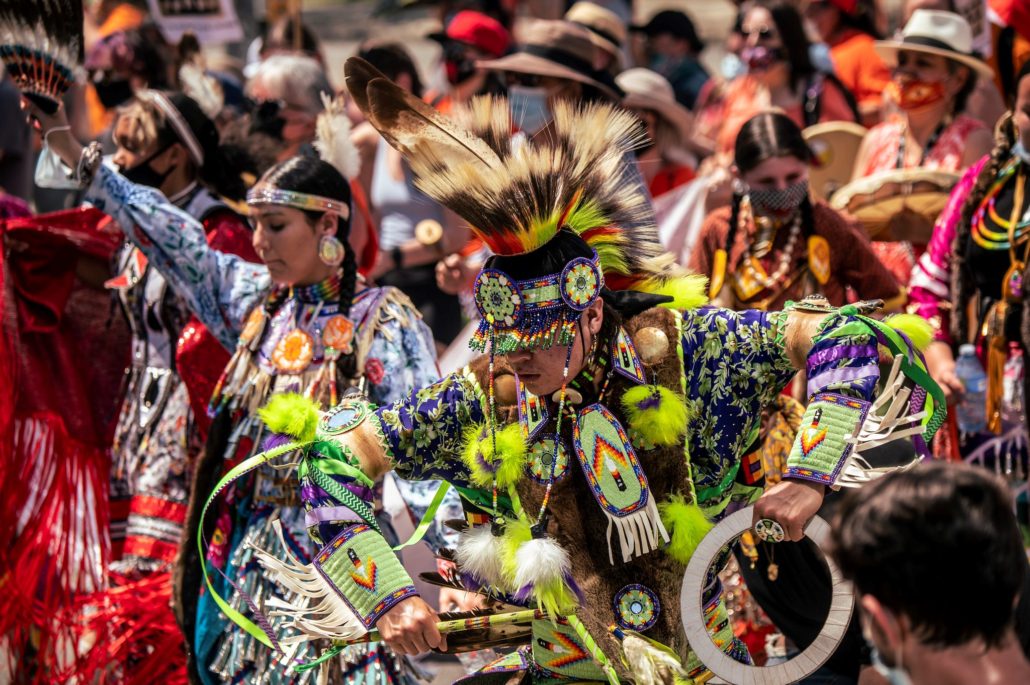
On March 24, 2022, married celebrity couple Ryan Reynolds and Blake Lively publicly announced their sponsorship of Water First, a Canada-based non-governmental organization (NGO) looking to improve water access on Canadian First Nation reserves. The couple made a donation of $500,000 to help the Water First nonprofit combat the drinking water crisis on Canadian First Nation reserves. Reynolds, a Canadian native, expressed support for the NGO in an Instagram post saying, “Access to clean drinking water is a basic human right. Canada is home to over 20% of the planet’s freshwater — an abundance that’s envied around the world. There’s absolutely no reason Indigenous communities should not have access to safe, clean water.”

The Canadian Water Crisis

Currently, several Indigenous and First Nations communities are without access to clean drinking water. According to The Canadian Encyclopedia, “First Nations is a term used to describe Indigenous peoples in Canada who are not Métis or Inuit. First Nations people are original inhabitants of the land that is now Canada, and were the first to encounter sustained European contact, settlement and trade.” The Canadian government has dedicated portions of land called reserves for the use of First Nations people.

Throughout Canada, there are approximately 8.8 million acres of reserve land. It is on these reserves that the water crisis is most severe, leaving Indigenous people without access to clean and safe drinking water.

When the water quality in a reserve is low, the Canadian government will enforce a water advisory, which lets the public know that the water is unsafe for consumption. These advisories, or precautions, vary in severity and can be long-term or short-term. As of March 21, 2022, there were “34 long-term water advisories in effect in 29 communities” and as of March 24, 2022, there were 26 short-term advisories. In total, that makes 60 reserve locations in which the water is unsafe to some degree.

Unfortunately, solutions are difficult to find and can take years to implement. As the official website for the Government of Canada reports, “Completion of a new water treatment system can take three to four years on average.” Additionally, there is no guarantee that the problems will reach a complete resolution even with functional water treatment systems.

The Water First Nonprofit

Water First works closely with Indigenous communities in Canada to improve water access on Canadian First Nation reserves. Water First emerged in 2009 under the name Tin Roof Global and initially set out on a mission to bring clean water to Uganda. It began working in Canada in 2013 and it had completely changed its name and focus by 2016. Water First focuses “exclusively on water issues affecting First Nations communities here in Canada.” The organization’s “mission is to help address water challenges in Indigenous communities in Canada through education, training and meaningful collaboration.”

On its website, Water First explained that “Nobody understands the evolving challenges and needs more than the people who live there.” Water challenges vary depending on the community, thereby requiring community-tailored solutions. In addition, “communities have challenges recruiting and training young Indigenous adults to join the drinking water field,” which is a consideration that Water First prioritizes.

Water First focused on the roots of the problem and decided to address the need for qualified local personnel. The organization’s Drinking Water Internship Program is a 15-month program that provides a way for Indigenous young adults to become certified water treatment plant operators. However, drinking water is just the beginning — the NGO also provides training on fish habitat restoration, watershed restoration, water quality monitoring, mapping and data management.

The unique hands-on approach is what drew Reynolds and Lively to Water First. Reynolds expresses on Instagram that “All the individuals involved [with Water First], whether they are operating water systems or monitoring their local water bodies, are critical. We appreciate Water First’s focus on supporting young, Indigenous adults to become certified water operators and environmental technicians.”

Looking Ahead

Thanks to the team effort that Water First, Indigenous and First Nations communities, the Canadian government and other NGOs put in, clean water access on Canadian First Nation reserves is improving. Since November 2015, Canada lifted 131 long-term water advisories, and in the last seven years, Canada lifted more long-term advisories than it had added. Progress is visible and Reynolds and Lively are accelerating these efforts with their generous donation. “These folks are helping to ensure sustainable access to safe, clean water locally, now and for the future,” Reynolds states. “Blake and I are thrilled to support this important work.”

– Mia Sharpe
Photo: Flickr

April 6, 2022
https://borgenproject.org/wp-content/uploads/borgen-project-logo.svg 0 0 Kim Thelwell https://borgenproject.org/wp-content/uploads/borgen-project-logo.svg Kim Thelwell2022-04-06 01:30:212024-05-30 22:25:55Improving Water Access on Canadian First Nation Reserves
Global Poverty, Water, Water Quality

Improving Water Quality In China

Water Quality In China
Water quality in China poses challenges as water is generally unsafe for residents to drink. However, a clean and safer future lies ahead with the promise of reduced pollution, increased filtration and clean drinking water.

Current State of China’s Water

As of July 2021, 70% of China’s rivers and lakes were not safe for human utilization. However, since the COVID-19 pandemic restricted movement and led to lockdowns during 2020, water quality in China has seen significant improvements. For example, PH levels increased from mid-March to early May 2020.

Economic Impact of Water Systems

Unsafe water systems negatively impact the fishing and marine business inside of China. Pollution can decrease PH levels and make water toxic for fish and other sea life, which is essential for a strong marine business. Fifty-three coastal cities in China provided data from the years 1994 to 2018, describing the damage that pollution caused in agriculture and industrial businesses in China.

“As the main source of high-quality proteins in China, the yield of seawater cultured products reached 20.65 million tons in 2019, accounting for about 31.8% of the total aquatic products. Meanwhile, the proportion of seawater fishing products has decreased to about 18.7%,” according to the study.

Water is essential to the survival of an entire country. Low PH, pollution and other dangerous contaminants can damage ecosystems. This causes a ripple effect that impacts the livelihood of citizens, wildlife and the overall economic structure of a country. Fishermen need a safe work environment to catch and sell fish. The marine economy plays an important role in the nation’s growth and clean drinking water is necessary for the health of a nation.

The World Health Organization (WHO) states that “safe and readily available water is important for public health, whether it is used for drinking, domestic use, food production or recreational purposes. Improved water supply and sanitation and better management of water resources, can boost countries’ economic growth and can contribute greatly to poverty reduction.”

Plans to Improve China’s Water Quality

In December 2021, the World Bank approved a $400 million loan for decontamination and removal of pollutants in China’s Yangtze River Basin. This, along with $6 billion of China’s own resources will go toward water treatment for the 19 provinces in China and almost 600 million people who receive water from this basin.

The Yangtze River Protection and Ecological Restoration Program aims to improve water quality in China. This will support agriculture, livestock and waste management for townships. Approved in 2022, the latest update shows the beginning of a groundbreaking project.

Public participation in the management of water is beneficial. The University of California wrote an article showing a decrease of 19% in pollutant levels in quarterly reports that became possible with the help of Chinese citizens. Citizens collected data twice a month.

The Future of China’s Water

Water quality in China may not be at its best right now, but the positive feedback shows early signs of improvement inside the country. Baiyangdian, North China’s largest freshwater lake, received an upgrade to Class III in 2021, meaning that its surface water is of good quality. This is the lake’s best condition since the initial monitoring in 1988, with the classes ranging from a scale of between one and five.

Water has a significant place in the economy of China. Clean water is essential to promoting a steady marine market, economy and livelihood for all citizens in China.

– Kyle Swingle
Photo: Px Here

February 24, 2022
https://borgenproject.org/wp-content/uploads/borgen-project-logo.svg 0 0 Jennifer Philipp https://borgenproject.org/wp-content/uploads/borgen-project-logo.svg Jennifer Philipp2022-02-24 01:30:292022-03-03 02:42:02Improving Water Quality In China
Global Poverty, Water, Water Quality, Water Sanitation

Reducing Urban Poverty in Punjab

Poverty in Punjab
In August 2021, the World Bank announced that it would be working with the Indian government on a new $105 million program, entitled the Punjab Municipal Services Improvement Project (PMSIP), to improve “urban services” in Punjab’s two largest cities, Amritsar and Ludhiana. As urbanization accelerates in these areas, issues such as access to water and proper infrastructure are becoming more significant to poverty in Punjab. This program aims to address those increasing problems in a way that reduces poverty and improves the livelihoods of the citizens of these cities.

Poverty in Punjab

The state of Punjab in India as a whole has one of the lowest poverty rates in the country, with just about 8% of the population living below the poverty line.  However, economic growth in the last 15 years has slowed down, increasing by just 1% per year — well below the national average. It is also important to note that Punjab is the only state in India that has a higher urban poverty rate than rural poverty rate, highlighting the importance of focusing efforts on urban areas in Punjab. In Ludhiana, one of the cities targeted with the new program, the urban poverty rate is about twice the rural poverty rate. This is partially due to a lack of focus on manufacturing industries and the extremely high levels of “spatial inequality”– a high concentration of poverty in a few areas.

The Punjab Municipal Services Improvement Project

The main focus of the Punjab Municipal Services Improvement Project is the water supply and sanitation systems in Ludhiana and Amritsar. One of the main problems that increasing urbanization causes is the overuse of groundwater, which puts access to clean drinking water for the people of the city at risk. The two cities use bore wells to access groundwater but pumping the water out directly often causes wastage. Various substances also contaminate the water: arsenic in Amritsar’s groundwater and nitrates and other metals in Ludhiana’s groundwater.

This program aims to improve the water situation by building new water systems, treatment plants, transportation systems and more facilities to better supply water that is clean and accessible to everyone in the cities. It will specifically address water contamination by creating a central plant that will collect water from the surface, such as from canals, so people do not have to use the bore wells containing contaminated water. The World Bank predicts that all these adjustments will help more than 3 million people by 2025 by improving their health, sanitation and daily lives.

Addressing Several Problems Simultaneously

These improvements all lead to a lower risk of falling below the poverty line due to reduced disease spread and less money spent on clean water. The program will also help with the economy as industries and businesses will have a reliable source of water for production. Since growth in Punjab has slowed down in the last 15 years, boosting growth will help create new jobs, increase salaries and reduce poverty in Punjab.

The program will not just address water issues in Punjab but will also put forward solutions for other urban problems. Another main focus is infrastructure; waste and sewage management and public transportation are just a few of the specific problems that the program’s reforms are addressing. The problems of cities are often very different from those of the rural or suburban parts of the same region. This new program, which the World Bank led, aims to address urban-specific problems and both reduce poverty and improve the standards of living of the people of Ludhiana and Amritsar.

– Ritika Manathara
Photo: Flickr

October 5, 2021
https://borgenproject.org/wp-content/uploads/borgen-project-logo.svg 0 0 Lynsey Alexander https://borgenproject.org/wp-content/uploads/borgen-project-logo.svg Lynsey Alexander2021-10-05 07:30:422024-05-30 22:25:03Reducing Urban Poverty in Punjab
Global Poverty, Technology, Water

How Aquaer Is Extracting Drinking Water From Thin Air

Drinking Water From Thin Air
Aquaer is providing water to thousands of people in need. Clean water is a necessity but people in desert countries often consider it a luxury. In fact, according to the most recent data on access to clean water that the World Health Organization (WHO) and UNICEF published in 2019, in 2017, more than 884 million people worldwide lacked access to safe drinking water. Luckily, an organization called Aquaer is working to create drinking water from thin air.

About Aquaer

The Spanish company Aquaer has developed a system to extract clean drinking water from thin air. Engineer Enrique Veiga and his father developed this revolutionary technology during a drought in Spain in the 1990s. Aquaer’s generators use electricity to cool air until it condenses into water — a condensation process often used in air conditioning units by utilizing heat exchangers. On the market since 2004, these machines can produce up to 5,000 liters of water a day.

What makes Aquaer’s machines revolutionary and distinguishes them from other water generators is their ability to operate in high temperatures. Aquaer’s machines can operate in temperatures as high as 104 degrees Fahrenheit and humidity levels between 10% and 15%. Other water generators that use a similar technology can generally only run in low temperatures and high humidity areas.

Extreme Situations

Aquaer’s ability to function in a desert-like climate has allowed Veiga to provide water to villages that would otherwise not have access to potable water. The generators do not have negative environmental impacts and intend to work in extreme environments such as those of countries largely made up of deserts. Aquaer’s machines have filters to make sure the water is clean and drinkable. Filters can undergo cleaning several times until the filter needs a replacement.

Thanks to its research and development efforts, the Sevilla-based company can now reach more nations with water generators. The company now has desalination and purification plants, which eventually could undergo installation in dry places to improve the service speed and magnitude. In Aquaer’s attempt to minimize electricity costs, it is seeking to install solar panels everywhere it can.

Veiga’s water generators have been delivering clean water to refugees in Namibia and Lebanon during the last five years by working alongside Switzerland-based Vietnamese refugee, Nhat Vuong. A 500-liter Aquaer generator has undergone installation in a refugee camp near Tripoli in Lebanon since 2017.

Water as a Right

Access to water is a basic human right, and as people are experiencing extreme weather conditions throughout the world, water shortages impact many nations. According to the United Nations, “Water is at the core of sustainable development and is critical for socio-economic development, healthy ecosystems and for human survival itself.” Water is also essential “for reducing the global burden of disease and improving the health, welfare and productivity of populations.”

Acknowledging the greater impact of water, Aquaer has an objective to not only deliver a simple device that meets its technical purpose but also design a device that is useful for those who have to walk many miles to search for water. The creation of drinking water from thin air should allow even the driest locations access to clean drinking water.

– Carolina Cadena
Photo: Flickr

October 4, 2021
https://borgenproject.org/wp-content/uploads/borgen-project-logo.svg 0 0 Lynsey Alexander https://borgenproject.org/wp-content/uploads/borgen-project-logo.svg Lynsey Alexander2021-10-04 01:30:282024-05-23 23:15:45How Aquaer Is Extracting Drinking Water From Thin Air
Education, Global Poverty, Water

New Chilean Constitution to Reduce Social Inequality

New Chilean Constitution to Reduce Social InequalityThe 2019 sweeping protests in Chile may be leading to radical change in that country by 2022. The protests, which originated in Santiago and spread throughout the country, sought to end the vast social inequality throughout Chile. This led to the government’s October 2020 decision for a referendum to draft a new Chilean constitution. The old constitution had been in place since the military dictatorship of Augusto Pinochet. According to protestors, that constitution gave far too many privileges to Chile’s private sector.
Chilean Constitutional Convention

The referendum saw overwhelming support for the new constitution with 78% of the country voting in favor. It also asked voters whom they wanted to write the constitution. Almost 80% voted to elect 100% of the delegates to draft the new Chilean constitution. This replaced the old system that appointed 50% of the delegates from Congress.

Overwhelmingly, the Chilean people elected independent and opposition candidates (48%) to write the new Chilean constitution. It is the first such convention in the world to stipulate parity between male and female members. It reserves 17 seats of the convention for members of indigenous groups, not even mentioned in the original Pinochet-era constitution.

Among these indigenous delegates is Elisa Loncon, a progressive academic. Delegates elected her as the leader of the constitutional convention. Her election signposts the strong possibility that the convention’s decisions, and thus the constitution, will be left-leaning. Born into poverty, Loncon has gained attention in academia with a Master’s degree and two PhDs.

Suggested Reforms of the New Constitution

Another woman elected to the convention is Carolina Vilches, a water rights activist. She believes that the privatization of water must end. The current constitution allows private companies to extract as much water from the land as they require. This creates desertification that makes agriculture difficult and forces many small farmers to emigrate to wetter land. Vilches’s presence in the constitutional convention suggests that private companies may lose their rights to do this.

Many commentators are also focusing on Chile’s unequal education system, which includes a large number of for-profit universities and their high costs for a bachelor’s degree. There are also severe and widespread teaching shortages. Expectations have determined that the constitutional convention will ban for-profit universities, which have been unpopular for years and only protected from the previous constitution banning them. Even so, a previous attempt to ban them in 2018 resulted in a narrow defeat with a six to four vote decision.

An Uncertain Future

The new Chilean constitution referendum will most certainly be contentious. According to a poll, half of the general population believes that there is a conflict between the rich and poor, but only a quarter of the economic elite hold the same views. If the private sector attempts to block certain reforms, many believe this will cause unrest similar to what occurred in 2019.

The convention’s outcome is uncertain as are the responses of the general population and the private sector. Regardless, the fact remains that Chile’s social inequality bears the strong possibility of radically reducing in the years to come with the new Chilean constitution.

– Augustus Bambridge-Sutton
Photo: Flickr

September 27, 2021
https://borgenproject.org/wp-content/uploads/borgen-project-logo.svg 0 0 Kim Thelwell https://borgenproject.org/wp-content/uploads/borgen-project-logo.svg Kim Thelwell2021-09-27 07:30:422024-05-30 22:24:53New Chilean Constitution to Reduce Social Inequality
Developing Countries, Global Poverty, Water, Women and Children

The Samburu Project

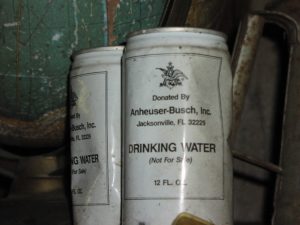
The Samburu ProjectThe Samburu are indigenous peoples located in Kenya and East Africa. The Samburu tribe is historically nomadic, traveling throughout the region to provide for its members. With close relations to the Maasai tribe, the Samburu tribe shares a similar language, both derived from the mother language Maa. The Samburu Project aims to provide clean water access to the Samburu people.
“Women’s Rights are Human Rights”

Kristen Kosinski founded The Samburu Project after a trip to Kenya in 2005. While meeting with female leaders in the region, Kosinski met Mariama Lekwale, known as “Mama Mussa,” a remarkable women’s rights activist and member of the Samburu tribe. Mama Mussa introduced Kosinski to many Samburu women, all of whom brought up the issue of water during shared conversations. Kosinski learned that water was the focal point of many of these women’s lives. It was the women’s responsibility to procure drinking water for the family, an extremely complicated task.

Safe drinking water was severely lacking in the region, with few available wells. The existing hand-dug wells faced contamination from waste products. Waterborne disease was rampant, causing illness and death across the region. As it is the women’s job to search for water, parents often pull daughters out of school to help with this arduous task, depriving young girls of their education. According to Water.org, globally, women and children “spend a collective 200 million hours collecting water.” This time could go toward more productive activities such as education and paid employment.

Impact in Numbers

Seeing how a lack of access to water disproportionately affects girls and women, Kosinski was inspired to work together with Mama Mussa to drill four new wells in the region before the year 2007. In 2007, Mama Mussa, unfortunately, passed away, however, her son Lucas Lekwale took over this incredible mission. Together, Lekwale and Kosinski committed to drilling an additional 75 wells in the region before the close of 2015. Since its start in 2005, The Samburu Project has built 126 wells in the region, providing more than 100,000 Kenyans with clean and safe drinking water. Over time, The Samburu Project gained many well-known partners such as Whole Foods, OPI, Chobani, Wells Fargo Advisors, Rotary International, Lyft and Forever 21, to name just a few.

The Far-reaching Impacts of Access to Water

According to the United Nations, water forms “the core of sustainable development and is critical for socio-economic development, healthy ecosystems and for human survival itself.” Furthermore, water is essential for eliminating diseases and “improving the health, welfare and productivity of populations.” As such, The Samburu Project’s mission is an important one.

The Samburu Project’s mission is “to provide access to clean water and continue to support well communities with initiatives that promote health, education, women’s empowerment and general well-being.” Safe water has also played a significant part in curbing the spread of COVID-19 in the area. Reducing contamination and increasing access to hygiene practices like handwashing through “tippy tap” handwashing stations has dramatically reduced potential instances of infection and transmission in the region.

Eliminating the search for water gives women time to earn an income, lifting many out of poverty. It also gives young Kenyan girls time to focus on their education, with more than double the number of girls enrolled in school as a result of acquiring access to clean water. With accessible clean drinking water, health, hygiene and wellness improve and young girls can attend school instead of shouldering the burden of collecting water with their mothers. Furthermore, women can focus their energy on activities that empower them to rise out of poverty.

The Samburu Project has done incredible work in Kenya, ensuring that the fundamental right to water is upheld for the most vulnerable and disadvantaged communities.

– Michelle M. Schwab
Photo: Flickr

September 13, 2021
https://borgenproject.org/wp-content/uploads/borgen-project-logo.svg 0 0 Lynsey Alexander https://borgenproject.org/wp-content/uploads/borgen-project-logo.svg Lynsey Alexander2021-09-13 07:30:442024-05-30 22:25:03The Samburu Project
Global Poverty, Water, Water Crisis

18 Billion Liters Closer to Water Security for All

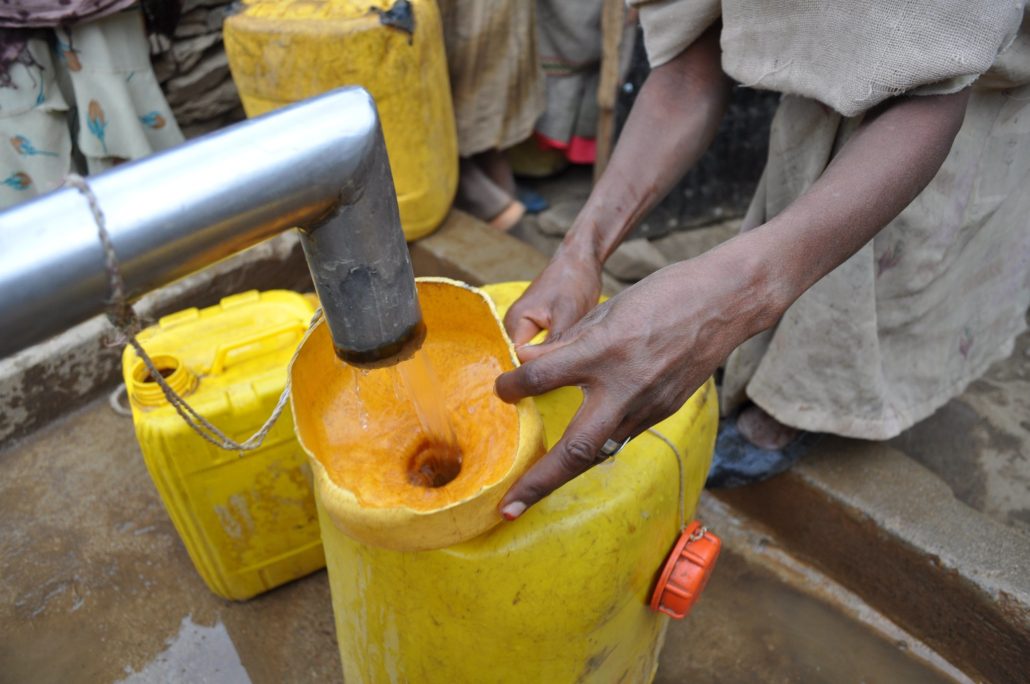
Water SecurityThere are 326 million trillion gallons of water on planet earth. However, only 1% of that is clean and accessible. This means there is enough water for everyone on the planet and more. Nonetheless, 1 in 5 children still do not have basic water security.
Lack of Water Security Hurts the Poor Most

Globally, 80 countries harbor children living in regions considered to have low water security. The poorest children are the most likely to live in these regions. Of the top ten most affected countries, nine are in the poorest continent on earth: Africa. A staggering 58% of children in Eastern and Southern Africa face a difficult path to get water on a daily basis. In some regions, families have to travel for up to 30 minutes to get water at all. Consequently, the lack of water security increases the risk of dehydration and takes time away from families who could be working. The risk for water deprivation is also increased, which is lethal. Furthermore, impoverished children face another issue related to poor water security.

An Infectious Problem

In regions with poor water security, bacteria and viruses often contaminate the water. Water contamination leads to diarrheal illness, taking more children’s lives than many of the most common causes for death. It is the second leading cause of death for children worldwide. The illness causes the person affected to lose so much fluid that they die from dehydration. In total diarrheal infections take the lives of 525,000 children each year.

The Water Packet

Water security is a concerning problem that industry giant P&G has been tackling one liter at a time. In 2004, P&G initiated its Children’s Safe Drinking Water program, a revolutionary initiative based around a simple yet effective invention called a purifier of water packet. Created by company scientists, it has the ability to transform 10 liters of dirty water into crystal clear drinking water in thirty minutes. First, the four-gram packet is placed in dirty water and then the whole container is stirred thoroughly. During the stirring, any particles in the water group together into thick clusters. Then the stirring ceases and the particles are allowed time to settle at the bottom. Throughout the whole process, the packet disinfects the water from contaminants. Lastly, the water is run through a cloth which catches the remaining particles and all that is left is drinkable water.

Brittaney Stapleton, Volunteer Relations Coordinator at Cincinnati Zoo & Botanical garden informed The Borgen Project about her time at a P&G event where she was shown a demonstration of the packet. She said that during the event the attendees were taken to a beautiful piece of land with a murky brown reservoir of water. “I wouldn’t have touched that water with a ten-foot pole,” she remembered. “So they opened the packet and I don’t remember exactly how long they had to do it but they just stirred with a big stick and after a period of time, the water was crystal clear. There was no debris. It was crystal clear and it looked like something you would see in a Brita filter. Just clear.”

Looking Towards the Future

Throughout the lifetime of the program, a total of 18 billion liters of water have been purified, with P&G planning on purifying billions more in the future.

Brittaney added that they geared the demonstration towards showing people how easy it is to change lives. “It made you feel that much better to know even if you could only give a little bit it’s making a huge impactful difference. It doesn’t matter. You don’t have to be a millionaire, you can be just middle of the road and you can still help.”

– Cole Izquierdo
Photo: Flickr

September 11, 2021
https://borgenproject.org/wp-content/uploads/borgen-project-logo.svg 0 0 Kim Thelwell https://borgenproject.org/wp-content/uploads/borgen-project-logo.svg Kim Thelwell2021-09-11 17:19:592024-05-30 22:25:0318 Billion Liters Closer to Water Security for All
Global Poverty, Poverty Reduction, Sanitation, Water, Water Sanitation

Diving into Poverty Reduction in Malaysia

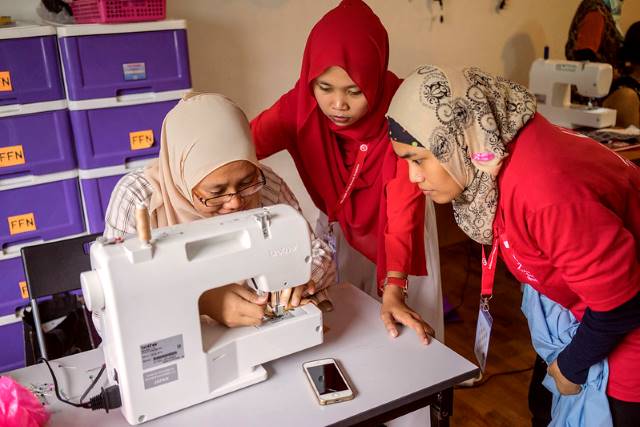
poverty reduction in MalaysiaEstablished in 1963, Malaysia is a small country located in Southeast Asia. Since earning its independence, Malaysia has made considerable strides in working to reduce the national poverty rate, to the point where the country is expected to gain high-income status between 2024 and 2028. With the help of the United Nations and other organizations, poverty reduction in Malaysia is slowly reaching rural areas, which still remain disproportionally plagued by poverty.
A Flailing Poverty Line

Malaysia’s economic success cannot be explained without first noting the shift in an economic system previously dependent on agriculture to one built around commodity exportation. With about 40% of its labor force working in export activities, the country’s positive attitude toward trade and investment is responsible for the upwards trajectory in job growth and income expansion. Poverty reduction in Malaysia is apparent in its revision of the poverty line, increasing from $231.27 to $521.06 in 2019. That same year, however, rural households reported earning less than $2 per day.

Reports from government officials, which detail poverty reduction in Malaysia, ignore risks that many people face every day. The most impoverished 40% consist of rural villagers, migrant workers and refugees. These people are often left out of official poverty figures and lack a social safety net. Moreover, the dramatic economic growth seen in recent years is not accurately reflected in the poverty line, which is largely inconsistent with the current income levels of Malaysians. In his report, Professor Philip Alston explains that the impoverished have benefitted in gaining universal access to basic utilities. However, things like medical care and education are widely unattainable.

In areas such as Pulau Indah, an island not far from the capital Kuala Lumpur, many citizens live alongside heaps of garbage consisting of discarded plastic waste from Western countries. Here, sanitary living conditions are hard to come by. Education levels and medical needs prohibit people from building a life elsewhere. Most are even employed at illegal factories working to burn the waste that surrounds them. This leaves them in an inescapable cycle of poverty.

Villages Struggling to Stay Afloat

Problems are exacerbated in rural areas where the distance from hospitals, schools and jobs prevents residents from obtaining help. In water villages, which are clusters of homes sitting atop the water’s surface, the communities are subject to pollution and dangerous living conditions. While poverty reduction in Malaysia targets floating villages, providing them with basic necessities is still a hurdle. Access to clean water is a major problem as towns have no way of installing sewer systems. Even safe methods of electricity for heat or cooking are unaffordable. Thus, people resort to illegally extending power lines, risking engulfing entire villages into flames.

Casting a Safety Net

The United Nations Environment Programme (UNEP) is using an innovative strategy to aid poverty reduction in Malaysia. True to its mission of caring for the environment by improving people’s quality of life, UNEP sponsored a pilot project aimed at providing sewage treatment tanks to homes and schools in floating villages. This is major for a region like Sabah, which has 10,185 floating homes. These efforts are helping nearly 50,000 people gain access to sanitary living conditions. As part of a 36-month-long project, UNEP hopes to install 200 more treatment tanks in another village. Additionally, UNEP is encouraging the establishment of a facility where local people can work to produce the tanks themselves.

A business known as Hive Bulk Foods has also made considerable efforts at drawing attention to the waste issues in Malaysia and the impact of waste on impoverished communities. Founded by Claire Sancelot, The Hive encourages sustainable living and works with local farmers to source its ingredients. It operates as one of the only no-waste stores in Kuala Lumpur.

This push toward empowering rural communities to help eliminate poverty is apparent in the Malaysian government’s work as well. Legislation such as the 12th Malaysian Plan is based around promoting economic growth and poverty reform. Key policy measures that include providing help for undocumented citizens and re-evaluating the poverty line would ensure that poverty levels continue their downward trend for good.

– Nicole Yaroslavsky
Photo: Flickr

September 8, 2021
https://borgenproject.org/wp-content/uploads/borgen-project-logo.svg 0 0 Kim Thelwell https://borgenproject.org/wp-content/uploads/borgen-project-logo.svg Kim Thelwell2021-09-08 07:30:512021-09-08 00:24:35Diving into Poverty Reduction in Malaysia
Global Poverty, Water, Women & Children

Women and Water Scarcity in Ethiopia

Water scarcity in EthiopiaEthiopia’s water supply is scarce — only 42% of the population has access to clean water. For those that don’t have access to clean water, women bear the brunt of the work to get it for their families. Therefore, water scarcity in Ethiopia is, though some might not realize it, a women’s issue.

While men work and try to earn money, mothers, wives, and young girls carry the water burden, both physically and metaphorically. These women walk long distances, often three hours or more to get clean water for drinking, bathing, washing clothes and more. These long distances take away valuable time from these women’s lives. Mothers often have to bring their young children on these long journeys or risk leaving them by themselves. Instead of spending time taking care of their children or working, many take six to eight hours every day collecting water and returning home. As for young girls, many sacrifice their education to get water, causing their chances of escaping poverty to dwindle. Women also have to carry heavy jerry cans for long distances, which could lead to physical strain or other health issues.

The Economics of Water Scarcity in Ethiopia

Water scarcity in Ethiopia affects 61 million people who do not have access to safe water. Although the water that they have access to may not be safe, many Ethiopians have no choice but to pay for their dangerous water supply. Water from sources like unprotected ponds and shallow wells can cost some Ethiopians around 20% of their total income.

Since this water is not safe, many people also get sick from water-borne illnesses like cholera and diarrhea, which takes time, money and energy away from working or finding a way to earn money, catapulting Ethiopians further into poverty.

Organizations Helping Supply Water

There are several organizations with a mission to supply water to people in countries that face water scarcity, including Ethiopia. WaterAid UK is one of these organizations. The organization supplies areas with a scarce water supply, like remote villages, with access to clean water. For example, WaterAid UK installed a 400-meter pipe from a spring which pipes water down to the center of the village of Ferenji in Ethiopia. The organization has supplied 26.4 million people with clean water since its establishment in 1981.

Another organization bringing clean water to Ethiopia is charity:water. Founded in 2006, charity:water uses different methods including piped systems, hand-dug wells, drilled wells, gravity-fed systems, spring protections and latrines to provide Ethiopians with clean water. Their efforts so far have helped 3,025,007 Ethiopians gain access to safe water.

A Progressive Future

Water scarcity in Ethiopia proves to be a burden for women, causing them to sacrifice work, education, money and providing for their families. Many do not have a choice but to make the long treks to retrieve clean water, but several organizations use their resources and funds to build water sources for Ethiopians. These efforts will help lessen the water burden for women across Ethiopia and allow them to focus on progress for themselves and their families.

– Sana Mamtaney
Photo: Flickr

September 7, 2021
https://borgenproject.org/wp-content/uploads/borgen-project-logo.svg 0 0 Lynsey Alexander https://borgenproject.org/wp-content/uploads/borgen-project-logo.svg Lynsey Alexander2021-09-07 22:56:532021-09-20 00:45:36Women and Water Scarcity in Ethiopia
Page 11 of 57«‹910111213›»

Get Smarter

  • Global Poverty 101
  • Global Poverty… The Good News
  • Global Poverty & U.S. Jobs
  • Global Poverty and National Security
  • Innovative Solutions to Poverty
  • Global Poverty & Aid FAQ’s
Search Search

Take Action

  • Call Congress
  • Email Congress
  • Donate
  • 30 Ways to Help
  • Volunteer Ops
  • Internships
  • Courses & Certificates
  • The Podcast
Borgen Project

“The Borgen Project is an incredible nonprofit organization that is addressing poverty and hunger and working towards ending them.”

-The Huffington Post

Inside The Borgen Project

  • Contact
  • About
  • Financials
  • President
  • Board of Directors
  • Board of Advisors

International Links

  • UK Email Parliament
  • UK Donate
  • Canada Email Parliament

Get Smarter

  • Global Poverty 101
  • Global Poverty… The Good News
  • Global Poverty & U.S. Jobs
  • Global Poverty and National Security
  • Innovative Solutions to Poverty
  • Global Poverty & Aid FAQ’s

Ways to Help

  • Call Congress
  • Email Congress
  • Donate
  • 30 Ways to Help
  • Volunteer Ops
  • Internships
  • Courses & Certificates
  • The Podcast
Scroll to top Scroll to top Scroll to top