The Walk for Water Campaign Increases Global Water Access
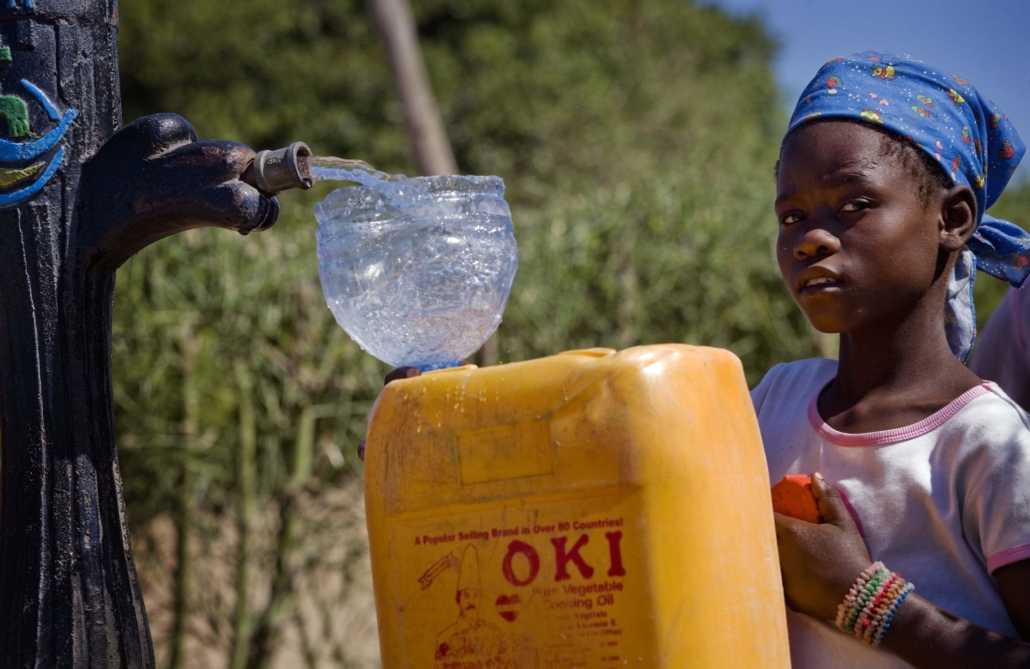
Turning an everyday walk into vital support for the world’s most vulnerable is possible through the United Kingdom’s WaterAid campaign, Walk for Water. The campaign encourages the public to participate in a walking challenge that raises funds for pipe installations, well constructions, menstrual hygiene sessions and the building of school toilets in countries with a high count of people living in poverty. Clean water is vital for good health, thriving communities and flourishing economies. Challenging people to walk this month will contribute to improving the lives of women and girls who have to walk up to 12 kilometers every day to collect clean water.
Inequality in Access to Water
A 2019 report by UNICEF and World Health Organization reveals that “2.2 billion people around the world do not have safely managed drinking water services, 4.2 billion people do not have safely managed sanitation services and 3 billion lack basic handwashing facilities.”
These statistics make it clear that mobilization efforts need to pick up the pace in order to meet the U.N. drinking water, sanitation and hygiene targets by 2030. The U.N. asserts that the world’s progress in this area must increase fourfold in order to meet these goals.
Water and Poverty
Rapid population expansion, urbanization and growing water demands from the “agriculture, industry and energy sectors” have put a strain on global water resources. Access to safe and affordable water and sanitation plays a key part in poverty reduction and well-being. Meeting the U.N. Sustainable Development Goals (SDGs) in this area would safeguard the lives of 829,000 people per year, who would otherwise die from illnesses arising from contaminated water, improper sanitation and inadequate hygiene.
According to Healing Waters, about 84% of people who lack access to clean water live in rural areas, meaning they rely on agriculture to meet their nutritional needs and secure an income. In cases of water contamination, crops are detrimentally affected and communities end up consuming contaminated food, exposing them to a multitude of preventable diseases and illnesses.
The obvious way that clean water reduces poverty is by improving physical health and well-being. Proper water and sanitation access prevents the spread of water-borne illnesses — the cause of 80% of illnesses in poverty-stricken countries, Healing Waters says.
Access to clean water also reduces poverty by easing the physical burden placed on females of all ages as gender roles prescribe that girls and women bear the role of water collectors. Females must undertake strenuous journeys, sometimes of up to 12 kilometers, carrying heavy buckets of water back to their homes after collection. One of the goals of the Walk for Water initiative is to lift this burden off of females so that young girls can engage in education and women can rest or partake in other productive tasks rather than spending hours collecting water, thus improving the lives of women and girls.
Looking Ahead
It is becoming more and more obvious that properly managed clean drinking water, sanitation and hygiene services are essential to maintaining human health as the COVID-19 pandemic carries on. However, billions of people would still lack these basic amenities in 2030 unless progress accelerates significantly. Many other aspects of sustainable development depend on water, and in order for the current trend to change, immediate action is necessary.
– Ralitsa Pashkuleva
Photo: Flickr
