Addressing the Water Crisis in India
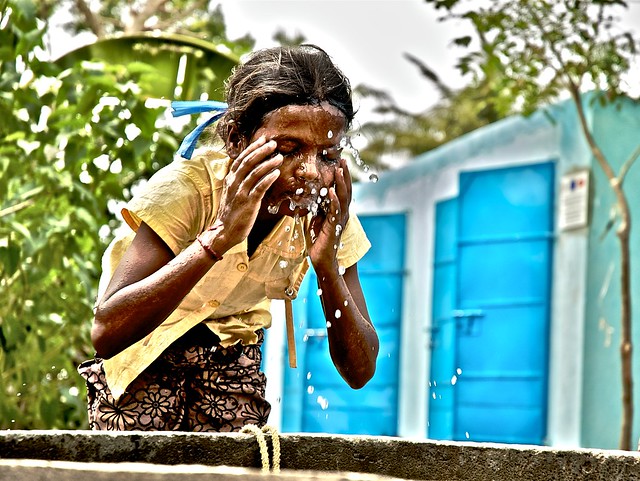 India is home to approximately 16 percent of the world’s population. However, India only holds about 4 percent of the world’s freshwater, leaving 76 million Indians without access to safe drinking water. The water crisis in India worsens each year as precipitation becomes more unreliable and groundwater sources run dry. More than 500 people in Chennai, India’s sixth-largest city, were arrested during protests in front of the municipal government on June 19. Protesters blame the government for the water crisis as a result of “negligence and mismanagement.”
Background
Usually, June is the start of monsoon season in Chennai. Precipitation levels are only half of what they should be. June 20 was the first major rainfall of the year, 29 millimeters. This was more than the total documented rainfall since December. Furthermore, Chennai’s basic infrastructure system is unable to efficiently store water during rainstorms to save for periods of drought. The rivers fill quickly and often flood. Meanwhile, 91 percent of the water flows into the ocean where it is no longer drinkable. Chennai is the first major city to experience a water crisis in India this severe.
The four largest reservoirs around Chennai have run dry. They are not expected to fill until November. The government is currently shipping water directly into Chennai, where thousands of residents wait in line for their share. Once residents receive their water, they must carry over a dozen pots back home for their families. People have resorted to violence, fighting over water or hijacking water trucks, to survive.
How Did This Happen?
There are two sources of water in the world: surface water and groundwater. Around 700 million Indians rely on groundwater as their main source of drinking water. But groundwater is only supposed to be a buffer resource in case of drought. Additionally, monsoon season’s unpredictability over the last few years has prevented groundwater from replenishing. For instance, between 2002 and 2012, groundwater depletion rates in Chennai were 8 percent faster than recharge.
Protesters blame the government for the water crisis in India because of the lack of regulation to protect groundwater has left reservoirs dry. India uses more groundwater than any other country, using about 25 percent of all groundwater extracted in the world. Unlike surface water, the Indian government does not regulate groundwater. The Easement Act of 1882 gives landowners the right to collect water under their land despite it being a shared resource. In other words, the lack of regulation gave way to the tragedy of the commons. Individuals acted independently to advance their own interests without worrying about the consequences of over-exploitation and depletion for the community.
Future Effects
Chennai’s geological systems are susceptible to quick depletion because of its shallow crystalline aquifers with little storage room for water. Additionally, crystalline rock has low permeability, which drastically decreased recharge rates during rainfall. These conditions caused almost immediate depletion. However, water insecurity will continue to worsen across other parts of India with different geological structures as more groundwater is over-exploited.
If they continue to exploit groundwater at this rate, 40 percent of the population will not have access to drinking water by 2030. Furthermore, 21 cities will run out of groundwater by 2020. Lastly, by the year 2050, 6 percent of GDP will be lost.
Potential Solutions
Replenishing groundwater is essential to ending the water crisis in India. However, as monsoon season brings unreliable rainfall, communities must search for other ways to refill aquifers. One idea is to desalinate seawater. About 25 percent of India’s population, including residents of Chennai, live along the water. Currently, desalinated water makes up 40 percent of Chennai’s supply. However, this is not enough to end the water crisis. Desalination requires too high of costs and energy consumption for a fuel-poor country. The Desalination Journal conducted a study in 2014. The study found that solar energy can desalinate water. However, desalination cannot produce water at a sustainable monetary cost.
The government must find other solutions to the severe water crisis in India. Leaving the rights of groundwater to landowners will continue to lead to further depletion. It will take a large government commitment to reverse the effects of the water crisis in India and provide its residents with sufficient access to clean water.
– Haley Myers
Photo: Flickr
