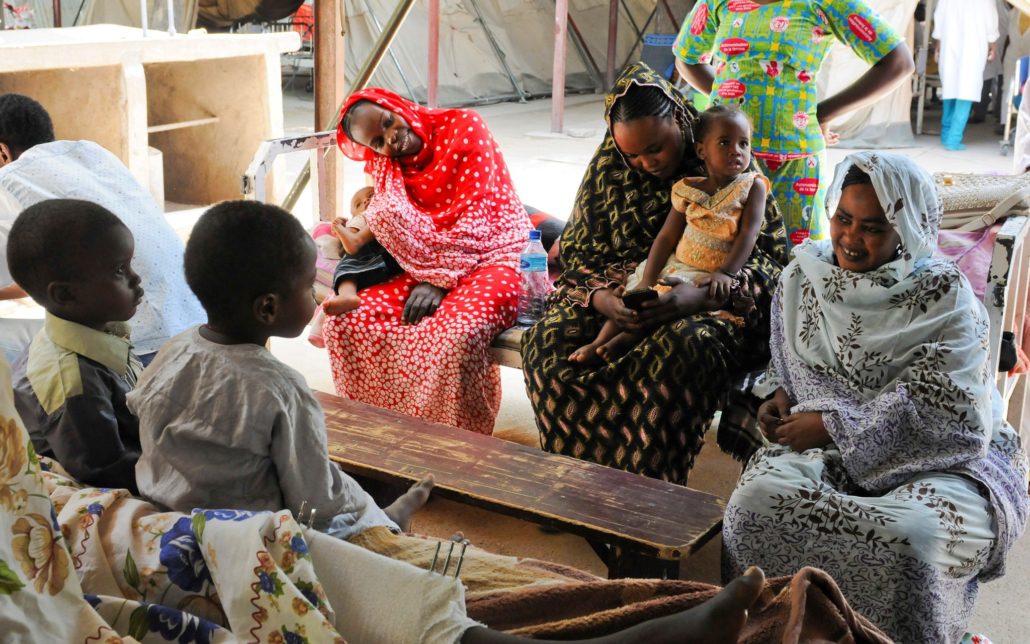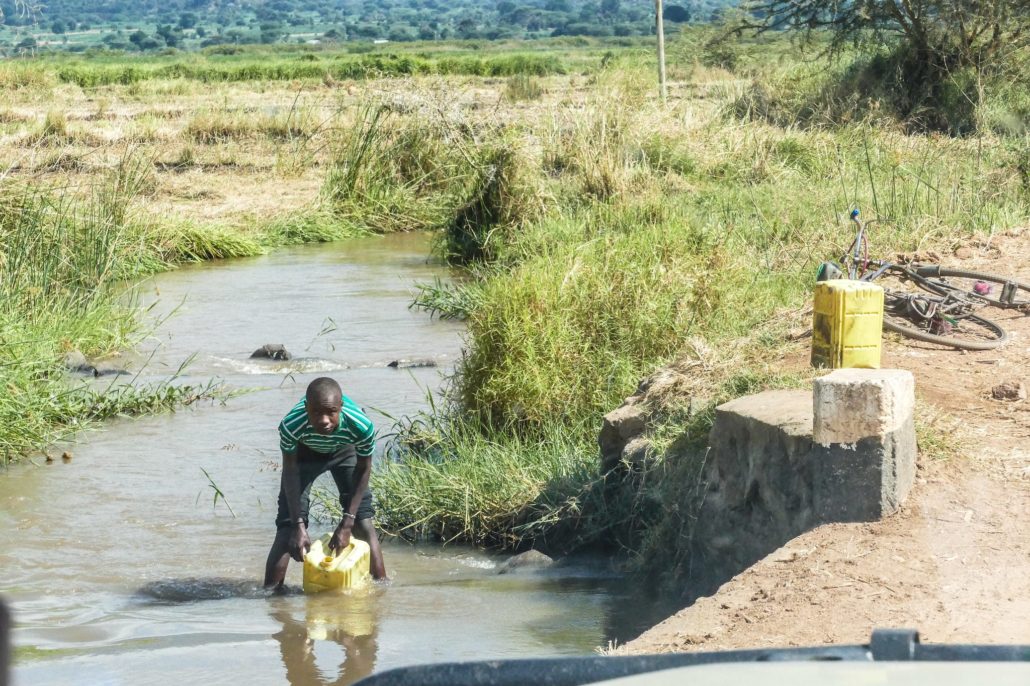
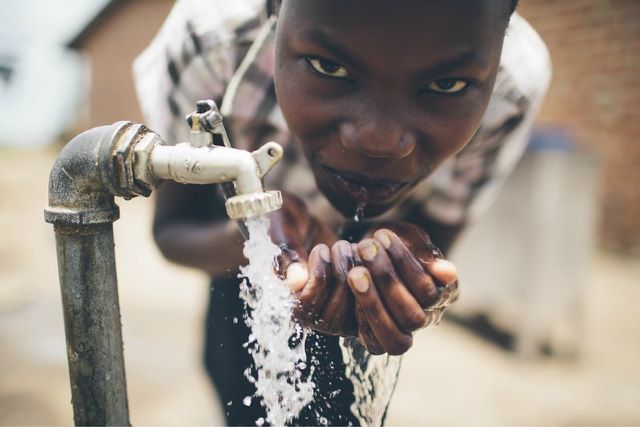
Every country should have access to sanitary water. Clean water provides nourishment, prevents diseases, kills toxins and is essential for agriculture. About 2.5 billion people in the world do not have adequate access to water. Additionally, 80% of illnesses that arise in developing nations are due to a lack of clean water. Having proper water solutions for developing nations is essential in fighting global poverty. This article will examine water solutions in Tanzania specifically.
About the Water Situation in Tanzania
Five million people endure serious water shortages in sub-Saharan Africa. In Tanzania, 4 million people do not have access to clean water. As a result, women and children spend a lot of time traveling to find water. Additionally, people traveling to Tanzania receive advisories to bring their own water. Tanzania and others have put substantial efforts into finding clean water solutions in Tanzania. However, there is still much to do.
WaterAid in Tanzania
WaterAid is an NGO that aims to aid countries in sub-Saharan Africa, Asia and Central America. Its goal is to provide water, sanitation and education to impoverished areas. WaterAid has been able to provide clean water to 17.5 million people. Furthermore, it has been able to improve sanitary conditions for 12.9 million people.
In Tanzania, this organization has successfully supplied 1.5 million people with water solutions and 97,000 people with better sanitation. Additionally, WaterAid focuses on delivery and advocacy. Furthermore, it emphasizes the importance of rallying support for policies that aid those living without sanitary water or sanitation services. This NGO’s goal is to provide water solutions for vulnerable communities in Tanzania by creating low-cost, sustainable projects.
Nonprofit Organizations that are Making a Difference
LifeWater is a nonprofit organization that strives to create water solutions and better sanitary conditions for struggling communities. The organization builds safe water sources and tests and maintains sanitation to keep impoverished nations safe. Furthermore, Lifewater has many goals for its 2021 water projects.
LifeWater identifies communities with a high need for clean water, sanitary conditions and better health. Then, staff who are familiar with the culture and language help instill sanitation regulations within these communities. These impoverished areas are able to obtain clean water and LifeWater is able to follow up with their progress.
Additionally, Water.org is another nonprofit organization that aims to bring clean water and sanitary conditions to everyone. It operates in countries within Asia and Latin America. This organization’s low-cost, accessible water solutions have positively impacted 31 million lives.
Water.org provides small, affordable loans to impoverished nations through its WaterCredit initiative. This initiative provides access to “affordable financing and resources for household toilet and water solutions.” This nonprofit continues to impact lower-income communities by providing water solutions in Tanzania.
Success Story in Tanzanian School
Water from wells in Bagamoyo became undrinkable due to seawater intrusion. As a result, students were unable to study because they spent most of their time fetching water. Students at Kingani school had to choose between drinking unsanitary water or having none at all.
With the United Nations Environment’s and its partners’ support in the rainwater harvesting project, living conditions improved. The project involves rooftop guttering and collecting large tanks that can store 147,000 liters of water. Thus, these tanks store rainwater for students to use for drinking, cooking and washing. Fortunately, this new project has generated a boost in attendance, health and motivation.
Organizations, projects and loans are beneficial in aiding impoverished communities. Providing water solutions improves nourishment and prevents illnesses. Furthermore, when women and children do not have to travel long distances to retrieve water, they are able to attend school, go to work and take care of their families.
– Celia Brocker
Photo: Flickr
 The health of those living in developing countries links to impacts caused by lack of access to food, clean drinking water, shelter and health care. Recent inventions have come about with the aim of boosting health in the developing world.
 Situated in Southern Africa in between the borders of Mozambique, Zambia and Tanzania, is Malawi, a nation with 50% of the population living below the poverty line. Many reciprocal factors drive such high poverty rates — the country’s low
  Water and sanitation services in Kenya are lacking, but the country is improving these services through the introduction of new inventions and initiatives. The U.N. adopted the 2030 Agenda for Sustainable Development in 2015, a blueprint for achieving the
  Fluoride is a vital compound for the growth and development of the human body. Not only does it promote the strengthening of tooth enamel, helping to protect teeth from cavities, but it is also thought to aid in the development of the bones. However, when consumed in any more than minute quantities, the same compound can lead to a myriad of health issues ranging from the browning of the teeth to
 Goliathon is a nonprofit organization located in New Jersey, that uses obstacle courses to raise money for another organization, charity: water, which is based in New York. These two organizations jointly work to bring clean and safe drinking water to people in developing countries.